
Quick Take
- One unspayed female cat can trigger a population explosion that defies belief, and the math behind it goes a long way toward explaining why shelters are so overwhelmed. See the reproduction math →
- Shelters are placing cats on farms and vineyards, a practice that is solving a problem traditional adoption never could. Explore working cat placements →
- Shelter workers love animals more than almost anyone, yet so many of them end up walking away. Read about compassion fatigue →
On August 15th, the world will celebrate International Homeless Animals Day. This day was created to shine a spotlight on a heartbreaking reality in the animal world: pet overpopulation remains one of the greatest animal welfare challenges around the globe. Every year, close to 6 million animals enter US shelters. It can be truly difficult to comprehend. Sadly, hundreds of thousands of animals are still euthanized each year because shelters run out of space, time, or resources.
It seems like a dire situation, and in many ways it is. However, there is hope, and there are solutions. From spay & neuter initiatives to innovative adoption programs, there are many new ways to tackle this growing problem. Understanding why pet overpopulation happens—and what ordinary people can do to help—is the first step toward ensuring that every dog and cat has the opportunity to find a loving home. Let’s learn more about this situation and what you can do to help during this year’s International Homeless Animals Day.
Why Pet Overpopulation Happens
The answer to this question is not so simple. Many factors contribute to pet overpopulation. How we go about solving each problem will determine how the future may look for our pets.
The biggest contributor is simple math. An unspayed female cat can have multiple litters each year, with several kittens in every litter. Those kittens can begin reproducing when they’re only a few months old. Within just a few years, one pair of unaltered cats can contribute to hundreds or even thousands of descendants if none are spayed or neutered. Dogs reproduce more slowly than cats, but the problem is similar. Accidental litters happen, and as a result, puppies often end up in shelters if owners cannot find responsible homes.
Then, there are economic challenges that play a big role. Veterinary care is often expensive, and many families struggle to afford preventive care. When people cannot pay for food, housing, or medical expenses for themselves, caring for pets becomes even more difficult. Along with that, there are housing restrictions. Many rental properties limit the number of pets tenants may own or prohibit certain breeds altogether. Families facing eviction or relocation sometimes have no choice but to surrender beloved pets.
There can also be issues tied to natural disasters. When hurricanes, floods, and wildfires displace families, their pets may become separated from them or require emergency sheltering. Finally, there’s the potential for behavioral challenges. For example, if dogs don’t get proper training, they can develop behaviors that can be difficult to manage for families.
As you can see, there are many factors to consider, so help is needed.
The Reality of Animal Shelters
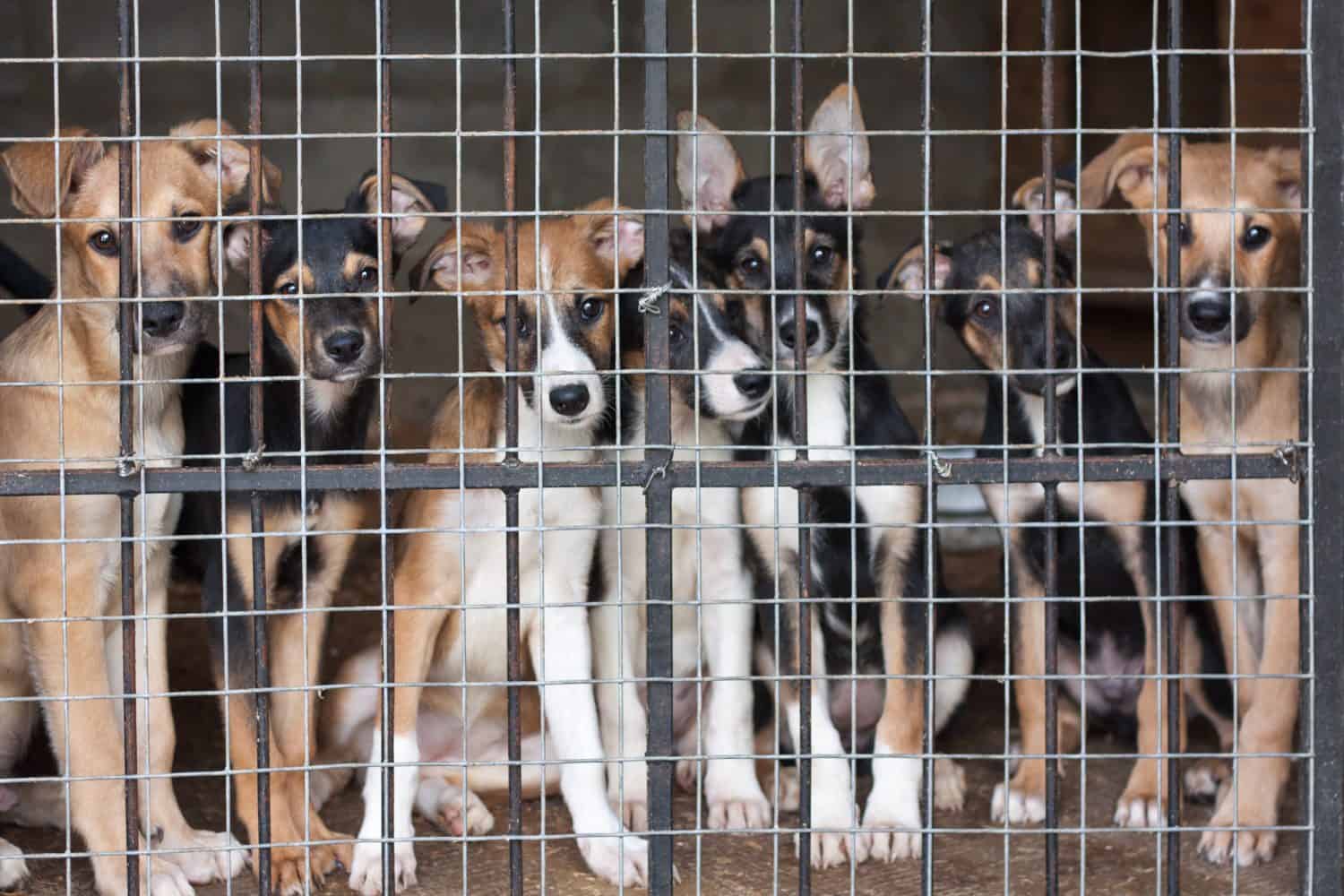
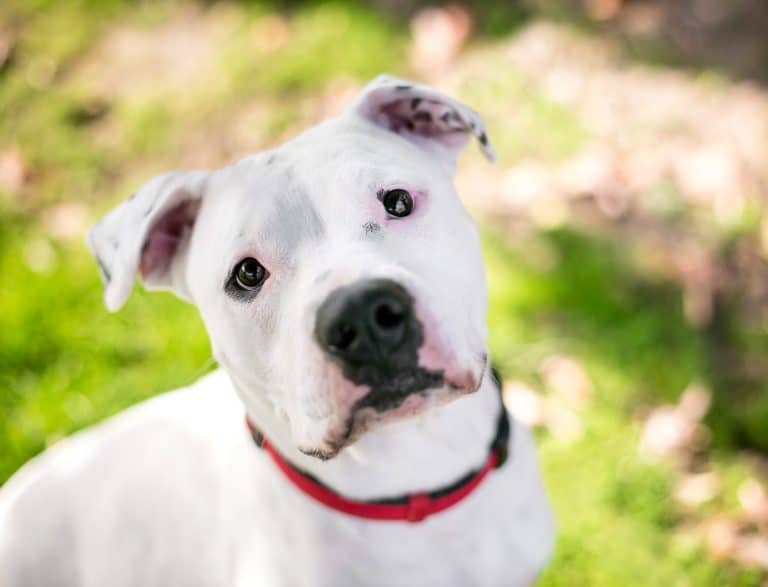
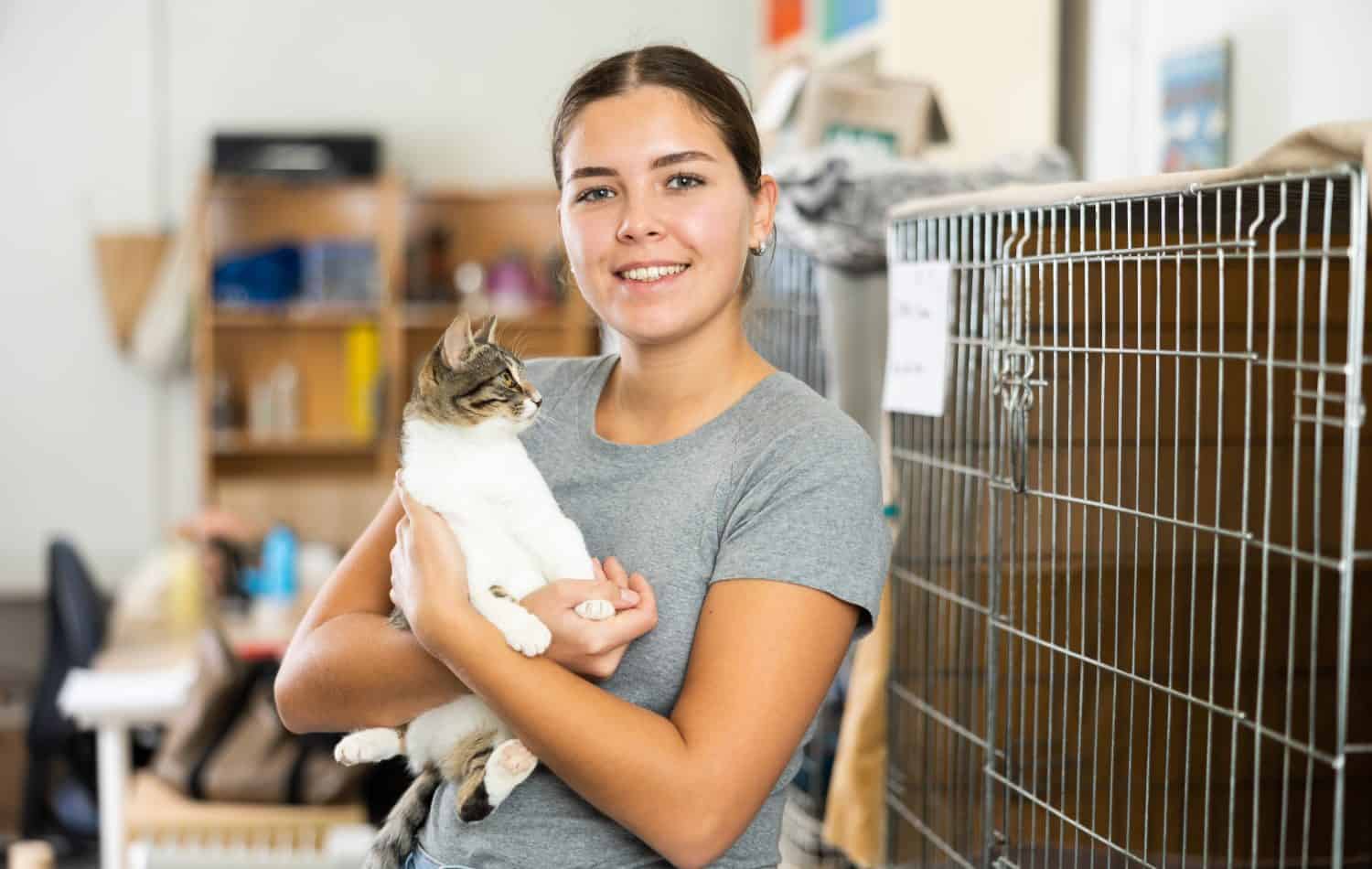
Animal shelters are essential, but they’re often overcrowded and have limited staff.
©Usersam/Shutterstock.com
Pet overpopulation can occur for many reasons, and animal shelters are great resources, but they have limitations. While many people envision shelters as places where playful puppies chase toys behind large viewing windows and children play with kittens, creating and maintaining that environment requires significant effort. Shelter employees spend long days cleaning kennels, preparing food, administering medication, answering phones, comforting frightened animals, and assisting visitors. During busy seasons, new arrivals may come through the doors faster than animals can be adopted, causing shelters to operate at or above capacity for months at a time.
Compassion fatigue is common among shelter workers. These professionals enter the field because they love animals, yet they regularly witness neglect, abandonment, illness, and heartbreaking owner surrenders. As a result, many people may choose to stop volunteering. Still, shelters do amazing work, and there have been many rescue success stories over the years.
Amazing Successes
One of the most incredible stories occurred after Hurricane Harvey in 2017. During the aftermath, many pets were displaced. Many animal welfare groups worked together to help relocate homeless pets, including Best Friends Animal Society. They were able to transport 14 dogs from Houston to New York, and each dog found a permanent home.
Then, there were the floods that occurred in Texas in 2026. Again, several animal welfare groups worked together. They airlifted 88 dogs and cats from overwhelmed Texas shelters to partner rescues in Utah in less than 24 hours. It’s another example of animal organizations taking their responsibility seriously for the good of pets worldwide.
Innovative Adoption Programs are Saving More Lives
Yes, animal shelters do amazing things, and they’re always trying new initiatives to get a hold on the pet overpopulation problem.
Some of these innovations are simple but effective, such as hosting adoption events at shopping centers, parks, breweries, farmers’ markets, and community festivals. Bringing animals into public spaces allows potential adopters to meet pets outside the shelter environment. Some shelters also waive or reduce adoption fees during special events sponsored by local businesses, so the financial burden is not as tough on people thinking of adopting.
Some innovative techniques revolve around working cats. Not every cat enjoys living indoors as a traditional house pet. Semi-feral cats that aren’t suited for family homes may thrive on farms, horse barns, vineyards, or garden centers where they help control rodent populations while receiving food, shelter, and veterinary care. This option creates opportunities for people who are interested in adopting non-traditional pets. Similarly, some shelters have “barn dog” placements for certain working breeds that can flourish in rural environments.
Another innovative approach is the ‘try-it-before-you-buy-it’ model through sleepover programs, where families can take dogs home for a weekend before committing to adoption. Sometimes these temporary visits become permanent, while other times they provide valuable enrichment for shelter animals.
Spaying and Neutering is Still Vital
One of the most well-known methods of alleviating the pet overpopulation problem is widespread spaying and neutering. These routine surgical procedures prevent unwanted litters before they occur, but the benefits extend far beyond population control. Consider these benefits:
- Spayed female dogs and cats avoid potentially life-threatening uterine infections and experience a significantly lower risk of certain cancers.
- Neutered males are generally less likely to roam in search of mates, reducing their chances of being hit by cars or becoming lost.
- Many pets also experience reductions in hormone-driven behaviors such as urine marking, territorial aggression, and excessive roaming.
- Communities with affordable spay-neuter clinics often experience measurable declines in shelter intake over time.
These operations provide a better solution than attempting to remove every outdoor cat, which often creates a vacuum effect that attracts new unaltered cats. Most of these programs are also humane and safe. Volunteers humanely trap cats, have them spayed or neutered, vaccinated, and ear-tipped before returning them to their familiar territories.
Simple Ways You Can Make a Difference
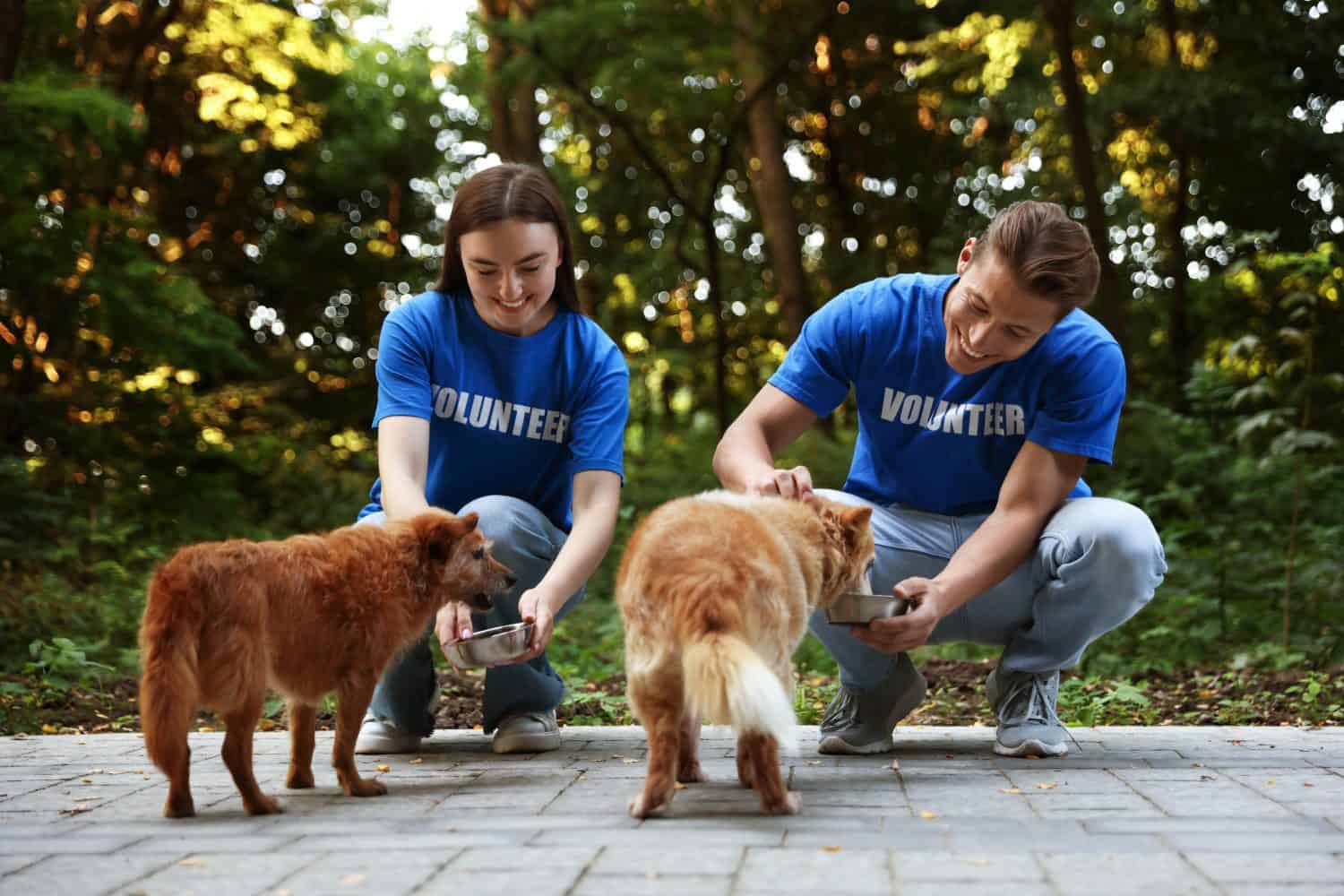
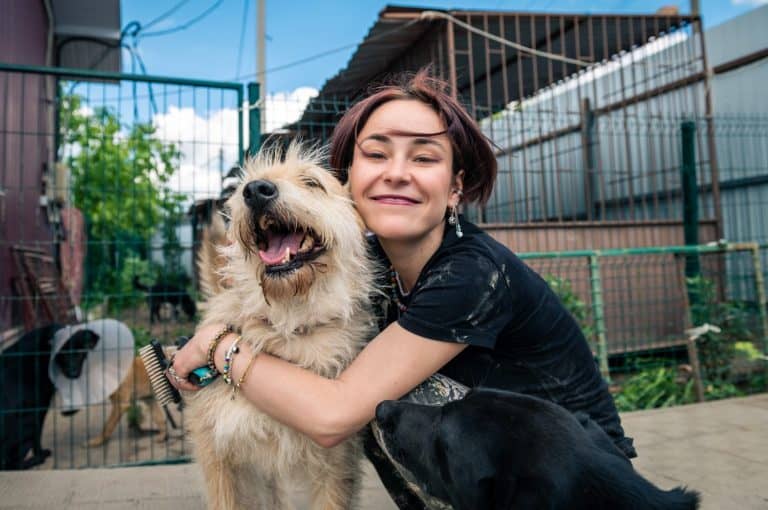
You can do your part by volunteering at an animal shelter or by donating your money to a good cause.
©New Africa/Shutterstock.com
If you have a true love of animals and domestic pets, you can also help reduce pet overpopulation issues worldwide. Even if you can’t adopt a pet right now, there are other ways you can help.
Volunteer
To make the biggest impact possible, consider volunteering at a local animal shelter. Many locations are starved for helpers, and you can have a lot of fun while making a big difference. While working at the shelter, you might walk dogs, socialize cats, or transport animals between shelters, veterinary clinics, or foster homes. There may also be the opportunity to photograph pets to create appealing adoption portraits to increase online interest. If you’re a writer, you could create engaging biographies that showcase each animal’s unique personality. Collectively, volunteer efforts save organizations thousands of hours of labor every year.
Make Donations
There are multiple ways you can donate time or resources in your local community. Donating unopened pet food, towels, blankets, toys, cleaning supplies, or laundry detergent can significantly reduce shelter expenses. Financial donations allow organizations to purchase medications, perform surgeries, and respond quickly to emergency rescues.
Adopt, Don’t Shop
If you’re considering adding a pet to your family, adoption is one way to give a shelter animal a home. Every adoption can help create space for another animal in need.
Spread the Word
Now that you’re informed about the dangers of pet overpopulation and what can be done to reduce the issue, spread the word! Tell people you meet about the importance of spay and neuter programs and tell others how they can donate and volunteer their time. You can also share how organizations like the ASPCA are making a significant impact and help raise awareness for these groups. You can also go above and beyond by hosting information sessions at libraries or using social media to inform others about upcoming adoption events.
Looking Toward the Future
Though the fight against pet overpopulation has made great progress over the last several decades, there’s still a lot of work to do. Economic uncertainty, housing shortages, natural disasters, and limited access to affordable veterinary care continue to place enormous pressure on shelters nationwide. International Homeless Animals Day serves as a reminder that animals need our help. The crisis of overpopulation won’t be solved overnight, but if we all do our part, we can make a significant difference.