
Quick Take
- A single beaver family can guide a valley through repeated stages of stream, wetland, and grassland over decades.
- Contrary to the expectation that only large animals reshape land, earthworms quietly rewire soil drainage, nutrient cycling, and plant growth.
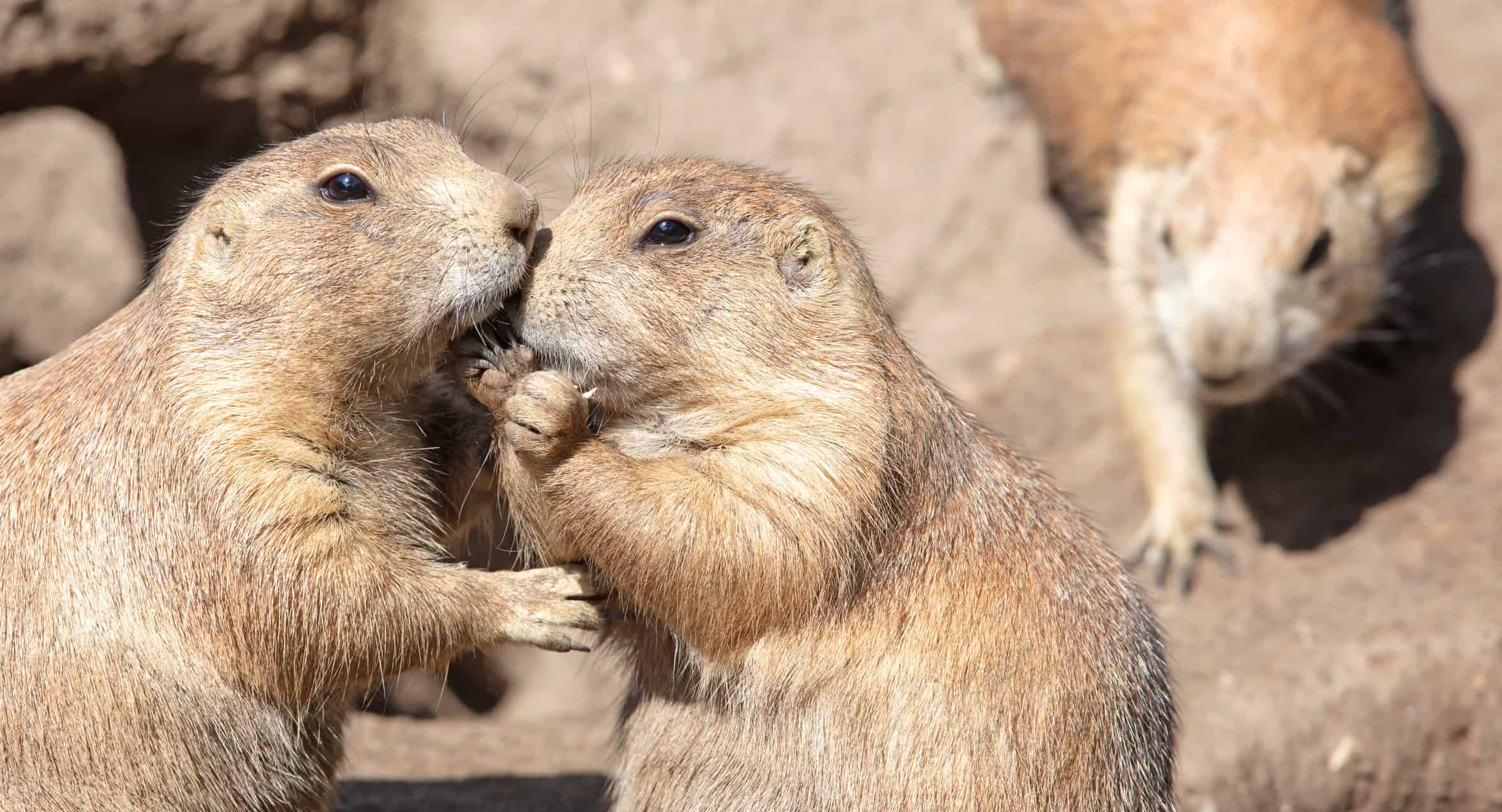
- Prairie dogs burrow into warm patches of ground and shelter the keystone black-footed ferret.
- When these engineers disappear, wetlands drain, and reefs crumble, threatening biodiversity and ecosystem resilience.
Most animals move through their habitats focused on survival rather than construction. They eat, dig, travel, and reproduce without any intention of redesigning the land around them. Yet the combined effect of these ordinary actions can be sweeping. Certain species reshape water flow, soil structure, and plant growth simply by meeting their daily needs. Scientists often describe these creatures as ecosystem engineers because their routines create or modify habitats used by many other species.
Beavers, elephants, prairie dogs, and reef-building corals are clear examples. Their activities slow rivers, open up grasslands, raise mounds, and build solid underwater frameworks. These changes determine where plants can take root and which animals are able to survive. When these species disappear, the landscapes they shaped begin to change. Wetlands drain, grasslands become overgrown with woody plants, and reefs break apart. Understanding these accidental engineers helps explain why protecting a single species can be crucial for the health of entire ecosystems.

Beavers: Rewriting Rivers
Beavers cut trees and stack branches to build dams and lodges that create deep ponds for safety and food storage. Those same structures transform streams and valleys far beyond the needs of the beavers themselves. Dams slow rushing water, causing it to spread into floodplains and wetlands. This process reduces erosion, traps sediment, and allows water to soak into surrounding soils rather than racing downstream.
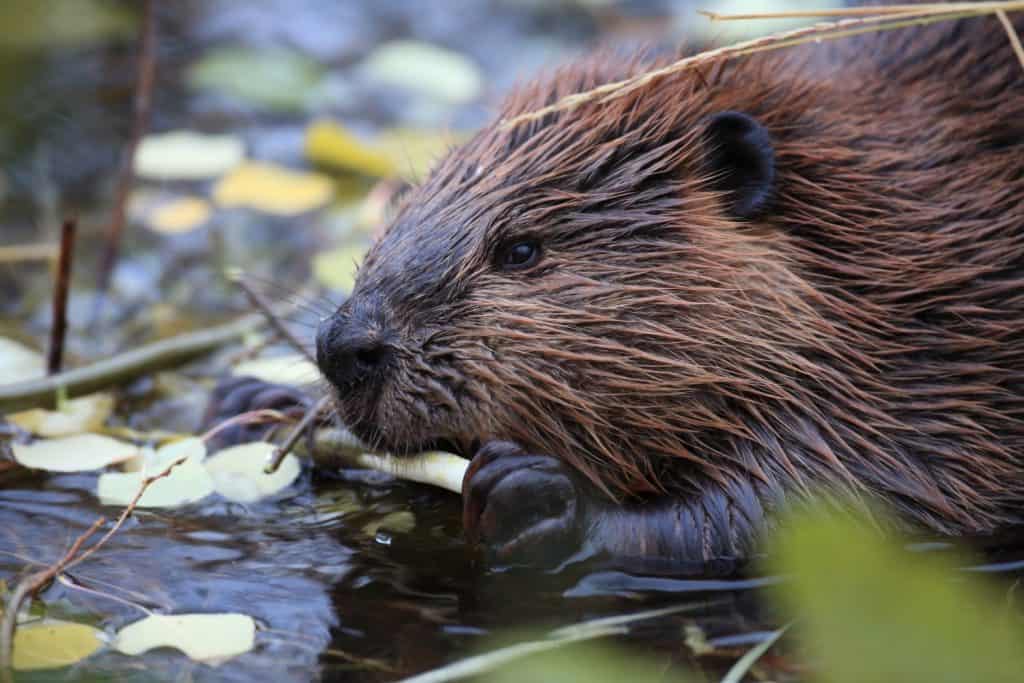
Beaver ponds support the growth of a variety of plants and trees.
©Frank Fichtmueller/Shutterstock.com
Over time, ponds created by beavers support dense growth of willows, sedges, and aquatic plants. These plants provide shelter and food for fish, amphibians, insects, and waterfowl. When dams are abandoned and eventually break down, the former ponds dry into open meadows rich in nutrients. A single beaver family can guide a valley through repeated stages of stream, wetland, and grassland over several decades. In dry regions, the added moisture from beaver ponds can also reduce wildfire spread and soften the effects of drought.
African Elephants: Toppling Trees
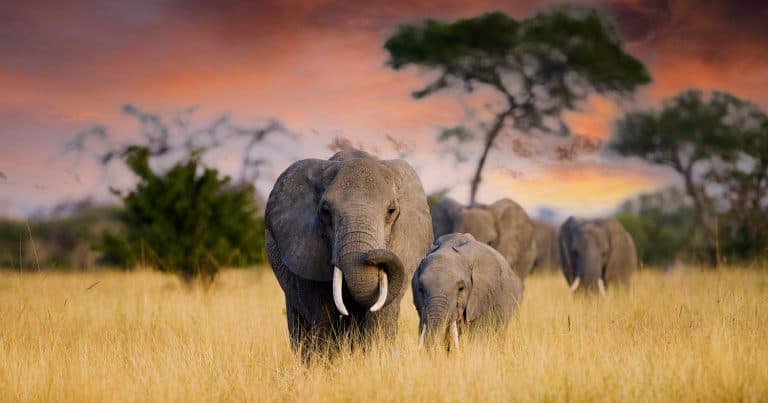
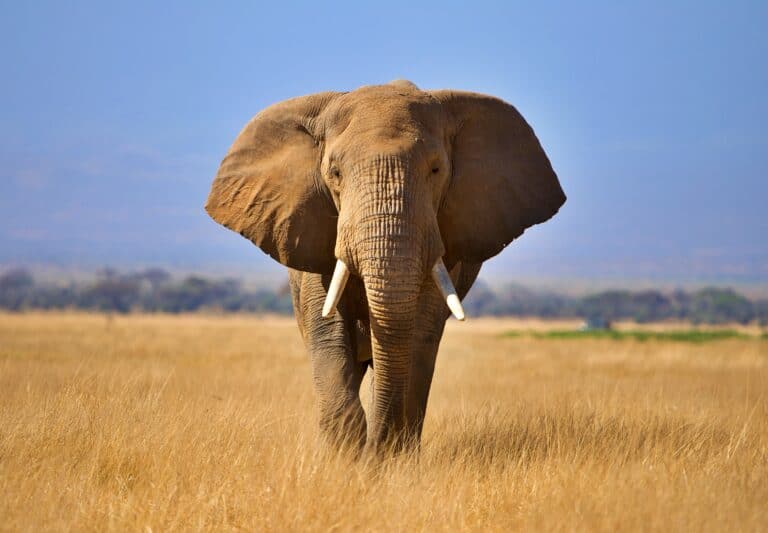
African savanna elephants travel long distances in search of food and water, and their size gives them unmatched influence over vegetation. As they feed, elephants push over trees, strip bark, and snap branches. This constant pressure prevents woody plants from fully overtaking open grasslands. By breaking up dense tree cover, elephants allow sunlight to reach the ground, supporting grasses and low plants favored by grazing animals.
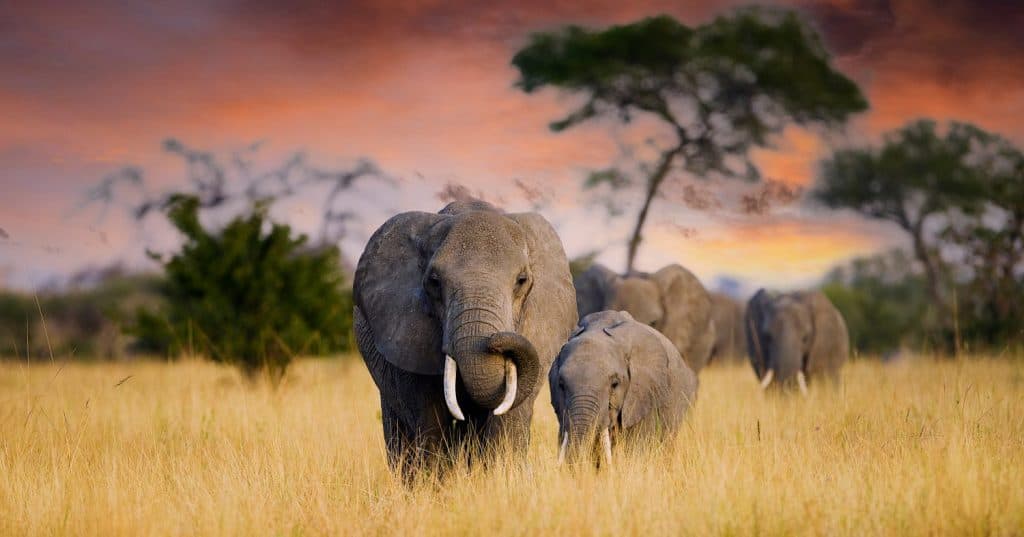
African savanna elephants shape grasslands by controlling tree growth and spreading nutrients.
©MPH Photos/Shutterstock.com
Their footprints and shallow digging can collect rainwater, forming small pools used by insects, birds, and mammals. Elephant dung spreads seeds and nutrients across wide areas, helping plants grow far from their parent trees. Where elephants are removed or confined by fences, grasslands often begin to shift toward dense shrublands or woodlands. These changes alter fire behavior and reduce habitat for species that depend on open spaces, showing how strongly elephants shape savanna structure.
Prairie Dogs: Underground Architects
Prairie dog colonies appear as scattered mounds across grasslands, but beneath the surface lies a complex network of tunnels and chambers. Prairie dogs dig these burrows for shelter and raising young, yet their digging and grazing have wide ecological effects. The soil they bring to the surface changes drainage and creates patches of bare ground that warm quickly in sunlight.
By clipping grasses close to the ground, prairie dogs maintain short, nutritious vegetation that attracts grazers such as bison and pronghorn. Their burrows provide shelter for many other species, including snakes, insects, burrowing owls, and the endangered black-footed ferret, which relies on both abandoned burrows and prairie dogs as its primary food source. When prairie dogs are removed, grasslands often become more uniform, with fewer plant types and less habitat variety. This loss reduces the diversity of animals that can survive on the plains.
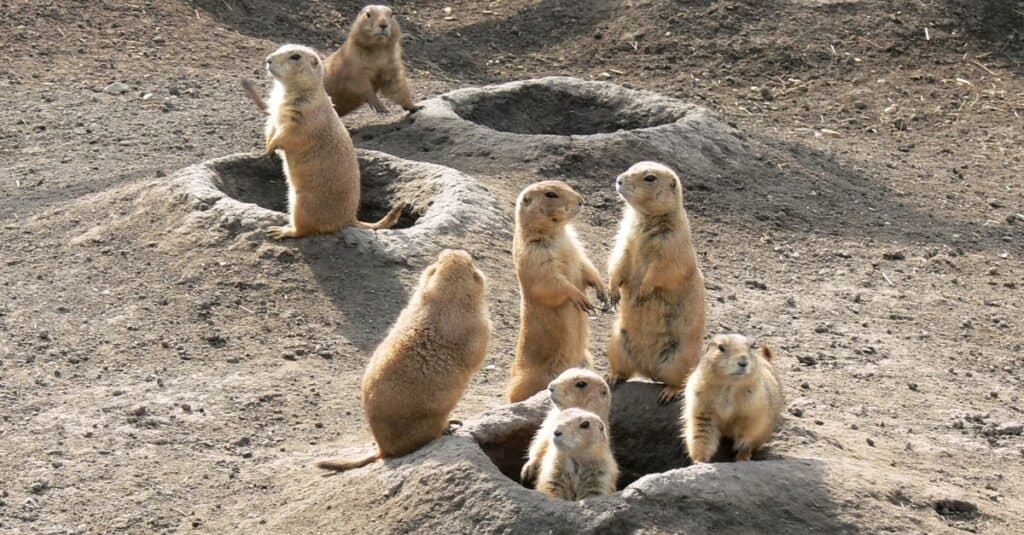
Prairie dogs are a keystone species, creating burrows used by many other animals.
©Zoltan Tarlacz/Shutterstock.com
Reef-Building Corals: Building a Scaffold for Life
Reef-building corals are small animals that live in colonies and secrete hard skeletons made of calcium carbonate. Each coral polyp grows slowly, but over long periods these skeletons fuse into solid reef structures that can stretch across large areas. Inside their tissues, corals host microscopic algae that provide energy through photosynthesis, allowing reefs to grow in clear, shallow water.
The resulting reefs form complex underwater landscapes filled with cracks, ledges, and overhangs. These spaces shelter fish, crustaceans, sea urchins, and many other organisms. Coral reefs also reduce wave energy, helping protect nearby coastlines from erosion and storm damage. Because so many species depend on reefs for feeding and reproduction, coral loss has wide consequences. When corals die from warming seas, pollution, or disease, the rigid framework weakens, and many reef-dependent species decline soon after.
Earthworms: Tilling the Soil
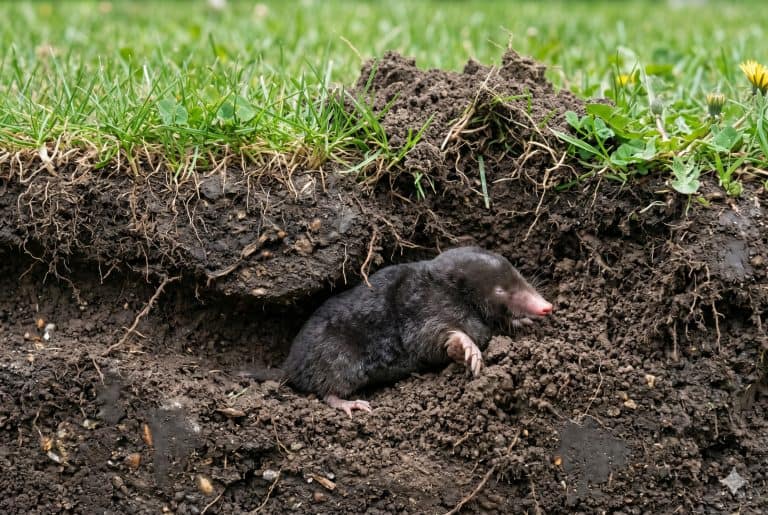
Earthworms move through soil in search of decaying organic matter, swallowing soil as they go and leaving behind nutrient-rich castings. Their tunneling creates networks of channels that allow air and water to move deeper into the ground. Plant roots often follow these passages, gaining access to moisture and nutrients that would otherwise remain out of reach.
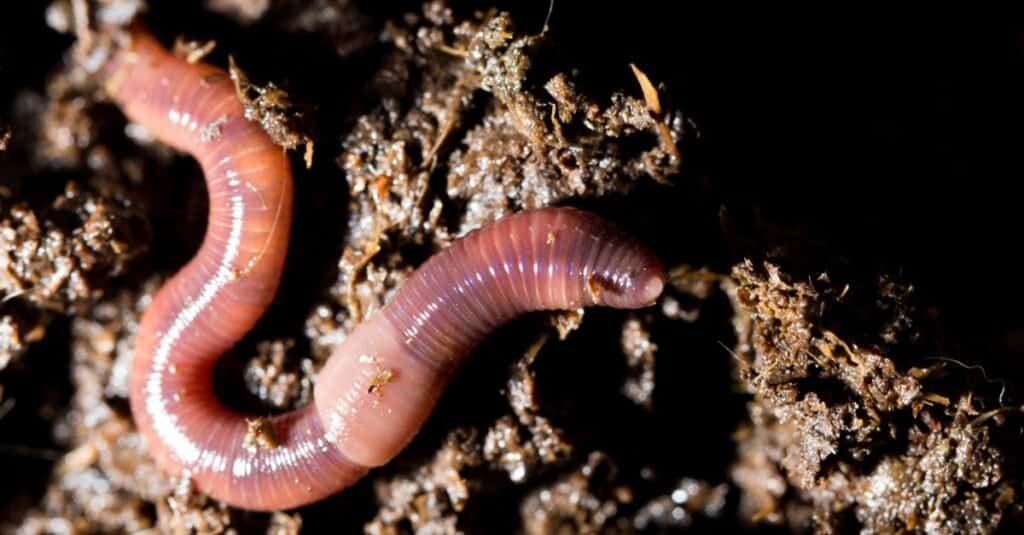
Earthworms enrich soil and create channels that help water, air, and plant roots reach deeper layers.
©schankz/Shutterstock.com
The castings produced by earthworms help bind soil particles into stable clumps. This improves soil structure and increases its ability to hold water. These effects reduce surface runoff and erosion during heavy rain. Earthworms also mix leaf litter from the surface into deeper soil layers, speeding decomposition and nutrient cycling. In regions where non-native earthworms have invaded forests that previously lacked them, their activity can reduce leaf litter and alter plant communities. These changes highlight how even small organisms can have a significant impact on ecosystem processes.
Termites: Mounds of Nutrients
Many termite species feed on dead wood and plant material, but their nesting behavior has some of their greatest effects. Some termites build large mounds or extensive underground nests that concentrate organic matter, clay, and minerals. These nests often contain higher nutrient levels than the surrounding soils, forming localized enrichment zones.
Termite tunnels increase soil porosity, allowing water to soak deeper into the ground during rain. This stored moisture can support plant growth during dry seasons. In flood-prone areas, tall termite mounds can remain above water, providing refuge for plants and animals. Seeds dropped by birds or mammals often sprout on or near these mounds, forming clusters of vegetation. Over time, termite activity creates a patchy landscape with small areas of higher fertility that increase habitat diversity across plains and savannas.
Woodpeckers: Cavity Carvers
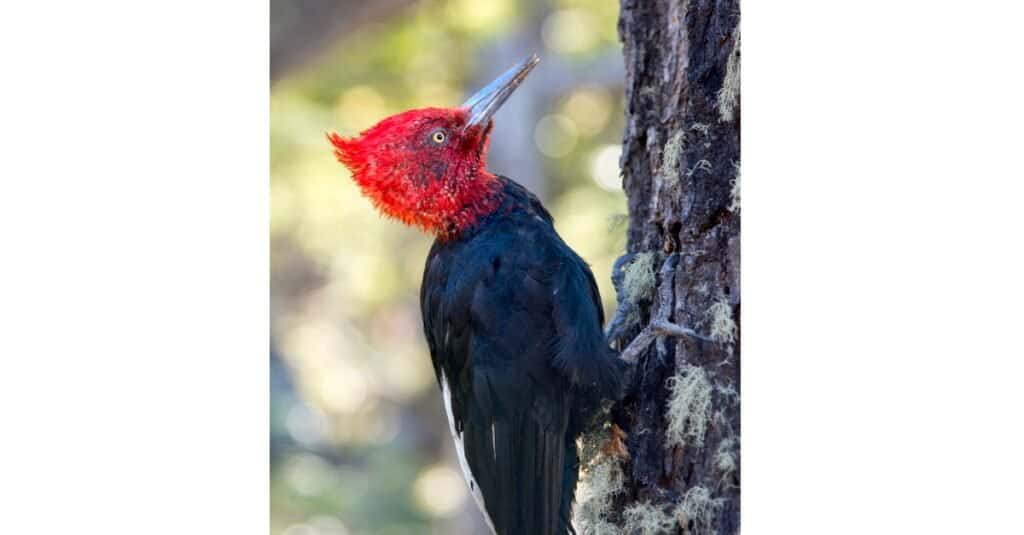
Woodpeckers create tree cavities that provide homes for many other forest species.
©iStock.com/nikpal
Woodpeckers use strong beaks and reinforced skulls to drill into trees while searching for insects or creating nest cavities. These cavities serve immediate needs for the birds, but their long-term value extends to many other species. Once abandoned, the holes become nesting or shelter sites for birds such as bluebirds and chickadees, as well as mammals like bats and flying squirrels.
Cavities also collect moisture and organic debris, creating microhabitats for insects and fungi, which help break down dead wood. By repeatedly excavating weakened or diseased trees, woodpeckers accelerate decay and create openings in the forest canopy. These gaps allow sunlight to reach the forest floor, supporting new plant growth. Over time, this cycle of drilling, decay, and regrowth increases structural variety in forests, which supports a wider range of plants and animals.
Leaf-Cutter Ants: Miniature Farmers
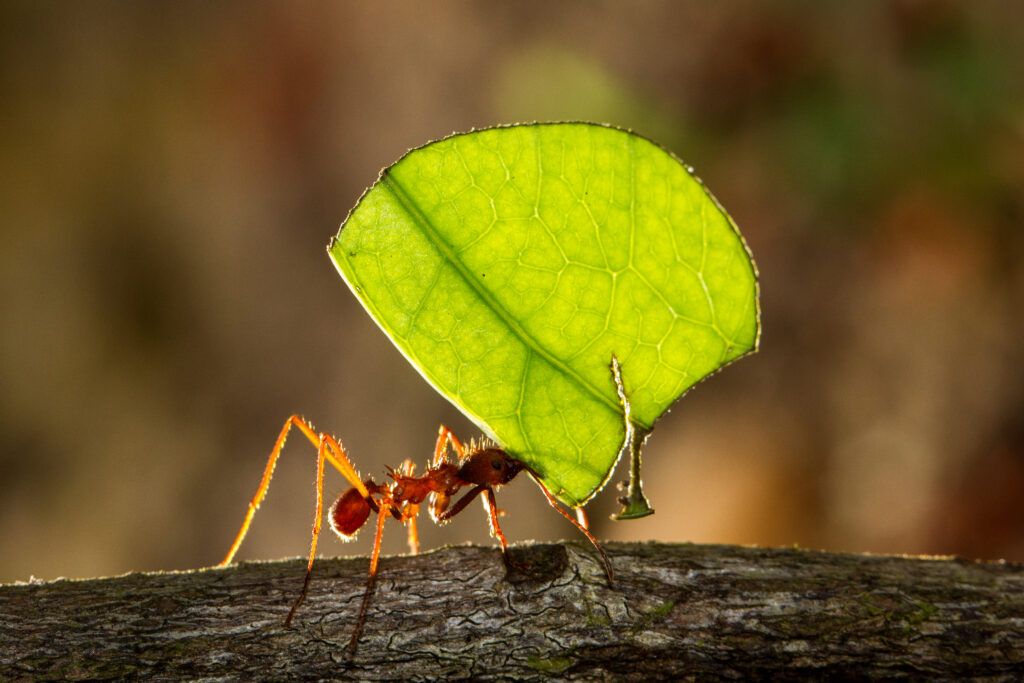
These ants act as ecosystem engineers, reshaping the forest floor over time.
©Ken Griffiths/Shutterstock.com
Leaf-cutter ants carry pieces of leaves back to their underground nests, but they do not eat the plant material directly. Instead, they use it to grow a specialized fungus that serves as their primary food source. Maintaining these fungal gardens requires constant digging and soil movement, reshaping the forest floor.
The ants bring large volumes of soil to the surface, forming mounds and altering drainage patterns. Nutrients from discarded plant material accumulate around nest sites, creating fertile patches that influence nearby plant growth. Well-worn ant trails channel rainwater during storms, changing how water flows across the ground. Over time, leaf-cutter ants create a fine-scaled patchwork of disturbed and enriched areas. This pattern increases plant diversity and adds complexity to tropical forest ecosystems.
Why Accidental Engineers Matter
Accidental engineers demonstrate that landscapes are shaped not only by weather and geology, but also by the everyday actions of animals. Dams, burrows, mounds, and cavities result from basic needs for food and shelter, yet they support entire communities of other species. These structures influence water movement, soil health, and plant growth over long periods.
When engineering species decline, the habitats they maintain often simplify. Wetlands dry out, grasslands close in with shrubs, and reefs lose their solid framework. These shifts can reduce biodiversity and make ecosystems less resilient to change. Protecting accidental engineers helps preserve the living structures that rivers, plains, forests, and oceans rely on. Their quiet work reminds us that even routine animal behaviors can leave lasting marks on the natural world.