
Quick Take
- One animal on this list builds structures with zero survival value, doing so purely to show off its artistic taste. See the bower builder →
- Human architects have quietly borrowed a building trick from one of the smallest creatures here to solve a modern energy problem. Discover the ventilation secret →
- One entry is a fish just a few inches long that somehow engineers structures large enough to redirect ocean currents. Meet the seafloor sculptor →
- One animal nest on this list weighs more than a car, and that same nest has been occupied room by room for generations. Explore the multigenerational nest →
The animal kingdom is filled with creatures that rival the most skilled engineers in both creativity and ability. A host of animals build structures across forests, deserts, rivers, and oceans. These creations are designed for various reasons, like protecting their young, attracting mates, or helping them survive harsh environments. Materials vary greatly across species, from mud and sticks to spun silk to woven grass. These carefully crafted formations range from tiny burrows to entire underground cities, and they have all been fine-tuned by millions of years of evolution. The incredible builders on this list prove that animals may be the world’s greatest architects.
1. Beaver
©Ghost Bear/Shutterstock.com
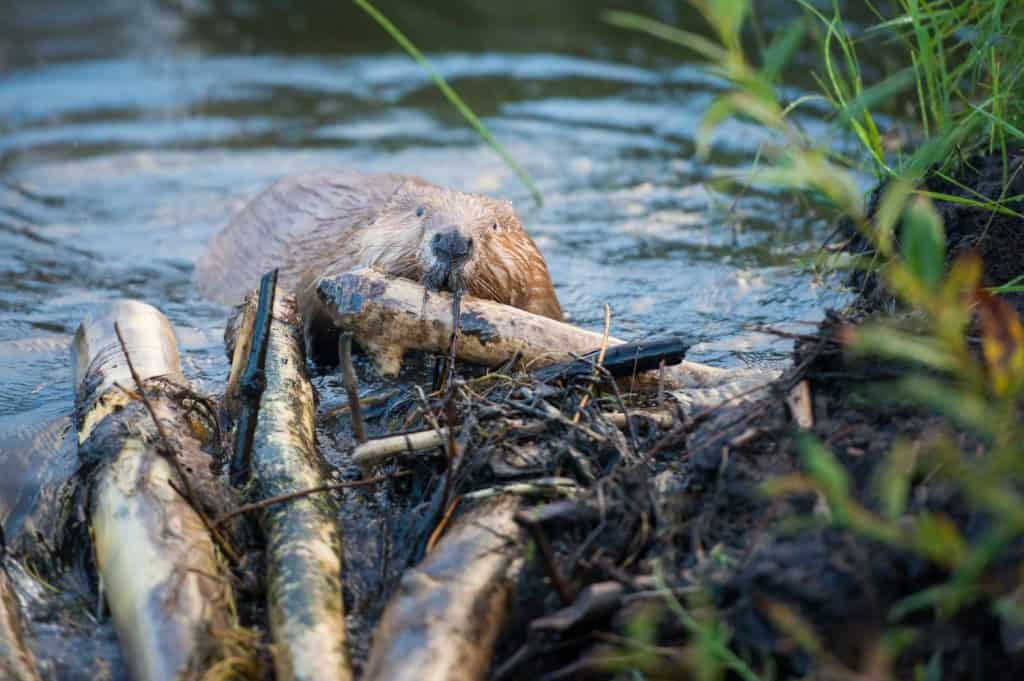
As the most famous builders in the animal kingdom, beavers deserve the first entry on our list. These busiest of mammals create dams, canals, and lodges to completely alter their environments. Using branches, logs, mud, and stones, they construct barriers that simultaneously slow water flow and create protective ponds. Remarkably, some beaver dams are so large they can be spotted in satellite imagery! Their dome-shaped houses often have underwater entrances that help keep them safe from predators. These furry engineers play such a big role in wetland ecosystems that scientists consider them a “keystone species.”
2. Termite
©Artush/Shutterstock.com
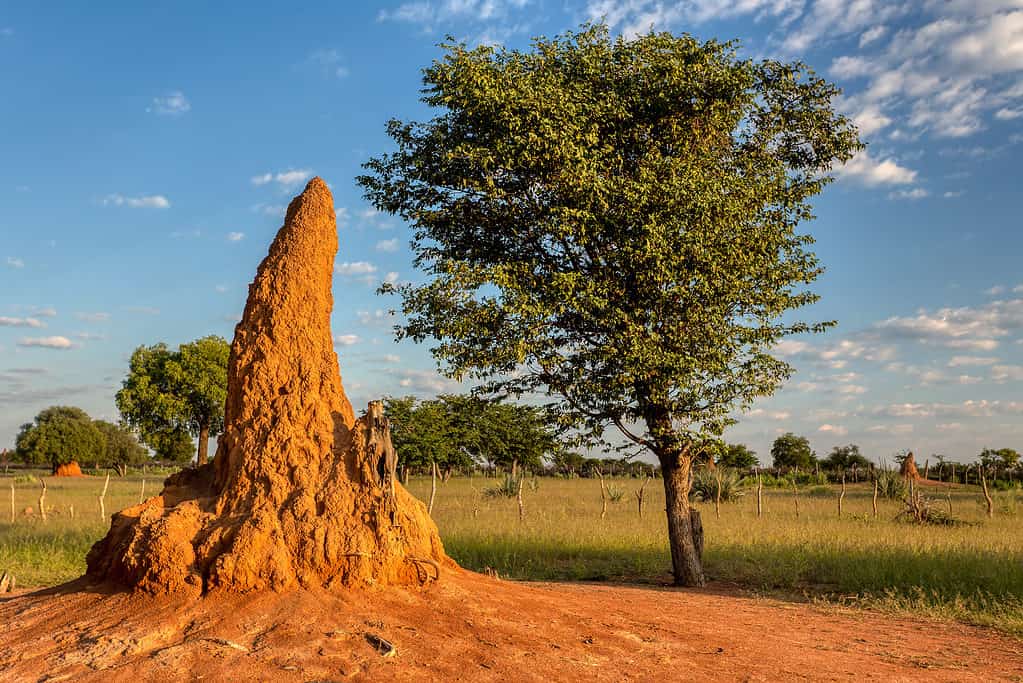
Termites aren’t generally associated with ingenuity, but these insects build some of the most sophisticated structures on Earth, in the form of mounds that can reach over 20 feet tall. Inside these towering homes is a ventilation system that regulates both temperature and humidity. Pretty advanced for a tiny insect! Some termite colonies even farm fungus underground, creating special areas for growing food. These dirt dwellings are so efficient that architects have studied them, particularly while researching how to design energy-saving buildings.
3. Bowerbird
©Imogen Warren/ via Getty Images
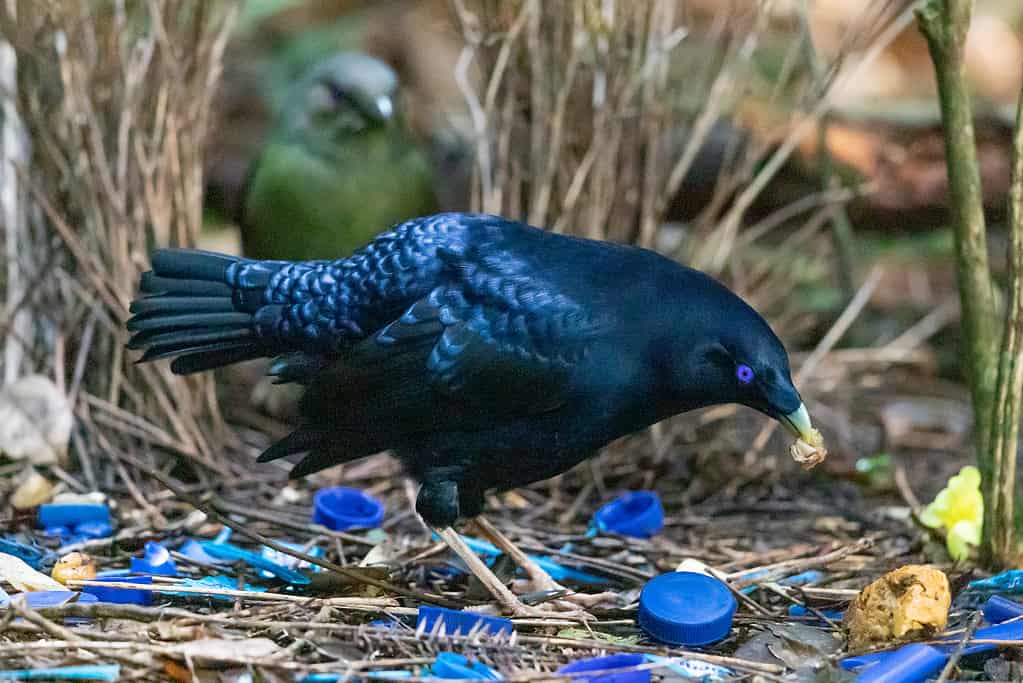
When it comes time to find a girlfriend, male bowerbirds go all out. While other birds attract mates by puffing up their chest or singing a pretty song, bowerbirds build elaborate structures (called bowers). These carefully designed formations are decorated with random colorful objects like shells, flowers, berries, and even bits of plastic trash. Amazingly, different species prefer different colors, with some obsessively collecting only blue items. The males precisely arrange everything to impress females with their artistic abilities. Because the displays hold no purpose other than to wow females, it is one of the clearest examples in nature of architecture used purely for visual purposes.
4. Sociable Weaver
©Michael Potter11/Shutterstock.com
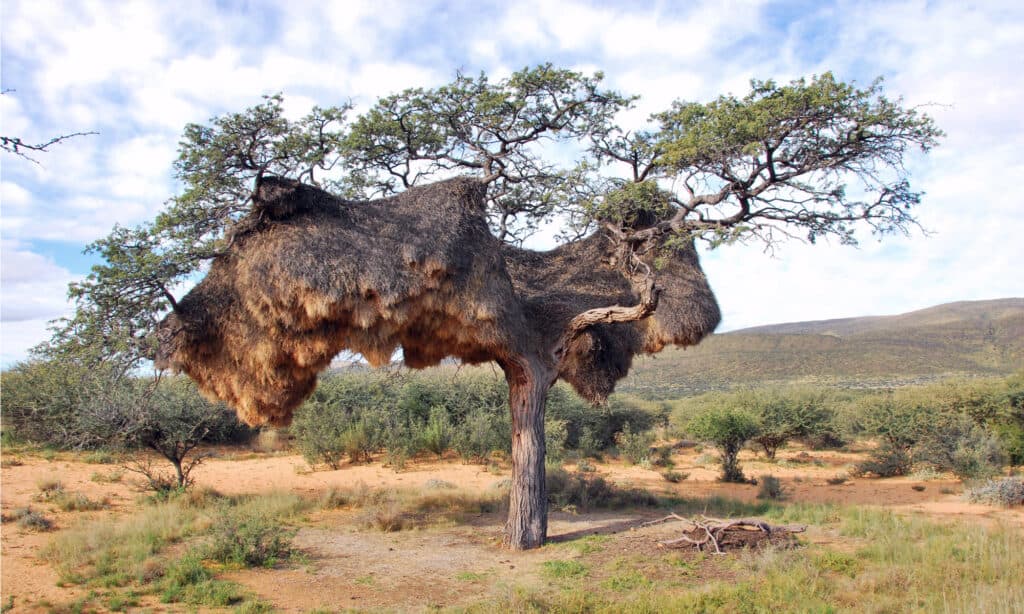
Like most birds, sociable weavers create nests. Unlike most birds, these builders craft nests that are more like apartment complexes than single-family homes. A single gigantic communal nest can house hundreds of birds and contains separate rooms for different families. The thick outer walls act as a sort of weatherproofing, protecting the birds from sweltering daytime heat and cold desert nights. Because it’s difficult to picture a nest this massive, it’s worth noting that they can weigh more than a small car. These structures may remain in use for generations, constantly being maintained, repaired, and renovated over the years.
5. Trapdoor Spider
©© Oxford Scientific/Photodisc via Getty Images
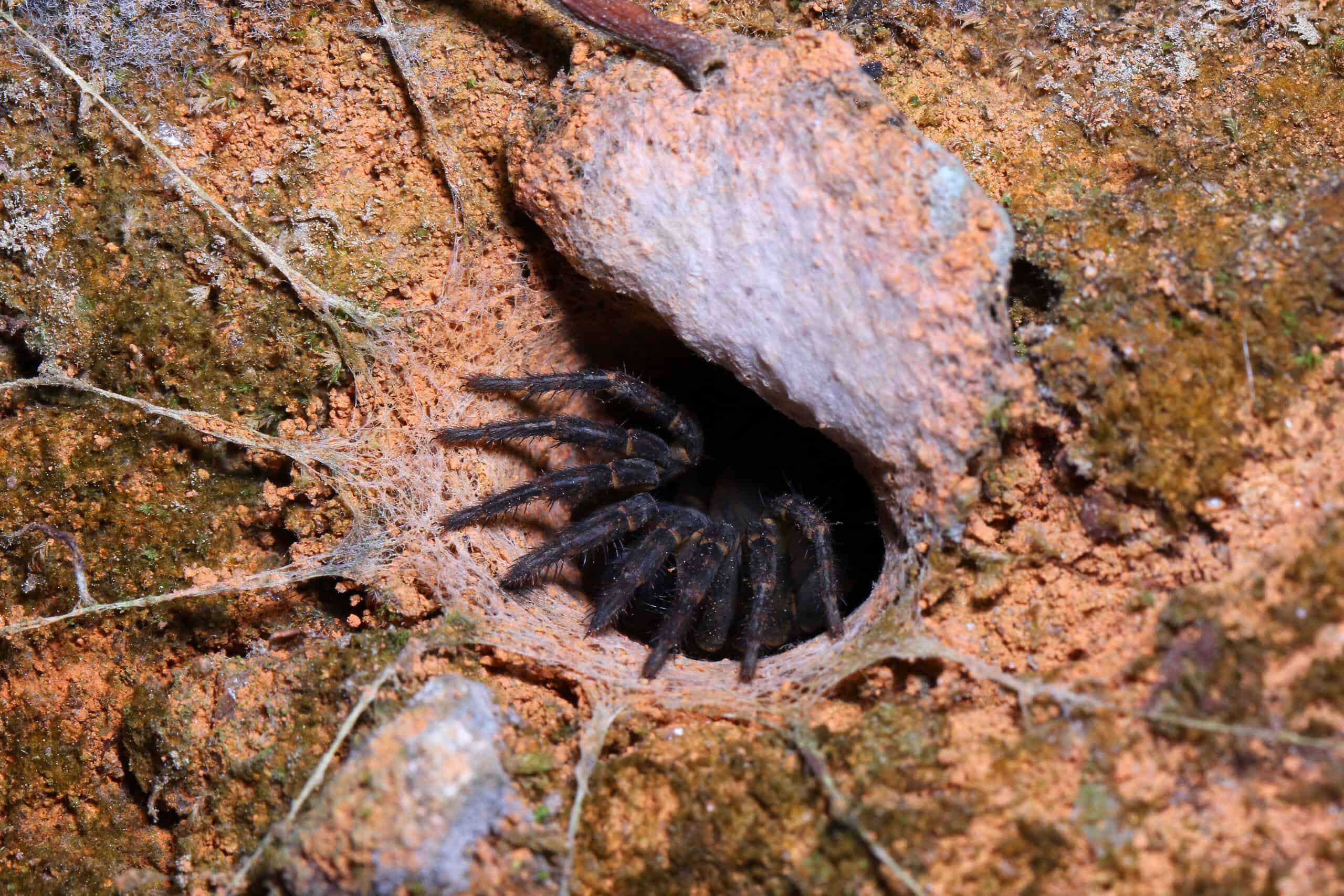
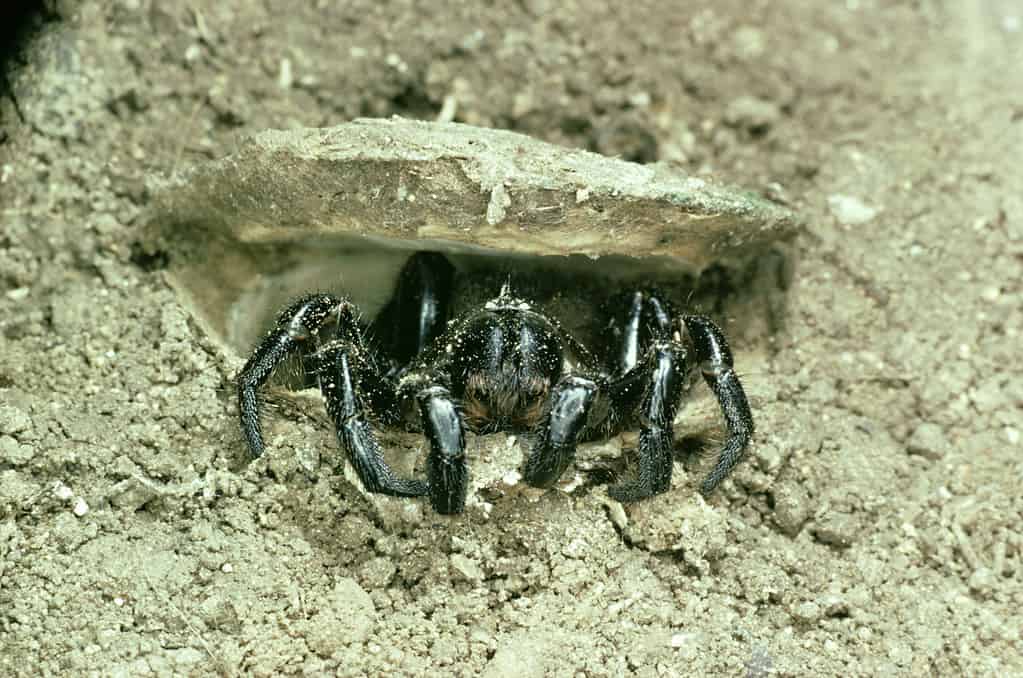
Trapdoor spiders build hidden underground burrows. The spider lines the tunnel with silk and creates a “door” made from soil and vegetation. From the surface, the entrance is so perfectly camouflaged it can be almost impossible to spot. The spider waits in the burrow just beyond the trapdoor until prey wanders close enough to ambush. It is a tiny but effective example of defensive architecture.
6. Honeybee

©Daniel Borak/Shutterstock.com
Honeybees construct intricate honeycombs made of wax, complete with symmetrical hexagonal cells that are nearly perfect in shape. Both scientists and mathematicians marvel at the design because hexagons maximize space while requiring minimal material. Inside the hive, different sections are used for storing honey, raising young, and caring for the queen. Thousands of bees coordinate with each other to construct and continually maintain the colony. Their engineering is so efficient that humans borrow honeycomb designs for use in modern technology and architecture.
7. Pufferfish

©Sakis Lazarides/Shutterstock.com
One species of male pufferfish creates circular sand sculptures on the seafloor to attract females. These designs are impressive on their own, but more so since the tiny craftsmen use only their fins. These committed fish carefully carve ridges and valleys into the sand over a period of several days. The finished product is like an underwater crop circle and can be several feet wide. Remarkably, the intricate pattern helps direct ocean currents toward the center where eggs may later be laid. For a fish only a few inches long, the artistic ability is extraordinary.
8. Paper Wasp
©Jeff W. Jarrett/Shutterstock.com
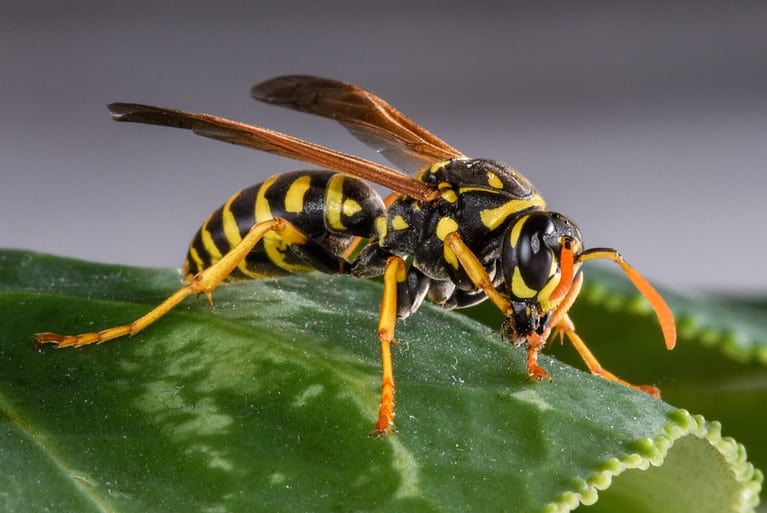
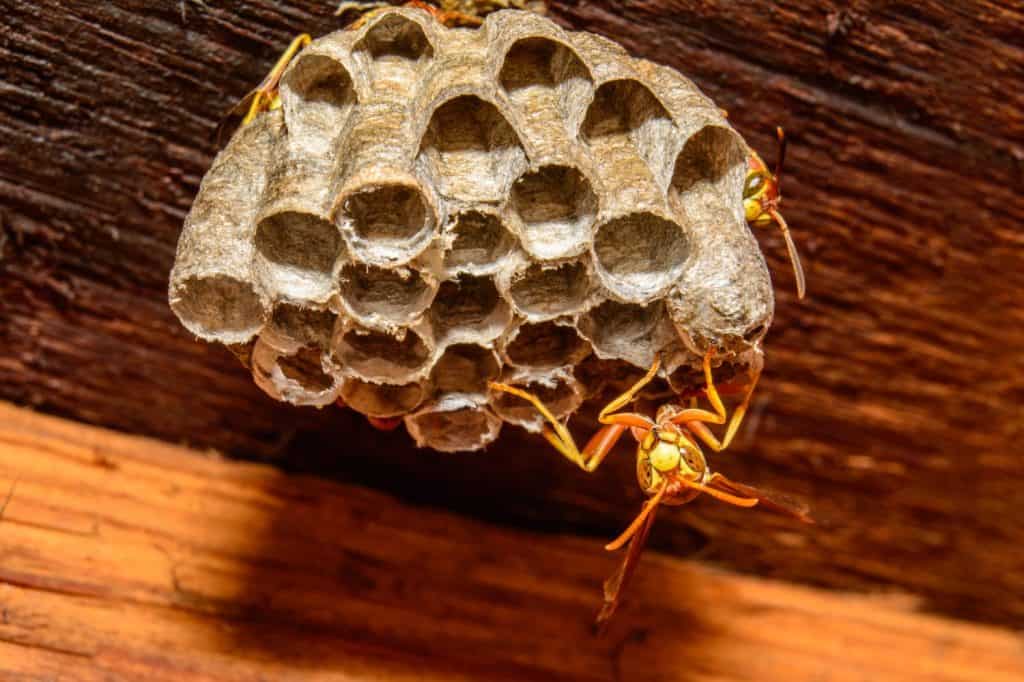
Paper wasps build delicate nests that look like papier-mâché umbrellas. To create the unique material, the insects chew a mix of wood and saliva into a pulp. The finished home is full of organized hexagonal cells, the perfect place for developing larvae. Despite appearing fragile, these nests are actually quite durable. Paper wasp colonies might be the most talented airborne construction crews on Earth.
9. Caddisfly
©JP.Chromosphaera/Shutterstock.com
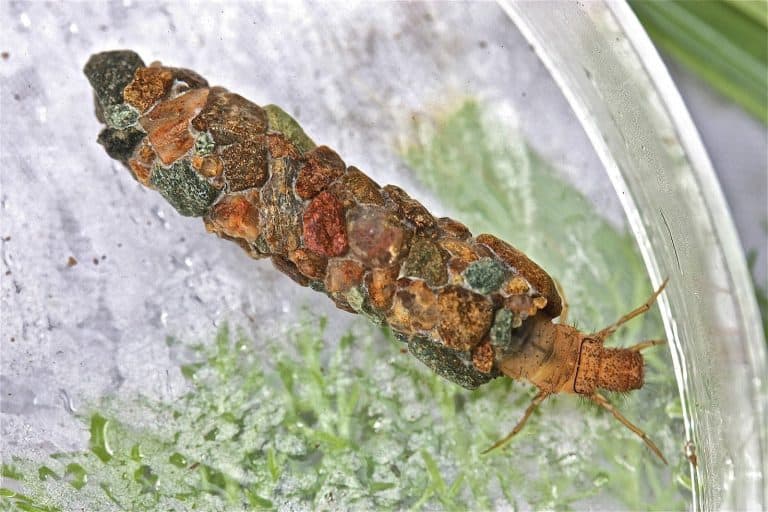
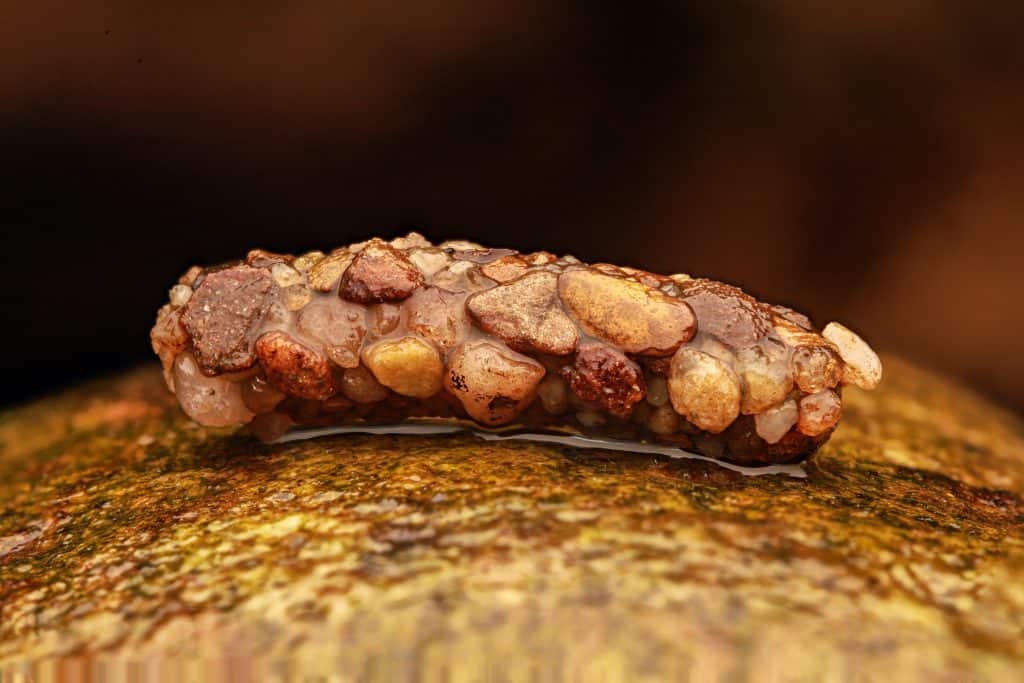
After caddisfly larvae are laid unprotected in the water, they build portable homes around themselves for protection. To construct these DIY houses they use any items at their disposal, like grains of sand, pebbles, twigs, or shells. The larvae tie their construction materials together with self-created silk. The result can be a case so pretty it resembles a miniature piece of jewelry.
10. Prairie Dog
©Zoltan Tarlacz/Shutterstock.com
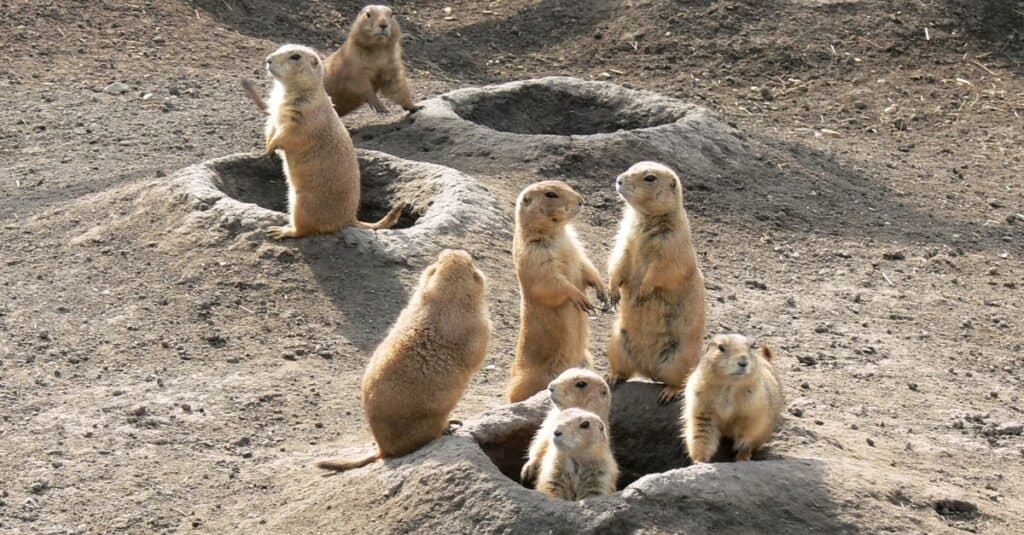
Prairie dogs construct more than just one home; they mastermind entire underground cities. These sprawling tunnel systems are sometimes called “prairie dog towns.” Much like a modern-day human home, the burrows have multiple entrances, sleeping chambers, nursery rooms, and even bathroom areas. They also include highly necessary escape routes in case predators access their tunnels. Some prairie dog colonies span hundreds of acres and house thousands of animals. Perhaps most remarkable, these busy cities may lie hidden just beneath an ordinary field.