
Quick Take
- A caterpillar notorious for destroying crops is harboring gut fungi that do something unexpected to styrofoam, and scientists are only beginning to understand how this happens. Meet the crop pest →
- Styrofoam has resisted recycling efforts for decades, but the reason why makes this caterpillar discovery far more significant than it first appears. Why recycling fails →
- When researchers fed caterpillars nothing but styrofoam, something shifted inside their guts that unlocked a completely different set of biological players. See the gut fungi shift →
- Scientists have already nicknamed their next research target the 'Trojan mealworm', and the reason why could reshape how we approach plastic degradation entirely. Discover the Trojan mealworm →
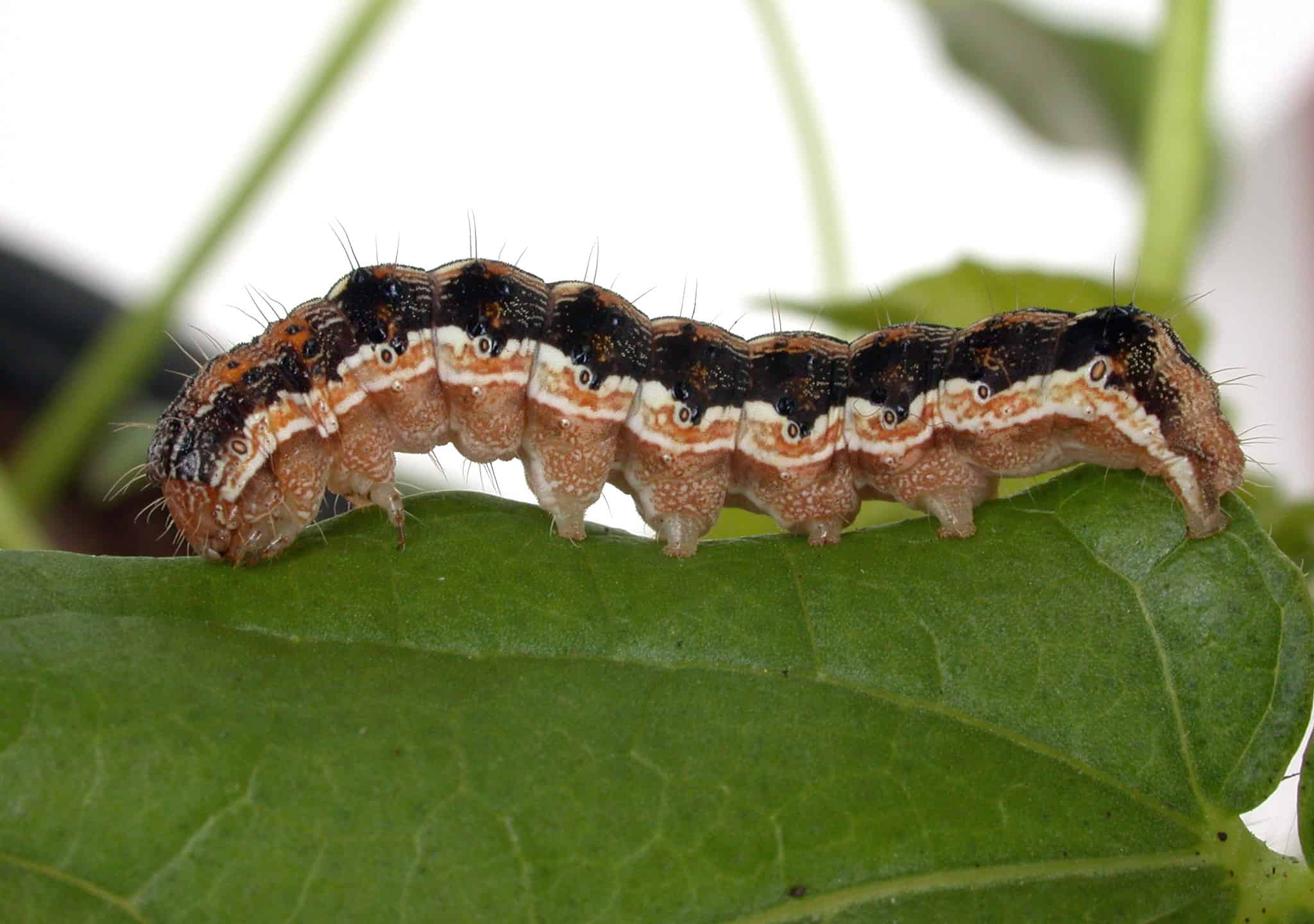
For farmers with soybean, cotton, or corn growing in their fields, one of the biggest threats is the appearance of Helicoverpa armigera. This small moth caterpillar can devastate crops.
But researchers recently discovered that this unwanted invader has a unique feature that could help rid the earth of one of its most unwanted waste products – styrofoam. The findings were just published in the journal BMC Microbiology.
Here’s what the researchers discovered.
Meet Helicoverpa armigera
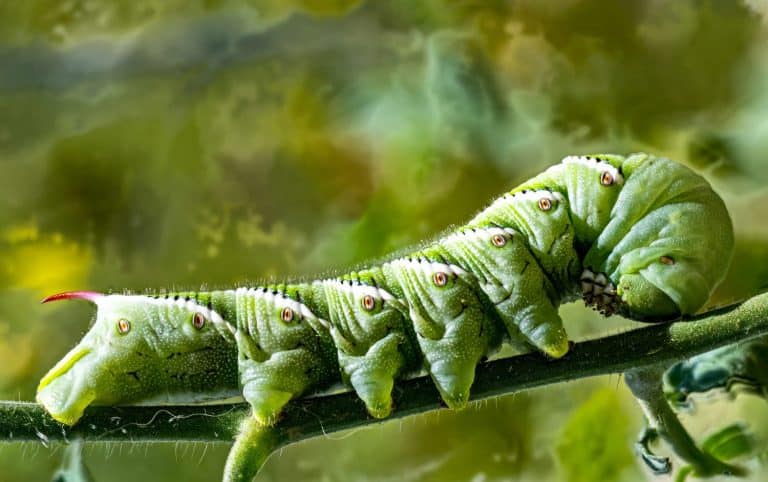
The cotton bollworm is a caterpillar that eats cotton, soybean, corn, tomatoes, and other crops. Once these caterpillars find the crops, they inflict damage at nearly every growth stage.
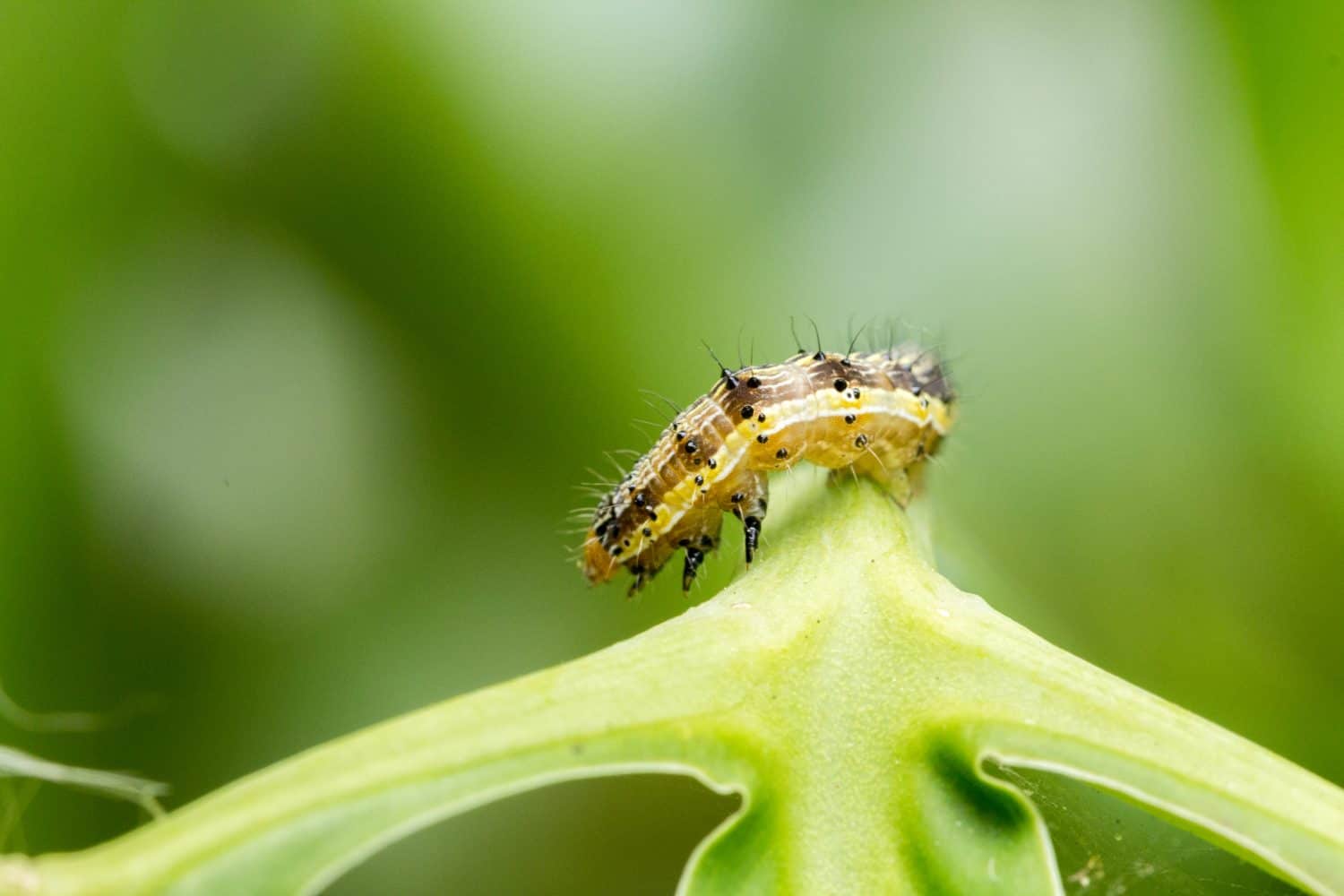
Cotton bollworms are voracious eaters and can destroy farm crops.
©moxumbic/Shutterstock.com
They are found in nearly every part of the world, including Europe, Africa, Australia, and Asia. In 2013, they were first observed in Brazil, expanding their known range to South America.
What’s Styrofoam Got to Do With It?
Expanded polystyrene (EPS), more commonly known as styrofoam, is present in almost every aspect of modern daily life. Global plastic production exceeded 390 million tonnes in 2021 and reached approximately 415 million metric tons by 2023, with Styrofoam accounting for about five percent of this total.
The problem with styrofoam is that most of it ends up in landfills. As study author Flavio Henrique Silva, a biologist and professor in the Department of Genetics and Evolution at Brazil’s Federal University of São Carlos, and corresponding author of the article, said in the press release announcing the findings, “Recycling it has always posed a challenge from a logistical standpoint since a block of this material contains only 2% plastic, with the rest being air.”
His research team wanted to understand if the cotton bollworm’s digestive system could hold the key to styrofoam recycling.
What the Research Team Did
Silva led a team of researchers from Federal University of São Carlos and São Paulo State University to complete the study. They split cotton bollworm caterpillars into three feeding groups. One group fed entirely on styrofoam blocks, a second group ate a typical caterpillar diet, and the third group ate a mix of the two.
Scientists then examined the gut fungi of each group using a DNA sequencing technique known as ITS metabarcoding. They discovered that in the group of caterpillars fed only Styrofoam, the levels of a common gut yeast called Diutina—normally present in all the caterpillars—dropped significantly. With less Diutina present, other gut fungi like Aspergillus, Talaromyces, Metarhizium, and Trematosphaeria could thrive.
It was a significant change in the gut fungal mix. Scientists wanted to know more about how it worked.
The Interaction Between Fungi and Styrofoam
Researchers put spores from the fungi on styrofoam film, then left them alone for 60 days. They wanted to test what growth looked like for each fungus type.
After two months, the researchers examined the styrofoam film under an electron microscope. What they saw was that the fungi had grown, leaving behind thread-like evidence of their growth. This suggested to scientists that the fungi were interacting with the styrofoam, possibly even using it as a source of nourishment.
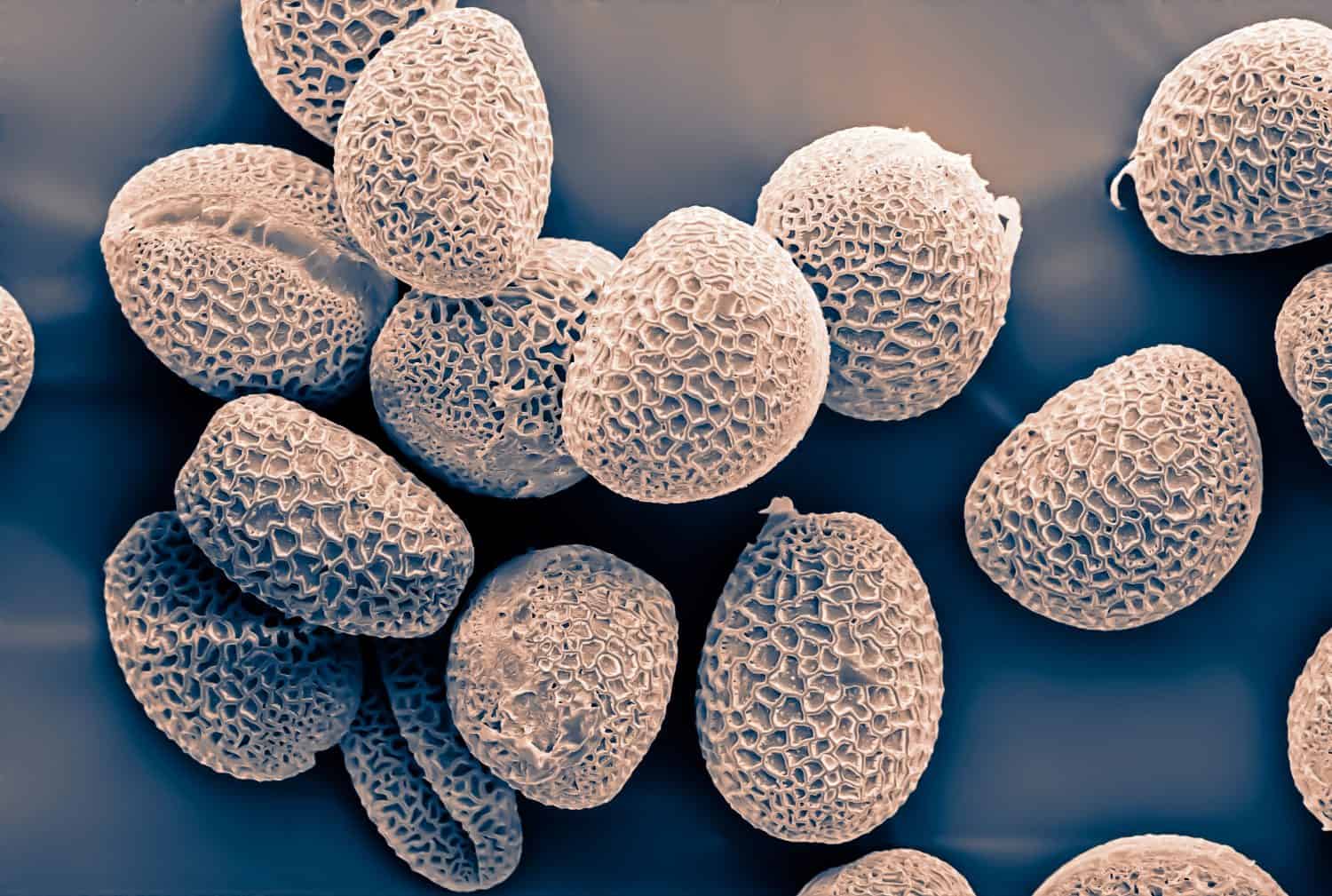
Researchers studied the fungi under an electron microscope.
©Adriano Frisanco/Shutterstock.com
“If the fungus was able to grow on that film, it’s because it used the film as a carbon source – that is, a food source. Two of them are more efficient, while the other two make more subtle changes to the films,” Silva said in the press release.
What the Findings Suggest
While the study’s findings are preliminary, researchers hope to eventually identify the specific enzymes the fungi are using to break down the styrofoam. Their goal is to identify the process in a way that allows it to scale. This could provide a potentially viable solution for managing excess styrofoam worldwide.
This study built on previous research conducted by the same group of scientists. In a previous study, the researchers examined Sphenophorus levis, a type of sugarcane-eating beetle. They found that a gut bacterium in this beetle also breaks down styrofoam.
Next, the team is focusing on the giant mealworm, Zophobas morio, which can survive for weeks eating only styrofoam.
“It has an interesting characteristic because it’s much more resilient than the larvae of Sphenophorus levis, for example, which are found in sugarcane and die easily in the laboratory,” said Silva in the press release. “Z. morio can survive for weeks feeding only on Styrofoam or other polymers.”

The larvae of Zophobas morio can survive for weeks eating only styrofoam.
©Maxim Vasiliev/Shutterstock.com
Scientists have nicknamed this species the “Trojan mealworm” because it could be the key to unlocking plastic reduction in the future. The team aims to develop a collection of bacteria and fungi that can efficiently degrade polystyrene while colonizing the gut of an insect such as the giant mealworm.
“Then we’d have a powerful and highly efficient larva for degradation – a kind of Trojan horse,” said Silva.
The next step for the research team is to study caterpillar waste to determine whether the plastic is fully broken down or merely shredded into microplastics and nanoplastics. This information will help determine whether the Styrofoam-eating fungi offer a viable solution for Styrofoam recycling.