
Quick Take
- Rhinos are returning to Uganda after more than 40 years of local extinction caused by poaching and instability.
- A successful breeding program at Ziwa Rhino Sanctuary rebuilt the country’s rhino population.
- Carefully planned translocations are reintroducing rhinos to Kidepo Valley National Park.
- Strong security, monitoring, and partnerships aim to ensure their long-term survival.
For the first time in more than four decades, rhinos are set to return to the Kidepo Valley National Park in Uganda as part of a reintroduction program. This is a remarkable turning point for the country, as rhinos were once eradicated from the area due to poaching. The reintroduction is part of an ongoing, long-term effort to re-establish a wild population in the region. Keep reading to learn more about what it means and how it is being achieved.
How Rhinos Disappeared from Uganda
Rhinos were once part of Uganda’s natural landscape, roaming the grasslands alongside antelope, elephants, and buffalo. However, by the late 20th century, their numbers had collapsed. The country was originally home to both the northern white rhino (Ceratotherium simum cottoni) and eastern black rhino (Diceros bicornis michaeli) subspecies. However, both types were eventually eradicated from the country through a combination of sustained poaching and weakened protection systems.

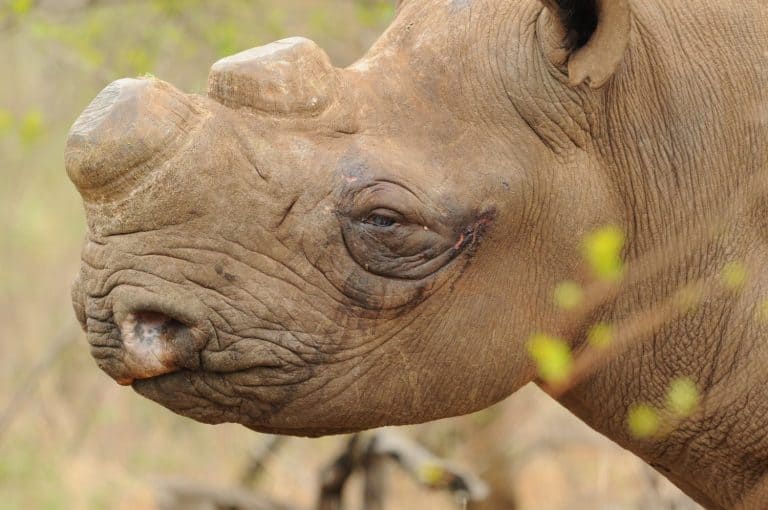
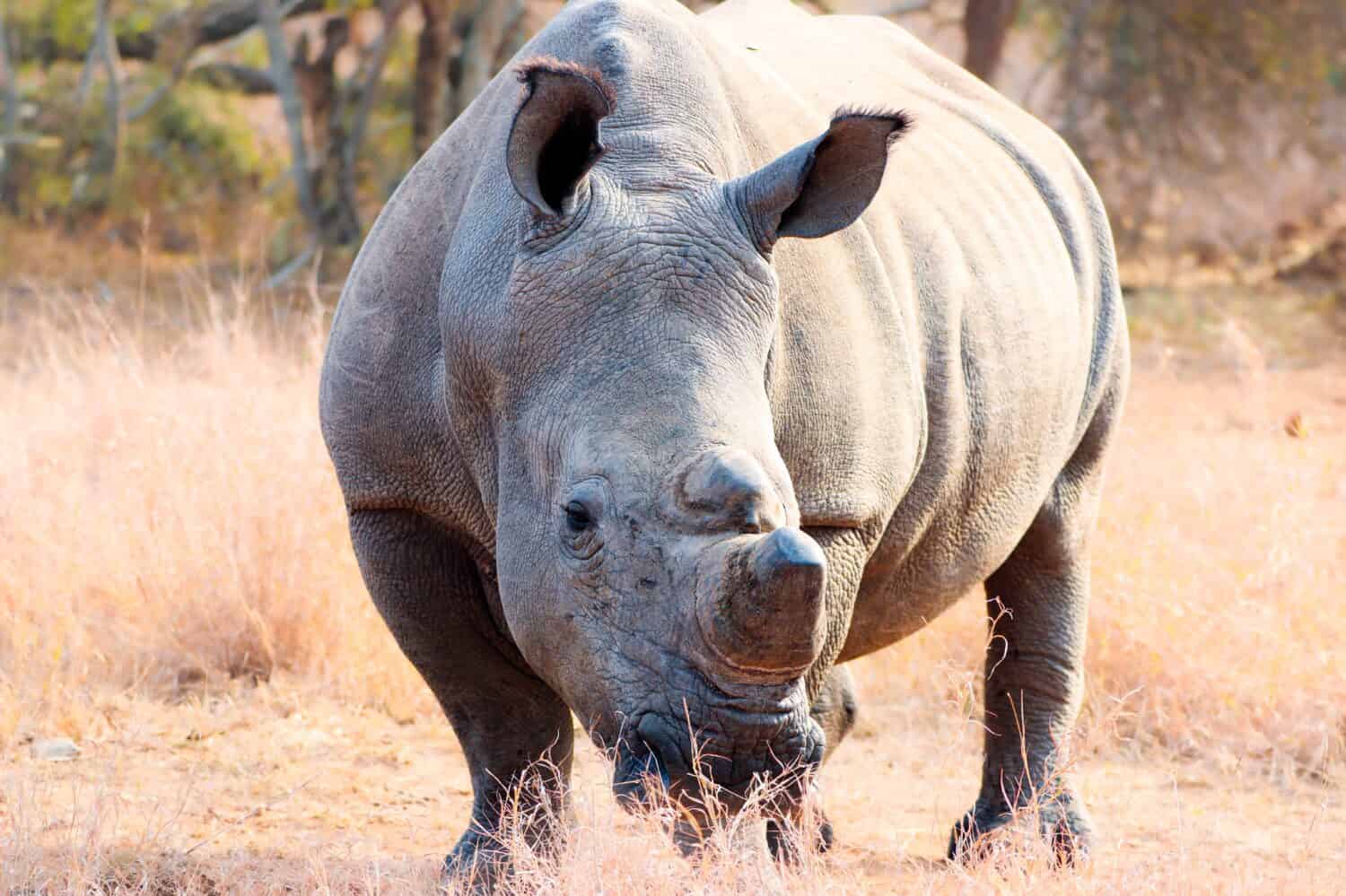
Rhinos became locally extinct in Uganda after they were killed by poachers for their horns.
©JONATHAN PLEDGER/Shutterstock.com
Poaching was already rife across Uganda, but it saw a surge in the late 1970s and early 1980s. This time coincided with a period of great political instability within the country. Unfortunately, this meant that systems that usually protected the wildlife – such as national parks and ranger patrols – were also weakened or left with limited capacity. Rhinos were already a primary target for poachers due to their horns, which are highly valuable on international markets. Without effective protections or reinforcements in place, rhino populations declined faster than they could recover. By 1983, the last remaining rhino in Kidepo Valley National Park was killed, effectively making them locally extinct in Uganda.
The Road to Reintroduction
After decades of absence, plans were made to reintroduce rhinos to Uganda. However, it hasn’t been an easy or quick path. The first steps were taken in 2005, with the creation of a breeding program at the Ziwa Rhino Sanctuary. Six southern white rhinos were moved to the country – four from Kenya and two from Disney’s Animal Kingdom in Florida.
The breeding program was established to allow the rhino population to grow while keeping the animals protected in a safe environment. The program was a success, and several young rhinos were born in the following years. To strengthen the population, eight more rhinos were brought into the program in late 2025. In addition to increasing the numbers, this move also improves the population’s genetic diversity.. This is essential for the health and survival of the rhinos.
With the addition of these rhinos, Uganda’s rhino population has now reached a total of 61 individuals. This means that the next step can be taken on the road to re-establishing a wild population. This involves moving rhinos to reserves and national parks where they can once again roam freely as wild herds. Four rhinos were moved to Ajai Wildlife Reserve in January 2026, while two rhinos were moved to Kidepo Valley National Park just last month, in March 2026. Plans are in place for a further six rhinos to move to the national park.
How the Reintroduction Is Being Managed
Reintroducing rhinos is not simply a matter of moving the animals from one location to another. Much like the breeding program and the decision to undertake it within the safety of a dedicated sanctuary, the process has been carefully planned and is being carried out in partnership with several organizations. The effort is being led by the Uganda Wildlife Authority alongside Wild Landscapes East Africa, Northern Rangelands Trust, and Uganda Conservation Foundation. Together, they have worked to give the reintroduction the best possible chance of success.
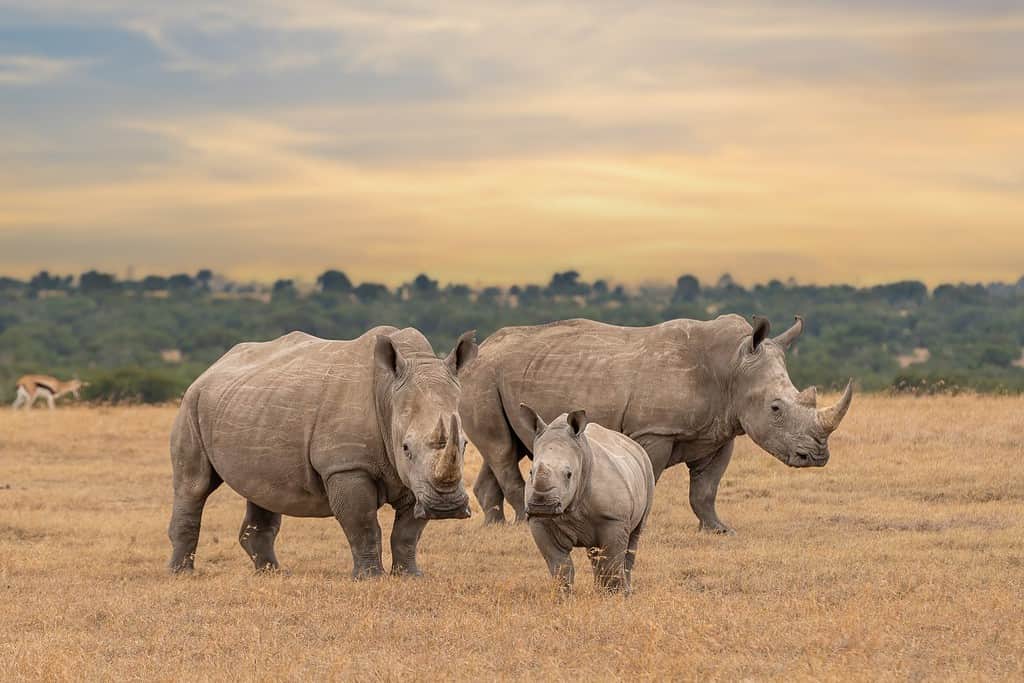
Kidepo National Park was selected as a suitable location for the reintroduction of rhinos.
©Tomas Drahos/Shutterstock.com
One of the biggest challenges faced is ensuring the safety of the rhinos once they are moved to the site. No rhinos have been killed by poachers in Uganda since their reintroduction at Ziwa. However, poaching still remains a serious threat across Africa. Therefore, several studies were done to assess possible locations and determine if they could safely support a rhino population again. These looked at habitat suitability, including the availability of grazing and water, as well as the level of security in the area. Based on these findings, Kidepo Valley National Park was selected as a suitable location for the next phase of the reintroduction.
Are Rhinos Going to Be Safe There?
Considering the country’s history with rhino poaching, the question of safety is one of the most pressing concerns affecting the reintroduction effort. Rather than being turned loose in the park, a safe sanctuary surrounded by secure perimeter fencing has been established within the park for the initial reintroduction. The rhinos are monitored continuously by rangers who patrol the sanctuary. Additional monitoring systems are also in place, which allow the rhinos to be tracked. Dedicated veterinary teams also oversee their health and behavior.
These measures are designed to minimize the risk to the rhinos during the early stages and to prevent a repeat of past losses. As the population grows, the long-term aim is to gradually expand the rhinos’ range beyond the sanctuary and into the wider park, re-establishing a fully free-ranging population over time.