
Quick Take
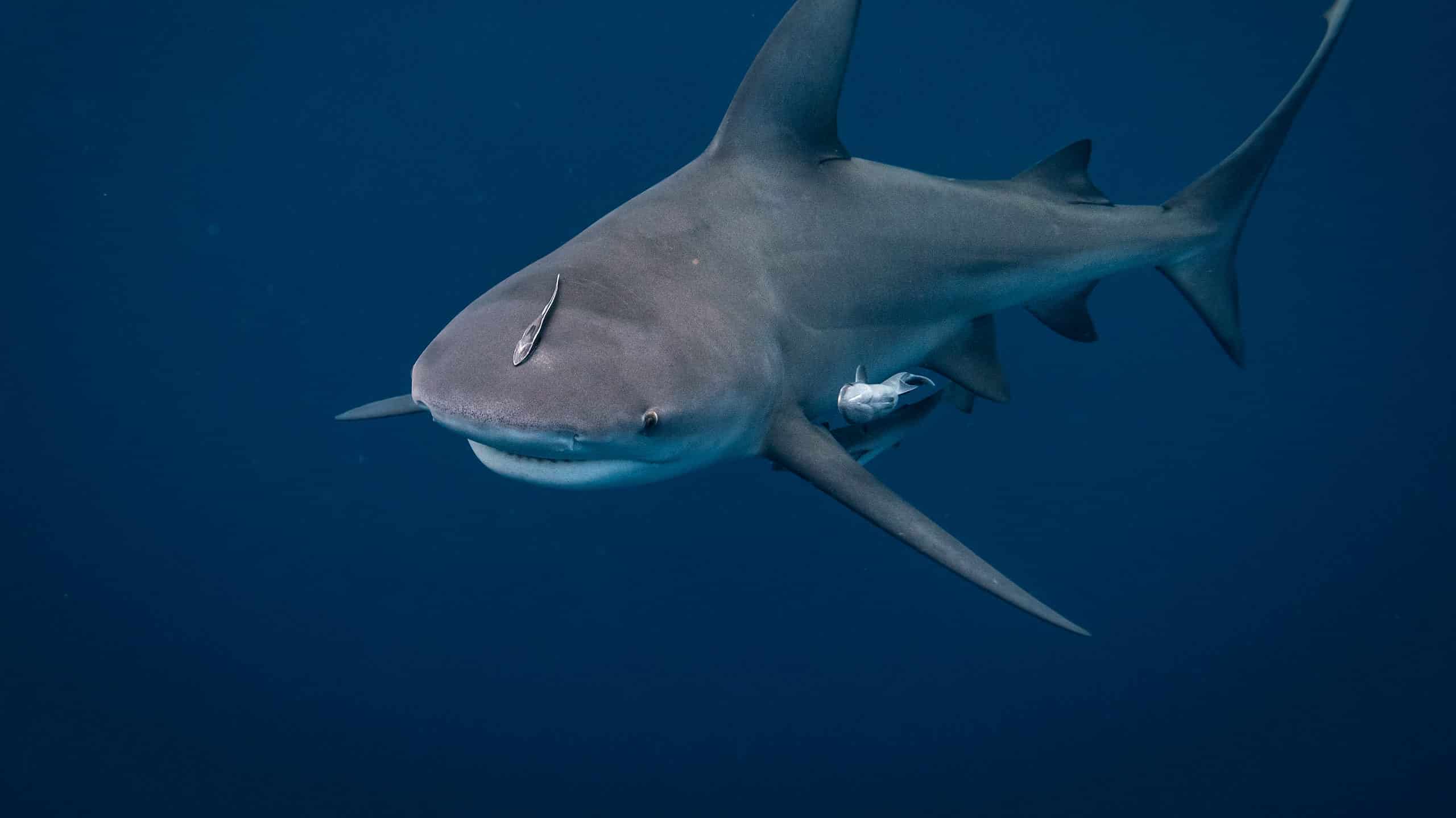
- A group of bull sharks survived in a low-salinity golf course lake in Australia between 1996 and 2013.
- This shows that they are highly tolerant of low-salinity or brackish bodies of water.
- They were likely washed into the lake during a flood and got trapped as the waters receded.
- A further flood probably allowed them to escape, but at least one died in the lake.
Between 1996-2013, retrieving your golf ball from the lake at the Carbrook Golf Club, southeast of Brisbane, was more hazardous than you might think. Lurking in the 1,250-foot water were a group of juvenile bull sharks! We investigate how the sharks got there, how they survived away from the sea, and why they disappeared.
Bull Sharks in a Golf Club Pond
The bull sharks (Carcharhinus leucas) were first noticed in the pond in 1996. They were frequently visible and even became the golf club’s mascots. In the five years leading up to 1996, three serious floods had occurred in the area. The club is directly adjacent to the Logan and Albert Rivers, which overflowed and inundated the surrounding floodplain.
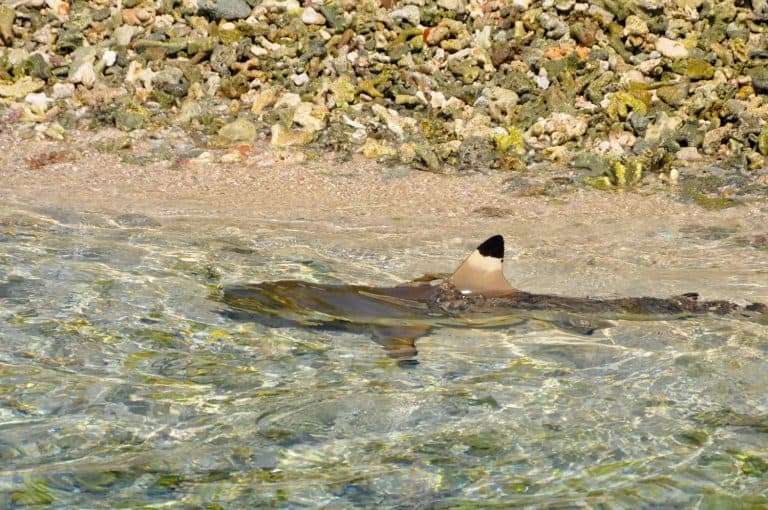
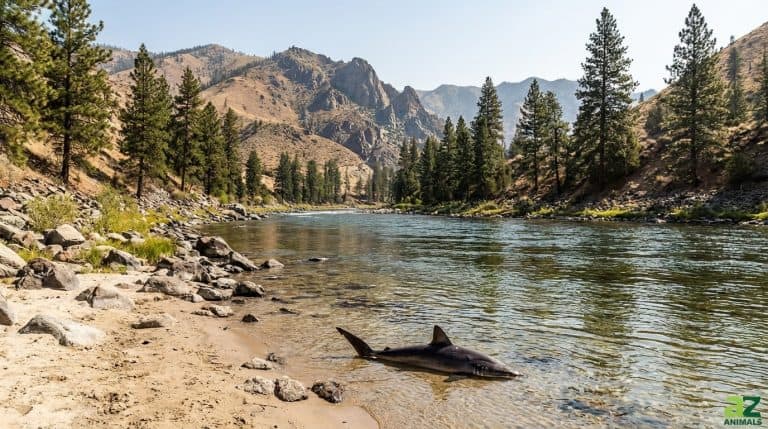
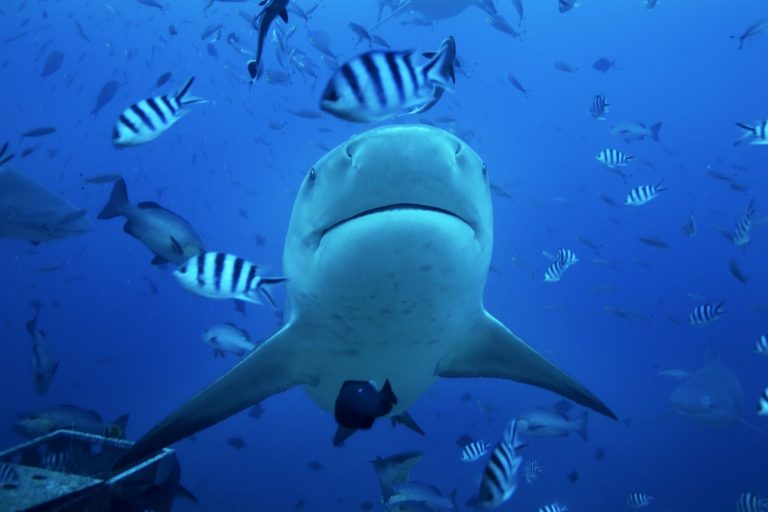
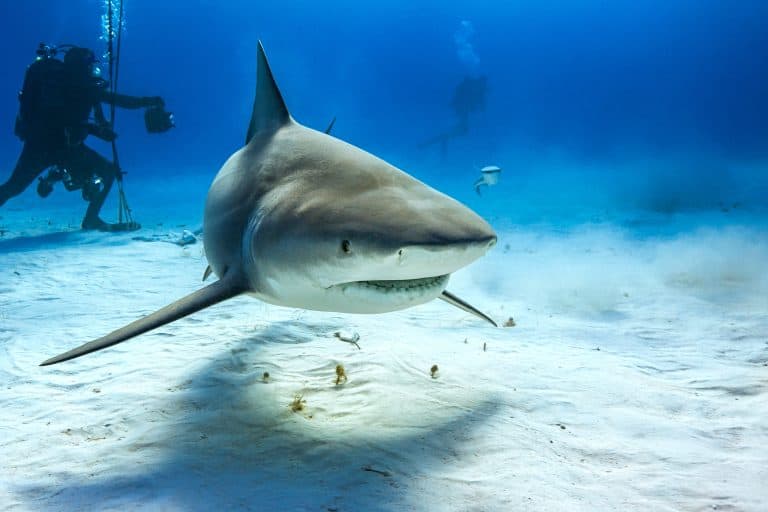
Bull sharks prefer saltwater environments, though they’re also known to thrive in low-salinity or brackish waters. However, as their time in the golf course lake shows, they tolerate low-salinity environments very well. They can be spotted in rivers all over the world, but usually, their adventures into freshwater or low-salinity bodies of water are temporary. The bull sharks at Carbrook were likely washed into the lake due to river flooding and got stuck there as the waters receded.
Adapting to Life on the Golf Course
This story shows that bull sharks can adapt very well to life in low-salinity environments if they have to. But what about food? Scientists think that they likely ate fish that had also been washed into the small lake during flooding events, such as flathead grey mullet (Mugil cephalus), Indo-Pacific tarpon (Megalops cyprinoides), mangrove red snapper (Lutjanus argentimaculatus), and yellowfin bream (Acanthopagrus australis). These fish are primarily marine fish but they can and do survive in brackish and low-salinity environments.
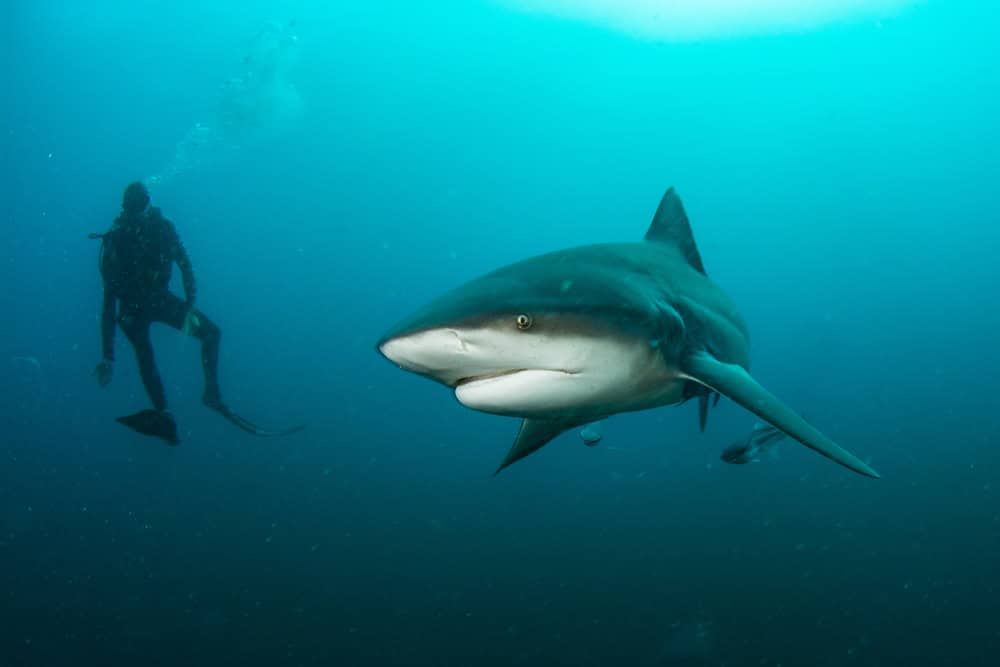
Bull sharks can tolerate low-salinity aquatic environments.
©Stefan Pircher/Shutterstock.com
While low-salinity bodies of water are not their ideal habitat, one factor actually helped the juvenile bull sharks thrive in this golf course lake: Their natural predators, tiger sharks and sandbar sharks, were absent.
Shark Disappearance
The bull sharks have not been seen in the lake since 2013. We know that at least one perished as its carcass was recovered by golf course staff. However, scientists suspect that at least some of the others may have escaped during another flood in 2013.
Nevertheless, they still hold the prize for the longest known example of bull sharks continuously inhabiting a low-salinity environment.