
Quick Take
- One spot on this list has a creek that literally vanishes underground mid-flow, and knowing where it re-emerges is the secret to finding fish. See the underground creek →
- Colorado isn't known for salmon, but one river on this list has a stretch where salmon runs determine the best summer fishing window. Explore the salmon runs →
- Only three lakes in all of Colorado hold a prestigious designation that most rivers can't even earn, and one of them made this list. Discover the Gold Medal lake →
- At least one river here has regulations stricter than most anglers realize before they cast, which could easily turn your tackle box against you. Check the strict regulations →
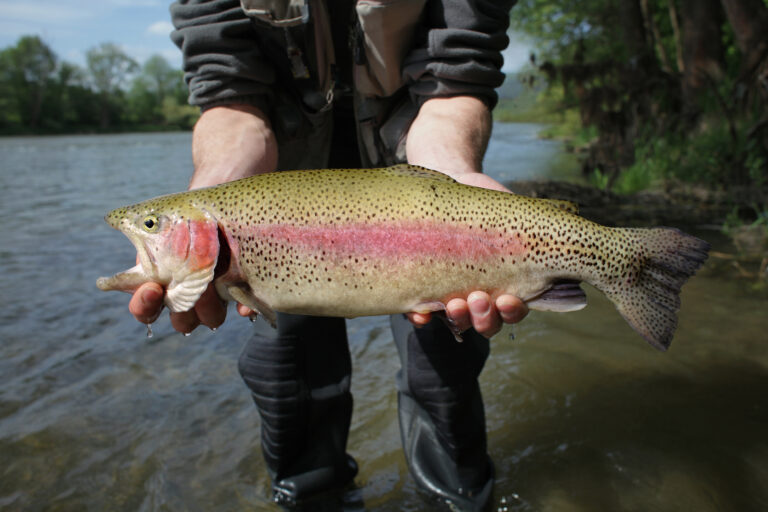
Summer sport fishing in Colorado offers peak dry-fly action for trout across thousands of miles of rivers and alpine lakes during early morning and evening hours when the fish are most active. Although Colorado is home to over 40 different sportfish, trout are by far the most popular. Colorado has large populations of native cutthroat trout, as well as introduced species such as rainbow, brown, and brook trout. Thousands of hobbyist and professional anglers flock to Colorado each summer for trout fly-fishing. Visitors range from casual vacationers to elite guides and professionals fishing Colorado’s legendary rivers. If you wish to catch trophy-sized fish, dive in to discover the 10 best fishing spots in Colorado this summer.
Colorado River
The Colorado River is a beautiful stretch for fishing, with headwaters in Colorado and Wyoming. Anglers can use almost any type of fly and still expect regular catches. Dries, streamers, and nymphs are all popular choices, but be ready for a fight. Similar to salmon, the trout here are fighters. You’ll need a heavy rod, a strong leader, and tippet to succeed.
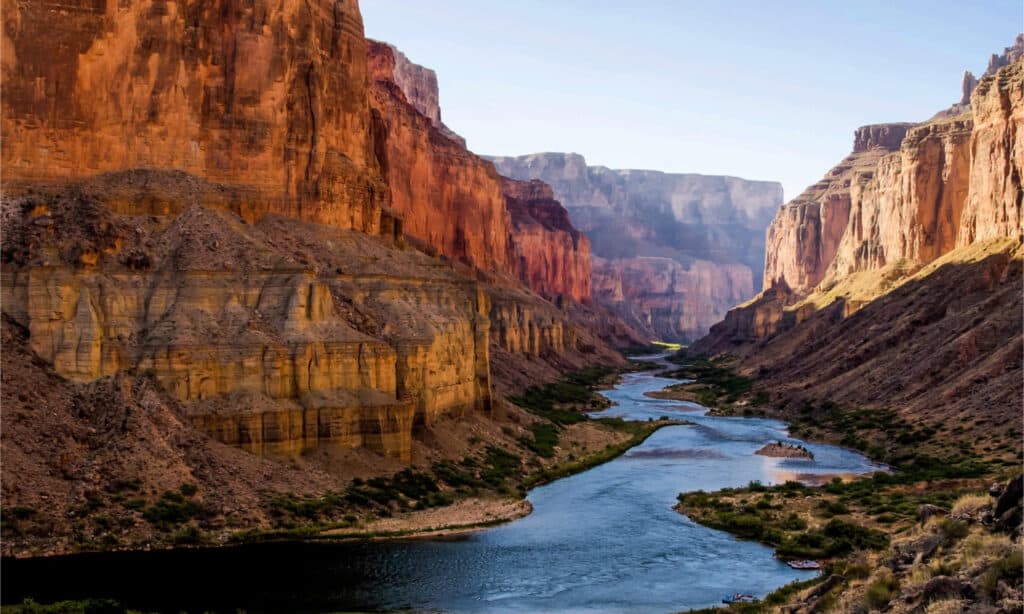
The Colorado River is great for drifting and fly fishing.
©Beth Ruggiero-York/Shutterstock.com
Take your pick between drifting and fly-fishing. Floating is the most effective strategy for catching trout, as there are only a few accessible spots for shoreline fishing. If you’re fishing from the shore, focus on the rocks, seams, and eddies.
Crystal River
The Crystal River is a magical destination for anglers, offering stunning views and an abundance of fish. The free-flowing stream runs for 35 miles along a scenic path. The headwaters of the Crystal River lie just above the town of Marble. However, the best fishing spots are where the Crystal River meets the Roaring Fork River, near the town of Carbondale.
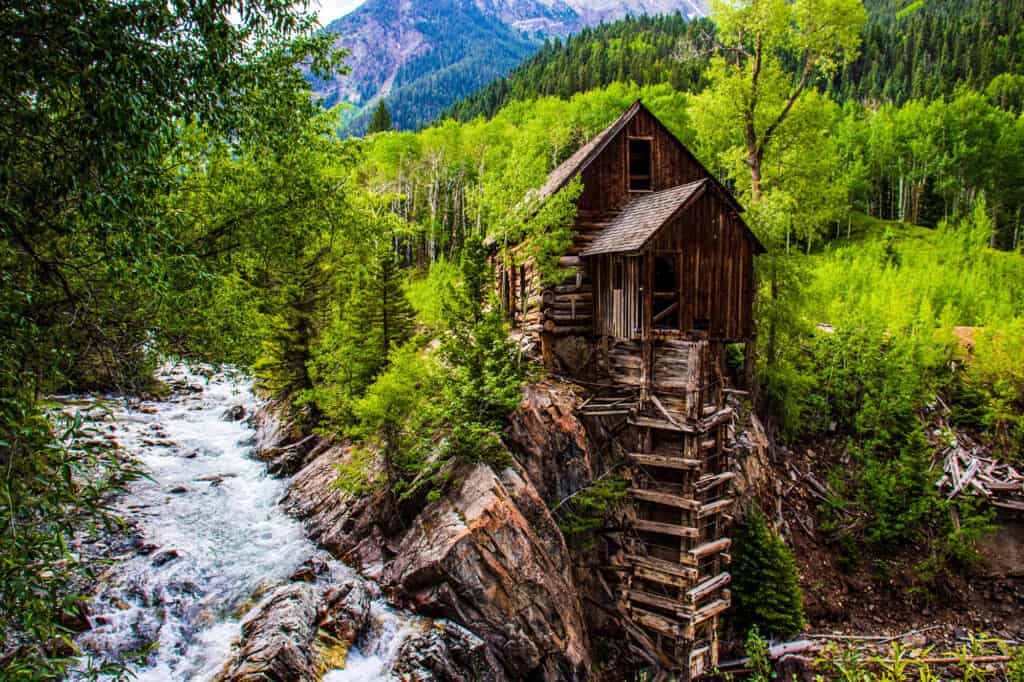
The Crystal River is sometimes called the magic Crystal River by locals.
©iStock.com/David Suminski
The Crystal River supports large populations of rainbow and brown trout. If the Crystal River is too busy or you’re looking for a slower stream, make a side trip to Avalanche Creek. It’s a great wildlife protection area and a prime spot for brook trout.
Frying Pan River
The Frying Pan River is one of Colorado’s most popular fishing spots. Its source, just east of Aspen, is in the Hunter Frying Pan Wilderness Area. The river runs approximately 14 miles before converging with the Roaring Fork.
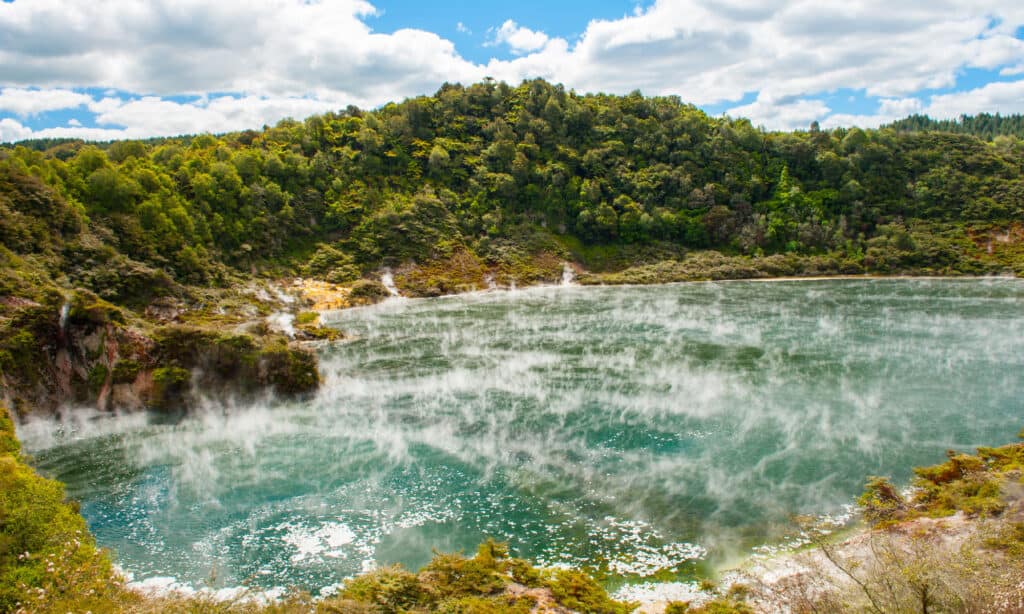
Colorado’s Frying Pan River is rich with trout.
©iStock.com/Fyletto
The Frying Pan River is designated as one of Colorado’s Gold Medal Waters. The title, bestowed by the Colorado Wildlife Commission, designates areas that can produce 60 pounds of trout per acre, including at least 12 trout that are 14 inches or longer.
Arkansas River
The Arkansas River is another stretch of Gold Medal Waters. The majority of the river (102 of 150 miles) earned Gold Medal Waters status in 2014. The Arkansas River has multiple access points throughout the designated sections. Double-check the latest fishing regulations before casting your line: some sections of the Arkansas River allow only fly and lure fishing, while others are strictly catch-and-release.
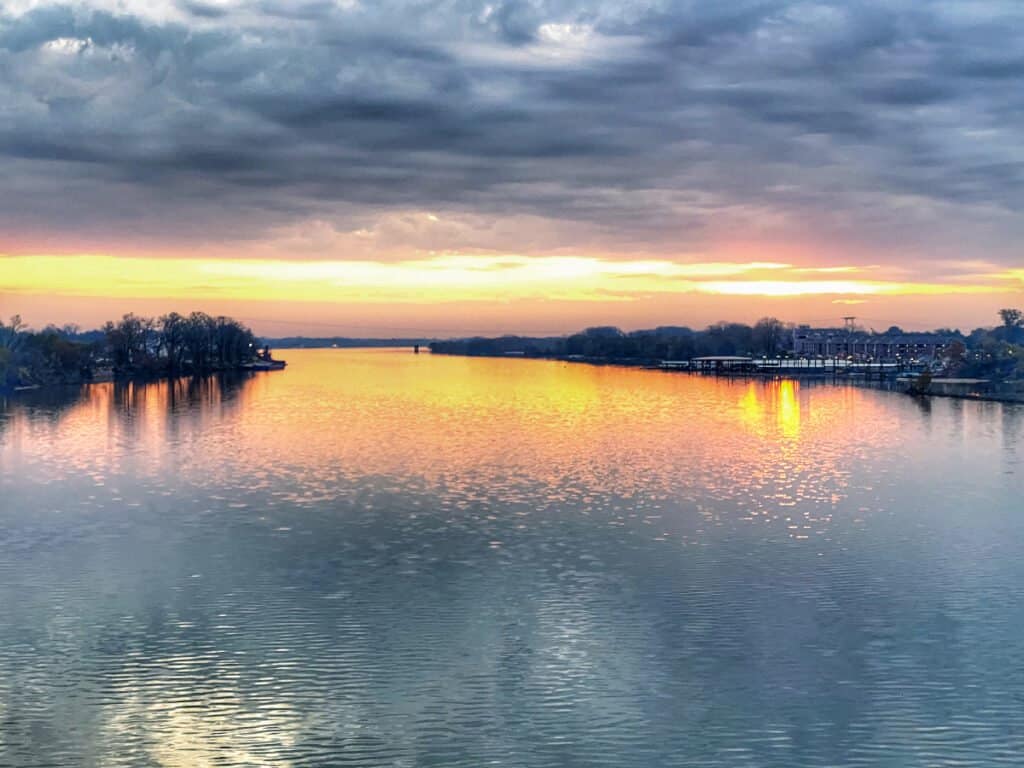
Over one hundred miles of the Arkansas River in Colorado have gold medal status.
©iStock.com/Michael Dean Shelton
Rio Grande River
The Rio Grande River is one of Southern Colorado’s best fishing locations, known for its large trout and Gold Medal Waters designation. Numerous campgrounds line the river, allowing visitors to spend several days fishing and enjoying the outdoors. The upper stretches of the river are ideal for dry fly-fishing in the summer, thanks to frequent insect hatches.
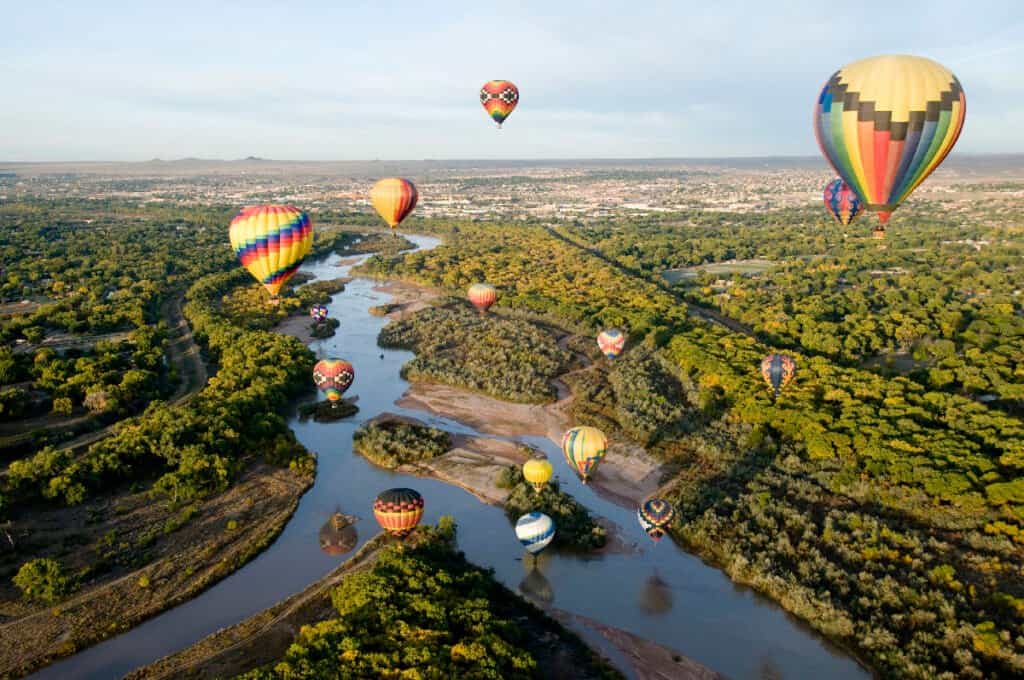
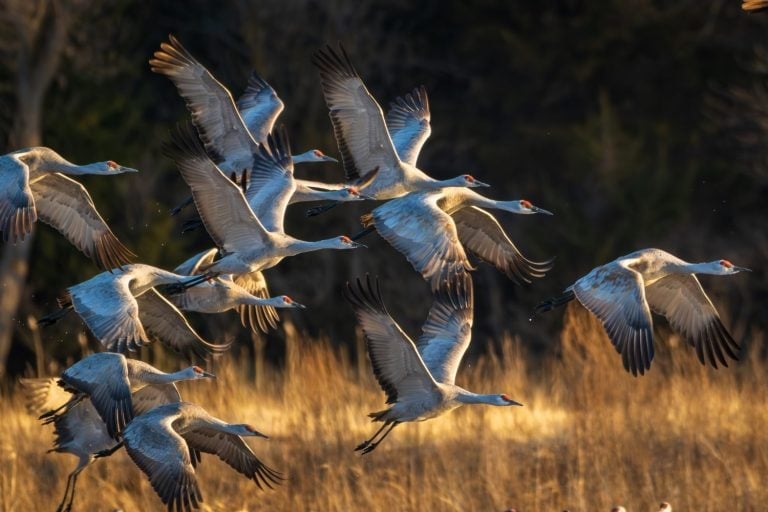
The Rio Grande River in Colorado serves as a stopover for more than 20,000 migrating sandhill cranes from late winter to early spring.
©iStock.com/Greg Meland
The South Fork Par Fly Tournament, which raises funds for the protection and restoration of the Rio Grande and South Fork Rivers, typically hosted each September by the San Luis Valley chapter of Trout Unlimited, has been cancelled for 2026 due to low water and adverse conditions on the Rio Grande.
Steamboat Lake
Steamboat Lake is a 1,053-acre reservoir in Routt County and one of only three lakes in Colorado with the prestigious Gold Medal Water designation. This high-elevation lake (8,100 feet) is in Steamboat Lake State Park.
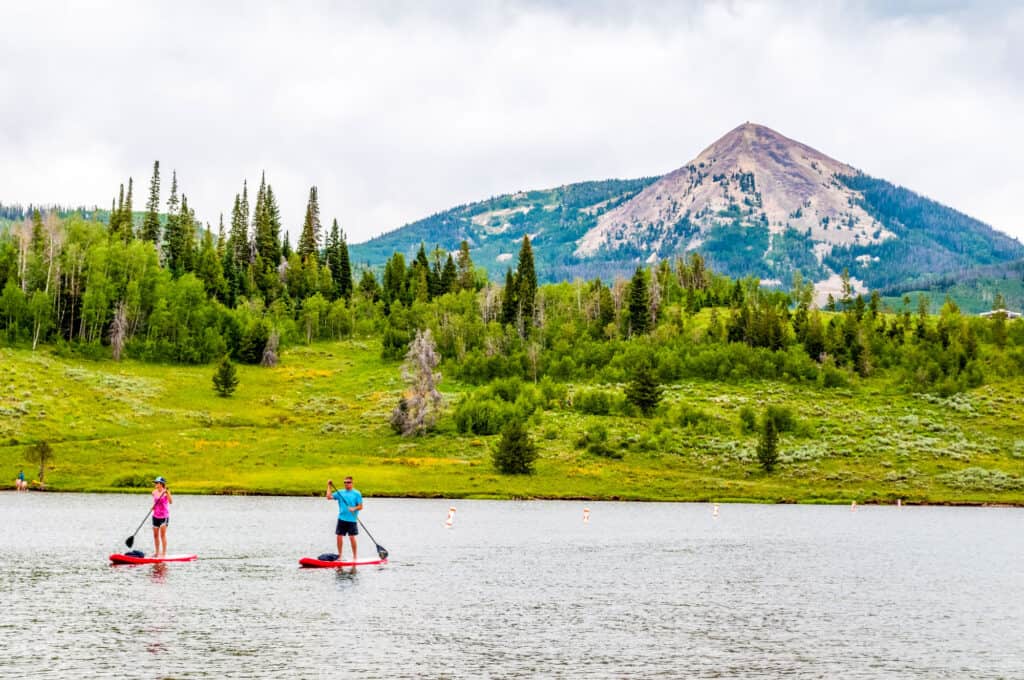
Steamboat Lake is a reservoir covering approximately 1,050 acres.
©SlavaFlash/Shutterstock.com
Its crystal-clear alpine waters provide an ideal habitat for dense populations of massive rainbow trout and native cutthroat trout. While most Gold Medal streams strictly enforce artificial-only tackle, anglers should check current regulations for Steamboat Lake, as bait fishing may be permitted. The statewide daily bag limit for trout is four, but Gold Medal Waters may have stricter limits.
Clear Creek
Clear Creek begins along the Continental Divide near Loveland Pass and is a major tributary of the South Platte River. The creek offers fantastic summer fishing for brown and rainbow trout, but anglers should be aware of afternoon recreational tubers in the lower sections and possible fishing restrictions during peak heat.
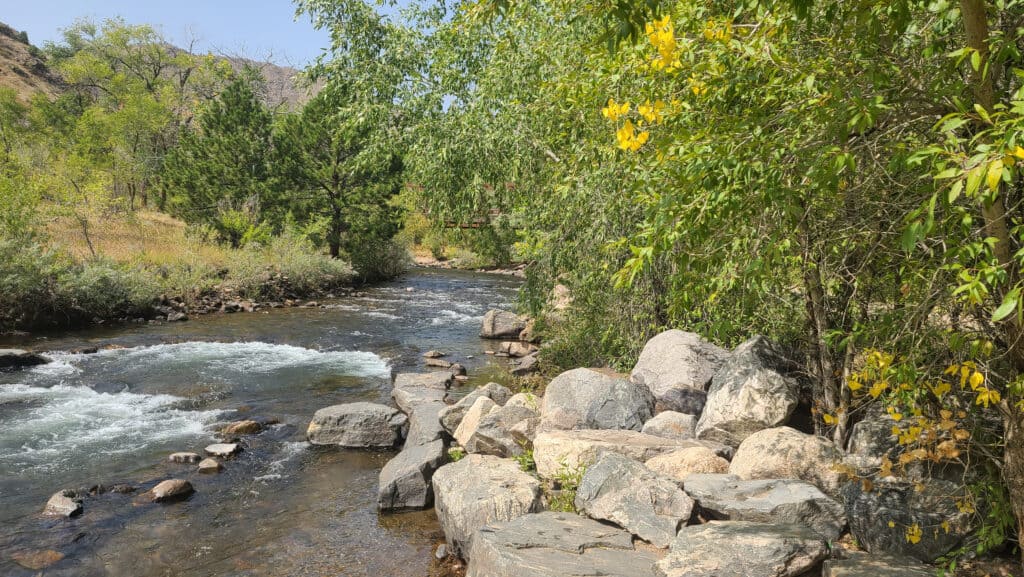
The waters of Clear Creek are fairly clear, and they support a healthy fish population.
©iStock.com/Richard Lynn Brown
While Clear Creek has an abundant population of trout, most are smaller (averaging 8 to 12 inches) and do not meet the strict size requirement for Gold Medal Waters designation
Lost Creek
Lost Creek, which originates just south of Kenosha Pass in the Pike-San Isabel National Forest, offers a secluded summer trout fishing experience. As the headwaters flow southeast and converge near Lost Park Campground, they form a high-elevation stream ideal for fishing brook trout in uncrowded waters. The creek is notable for its unique geology, flowing underground through porous granite boulders before re-emerging downstream as Goose Creek.
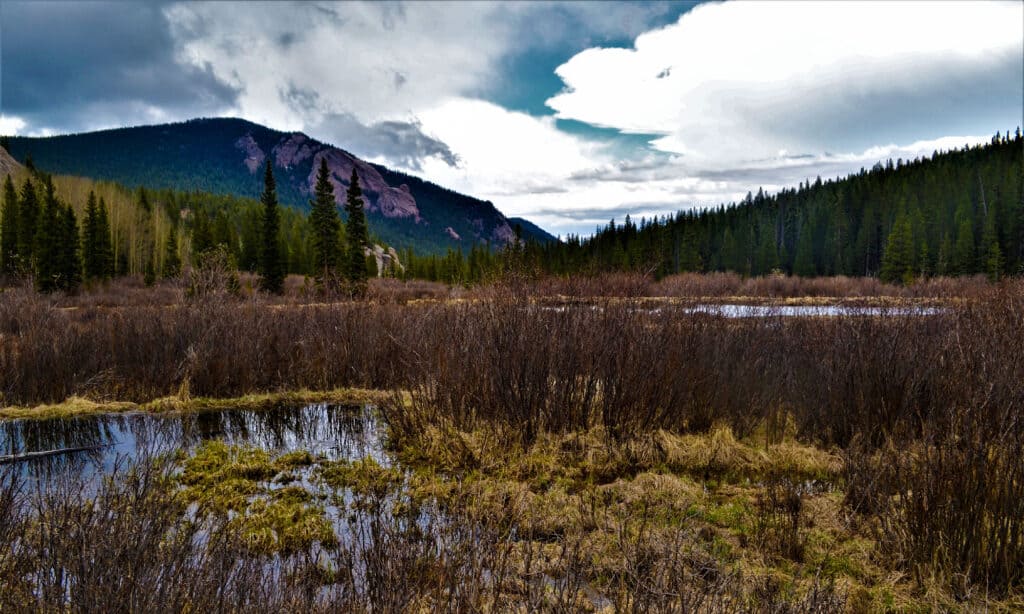
Lost Creek is a great destination for fly-fishing and hiking.
©REIGNING WAYNE/Shutterstock.com
Eagle River
The Eagle River offers excellent summer fly fishing for brown and rainbow trout once the high-water mountain runoff subsides in late June. The Eagle River’s headwaters begin near the Continental Divide and Camp Hale, and it is one of the state’s rare dam-free, free-flowing rivers.
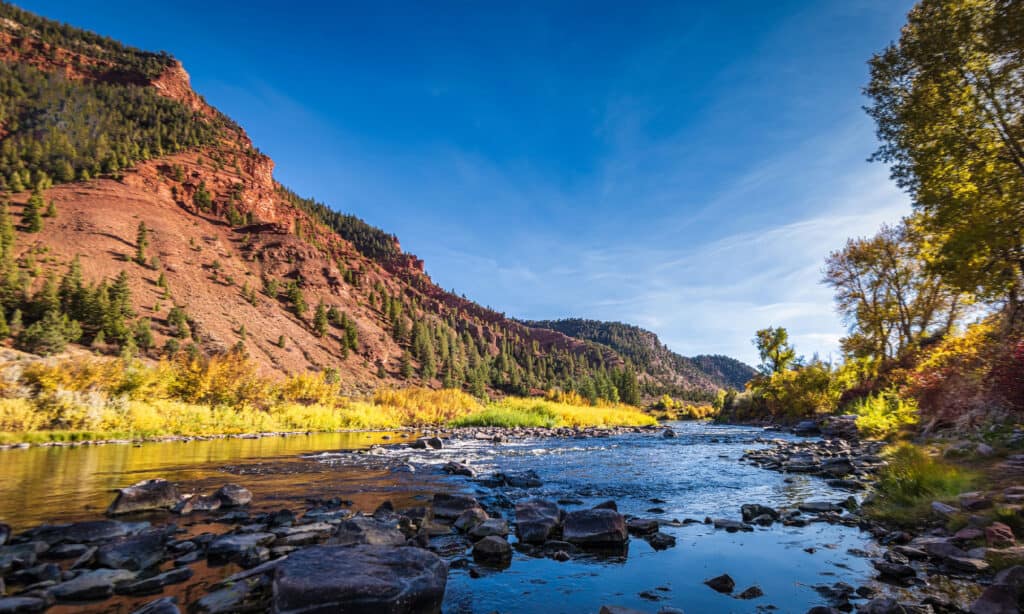
Eagle River offers great access and all sorts of fish species.
©iStock.com/L Kelly Jones
Although its main tributary, Gore Creek, holds the official Gold Medal Waters designation, the Eagle River is classified as a Quality Waters designee, recognizing diverse fisheries that fall just below the strict thresholds for Gold Medal status.
Snake River
The Snake River in Summit County, Colorado, provides a rewarding summer trout fishing experience for brook, brown, and rainbow trout. Its headwaters originate at the high-altitude Webster Pass and the Arapahoe Basin ski area. During the summer, anglers can enjoy fishing over clear cobblestone beds as the river flows past the historic town of Montezuma before emptying into Dillon Reservoir.
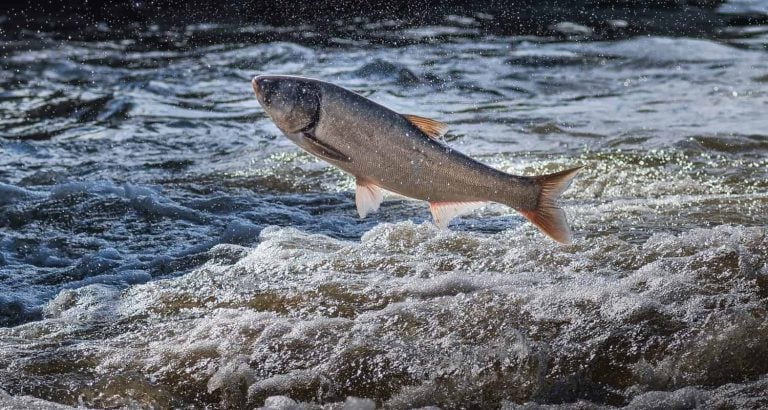
The lower half-mile of the river near Dillon Reservoir serves as a crucial staging area for migratory brown trout and kokanee salmon runs.
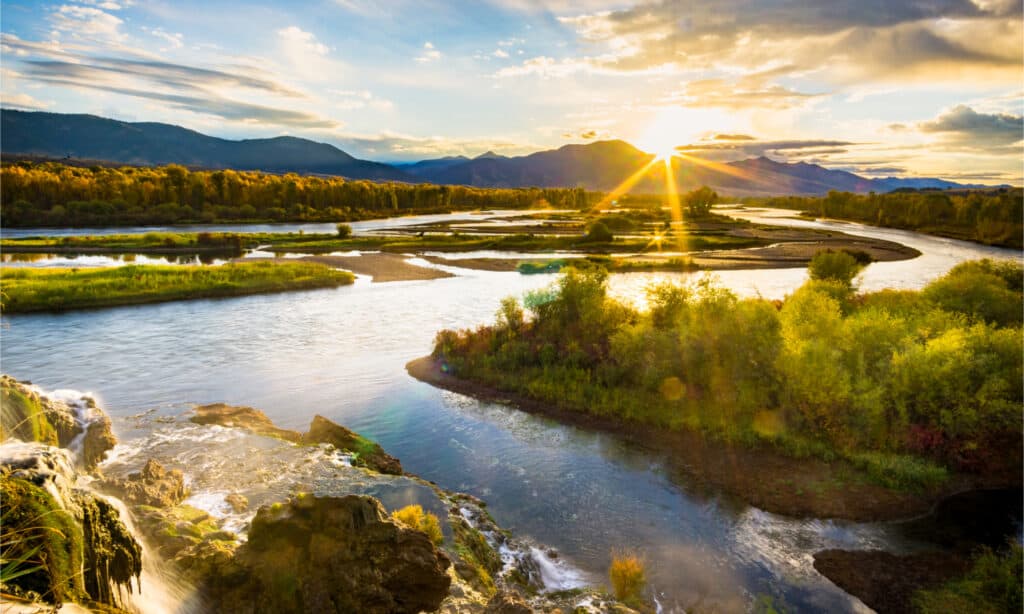
Dry flies work well as bait when fishing the Snake River during the summer.
©Barry Bjork/Shutterstock.com