
Quick Take
- One fish on this list is technically a salmon, though you'd never guess it from where it lives or how it's caught. Kokanee salmon details →
- One of Oregon's most-targeted summer species doesn't belong here, and that fact changes the rules for catching it. Largemouth bass regulations →
- One species on this list requires catch-and-release only, with a range so restricted that most Oregon anglers will never find it. Catch-and-release rules →
- Fishing the wrong time of day this summer could mean going home empty-handed, regardless of which of these species you're after.
Summer freshwater fishing in Oregon offers warm, scenic days across alpine lakes, quiet ponds, and low-flow rivers. Anglers can cast a line for active warm-water species in shallow bays or target cool-water fish in deeper lakes and shaded streams. Early mornings and late evenings provide the most comfortable weather and the highest catch rates. Continue reading to discover five popular freshwater fish to catch in Oregon this summer.
Black Crappie
Black crappie (Pomoxis nigromaculatus) have a deep, flattened body with a silvery-gray base covered in dark green or black blotches. They average 8 to 12 inches long and weigh between one-half and one pound. In the summer, they school near deeper open-water structures.
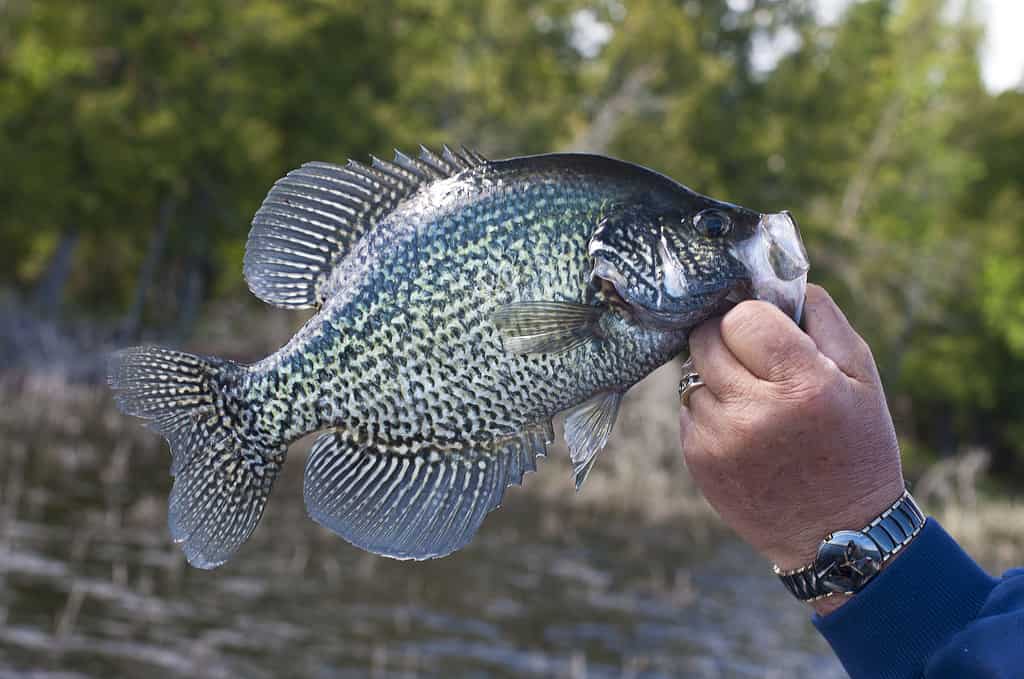
Black crappie are considered panfish because they can easily fit into a frying pan.
©SteveOehlenschlager/iStock / Getty Images Plus via Getty Images
Statewide warmwater rules typically apply, often with generous or no daily bag limits. However, local waterbody regulations may vary, so it’s best to check local rules before fishing.
Largemouth Bass
In summer, largemouth bass (Micropterus salmoides) thrive in warm, shallow lakes, ponds, and river sloughs. These popular sport fish have a greenish body with a white belly and dark side stripe, and are distinguished by a jaw that extends past the eye.
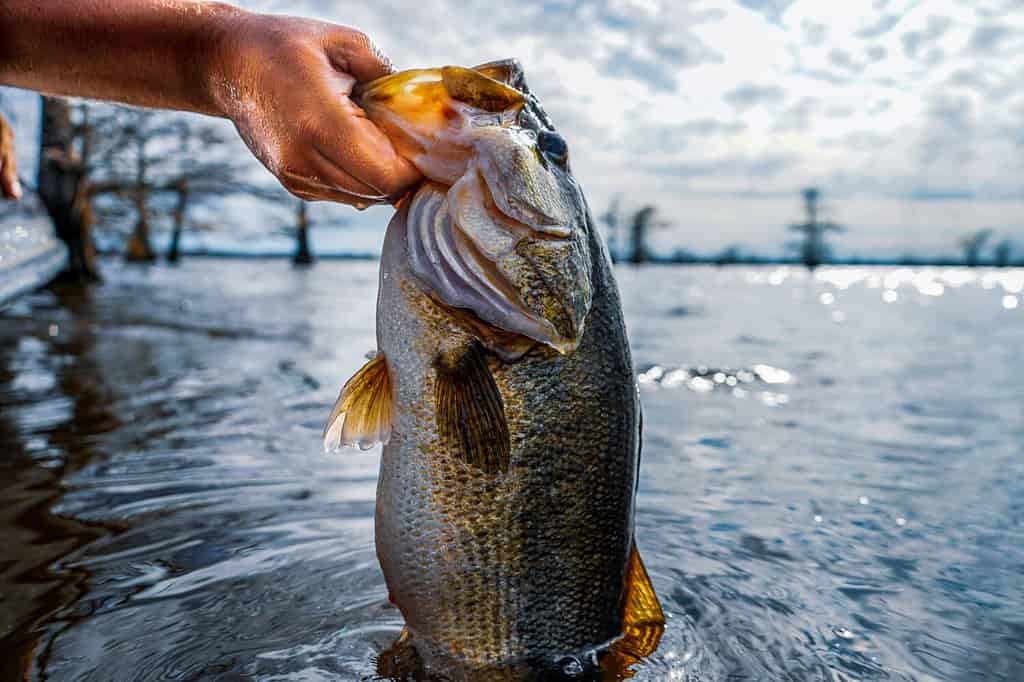
Largemouth bass are not native to Oregon and are considered an introduced species
©Maclane Parker/Shutterstock.com
An average largemouth bass is between 12 and 24 inches long and can weigh up to five pounds. However, some specimens in Oregon can exceed 25 inches and weigh more than 12 pounds. The statewide lake bag limit is 5 per day, with no limits on rivers and streams.
Channel Catfish
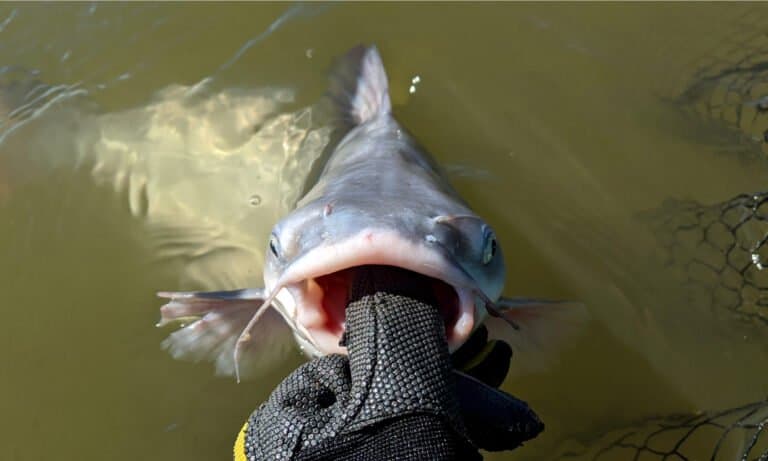
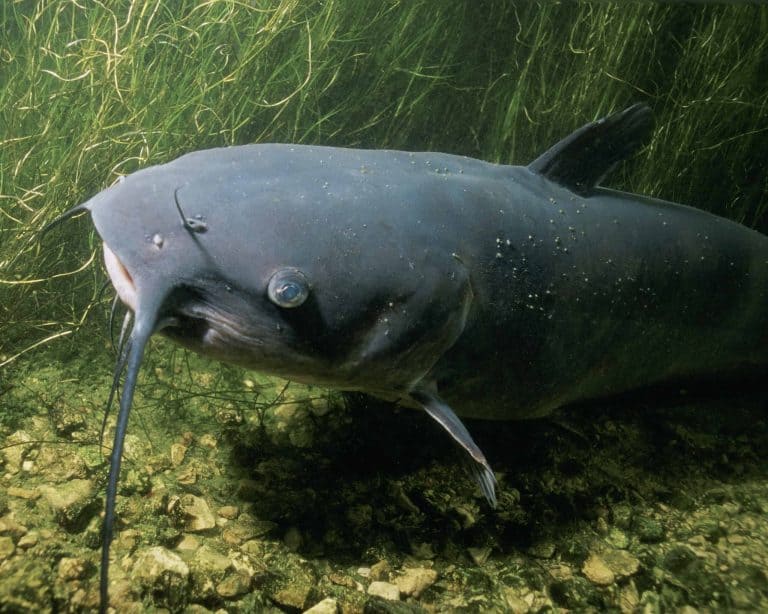
Channel catfish (Ictalurus punctatus) fishing peaks during the warm summer months in Oregon. These bottom feeders have smooth skin with dark spots that fade over time on a bluish-olive-to-gray body.
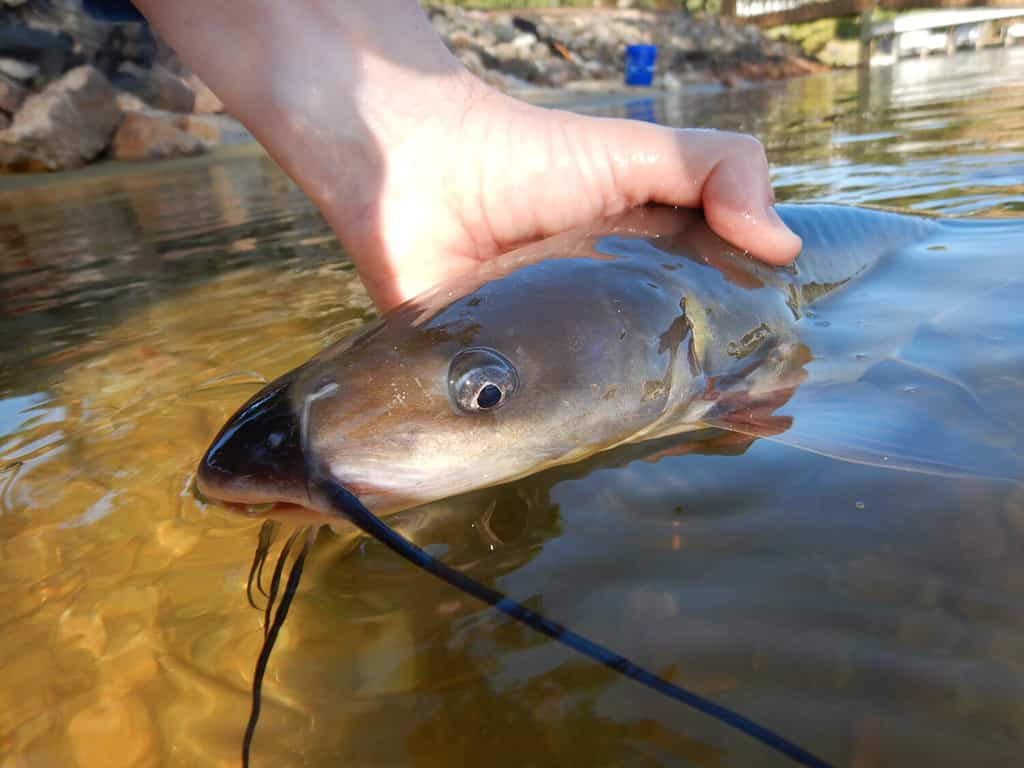
Channel catfish have four barbels, or whiskers.
©Brookieland/Shutterstock.com
An average channel catfish is between 12 and 24 inches long and weighs under 10 pounds, although they are known to grow much larger. In most statewide zones, there are no bag or size limits on warmwater catfish. Channel catfish are not native to Oregon, where they were introduced in the late 19th century.
Kokanee
Kokanee (Oncorhynchus nerka) are landlocked sockeye salmon. They have bright silver-green bodies and pinkish-red backs with no distinct spotting. An average kokanee is 10 to 15 inches long and weighs 1 to 4 pounds. Deep lakes and reservoirs are the best places to fish for kokanee.
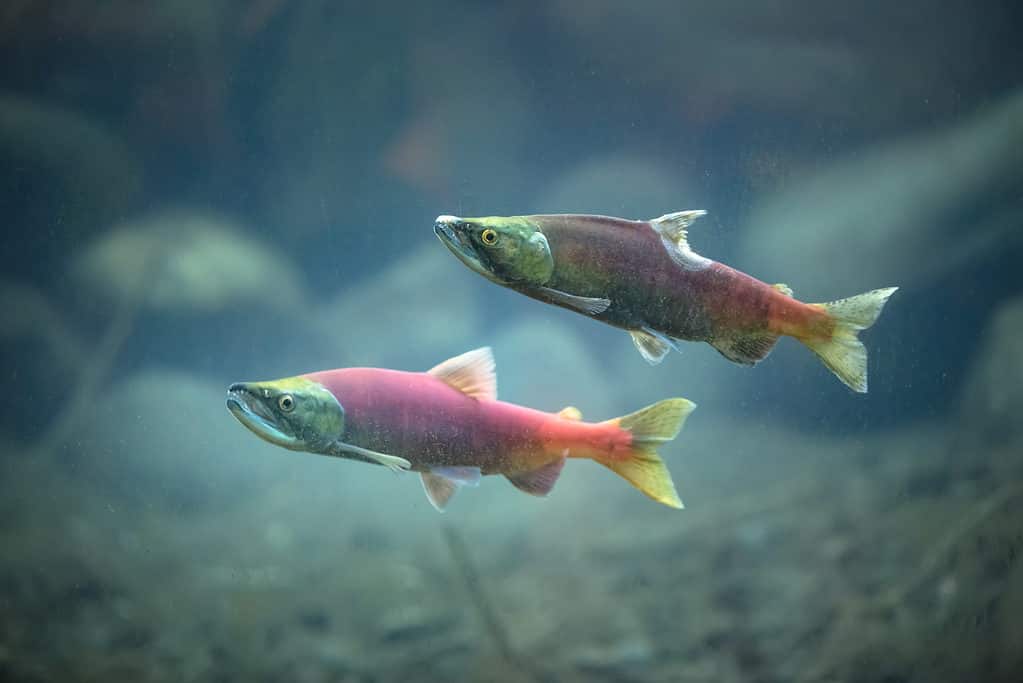
Kokanee are landlocked sockeye salmon.
©topseller/Shutterstock.com
Because kokanee are landlocked fish that feed almost exclusively on open-water zooplankton, they spend their entire adult lives in large, cold, and still bodies of water. Kokanee only use rivers and tributary streams in the autumn, when mature fish leave the reservoirs to spawn and die. Statewide daily limits are typically set at 10 fish, but anglers are advised to check local regulations.
Westslope Cutthroat Trout
In Oregon, Westslope cutthroat trout (Oncorhynchus clarkii lewisi) are found exclusively in the upper John Day Basin, which covers over 8,000 square miles. The basin includes approximately 1,200 named streams in a complex network of waterways, anchored by the 284-mile John Day River, the longest undammed river entirely within Oregon.
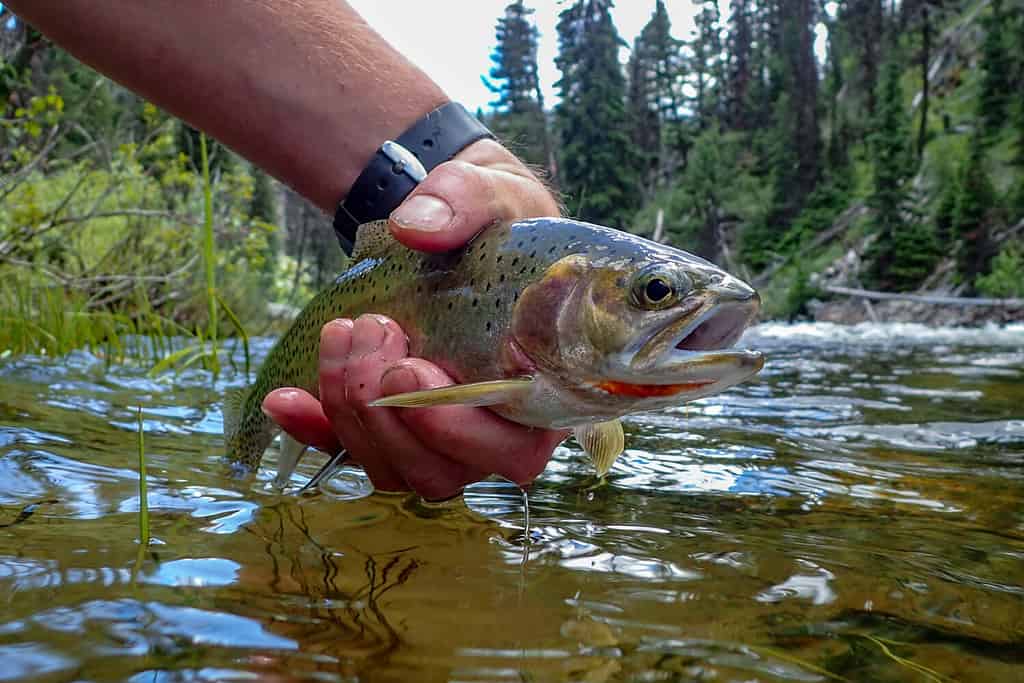
Young Westslope cutthroat trout are sometimes dropped from planes to stock secluded mountain lakes.
©CSNafzger/Shutterstock.com
Westslope cutthroat trout are greenish-gold with distinct bright red-orange throat slashes and fine black spots concentrated near the tail. They can be found in cold, spring-fed headwater tributaries.
Westslope cutthroat trout average 6 to 16 inches in length and typically weigh under two pounds. Strict state regulations require catch-and-release fishing or ban the use of bait to protect these sensitive and vulnerable populations.