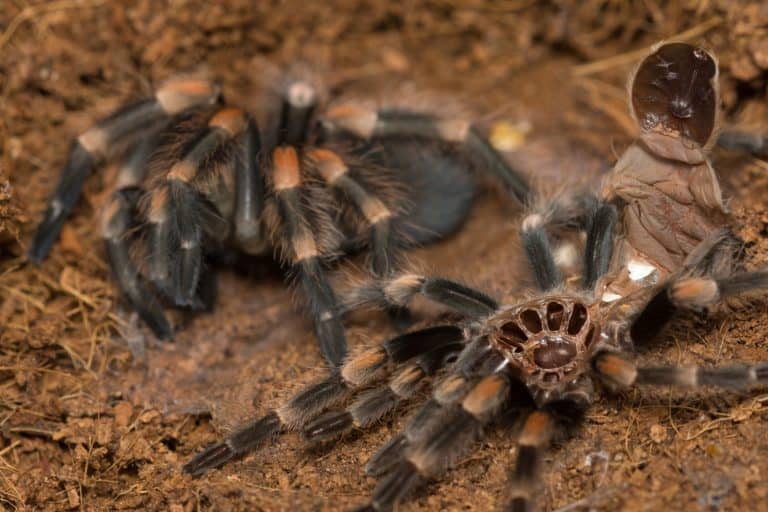

The eastern tarantula (Selenocosmia crassipes) is a formidable spider that could give anyone — not just arachnophobes — quite a fright. Commonly known as Australia’s “bird-eating spider,” its reputation inspires both awe and alarm. It is particularly unsettling to see this hand-sized spider hissing from its burrow or devouring a bird, as the spider in this Instagram video does.
However, there is an intriguing twist to this chilling footage: the spider named in the video’s caption is not actually the species shown in the video. While both the eastern tarantula and the spider actually shown — the pinktoe tarantula — have earned “bird-eating” nicknames, they are very different species. So, how much of their fearsome reputation is based on truth, and how much is exaggerated or misunderstood? Let’s take a closer look at both spiders and separate fact from fiction.
The Eastern Tarantula
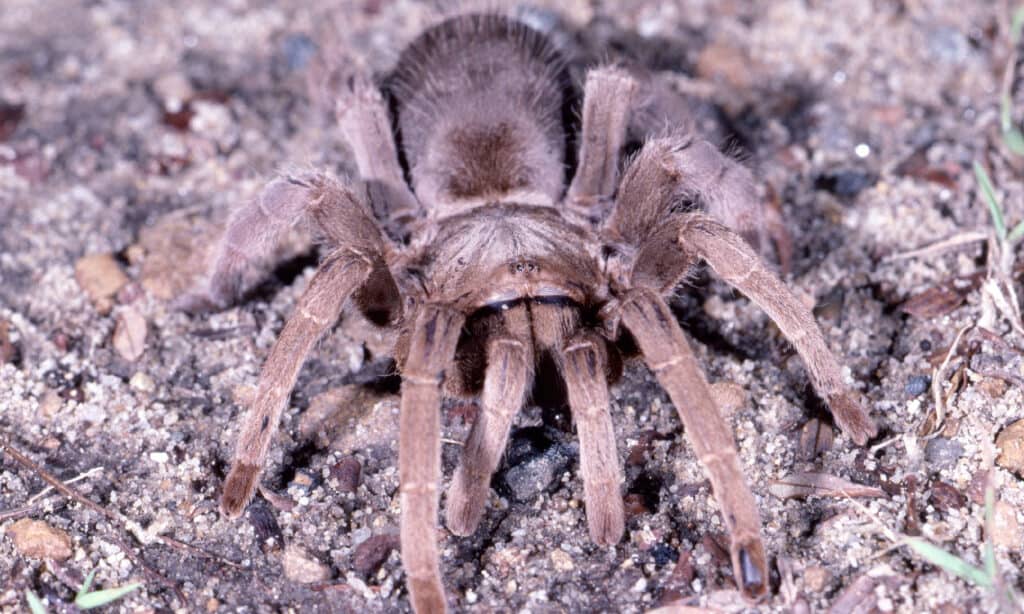
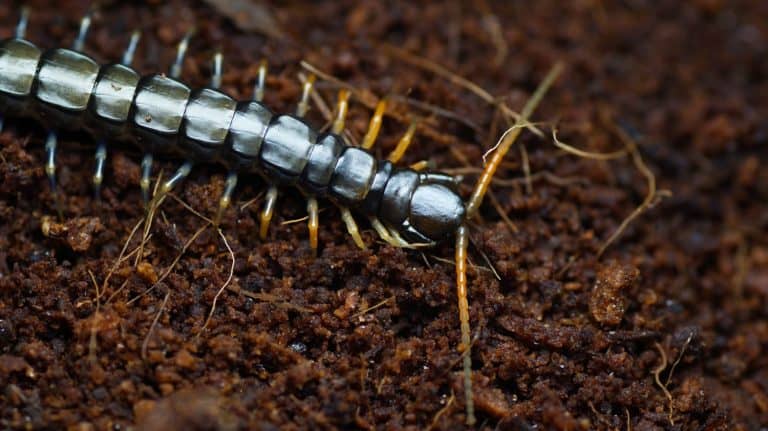
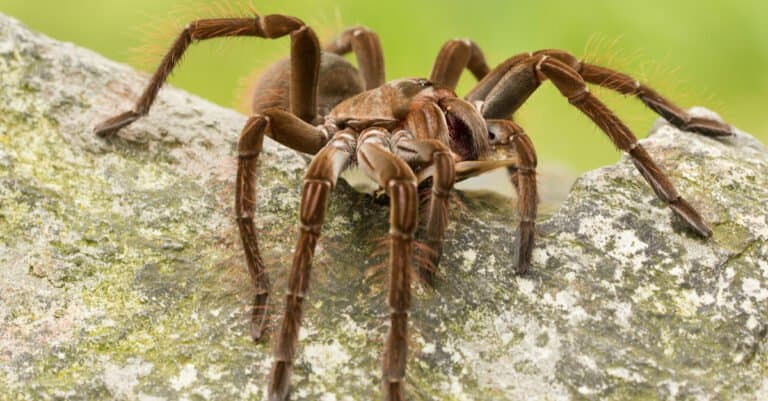
Eastern tarantulas move surprisingly fast when hunting.
©iStock.com/Ken Griffiths
The eastern tarantula — also known as the bird-eating tarantula, Queensland whistling tarantula, or barking spider — is native to Queensland’s eastern coast and is Australia’s largest tarantula.
This species is a true giant, with a body length of 2.5 to 3.5 inches, a legspan up to 8.5 inches, and venomous fangs nearly a half-inch long. However, its sounds are as alarming as its appearance. When threatened, the tarantula rubs rows of stiff, modified bristles on its palps (the small, leg-like organs near its face) against the bristles on its jaw bases, producing a unique hiss, whistle, or bark sound — which earned it the nickname “barking spider.”
Do These Spiders Really Eat Birds?
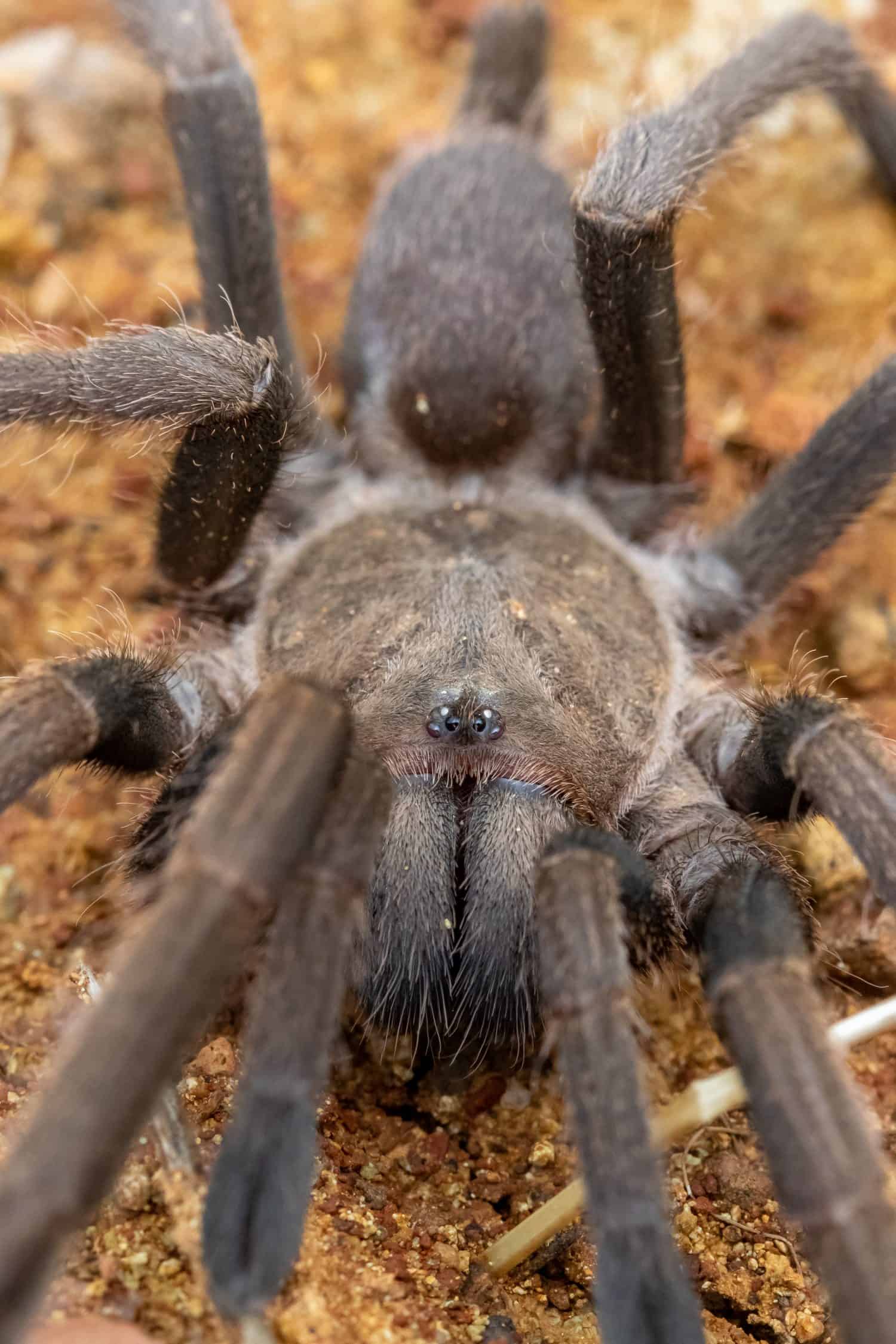
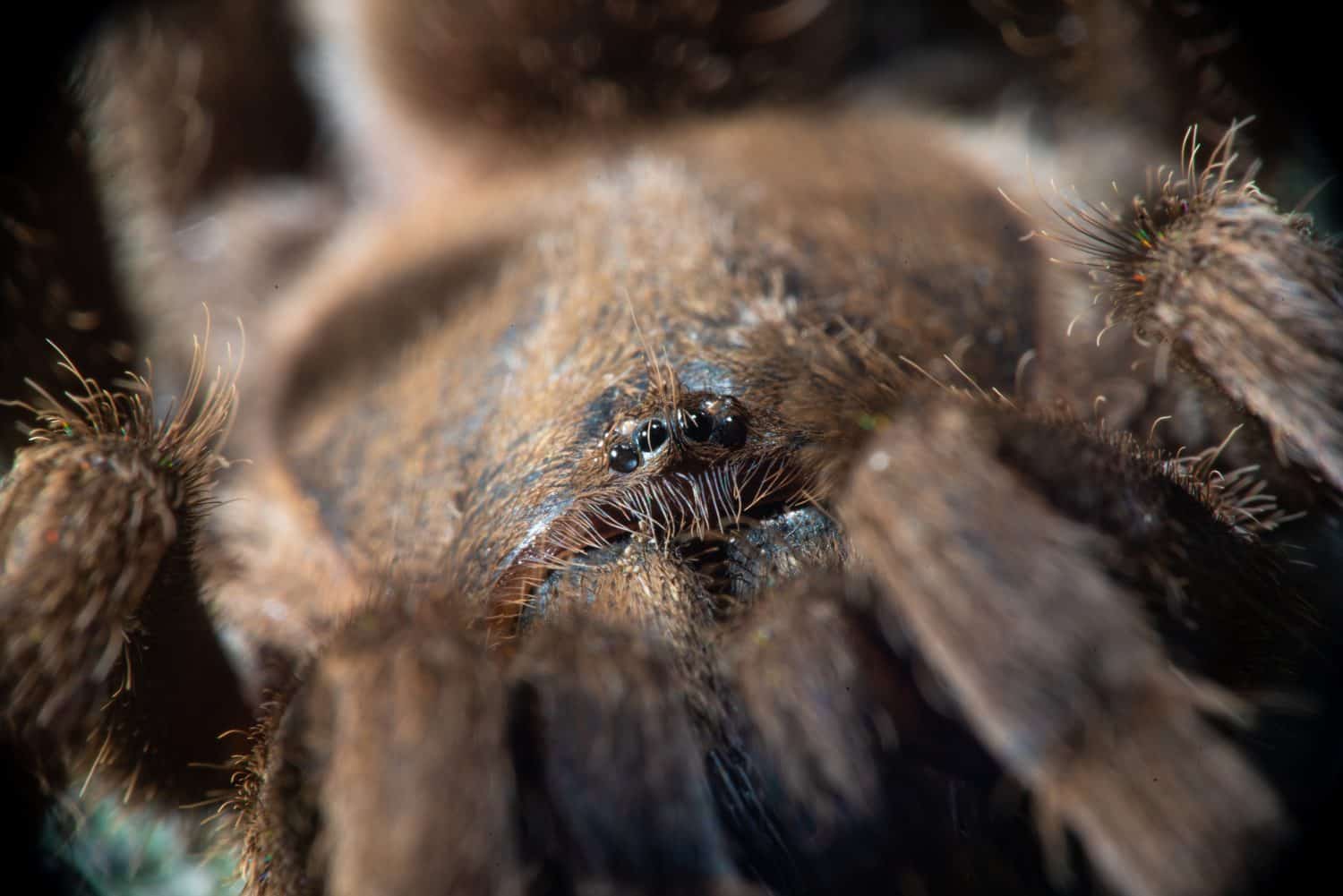
The eastern tarantula’s scientific name comes from its thick, large legs.
©Vision Wildlife/Shutterstock.com
Despite their massive size and unsettling nickname, these spiders rarely hunt or eat birds. As nocturnal ground-dwellers, their diet mainly consists of small vertebrates like frogs and geckos, plus invertebrates like insects and other spiders. There are rare instances of eastern tarantulas eating birds, but this behavior is very uncommon. Few birds are active at night when these spiders are out hunting.
Eastern tarantulas are also masterful engineers, digging extensive burrows in the ground. These underground homes can reach depths of up to 3 feet and lengths of 6.5 feet, and often feature silk-lined tunnels and air pocket chambers.
Defences and Venom
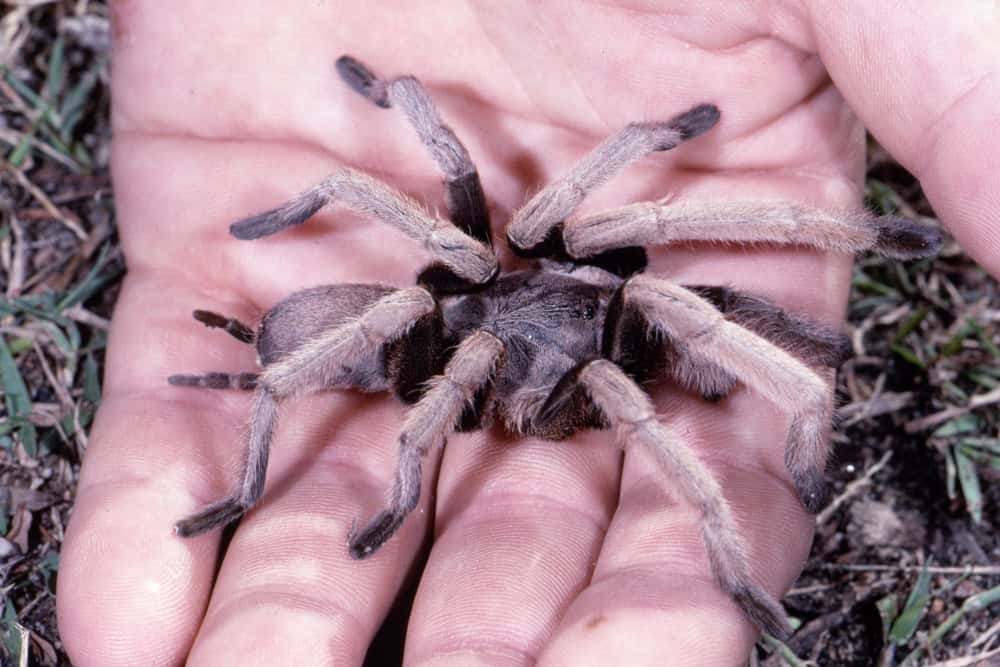
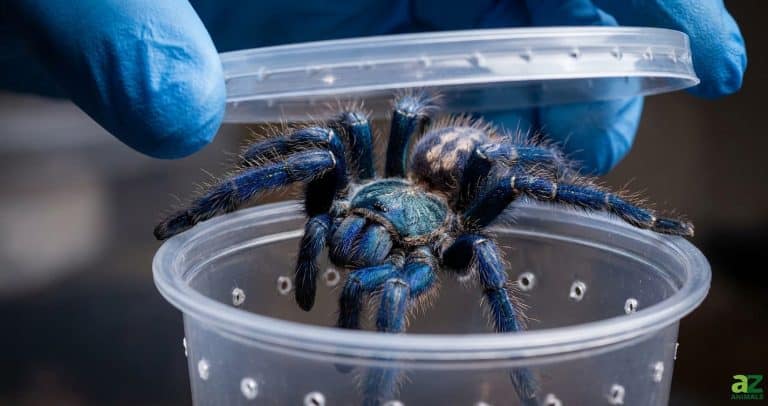
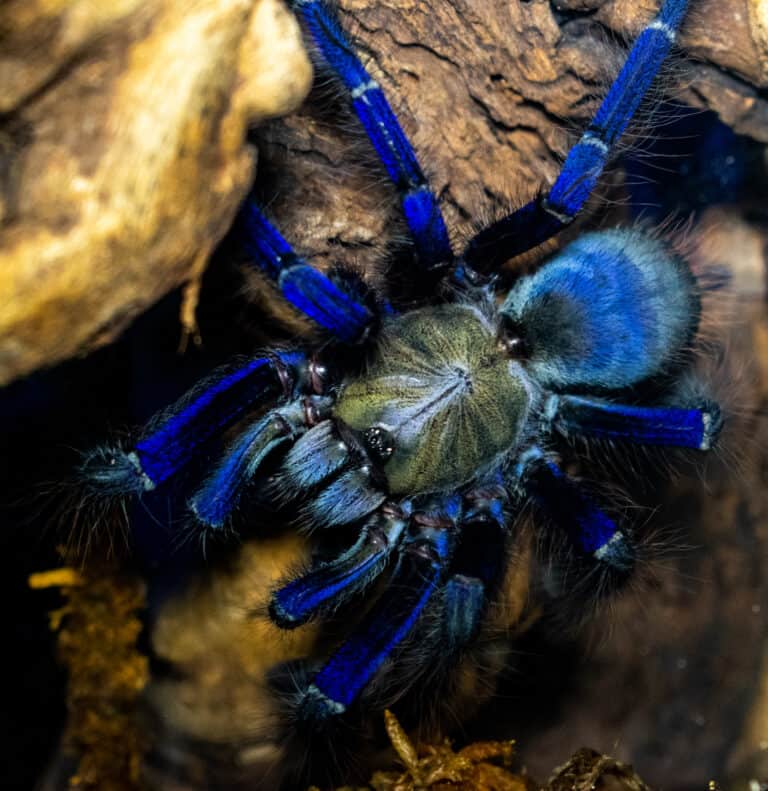
Fortunately, some pet traders are now breeding tarantulas in captivity to protect wild populations.
©Ken Griffiths/Shutterstock.com
The eastern tarantula’s large size makes it a popular, fascinating pet. However, many spiders sold as “eastern tarantulas” are actually misidentified species and may be undescribed species collected from northern Queensland. Unfortunately, wild collection by the pet trade — particularly the removal of larger adult spiders — may be damaging small, local populations. Because Australian tarantulas often inhabit small, specific areas, this practice could potentially endanger species that have not yet been studied by scientists.
While eastern tarantulas are not typically aggressive, they will defend themselves when necessary. Their large fangs are as long as those of many snakes and can deliver an extremely painful bite. Their venom is not lethal to healthy adults, but it can still cause severe illness. Small pets like cats and dogs are at much higher risk and can die if bitten by an eastern tarantula.
Meet the Pinktoe Tarantula
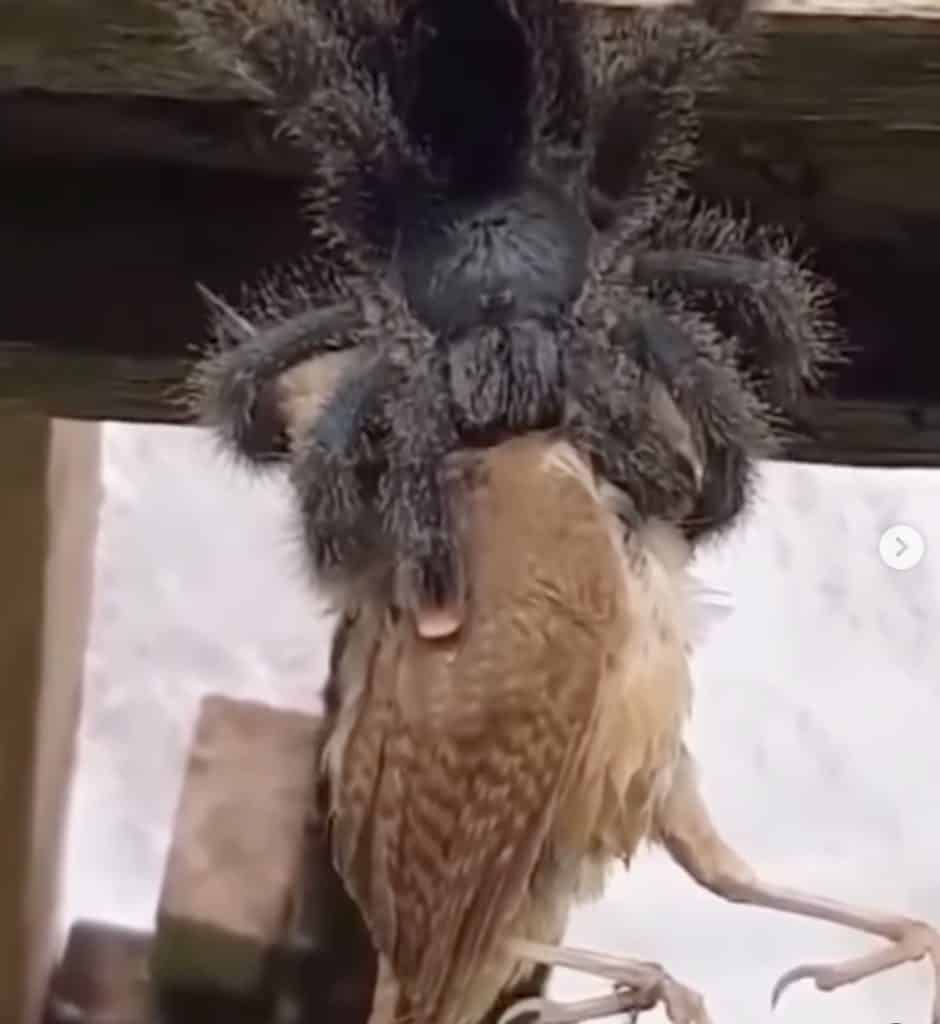
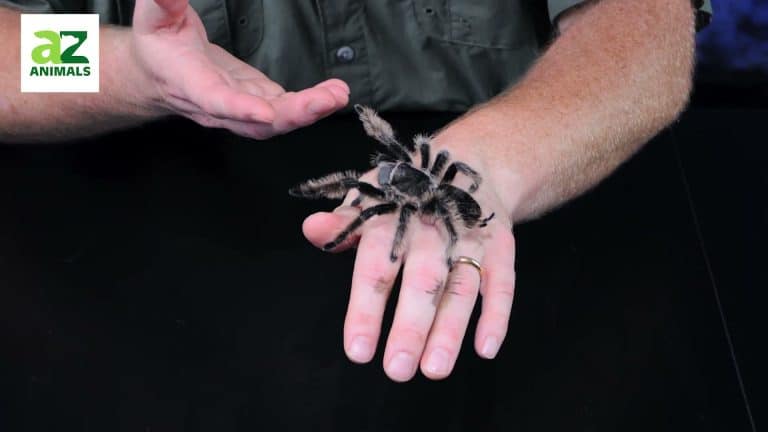
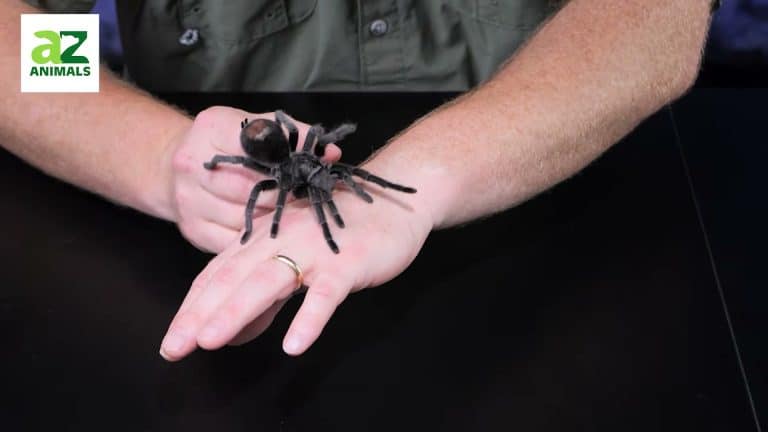
The spider featured in the video is actually a pinktoe tarantula.
©Instagram / @spiderhenra – Original
While both the eastern tarantula and the pinktoe tarantula are large and hairy spiders with “bird-eating” nicknames, they are two entirely different species.
The pinktoe tarantula (Avicularia avicularia) is native to Central and South America, where it lives in countries like Venezuela, Brazil, Peru, Bolivia, Guyana, Trinidad, and Tobago. It is an arboreal or tree-dwelling spider, named for its distinctive pink tips on its feet, which contrast sharply with its dark body. Females are larger, reaching a legspan of up to 6 inches, while males typically stay around 4 inches.
Unlike the burrow-dwelling eastern tarantulas, pinktoe tarantulas spend their lives high in the rainforest canopy. They are active and surprisingly agile climbers, even capable of making short leaps between branches.
Pinktoes are ambush hunters and primarily target small insects like moths, roaches, grasshoppers, and crickets. However, fully grown adults are strong enough to take down small vertebrates, including lizards, amphibians, and occasionally birds, as demonstrated in the Instagram video. Pinktoe tarantulas construct silken structures among the branches, using their webs, tunnels, and funnel-like traps as shelters and hunting platforms.
More Flight Than Fight
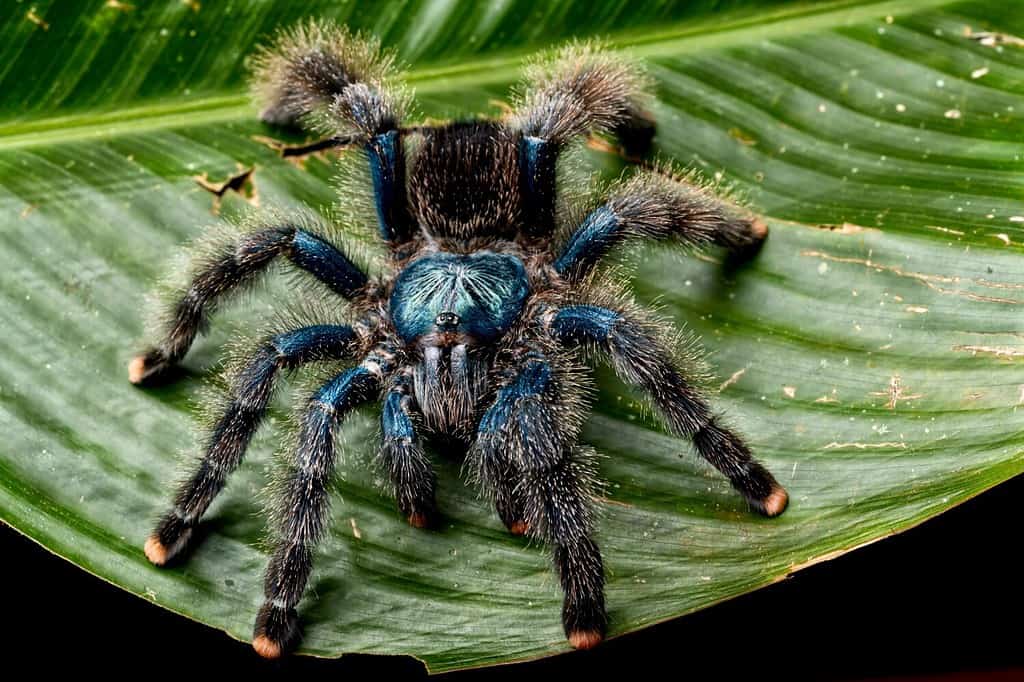
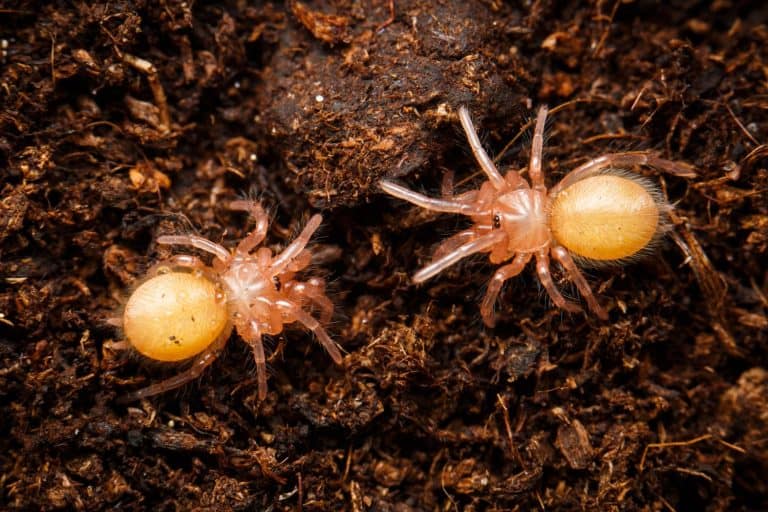
Young spiders have the opposite coloration of adults, with pinkish bodies and dark colored feet.
©reptiles4all/Shutterstock.com
Pinktoe tarantulas typically flee rather than fight when threatened, using their agility to evade predators. If cornered, they may assume a defensive stance or deliver a mild bite, but their venom is mild and not considered medically significant to humans. However, their strangest defence mechanism is rather unique among tarantulas: they can forcefully fling their feces at a perceived threat, a surprisingly effective deterrent.
Like eastern tarantulas, pinktoe tarantulas have historically faced pressure from the exotic pet trade, both due to wild collection and improper care by pet owners. Pet owners sometimes mistakenly believe that pinktoe tarantulas need extremely high humidity, but this can actually cause serious illnesses for the spiders. Pinktoe tarantulas thrive best in well-ventilated enclosures with lots of vertical space for climbing, preventing unhealthy humidity buildup.
The Misleading “Bird-Eater”
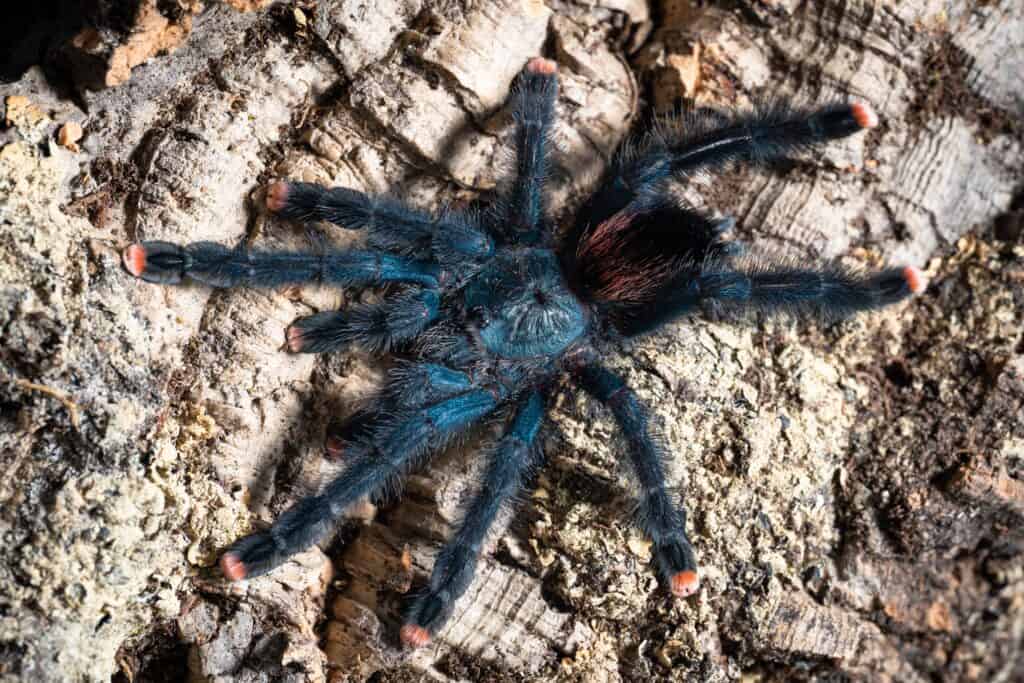
Guyana pinktoe tarantulas change color when they are about four to five years old.
©tempisch/Shutterstock.com
Although the spider in this Instagram video was misidentified, the confusion highlights an important point: “bird-eating spider” is a misleading name applied to many large tarantulas around the world. Both the eastern tarantula and the pinktoe tarantula are certainly capable and impressive predators, but neither species regularly hunts birds.