
Quick Take
- Nicaragua is now exporting more than 11,000 exotic animals each month.
- This is a dramatic increase from the volume of monthly exports in previous years.
- Wild animal exports pose a risk to the animals, the environment, and humans.
- Several organizations are working on policies to limit the number of exotic animal exports around the world, including Nicaragua.
According to data studied by World Animal Protection (WAP), Nicaragua exported more than 11,000 wild animals in a single month. WAP announced these findings on February 27, 2026.
While precise monthly figures are unavailable, reports indicate that Nicaragua’s wild animal exports have increased significantly over the past decade, with a notable surge reported in 2026.
This dramatic increase represents a troubling trend for species in this small Central American country. It also poses a threat to animal well-being, ecosystem biodiversity, and even public health.
Which Species Are Exported?
Traditionally, Nicaragua exports have focused on exotic species like green iguanas, boa constrictors, turtles, lizards, parrots, and parakeets. However, a growing demand for smaller species is causing export numbers to skyrocket.
Today, amphibians such as red-eyed tree frogs and poison dart frogs, as well as arachnids like tarantulas, scorpions, and wolf spiders, are among the species exported from Nicaragua.
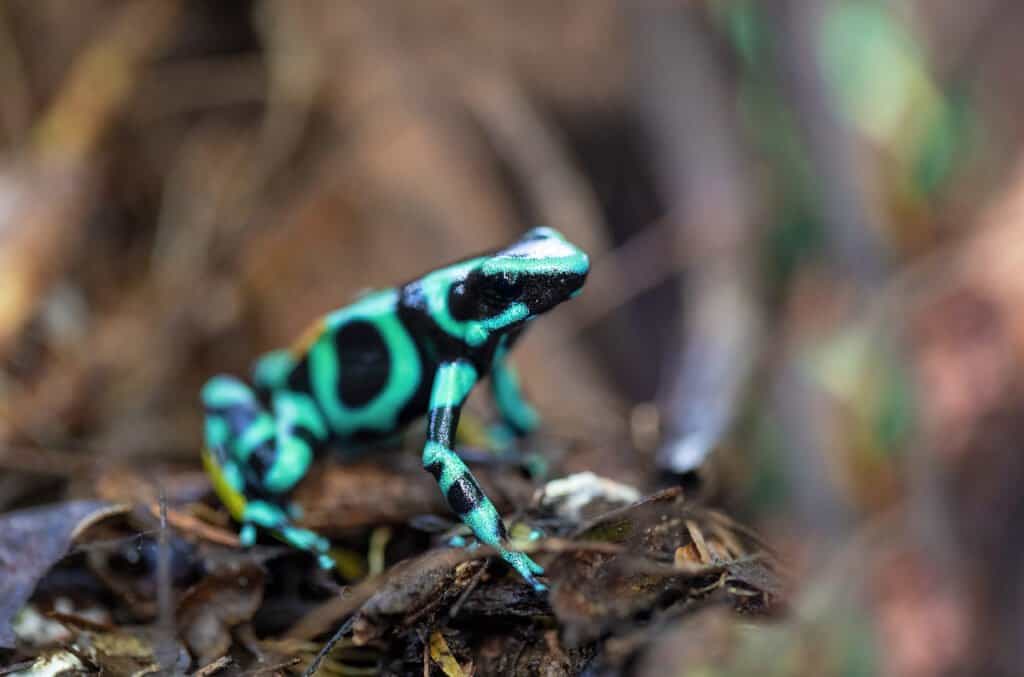
Poison dart frogs are just one species exported from Nicaragua in high numbers.
©iStock.com/Artush
Both amphibians and arachnids are easy to transport due to their small size, meaning more can go in a single shipment. Their rapid reproduction rates also equate to high volume industrial-scale breeding.
Why Is Demand Growing?
The growing demand for exotic pets and reptiles, especially those that originate in Nicaragua, is due to several reasons.
Lifestyle is one practical consideration, especially for reptiles and amphibians. These species require far less space, as they live in aquariums and terrariums. They don’t need consistent exercise, and they only need to be fed weekly or even monthly for some species. These animals are often marketed as easy to care for, even though that is far from the truth.
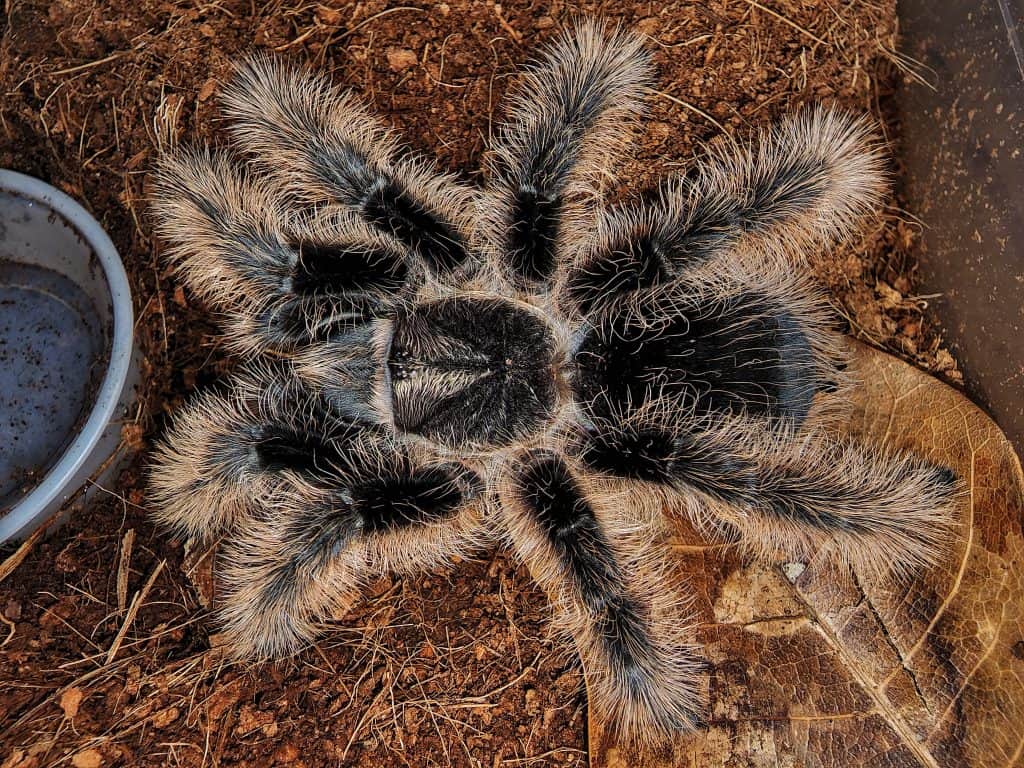
Tliltocatl albopilosus, known as the curly hair tarantula, is a popular exotic pet choice.
Psychology also plays a part. For some, owning an exotic pet is a status symbol. For others, it’s about creating a mini-tropical environment in their home that is unique and unexpected. Others have a genuine interest in the biology of the species.
Then there is social media. Thanks to TikTok and Instagram, exotic pets are now a way to drive views, clicks, and follows. This trend is often referred to as aesthetic pets. Viewers who see the perfectly curated video of a baby iguana often want to acquire one of their own, without having any idea of the reality of exotic pet ownership.
Whatever the reason, exotic species ownership often does not go well for the animals.
How Are the Animals at Risk?
Animals are often kept in environments that don’t meet their psychological, physical, or behavioral needs, according to WAP. That begins with the transport itself.
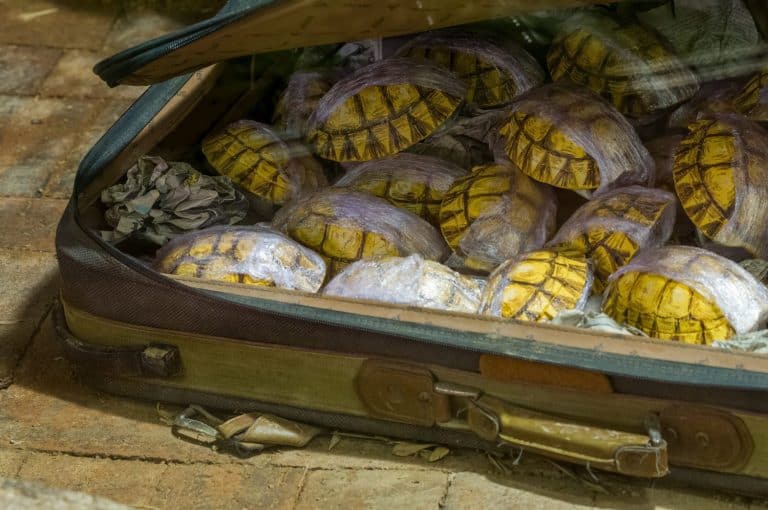
According to the International Fund for Animal Welfare (IFAW), for every exotic animal that makes it safely to its final destination, several others died in transit. Even the ones that survive are subjected to stress and sickness during the breeding, confinement, and transportation process.

Sloths are another species often exported from Central America, including Nicaragua.
©Rob Jansen/Shutterstock.com
Those risks don’t end once an exotic species ends up in someone’s home. Residual effects of transport, like dehydration and starvation, often only show up weeks after transport is over. Newly acquired pets often die within a few weeks of being purchased.
Then there is the issue of ongoing care. Whether it is a lack of specialized veterinary care or a lack of knowledge by the new owner, exotic pets often don’t receive the proper nutrition and are confined in spaces that clash with their natural needs.
Threats to the Environment
WAP notes that removing wild species for commercial purposes causes disruptions to already fragile ecosystems. Natural populations are weakened and there is also biodiversity loss. This upsets the balance needed to maintain healthy environments.
Then there is the issue of owners releasing their exotic species into the wild. Often, owners eventually realize their cool new pet is just too much to handle. They figure that since the animal should be living in the wild anyway, releasing it back to nature is the easiest solution.
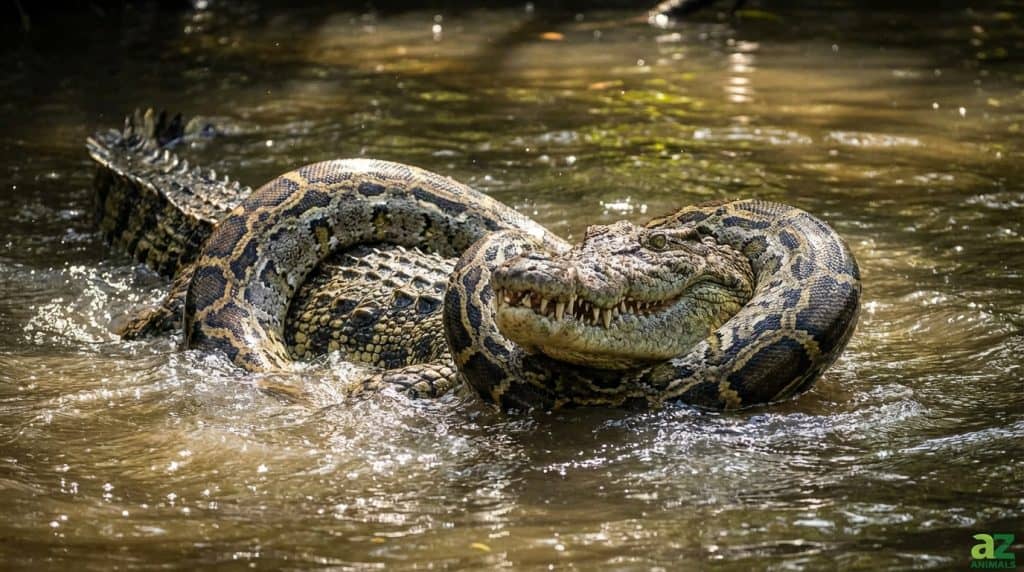
Burmese pythons are just one species released by owners into Florida’s natural habitat, that are causing significant damage to native wildlife populations.
©
But these previous pets may not be equipped to survive in their new natural habitats, leading to their death. In other cases, like with Burmese pythons in the Florida Everglades, the released exotic pet is too able to thrive in its new wild habitat. It quickly reproduces and devastates native species populations.
Are People at Risk?
There are significant risks to humans, too. The term ‘zoonotic disease‘ may not be familiar to most, but the illnesses included in this category make front page news. Monkey pox, SARS, Ebola, and avian flu are all diseases that started with wild animals and were eventually transmitted to humans.
This disease transmission from animal to human often occurs when humans interact with wild animals under stressful conditions–like forced captivity.
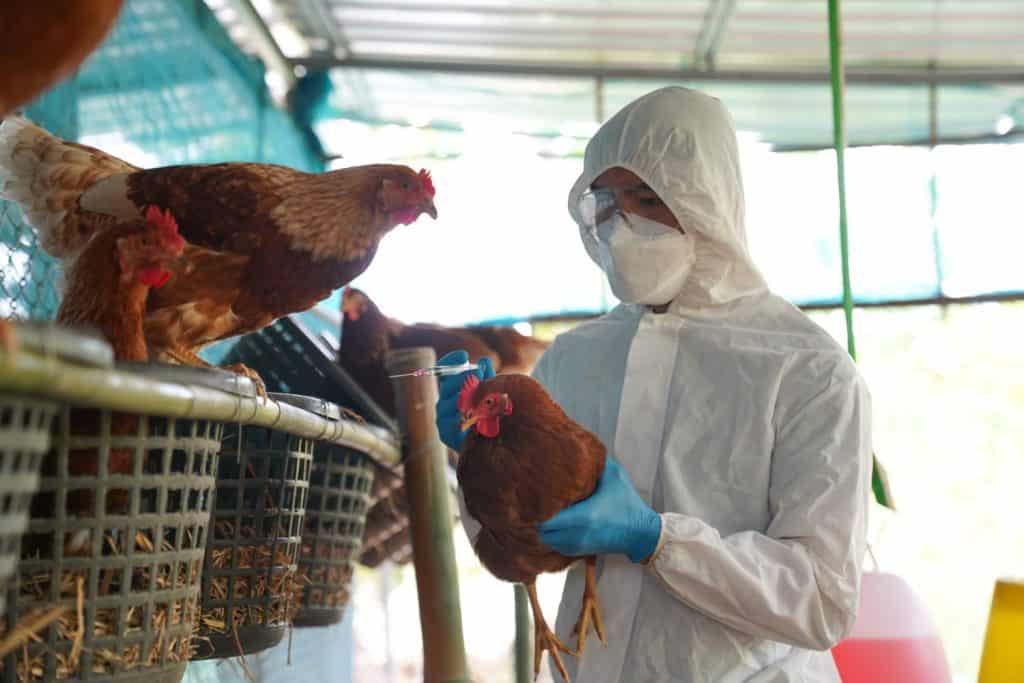
Avian influenza is one example of a zoonotic disease.
©Pordee_Aomboon/Shutterstock.com
As Mark Hofberg, IFAW Campaign Officer notes, ““Animals sold as exotic pets may have been taken from the wild. They’re often crammed into small cages for transport, along with other animals and even different species, and they get stressed. Stressed animals become sick and shed viral particles more easily, placing other animals and humans who come into contact with them at high risk of getting sick.”
What Does the Future Look Like for Exotic Animal Exports?
Some species are already highly regulated and their movement across international borders is carefully controlled via CITES (Convention on International Trade in Endangered Species). Nicaragua is a signatory to CITES. However, CITES only covers a specified list of endangered species.
Several highly exported species from Nicaragua received new or upgraded protections from CITES. The species include the Nicaraguan seed finch and the Hoffman’s two-toed sloth. Both were added to the CITES list after proposals were submitted by several Central American countries.
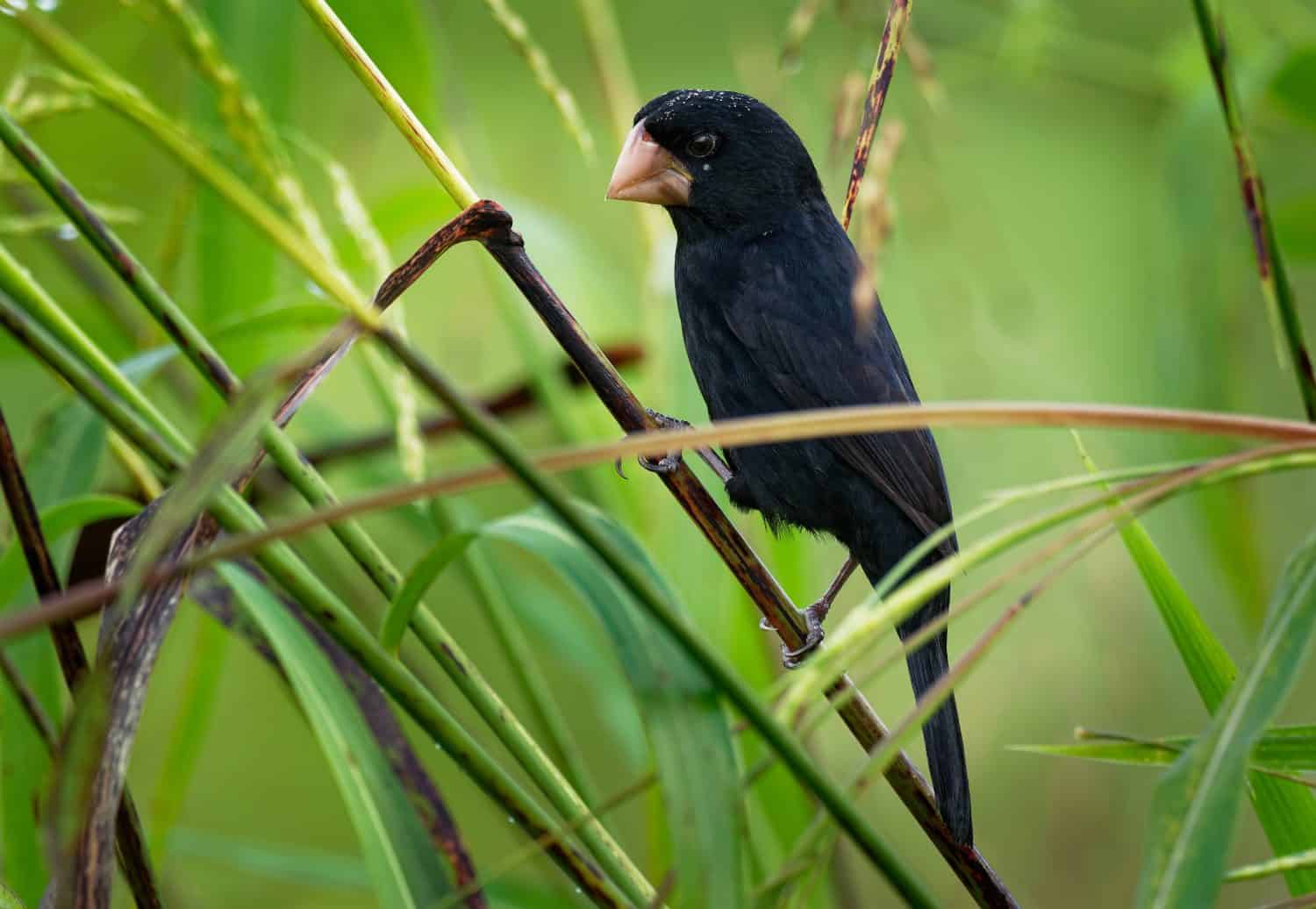
The Nicaraguan seed-finch is covered by the CITES list of species.
©Martin Pelanek/Shutterstock.com
CITES is also pushing Nicaragua to adopt eCITES certification, a system that allows for real-time tracking of animal shipments from the country to final destinations. This is an effort to reduce the number of forged paper permits often associated with exotic species shipments originating from the country.
Beyond CITES, several policy solutions to control the flow of exported animals is either in place or poised to be enacted. In late 2025, the European Union (a primary destination for Nicaraguan wildlife), put together legislation that creates a Positive List of species permitted to be imported. This legislation, if enacted in 2026, would ban the import of any species not included on the list.
Nicaragua itself is also making efforts to control the flow of exotic species out of the country. In May 2025, the nation passed Law No. 1248, which creates a new regulatory framework for “Environmental Conservation and Sustainable Development Areas.” It involves, among other things, oversight by the Ministry of Environment (MARENA) that requires all wildlife-related projects to have prior authorization from the Attorney General’s office.
Another important policy initiative is the One Health approach. Advocates, including the IUCN and World Health Organization, want to implement trade bans based on zoonotic disease risk. This approach treats wildlife export and import not only as an environmental and conservation issue, but also as a serious public health threat.