
Quick Take
- Despite its name, the Goliath Birdeater almost never eats birds. So what does it actually hunt? See its actual diet →
- This spider's digestion happens outside its body, and the process is more unsettling than you'd expect. See how digestion works →
- The Goliath Birdeater finds prey in total darkness without eyes doing the heavy lifting, and here is how it manages that feat. Discover how it detects prey →
- Its leg span challenges what most people picture when they hear the word 'spider,' and the real number is genuinely hard to believe. Check the real leg span →
If you are a fan of cockroaches, then this short YouTube clip may not be for you. The cockroach featured in the video plays a supporting role, but its story does not have a happy ending. The phenomenal goliath birdeater spider, on the other hand, is truly magnificent. We researched this extraordinary arachnid, and this is what we found out.
What We Know About Goliath Birdeaters
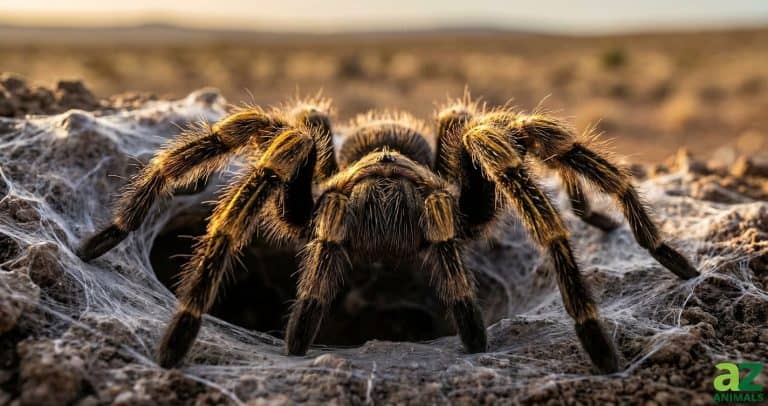
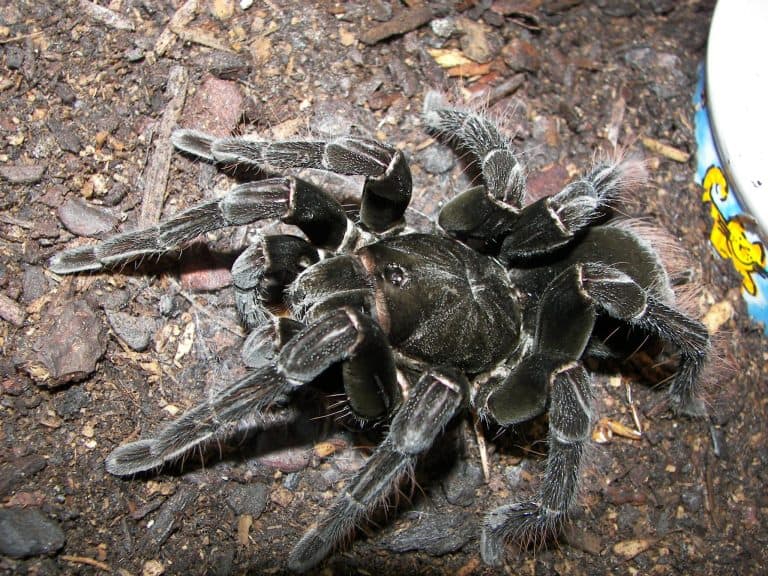
Its full name is the Goliath bird-eating tarantula (Theraphosa blondi), and it is the largest tarantula species on the planet. You will find them in the rainforests of northern South America in countries including Venezuela, northern Brazil, Guyana, French Guiana, and Suriname. When it comes to habitat, they like deep rainforest locations where they reside in silk-lined burrows that they spin under rocks and roots.
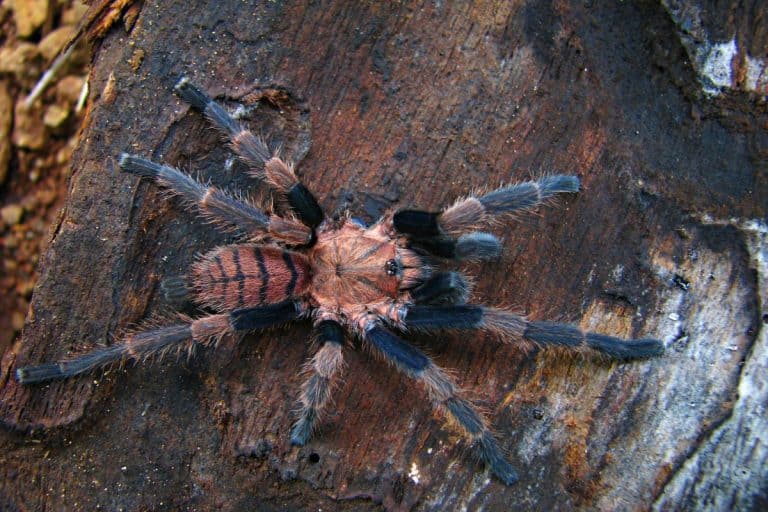
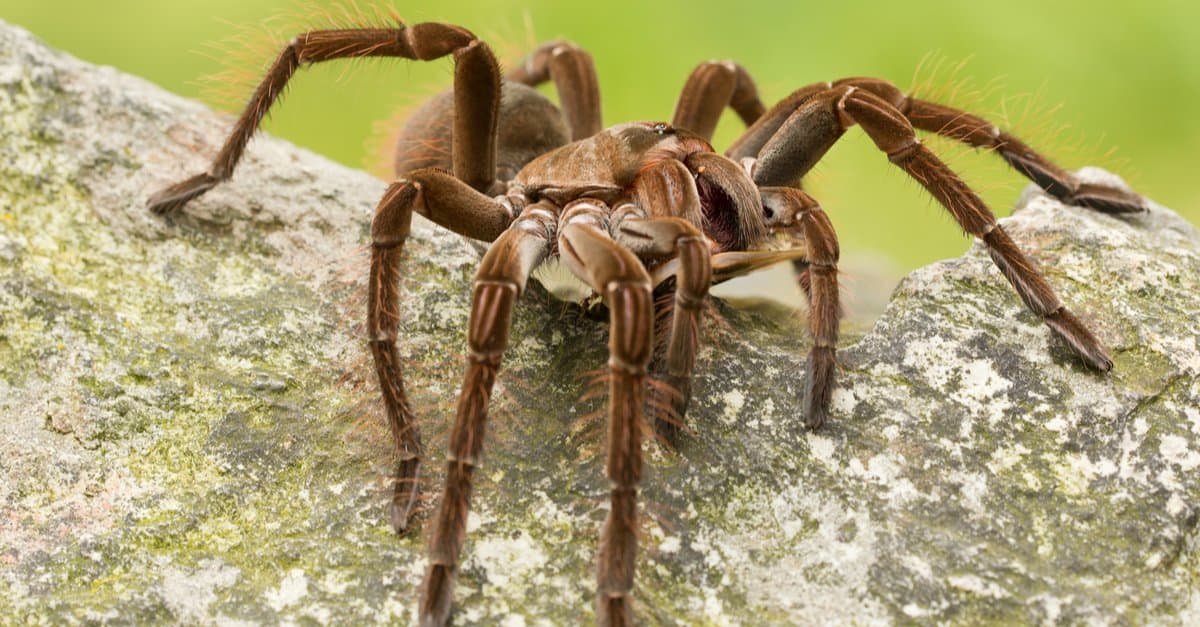
These spiders are truly large—their body can be up to 4.75 inches across, and their leg spans can reach up to 11 inches! Their coloring ranges from russet brown, like the individual in the clip, to black.
Clearly, they eat cockroaches, and unfortunate roaches make up most of the diet for captive birdeaters. In the wild, they feed on just about anything small enough for them to grab hold of. This includes insects, rodents, frogs, and small snakes. Despite their name, these spiders rarely eat birds.
How Do Goliath Bird-Eating Tarantulas Hunt?
During the day, these spiders hang out in their under-rock dens. At night, they emerge to hunt. They find their prey amongst the leaf litter on the forest floor, using vibration detection. They use both stealth and patience to approach their prey. When an unsuspecting victim is close enough, the spider grabs it with its legs. You can see how fast its reactions are in this clip.
Then, the spider injects venom into the prey with its long fangs to kill it. Digestion begins outside the spider’s body. It injects the prey with digestive juices, which break down the prey’s tissues. Then it sucks up the liquefied prey!