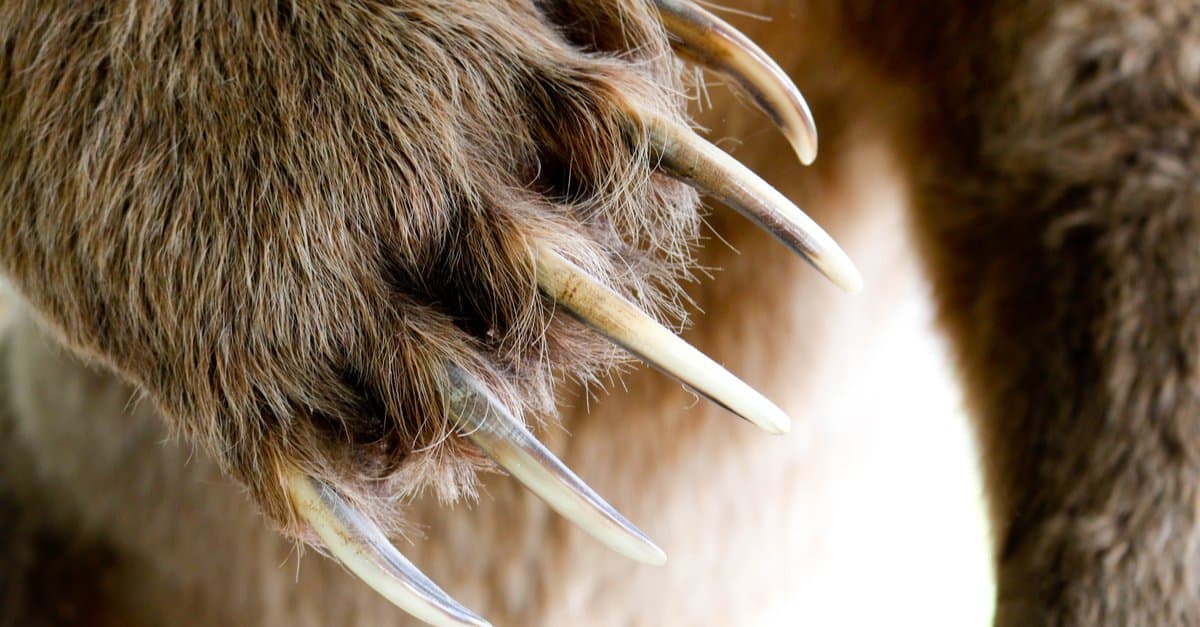

Bears are at least 2.5 to 5 times stronger than the average human. While a bear’s full strength is realized in its massive body weight, bears also possess exceptionally strong grip strength. This power, derived from their paws, is most evident in their claws, which are strong enough to rip open car doors. As this Instagram post illustrates, the bigger the bear, the bigger and stronger its claws. Different bear claws are adapted for different purposes. For example, while black bear claws are short and noticeably curved, Kodiak brown bear claws are massive, long, but relatively straight by comparison.
While animals like cats have claws that can retract into their paws, bears of all shapes and sizes have non-retractable claws. Let’s explore what bear claws are made of and what they are capable of tearing through.
Mammal Claw Characteristics
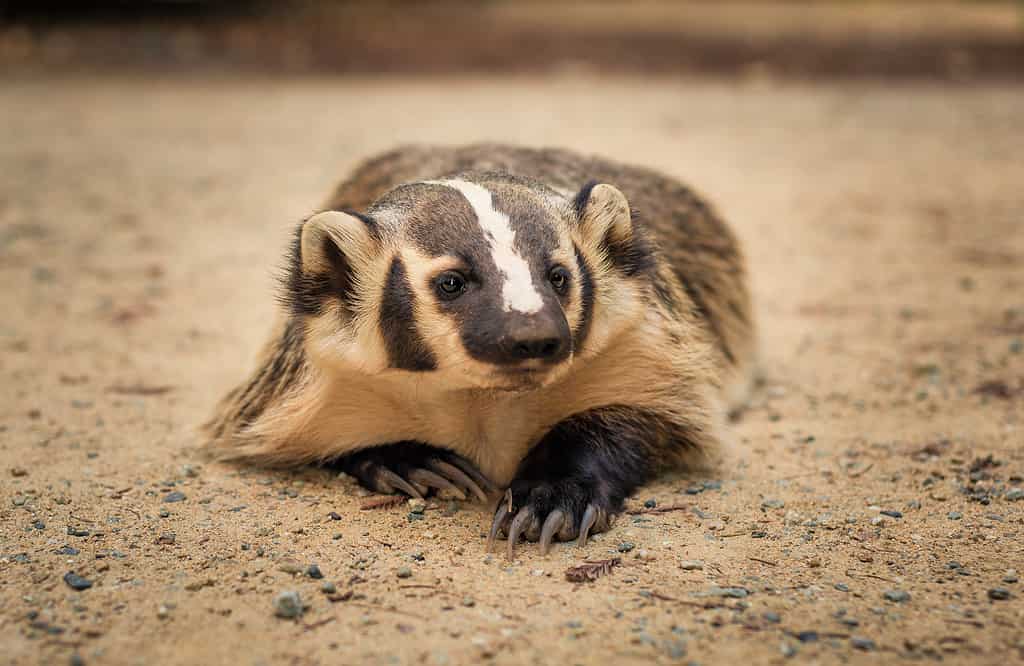
Many different types of mammals have claws.
©Photography by Adri/ via Getty Images
Claws are like the sword-points of the natural world. They can be found on many types of animals, including birds, reptiles, and even some amphibians. Mammals, too, often have nails at the end of their digits. They are composed of keratin and function as modifications of the epidermis. Keratin is a type of protein found in epithelial cells, which line both the inside and outside surfaces of the body. They also help form other outward appendages such as hair. Interestingly, form often follows function when it comes to claws and nails. A smaller, stubbier type of nail is suited to different activities than a long, slender, less curved type. However, the wide diversity of claw shapes makes it difficult to determine a direct link between their size and their function.
Bear Claws
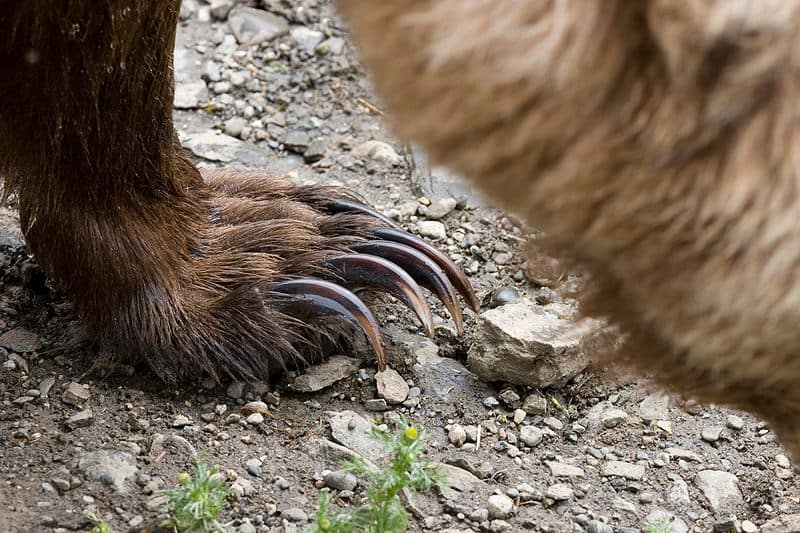
A swipe of a grizzly bear’s paw is enough to incapacitate almost any animal.
Some creatures have nails or claws that come to a sharp point. Others have claws that are so blunt they are more like shovels than the tips of swords. It all depends on the creature and what it might need to use its nails for: digging, climbing, scratching, fighting, or even hunting. Bear claws, however, are relatively unique in the world of mammals. A swipe of a grizzly bear’s paw, armed with four-inch claws, is powerful enough to incapacitate most animals instantly, regardless of their size. As seen in this Instagram post, bear claws range from relatively short and stubby to long and strong. Let’s learn more about the unique characteristics of bear claws.
Keratin and Curvature
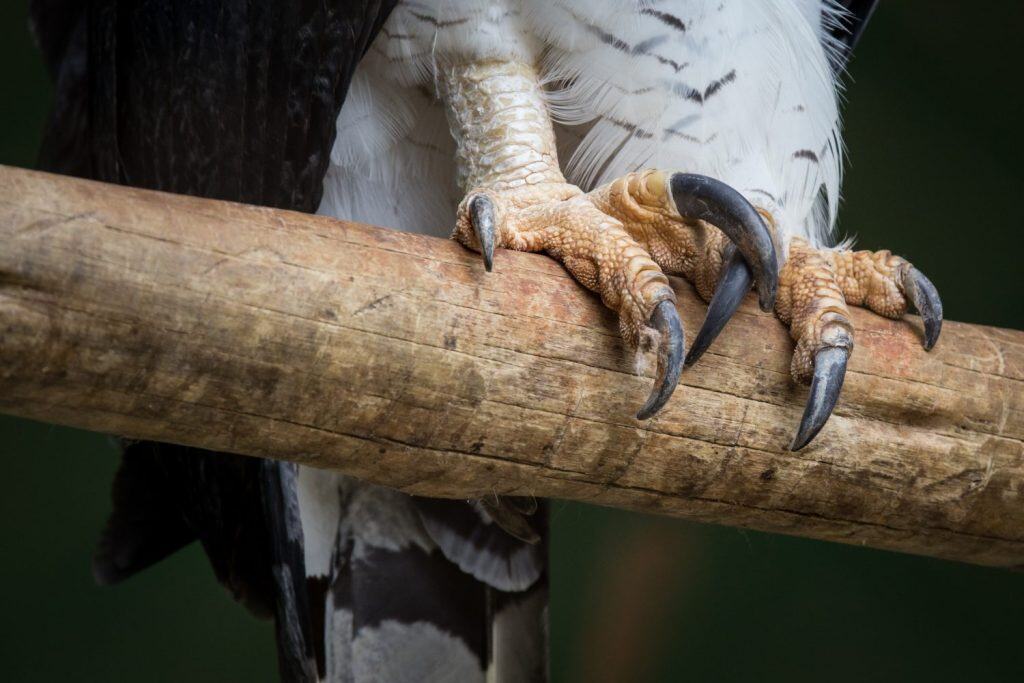
Bear claws are less like nails than visible extensions of the musculoskeletal system.
©Leandro_Brito/Shutterstock.com
Keratin forms the outer layer of claws, but underneath, they are integrated into the skeleton. While carnivorous animals often have hook-like claws, bear claws are even more deeply integrated into their bodies. Unlike human nails, bear claws function as the endpoints of an interconnected system of bone, tendon, and muscle. This means that bear claws cannot retract and disappear into their bodies. However, this also makes these claws extremely strong.
Because bear claws are so well integrated into their musculoskeletal systems, they do not shed like the claws or antlers of other animals. While deer shed their antlers, bears retain their claws for as long as possible. However, bear claws can wear down, split, or break. If the claw matrix remains intact, bears can regrow their claws. While bear claws are not exactly like nails, they are more similar to nails than to antlers.
Types of Bear Claws
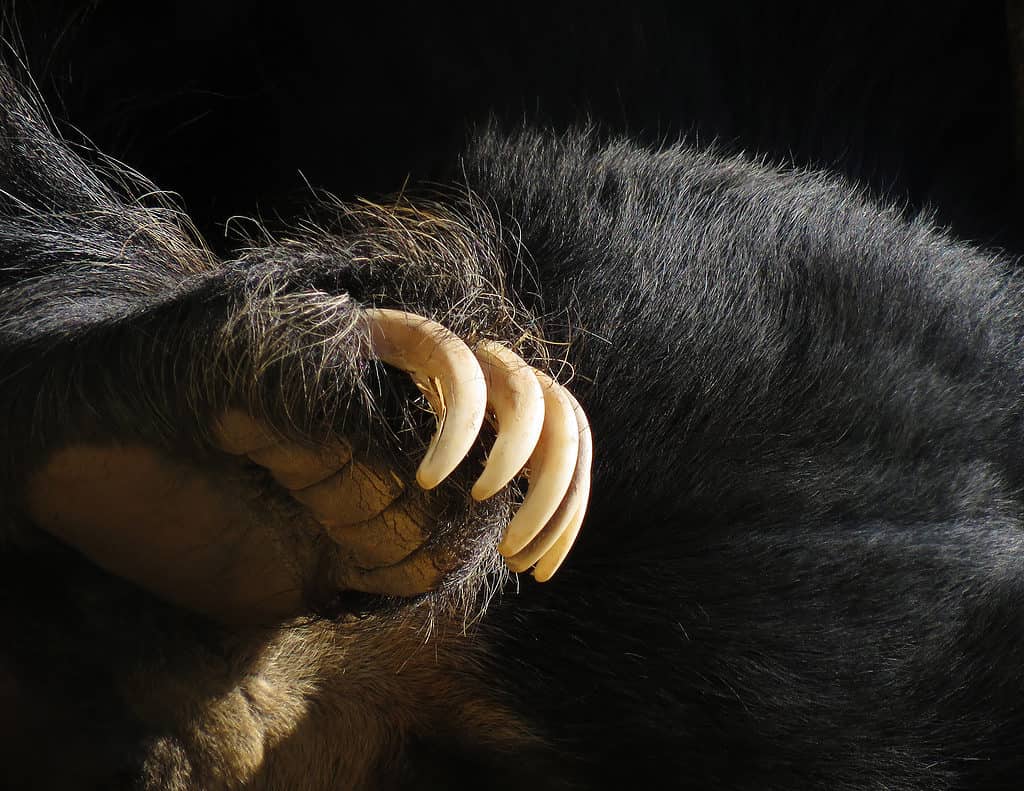
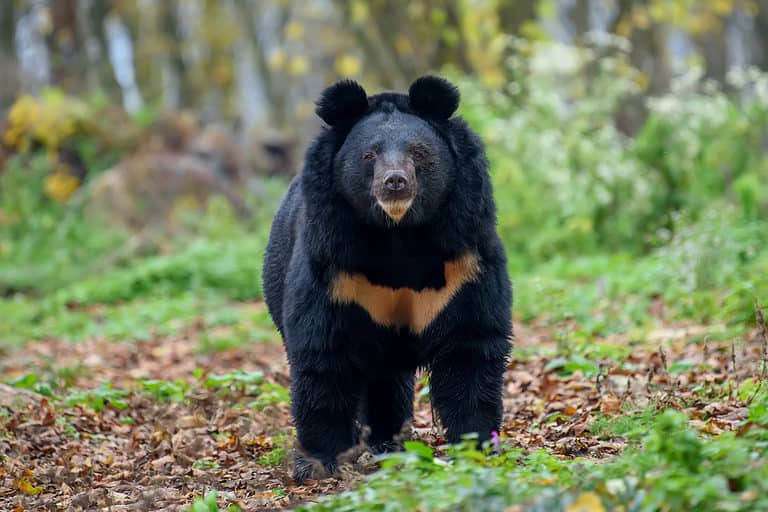
Black bear claws have the most curvature of any bear claw species, which they use for climbing and digging through wood.
©iStock.com/Derikjohn
As seen in this Instagram post, different bear species have claws of varying sizes and colors. Surprisingly, even large species like black bears have relatively small claws compared to others. Let’s unpack the different characteristics of bear claws.
Black bear claws are black to grayish brown in color, with a short, stubby length that is thick at the base but tapers to a sharp point. They have the most noticeable curvature of any bear claw. Polar bear claws are equivalent to black bear nails in length and curvature, but considerably wider. They also feature a middle ridge. Despite being among the largest bears on earth, grizzly bear claws are not as thick as one might expect. They are about as long as polar bear claws, perhaps a little longer, but much thinner—resembling stilettos more than pumps.
Brown bears, particularly Kodiak brown bears, have the largest claws of all bear species. These claws are considerably larger than those of black bears, more whitish in color, slightly curved, and have a noticeably textured, ridged surface. Other bear species, such as sloth bears and sun bears, have ivory-colored, sickle-shaped, but short claws. Giant pandas may be the only bear species with claws as curved as those of black bears, but they are likely still capable of opening car doors.
Put to Good Use

While claws help with hunting, most bears use their claws for digging or climbing.
©YouTube/bbcearth
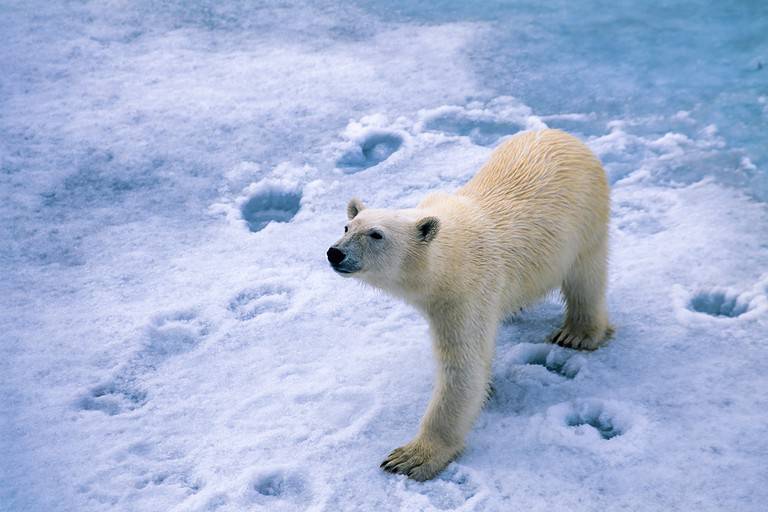
Each of these claw types evolved to suit different ecological needs. Black bear claws, for example, are good for digging through rotted wood and other detritus in search of food. This pronounced curvature allows black bears to hook into tree bark and break it apart, exposing grubs and beetles underneath. They are also good for climbing trees. These claws, however, pale in comparison to those of polar bears. While they are about the same length as black bear claws, polar bear claws are twice as thick. Anyone who has seen a polar bear track knows that their paws function like snowshoes. The claws help grip the snow and are also effective in taking down large, thick-skinned prey such as seals, walruses, and even beluga whales.
Kodiak bears have the longest claws of any bear species. While these claws look fearsome, they are primarily adapted for digging rather than for killing prey. Their large, talon-like claws are also useful for fishing. As explained in this article, the author details the time they witnessed a brown bear using a single claw from one front paw to “surgically hold the clam while the other one went down the center of the valve, separating it.”
Hidden Strength
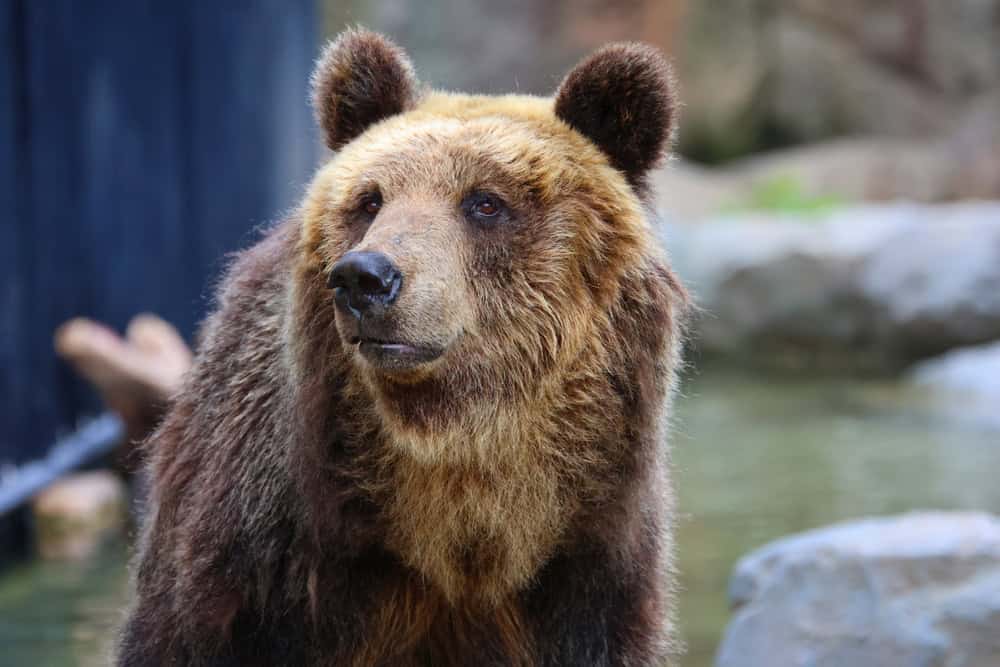
A black bear can knock over a 325-pound boulder with a single swipe of its paw.
©Musashi2001/Shutterstock.com
While bear claws are undoubtedly fearsome and dangerous, they are an additional threat on top of the injuries caused by a bear’s immense body strength. Even relatively small bear species can inflict serious damage. For example, a black bear can easily knock over a 325-pound boulder with a single swipe of its paw. That kind of power, when directed at a living creature and combined with strong, pointed claws, could kill almost instantly.
Bear claws can dig through wood and even puncture a car door with enough force. While a bear’s true power comes from its massive body, its claws are just as effective for certain tasks. Bear claws may not contain sweet cheese like the pastries of the same name, but they are impressive in their own right.