
Quick Take
- Tapanuli orangutans live exclusively in a small area of Indonesia’s Sumatran rainforest.
- These orangutans are classified as critically endangered by the IUCN.
- Threats of habitat loss due to gold mining has caught the attention of environmentalists around the world.
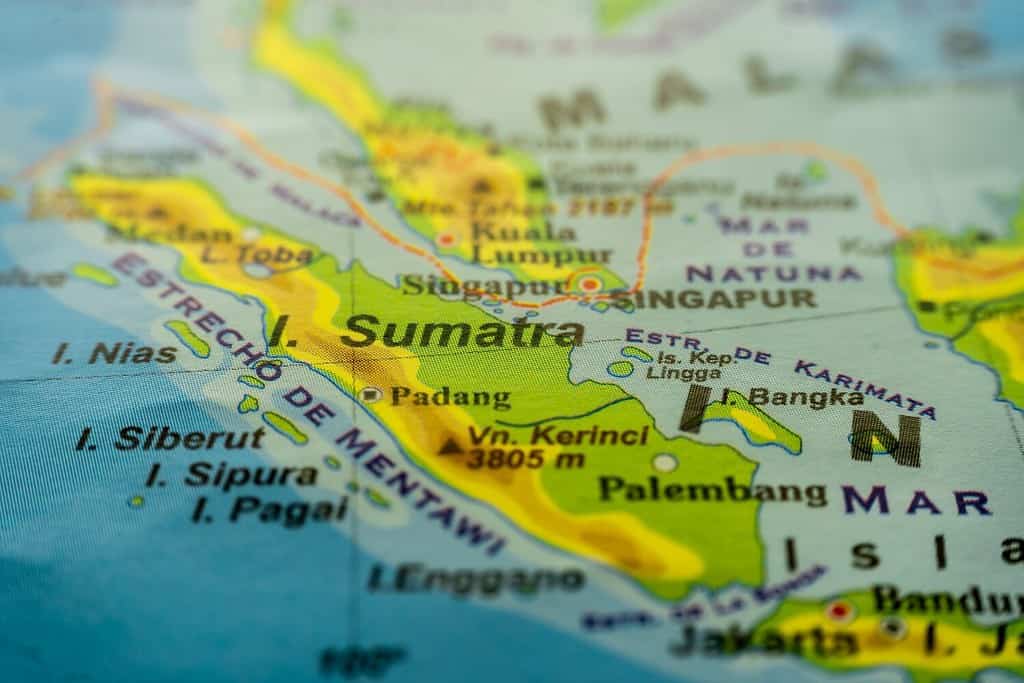
In a small swath of tropical rainforest in northern Sumatra, a corporation’s quest for a rare mineral endangers a rare animal. This conflict pits corporations seeking profit from rare minerals against environmentalists working to protect a critically endangered species.
At the heart of the dispute is the Tapanuli orangutan (Pongo tapanuliensis), an exceptionally rare species found only in Indonesia’s Sumatran rainforest. This species was only discovered within the past decade. Until recently, scientists believed the orangutans in this part of the rainforest were not distinct from other Sumatran and Bornean orangutans. In 2017, they were formally recognized as a separate and unique species.
Today, fewer than 800 Tapanuli orangutans call the Sumatran rainforest home. The area where they live represents less than three percent of their original habitat in the larger Batang Toru ecosystem. Gradual habitat loss is to blame for their shrinking environment. Now, future developments in the area further threaten the orangutan’s fragile existence. Discover what threats the Tapanuli orangutans now face, and learn what steps are being taken to protect and preserve this unique species.
Gold Mining Threatens a Critically Endangered Species
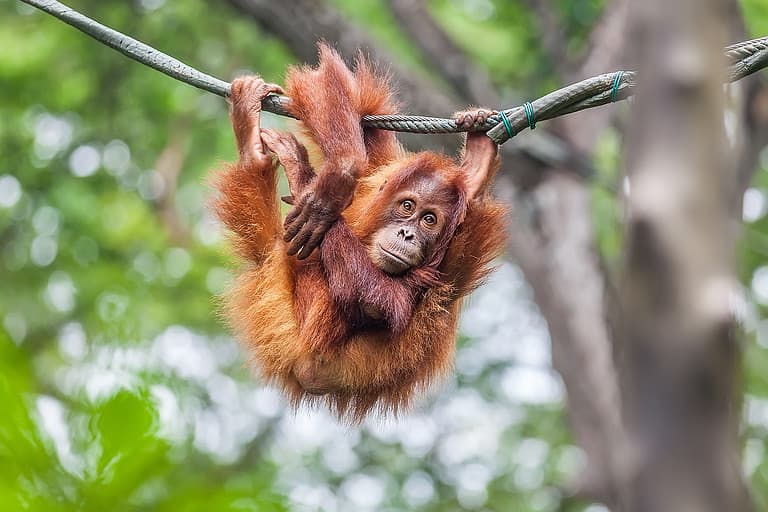
Tapanuli orangutans live exclusively in a small portion of Indonesia’s Sumatran rainforest.
©HC FOTOSTUDIO/Shutterstock.com
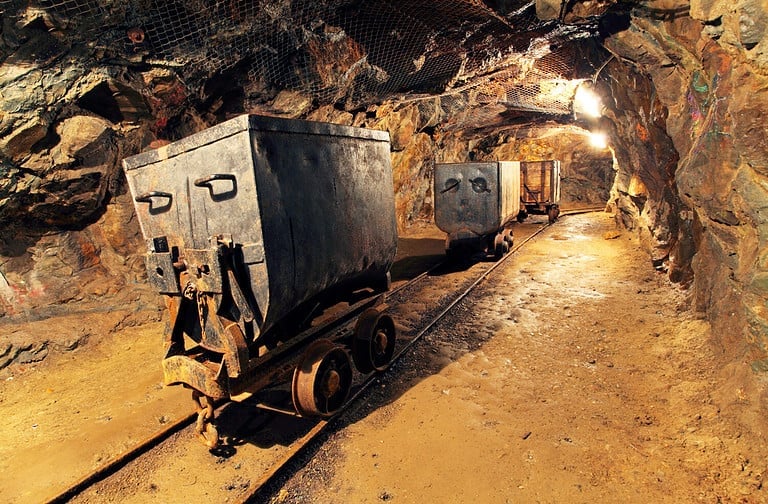
Adjacent to the southwest border of the Tapanuli’s habitat is Indonesia’s largest gold mine — the Martabe mine. Recent plans to expand mining operations and connect Martabe’s operations to the nearby Tor Ulu Ala open-pit mine require new road infrastructure. Gaining access to Tor Ulu Ala will give Martabe access to gold deposits worth billions of dollars.
To get access, mine owners are clearing sections of the Batang Toru habitat where the Tapanuli live, making way for future roads. Eventually, this network of roads will criss-cross the fragile ecosystem. Martabe mine owner and operator PT Agincourt Resources, a subsidiary of Britain’s Jardine Matheson, has already started cutting through forested areas near the Tapanuli. One of the first new roads lies approximately 70 meters (76.5 yards) from a group of known Tapanuli nests.
Mine owners claim the expansion is critical to the region’s economic viability. They note that 70% of their 3,500 regional employees are locals who rely on mining operations for their livelihoods. Mine owners informally pledged funds to help mitigate the threat to the orangutans.
Biologists are skeptical that expanded mining operations will have little or no impact on the native orangutan populations. The orangutans’ habitat is already threatened by a Chinese-owned hydroelectric project currently under construction on the Batang Toru River, which runs along the eastern edge of the Tapanuli’s limited range. The addition of mining expansion further increases pressure on the orangutans and reduces their already limited living space.
The Tapanuli Orangutan Population Is at Risk

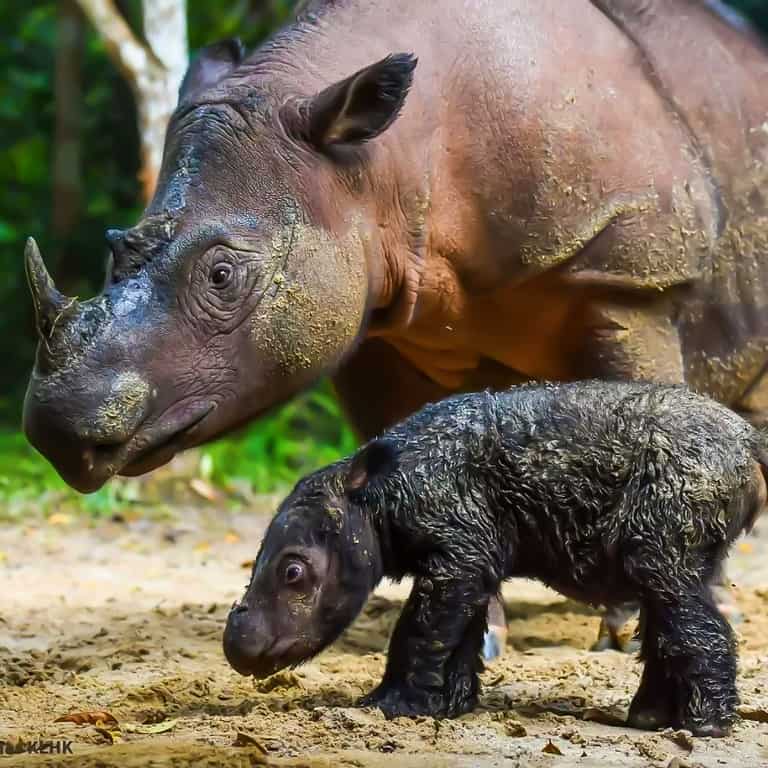
Female Tapanuli orangutans only reproduce once every six to nine years.
©Nisansala99/Shutterstock.com
According to many orangutan experts, mining expansion could push the Tapanuli to extinction within just a few generations. It is already a species designated as critically endangered by the International Union for Conservation of Nature (IUCN). Since orangutans only reproduce once every six to nine years, eliminating even just one percent of their population each year could have a disastrous impact.
Erik Meijaard, a biological anthropologist and director of Borneo Futures, notes that this is especially true if female orangutans are killed or die as a result of the expansion. He recently expressed concern that the mine owner was proceeding with expansion without a plan to mitigate its impact on the Tapanuli orangutans.
Some nations, like Norway, seem to agree. Recently, the country’s sovereign wealth fund sold its holdings in three Jardine entities, including PT Agincourt Resources, over concerns about the Indonesian mine expansion. Even small habitat changes can put the apes at risk. One recent study noted that female Tapanuli orangutans are extra sensitive to habitat change, even refusing to move when parts of their terrain are lost to development. This can lead to isolation from food sources, resulting in starvation.
What Does the Tapanuli’s Future Look Like?

The future of the Tapanuli orangutan depends on successful conservation efforts.
©Nisansala99/Shutterstock.com
Several environmental protection advocacy groups, including Mighty Earth and Borneo Futures, along with the IUCN, have pressured PT Agincourt to delay construction activities until a conservation plan is put into place. Until December 2022, the parties followed an informal moratorium halting new road construction. However, once that agreement expired, the mining company renewed its infrastructure efforts.
Recently, though, the parties have again returned to the table to discuss strategies to protect the orangutans. PT Agincourt temporarily paused road construction for three weeks to give the IUCN time to review scientific findings and proposed mitigation strategies. Some solutions proposed by the mine owner include establishing protected zones and funding an orangutan research center.
However, for biologists like Meijaard, this is not an ideal solution. Relocating the Tapanuli orangutans to areas where other orangutan populations already exist would force them to compete for limited resources. Ideally, he notes, preserving their existing habitat is the best approach.