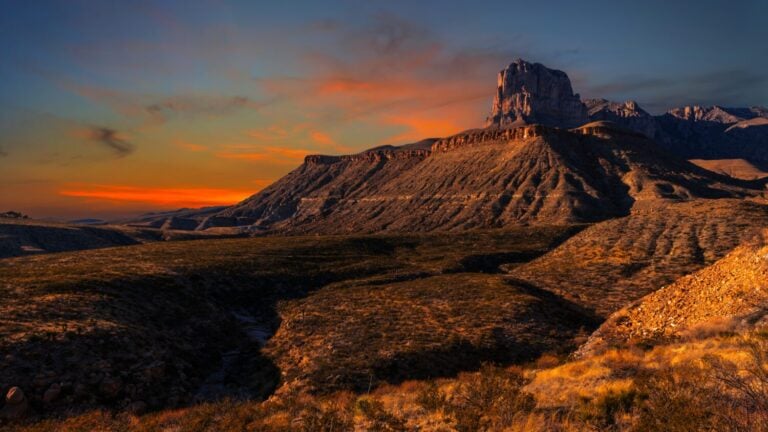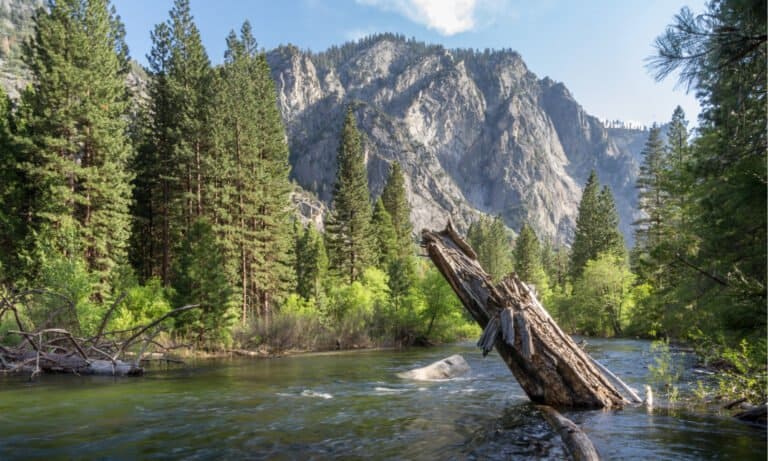

Big Bend National Park draws wildlife enthusiasts, birders, and adventurers from around the world. Set in remote southwest Texas, the park’s mix of mountains, desert, and river habitats hosts more than 561,000 visitors each year. It has over 450 bird species, 75 mammals, 50 reptiles, and countless insects and amphibians. That kind of variety means nearly every hike, drive, or float trip feels like a wildlife quest. Here’s an alphabetical guide to some of the most memorable creatures in the park that visitors can keep an eye out for.
Badger (Taxidea taxus)
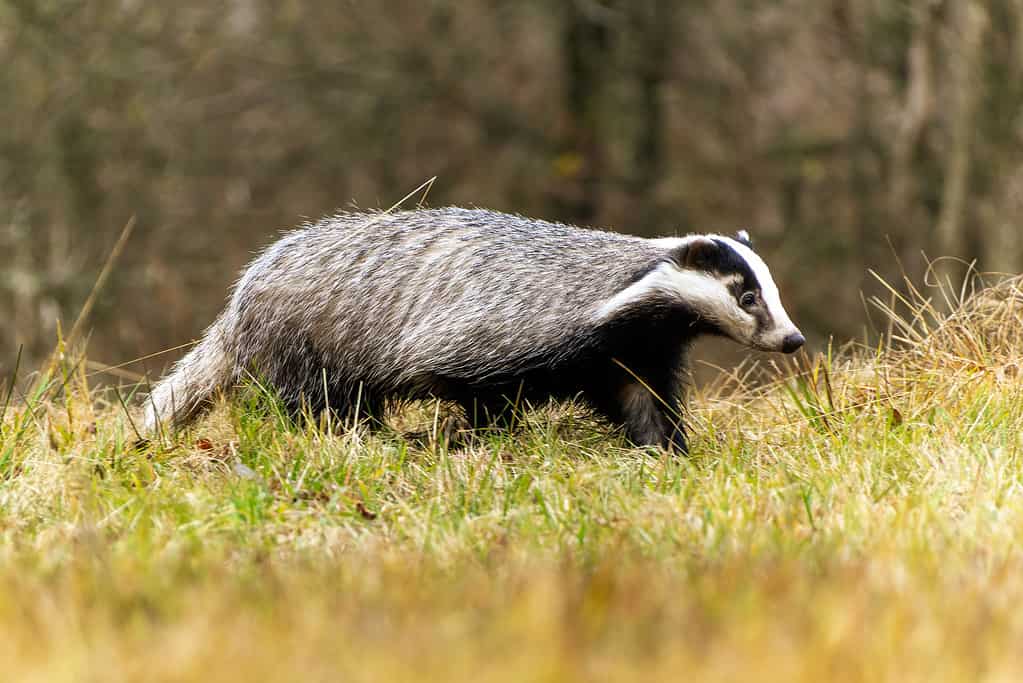
Badger (Taxidea taxus)
©Klaus Brauner/iStock via Getty Images
Badgers are fierce diggers, tunneling after rodents, insects, and reptiles. They prefer grasslands and open desert. Spotting one is uncommon, but you’ll see mounds of loose soil as evidence of their work. They’re out mainly at night, but in cool weather, you might still see them out and about early in the morning.
Bats (Order Chiroptera)
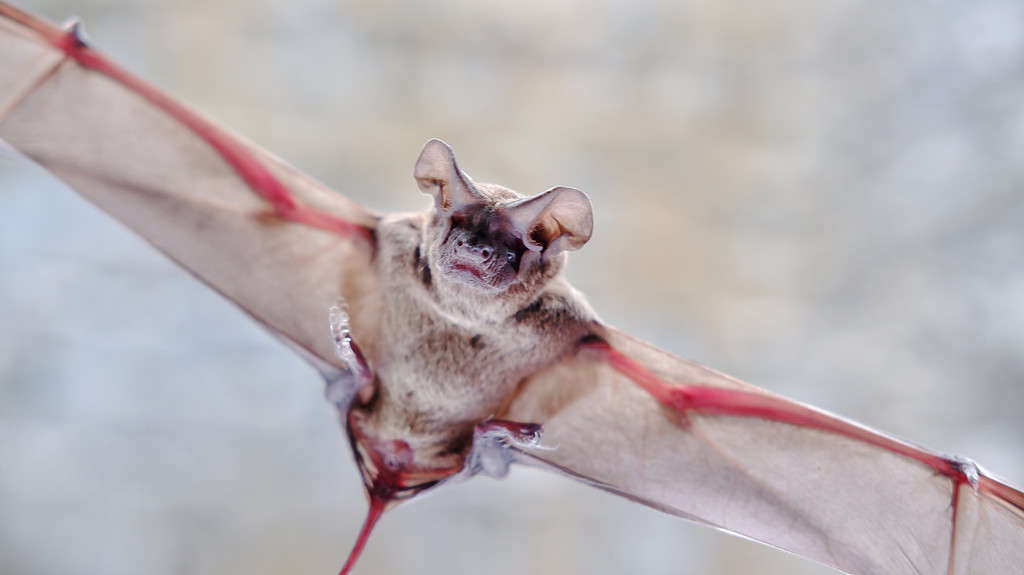
Tadarida brasiliensis, commonly known as the Mexican free-tailed bat or Brazilian free-tailed bat.
©Poetra RH/iStock via Getty Images
Big Bend is home to over a dozen bat species. Mexican free-tailed bats (Tadarida brasiliensis) swarm at dusk, and Mexican long-nosed bats (Leptonycteris nivalis) pollinate agaves under the cover of night. You’re nearly certain to see bats at Rio Grande Village or natural springs at twilight.
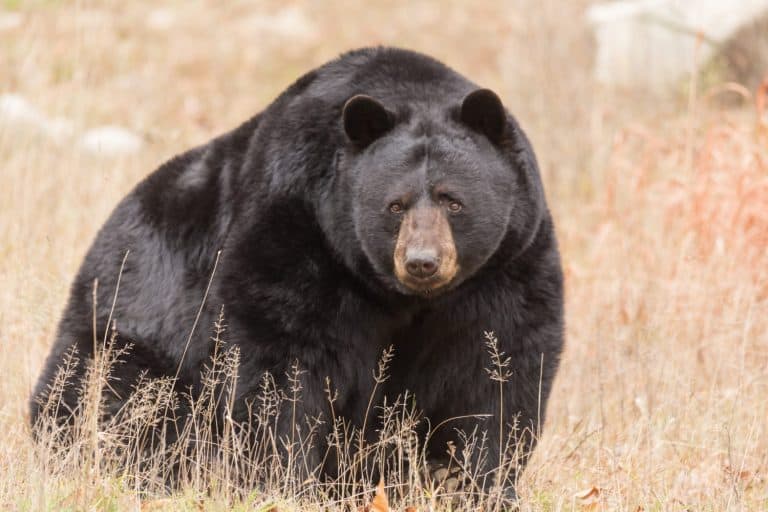
Black Bear (Ursus americanus)
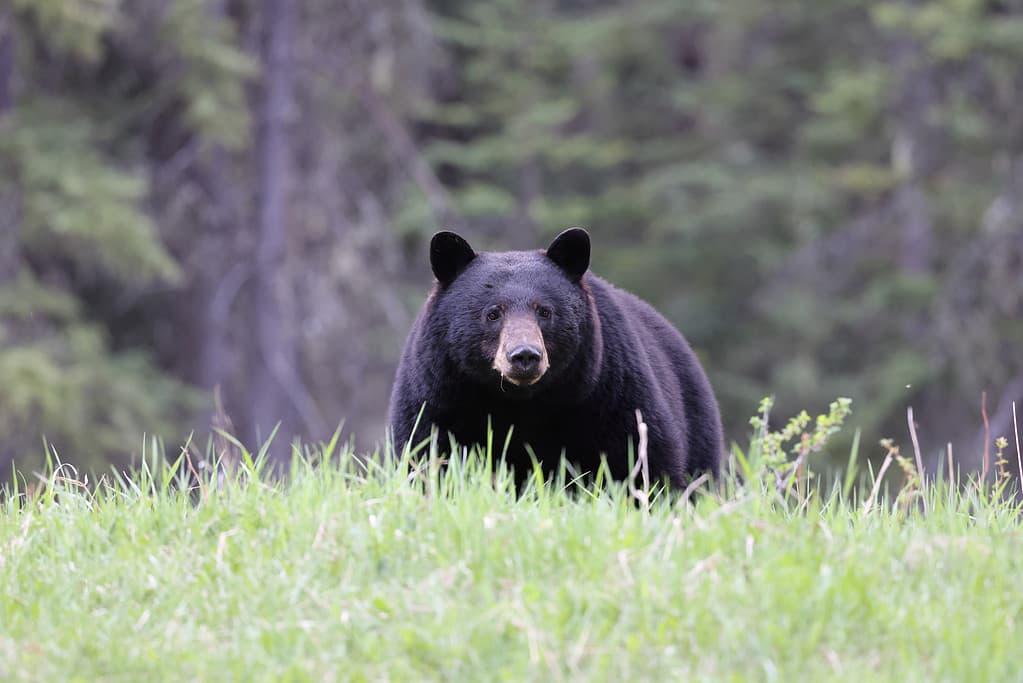
American black bear (Ursus americanus)
©Frank Fichtmüller/iStock via Getty Images
After decades of absence, black bears naturally returned to Big Bend in the 1980s. Today, about 30–40 individuals roam the Chisos Mountains, feeding on berries, acorns, insects, and carrion. Rarely, a hiker might spot one at dawn, but for most visitors, claw marks on tree trunks or paw prints near a water source are the only clue to their presence.
Black-tailed Jackrabbit (Lepus californicus)
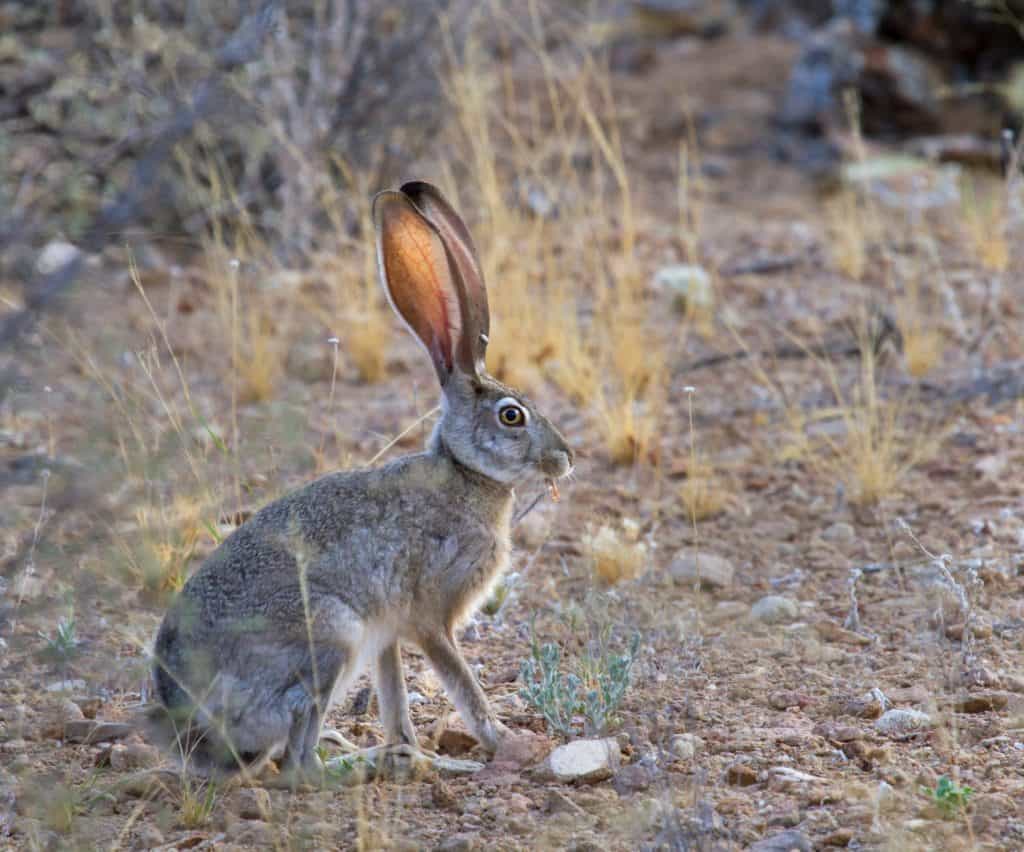
Black-tailed Jackrabbit (Lepus californicus)
©Natalia Kuzmina/Shutterstock.com
Large ears help these hares not only hear exceptionally, but also radiate heat to cool themselves off. When startled, they explode into long, bounding leaps to escape coyotes and hawks. Jackrabbits are widespread in the park and often spotted along roadsides or open flats at dusk.
Bobcat (Lynx rufus)

Bobcat (Lynx rufus)
©Len Blumin, CC BY 2.0, via Wikimedia Commons – Original / License
Stealthy and solitary, bobcats prowl canyons, brushlands, and river corridors. They ambush rabbits, rodents, and birds, using spotted coats to vanish into shadows. You’ll be lucky to spot one, as they are elusive. Your best chances are at dawn or dusk.
Bullsnake (Pituophis catenifer sayi)
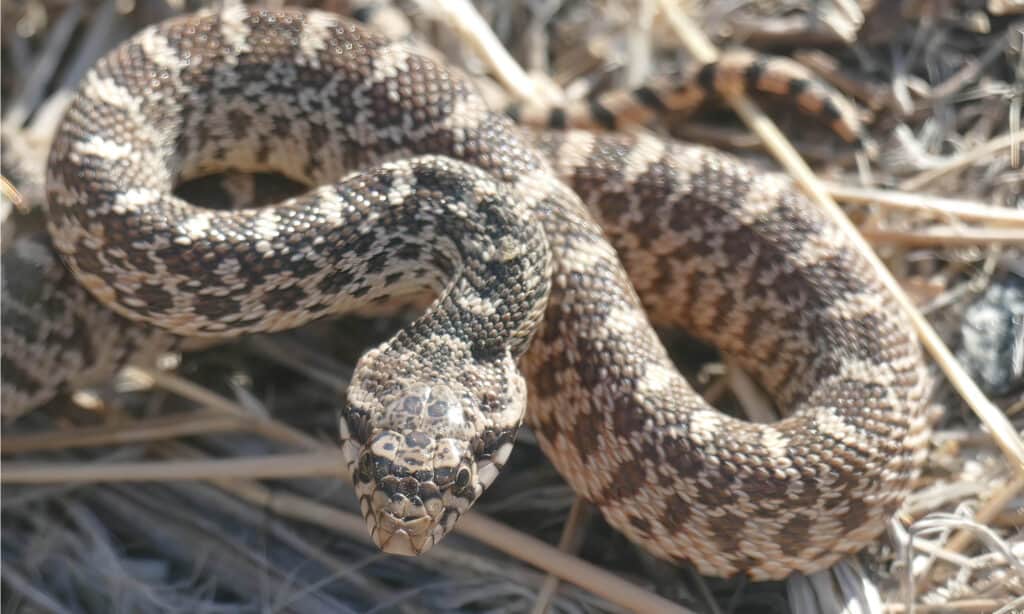
Bullsnake (Pituophis catenifer sayi)
©steve estvanik/Shutterstock.com
One of the more common reptiles that visitors will see in Big Bend National Park is the bullsnake. Encountering one can be startling. Bullsnakes are large, reaching over 6 feet long, and they mimic rattlesnakes both in coloration and by shaking their tails in dry leaves to produce a rattling sound. They’re harmless, though.
Canyon Towhee (Melozone fusca)
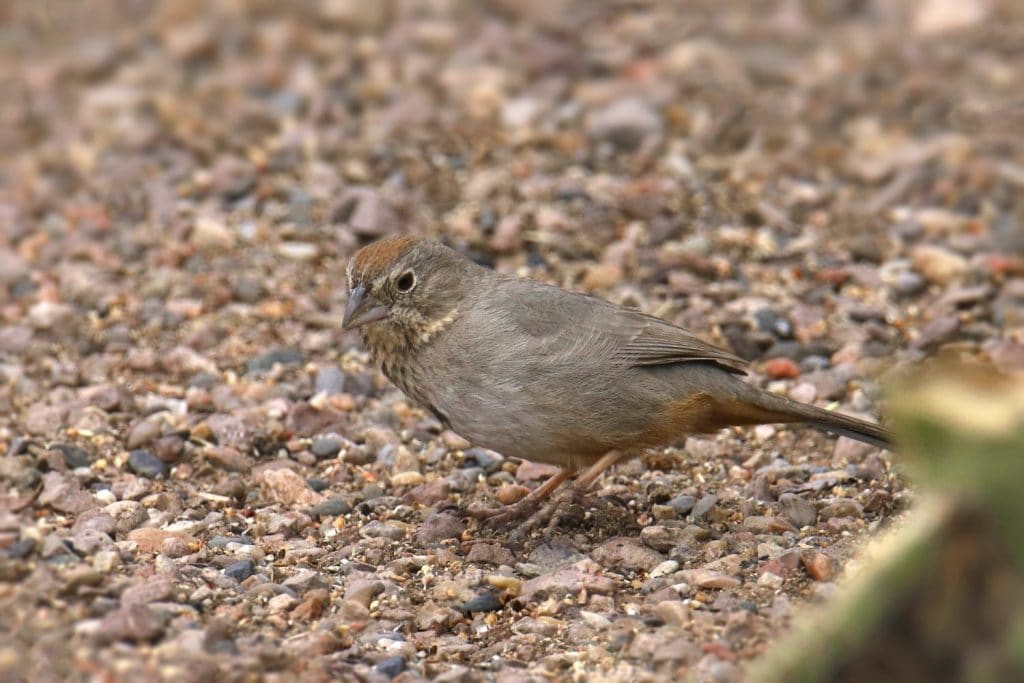
Canyon Towhee (Melozone fusca)
©vagabond54/Shutterstock.com
You might overlook these understated little songbirds, even though they are plentiful and frequently sighted in the park, especially in the early morning. They forage on the ground in pairs or small groups, scratching among brush and rocks for seeds and insects. Their muted plumage blends perfectly with desert soil, but their tail flicks and soft calls give them away.
Coachwhip Snake (Masticophis flagellum)
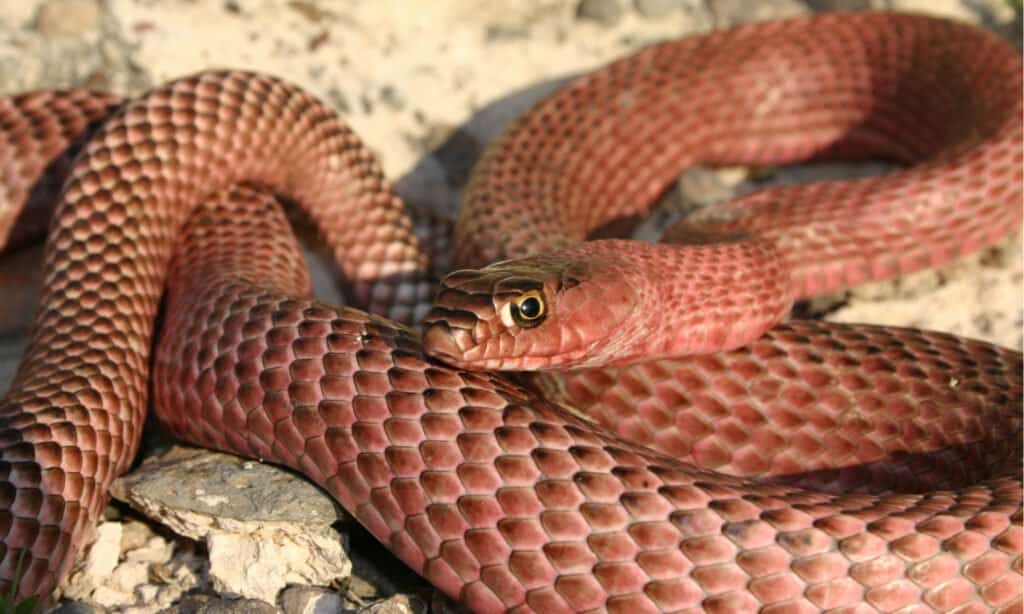
Coachwhip Snake (Masticophis flagellum)
©Nathan A Shepard/Shutterstock.com
These snakes can seem aggressive because they are fast and alert, tend to raise their heads above the grass to scan their surroundings, and will often hold their ground when approached. They are nonvenomous, though, and not a cause for concern. You may not see them on every visit to the park, but sightings are not uncommon.
Coyote (Canis latrans)
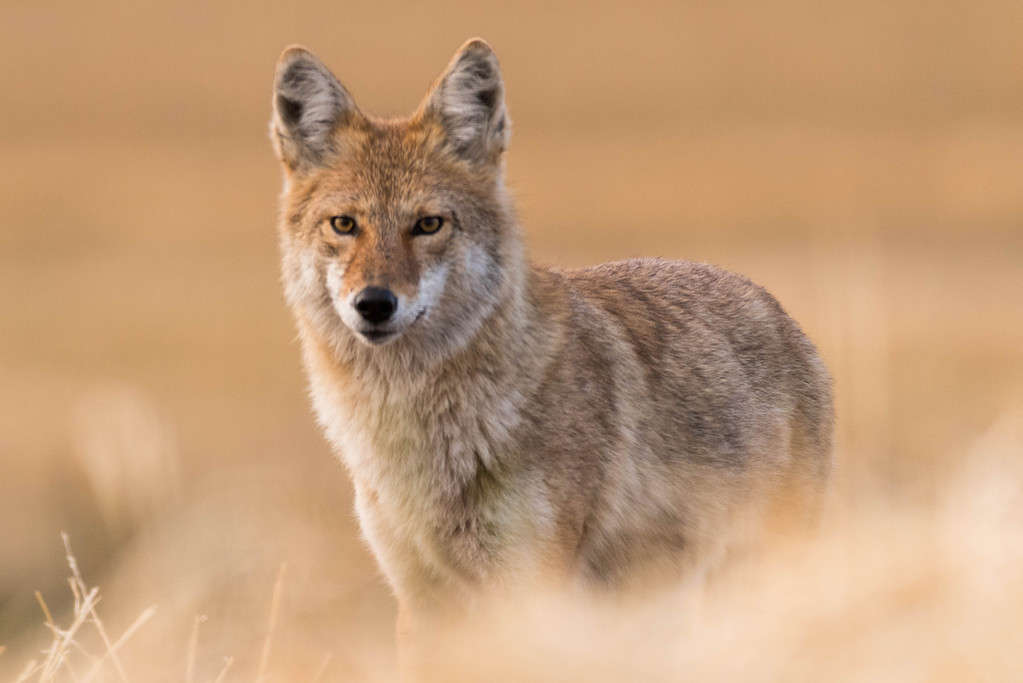
Coyote (Canis latrans)
©hartmanc10/iStock via Getty Images
Coyotes thrive across every habitat in the park, from the Rio Grande to desert ridges. They are omnivores eating everything from rodents, fruit, carrion, and even cacti. They are among the park’s most regularly encountered mammals, though wary of people. If you don’t see them, you’ll likely hear them howling at night.
Desert Bighorn Sheep (Ovis canadensis mexicana)
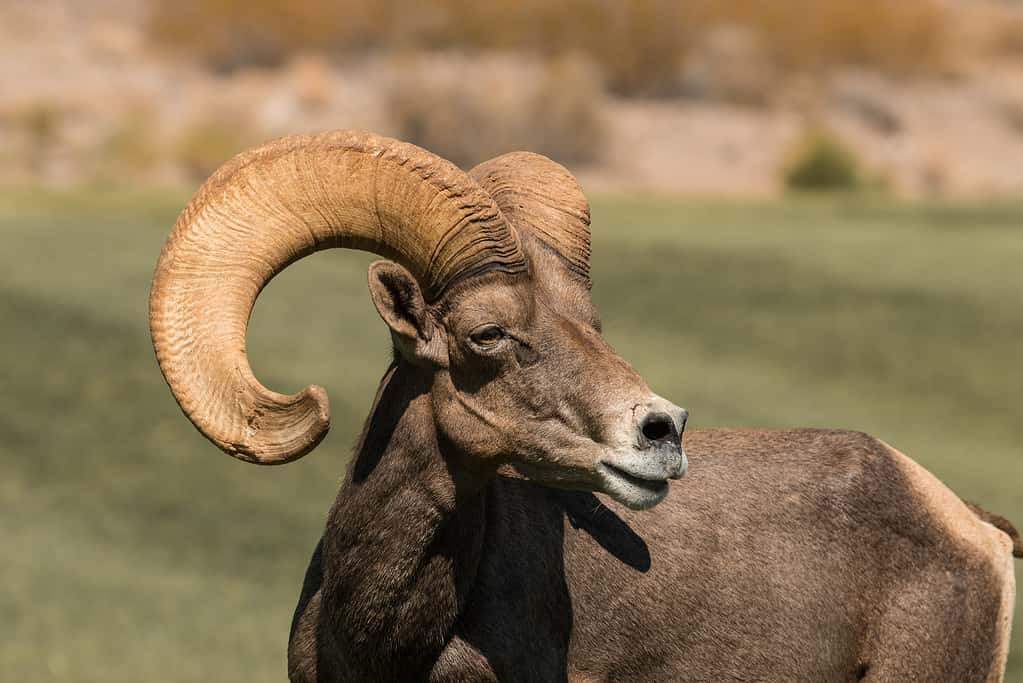
Desert Bighorn Sheep (Ovis canadensis mexicana)
©twildlife/iStock via Getty Images
It’s rare to spot them, but if you patiently scan high ridges with binoculars, you might see a desert bighorn sheep. They are able to scale cliffs and rugged slopes to escape predators and find tasty things to eat. But their tawny coats help them blend with the rocky terrain, making them nearly invisible from a distance.
Desert Spiny Lizard (Sceloporus magister)

Desert Spiny Lizard (Sceloporus magister)
©Wirestock Creators/Shutterstock.com
These large lizards bask boldly on boulders and tree trunks, showing off their rough scales and dark belly patches. Males flash bright blue during disputes or courtship displays. They feed on insects and spiders, darting quickly for cover when disturbed. They’re common in rocky canyons and are easy to spot in summer.
Eastern Cottontail (Sylvilagus floridanus) and Desert Cottontail (Sylvilagus audubonii)
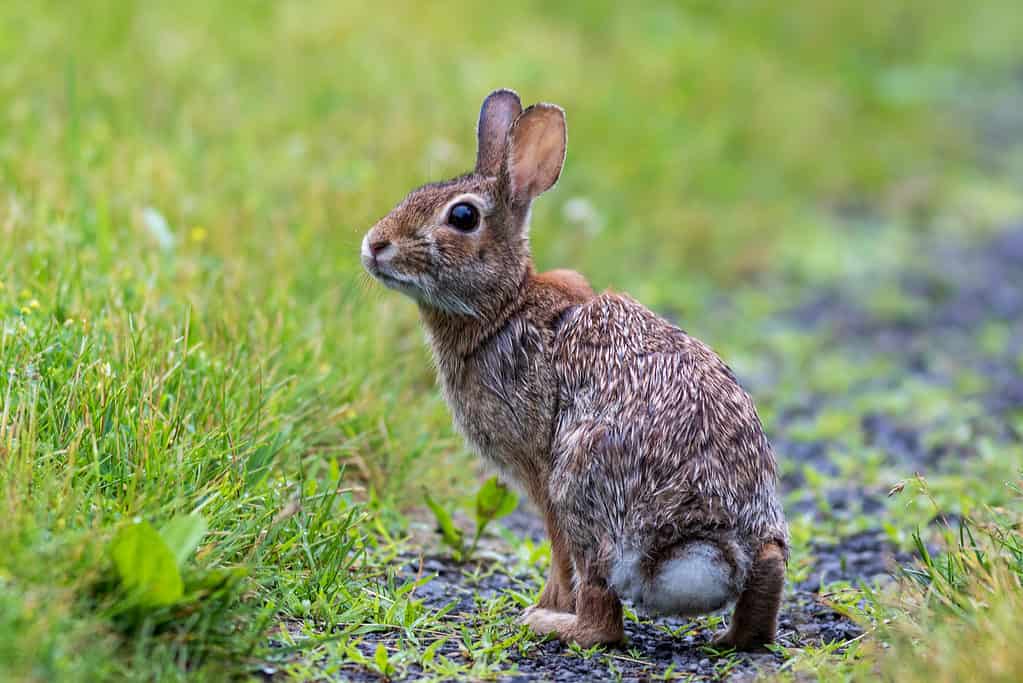
Eastern Cottontail (Sylvilagus floridanus)
©Rabbitti/Shutterstock.com
These two cottontail species fill different niches: eastern cottontails like moist thickets, while desert cottontails inhabit dry scrublands. Both nibble grasses and shoots at dawn and dusk, zigzagging away when chased. They are a staple food for many predators, from hawks to bobcats. Both species are commonly seen in the park.
Elf Owl (Micrathene whitneyi)
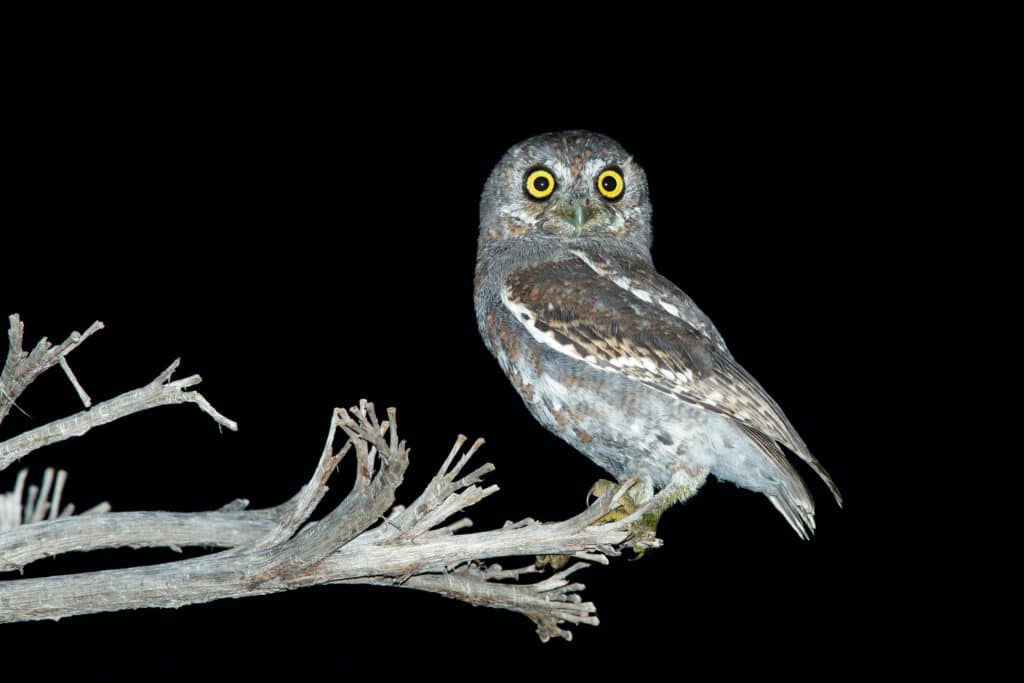
Elf Owl (Micrathene whitneyi)
©Agami Photo Agency/Shutterstock.com
At just six inches tall, elf owls are the world’s smallest raptors. They nest in abandoned woodpecker holes in desert trees or cacti and feed on insects and small lizards. It takes patience and more than a little luck to actually see one, but you’ll hear their squeaky calls drift faintly through warm desert nights.
Golden Eagle (Aquila chrysaetos)
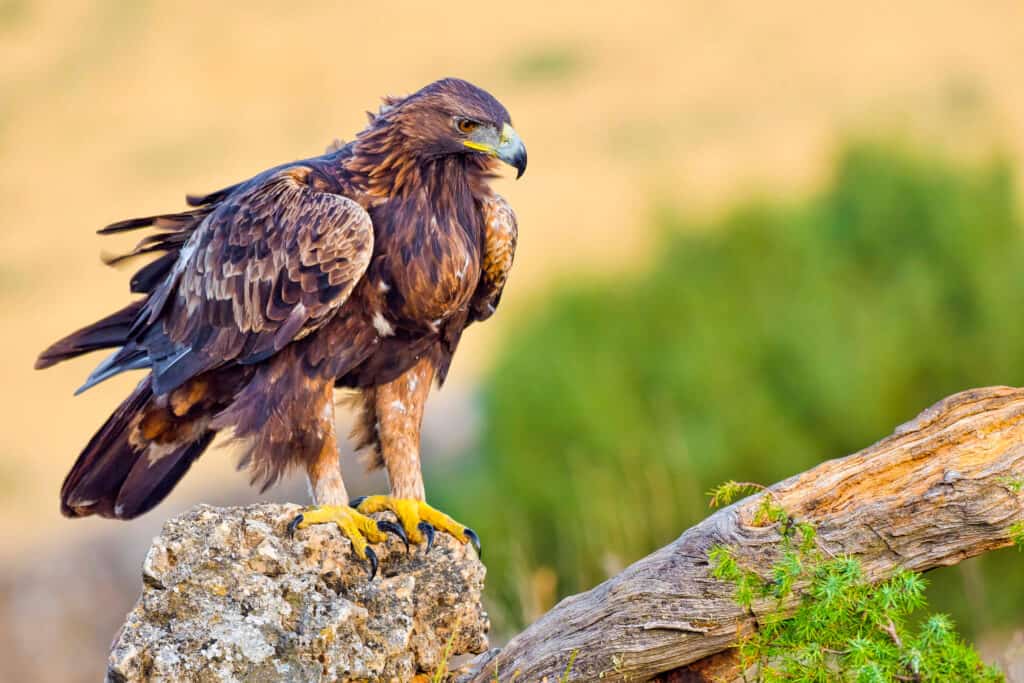
Golden Eagle (Aquila chrysaetos)
©Al Carrera/Shutterstock.com
Soaring with wingspans up to eight feet, golden eagles patrol canyons and valleys in search of rabbits, rodents, and snakes. They build massive cliff nests and reuse them for decades. Midday thermals give them lift, making this the best time to watch for them overhead. They’re not abundant, but predictable and visible enough to spot with binoculars.
Gray Hawk (Buteo plagiatus)
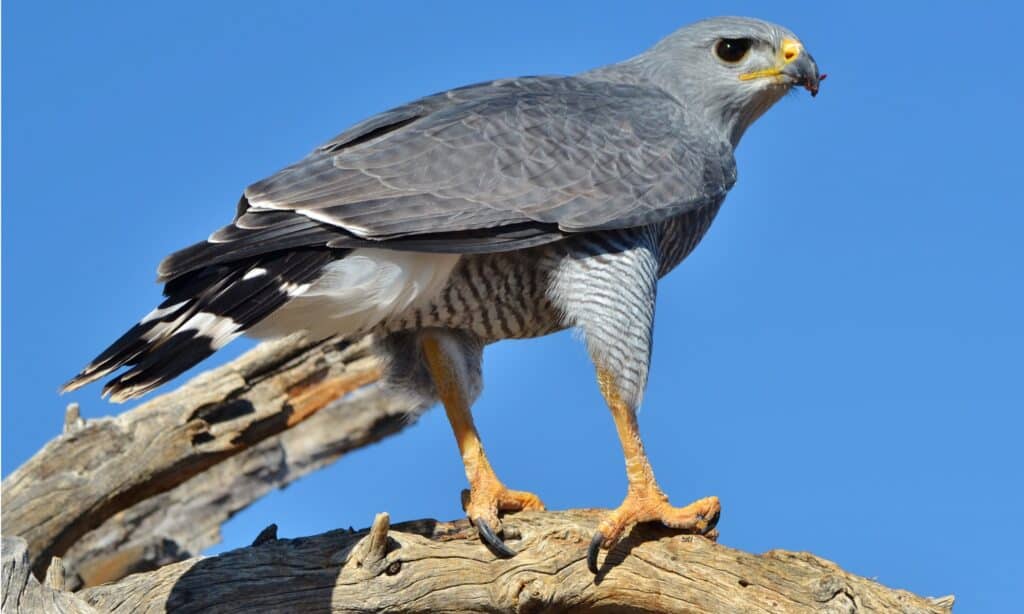
Gray Hawk (Buteo plagiatus)
©iStock.com/mjf795
These striking raptors hang out around cottonwood groves along the Rio Grande. They were once rare but have bounced back and are now well established in Big Bend. You have a fairly good chance of spotting and hearing one as they hunt lizards and birds.
Gray Fox (Urocyon cinereoargenteus) and Kit Fox (Vulpes macrotis)
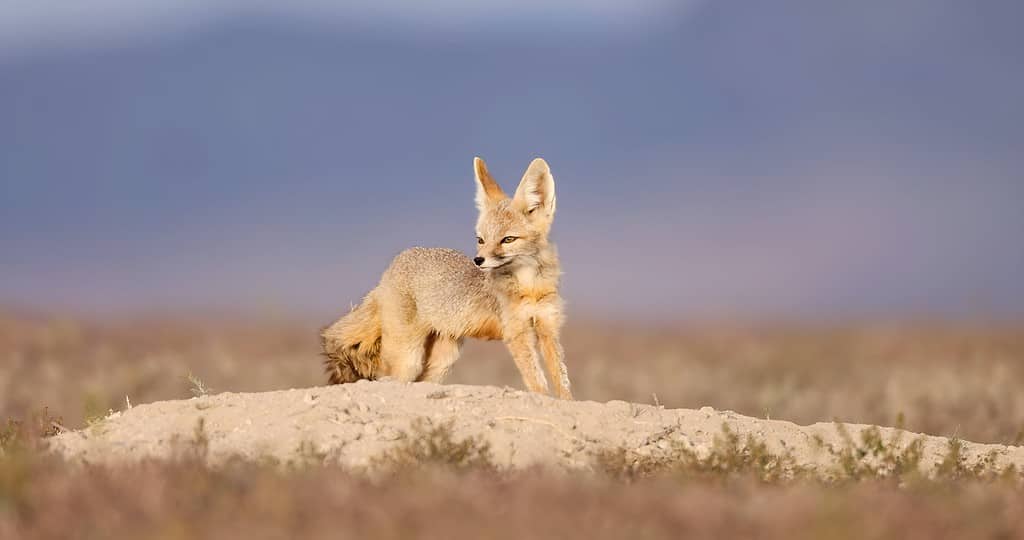
Kit Fox (Vulpes macrotis)
©Swaroop Pixs/Shutterstock.com
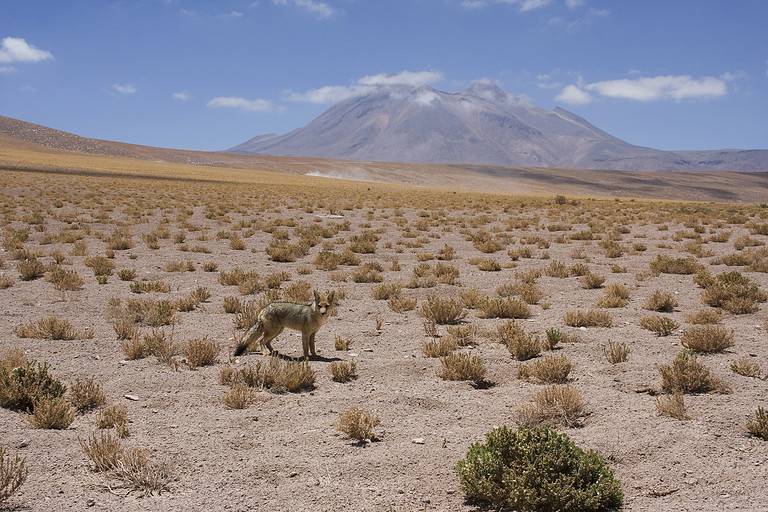
Gray foxes are agile climbers, sometimes ascending trees to escape danger or raid nests. Smaller kit foxes dig burrows in sandy flats and emerge to hunt rodents and insects at night. Both are so elusive; seeing them directly is uncommon, though you may notice their dainty tracks across washes after a night of hunting.
Greater Roadrunner (Geococcyx californianus)
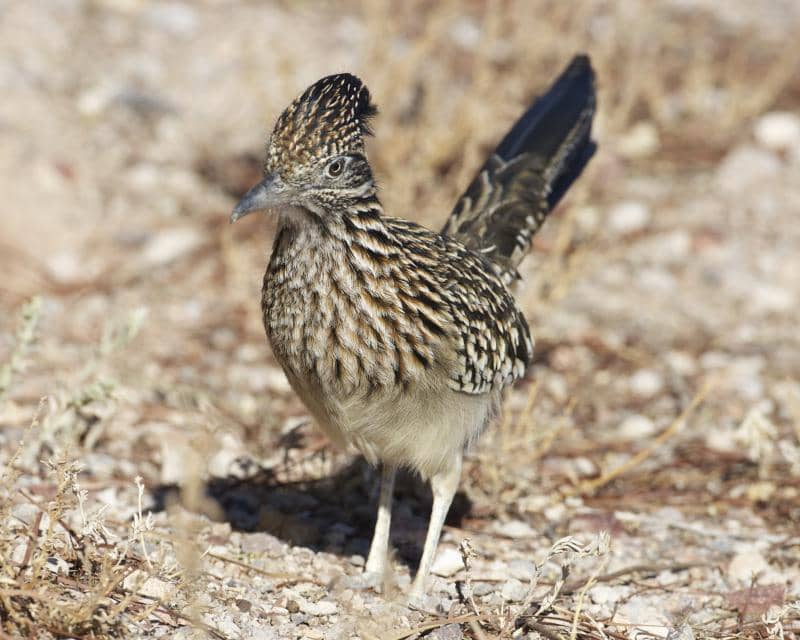
Greater Roadrunner (Geococcyx californianus)
Roadrunners dash across trails and roads, chasing lizards, snakes, and insects with surprising speed. They dispatch prey with quick, decisive strikes. These birds thrive in desert scrub, often perching on rocks or fence posts between bursts of running. They are abundant and easily among the most commonly seen animals in Big Bend.
Great Horned Owl (Bubo virginianus)
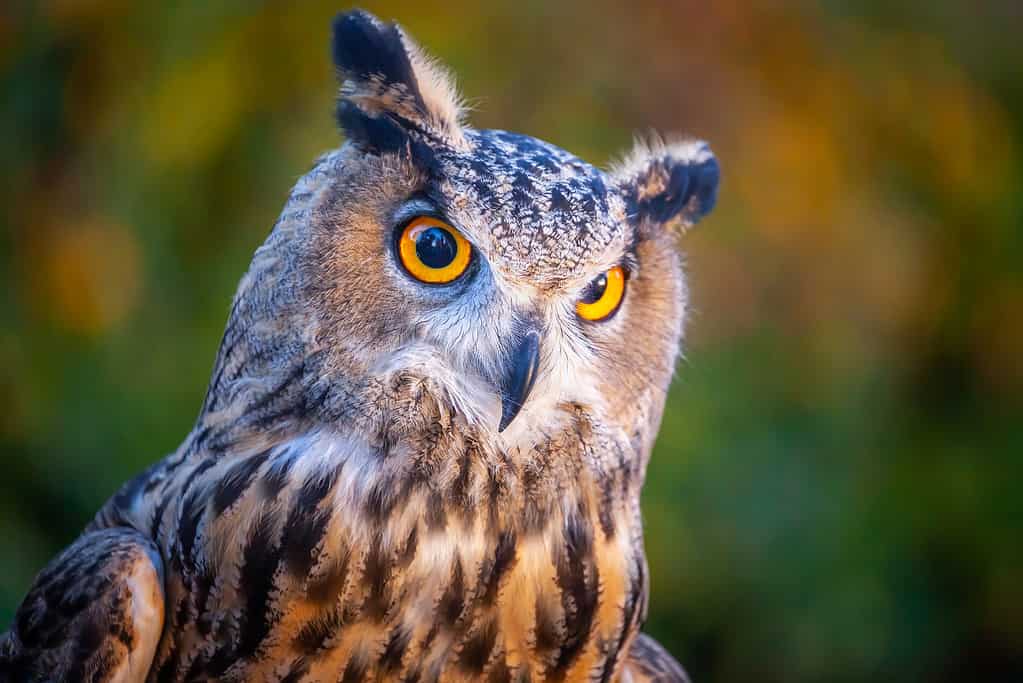
Great Horned Owl (Bubo virginianus)
©agustavop/iStock via Getty Images
These powerful owls dominate the park’s night skies, hunting rabbits, skunks, and other prey. They nest in cliffs, caves, or old hawk nests. It’s possible to see them at dawn or dusk, if you’re fortunate, but even if you don’t see them, you’re likely to hear their hooting at night.
Hog-nosed Skunk (Conepatus leuconotus)
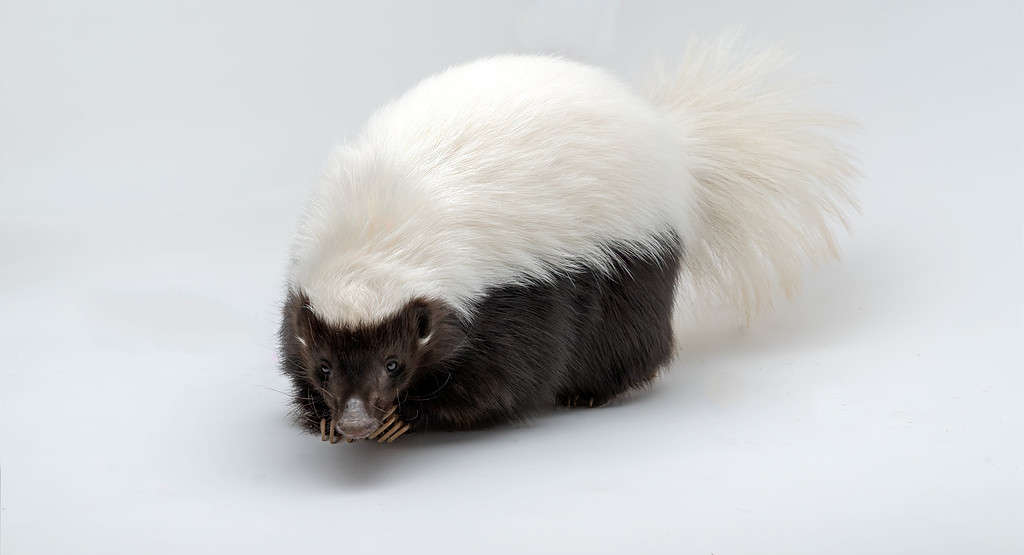
Hog-nosed Skunk (Conepatus leuconotus)
©iStock.com/Jay Pierstorff
Larger than striped skunks, hog-nosed skunks dig vigorously for grubs and beetles with their elongated snouts. Their white backs and tails make them distinctive even at night. Mostly nocturnal, they patrol desert washes and leave behind musky scent trails. They aren’t very common but campers and night hikers sometimes see them.
Javelina (Pecari tajacu)
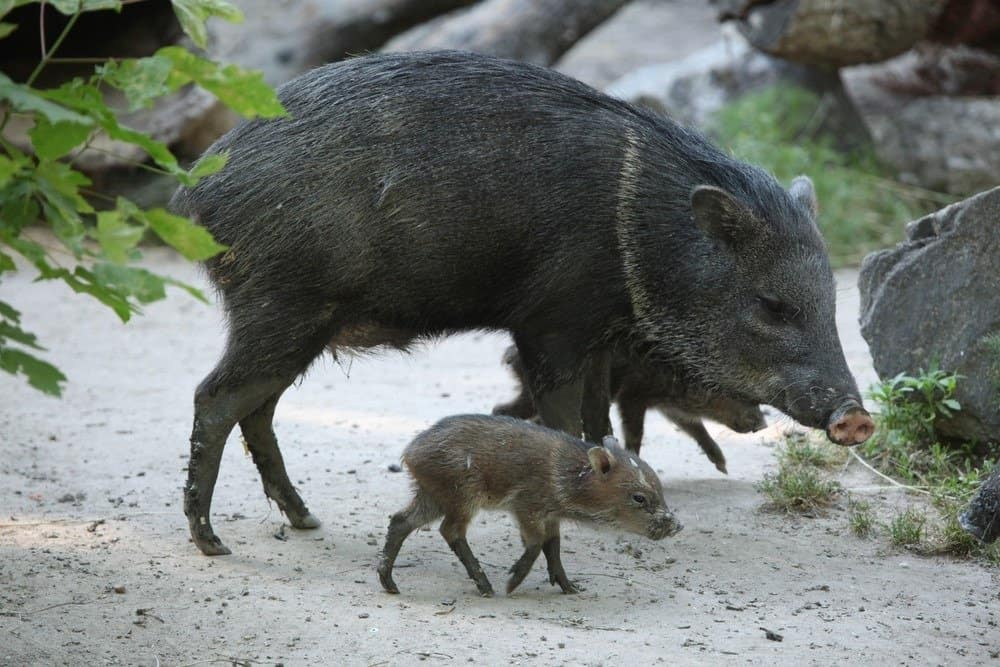
Javelina (Pecari tajacu)
©Vladimir Wrangel/Shutterstock.com
Traveling in noisy herds, javelinas root through cactus thickets, feeding on prickly pears. Strong social bonds keep herds together as they move noisily through brush. Javelinas are common and often encountered in groups of a dozen or more.
Kangaroo Rat (Dipodomys spp.)
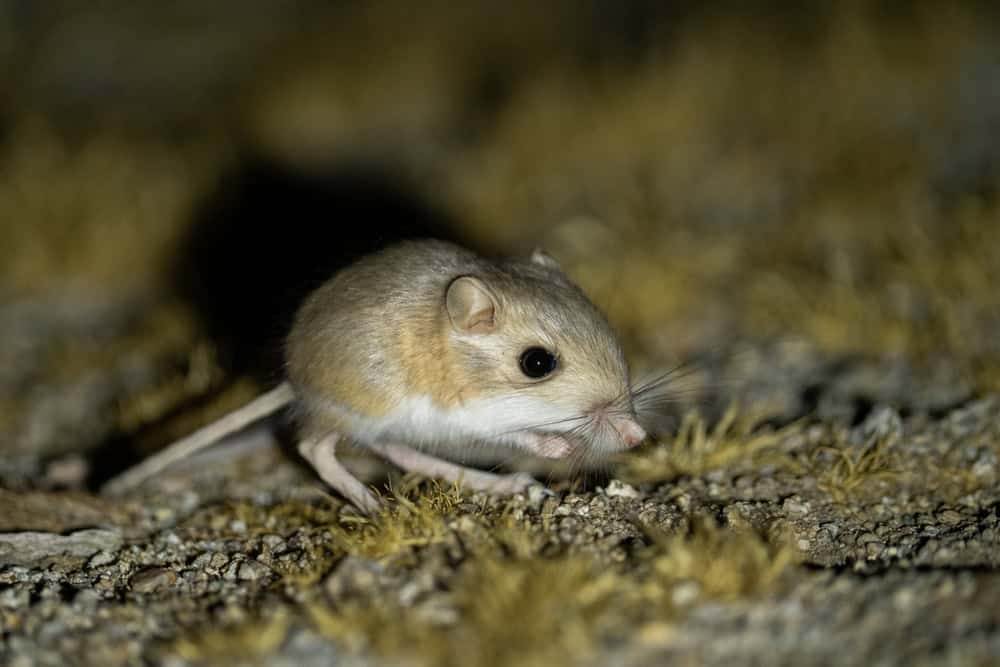
Kangaroo Rat (Dipodomys spp.)
©Griffin Gillespie/Shutterstock.com
These small rodents hop across sand with oversized hind legs. They draw moisture from their food so they don’t have to drink, thanks to efficient kidneys. They emerge at night to gather seeds in cheek pouches, leaving tiny track patterns in dunes. Kangaroo rats are widespread, but the only time you have a chance of seeing them is at night, as they hide in their burrows in the heat of the day.
Lizards (various families)
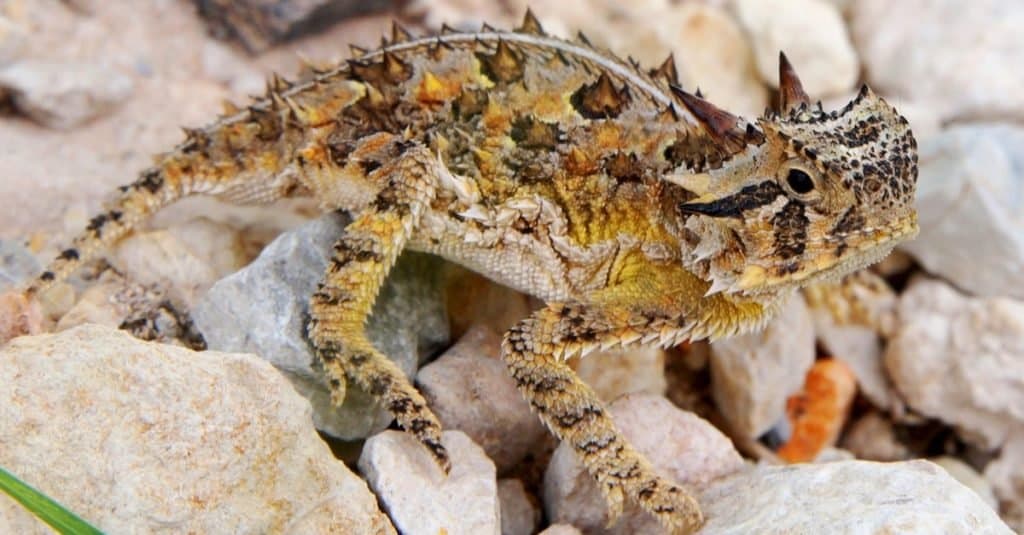
Texas horned lizard (Phrynosoma cornutum)
©Matt Jeppson/Shutterstock.com
Big Bend is home to more than 20 species of lizards, making them some of the most frequently encountered animals in the park. On warm mornings and late afternoons, the Texas horned lizard (Phrynosoma cornutum) is a favorite sight—flattening against gravel to vanish into the desert floor. The greater earless lizard (Cophosaurus texanus) darts across open ground, flashing the black bars on its sides as it scurries. Along rocky canyon walls and boulders, the crevice spiny lizard (Sceloporus poinsettii) clings to vertical surfaces, basking in the sun before slipping into cracks for cover. With so many species adapted to niches from sandy flats to shaded cliffs, visitors are almost guaranteed to encounter lizards on every hike.
Mountain Lion (Puma concolor)
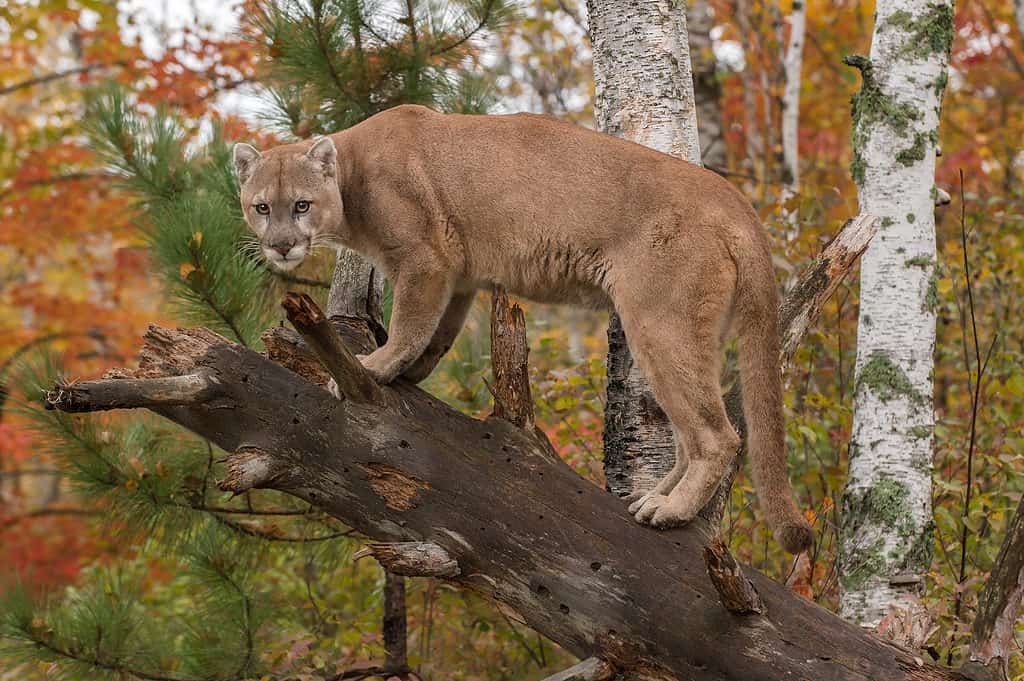
Mountain Lion (Puma concolor)
©Geoffrey Kuchera/Shutterstock.com
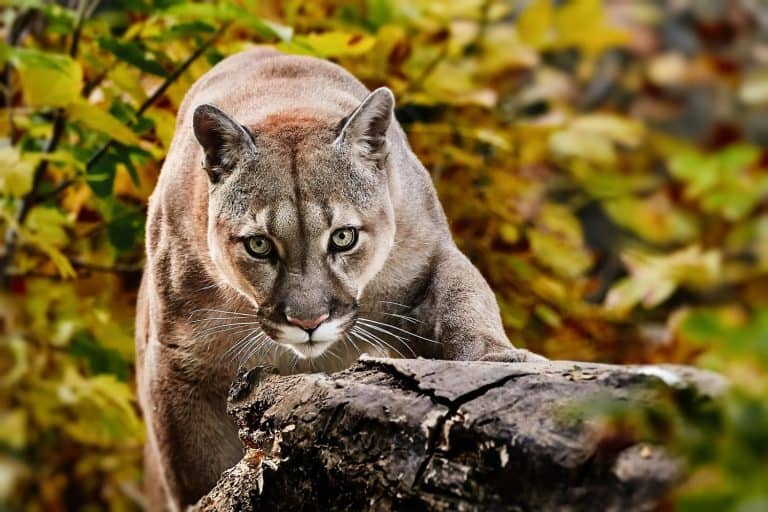
Apex predators of Big Bend, mountain lions roam widely in search of deer, javelina, and smaller prey. About 20–25 individuals live here, leaving tracks and scrapes as signs of their presence. Their stealth and vast ranges make direct sightings extremely rare. Even the news that someone else has spotted one is a highlight for rangers and visitors alike.
Mule Deer (Odocoileus hemionus)
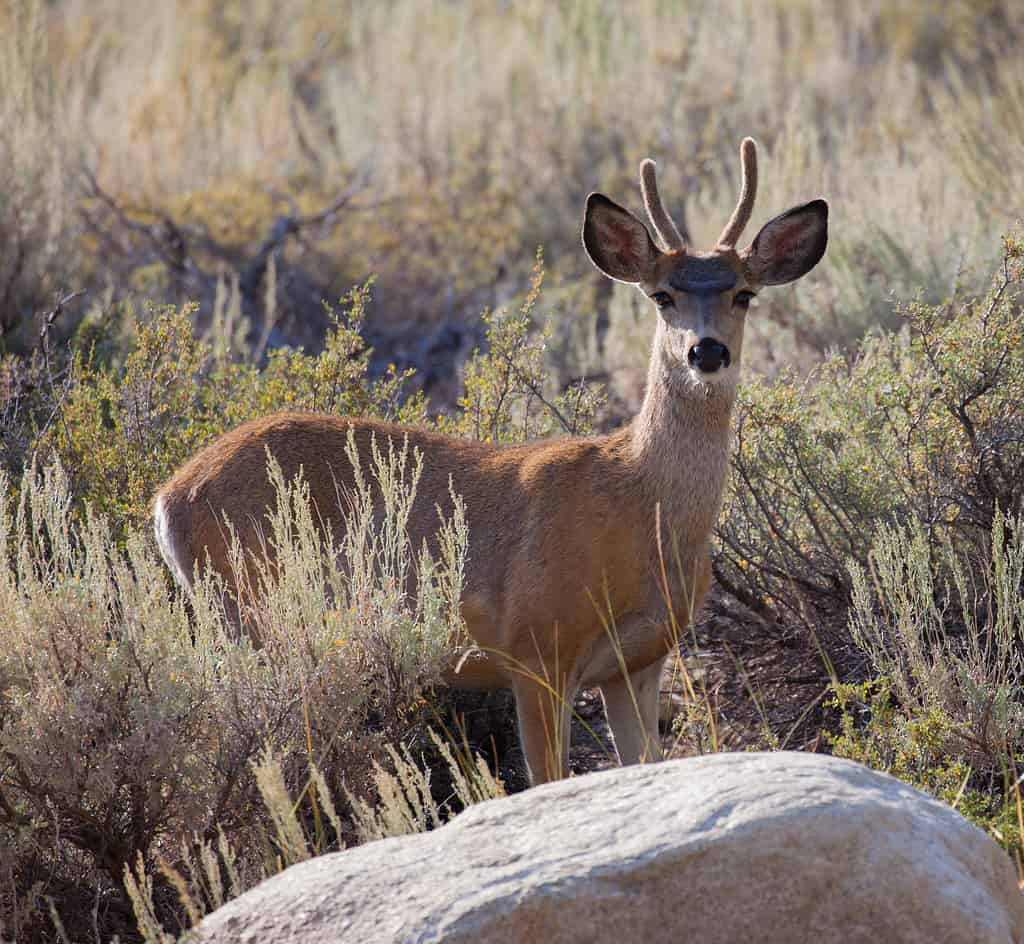
Mule Deer (Odocoileus hemionus)
©epantha/iStock via Getty Images
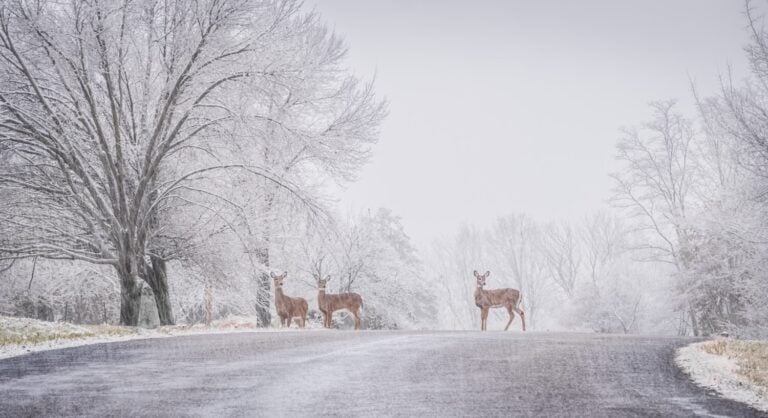
You’ll spot mule deer browsing meadows and riverbanks in the park, their large ears twitching constantly for danger. Groups with does and fawns are especially visible in spring and summer. They feed at dawn and dusk, leaving clear hoofprints on sandy trails. They’re abundant and easy to see in the area.
Peregrine Falcon (Falco peregrinus)
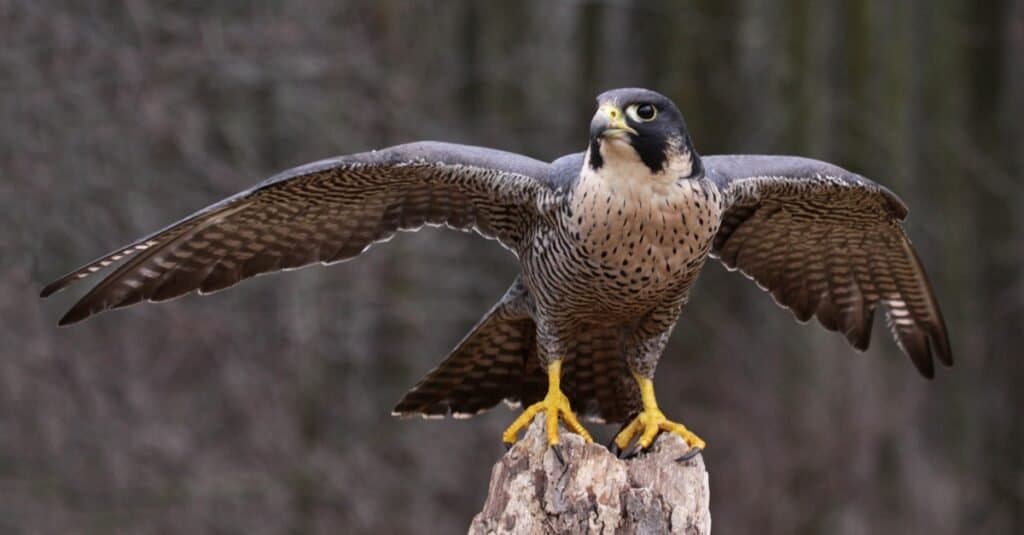
Peregrine Falcon (Falco peregrinus)
©Chris Hill/Shutterstock.com
Nesting on cliffs and high ledges, peregrine falcons dominate the skies with dives that can top 200 miles per hour, striking birds midair in bursts of astonishing speed. Once endangered due to pesticide use, they have rebounded and are now regular residents of Big Bend. They are most often seen patrolling canyons and river corridors, particularly along the Rio Grande, where swallows and other small birds provide steady prey. Though not abundant, patient visitors scanning canyon walls with binoculars have a fair chance of spotting one perched or in flight.
Raccoon (Procyon lotor)
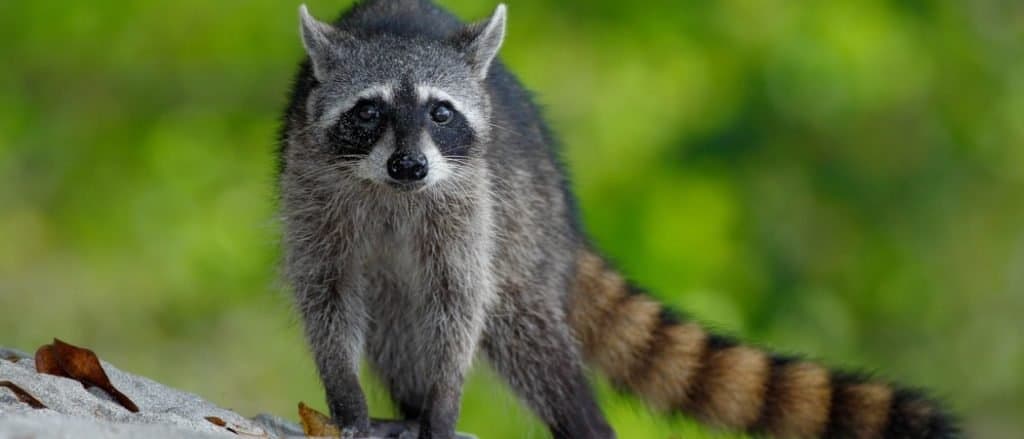
Raccoon (Procyon lotor)
©Ondrej Prosicky/Shutterstock.com
Clever and adaptable, raccoons forage along streams and canyon bottoms, washing food in shallow water. Their nimble tracks mark muddy banks and campsites. They are nocturnal but sometimes linger past dawn, scavenging fruit or shellfish. Raccoons are fairly common, though more often detected by signs than by sightings.
Red-tailed Hawk (Buteo jamaicensis)
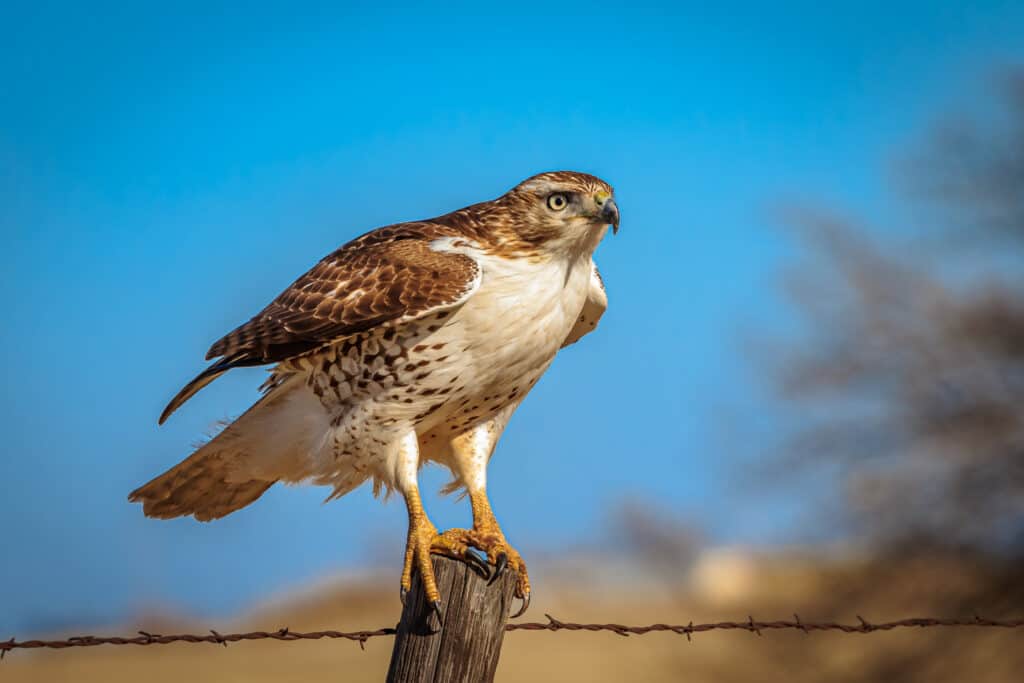
Red-tailed Hawk (Buteo jamaicensis)
©Richard G Smith/Shutterstock.com
These adaptable raptors perch on poles and circle above valleys with broad wings. Their shrill cry is a hallmark of desert skies, often heard at midday. They nest on cliffs and cottonwoods, returning year after year to the same sites. One of the park’s most visible birds of prey, they are seen in nearly every habitat.
Ringtail (Bassariscus astutus)
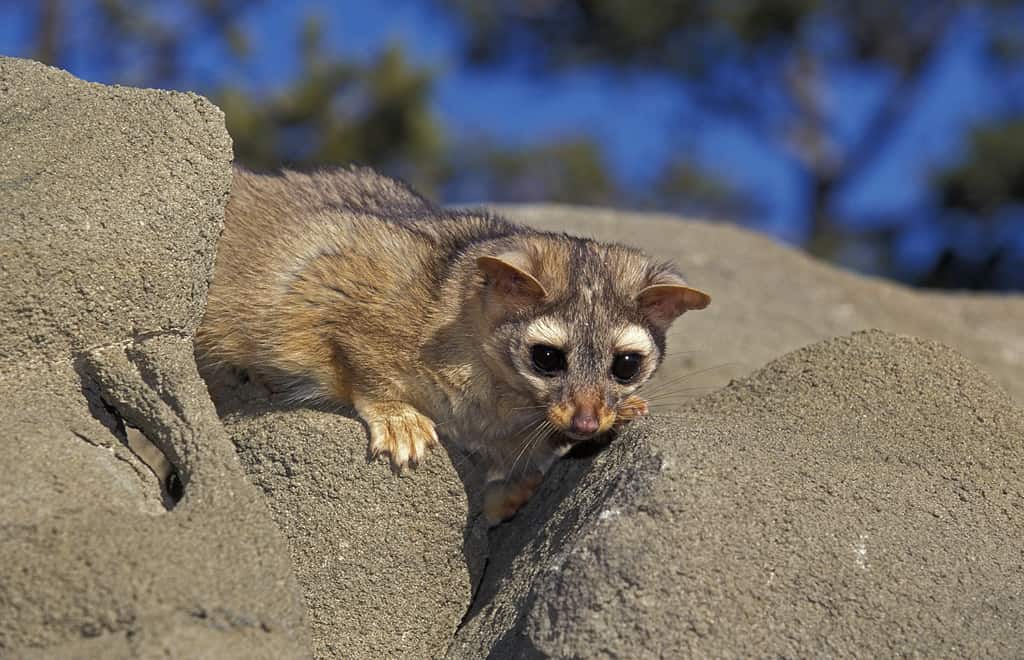
Ringtail (Bassariscus astutus)
©slowmotiongli/iStock via Getty Images
Resembling a small cat with a striped tail, ringtails are members of the raccoon family. Their oversized eyes help them hunt rodents and insects along rocky ledges at night. Their tails help balance them as they leap across cliffs and slip through rock crevices. They are fairly widespread in the area but are difficult to spot due to their reclusive habits.
Scaled Quail (Callipepla squamata)
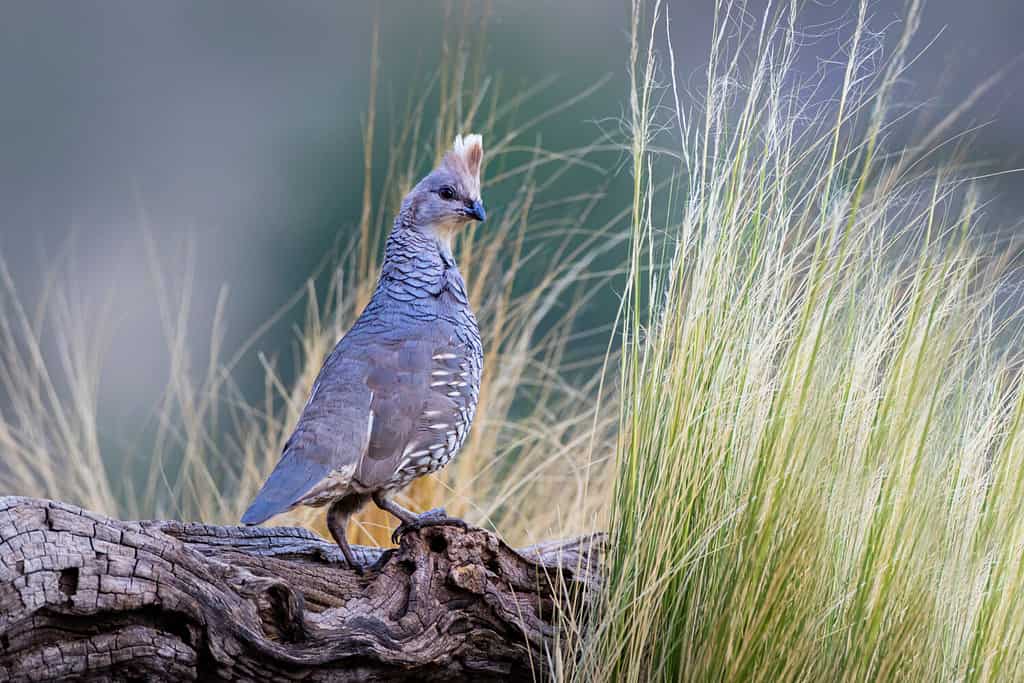
Scaled Quail (Callipepla squamata)
©Danita Delimont/Shutterstock.com
The scaled quail forage in coveys across desert flats and grassy washes, feeding on seeds, shoots, and insects. Their scaled plumage blends into dry grasses, but startled birds erupt in noisy, short flights before diving back into cover. They are common in Big Bend and often seen in groups during the cooler hours of morning and evening.
Striped Skunk (Mephitis mephitis)
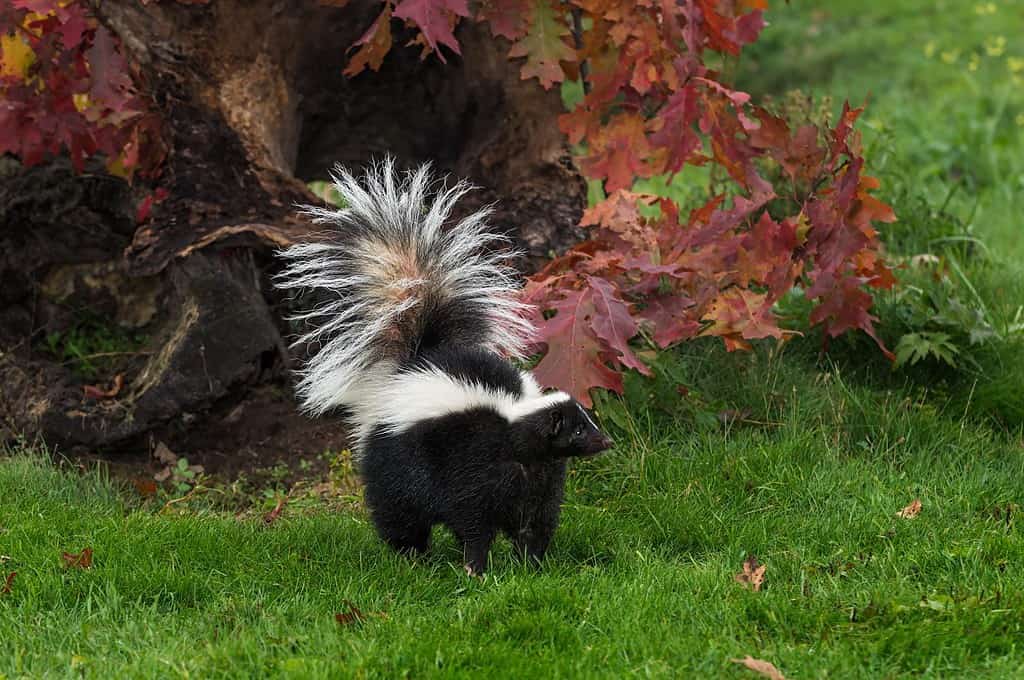
Skunk (Mephitis mephitis)
©Geoffrey Kuchera/Shutterstock.com
Striped skunks emerge at dusk to dig for insects and grubs, leaving shallow pits in soft earth. Their black-and-white coats warn predators of their potent spray. They frequent roadsides, camps, and washes in search of food. Though common, they are hard to find unless you’re out at night.
Tarantula (Aphonopelma hentzi)
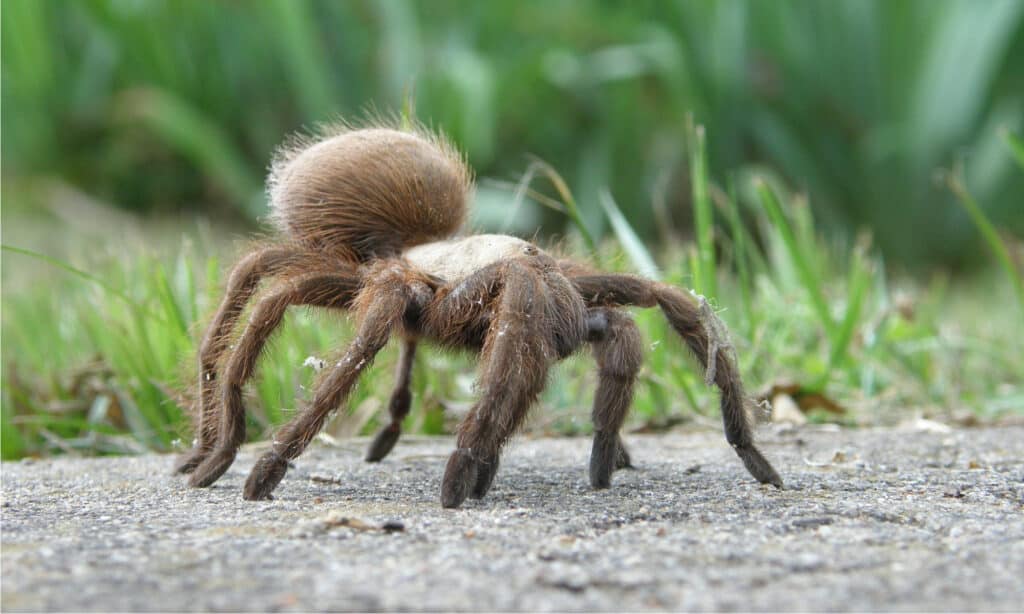
Tarantula (Aphonopelma hentzi)
©texas brown tarantula/Shutterstock.com
In late summer, male tarantulas roam in search of mates, sometimes appearing in startling numbers along roads. Despite their size, tarantulas are harmless and shy, and they will try to avoid confrontation. They move slowly and aren’t hard to observe up close. In the late summer, you’ll have a good chance of encountering them.
Texas Spiny Softshell Turtle (Apalone spinifera emoryi)
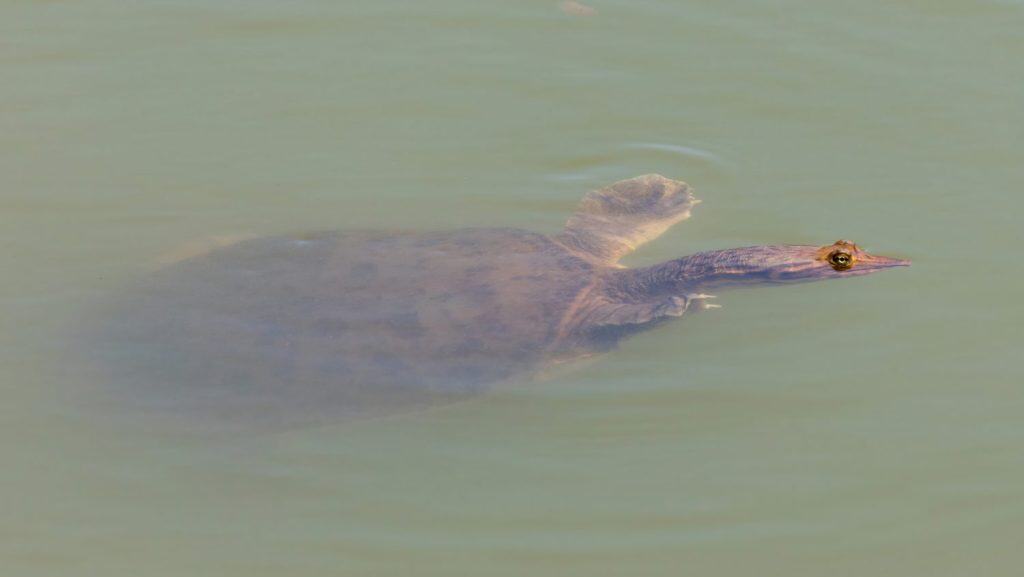
Texas Spiny Softshell Turtle (Apalone spinifera emoryi)
©yhelfman/Shutterstock.com
These flat, pancake-shaped turtles live along the sandy riverbanks of the Rio Grande. They bask on sandbars before slipping quickly into water at the slightest disturbance. Their snorkel-like snouts allow them to stay submerged for long periods. They are present year-round, though only the more observant travelers tend to notice them.
Western Diamondback Rattlesnake (Crotalus atrox)
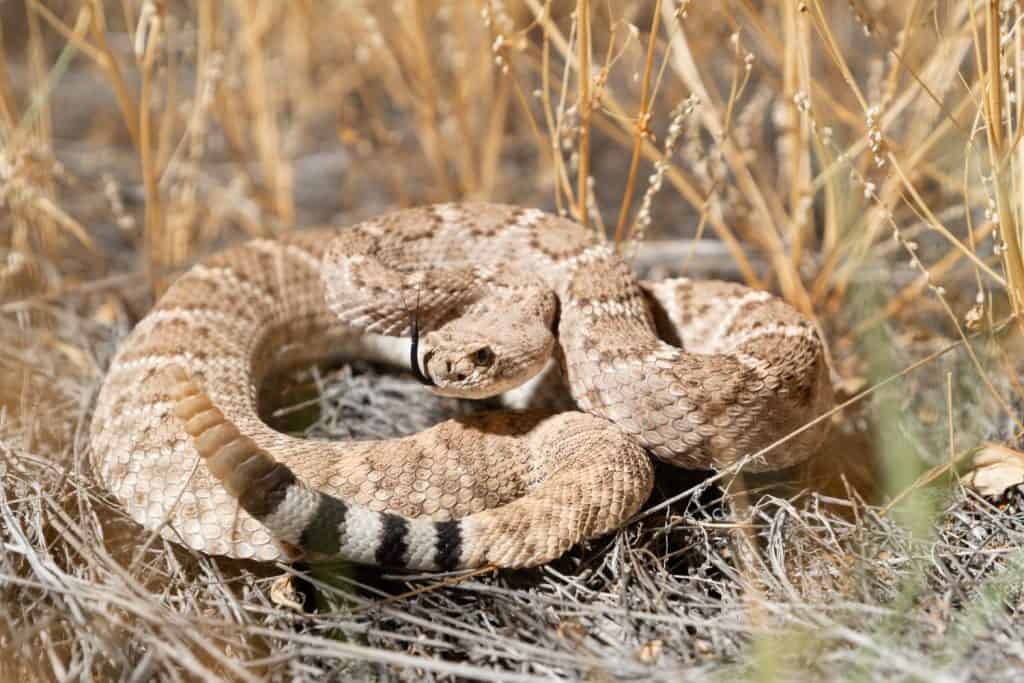
Western Diamondback Rattlesnake (Crotalus atrox)
©Clint H/Shutterstock.com
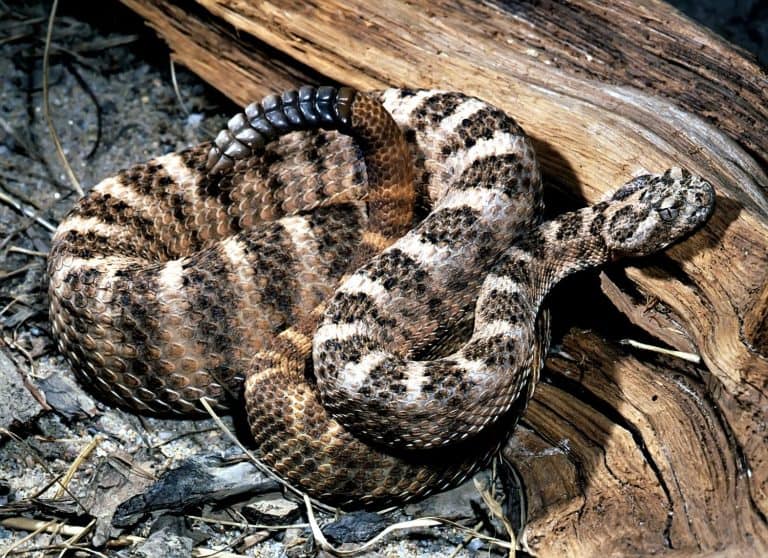
Heavy-bodied and patterned in diamonds, these rattlesnakes are camouflaged to blend in with desert gravel, but if you come upon one, it will usually (but not always) warn you with its rattles. They do like to bask on roads or trails, so hikers and campers need to keep a sharp eye out. Rattlers are plentiful in the park.
Best Times and Places for Wildlife
Big Bend’s wildlife calendar shifts with the seasons. Spring (March–April) is the time for bird migration and emerging reptiles. Summer heat keeps most activity to mornings and evenings, but bats and nocturnal mammals are active at night. Autumn (October–November) brings cooler nights and animal activities at oases and river corridors. Winter is a better time to see large mammals in the Chisos and along the Rio Grande. The bare trees in winter also make spotting raptors easier. Top viewing areas include the Rio Grande Village, Sam Nail Ranch, Dugout Wells, and the shady forests of the Chisos Basin. Overall, with knowledge, patience, and awareness, visitors can have memorable wildlife encounters year-round.