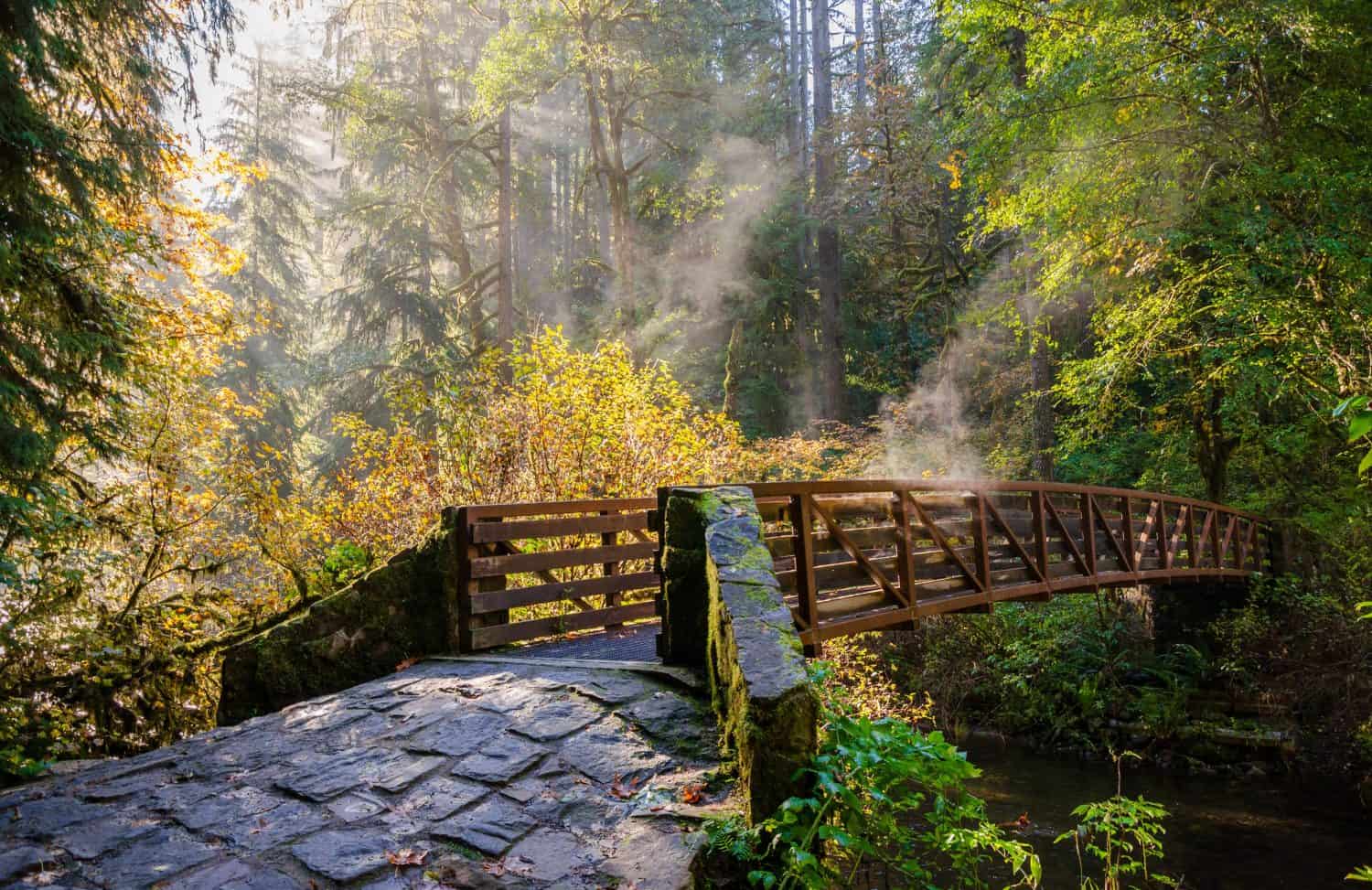

There are many parks in Oregon, but none are quite as luscious, ethereal, and breathtaking as Silver Falls State Park. Situated about 20 miles southeast of the state capital, Salem, Silver Falls spans over 9,000 acres of untapped wilderness. The park features over 24 miles of walking trails and 14 miles of horse trails. It also contains ten waterfalls, with the 177-foot cascade of South Falls remaining its most visited spot. In 2023 alone, Silver Falls State Park welcomed over 1.18 million day-use visitors.
Due to the area’s lush fir forests and ample water sources, it has long been prized by various groups. The park lies within the traditional lands of both the Kalapuya and Molalla tribes. In more recent years, Silver Falls State Park has become an in-demand filming location for several big-budget films. You might recognize its moist, temperate rainforest aura from films like “Twilight” or “The Hunted.” The park is also chock-full of unique animals. Let’s learn about the most common types of animals found in Silver Falls State Park.
Red-Breasted Sapsucker
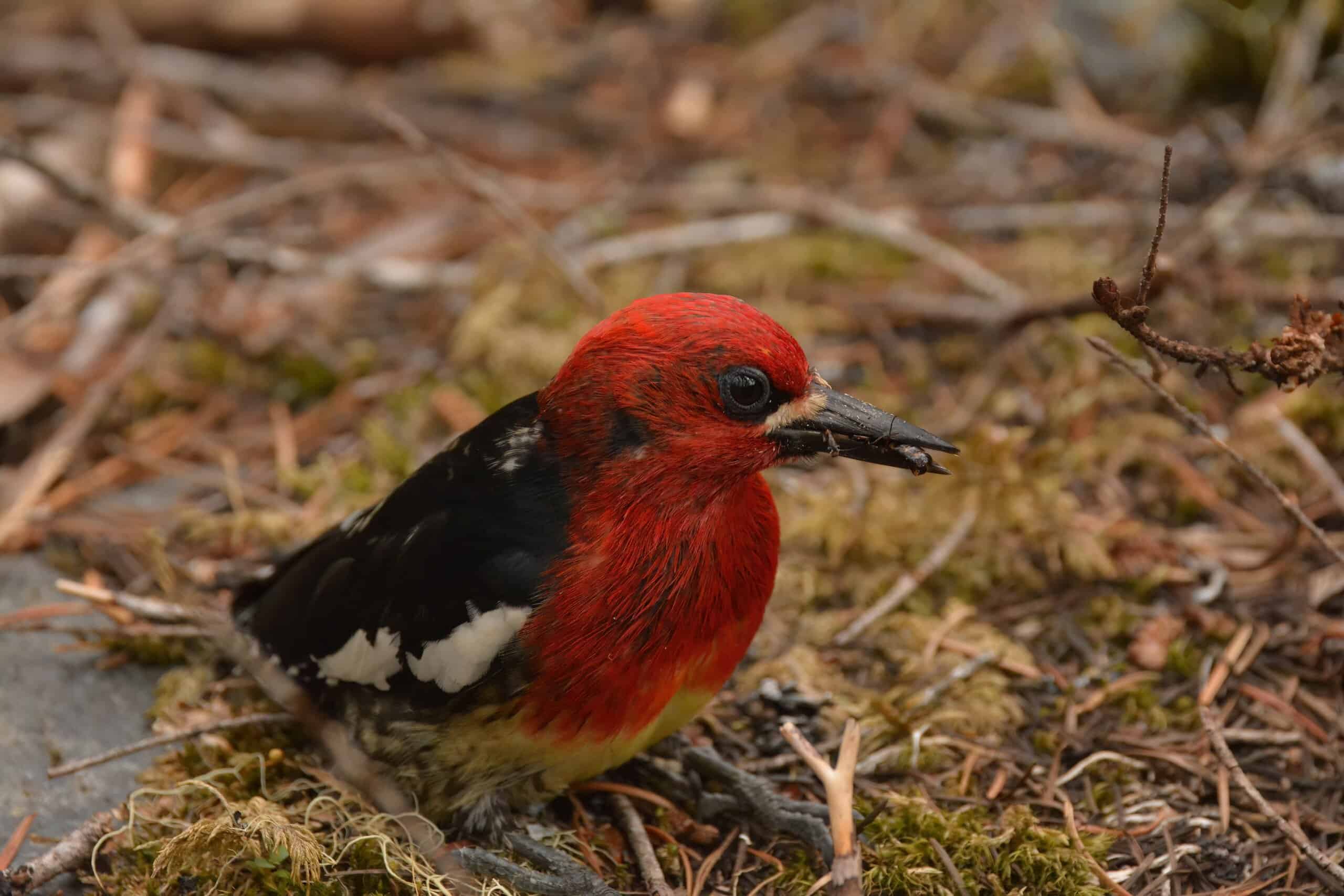
These woodpeckers feature bright red heads, yellowish-red chests, and black and white flight feathers.
©BirdManClark/Shutterstock.com
Red-breasted sapsuckers are vibrant-looking woodpeckers found from southern Alaska’s panhandle through British Columbia, Washington, Oregon, and into northern California. These birds are characterized by bright red heads, black and white wings, and the classic woodpecker trait of tapping into trees with their sharp beaks. They are characterized by bright red heads, black and white wings, and a classic woodpecker trait. They often tap into trees with their sharp beaks. As such, you’ll likely hear them before you see them, pecking at red alder and maple trees. The best time to see them at Silver Falls State Park is in the spring and summer when they undergo their breeding season. Thanks to their bright and colorful plumage, red-breasted sapsuckers are easy to spot and even easier to recognize by sound.
Black-Tailed Deer
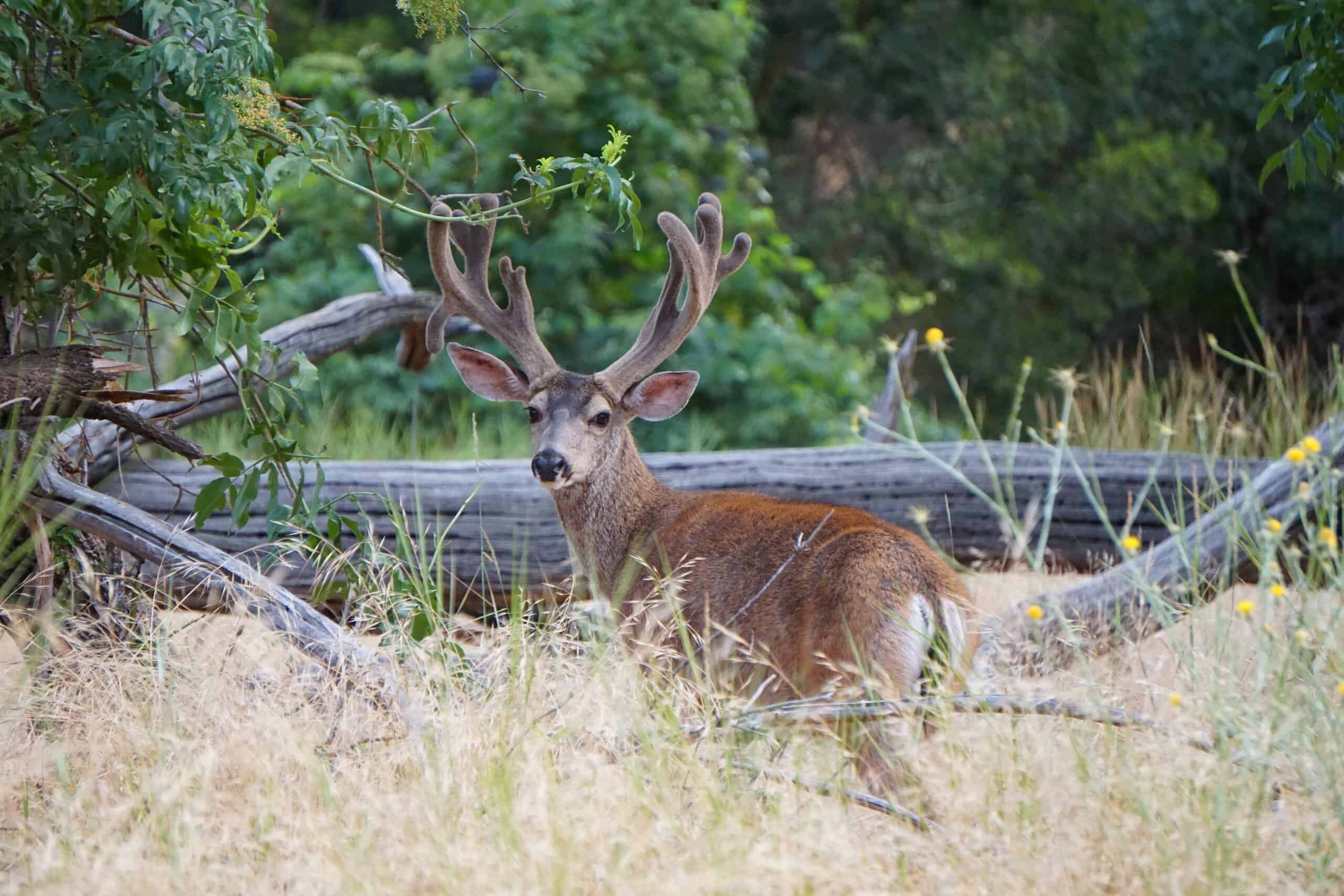
Black-tailed deer are one of the more common large mammals found in Silver Falls State Park.
©Izabella Pir/Shutterstock.com
If you are going to see a large mammal in Silver Falls State Park, it will probably be a black-tailed deer. They can often be spotted quietly browsing alongside trails and through meadows at dawn and dusk. They usually feed on shrubs and berries, so you might also glimpse them in the park’s ample patches of Douglas-fir. During the summer, black-tailed deer coats turn reddish-brown before darkening in the winter. While they are a pretty common sight around the park, visitors have the best chance of seeing them around the South Falls or Trail of Ten Falls areas in the early morning hours.
American Dipper
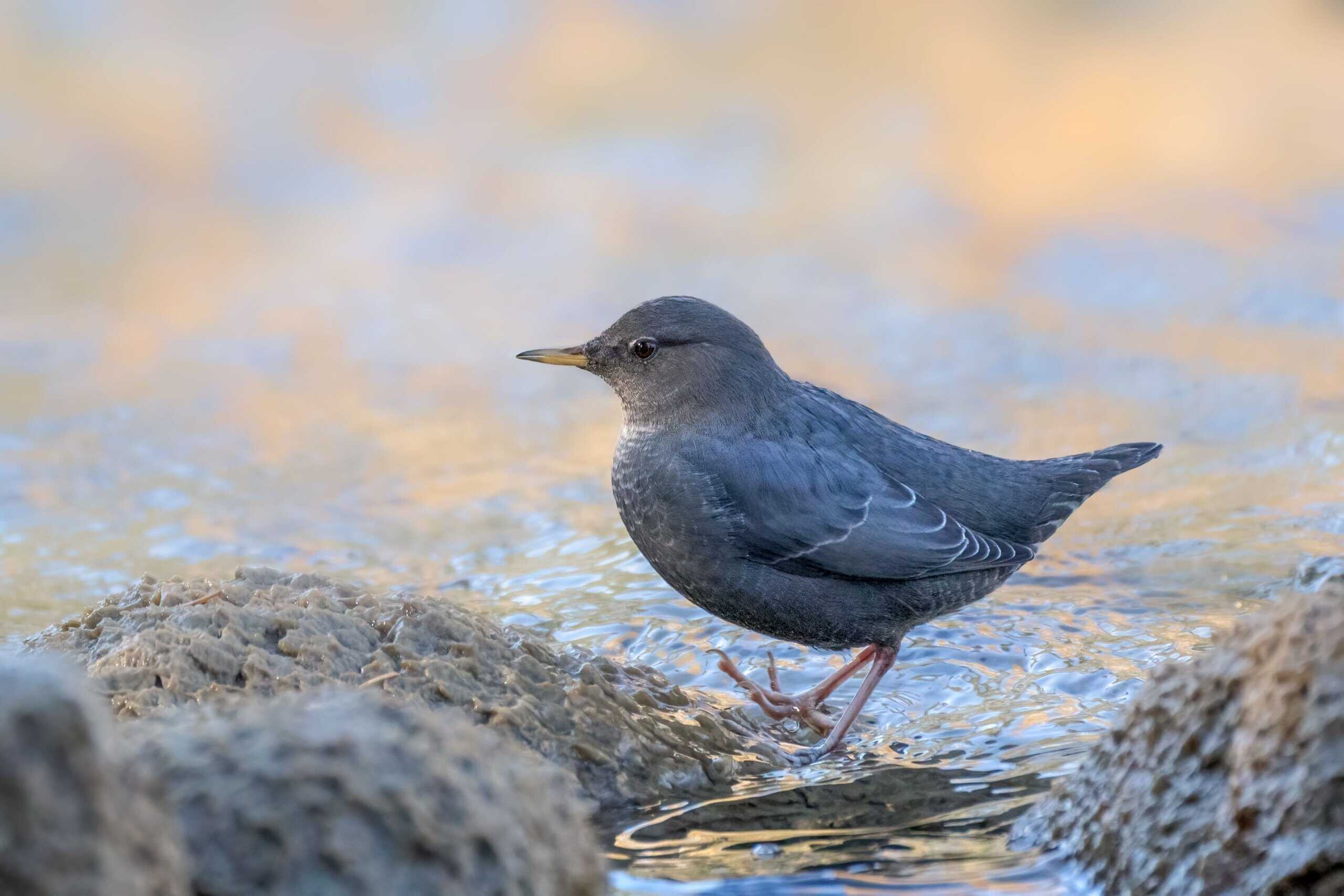
These stocky grey birds were a favorite of legendary naturalist John Muir.
©Wirestock Creators/Shutterstock.com
As you can probably tell from their names, American Dippers are birds best known for their habit of diving into water and emerging with food. They are small but stocky birds characterized by gray coats and relatively thin yellow beaks. Some people know them as water-ouzels. That’s because these birds dive into the ice-cold waters of the Pacific Northwest to grab grubs, insects, and larvae. They are a common sight at Silver Falls State Park due to the location’s abundant waterways and waterfalls. Legendary naturalist John Muir loved American dippers so much that he dedicated an entire chapter to them in his seminal book “The Mountains of California.” They move quickly, but you might spot one flying through the mist rising above the many waterfalls in the park.
Northern Spotted Owl
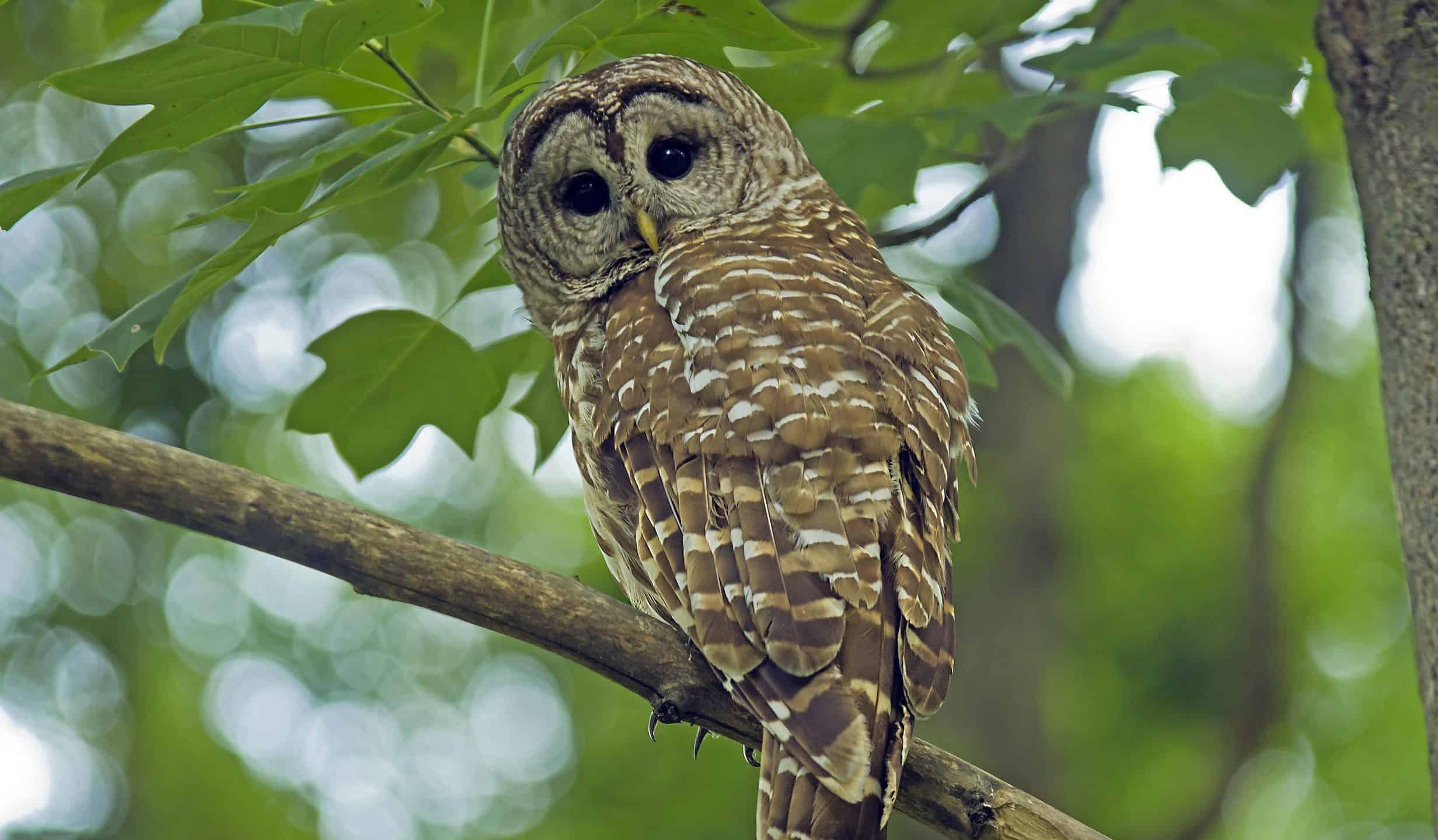
These owls can be pretty hard to spot, but easy to hear thanks to their subtle hoots that ring out at dusk.
©C.M.Corcoran/Shutterstock.com
Northern Spotted Owls are characterized by brown and whitish feathers, small yellow beaks, and large black eyes. While they look quite similar to barred owls, Northern Spotted Owls have distinct cross-shaped markings on their underparts. They are one of the more rare birds in Silver Falls State Park. However, the keen-eyed visitor has a chance at spotting them. Northern Spotted Owls spend most of their time under the park’s dense canopy. There, they nest in tree hollows or abandoned nests. At night, they emerge to hunt small birds, rats, and even flying squirrels. Even if you aren’t fortunate enough to see one during your visit to the park, you are likely to hear its muted calls at dusk.
Coastal Giant Salamander
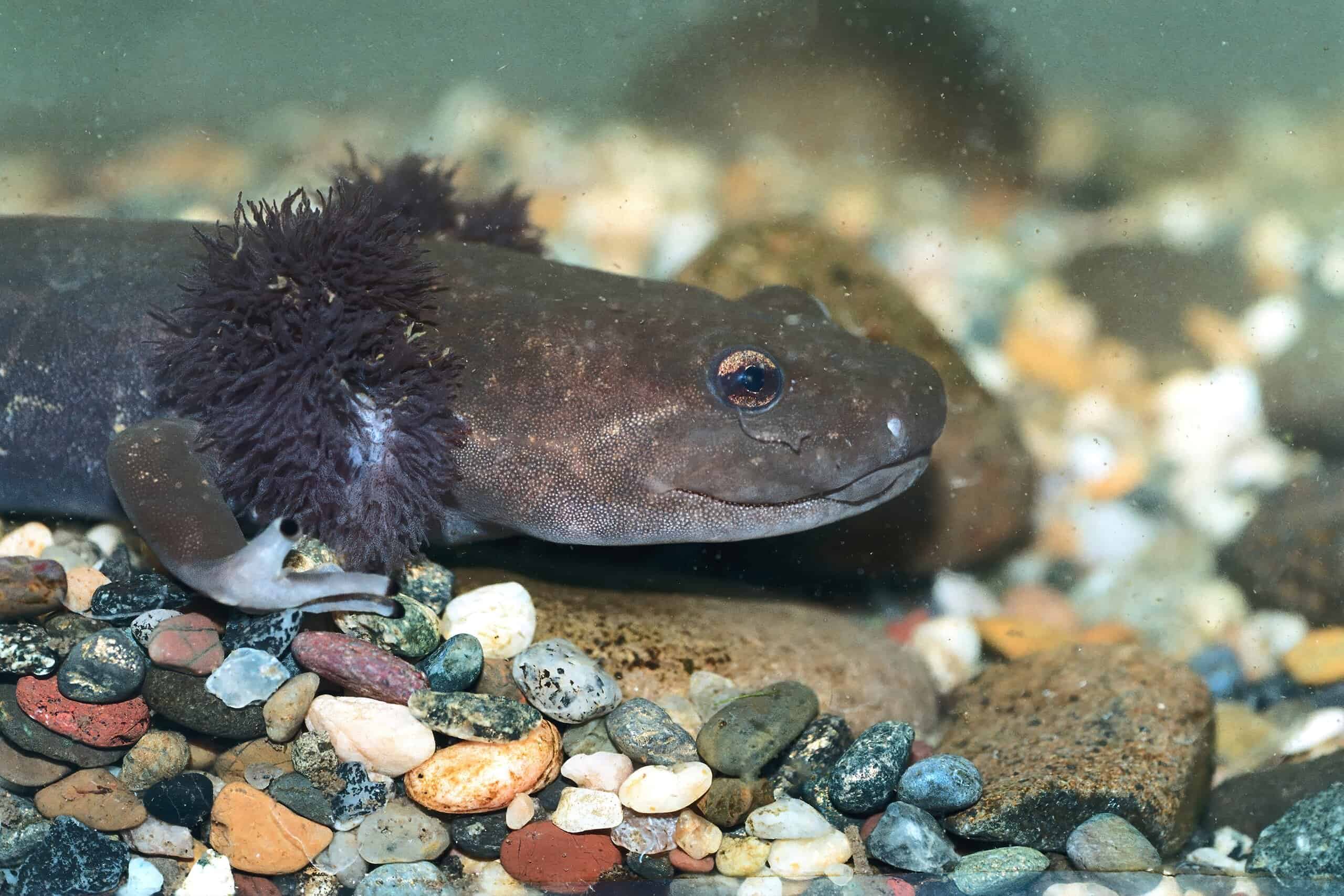
Coastal giant salamanders can grow up to a foot long.
©HWall/Shutterstock.com
If you happen upon a coastal giant salamander in Silver Falls State Park, you will know immediately. That’s because these salamanders, with brown and gold speckled patterns, can grow up to a foot long. Due to Silver Falls State Park’s extensive variety of streams, ponds, and waterfalls, coastal giant salamanders have a surprisingly large population. They usually stick close to the water. There, they dive under the surface and hunt insects, snails, and even small fish. Sometimes, they even wander into the forest when it rains. Spotting them can be hard because they are so elusive, even for their size. That said, coastal giant salamanders are usually found near waterfall pools.
Great Blue Heron
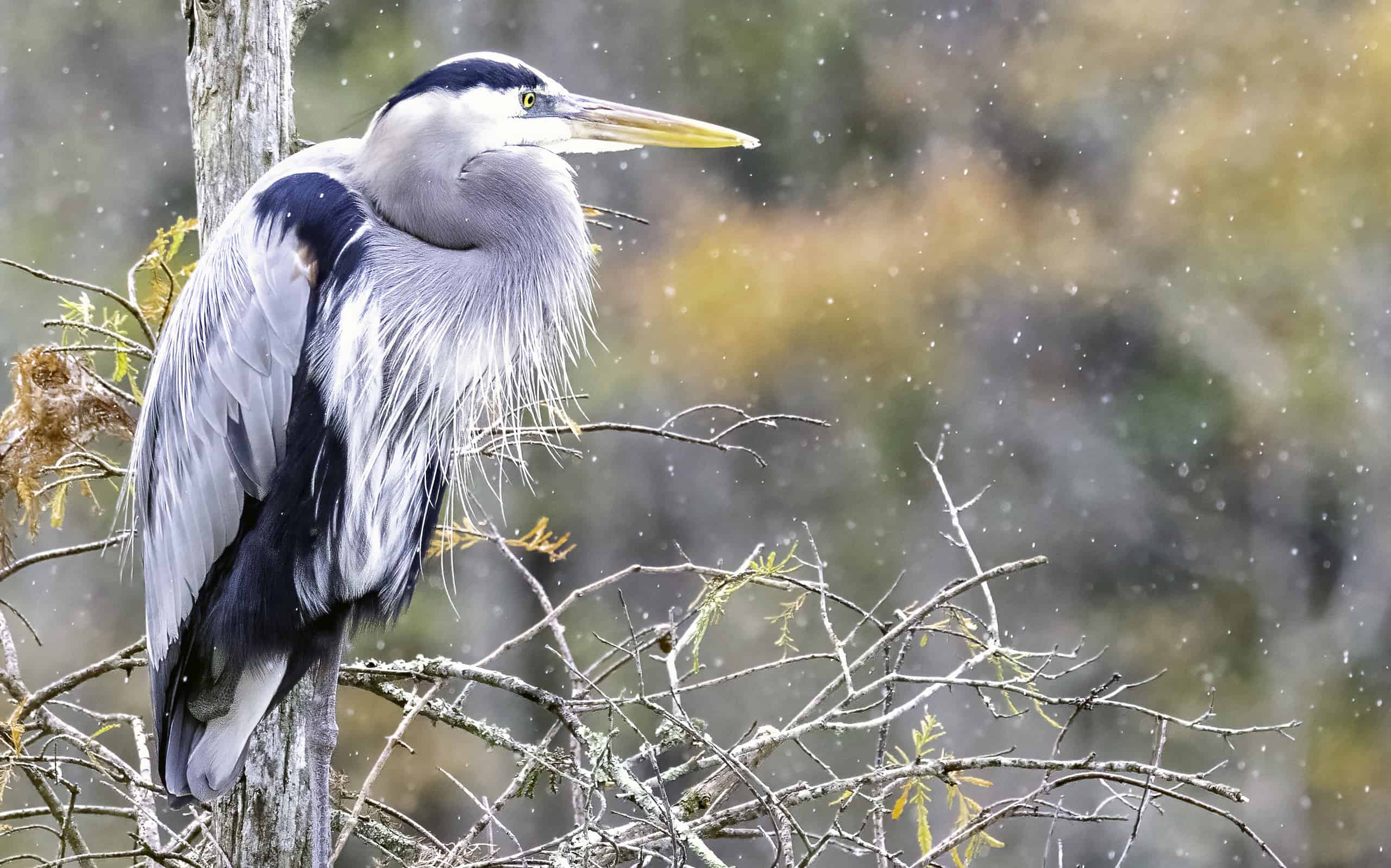
These large wading birds stay close to water sources with healthy populations of fish to eat.
©dangarneau/iStock via Getty Images
Great Blue Herons are large wading birds that live all across North America. These birds are characterized by long, thin legs, grey and blue flight feathers, and pale heads. Great blue herons are remarkable for their size. They are also remarkable for their ability to adapt to practically any wetland habitat in their range. Though they rarely drift far from water sources, they can be found in marshes, swamps, flooded meadows, and along the edges of lakes. Silver Falls State Park has plenty of fish and just as many water sources. It is no surprise that great blue herons can be seen there. Given their size, great blue herons are pretty hard to miss.
American Crow
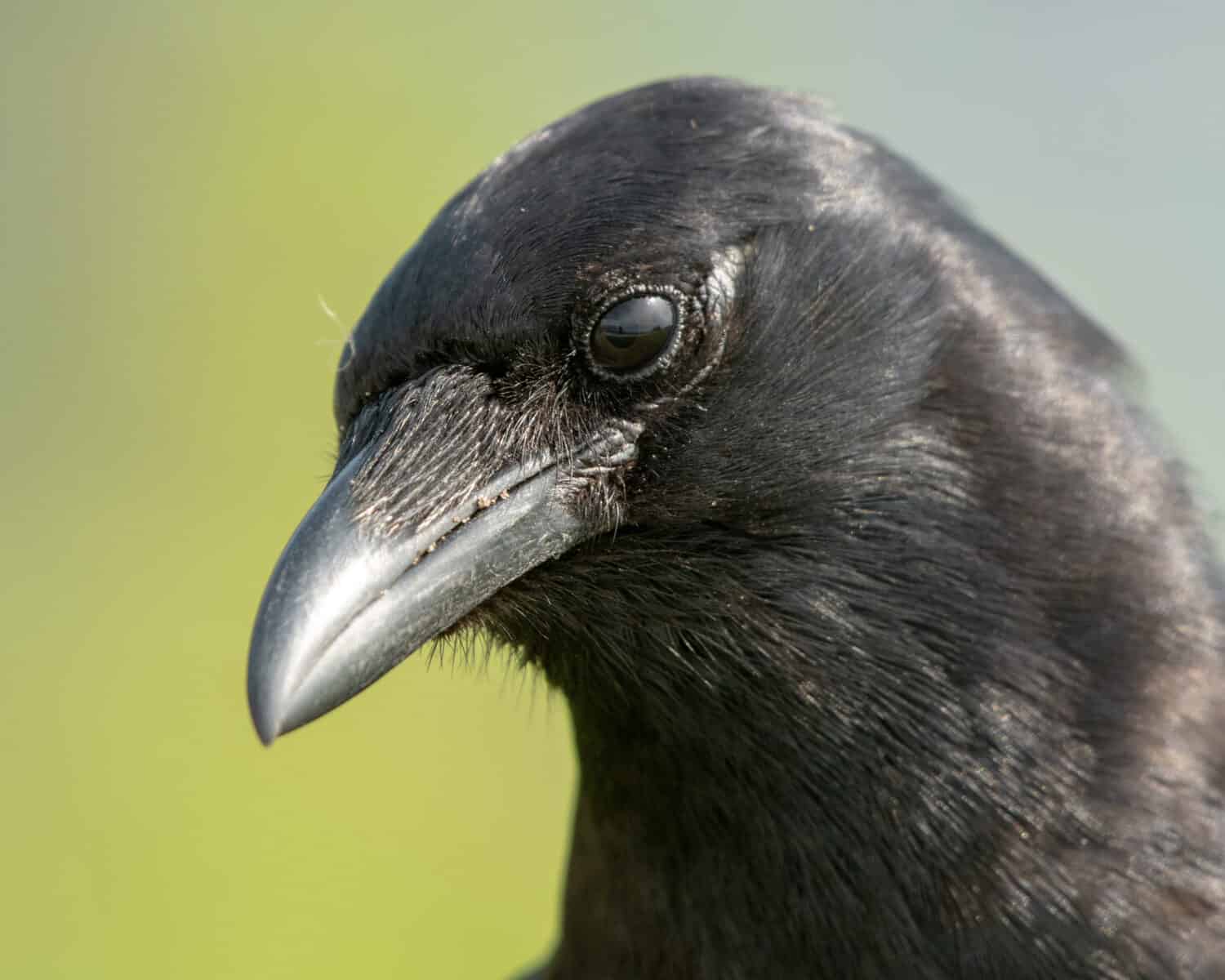
The American Crow is one of the more commonplace and clever passerine bird species in North America.
©Courtenay Harding/Shutterstock.com
It’s pretty hard to go anywhere in North America without running into one of its most common corvids: the American Crow. These clever, resourceful birds are characterized by large bodies, black feathers, and unmistakably shrill ‘caw-caw’ sounds. While they can easily adapt to a variety of human environments, they are also found at Silver Falls State Park. They are omnivores and are not particularly afraid of humans. Visitors have the best chance of spotting this bird wherever food can be found. When human food isn’t available, they will revert to more classic diets of eggs, insects, nuts, young mice, and even rabbits.
Douglas Squirrel
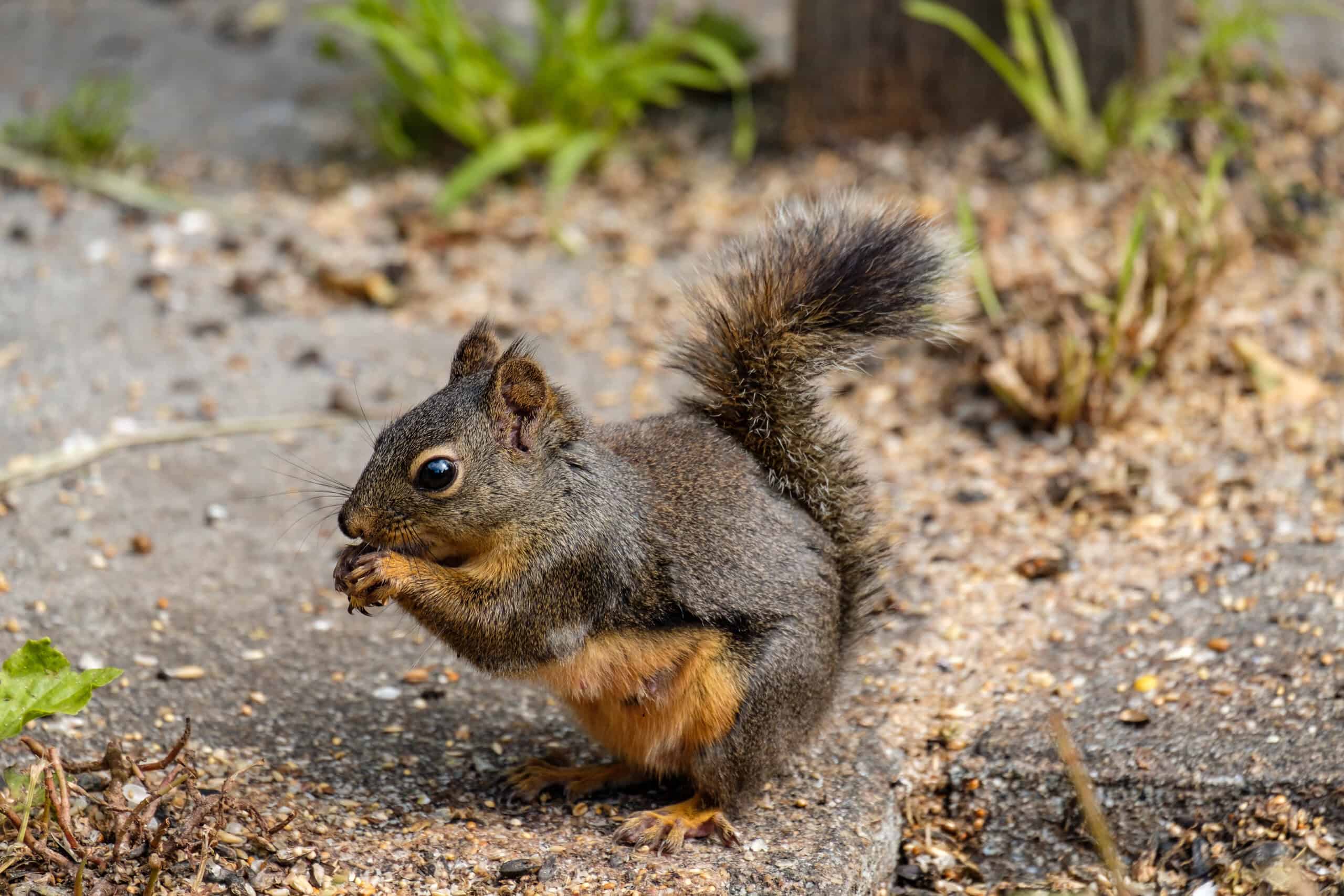
Douglas squirrels are both native to the Silver Falls State Park area and active year-round.
©StoneMonkeyswk/Shutterstock.com
These small squirrels are pretty distinctive looking, thanks to their dark backs and rusty red bellies. They are a common sight in Silver Falls State Park because they are native to the area. They are also always on the move, collecting conifer seeds, mushrooms, and fruit to store for the long winter. Considering their name, they are pretty well linked to Douglas firs, which Silver Falls State Park has in considerable supply. Visitors often see these cute and feisty squirrels running around. They can be spotted sprinting across trails like the Trail of Ten Falls and will even scold hikers from up in the trees. You don’t have to venture far into the park to see them, either. They can usually be seen around picnic areas. Plus, they are active year-round.
Western Chipmunk
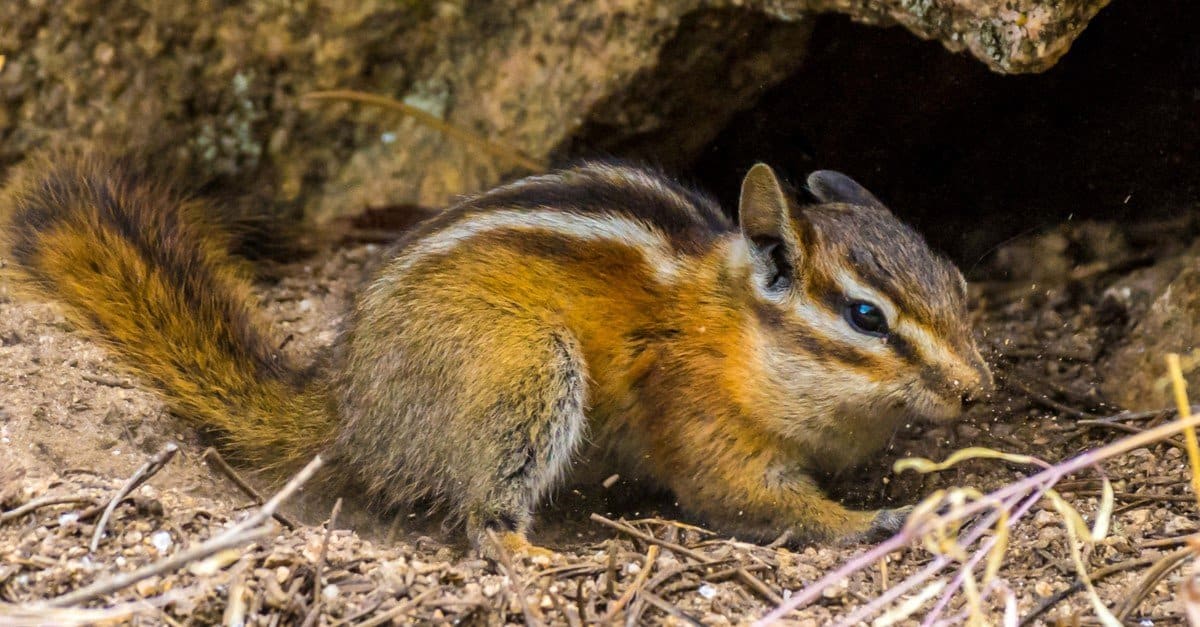
These small, striped rodents can be found all across Silver Falls State Park, but they startle easily.
©Ryan Narron/Shutterstock.com
Another cute and cuddly small mammal that can be found at Silver Falls State Park is the western chipmunk. These animals are characterized by distinct striped backs and quick-footed movements. The park provides plenty of seeds, nuts, and insects for them to store in their cheeks for later. While Douglas squirrels are a little more boisterous, western chipmunks are nervous and alert. They stay moving, and often chirp to warn fellow chipmunks about potential danger. Many visitors spot them foraging for fallen crumbs from lunches in picnic areas or resting locations like the South Falls Day-Use area. The moment they feel threatened, however, western chipmunks will vanish back into the foliage.
American Beaver
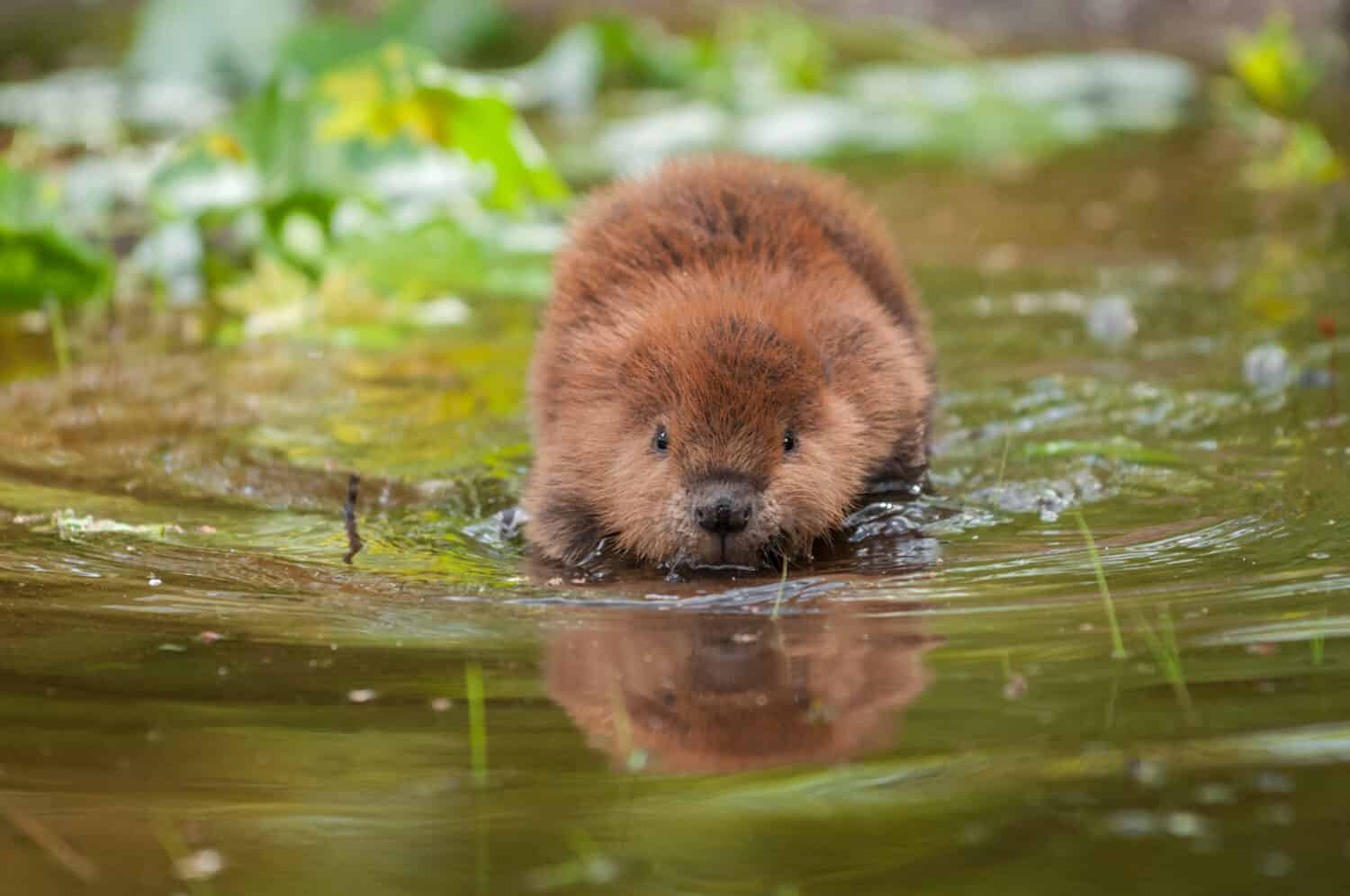
North American Beavers are both cute and resourceful.
©Holly Kuchera/Shutterstock.com
Since Silver Falls State Park is home to an incredible range of water sources, American beavers feel right at home. These large rodents are built for the water. They are characterized by big, flat tails and thick orange teeth that can cut through wood like a chainsaw. While they are most active at night, they are constantly constructing impressive feats of aquatic engineering. They chew down small trees and build them into lodges or dams. This compulsive construction tendency has important effects on the ecosystem. It reduces erosion and creates opportunities for other wildlife. Sometimes, visitors spot them building dams at Silver Creek as the sun sets.
Townsend’s Big-Eared Bat
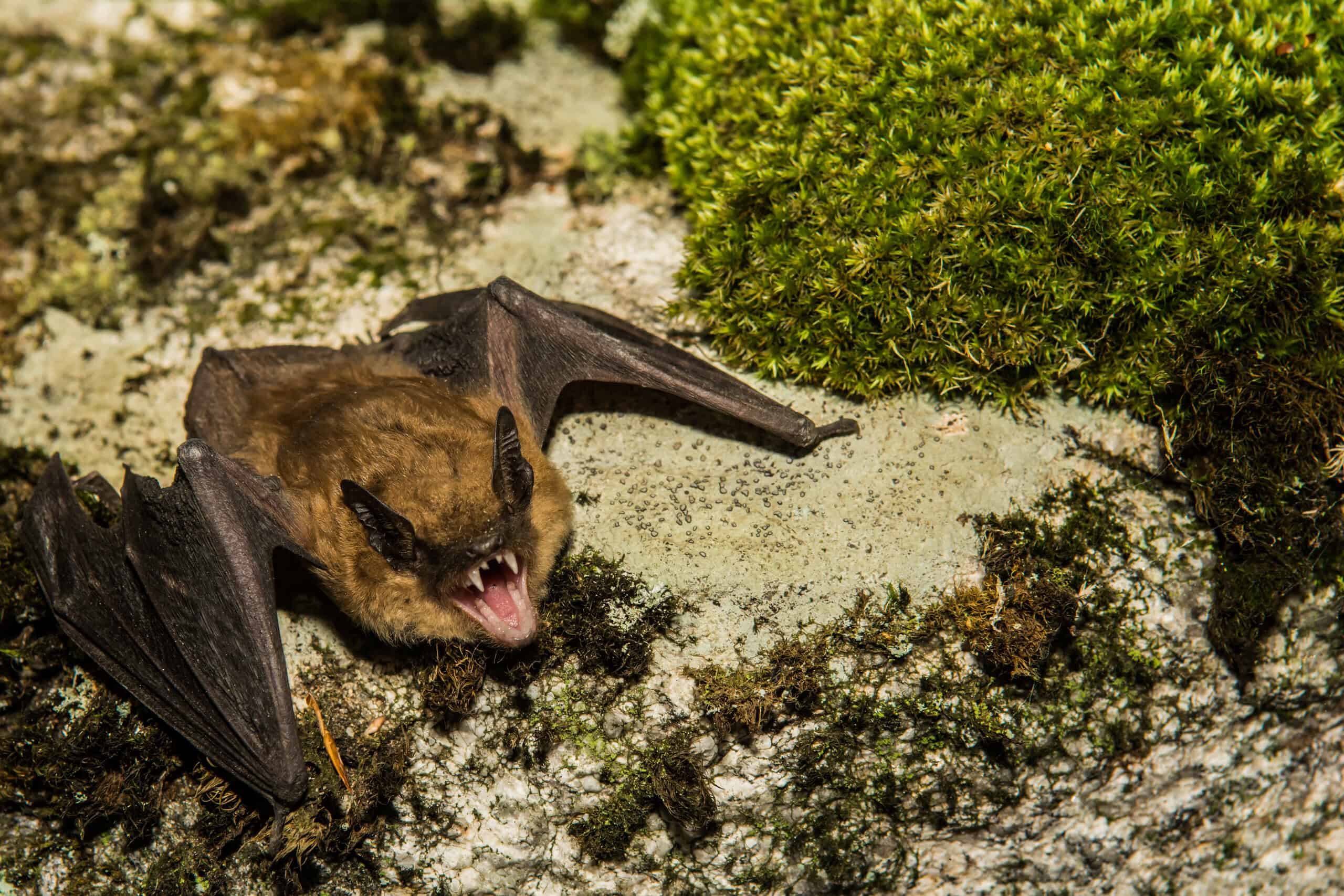
Townsend’s big-eared bats have large, elongated ears.
©Jay Ondreicka/Shutterstock.com
Another of the more elusive creatures that resides in Silver Falls State Park is the big-eared bat. Also known as the Townsend’s big-eared bat, this species of vesper bat is best known for its massive, elongated ears. They usually spend most of the day hidden. They venture out during the night to hunt moths, flies, dung beetles, and other small insects. While they are pretty hard creatures to spot, all things considered, they do live in Silver Falls State Park. Plus, the park has plenty of hidden caverns and rocky crevices under waterfalls for them to roost in. A colony of Townsend’s big-eared bats usually contains between 12 and 200 individuals. However, some colonies have been found with over 1,000 bats living inside. If you see them at Silver Falls State Park, it will most likely be as silhouettes, quickly darting through the waning light at dusk.
American Black Bear
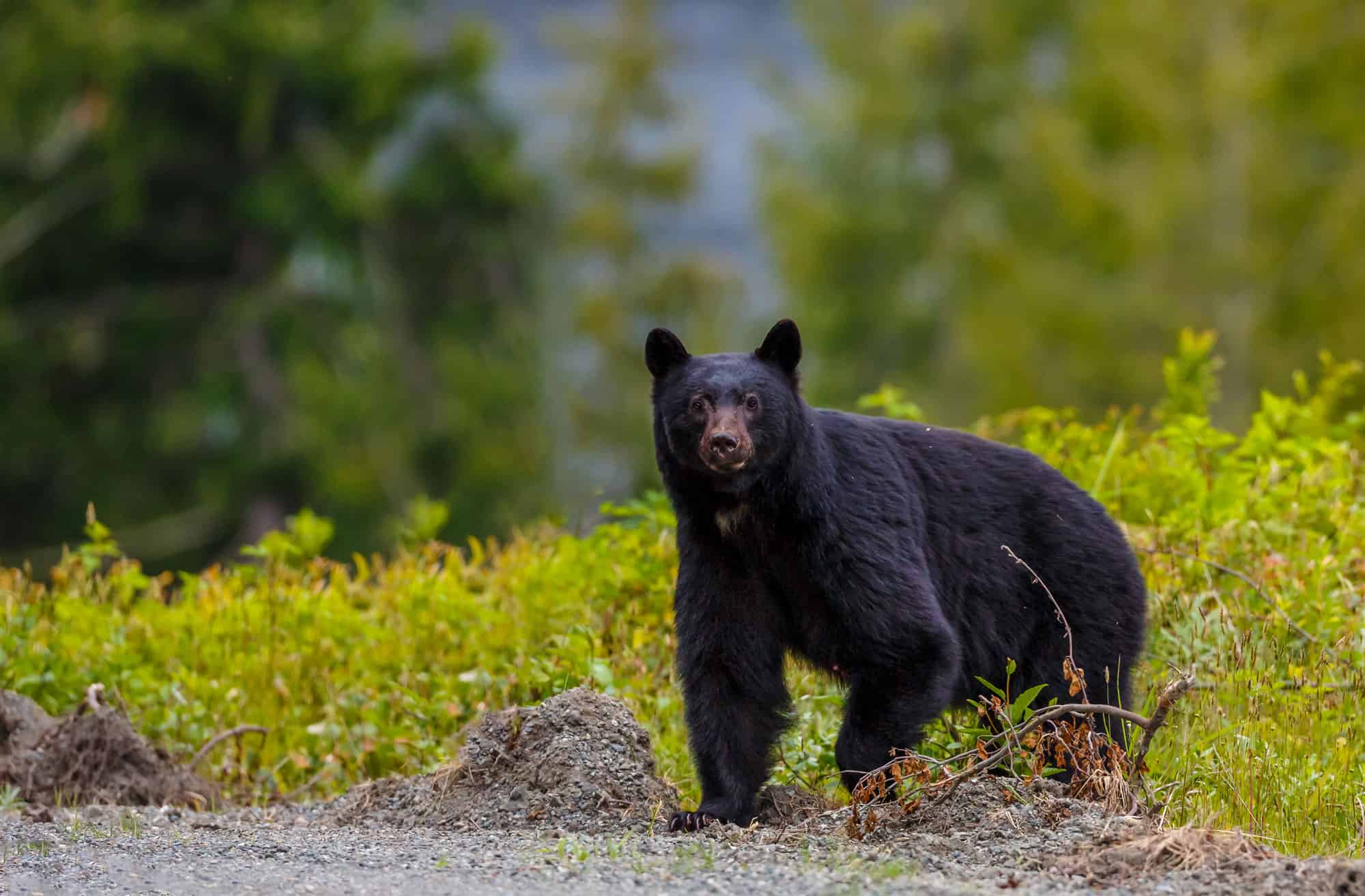
American Black Bears tend to stick to the more remote, back-country parts of Silver Falls State Park.
©Menno Schaefer/Shutterstock.com
Another rare creature found in Silver Falls State Park is the American Black Bear. They are large, potentially dangerous mammals, but they prefer to stay away from humans. For that reason, black bears are a rare but risky sight in Silver Falls State Park. The park has plenty of water sources for black bears to find fish in. That said, they usually stick to the more remote, backcountry areas of the 9,200-acre park. Even so, park officials warn visitors to always be on the lookout for large, dangerous mammals like American black bears. Especially during the fall months, black bears venture more into human-inhabited areas looking for food. This increases the chance of dangerous, potentially deadly human-bear interactions.
Coastal Cutthroat Trout
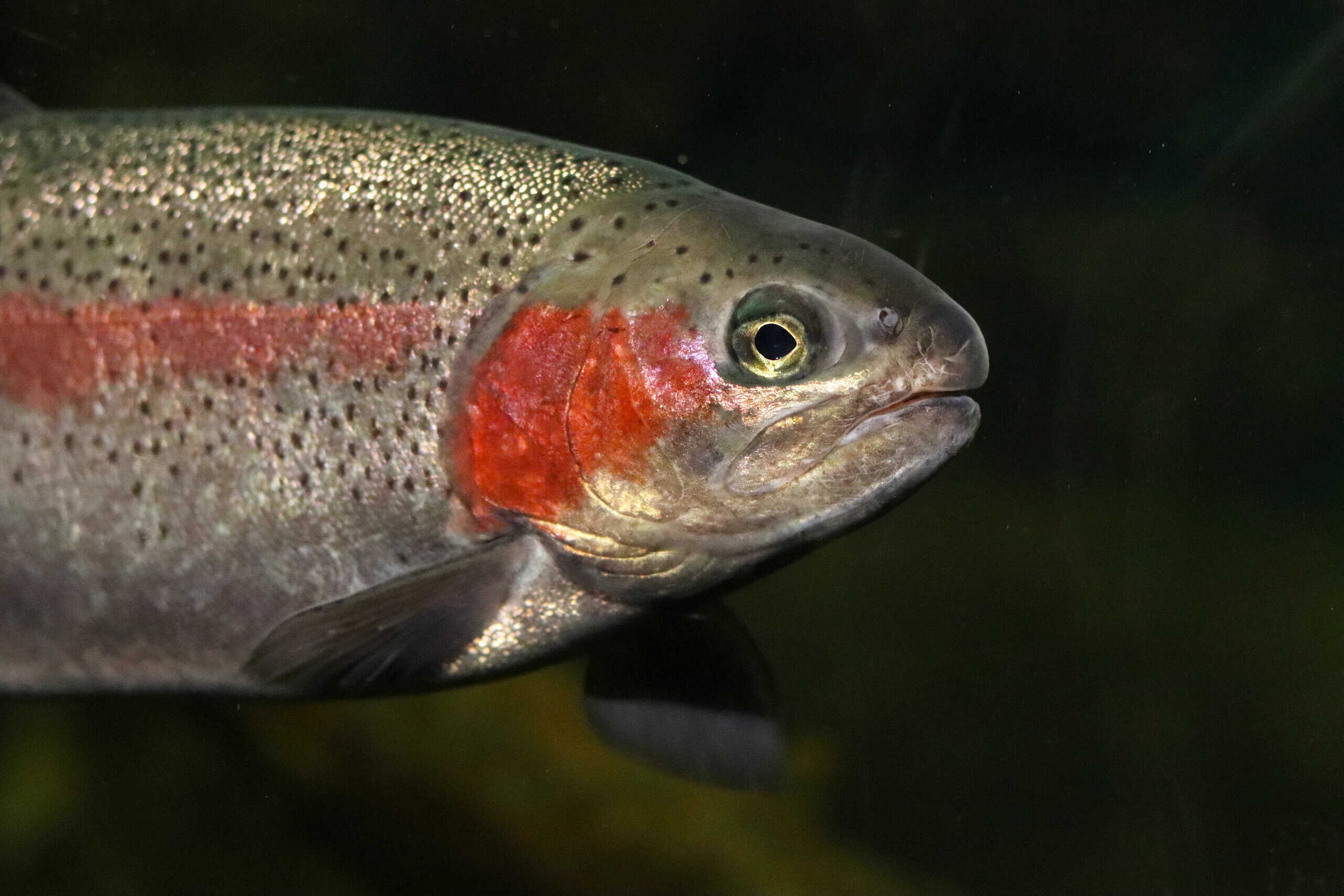
Coastal Cutthroat Trout often display red or orange markings on the underside of their throats, especially during spawning season.
©Sean Lema/Shutterstock.com
It wouldn’t be a guide to animals in Silver Falls State Park without mention of fish. Take the coastal cutthroat trout, for example. It is a member of the salmon family native to the ice-cold tributaries of the Pacific Ocean and the Rocky Mountains. Coastal Cutthroat Trout are characterized by their speckled brown and silver backs and distinctive red coloring on the underside of their throats. They usually live in small to large, shallow, well-oxygenated rivers with gravel bottoms.
They reproduce, however, in colder, deeper bodies of water. Due to Silver Falls State Park’s extensive variety of water sources, cutthroat trout can be found there in relatively abundant numbers. Cutthroat trout are a prized game fish for fishermen and anglers. Silver Falls State Park is less known for fishing compared to other Oregon state Parks. However, it has plenty of great shore and fly fishing opportunities.
Northern Rubber Boa
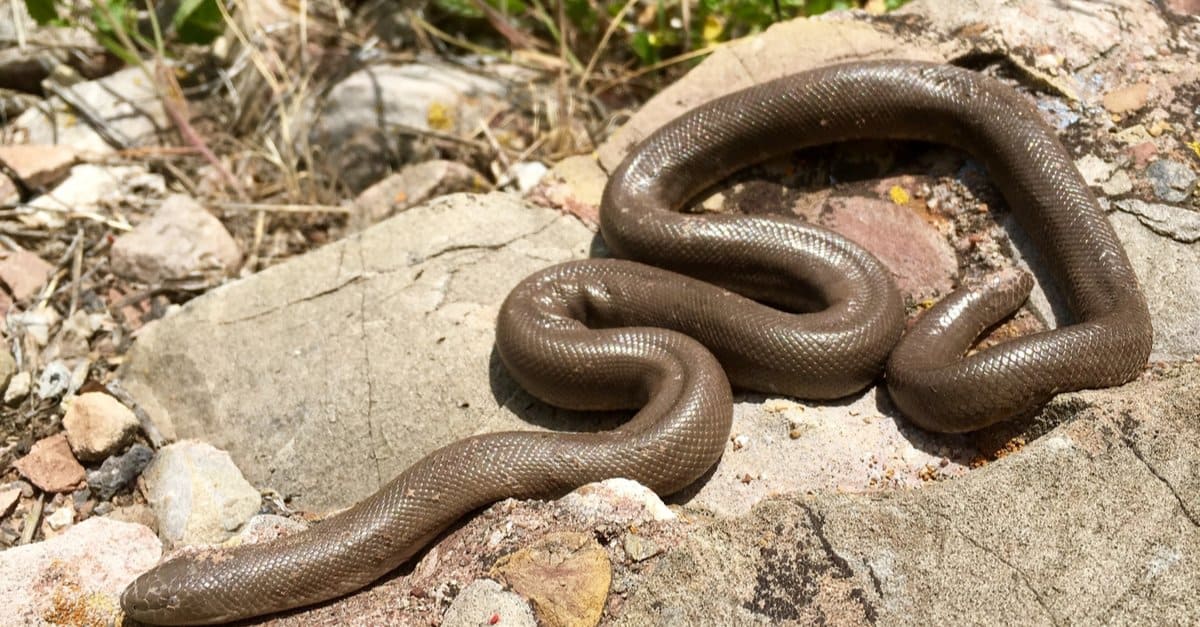
Rubber boas are some of the most docile snakes in the world.
©Matt Jeppson/Shutterstock.com
Don’t be fooled by the name or the reputation of other types of boa snakes; the northern rubber boa is pretty chill. Also known as coastal rubber boas, these snakes have small eyes and scales that make their bodies look like pieces of slithering rubber. Color-wise, they can be either tan or dark brown. They also have rare shades of olive-green or orange. Northern rubber boas are not very tolerant of high temperatures, so they remain one of the most northerly of all boa species.
They can be found in grasslands, meadows, and forests, but usually prefer places with some moisture. Northern rubber boas may be a scary sight to young birds, mice, and shrews, but they are among the most docile snakes on earth. In fact, they are considered one of the best snakes to help people overcome their fear of snakes. They rarely bite or strike at people under any circumstances. Suffice it to say that if you’re going to run into a snake at Silver Falls State Park, you will want it to be a northern rubber boa.
Anna’s Hummingbird
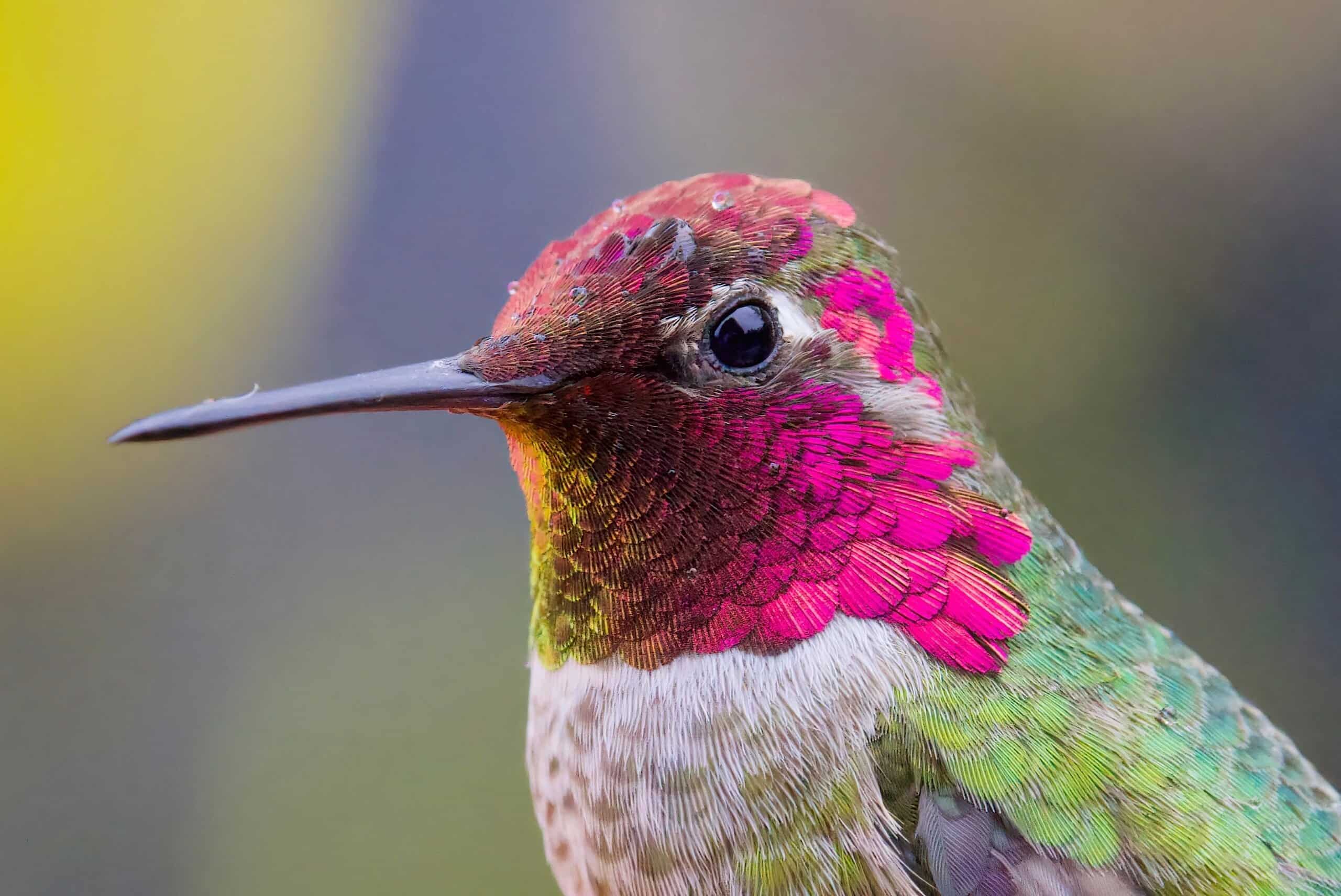
Anna’s Hummingbirds are found all across the Pacific Northwest.
©JMONTYGO/Shutterstock.com
Hummingbirds can be found all around North and South America. While most hummingbird species in North America are still migratory, Anna’s Hummingbird has expanded its year-round range northward in recent decades. Thanks to an increasing number of ornamental plants along the Pacific coast, however, birds like Anna’s hummingbirds have been provided with an increasing number of nectar and nesting sites. Now, they can live in areas like Silver Falls State Park all year round. They are characterized by iridescent backs, green flanks, and grey chests, but one feature makes these hummingbirds stand out. Males are the only type of hummingbird in North America with a red crown.
While these feisty little birds typically forage for nectar from flowering plants or sugar-water feeders, they are also known to capture and eat insects. They are a rarer sight than Rufous hummingbirds in Silver Falls State Park, but no less feisty. Hummingbirds of all types are known to buzz and divebomb people when they feel threatened or consider the people to be a nuisance. Anyone who maintains a hummingbird feeder knows all about hummingbirds and their fiery spirits.