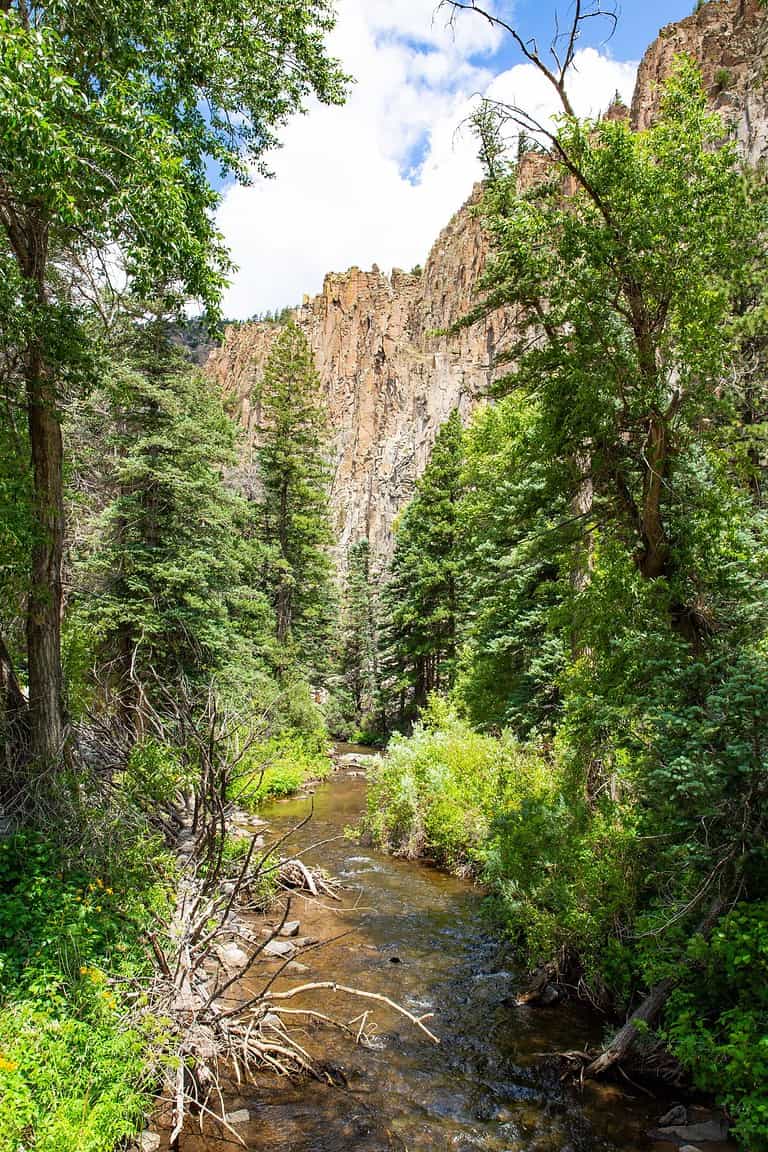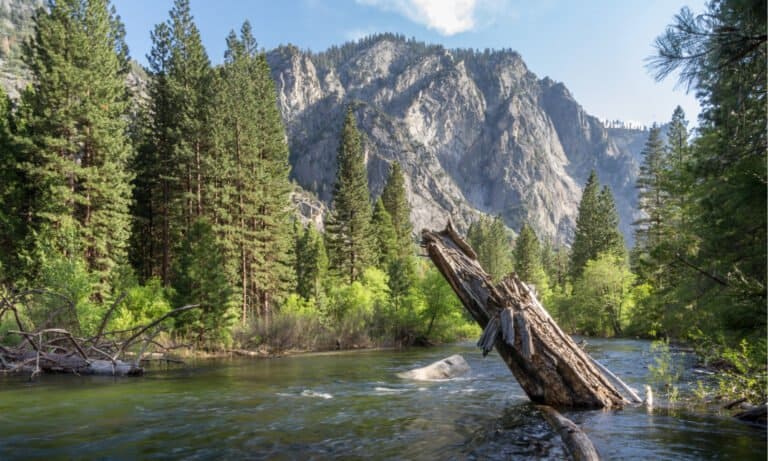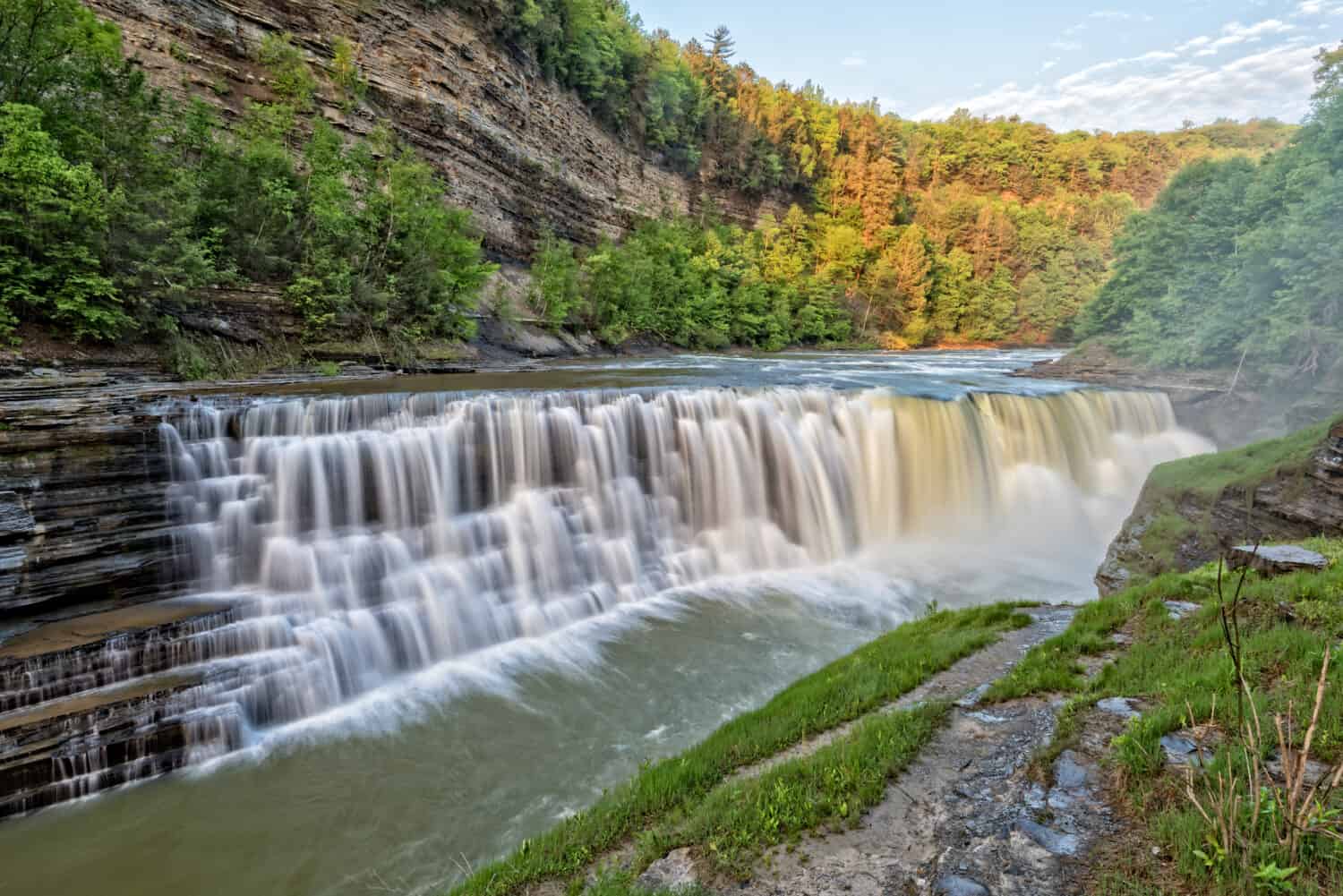

Letchworth State Park, often called the “Grand Canyon of the East,” stretches for 17 miles along the Genesee River in western New York. Its 14,500 acres include a dramatic gorge with 600-foot cliffs and three major waterfalls. Up to a million people visit every year to take in the scenery, hike 66 miles of trails, camp, raft, or kayak, and spot wildlife. There is a huge variety of animals, from iconic bald eagles to elusive black bears. Here are some of the most noteworthy species you might discover and tips on when and where to find them.
Bald Eagle (Haliaeetus leucocephalus)
Bald Eagle (Haliaeetus leucocephalus)
©iStock.com/ca2hill
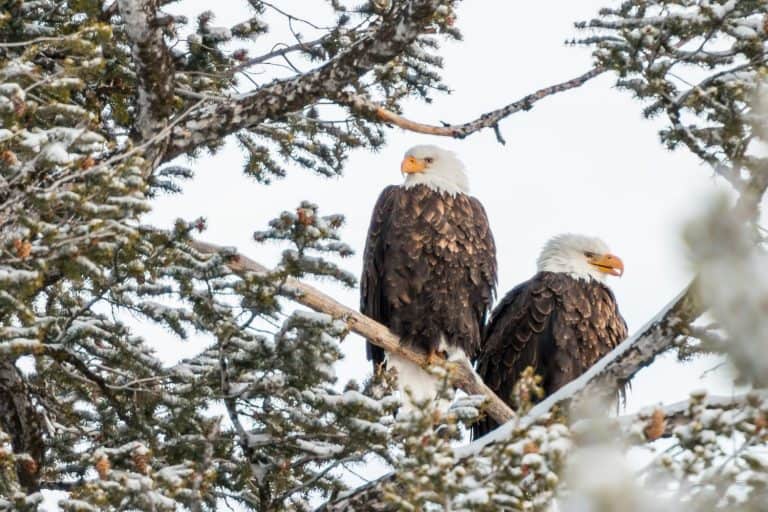
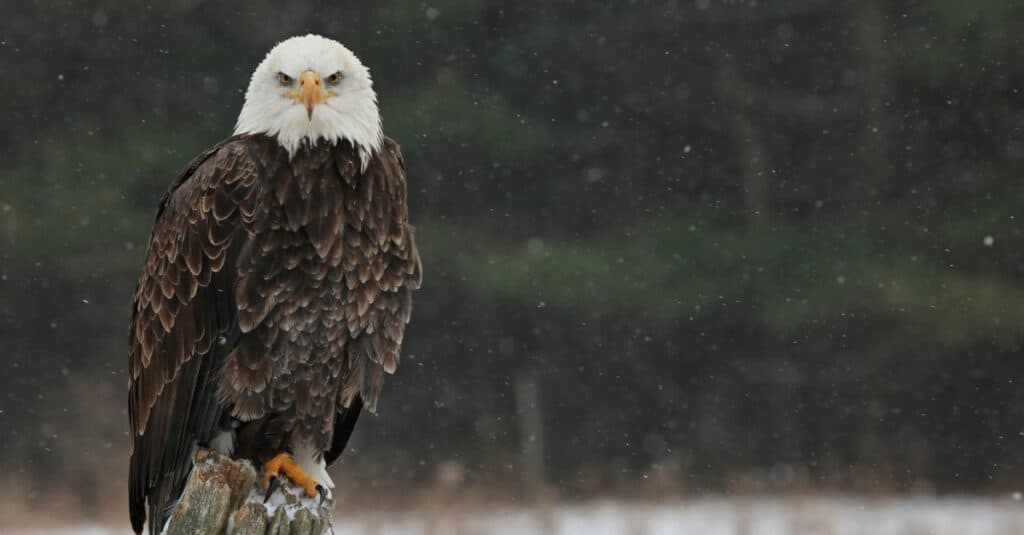
The return of the bald eagle to Letchworth is one of the region’s top wildlife success stories. Since reintroduction efforts began in the late 1970s, these majestic birds have nested every year on park cliffs and tall riverside trees. Usually, one or two pairs are present, raising chicks in spring and early summer. Bald eagles are most visible soaring above the gorge or perched in dead trees overlooking the Genesee, especially near Trout Pond and the lower falls. Binoculars are recommended for eagle watching. Sightings are most reliable between January and July.
White-Tailed Deer (Odocoileus virginianus)
White-Tailed Deer (Odocoileus virginianus)
©Amy Lutz/Shutterstock.com
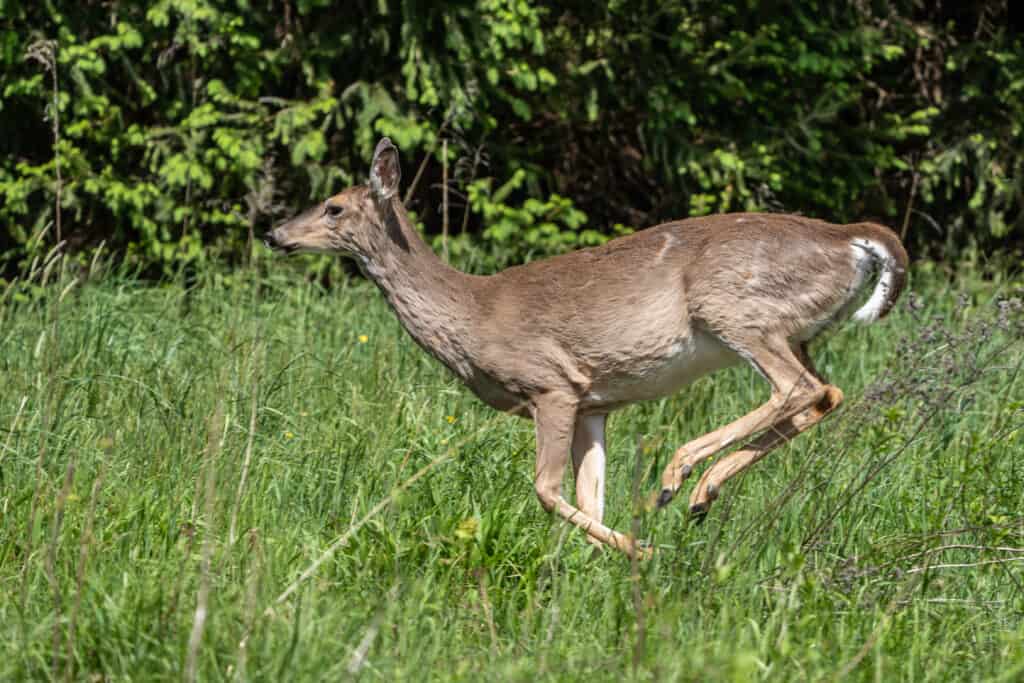
Deer are among the park’s most familiar mammals, frequently spotted along roadsides, picnic areas, meadows, and trails. Late evening is the best time to see them grazing in groups. Their tracks are visible year-round, especially in fresh snow. They are most active in the fall breeding season, called the rut. Males challenge one another and lock horns in epic battles for the right to claim the females of their choice. From early spring to midsummer, visitors may spot fawns with spotted coats. If you find one lying alone in the woods, don’t touch it, and there’s no need to call authorities. Mother deer routinely leave their fawns concealed in the woods while they forage.
Eastern Coyote (Canis latrans)
Eastern Coyote (Canis latrans)
©Wirestock/iStock via Getty Images
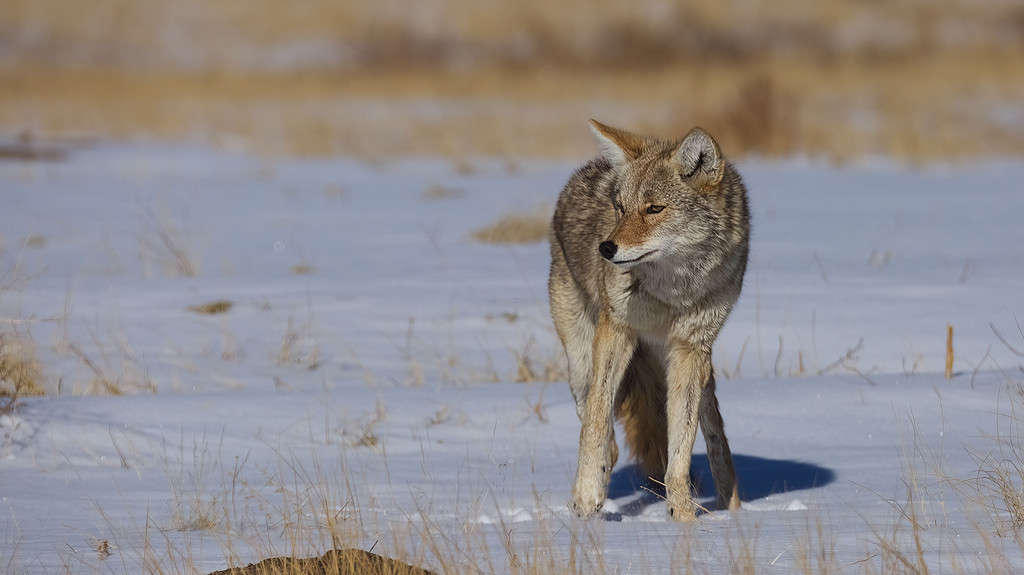
The eastern coyote has spread across upstate New York, including Letchworth. They resemble small wolves and feed on mice, birds, squirrels, and other small animals. DNA analysis shows that many northeastern coyotes are actually coyote-wolf hybrids (sometimes called ‘coywolves’), with a small percentage of domestic dog ancestry. This hybridization helps account for their differences from western coyotes, which are generally smaller. Coyotes are shy, but they are most often glimpsed crossing open fields or moving along remote trails at dusk or dawn. Even if you don’t see them, you may hear their yipping calls at night.
Red Fox (Vulpes vulpes)
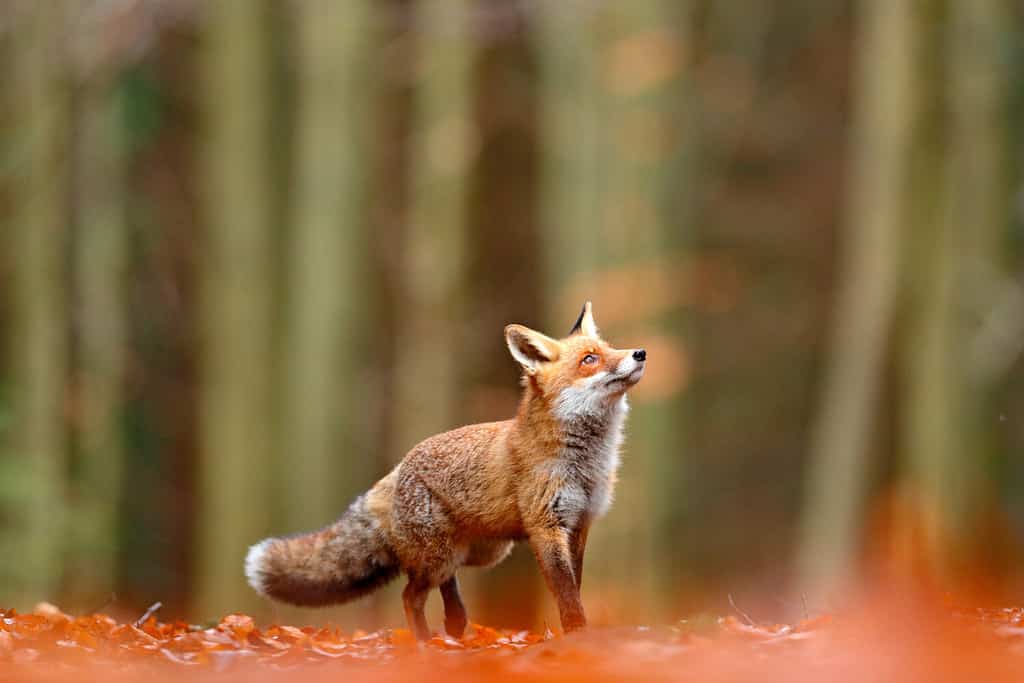
Red Fox (Vulpes vulpes)
©Ondrej Prosicky/Shutterstock.com
Around meadows and woodland edges, you might spot a red fox in the park. They are active year-round and are occasionally seen hunting rodents, crossing roads, or trotting along field margins in the morning. Foxes raise pups in dens dug into sandy soil, and spotting one of these quick, ginger-coated animals with their bushy, white-tipped tails is a highlight for lucky visitors.
Great Blue Heron (Ardea herodias)
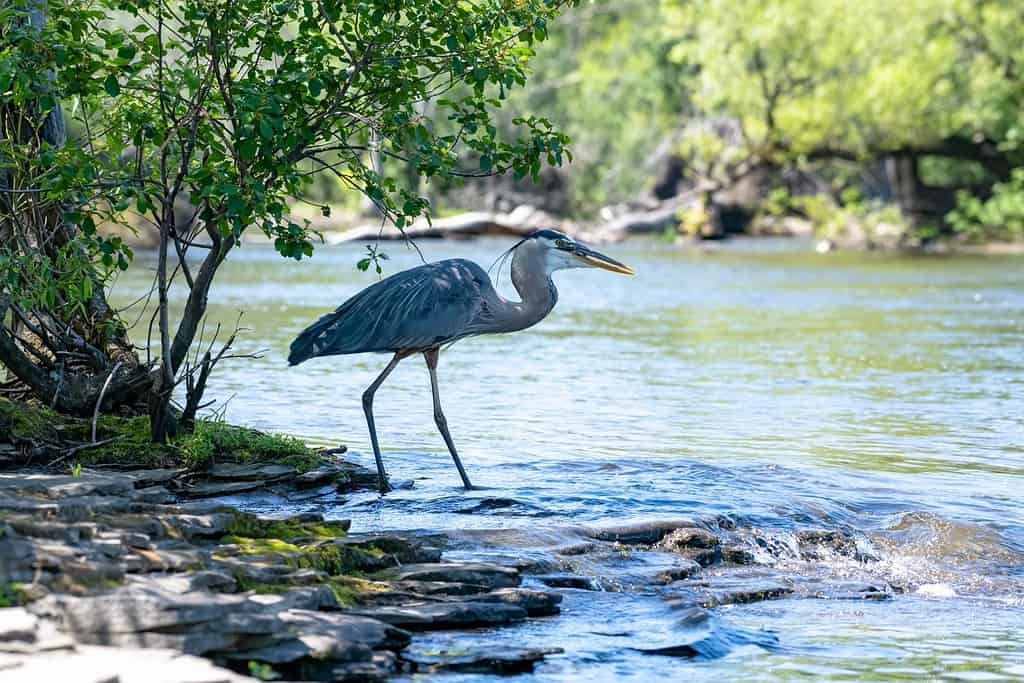
Great Blue Heron (Ardea herodias)
©Karen Hogan/Shutterstock.com
The Genesee River and wetlands within the park support thriving rookeries of great blue herons, with over 100 nests recorded. These tall birds often forage in shallow water, patiently spearing fish, frogs, or crayfish. Their deliberate movements and large size make them easy to observe, especially in spring and summer near the river or Silver Lake Outlet.
Hooded Warbler (Setophaga citrina)
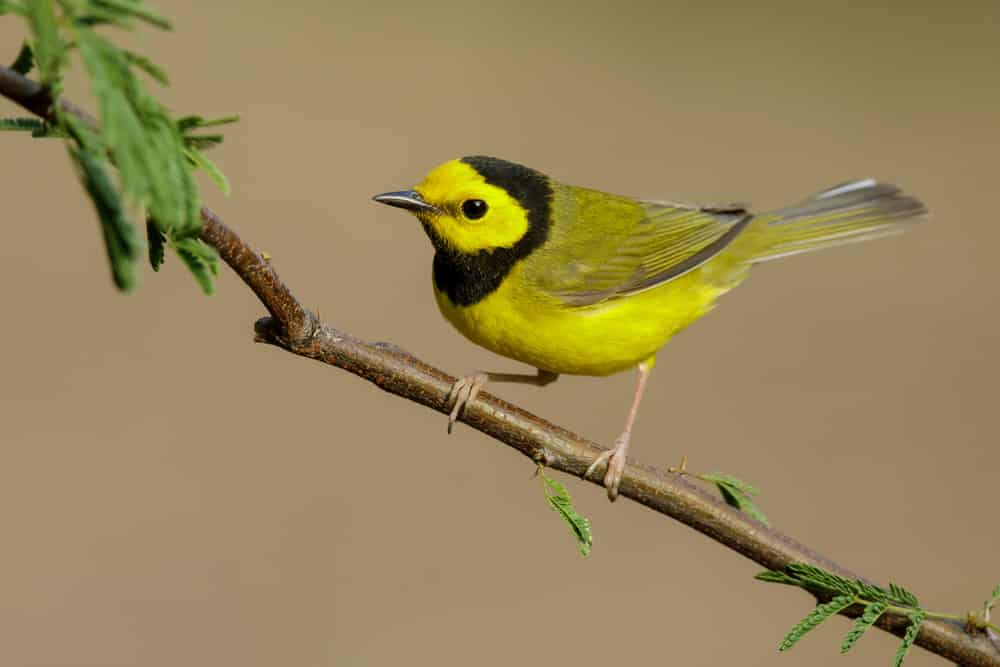
Hooded Warbler (Setophaga citrina)
©Agami Photo Agency/Shutterstock.com
This bright yellow songbird with a bold black hood is one of more than 30 warbler species nesting in the park each year. Hooded warblers forage close to the ground in dense shrubs and young forests, especially after leaf-out in late spring. Birders can hear their distinctive “ta-wit ta-wit tee-yo” calls on warm mornings. With more than 500 pairs estimated in the park, May and June offer the best chances to encounter these lively songbirds.
Timber Rattlesnake (Crotalus horridus)

Timber Rattlesnake (Crotalus horridus)
©Joe McDonald/Shutterstock.com
Letchworth harbors a small, protected population of timber rattlesnakes, one of only three venomous snake species in New York, along with the eastern copperhead and eastern massasauga rattlesnake. These reptiles prefer rocky, south-facing slopes and are most often seen sunning on logs or rocks near their dens in spring and fall. Sightings are rare because they inhabit quiet, remote gorge areas with little human activity. As populations decline elsewhere, the park offers vital habitat for this vulnerable species. Rangers at the Humphrey Nature Center often share more about their behavior and safety.
Wild Turkey (Meleagris gallopavo)
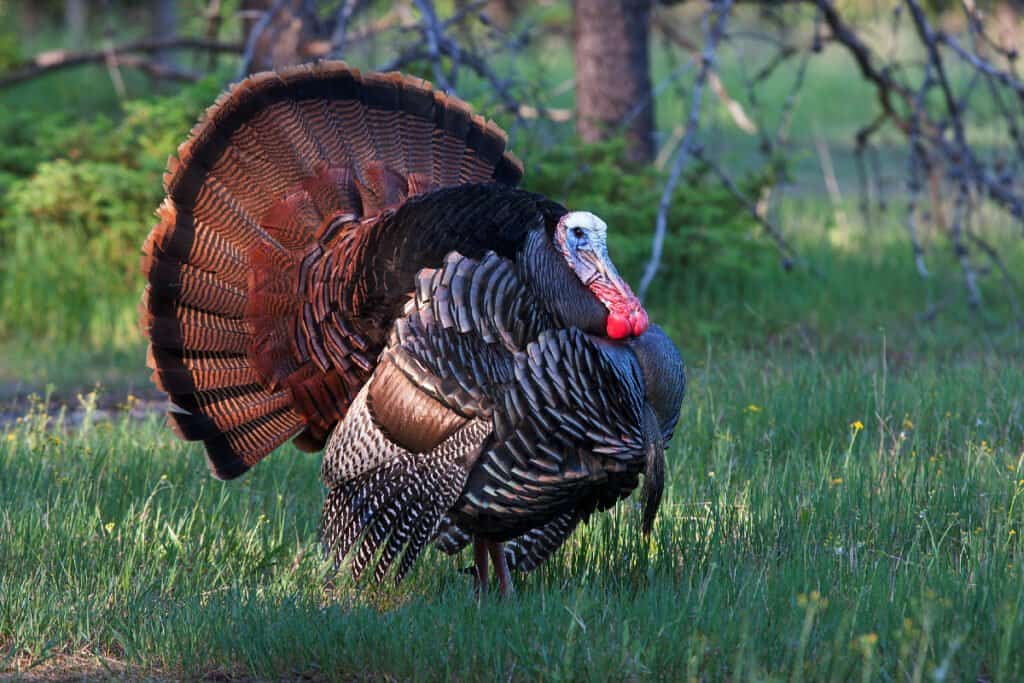
Wild Turkey (Meleagris gallopavo)
©Jim Cumming/Shutterstock.com
In spring and early summer, it is not surprising to see wild turkeys roaming fields and open park areas. While the males strut, posture, and gobble, the hens lead broods of chicks through the grasslands. Turkeys have rebounded strongly in New York and are now a common sight in Letchworth. Look for them early in the morning or at twilight when crowds are thinner.
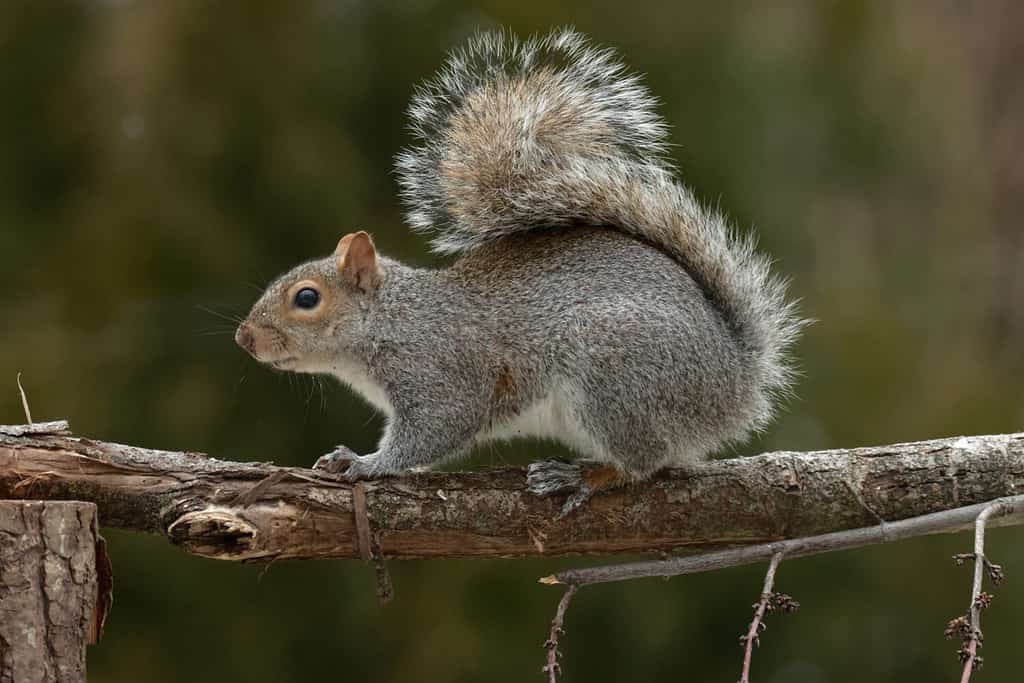
Eastern Gray Squirrel (Sciurus carolinensis)
Eastern Gray Squirrel (Sciurus carolinensis)
©My Generations Art/Shutterstock.com
Gray squirrels are one of the park’s most visible mammals, active in forests, picnic groves, and campgrounds. Both the standard gray form and a rare black morph occur here. Squirrels are easily seen gathering acorns, chasing each other in trees, or raiding bird feeders. Their bold behavior makes them a favorite subject for wildlife photography.
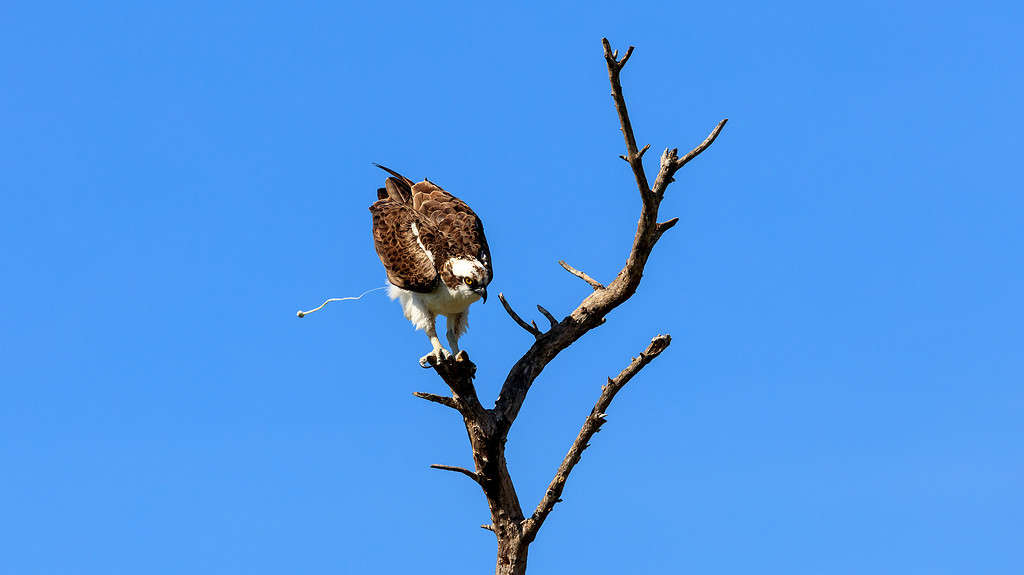
Osprey (Pandion haliaetus)
Osprey (Pandion haliaetus)
©Ullimi/iStock via Getty Images
Ospreys, also known as fish hawks, are a familiar sight at Letchworth, hovering over the river before diving feet-first to seize fish. Their dark eye stripes and sharp calls make them easy to spot along the gorge. Each spring, pairs rebuild large stick nests high in trees or on utility poles near open water. Visitors may see adults carrying branches or fish to feed their chicks. Osprey are most active from April through September, especially near the Genesee River and Trout Pond. By fall, they head south, leaving their sturdy nests perched above the quiet gorge.
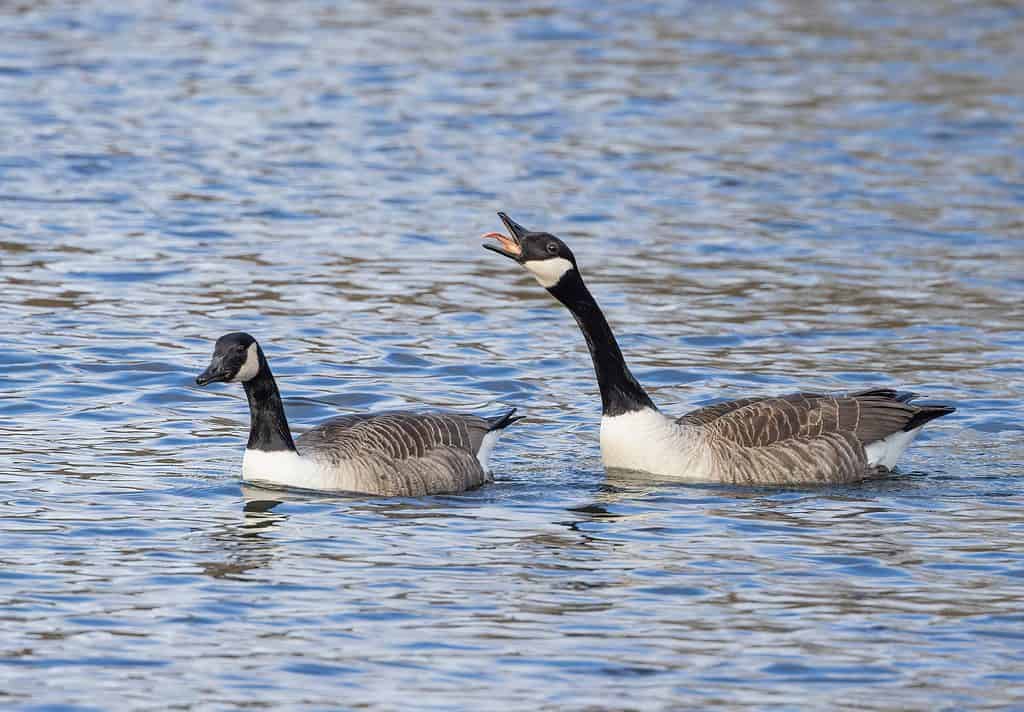
Canada Goose (Branta canadensis)
Canada Goose (Branta canadensis)
©Richard Hadfield/Shutterstock.com
Thousands of Canada geese gather below the Mt. Morris Dam in winter, sometimes more than 2,000 at once. Their honking fills the gorge as they feed and rest on the river and nearby meadows. By spring, pairs nest on grassy banks or islands, lining their nests with down. Soon, goslings appear, following their parents in tight lines across ponds and lawns. In autumn, V-shaped flocks sweep over the park, their calls echoing through the canyon as they head south. Even in midwinter, a few hardy geese remain wherever the Genesee stays unfrozen.
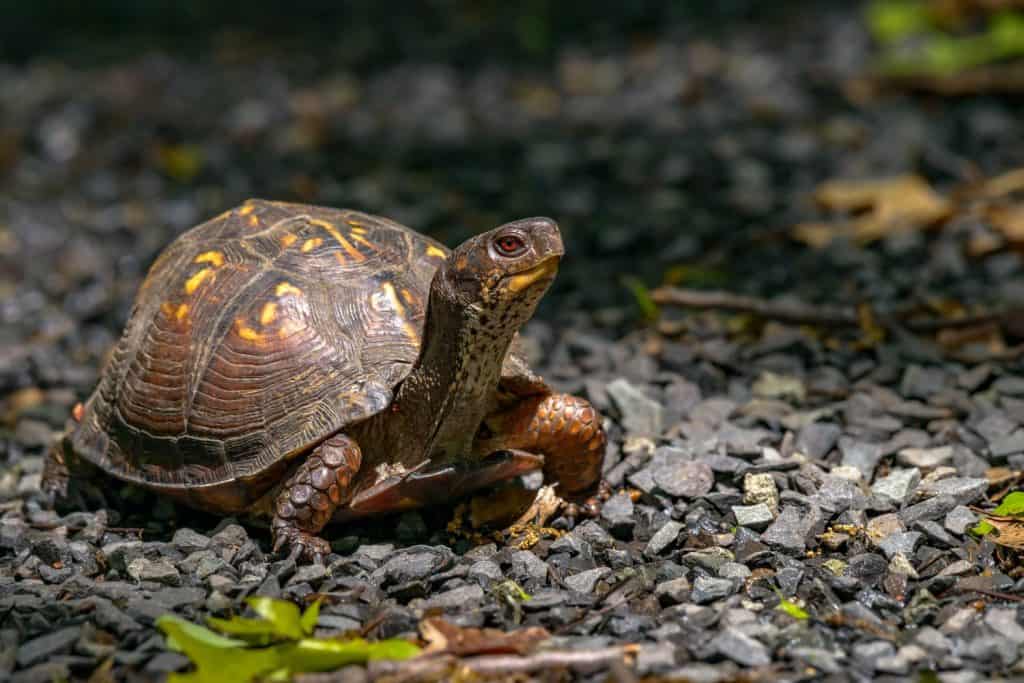
Eastern Box Turtle (Terrapene carolina carolina)
Eastern Box Turtle (Terrapene carolina carolina)
©jgorzynik/Shutterstock.com
Box turtles inhabit forest clearings and damp leaf litter in the park. Though slow-moving and well camouflaged, they may be found after rains or near shallow pools. Their domed shells and patterned markings provide a defense against predators. These turtles are ecologically important, dispersing seeds in their scat and controlling insect populations.
Black Bear (Ursus americanus)
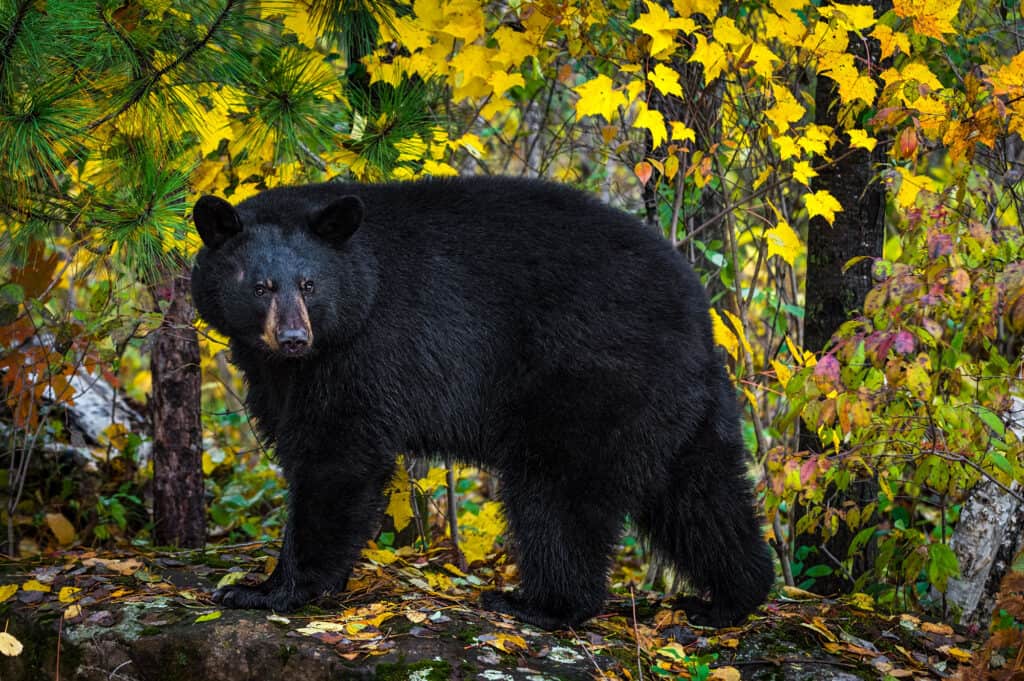
Black Bear (Ursus americanus)
©Holly Kuchera/Shutterstock.com
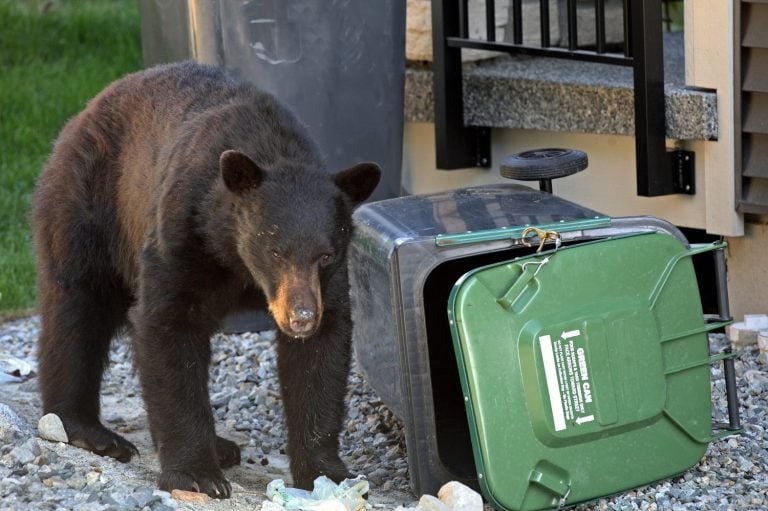
Roaming the deep woods, black bears can be hard to see because they avoid crowds and busy trails. The best chance to spot a bear is along less-traveled paths on the east side of the park during early morning or dusk. Bears forage widely for fruit, nuts, insects, and sometimes garbage, leaving tracks or scat along muddy paths. Even though sightings are rare, Letchworth remains one of the best places in western New York to encounter a wild black bear.
Experience the Wild Side of New York
Of course, this is only the beginning of all the wildlife Letchworth State Park has to offer. Patient visitors may also encounter all sorts of other small mammals, amphibians, reptiles, and countless birds. For serious wildlife watchers, a quiet morning hike or a riverside picnic can bring unforgettable encounters with the natural world. This gorge-side paradise offers endless opportunities to experience New York’s wild side.