
Quick Take
- Ruby-throated hummingbirds may average around 20 miles per day during migration, though actual daily distances can vary widely and may be much greater during certain segments, such as the Gulf crossing.
- A 10-day arrival gap between the birds’ genders is common, with male hummingbirds arriving in the United States first.
- The Gulf Coast region, including Texas, Louisiana, Mississippi, Alabama, and the Florida Panhandle, serves as the primary entry point for ruby-throated hummingbirds returning to the United States.
- Monitoring southerly flow wind patterns is necessary to predict the timing of the Gulf crossing, as wind greatly affects how efficiently hummingbirds can travel.
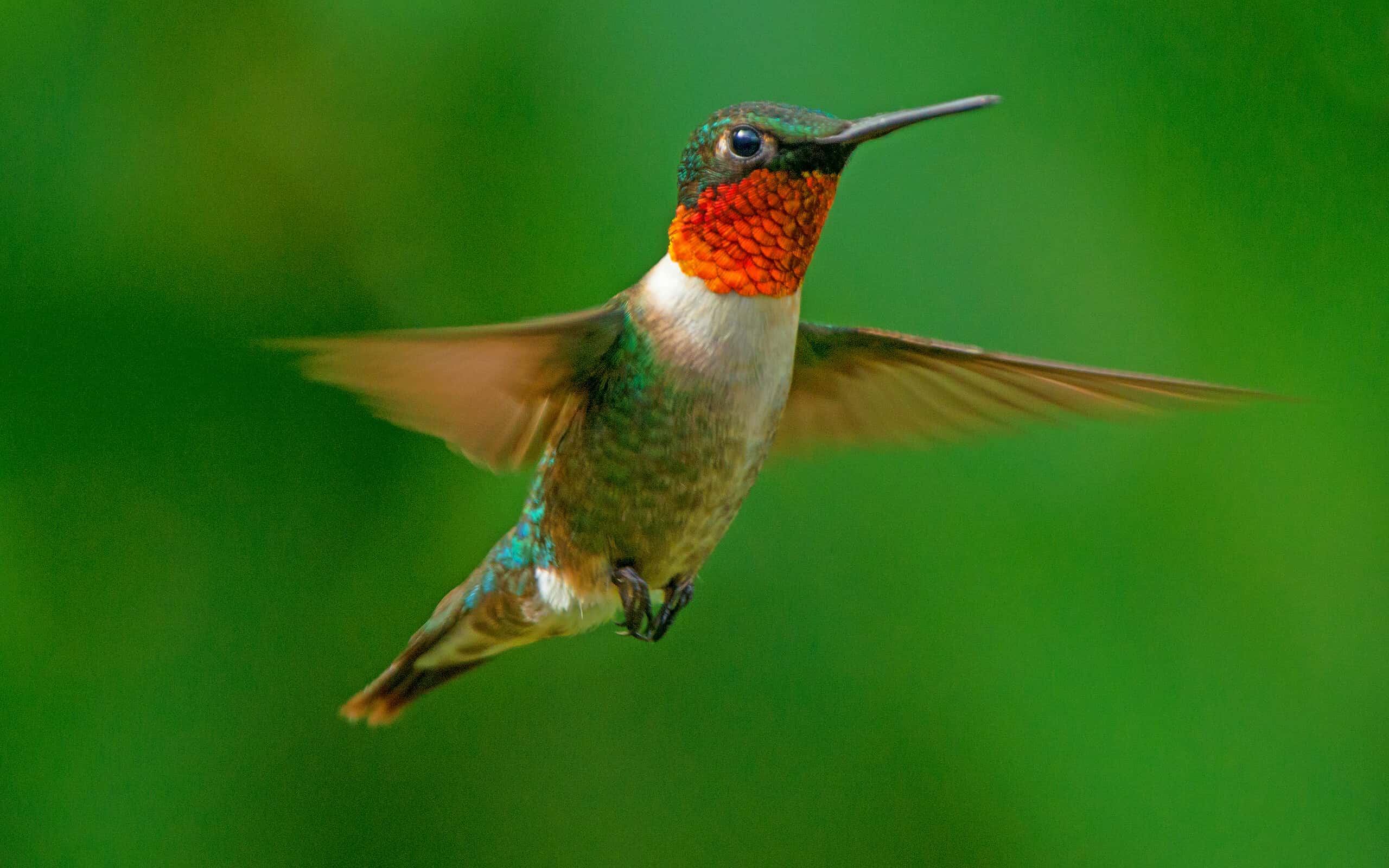
Ruby-throated hummingbird season is an annual event in the eastern United States, kicking off during the month of March. While the return of these beautiful birds doesn’t happen everywhere at once, their arrival begins along the Gulf Coast and pushes into the Southeast as multiple factors support their migration. As Journey North’s ruby-throat migration guide explains, the first birds reach the U.S. coast in late February or early March, with males usually arriving at their preferred destinations before females.
It’s important to note that these hummingbirds need food fast, as their journey is extremely taxing. Once ruby-throats reach North America, their migration generally proceeds at about 20 miles per day and tends to track the earliest blooming flowers. These birds are moving north on a schedule shaped as much by nectar and weather as by the geography of this region. If you’re interested in knowing where these hummingbirds will arrive first, this is the guide for you.
Besides knowing where they’ll be arriving, coastal habitats, blooming vines and shrubs, sap wells, insects, and clean feeders make all the difference in the first weeks of their travel. Here’s how you can spot these beautiful hummingbirds, as well as how you can make your own backyard a supportive environment for them.
Why Ruby-Throated Hummingbirds Reappear in March
Ruby-throated hummingbirds spend their time wintering in Mexico and Central America, then begin moving north as spring warms these locations up. Their route into the United States is shaped primarily by the Gulf of Mexico. According to Cornell’s range map for this species, some birds cross the Gulf directly, while others loop around it along the coast. This is the primary reason why the first March arrivals tend to cluster in Texas, Louisiana, the Florida Panhandle, coastal Alabama, Mississippi, and the broader Gulf region before pushing inland and up the Atlantic side of the U.S.

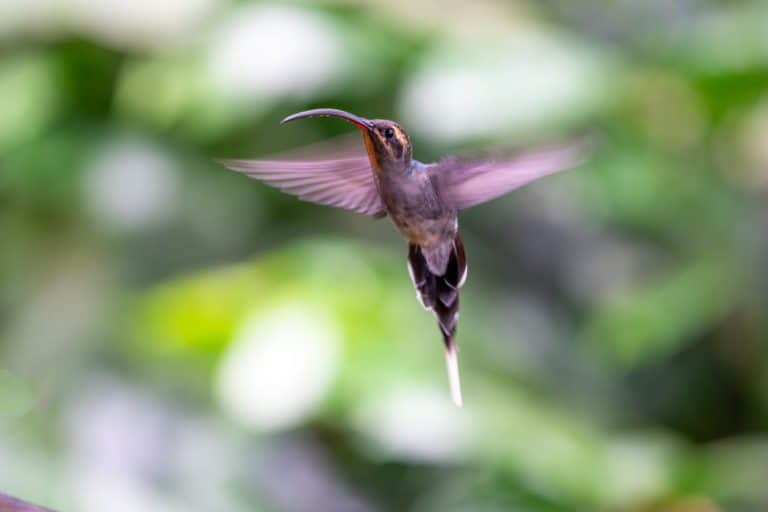
Ruby-throated hummingbirds travel from Mexico and up the Gulf Coast during springtime.
©Cavan Images/iStock via Getty Images
Most observations note that the males of the species depart first, and females generally follow about ten days later. South Carolina’s wildlife agency has long described a similar pattern on the ground, noting that males begin showing up in the state in late March, with females arriving about a week later. This is largely so males can find valuable feeding grounds before females, preserving their energy and ensuring they can easily find an ideal spot for breeding and future migratory habits.
Where Do These Hummingbirds Show Up First?
The biggest early-arrival hot zones for ruby-throated hummingbirds are the places closest to the first U.S. landfall, as well as the first dependable blooms of spring. The Gulf Coast is the main region, with the earliest reports stacking up first across south Texas, coastal Louisiana, parts of Mississippi and Alabama, and the Florida Panhandle before the pattern eventually thickens eastward and northward, as weather improves.
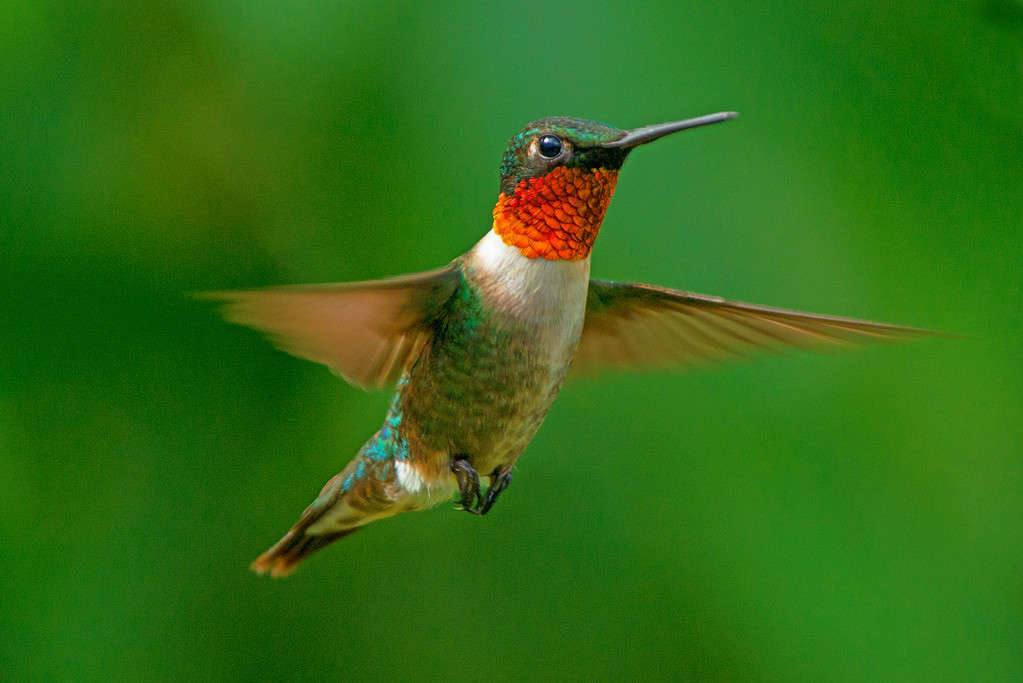
Multiple states witness this hummingbird migration first, with males arriving before females to scout out ideal feeding grounds.
©CarolinaBirdman/iStock via Getty Images
Texas is one of the earliest places to spot these beauties, even though the species is more closely associated with the eastern half of the continent than with this particular state. Texas Parks and Wildlife’s migration timing guide lists ruby-throated hummingbirds as an early-season migrant in Texas, arriving anytime from late March to mid-May, making it an ideal place to view this migration in action.
Georgia is also one of the most obvious states in their migration sequence. The University of Georgia Extension’s February 2026 prep guide says ruby-throated hummingbirds in Georgia generally arrive between late March and early April, similarly to Texas’s timing. Meanwhile, South Carolina’s first males tend to gather in late March. No matter the specific timing, it’s clear that hummingbirds arrive in the Gulf Coast first, then Georgia and coastal South Carolina as March continues, then farther north as April progresses.
How the Migration Moves North, Week By Week
The first week or two of March has hummingbirds primarily concentrated around the Gulf Coast. This is when birders in coastal Texas, Louisiana, Mississippi, Alabama, and the Florida Panhandle are most likely to start seeing the earliest males. If you want to know whether the season has truly started, keeping an eye on the Gulf area is your best bet.
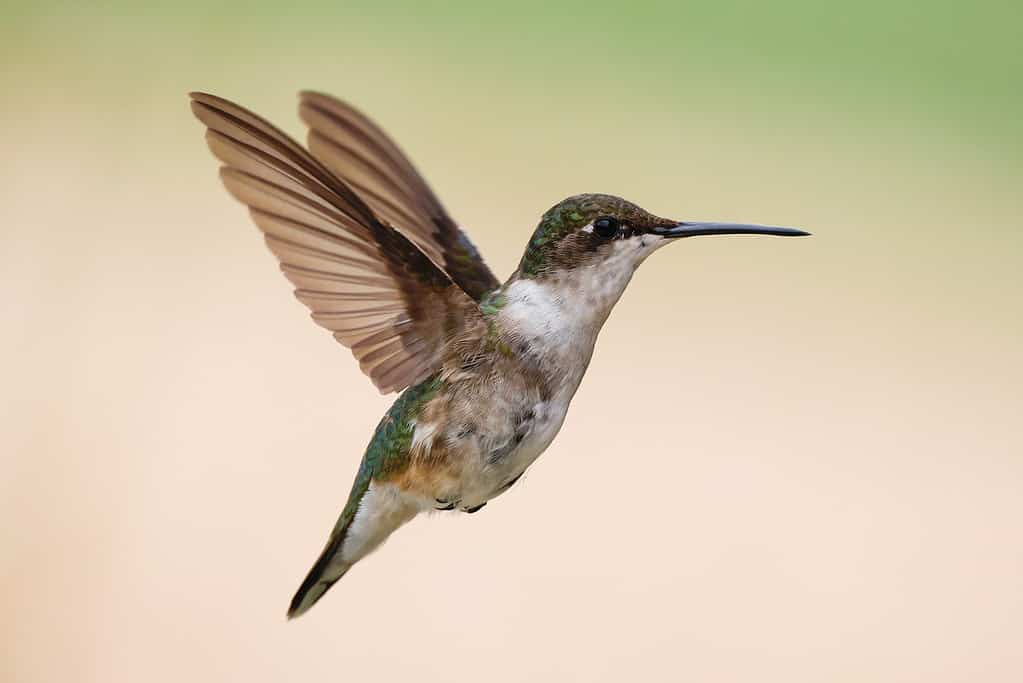
Mid-March brings ruby-throated hummingbirds across the broader Southeast region, with northern states seeing them much later in the spring.
©cfabian/iStock via Getty Images
By mid-March, the wave usually begins thickening across the broader Southeast region. Plus, there are still birds arriving along the coast, but more reports start filling inland portions of the Gulf states and the Deep South. Food can still be patchy for the first hummingbird arrivals, which is a common mid-March problem that these birds face.
By late March, Georgia and South Carolina have a healthier population of these birds. Farther north than that, most people are still waiting, and will continue waiting for ruby-throats, especially for the Mid-Atlantic and states farther inland. This makes March an ideal month for getting your backyard ready to support these birds, even if you can’t see them just yet.
What About Hummingbirds In Other Locations?
Outside the Gulf Coast and lower Southeast, March may not have many ruby-throated hummingbirds flying past. For example, in North Carolina, NC State Extension says most hummingbirds aren’t passing through until late March, largely part of subsequent waves rather than the first one.
Tennessee falls into a similar pattern, according to the University of Tennessee’s hummingbird gardening guide. The state notes that the earliest spring migrants arrive by late March, but it also has an important reminder that many people do not see their first bird until about the second week of April. While Tennessee has a possible March viewing window, it will not be the kind of widespread early-month activity you get closer to the Gulf.
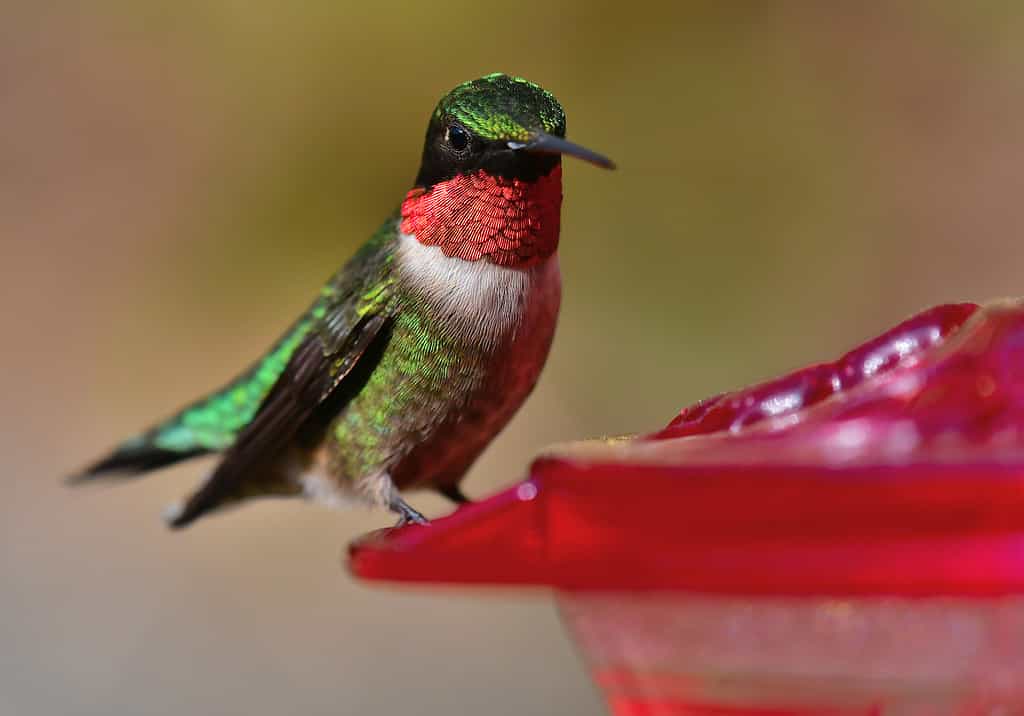
Arkansas is another possible state that sees hummingbirds during March, but it all depends on weather.
©Robert Winkler/iStock via Getty Images
Arkansas has a stronger March case than people sometimes expect, based on guidance from the University of Arkansas System Division of Agriculture. According to the state, ruby-throated hummingbirds typically arrive there between mid-March and late April, which puts the state just beyond the earliest Gulf migration, but not too far beyond when northern states actually see these birds.
Farther north than these states, March is usually still a prep month, so keep this in mind if you’re looking forward to seeing ruby-throated hummingbirds in your own backyard. The Pennsylvania Game Commission says they generally arrive in Pennsylvania in late April and May, with males naturally appearing before females, so states in this region are usually still waiting in March, even if migration is already underway farther south.
Weather Patterns and Flowers That Help Hummingbirds Migrate
Weather is deeply important to any migrating bird or insect, as it determines how hard the trip is as well as how promising the landing zone might be once birds arrive. Observers of this species are encouraged to watch wind maps to predict their Gulf crossings; wind is ultimately detrimental to a small bird that may be flying hundreds of miles over water or skirting the coast in exposed conditions. Warm southerly flow can help the migration advance, while headwinds and bad storms can hold birds back or leave them badly depleted, potentially unable to complete their journey.
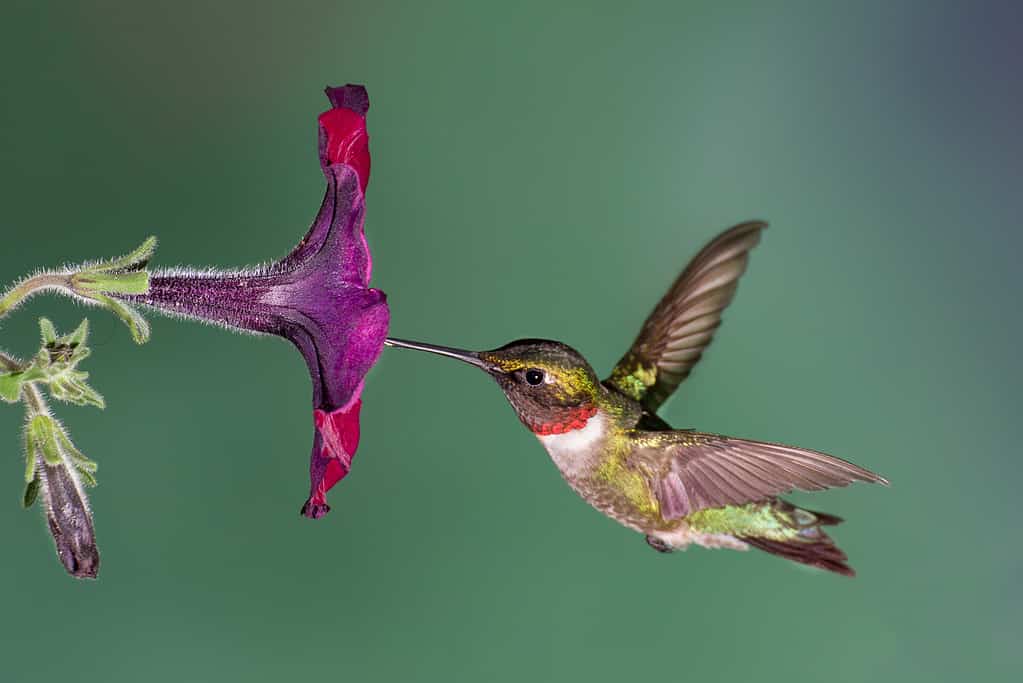
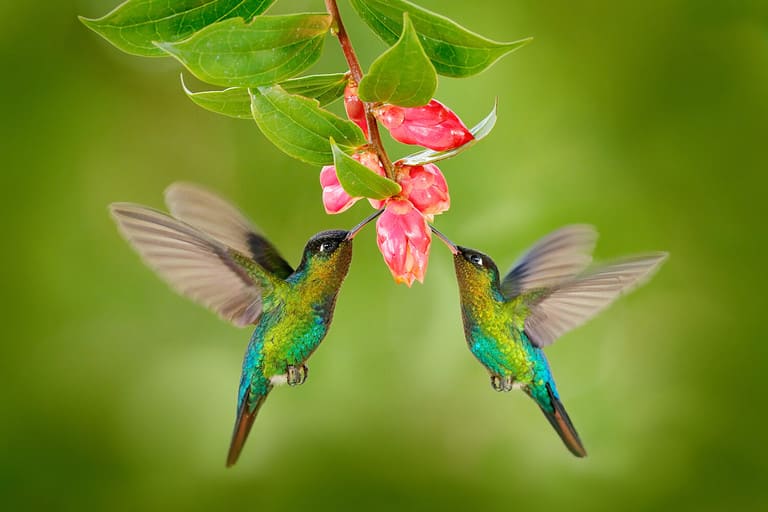
Experts suggest that ruby-throated hummingbirds prefer trumpet-shaped flowers the most.
©MattCuda/iStock via Getty Images
But what of flowers and food for ruby-throated hummingbirds? The U.S. Forest Service’s ruby-throated hummingbird profile notes that red columbine is one of the first food plants that returning ruby-throats depend on during their spring migration. Redbud and yellow jasmine are also important early bloomers, with hummingbirds using sap from yellow-bellied sapsucker plants as well. A hummingbird feeder is just one dietary option for these brightly colored birds; specific flowers are also vital.
Native flowering plants should be planted in a sequence rather than all at once, especially if you’re in one of the states bordering the Gulf. Many experts recommend a specific southeastern plant list for hummingbird gardens, including red buckeye, bottlebrush buckeye, trumpet honeysuckle, trumpet vine, cardinal flower, bee balm, jewelweed, fire pink, Indian pink, salvia, and Eastern red columbine. Ruby-throats tend to favor tubular flowers, which helps explain why these particular plants show up so often in hummingbird gardening advice.
The Right Feeders and Flowers For Ruby-Throated Hummingbirds
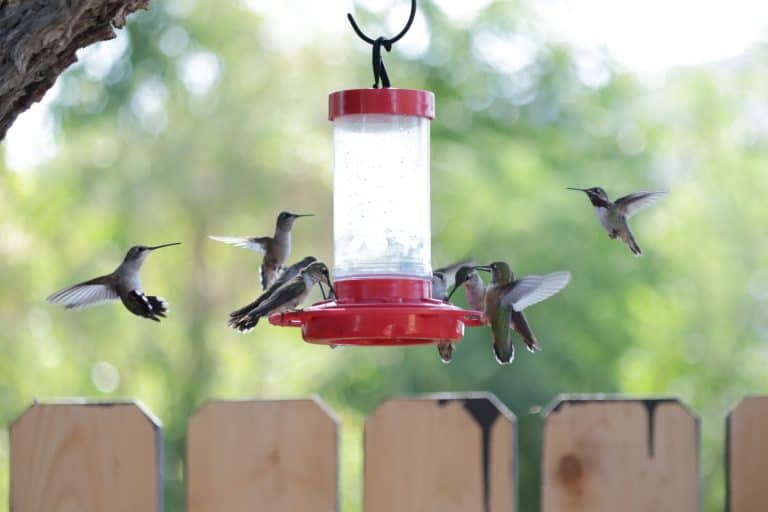
If you’re wondering how to best prepare your garden for the hummingbird migration, the simplest hummingbird feeder rule is still the one to follow: use plain sugar water; never red or dyed nectar. A 4-to-1 mix of water to white sugar is the proper ratio, and there is no need to add red dye because hummingbirds are attracted to red feeder parts rather than red nectar itself.
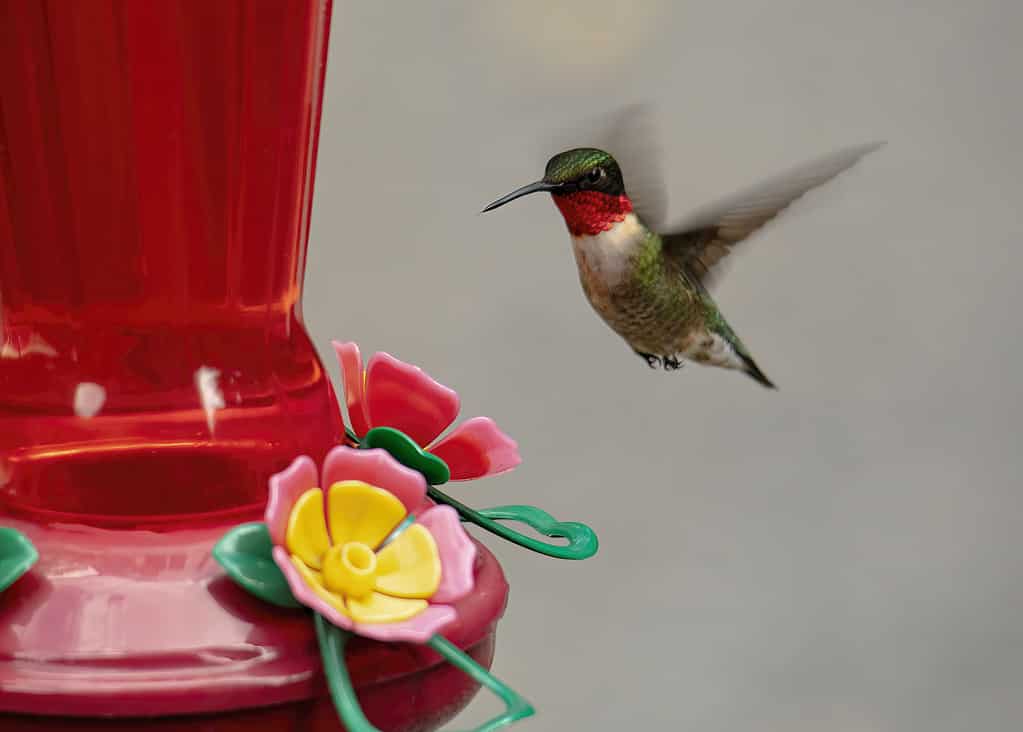
Hummingbirds are attracted to the red components of feeders rather than the red dye of commercial nectars.
©CharlieFloyd/iStock via Getty Images
Cleanliness is also vitally important to the survival of hummingbirds, which is why spending early March cleaning your feeder is a good idea. Old feeders should be washed thoroughly in order to destroy mold and mildew, and nectar or sugar water should be changed every two to three days if the weather is warm, with feeders periodically soaked in a diluted bleach or vinegar solution and rinsed well before any reuse. Make sure you’re never giving hummingbirds a contaminated food source during their most energy-hungry month.
Native flowers and plants, an insect-friendly habitat, water, and a pesticide and insecticide-free garden is your next best bet for supporting these migrators. Hummingbirds can’t live on sugar alone, so giving them other nectar options is key. Additionally, insects and spiders are actually a major part of the diet, especially for nesting females and growing young. Ultimately, a thriving hummingbird yard should feed the bird as well as the food web beneath it.
Why March Is So Important for Ruby-Throated Hummingbirds
While March isn’t peak hummingbird season for most of the country, it is one of their most important months, especially for the South. March is the first real month of ruby-throats for the Gulf Coast and lower Southeast, so it’s worth keeping your eyes peeled for them if you live in these states.
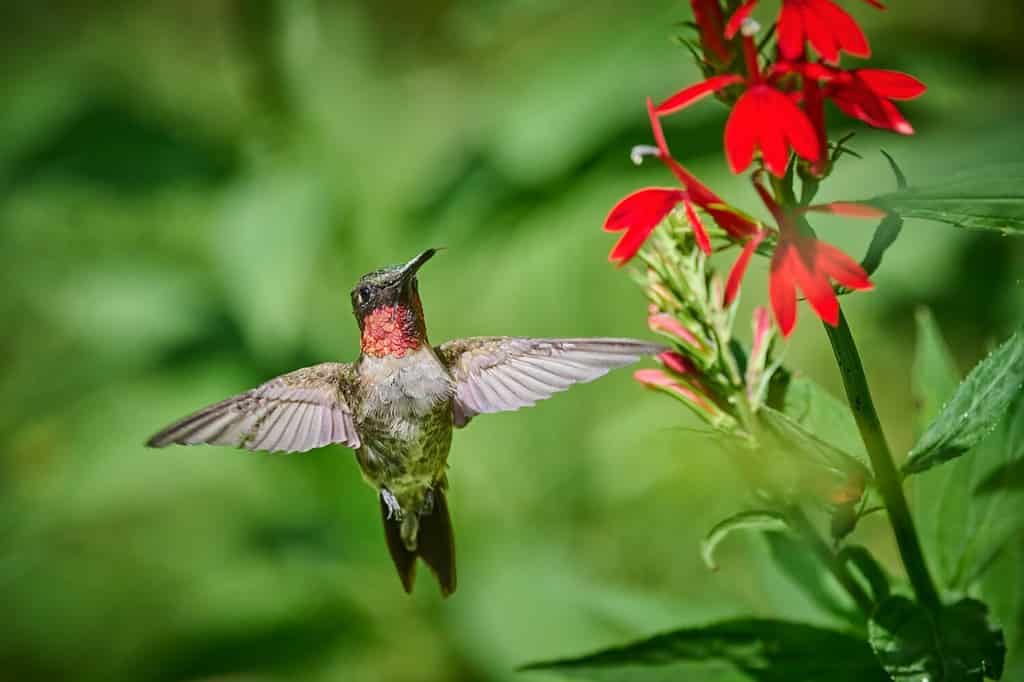
Ruby-throated hummingbirds make a long journey during the month of March, so they need your support.
©Patrick Jennings/Shutterstock.com
Make sure to clean your feeder before the birds arrive. Don’t wait for them to show up, as the little guys will be hungry after their long journey. Watch local reporting on these hummingbirds and prepare your yard accordingly. These fast-moving, beautiful birds will thank you for it!