
Quick Take
- Clockwise spirals and dead-end pockets are now recognized as essential requirements for reproductive selection in certain waterfowl species, including ducks.
- Sperm Storage Tubules (SSTs) allow female ducks to store sperm for extended periods, decoupling insemination from fertilization and enabling delayed fertilization.
- The evolutionary discovery of reverse-spiral anatomy contradicts standard assumptions regarding avian reproduction, leading to new research and discoveries.
- Female ducks have more control over their breeding process than scientists first expected.
Believe it or not, but ducks have a reputation for the unexpected: bizarre and intricate mating anatomy. According to scientific studies as well as viral posts, male ducks have evolved, now equipped with long, counterclockwise corkscrew penises. Females evolved accordingly, developing a matching set of internal countermeasures: clockwise spirals and dead-end pockets that can make unwanted insemination harder.
While this may sound exaggerated or strange, this anatomy is well supported in scientific literature on waterfowl genital coevolution. Sexual conflict occurs when traits that increase one sex’s reproductive success impose costs on the other, prompting the latter to evolve countermeasures. How might this exist in ducks, and why did this change in their anatomy occur?
Today, we’ll explain what researchers mean by this reverse-spiral anatomy, including how the female structure in particular alters the course of duck breeding. While it may seem a little NSFW, here’s what makes duck breeding anatomy fascinating.
Why Ducks Are Different From Most Birds
Time to break the ice and get this fact out of the way: we’re going to be referencing bird genitalia a lot today. Let’s begin with this fact: most birds don’t have a penis in the traditional sense. Fertilization tends to happen through brief cloacal contact, which leaves little room for complicated physical mechanics to decide the outcome.
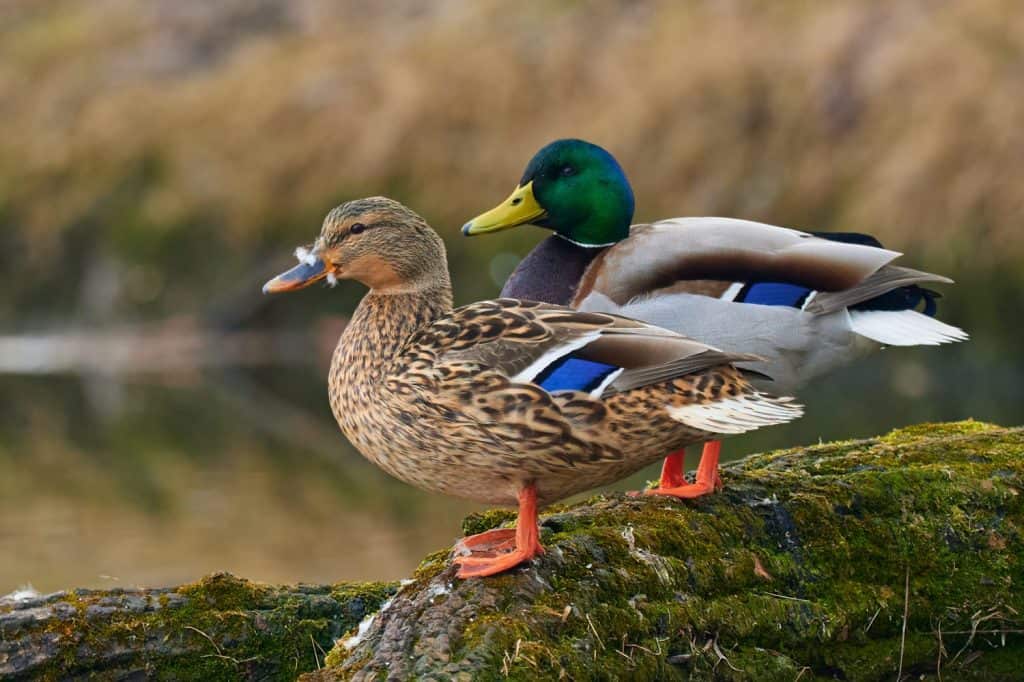
Duck genitalia have evolved over the decades because of coercive breeding.
©Robert Adami/Shutterstock.com
However, waterfowl are a major exception to this rule. Many ducks and other Anatidae actually have a phallus. Depending on the species, it varies dramatically in length and shape (we couldn’t resist telling you this—and yes, size does matter).
Research on the anatomy of ducks and other waterfowl states that male phallus length and complexity are associated with the frequency of forced extra-pair copulation reported across species. This is ultimately one reason why ducks became such a popular example for how mating systems can shape anatomy. But what does this mean, especially regarding how both sexes have evolved?
How Did Male Ducks Evolve?
An aptly-titled study (“Explosive eversion and functional morphology of the duck penis”) reports that eversion (the act of an organ turning outward, in this case) in muscovy ducks can be extremely rapid. In a mating context where interactions can be brief or resisted, this can be an advantage. The same research also states that a duck’s penis is actually flexible when erect, which affects how it behaves during the mating process.
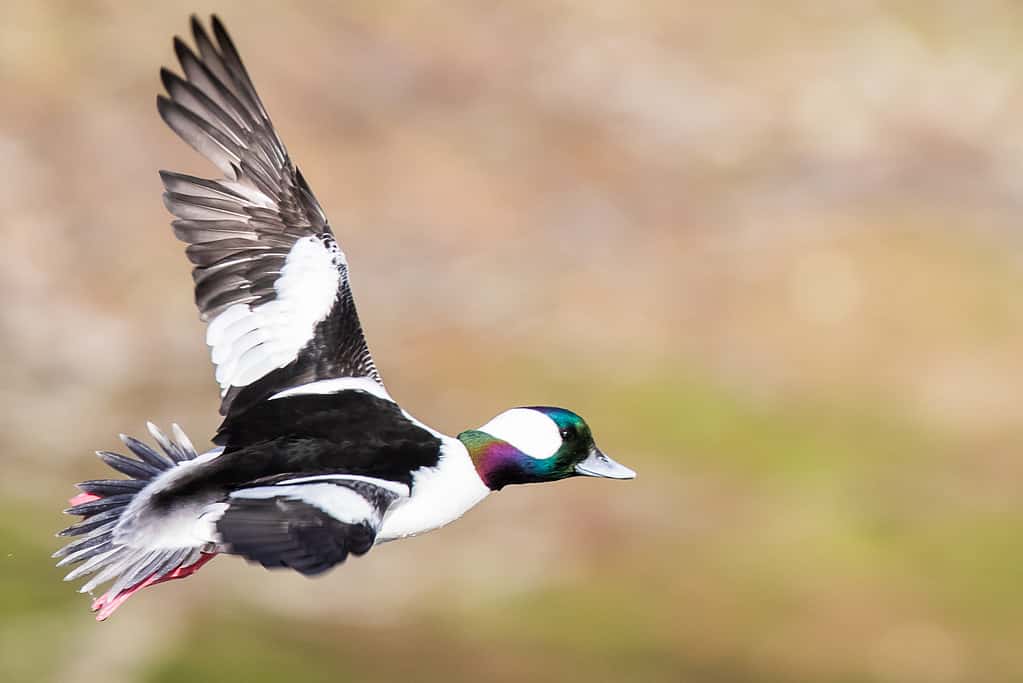
Many male birds don’t have traditional, phallic ways of breeding, but ducks are an exception.
©Jeff Huth/iStock via Getty Images
One of the most fascinating facts from this study? Many waterfowl and duck species have a counterclockwise spiral phallus design. That detail becomes important as we discuss how female duck anatomy has evolved to combat this particular design.
How Did Female Ducks Evolve?
Female ducks do not have a simple, straightforward reproductive tract, and this complexity varies across different species. In multiple waterfowl species, researchers have documented vaginal spirals and hidden internal side pockets, structures that are unusual in birds and vary strongly among species. But why?
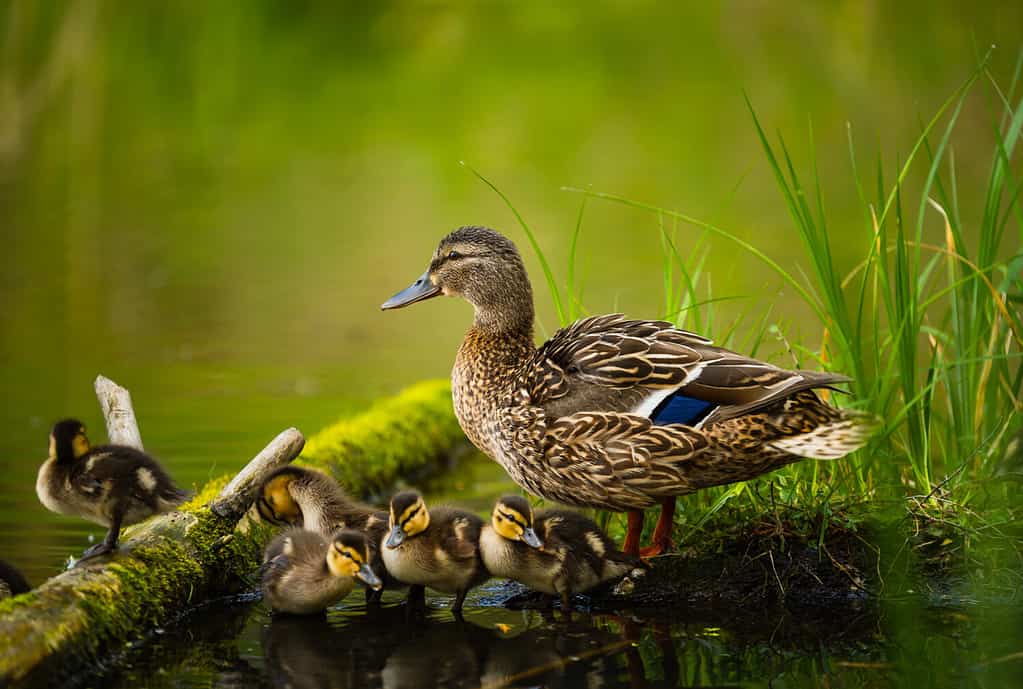
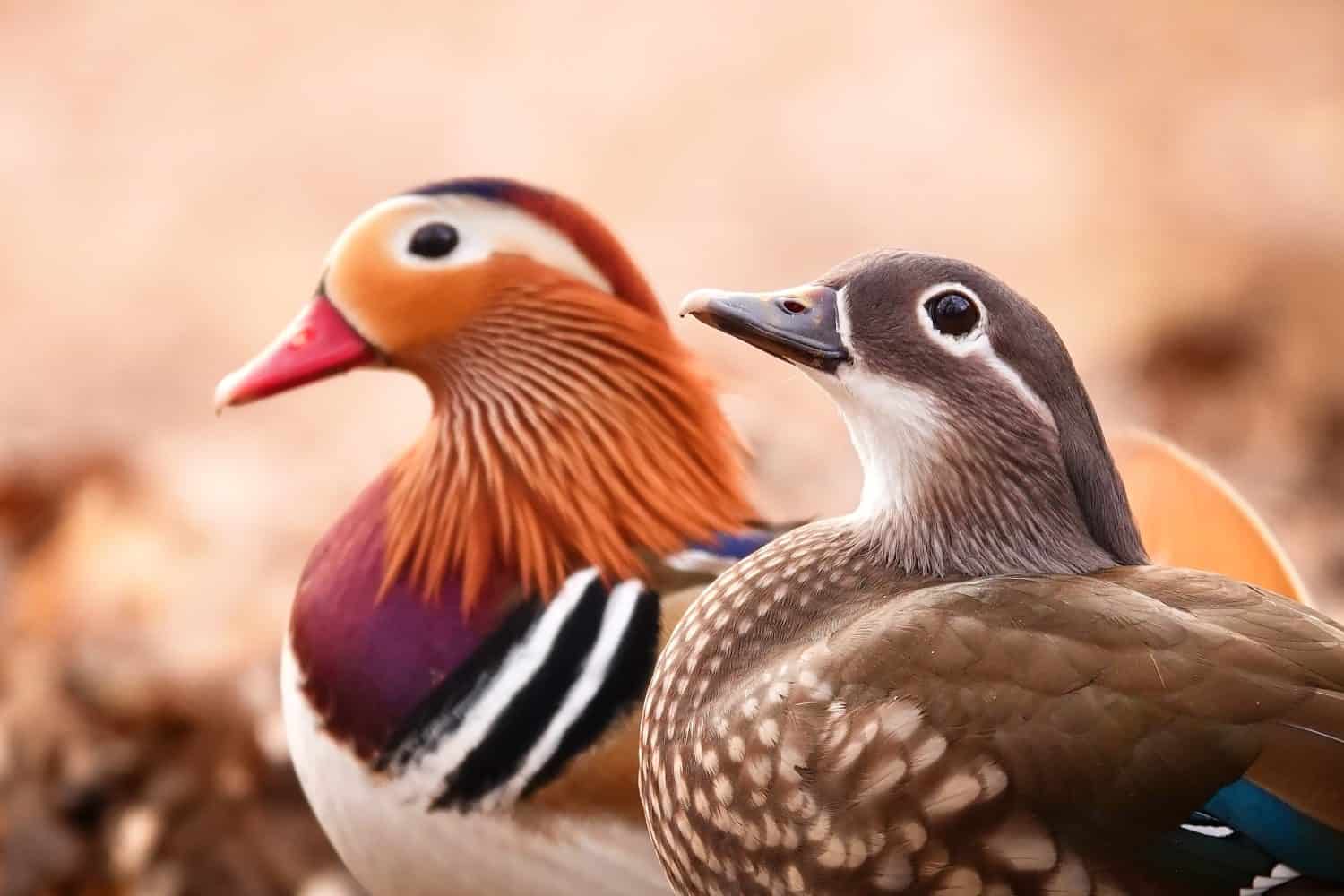
Female duck anatomy has evolved to allow for more choice in the breeding process.
©Pazyuk/Shutterstock.com
Essentially, female vaginal complexity tends to increase alongside male phallus complexity across species, with clockwise spirals and pockets as prominent features in species under higher coercive-mating pressure. With constant breeding pressure scenarios existing in many waterfowl species, this adaptation occurred for a reason: stopping unwanted mates from taking advantage.
How Female Duck Anatomy Can Block Unwanted Mates
Since there are no physical barriers like condoms for ducks, how do female ducks prevent sperm from unwanted mates from fertilizing their eggs? Female anatomy doesn’t make forced insemination impossible, but it does reduce the odds enough that females have greater influence over which male fertilizes their eggs.
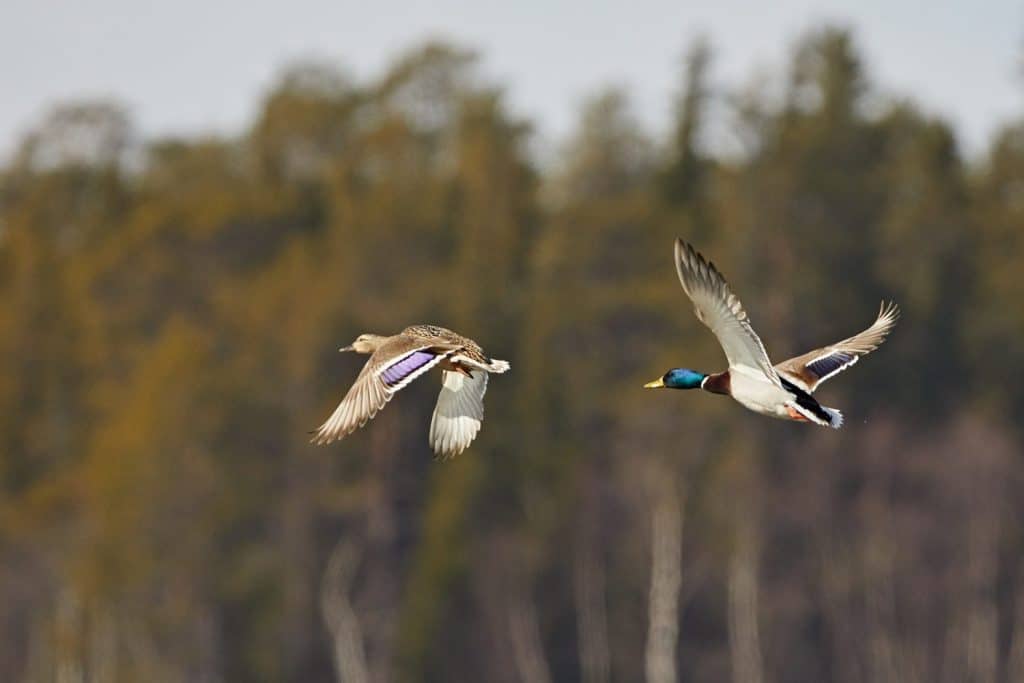
Pockets within female ducks can trap sperm to prevent insemination or be used at a later date.
©Artic_photo/Shutterstock.com
Opposite-direction spirals can make it much harder for a duck’s penis to fully evert deep into the female, especially during non-cooperative events. Plus, dead-end pockets create more opportunities for misdirection and ineffective sperm deposition. Research shows this as a functional interpretation of why these shapes appear across waterfowl mating systems, and these unique adaptations do work.
What Do the Lab Tests Show?
Researchers also tested whether this anatomical geometry actually changes how well male eversion works. And it was a fascinating day at the lab, no doubt.
These same researchers tested penile eversion into glass tubes, ones that created different mechanical challenges for the male ducks. Results showed that eversion was significantly less successful in tubes with a clockwise spiral or a sharp bend that mimicked female vaginal geometry, compared with a straight tube or a counterclockwise spiral matching the penis shape and structure.
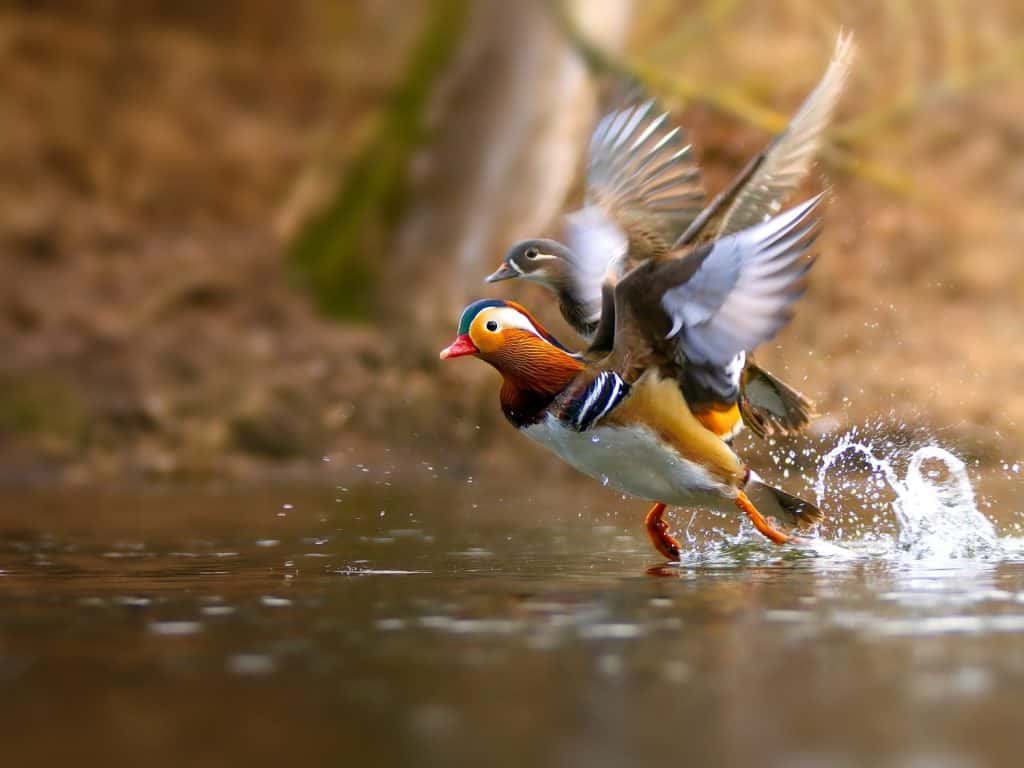
Spiral-shaped genitalia in both genders of waterfowl species can alter breeding success rates.
©mutinamatyas_photo/Shutterstock.com
This ultimately demonstrated that internal anatomical shape can influence breeding success in a species. But how do female ducks choose a mate they prefer and actually breed successfully, given their evolved anatomy?
Where Female Choice Fits into This Process
Female ducks may not make a conscious choice during mating, but in evolutionary terms, their traits and behaviors can influence which male sires their offspring. With ducks, females don’t always prevent coercive attempts, but they can reduce the likelihood that coercion results in fertilization. Additionally, they can influence paternity through a combination of resistance behaviors and internal anatomical features.
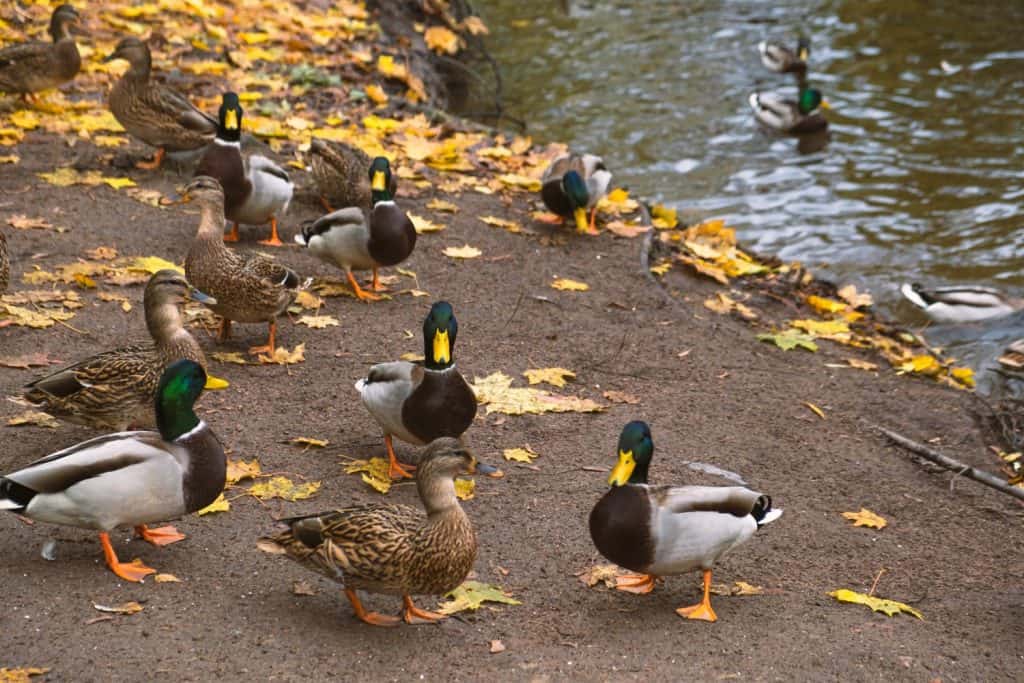
Female duck fertilization doesn’t always happen based on their most recent mate.
©Nataliia Chubakova/Shutterstock.com
Research on waterfowl sexual conflict points out that resistance is costly and risky. This persistence suggests that, for some female ducks, the benefits of influencing paternity outweigh the costs, giving them greater control over which males father their offspring.
Sperm Storage Changes the Fertilization Timeline
It’s important to note that fertilization in birds, especially waterfowl, is not always determined by the most recent mating. Many bird species have the capability of storing sperm inside the female reproductive tract in specialized structures called sperm storage tubules (SSTs for short).
Recent studies explain that SSTs are sites where sperm can be maintained and later released, providing evidence that sperm can reach storage sites quickly after insemination and then be retained for extended periods, depending on species. In other words, the female reproductive tract can store sperm over time, so the timing and release of sperm add another layer of control over paternity.
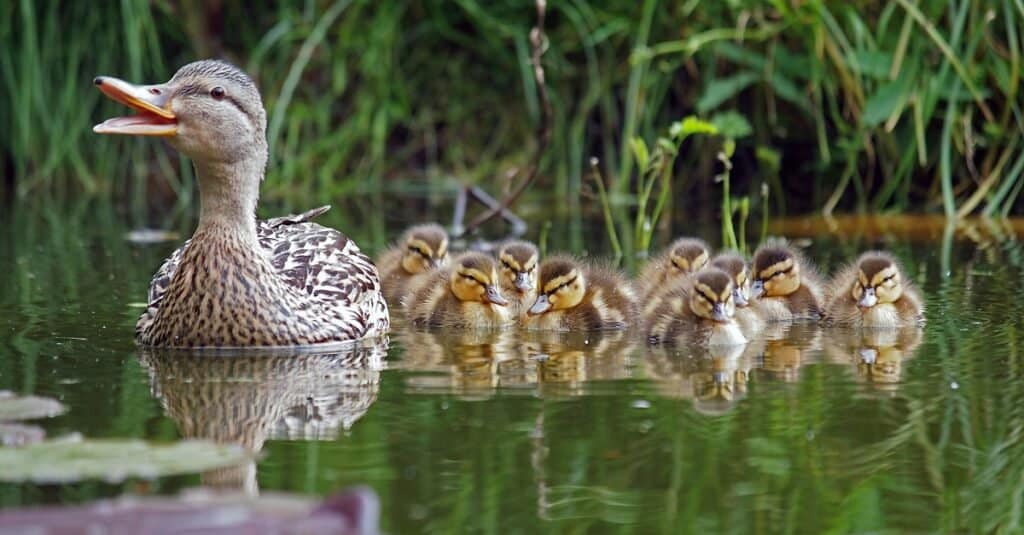
While coercive mating is common among waterfowl, certain females of these species have adapted.
©iStock.com/Anolis01
A Royal Society review also uncovered that a large share of avian reproductive selection happens after insemination, through mechanisms found in both sexes. Even if sperm enters the female reproductive tract, it does not guarantee that this sperm will fertilize the egg.
What This Evolution Means for Waterfowl Mating Systems
At the end of the day, not every duck mating is coercive, nor does female anatomy make coercion irrelevant. Across waterfowl species, the pressures of different mating systems are linked to the evolution of male genitalia, and increases in female vaginal complexity often parallel changes in male anatomy. While male traits can improve fertilization odds, female traits can also keep paternity from being decided by force alone.