
Quick Take
- Squirrels scatter-hoard seeds; forgotten caches help regenerate forests.
- Squirrels use visual landmarks and memory to locate caches.
- Position feeders 8–10 feet away from launch points to deter access.
January 21 is National Squirrel Appreciation Day! The holiday was started in 2001 by wildlife rehabilitator Christy Hargrove, hoping to nudge people toward kinder, more curious attitudes about these ubiquitous rodents. Squirrels are everywhere. I live in Los Angeles, and I can’t walk half a block without seeing at least a dozen of these critters clinging upside-down to trees or scampering across the tops of fences. At a certain point, they just become part of the background; I barely notice them.
But just because they’re common doesn’t mean they aren’t interesting. National Squirrel Appreciation Day is a good time to do just what the holiday’s name suggests: appreciate them. Let’s take a moment not only to notice these omnipresent little mischief-makers, but also to learn what they really are: clever, adaptable animals that quietly shape forests and urban green spaces around the world.
Who Are These Fuzzy Neighbors We Take for Granted?
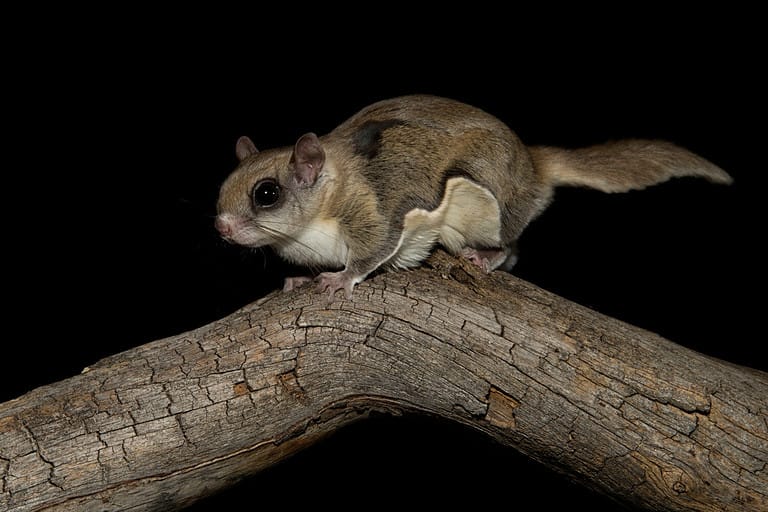
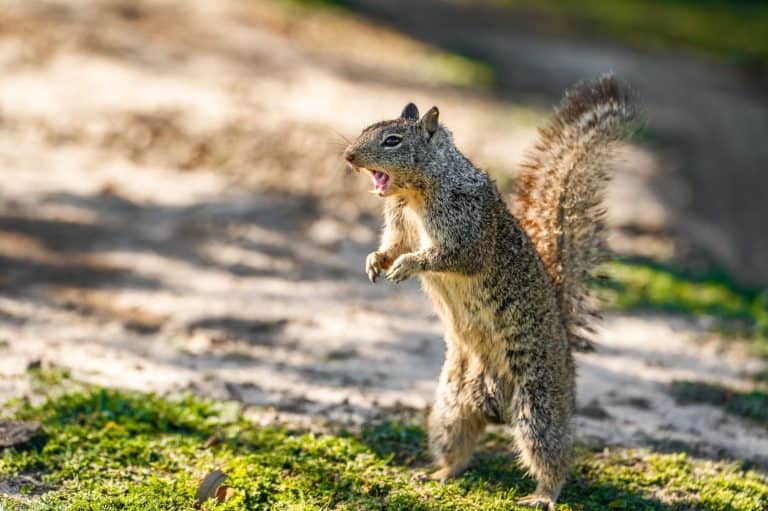
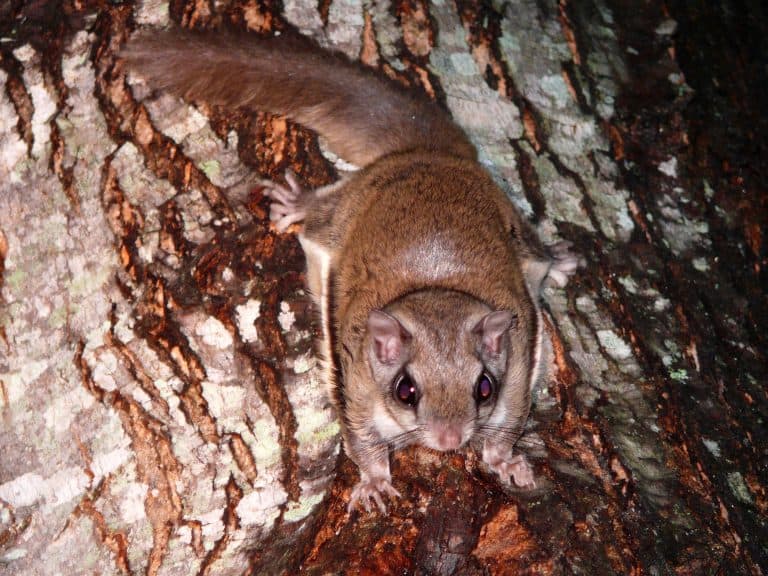
Squirrels belong to the family Sciuridae, a diverse clan that includes tree squirrels, ground squirrels, and the glide-capable “flying” squirrels. Depending on the source, there are roughly 200 to 300 recognized species of squirrels, distributed across most of the planet wherever vegetation provides food and shelter. The squirrel family displays a broad range of adaptations for climbing, digging, leaping, and even gliding (often called ‘flying’). Members include the crimson Eurasian red squirrel, the gray squirrels of North American cities, tiny tropical species in Southeast Asia, and burrowing ground squirrels on prairies.
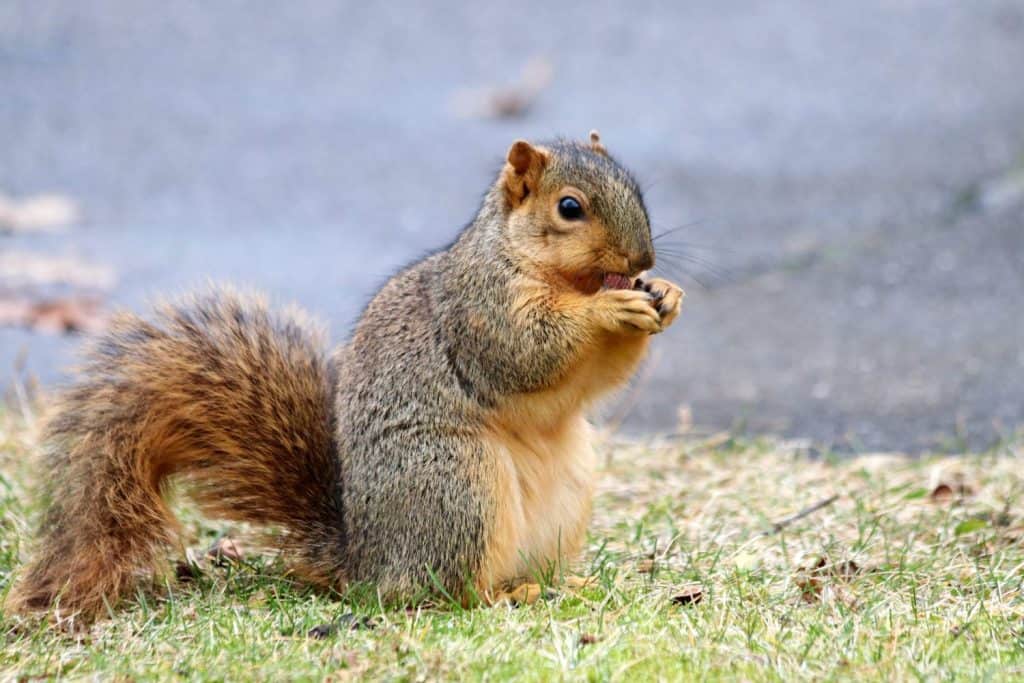
Scientists estimate there are 200-300 different species of squirrels in the world.
©Martin J. Calabrese/Shutterstock.com
Scatter-Hoarding
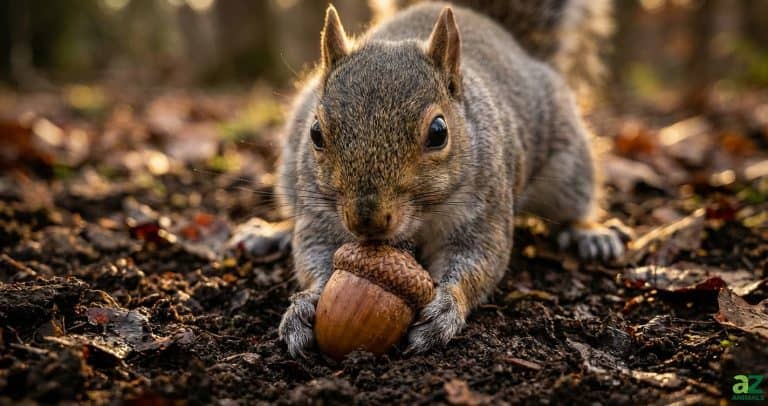
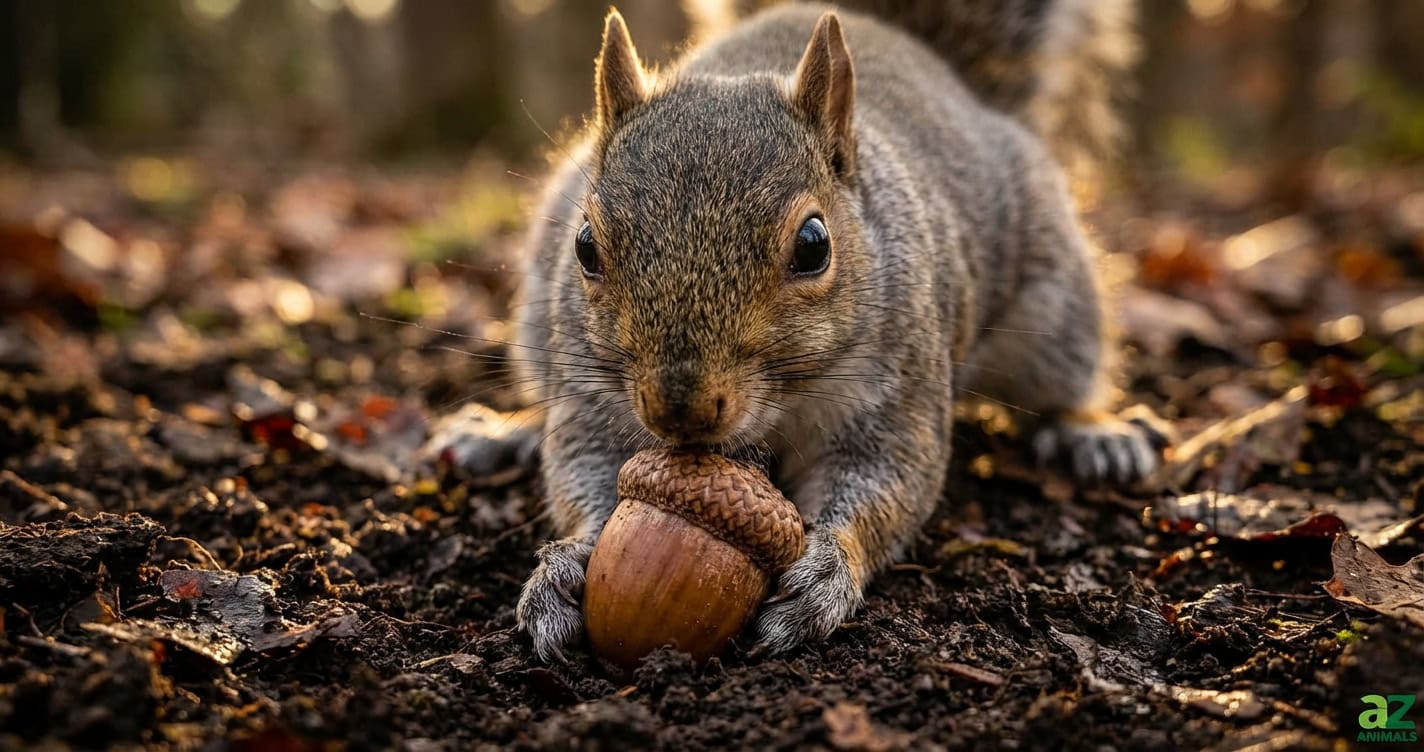
It’s easy to apply the label “pest” when squirrels are chewing on your siding, raiding your bird feeders, or burying a walnut in your potted plant. But in natural systems, squirrel behaviors do critical ecological work. One of the most important is scatter-hoarding, the practice of burying individual nuts and seeds across the landscape in many small caches. Squirrels bury far more seeds than they recover later; those forgotten caches are seeds planted by accident, and they become the seedlings and saplings of future forests. Research on squirrels and acorns shows that tree squirrels can consume some acorns but also bury and fail to retrieve a substantial fraction, creating a powerful engine for oak regeneration. Over time, the cumulative effect of millions of small caches helps shape the distribution and composition of forests.
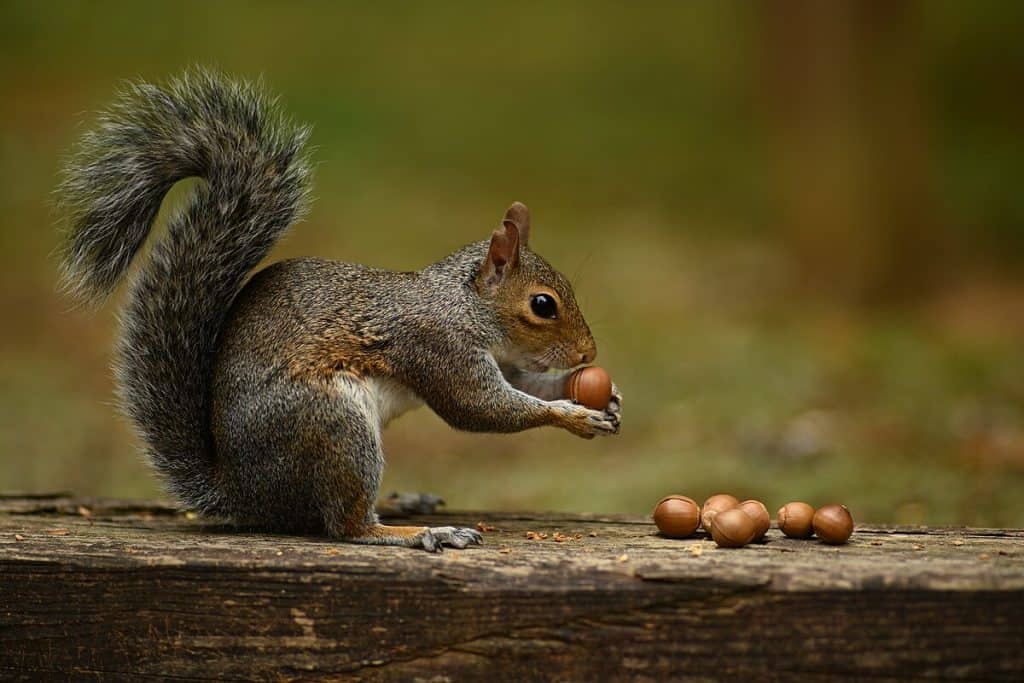
Scatter-hoarding accomplishes so much more than just a squirrel simply stashing a meal for later.
Scatter-hoarding spreads seeds across different locations and times in ways that other seed dispersers—such as wind, birds, or gravity—cannot. A squirrel that carries an acorn away from the parent tree reduces the chance that the young oak will have to compete with its parent or suffer from the same pests and fungal pathogens concentrated under the adult tree.
Because squirrels move seeds into microsites with favorable conditions—such as loose soil, shaded gaps, or protective leaf litter—these caches often have a higher chance of successful germination. Ecologists studying oak and other nut-producing tree species have concluded that, in many ecosystems, these rodents function as mutualists, meaning both parties benefit from the interaction. The tree supplies the nutritious seed, and the rodent unintentionally plants the next generation.
Squirrel Smarts
Behind all that tail-flicking and fence-running is a surprisingly sophisticated mind. Here are just a few of the ways in which scientists have observed squirrels showing off their cleverness:
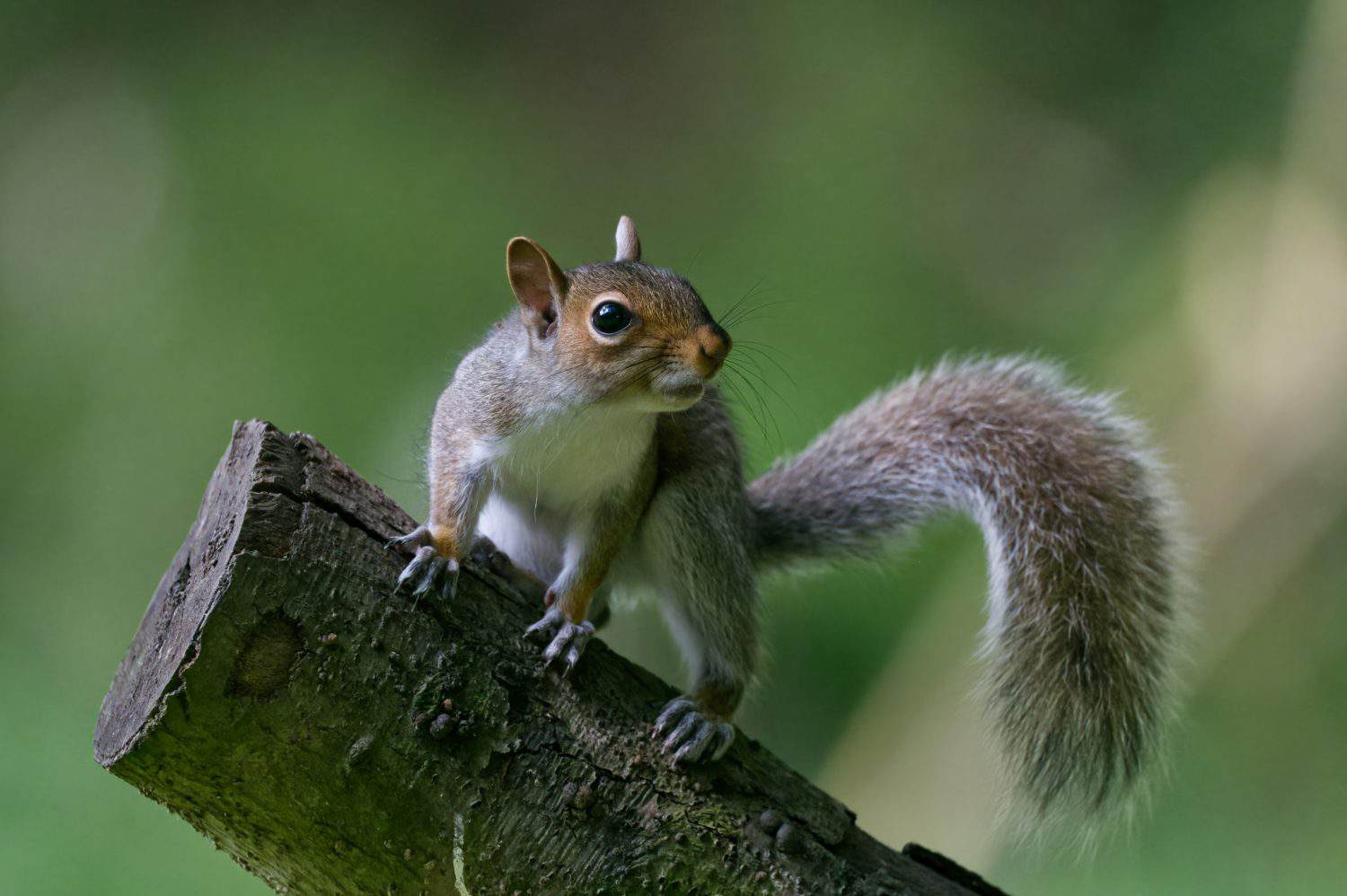
Squirrels have been known to trick potential food thieves by pretending to bury a nut when they know they’re being watched, then burying it somewhere else later.
©A Turton/Shutterstock.com
Using visual landmarks. Scatter-hoarding creates a cognitive challenge: how do you remember hundreds of hiding spots across weeks or months? Experiments with eastern gray squirrels showed they remember food caches by forming mental maps based on visual landmarks. When researchers moved those landmarks, squirrels searched in the wrong places, even though the buried nuts had not moved.
Learning from experience. Studies show that squirrels modify their behavior based on past success: individuals that lose cached food to theft gradually change where, how, and when they bury nuts, increasing the chances that those caches survive.
Controlling inhibitions. In behavioral experiments, squirrels demonstrate inhibitory control by resisting the urge to grab visible food right away. When a nut is placed behind a clear barrier or inside a feeder that only opens after a brief delay, successful squirrels stop lunging or pawing at it. Instead, they pause, allowing the mechanism to work or take an indirect route to the reward. This ability to wait—suppressing an immediate impulse in favor of a more effective action—shows a level of patience and self-control that improves with experience.
Deception. Squirrels sometimes use deception when caching food. If another squirrel is nearby, one may pretend to bury an acorn—scratching the ground and covering the spot—before secretly hiding the nut somewhere else, reducing the chance it will be stolen.
Protecting caches. Squirrels don’t just rely on memory; they manage risk. Field researchers have documented a suite of cache-protection behaviors: burying seeds at varying depths, spreading caches so a single predator or competitor can’t wipe them out, moving caches farther away when other squirrels are nearby, and spending extra time covering or tamping the soil.
How to Be a Friend to the Squirrel
If you want to enjoy squirrels while minimizing conflicts, there are simple, science-backed approaches that promote peaceful coexistence.
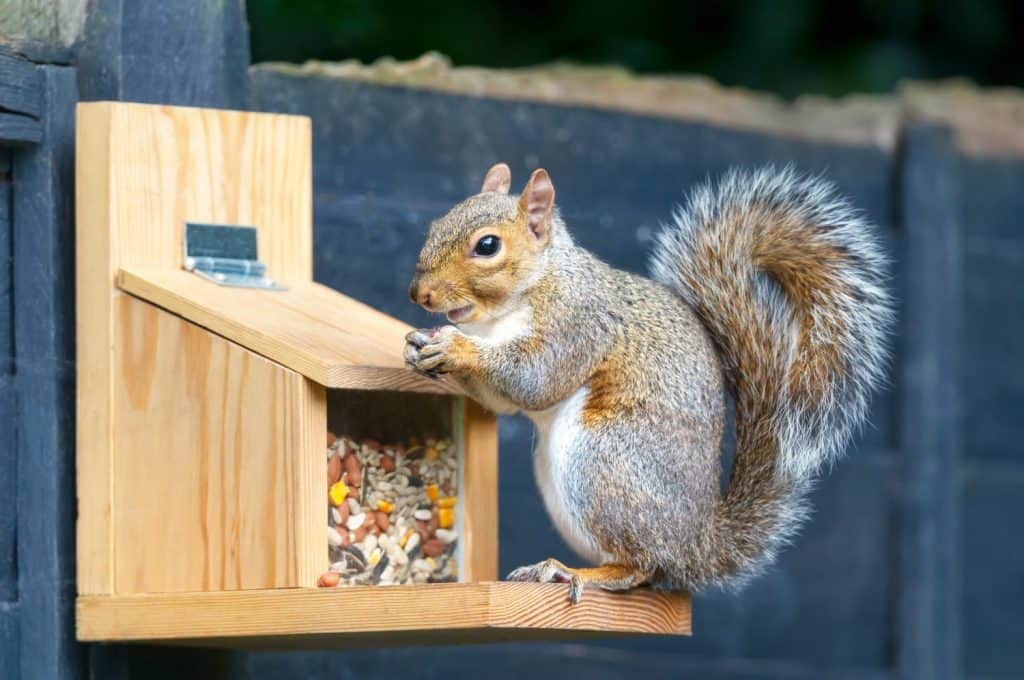
Resist the urge to feed squirrels human food; it’s not good for them.
©Giedriius/Shutterstock.com
- Don’t intentionally feed wild squirrels human food. This applies to most wildlife as well, as feeding them can cause health problems and increase disease transmission among animals and to people.
- Make bird feeders less accessible rather than trying to eliminate squirrels. Position feeders at least 8–10 feet away from launch points (trees, fences), and use pole-mounted baffles placed about four feet above the ground. Do not use tricks like greasing the poles or soaping the bars, as these can harm animals.
- This probably goes without saying, but please avoid lethal measures and poisons. Humane exclusion, habitat modification, and, in rare cases where legal and appropriate, professional removal are preferred if you must address a squirrel problem.
The Small Stuff Matters
It’s tempting to dismiss squirrels as unimportant because they’re so common or because their antics are trivial. But ecological function does not scale with charisma or size. The daily activities of burying, retrieving, consuming, and forgetting thousands of nuts contribute to larger processes such as tree regeneration, soil turnover, and the maintenance of food webs. When a squirrel hides an acorn and never comes back for it, a thousand tiny decisions add up to the architecture of tomorrow’s forest. Scientists increasingly view these small-scale behaviors as major drivers of ecosystem pattern and resilience.
On National Squirrel Appreciation Day, you should definitely take to Instagram to watch and share hilarious videos of squirrels performing theatrical contortions as they try to reach a feeder. But the deeper appreciation comes from recognizing the quiet, consequential role these animals play: as dispersers, soil shapers, clever problem-solvers, and long-term partners in ecosystem dynamics. Thinking about squirrels as more than pests lets us live well with them while preserving the ecosystems they help build. If you celebrate this January 21, consider planting a native tree, moving that feeder a few feet, and watching with a little more wonder the next time a squirrel disappears into the leaves clutching a prize. After all, nature’s premier forest engineers aren’t always the loudest or largest creatures; sometimes it’s the small ones that do the most work.