
Quick Take
- The FDA bypassed its own years-long approval process to rush out screwworm treatments, relying on a legal mechanism that is almost never triggered. See the emergency approvals →
- Producers begged officials to use a common livestock drug against screwworms, but the answer was a hard no for reasons that may surprise you. Explore the ivermectin roadblock →
- This parasite can infect humans, yet the biggest threat it poses right now may be to something most people never think about: their food supply. Understand the food supply threat →
- Multiple federal agencies united to fight screwworms, though a critical data gap is quietly limiting every decision they make. See the critical data gaps →
Deadly Screwworms: An Urgent Challenge for Animals and Officials
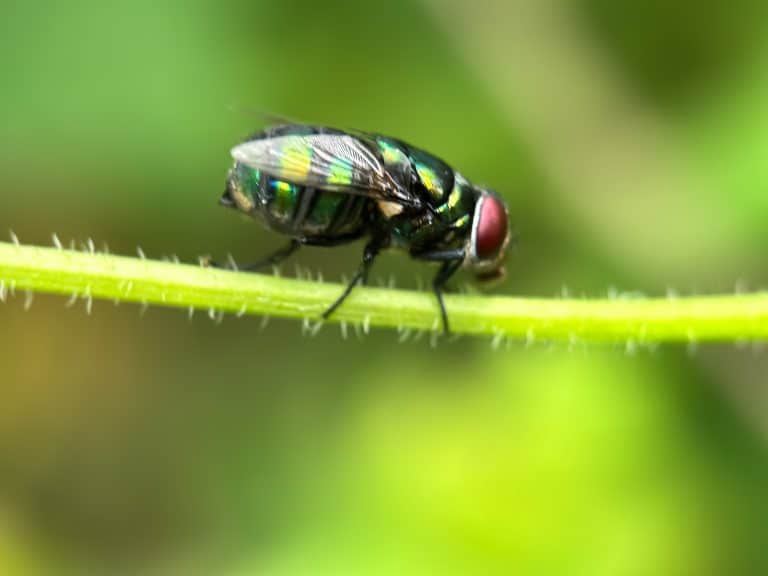
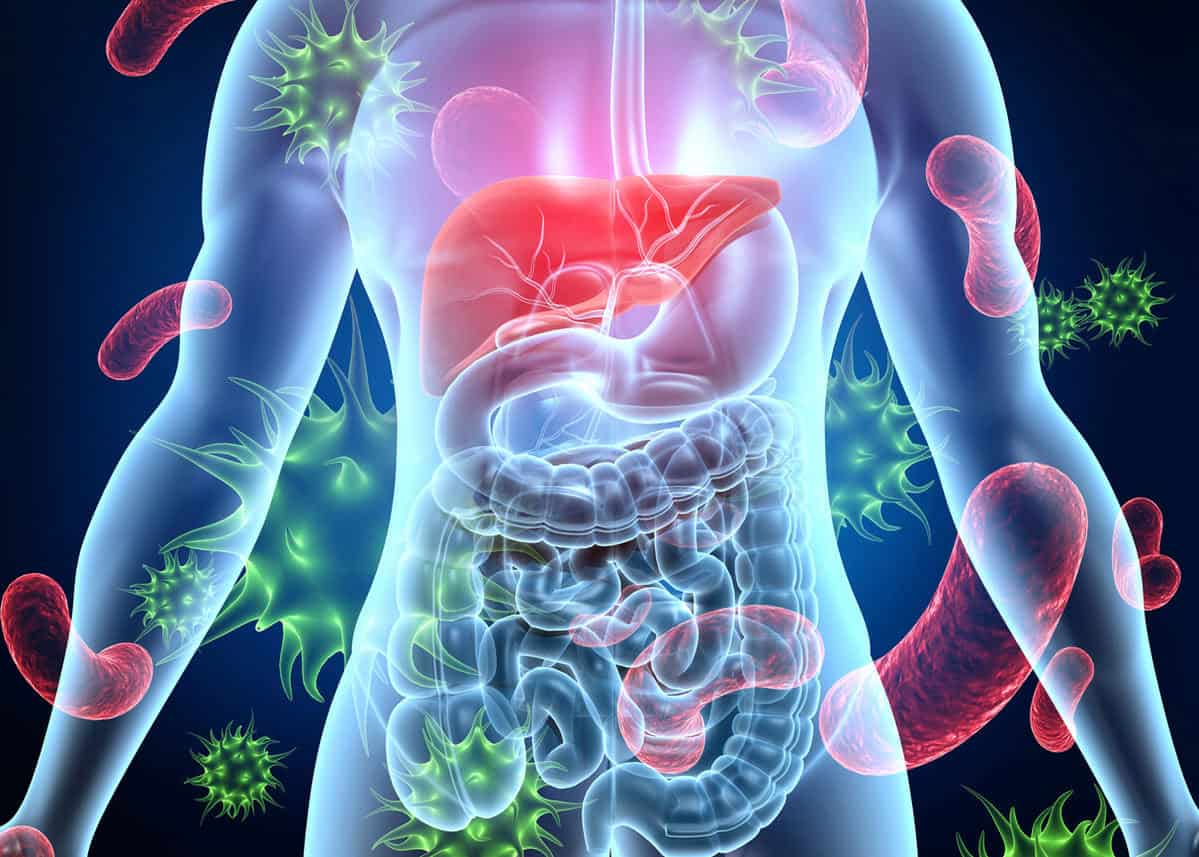
Few parasites evoke as much alarm as the New World screwworm, Cochliomyia hominivorax. These flies lay their eggs in open wounds and mucous membranes of warm-blooded animals. When the larvae, or maggots, hatch, they burrow deeply into fresh tissue, feeding on the living flesh of livestock, pets, wildlife, and, on rare occasions, even people. This infestation, called myiasis, often leaves animals with serious, sometimes deadly wounds.
Continue reading
Officials across the United States are facing the challenge of responding quickly to screwworm outbreaks. The severity of the threat has united agencies like the FDA’s Center for Veterinary Medicine (CVM), the U.S. Department of Agriculture (USDA), the Environmental Protection Agency (EPA), and state animal health departments in a shared effort.
©mangpor_2004/iStock via Getty Images
A Game-Changing Approach: Emergency Drug Authorizations
The standard approval process for animal drugs offers thorough review for safety and effectiveness, but can take years, a timeline ill-suited for screwworm’s rapid spread. Faced with the urgency, agencies have turned to a rarely used but powerful option: emergency use authorization.
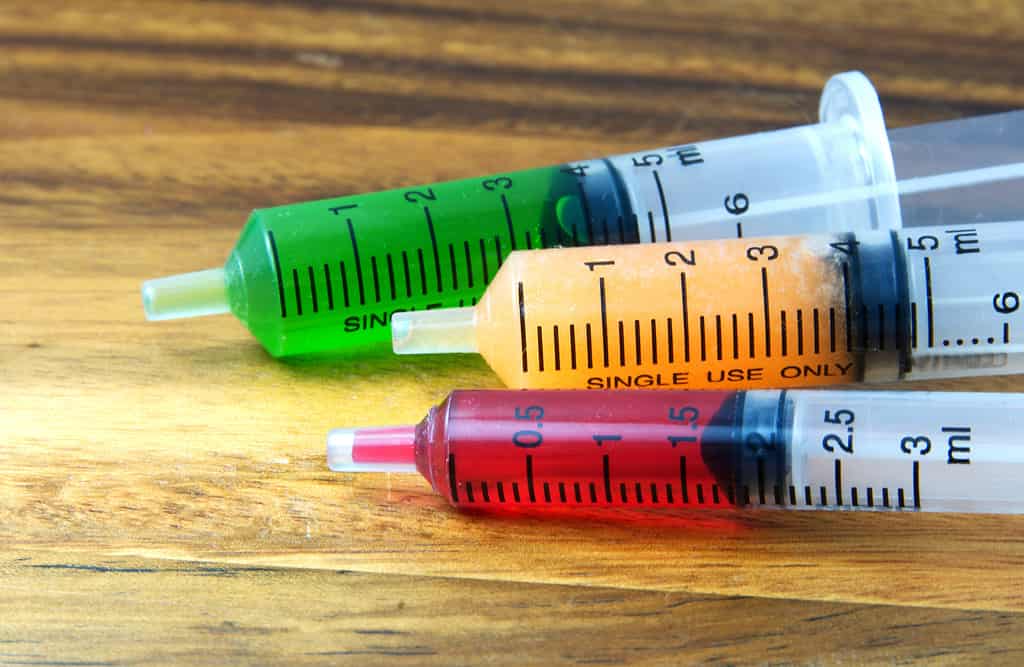
On April 24, 2026, the FDA approved the emergency use of an antiseptic barrier ointment containing insecticide (F10 Antiseptic Barrier Ointment with Insecticide) for multiple species, ranging from cattle and sheep to horses and exotic mammals, as well as wild and pet birds. A month earlier, a similar authorization was granted for a topical spray (F10 Antiseptic Wound Spray with Insecticide). These steps mark a significant break from typical regulatory timelines, offering animal caretakers tools needed on the front lines, fast.
The move followed an August 2025 declaration from the Secretary of Health and Human Services, who determined that screwworm represented a substantial threat to national public health and security. This declaration opened the way for the FDA to provide drug access tailored to the needs of a rapidly evolving emergency, supporting veterinarians, producers, and pet owners alike.
©iStock.com/Chalabala
Navigating Approval Pathways and Persistent Obstacles
While emergency authorizations have redirected the response, other potential solutions remain tangled in regulatory, logistical, and scientific hurdles. For instance, many producers asked if medicated feeds, such as those containing ivermectin or doramectin, could be used to help prevent or treat screwworm infestations. The answer has been firm: no medicated feed products for screwworm have been approved for any species in the U.S.
Though ivermectin and doramectin have sometimes been given orally within federal or state parasite control programs, their safety and effectiveness specifically for screwworm remain unclear for broader application. Existing law does not actually permit animal drugs to be used in feed for unapproved purposes, creating further barriers for producers seeking options, especially for cattle and wildlife.
Regulators, including the EPA, are also considering the role of over-the-counter antiparasitic topicals and insecticides. CVM’s work expands into evaluating possible drugs, looking at various dosage forms and drug delivery systems that might help hard-to-treat species. The needs span food animals, companions, and wild populations, making practical solutions even more complex.
A Glaring Need for Data and Caution in Treatment
These accelerated actions are not without concerns. The FDA has emphasized the importance of using available drugs judiciously to prevent resistance, especially in food animals. Safety is paramount, not just for the animals, but also for the food supply. Meat, milk, and eggs from treated animals must be free of unsafe drug residues.
Officials acknowledge a lack of vital data. In January 2026, the FDA released a list of “Priority Data Gaps Regarding Animal Drugs to Treat and Prevent New World Screwworm.” They are actively seeking more information from academic, industry, and federal partners about the effectiveness and safety of various drugs and delivery methods in different animal species. While the FDA cannot currently fund such research, it offers technical support for urgent projects.
This effort includes work with international agencies and close readings of the scientific literature. Without better data, authorities cannot confidently expand drug options for every affected species or scenario, leaving some vets, producers, and wildlife stewards with few choices.
What Screwworm’s Return Means for Animal Health Science
This recent fight against the New World screwworm reveals the limits of even the most robust regulatory systems in the face of fast-moving animal epidemics. The urgent search for solutions has brought agencies together in unprecedented ways, highlighting the tension between science, safety, and speed. As officials triangulate between immediate action, the need for evidence, and real-world demands of animal caretakers, they are shaping new pathways that could change how animal outbreaks are tackled in years to come.