
Quick Take
- Owners must secure a Class I permit to house specific, inherently dangerous mammals.
- Interestingly, it’s legal to own a zebra, while possessing a native skunk is strictly prohibited.
- Submitting a permit application with detailed facility plans is the mandatory first step.
Tennessee’s exotic pet laws can be confusing for anyone considering owning an animal more unusual than a Chihuahua or a parakeet. The state divides wildlife into legal, permit-only, and prohibited categories, and the rules change depending on the species and its potential risk. Understanding these distinctions matters for animal welfare and public safety, and it also helps owners avoid fines, confiscation, or criminal charges. State and local rules can overlap, so responsible ownership starts with knowing how Tennessee classifies wildlife and what paperwork may be required before bringing an exotic animal home.

The state regulates wildlife through a structured legal system overseen by the Tennessee Wildlife Resources Agency (TWRA), with additional oversight from the Tennessee Department of Agriculture and federal authorities. Some animals may be owned freely if they are captive-bred. Others require annual permits, inspections, and strict housing standards. Some animals are prohibited outright. Understanding how Tennessee draws these lines is essential before acquiring any exotic animal.
Why People Are Drawn to Exotic Animals, Despite the Risks
People are drawn to exotic animals for many reasons, even knowing the potential danger, cost, and legal complexity involved. For some, the appeal is fascination and respect for a powerful or unusual species they have admired for years. Others are motivated by a desire for a close connection with wildlife, believing they can provide better care than what is available in other environments. A strong element of personal identity is also involved. Owning an exotic animal can feel meaningful, rare, or deeply personal in a way that conventional pets do not. For some people, it is a means of self-expression, a way to make themselves feel exotic.

Owning an exotic animal can be a way for an owner to express themselves, their values, and their personality.
At the same time, exotic animal ownership carries real consequences that many people underestimate. Housing requirements are expensive and often permanent. Veterinary care can be difficult to access, especially outside major cities, and emergency treatment may require long-distance transport. Laws can change, permits can be denied or revoked, and moving across state lines can become legally impossible. Even well-cared-for animals may pose safety risks to owners, visitors, and first responders. These realities do not mean every owner is reckless, but they help explain why states regulate exotic animals so closely.
How Tennessee Classifies Exotic Animals
Tennessee sorts wild and exotic animals into several legal classes that determine whether private possession is allowed and under what conditions. These classifications are defined in Tennessee Code Annotated Title 70, Chapter 4, Part 4 and implemented through TWRA regulations. The system is designed to limit public safety risks, prevent disease spread, and ensure animals are kept only by people capable of meeting their needs.

Tennessee determines exotic animal ownership by classification, not by a single approved list.
©Cergios/Shutterstock.com
One source of frustration for people researching exotic pets is that Tennessee does not publish a single, consumer-friendly list of every legal or illegal species. Instead, legality depends on classification, species status, origin, and permit requirements. Local governments may impose additional restrictions, so state legality does not always guarantee local approval or consistent enforcement of the rules.
Animals You Can Own Without a State Wildlife Permit
Tennessee allows private ownership of certain animals without a wildlife possession permit when they are captive-bred and legally obtained. These animals are classified as Class III wildlife and are considered lower risk under state law.
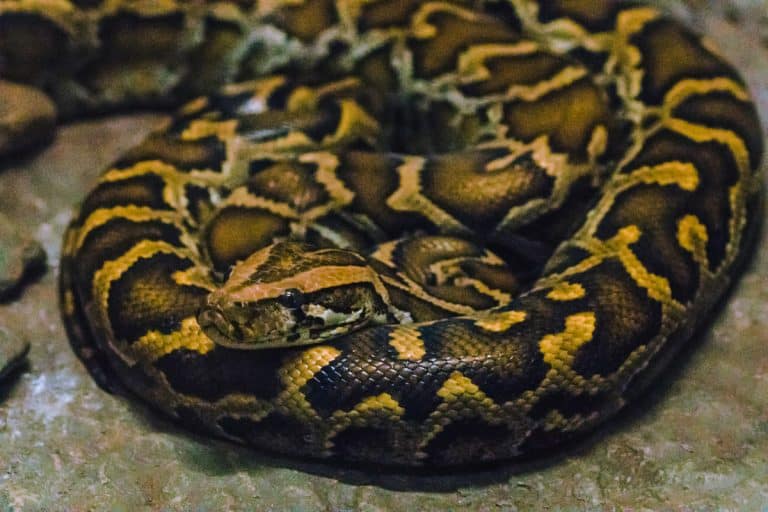
This category includes most nonvenomous reptiles and amphibians, excluding caimans and gavials. Common examples are corn snakes, ball pythons, leopard geckos, bearded dragons, and many turtle species. Many small mammals and rodents are also legal without a permit, including hamsters, gerbils, guinea pigs, rats, mice, squirrels, and chipmunks, provided they were not taken from the wild.
Although no wildlife permit is required, owners are still legally responsible for humane care. Animals must be housed securely, protected from extreme weather, and provided proper food, sanitation, and veterinary care. Federal laws, such as restrictions on injurious wildlife, still apply. Violations can result in confiscation of the animal and civil penalties.
Animals You Can Own With a State Wildlife Possession Permit
Many exotic animals in Tennessee are legal only with a wildlife possession permit issued by TWRA. These animals are classified as Class II wildlife. The permit must be obtained before acquiring the animal and must be renewed annually.
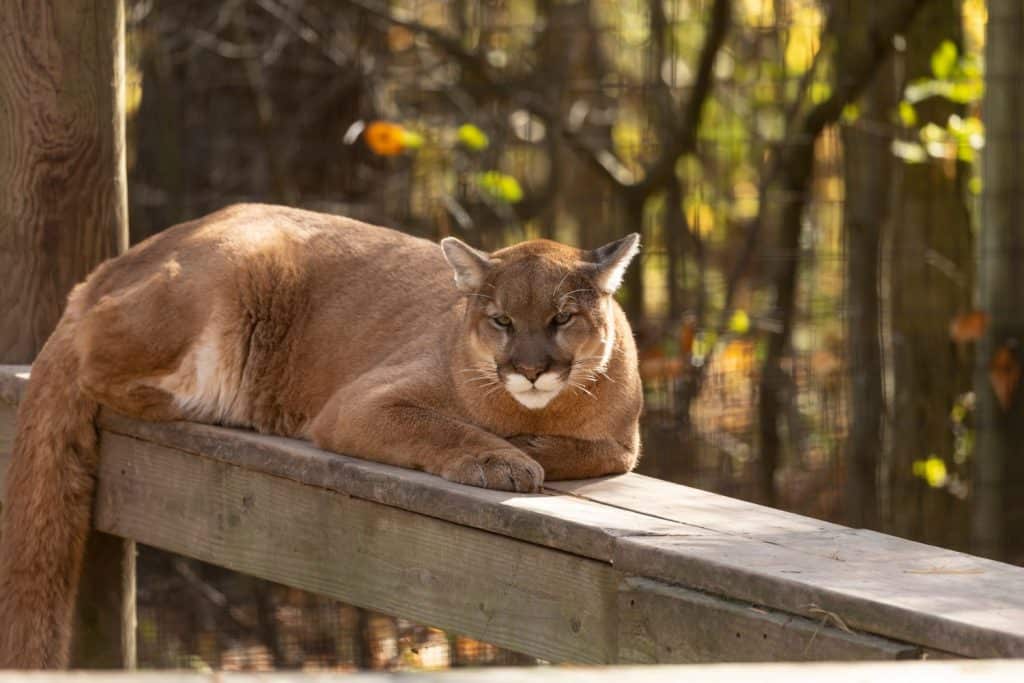
A young cougar in a secure enclosure reflects Tennessee’s permit requirements for certain exotic wildlife, including strict standards for containment and care.
©Karel Bock/Shutterstock.com
Species in this category include certain foxes, raccoons, bobcats, coyotes, and other mid-sized carnivores. All animals must be captive-bred, and owners must provide documentation showing legal origin. Wild-caught native animals may not be kept as pets.
The permit application requires detailed information about enclosure design, containment measures, and animal care plans. Enclosures must be structurally sound, prevent animal escape, and protect the public. Permit fees are set by TWRA and are relatively modest, but the overall costs can increase significantly when proper housing, food, veterinary care, and contingency planning are taken into account.
Class II Permit Renewal, Inspections, and Enforcement
Wildlife possession permits for Class II animals expire annually and must be renewed to remain valid. TWRA may deny renewal if permit conditions are not met, if housing standards deteriorate, or if violations have occurred.
Inspections are authorized under state law. TWRA officers may inspect animals, enclosures, and records at reasonable times, especially when issuing or renewing permits, or when responding to complaints. In practice, enforcement intensity can vary by county or municipality, with some areas responding primarily to complaints and others conducting more proactive oversight.
Animal welfare is enforced through permit conditions and Tennessee’s animal cruelty statutes, which apply to captive wildlife. Failure to provide adequate food, shelter, or medical care can result in enforcement action, even if the animal itself is otherwise legal to possess.
Animals That Are Completely Prohibited

An African lion at an accredited zoo represents the type of Class I wildlife that cannot be privately owned in Tennessee and is only allowed in licensed facilities.
©iStock.com/David Kish
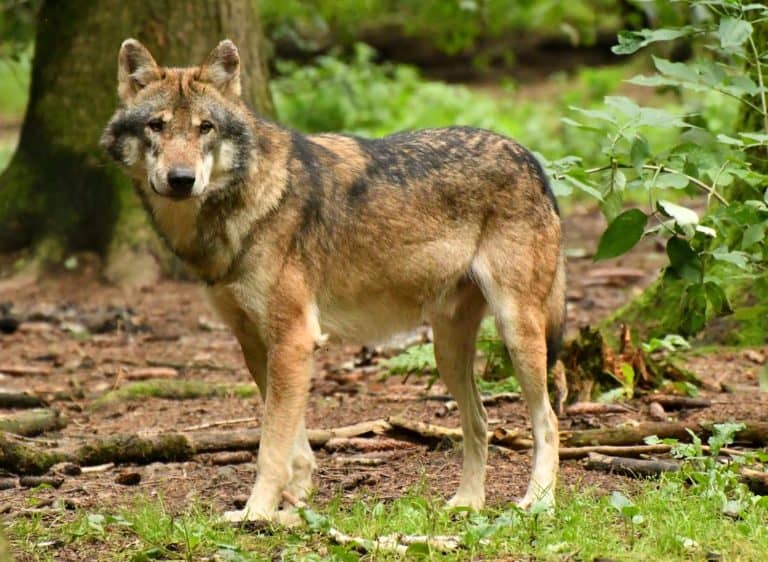
Some animals cannot be privately owned in Tennessee under any circumstances outside of licensed facilities. These animals are classified as Class I wildlife and include lions, tigers, bears, wolves, and large primates. Private individuals cannot obtain new possession permits for these species.
Certain native wildlife species are also prohibited from private possession, including white-tailed deer, wild turkeys, and American black bears. These restrictions exist to protect native ecosystems and reduce disease transmission. Some nonnative species are restricted because of their potential to become invasive or pose public safety risks. Only accredited zoos, research institutions, and similar licensed entities may possess these animals, and they are subject to strict facility standards and inspections.
Transporting Exotic Animals Into or Through Tennessee
Tennessee law regulates the transport and importation of wildlife separately from ownership, and moving an exotic animal across state lines requires advance approval. It is unlawful to transport or import wildlife into Tennessee unless the action is authorized by statute or permit. Anyone bringing an exotic animal into the state must obtain a TWRA importation permit before entry and be able to document the animal’s legal origin and compliance with Tennessee’s ownership rules. Transport also typically requires a Certificate of Veterinary Inspection issued by a licensed veterinarian in the animal’s state of origin.
These requirements generally apply even if the animal is merely passing through Tennessee as part of a longer interstate move. If possession of the species would require a permit within Tennessee, transport through the state without proper authorization can still trigger enforcement. Wildlife officers may request permits and health paperwork during transport, and violations can result in confiscation, fines, or other penalties. Therefore, if you’re planning a cross-country move with a lion, be sure to plan your route and complete the necessary paperwork for each state accordingly.
Liability, Insurance, and Health Considerations
Tennessee does not generally require private owners of exotic wildlife to carry liability insurance as a condition of a possession permit. However, insurance may be required by local ordinances, property owners, landlords, or homeowner associations, and coverage for exotic animals can be expensive or difficult to obtain.
Vaccination requirements also differ from those for domestic pets. Rabies vaccines are not approved for use in wild animals, and vaccinating an exotic mammal does not legally count as rabies protection. As a result, many exotic animals are treated as unvaccinated in bite or exposure incidents, which can affect quarantine decisions and enforcement outcomes. Health documentation may be required for transport, but routine vaccination mandates are generally not part of Tennessee’s exotic wildlife permitting system.

Exotic animals raise special concerns for disease transmission, as vaccinations are not always mandated.
©Gorodenkoff/Shutterstock.com
Penalties for Violating Tennessee Exotic Animal Laws
Possessing wildlife without the required permit, keeping prohibited species, falsifying records, or releasing wildlife into the environment violates Tennessee law. Penalties can include confiscation of animals, civil fines, permit revocation, and criminal charges, depending on the severity of the violation. Individuals who violate wildlife laws may also lose eligibility for future permits. Transporting or importing wildlife without proper authorization can trigger additional enforcement under state and federal law.
Federal, State, Local, and Private Rules All Apply
Beyond Tennessee law, exotic animal ownership is also governed by federal statutes and local regulations. Federal laws regulate interstate transport and protected species. Cities and counties may ban or restrict exotic animals even when state law allows them. Approval can extend further to private rules, including homeowner associations, landlords, and property covenants. These may prohibit exotic animals regardless of legality elsewhere. Legal ownership requires compliance with every level of authority, from federal agencies down to local ordinances and private housing rules.
Making a Legal and Responsible Choice
Tennessee allows some exotic animals to be owned privately, but only within a tightly regulated framework. Legal ownership depends on classification, permits, housing standards, and ongoing compliance. Prospective owners should consider not just whether an animal is legal today, but whether they can meet permit requirements year after year, maintain access to veterinary care, and absorb legal or financial risks if circumstances change. Verifying current regulations with TWRA before acquiring an exotic animal remains the safest way to ensure compliance and responsible ownership.