
Scavenger animals do not have a reputation for being cute and cuddly. In fact, many people find scavengers dirty and disgusting. However, scavengers play an essential role in maintaining a healthy ecosystem. Without these animals, nature would be full of the carcasses of dead animals. Scavenger animals are the cleanup crew, preventing the spread of diseases by disposing of remains before bacteria and other dangerous pathogens can grow and multiply. They also help speed up the rate at which nutrients are returned to the soil. Vultures and hyenas are among the most well-known, but many other animals serve as nature’s waste disposal system. Explore 11 animals that feed on animal remains.
1. Vultures
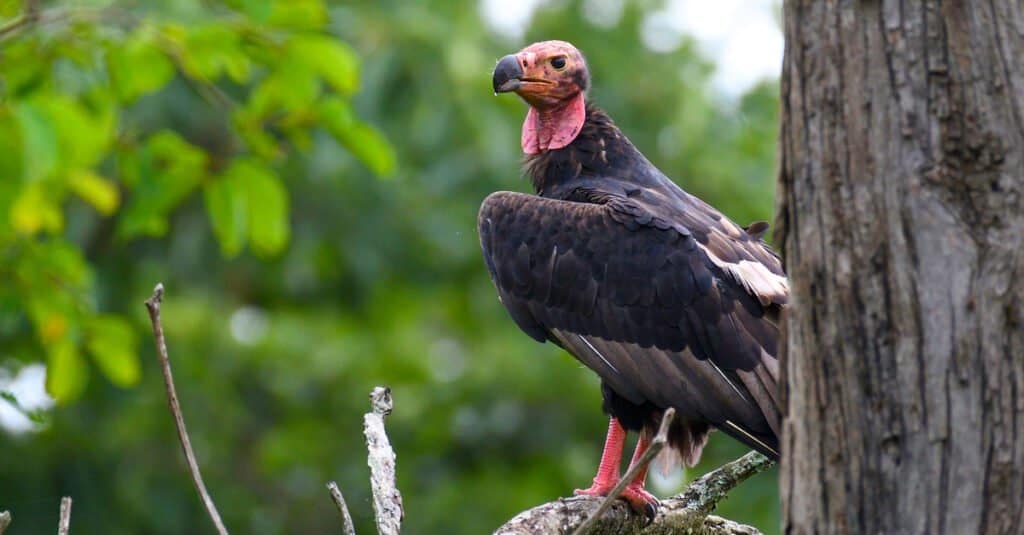
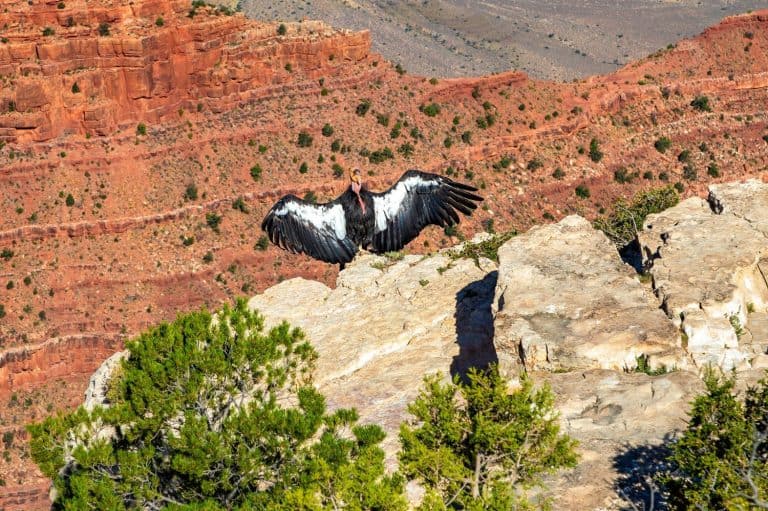
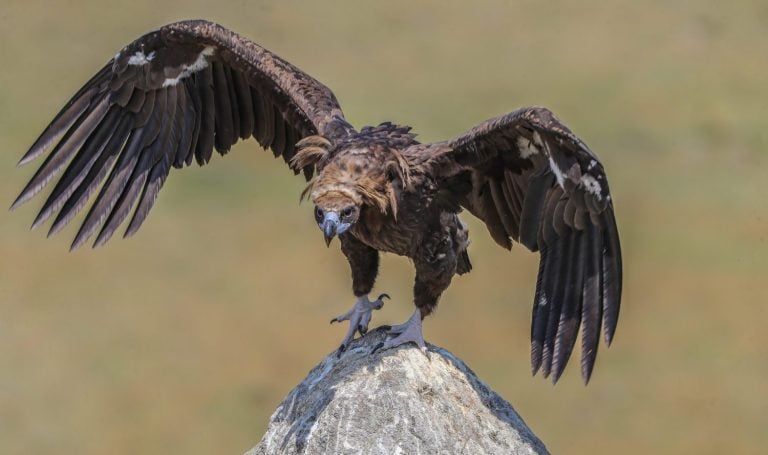
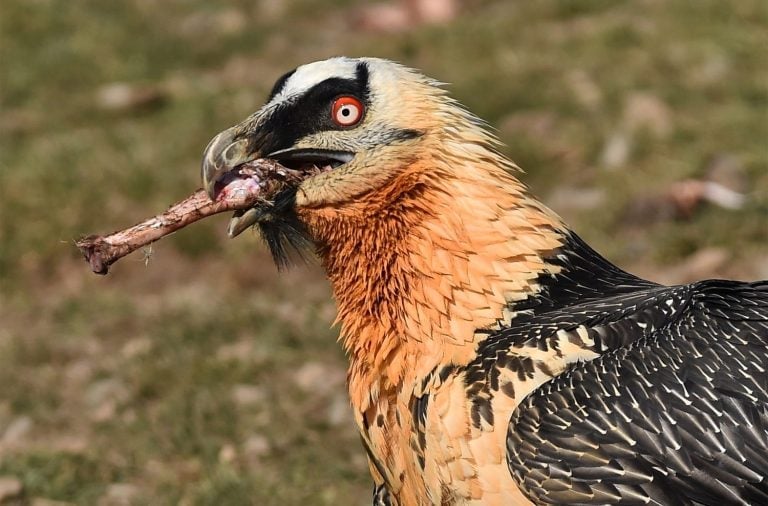
Vultures have bald heads, which prevent blood and other toxins from sticking to their feathers.
©faisal magnet/Shutterstock.com
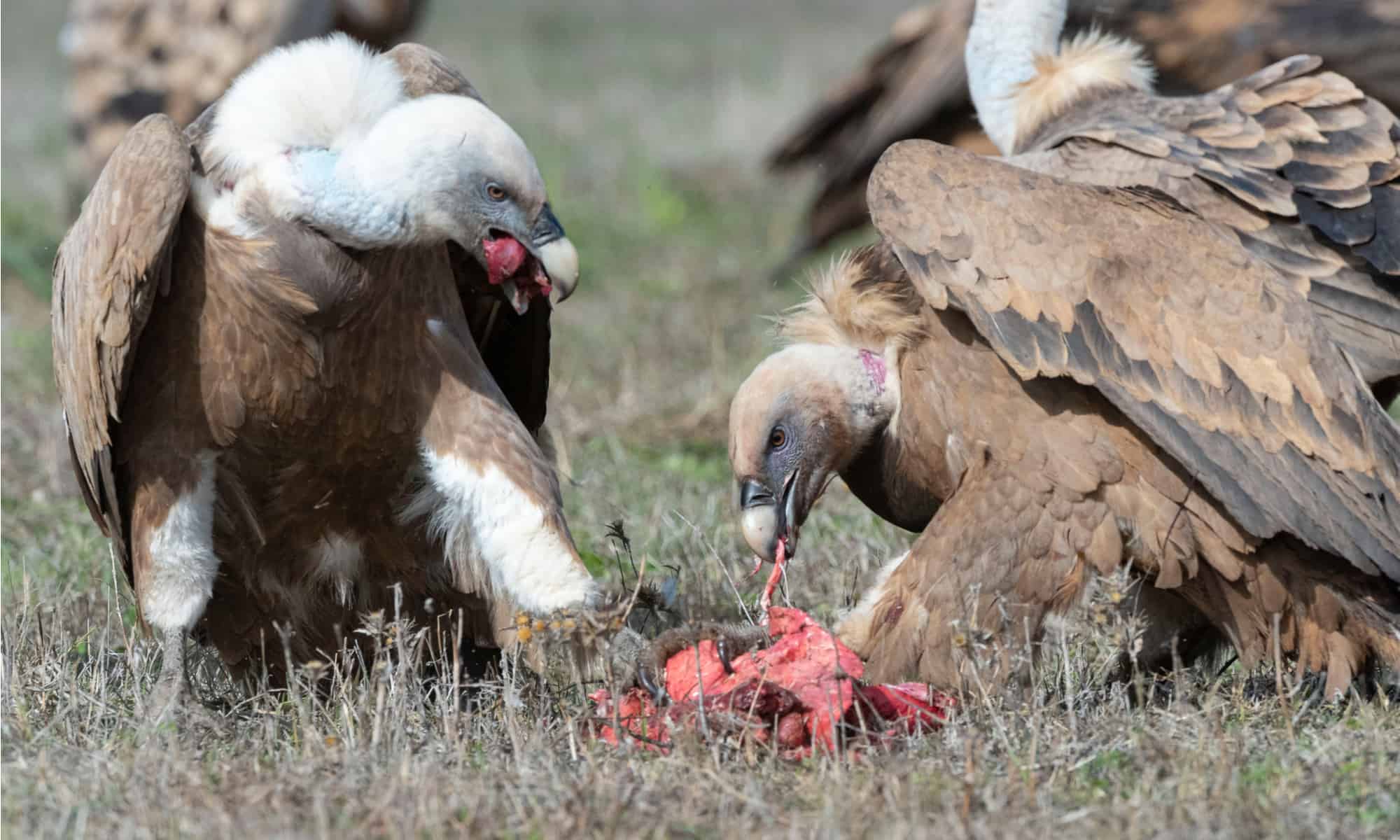
The vulture is the most recognizable scavenger animal in the world. They can be found on nearly every continent, with the exceptions of Antarctica and Australia. New World vultures are part of the Cathartidae family, while Old World vultures belong to the Accipitridae family. Vultures are among the few animals that feed exclusively on animal remains, also referred to as carrion. They have excellent vision, allowing them to spot dead animals while soaring in the sky. They also have a strong sense of smell, which helps them locate decaying flesh even from the air.
Vultures also have biological adaptations that make it safe for them to eat decaying flesh. Their hardened, serrated tongues allow them to pick the bones of a carcass clean. They also have strong stomach acid that kills bacteria and other dangerous parasites found on decaying flesh. Most vultures are bald, which prevents blood and toxic bacteria from sticking to their feathers.
2. Striped Hyenas
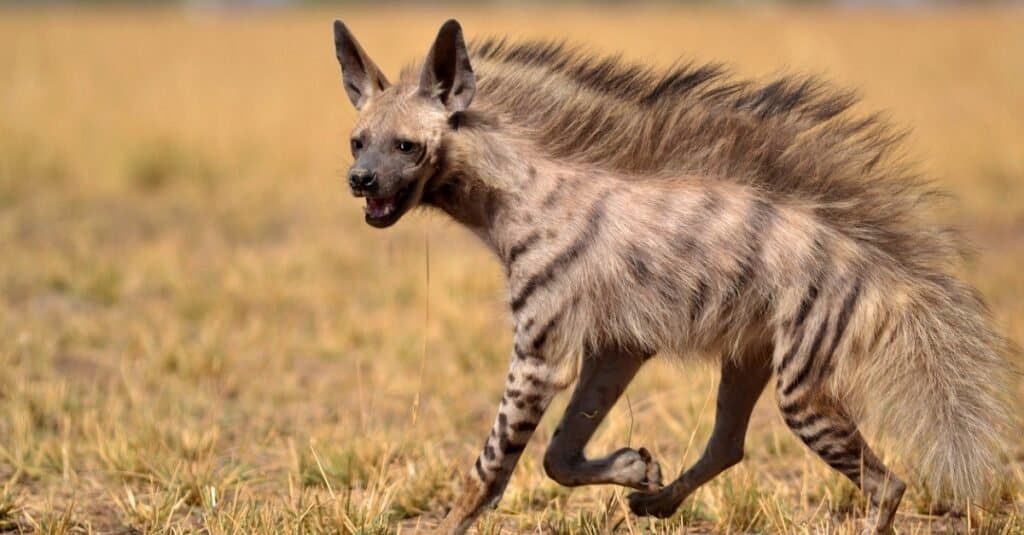
The tall, pointed ears of the striped hyena give it excellent hearing, which helps to locate food.
©iStock.com/Meet Poddar
Striped hyenas (Hyaena hyaena) inhabit northern Africa, India, and the Middle East. Their brownish-gray fur with black stripes provides perfect camouflage, allowing them to blend into their environments in savannas, scrublands, and semi-desert regions. Although they are adept hunters, striped hyenas are mostly scavengers.
These nocturnal animals patrol their territory every night, searching for mammalian remains. Their large, pointed ears aid in their keen hearing. Hyenas also have excellent eyesight and an acute sense of smell. They have strong jaws that allow them to bite through bones and other parts left behind by other predators. Their digestive system allows them to regurgitate anything their bodies cannot digest, such as hooves and hair. Like vultures, they have extremely acidic stomach acid to break down bones and kill the bacteria in carrion.
3. Ravens
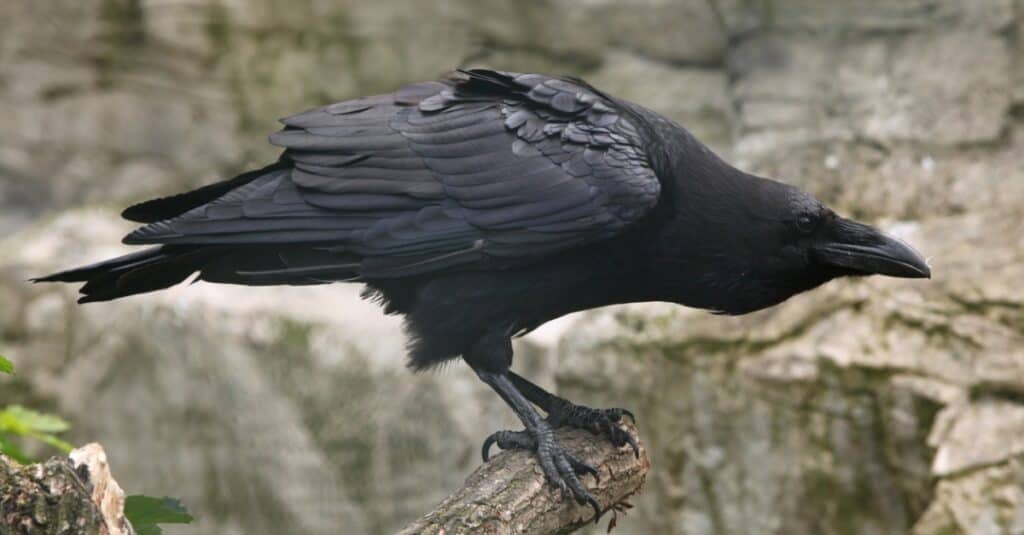
The raven waits for wolves, coyotes, or eagles to break the tough skin of a carcass.
©iStock.com/wrangel
Ravens belong to the Corvidae family, along with crows, magpies, and jays. They are omnivores and opportunistic scavengers that are frequently found feeding on carrion. These scavenger animals are found in diverse habitats in the Northern Hemisphere, from forests to deserts. Although they feed on dead animals, ravens also hunt small animals like rats, lizards, snakes, and young birds. Ravens are also known to eat garbage.
These birds are considered to be among the smartest animals in the world, and their intelligence helps them locate food. They have strong beaks that help them to tear into tough skin, but animal hides such as deer and elk are hard for them to break. So ravens wait for wolves, coyotes, or eagles to break the skin of the carcass. When those predators leave, the ravens return to the carcass. Ravens have also been known to follow wolves as they hunt so they can feed on the leftovers.
4. Jackals
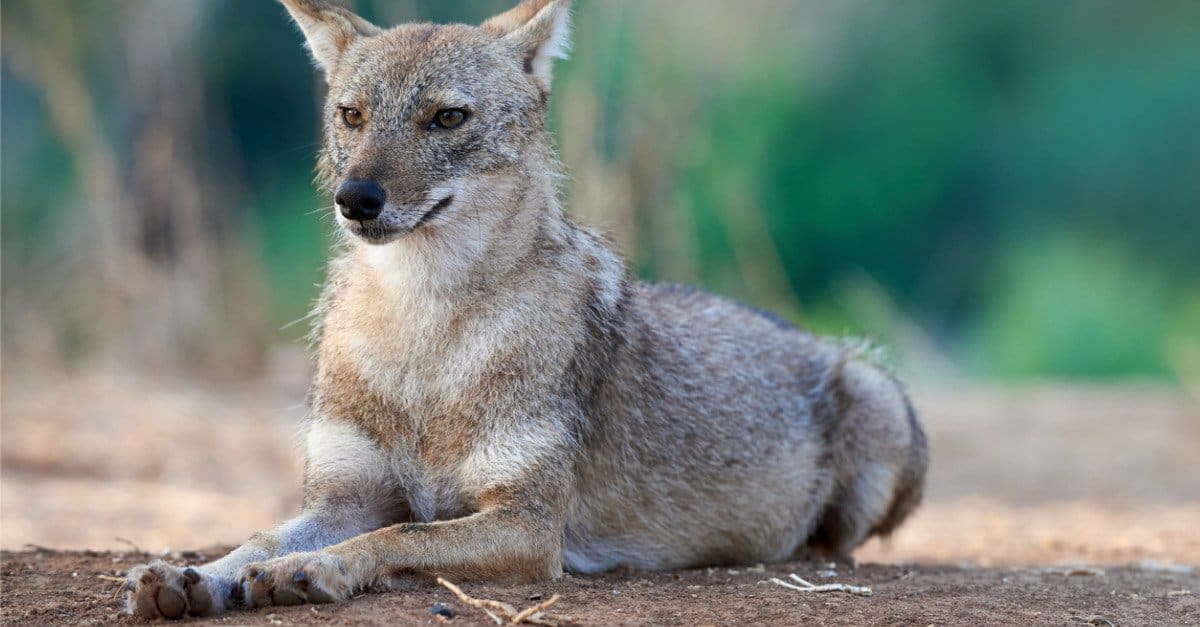
The jackal follows larger predators to a kill and feeds on the leftovers.
©iStock.com/Evgeny Meerson
Jackals (Canis) are canines found in Africa and Asia. They are opportunistic omnivores with a generalist diet. This means they will eat any available food, including dead animals left behind by other predators. African jackals are believed to scavenge more than other jackal species because they live alongside top predators like lions, cheetahs, leopards, and hyenas. Jackals follow these animals to their kill and feed on the leftovers.
One reason jackals are so successful is their diet. In addition to scavenging for carrion, jackals also hunt small mammals, birds, and reptiles. During periods of scarcity, they form hunting groups to take down larger prey. They also consume large amounts of plant matter. Some species, such as the golden jackal, consume as much as 46% plant matter. The willingness to consume such a wide variety of foods ensures jackals rarely go hungry.
5. Crabs
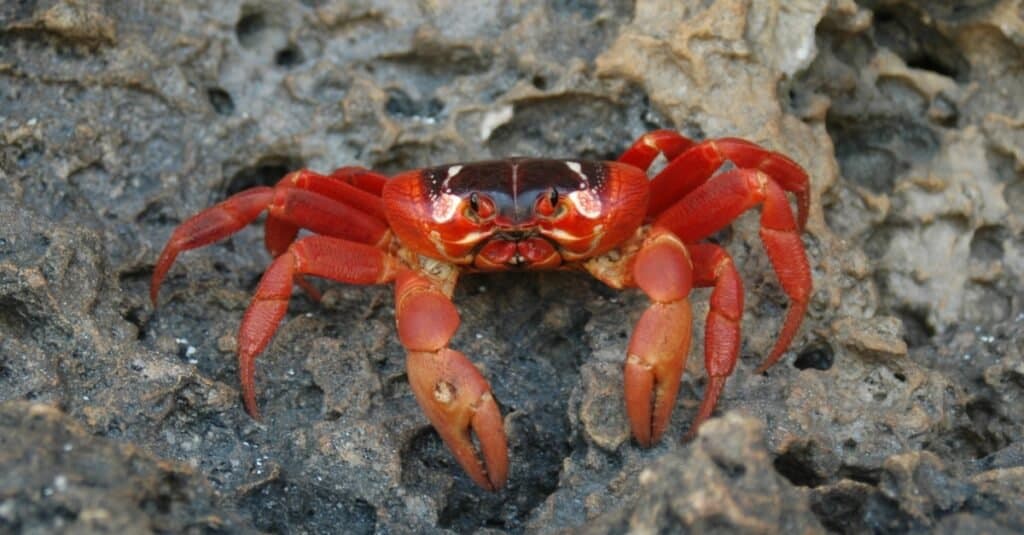
Most crab species are omnivorous scavengers.
©iStock.com/Zinni-Online
Like vultures on land, crabs (Brachyura) are the cleanup team of the sea. Crabs can be found in every ocean on Earth. Feeding habits tend to vary from one species to another, but most are omnivorous scavengers. They are primarily bottom feeders, living in grasses on the ocean floor, burrowing into sediment, or hiding in crevices. Since food particles eventually settle on the ocean floor, it’s the perfect place for crabs to live and scavenge for food.
The crab’s diet essentially includes anything it can find. They typically eat plankton, algae, and mollusks. However, they frequently feed on the remains of dead fish, clams, mussels, and oysters, among other animals. They also eat decaying plant matter.
6. Bears
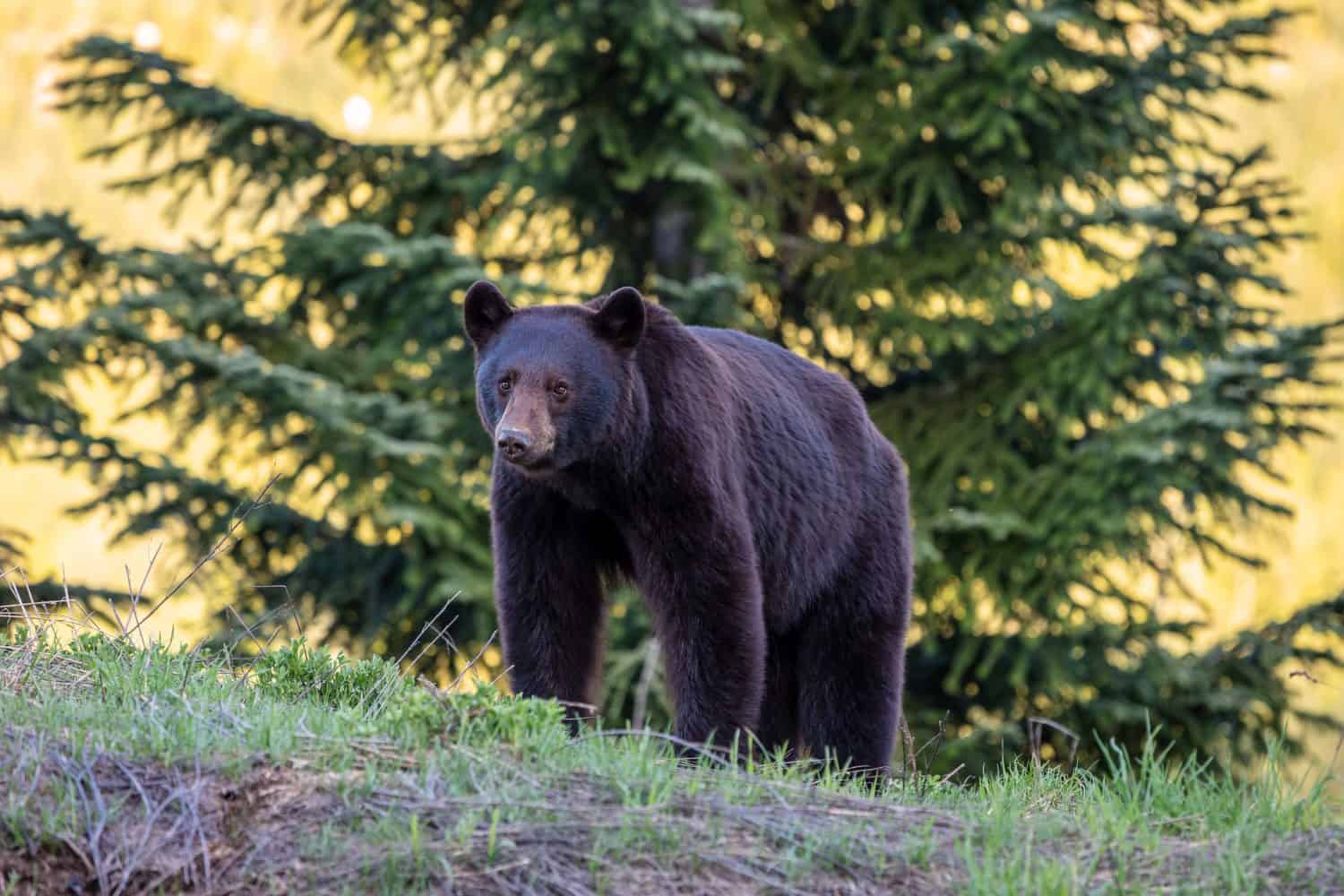
Black bears sometimes steal kills from smaller predators such as mountain lions.
©Pierre Leclerc/Shutterstock.com
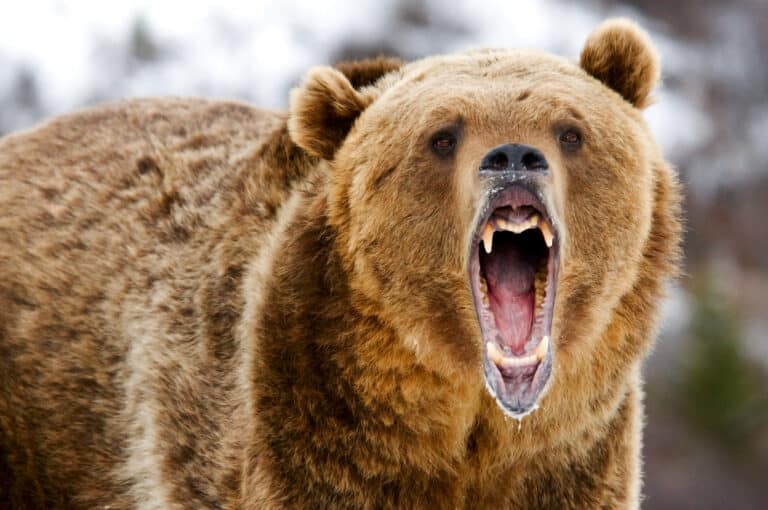
Bears (Ursidae) are large land mammals found across various habitats in Europe, North America, and Asia. There are eight species of bears, and feeding habits vary among them. Their diets also depend on the availability of food in their habitats. Most bears are omnivores and feed on both plant and animal matter, including carrion when they find it.
Although they are large enough to make their own kills, bears sometimes use their size to scare off smaller predators and steal their kills. This is called kleptoparasitism. It has been recorded in black bears, which often steal food from mountain lions, and it has been observed in grizzlies, which steal from wolves. Bears have strong stomach acid and a powerful immune system that can handle the digestion of carrion.
7. Eagles
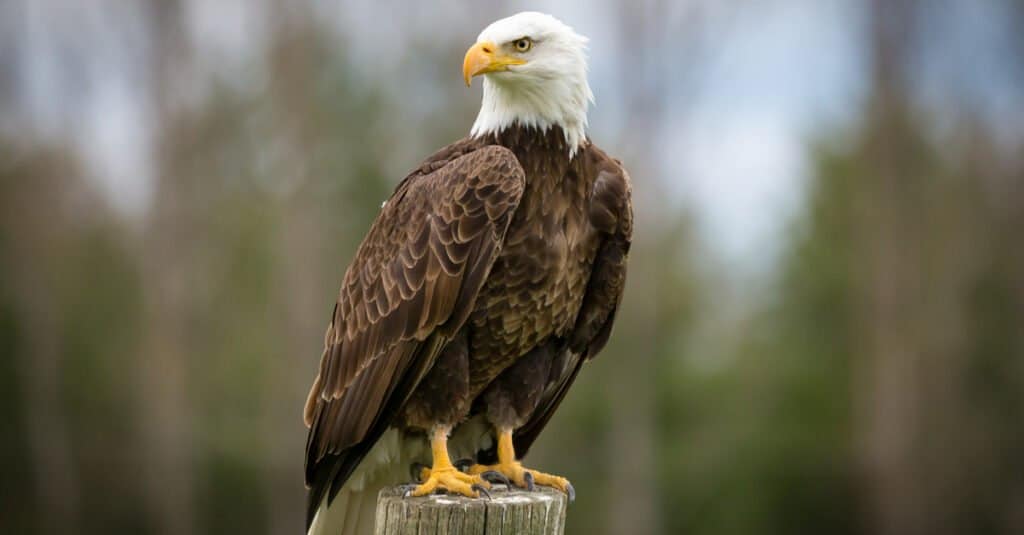
Bald eagles are known to be scavengers, especially in winter when prey is scarce.
©iStock.com/emranashraf
Eagles live all over the world, with the exception of Antarctica. These birds of prey are powerful hunters, but some species, such as bald eagles (Haliaeetus leucocephalus) and golden eagles (Aquila chrysaetos), are also opportunistic scavengers. Young eagles are also more likely to scavenge than mature birds, which are more experienced hunters.
Although they often catch fish and other small mammals, eagles regularly scavenge carcasses, especially during the winter when prey is scarce. Eagles also engage in kleptoparasitism, using their larger size and greater strength to force smaller birds such as ospreys to abandon their kills. Some eagles also follow other scavengers to carrion and steal the kill for themselves.
8. Sharks
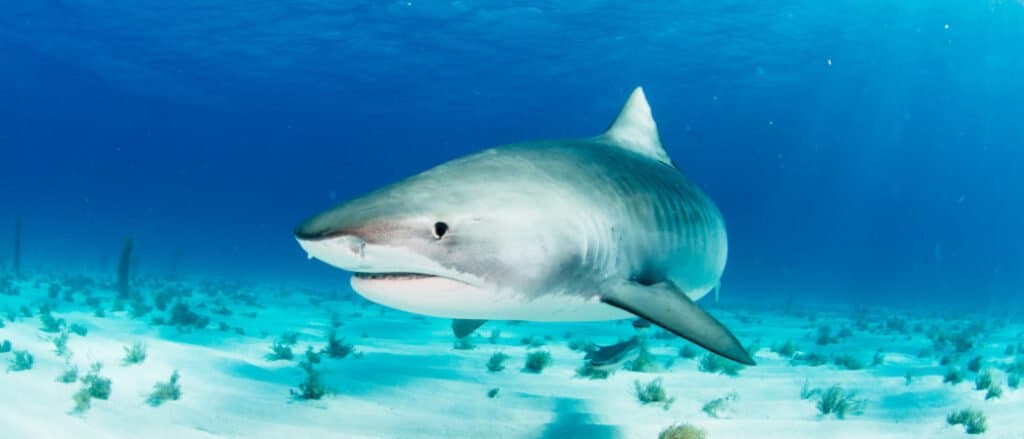
Tiger sharks are sometimes called “the garbage cans of the sea” because of their opportunistic diet.
©Yoshinori/Shutterstock.com
Sharks are cartilaginous fish that belong to the class Chondrichthyes. Although sharks are generally apex predators that actively hunt fish, seals, octopuses, and other marine animals, they don’t always eat live prey. Some sharks are also scavenger animals. Tiger sharks, bull sharks, sevengill sharks, great whites, and Greenland sharks are all well-known scavengers of the ocean.
Opportunistic scavenging of dead fish, whales, marine mammals, and even human garbage supplements sharks’ hunting of live prey. Sharks have specialized sensory organs called the ampullae of Lorenzini, which are usually found in their snouts. These organs help sharks detect electrical charges from living and dying prey, which aids in scavenging.
9. Lobsters
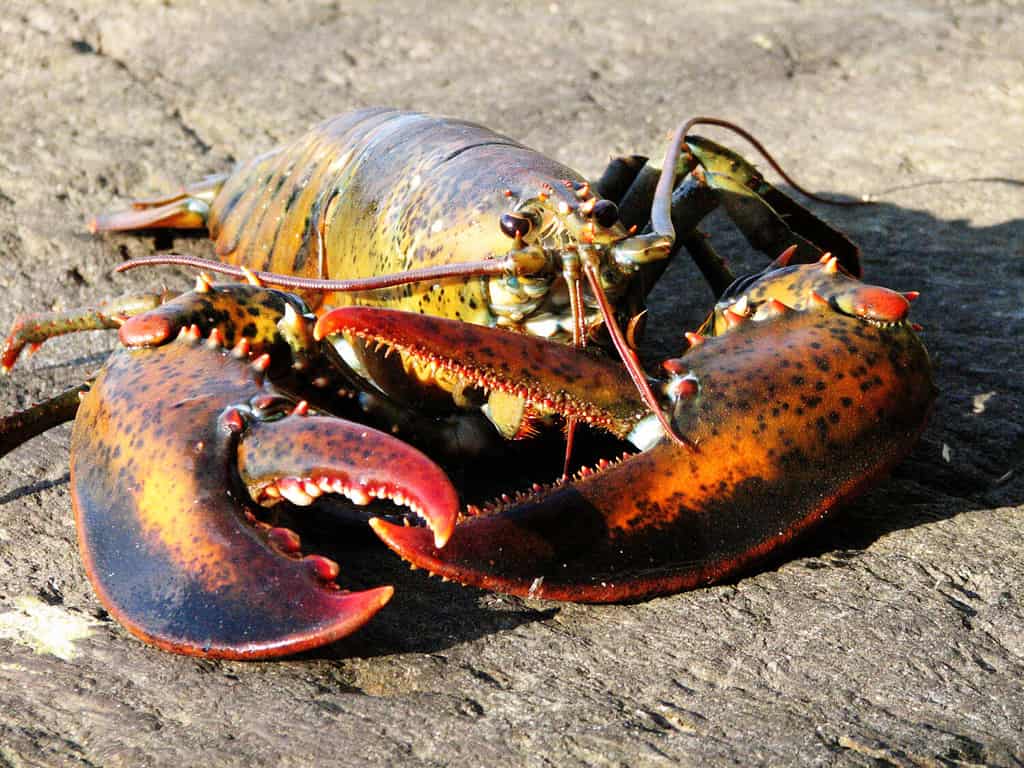
Lobsters are not just scavengers, they also hunt for live prey.
©/Shutterstock.com
Like their cousins, the crabs, lobsters (Nephropidae) can be found in every ocean. They also clean the ocean by feeding on detritus. Once thought to be only scavengers, lobsters are actually opportunistic omnivores. They primarily consume live food such as small fish, mollusks, clams, mussels, and other crustaceans.
However, lobsters will eat nearly any food source they can find in the water, living or dead. Lobsters are nocturnal and come out to scavenge the seabed at night. They often consume decaying animals found on the ocean floor. Lobsters also eat their own shells after molting. They do this to replace the calcium and other minerals they need to quickly harden their new exoskeletons.
10. Millipedes
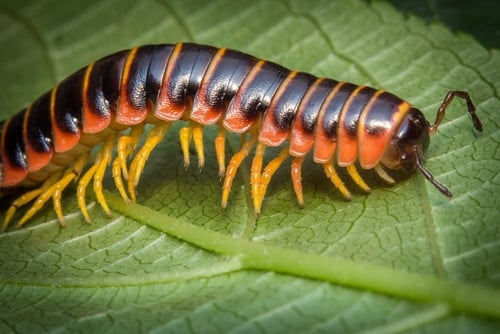
A millipede is an arthopod that primarily feeds on decomposing plant matter.
©Ezume Images/Shutterstock.com
Millipedes are arthropods in the class Diplopoda. They are found everywhere but Antarctica. Millipedes are known for their long, slender bodies with many tiny legs. They shed their skin as they grow, and after each molting stage, they eat their cast-off exoskeletons. This is just one of the scavenging habits exhibited by these arthropods.
In fact, most millipedes are primarily scavengers. They prefer to live outdoors with sufficient moisture, such as under mulch, dead leaves, or grass clippings. They feed on decomposing leaves and other plant material, fruit, and decaying wood. Some species may rarely feed on living plants in their habitat, but only when other food is scarce.
11. Foxes
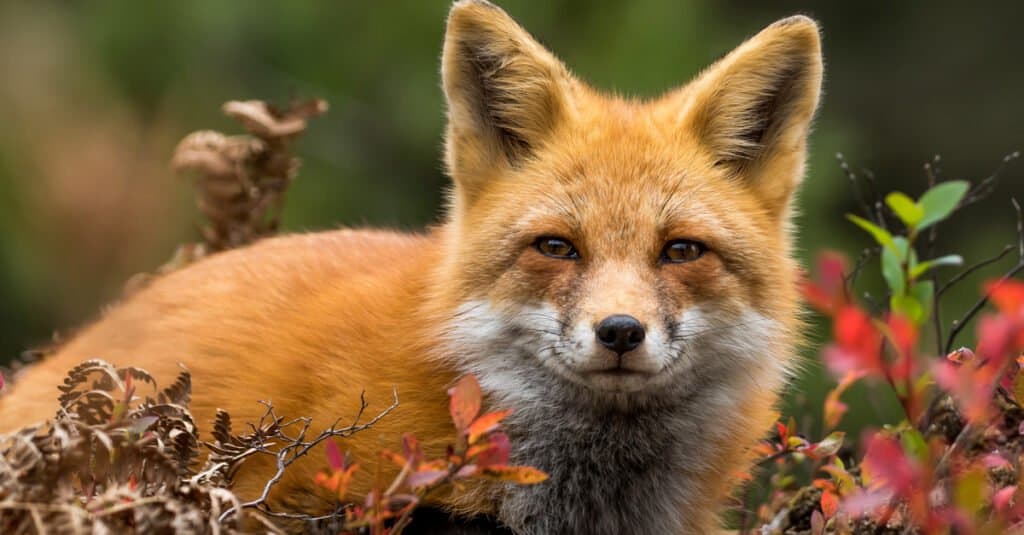
A common food source for foxes near humans is roadkill.
©RT Images/Shutterstock.com
Foxes (Vulpes) are widely distributed throughout the world, except for Antarctica. Like many other animals on our list, foxes are omnivores and opportunists. These skilled canine hunters prey on small animals like rabbits, birds, and frogs, but they also eat fruits and berries.
Foxes are very adaptable and supplement their diet with carrion. They consume the remains of animals killed by larger predators, such as coyotes and wolves. Another common food source, especially in areas near humans, is roadkill — animals that have been killed by vehicles. Foxes also eat garbage and other human refuse.