
Quick Take
- The toxin that makes this sea squirt deadly to its ocean predators may be the exact reason it could save human lives, though not in the way anyone predicted. See the discovery →
- Collecting a potential cancer cure means facing leopard seals, extreme cold, and a brutal time limit that makes every dive a race against biology itself. See the expedition hazards →
- The hardest part of turning this discovery into a treatment has nothing to do with the Antarctic, and it may be the thing that delays a cure the longest. Explore the research delays →
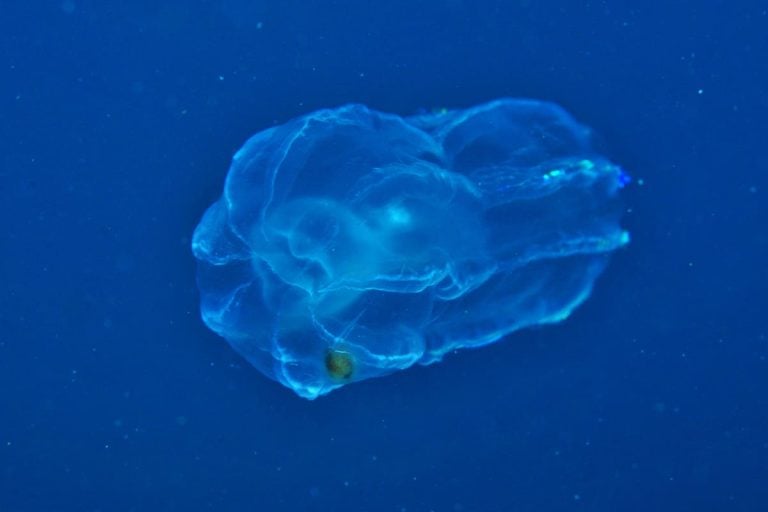
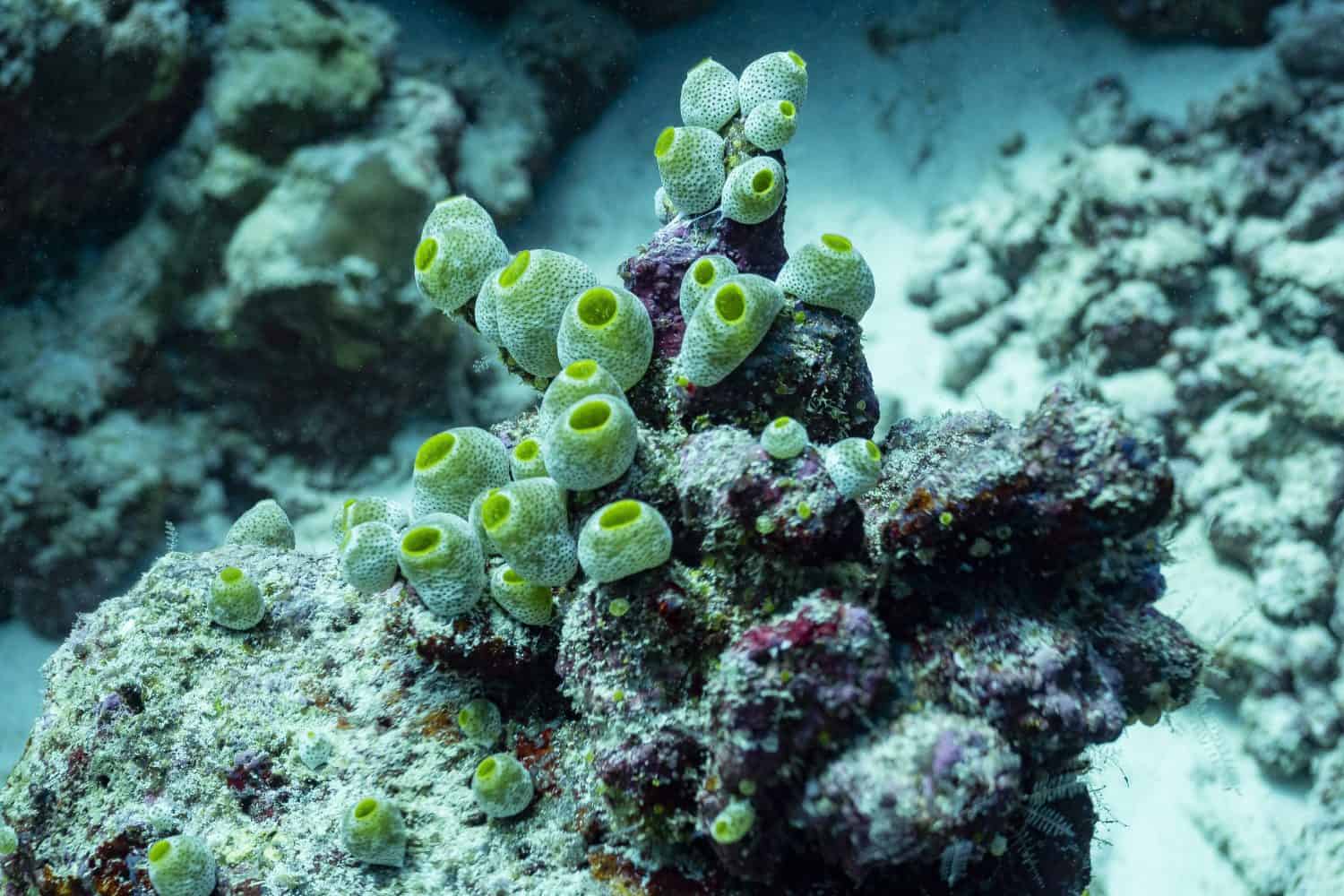
A deep-sea discovery in Antarctica made two decades ago may hold the key to future melanoma treatments. And its source? Something no one would have guessed: The Antarctic sea squirt. Specifically, a type of bacterium produced by the sea squirt.
This chemical is now being studied in lab mice, which have responded positively to its effects. While human trials are still a long way off, researchers believe they could be witnessing something extraordinary.
How Marine Species Hold Cures
When University of Florida chemistry Professor Bill Baker discovered the cancer-fighting properties of Antarctic sea squirts, no one knew it would eventually lead to encouraging results in laboratory studies. But now, Professor Baker is once again leading an expedition team to search for the cure he is determined to discover. The bacterial toxin produced by this marine species, palmerolide A, is highly effective at killing melanoma. With one of the highest mortality rates of any cancer, a cure derived from the sea squirt would be historic.

Antarctica’s waters are rarely explored, and the medical benefits of its species are largely unknown.
©Mozgova/Shutterstock.com
Interestingly enough, the same toxins that the sea squirt uses to defend itself from predators are precisely what researchers are collecting. In the first animal trials, the toxin didn’t kill the mice. But, miraculously, it did kill melanoma cancer cells.
However, according to Baker, creating the treatment is not easy. Hundreds of milligrams to grams of the bacterial toxin are required to make anything usable. And of that, the yield is far too small to be applied to any hospital setting. The only option is to recreate the toxin in the lab, which is a massive undertaking in itself. And that’s not the only challenge.
An Exhausting Antarctic Expedition
The USF team returned home from their expedition into the Antarctic, exhausted. The trip itself is harrowing, as weather, sea temperatures, and even wildlife add to the difficulty of travel. Once they arrived, the team had to contend with leopard seals, inches of ice, and devastatingly cold sea temperatures. To reach the sea squirts, the researchers also needed a team of experienced divers. These were led by Ben Meister, a USF diving safety officer for the expedition. The expedition was funded by the National Science Foundation, but the main challenge was not the cost—it was the harsh conditions imposed by Mother Nature.
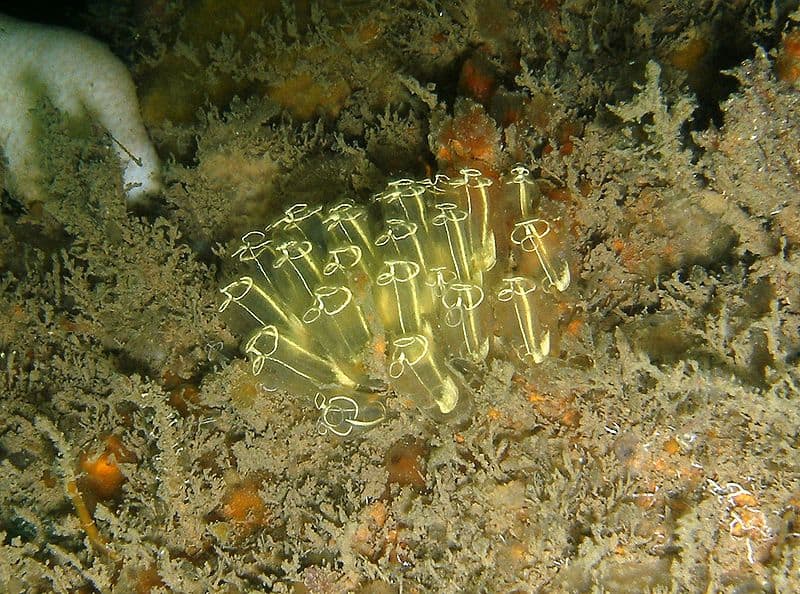
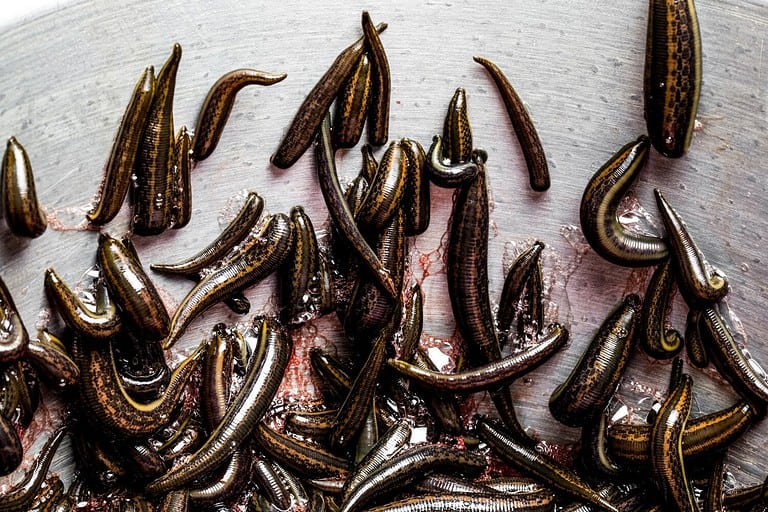
The Antarctic sea squirt is not the only one that’s been used to derive a medical treatment.
©Esculapio / Creative Commons – Original
During each dive, divers could only swim down to 130 feet. They were limited to only thirty minutes per dive, which provided little time to collect sea squirts. These cold-water invertebrates attach themselves to the seafloor, making them difficult to find. They also prefer sloped surfaces, where they have the best chance of intercepting nutrients carried by the current. This is compounded by the fact that Antarctic sea squirts grow extremely slowly. Their low metabolic rates reflect the frigid waters in which they live, leading to low reproductive rates.
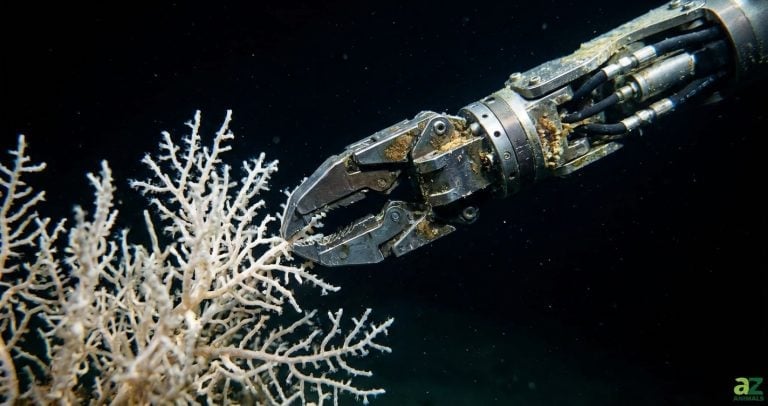
To find the sea squirts, the team also deployed remotely operated vehicles (ROVs). These were used to reduce search time and quickly identify collection sites. This allowed the team to explore depths inaccessible to divers and to map large populations of ascidians.
The Timeline For Cancer Research
Despite the long timeline, researchers are optimistic. As treatment trials progress, several teams aid in DNA, chemistry, and biological assessments. Although there is currently no specific timeline, it may take months or even years before a tangible treatment is available for the medical community. However, USF researchers have a solid foundation on which to build this potential treatment.
This is also not the first time a treatment has been derived from a marine species. Ziconotide, also known as Prialt, is a powerful painkiller derived from cone snail venom. It’s primarily used to treat chronic pain and is effective for addressing central nervous system issues. Trabectedin, known as Yondelis, is specifically used to treat soft-tissue sarcomas and relapsed ovarian cancer. This also comes from a sea squirt (Ecteinascidia turbinata) that’s found in the Mediterranean and Caribbean seas.
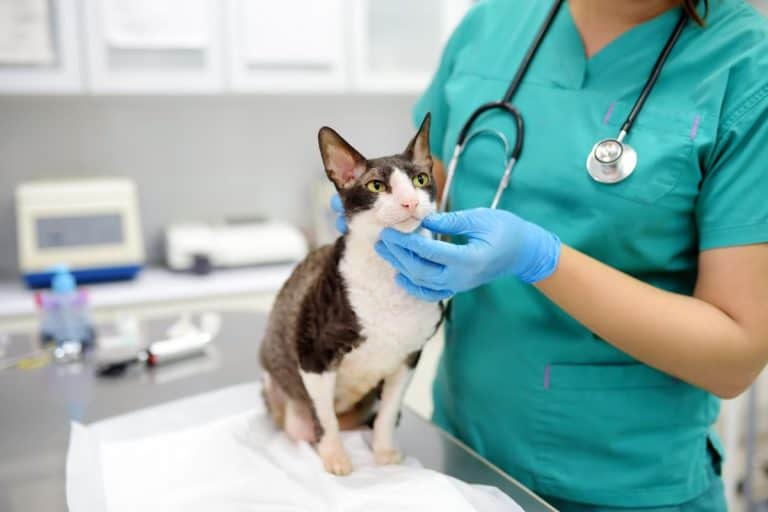
Cancer trials require extremely rigorous testing, which makes treatment approval a longer process.
©H_Ko/Shutterstock.com
“More than half of FDA-approved drugs originate from natural sources. We first discovered that this ascidian produces a bacterium containing a toxic compound that kills melanoma cells without harming normal human cells. That selectivity is critical in drug development because you want to treat the disease without harming the patient,” said Baker, speaking on behalf of the research team’s efforts.
This is also not the first time Baker’s discoveries have led to successful medical treatments. His expeditions have resulted in patents for compounds with potential applications against drug-resistant malaria, cancer, and antibiotic-resistant infections.