
Quick Take
- A 250-million-year-old egg sat in a lab for nearly two decades before anyone realized what was hiding inside it. See the discovery →
- The shell type that helped Lystrosaurus hatchlings survive is the same reason this fossil almost never existed at all. Explore the soft-shelled eggs →
- Lystrosaurus outlived the world's worst mass extinction, and its eggs may hold the unexpected clue to how it pulled that off. How Lystrosaurus survived →
- The creature inside this fossil doesn't look like any mammal alive today, yet it is an ancestor to most of them. Meet the ancient ancestor →
Curious minds have asked the same question for centuries: Did mammals hatch from eggs? It might sound ludicrous given what we know about modern mammals. However, this was not the case for the ancestors of most of today’s mammal species. A new discovery in South Africa finally answers this question and gives insight into a long-hypothesized theory. An X-ray of a Lystrosaurus fossil confirms that early mammal relatives laid eggs.
The First Egg-Laying Mammal
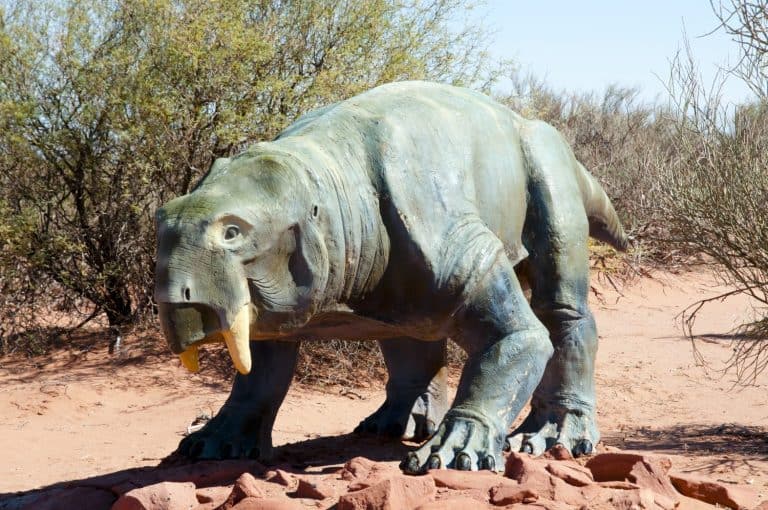
Many of the world’s mammal species are distantly related to Lystrosaurus. This prehistoric animal, a non-mammalian synapsid, was typically about three feet long with a pig-shaped body. It had a beak for a mouth, tusks, and enormous forelimbs. This doesn’t resemble any mammals we know today, but it does include notable features found in many others.
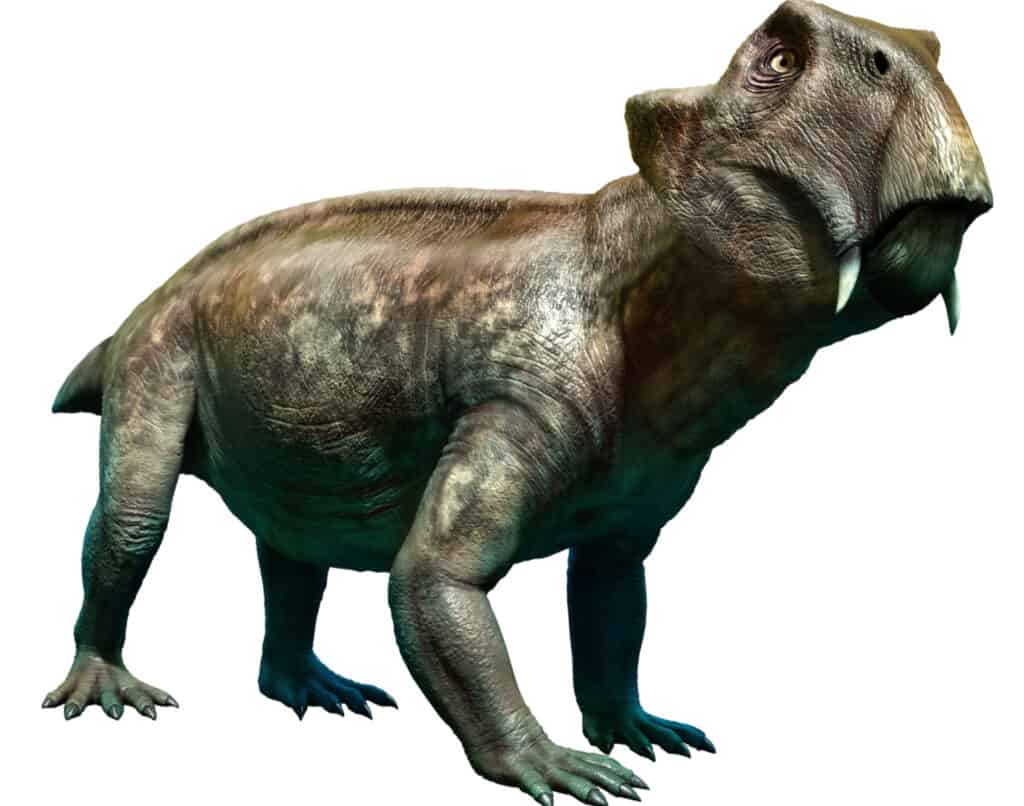
Lystrosaurus was a pig-sized herbivore that laid soft-shelled eggs.
©Warpaint/Shutterstock.com
Directly translated, Lystrosaurus means “shovel lizard.” This reptilian reference highlights the creature’s egg-laying ability. Giving birth to live offspring wouldn’t occur until much later, as species related to Lystrosaurus eventually evolved. Lystrosaurus fossils have been discovered worldwide, primarily in South Africa, India, and Antarctica, which were formerly part of Pangea. With this evidence, scientists have long theorized that Lystrosaurus laid eggs, and we now have the evidence.
Lystrosaurus Found In a Fossilized Egg
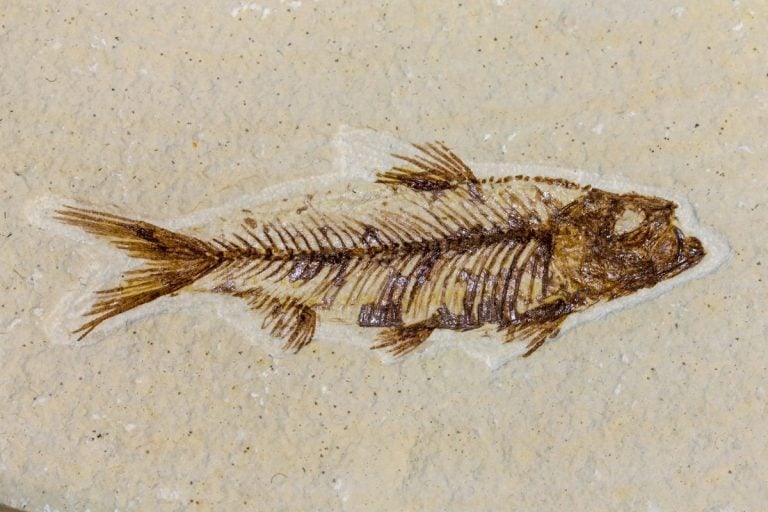
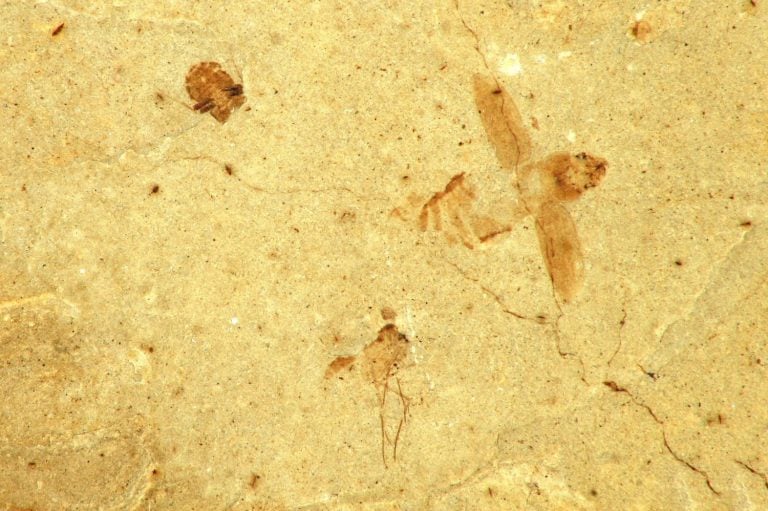
The 250-million-year-old fossil was discovered by a team led by Professor Julien Benoit, Professor Jennifer Botha (Evolutionary Studies Institute, University of the Witwatersrand, South Africa), and Dr Vincent Fernandez (ESRF – The European Synchrotron). Surprisingly, although the theory was confirmed in 2026, the fossil itself was unearthed by Botha back in 2008. It wasn’t until her preparator, John Nyaphuli, began gently examining the fossil that they discovered it contained bone fragments.
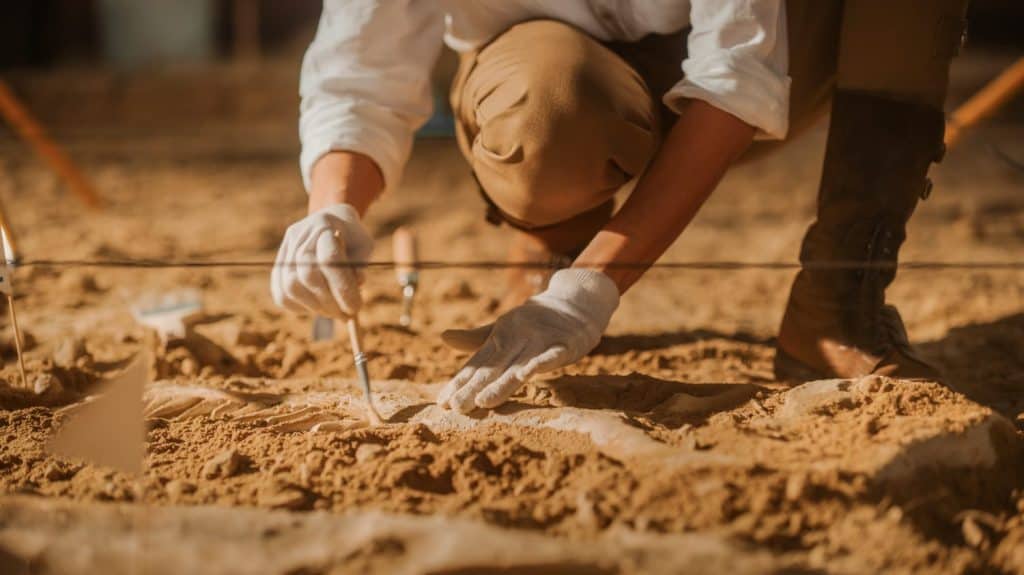
The egg was discovered nearly two decades earlier, but scientists lacked the technology to reveal its contents.
©Gorodenkoff/Shutterstock.com
Fast-forward to 2026: Scientists now have the technology to determine what was inside the fossilized egg. The synchrotron X-ray CT and the intense X-rays of the ESRF were crucial to this discovery. Using these tools, the team could see the mandibular symphysis of Lystrosaurus. Its underdeveloped mandible provided clues about the animal’s age. Using advanced X-rays, the team was able to make out the curled-up body of a juvenile Lystrosaurus.
A History-Changing Discovery
Confirming the fossilized remains of a young Lystrosaurus gives anthropologists another piece of the evolutionary puzzle. Little is still known about the evolution of many species, but Lystrosaurus may be the key to solving these mysteries. The species somehow survived the End-Permian Mass Extinction, which occurred roughly 252 million years ago. This incredible adaptation may offer even more clues into the lives of species directly related to Lystrosaurus. Its fossil is telling of its ability to endure drought, extreme temperatures, and climate instability. Many of these challenges are reflected in our current era, which is shaped by climate change.
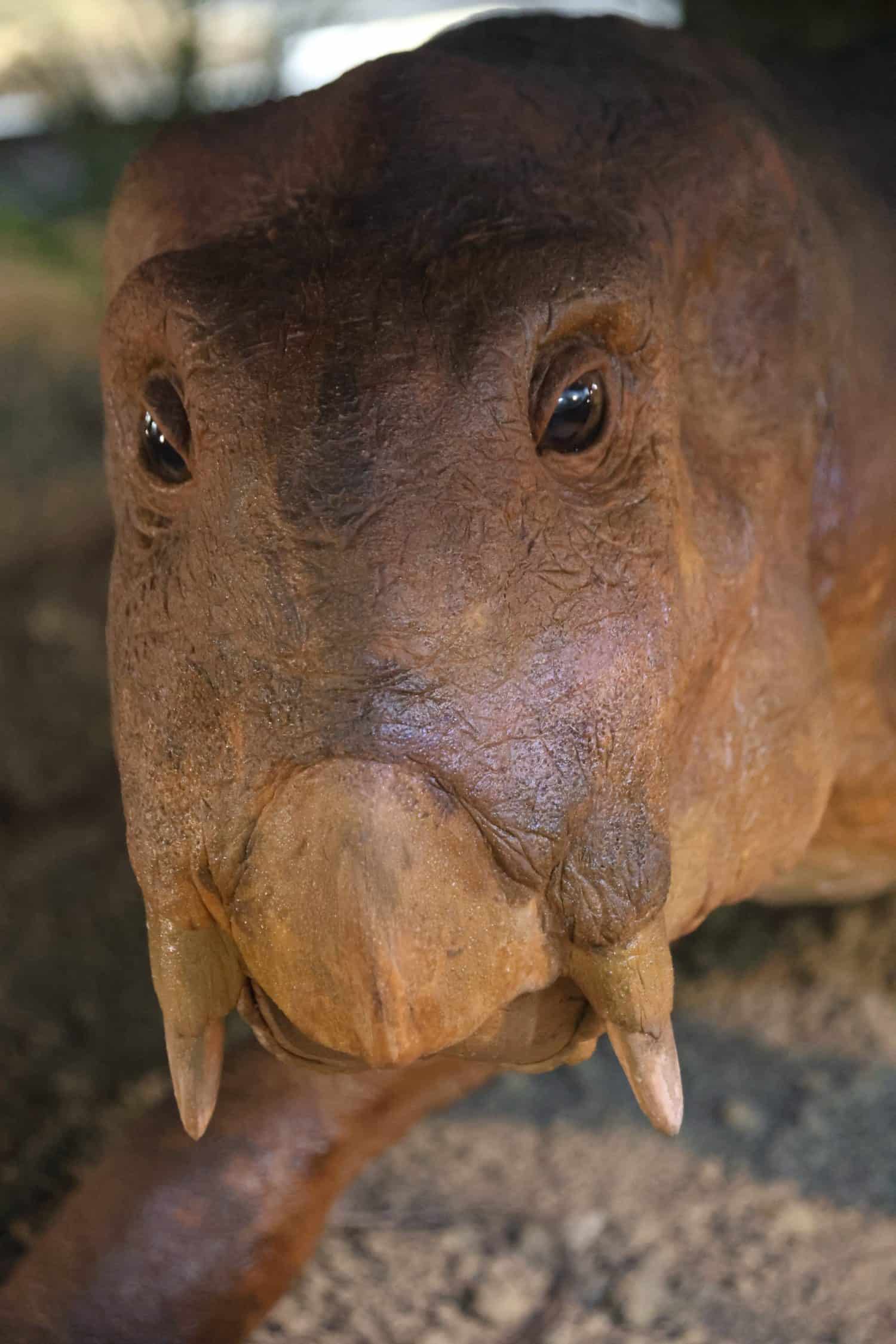
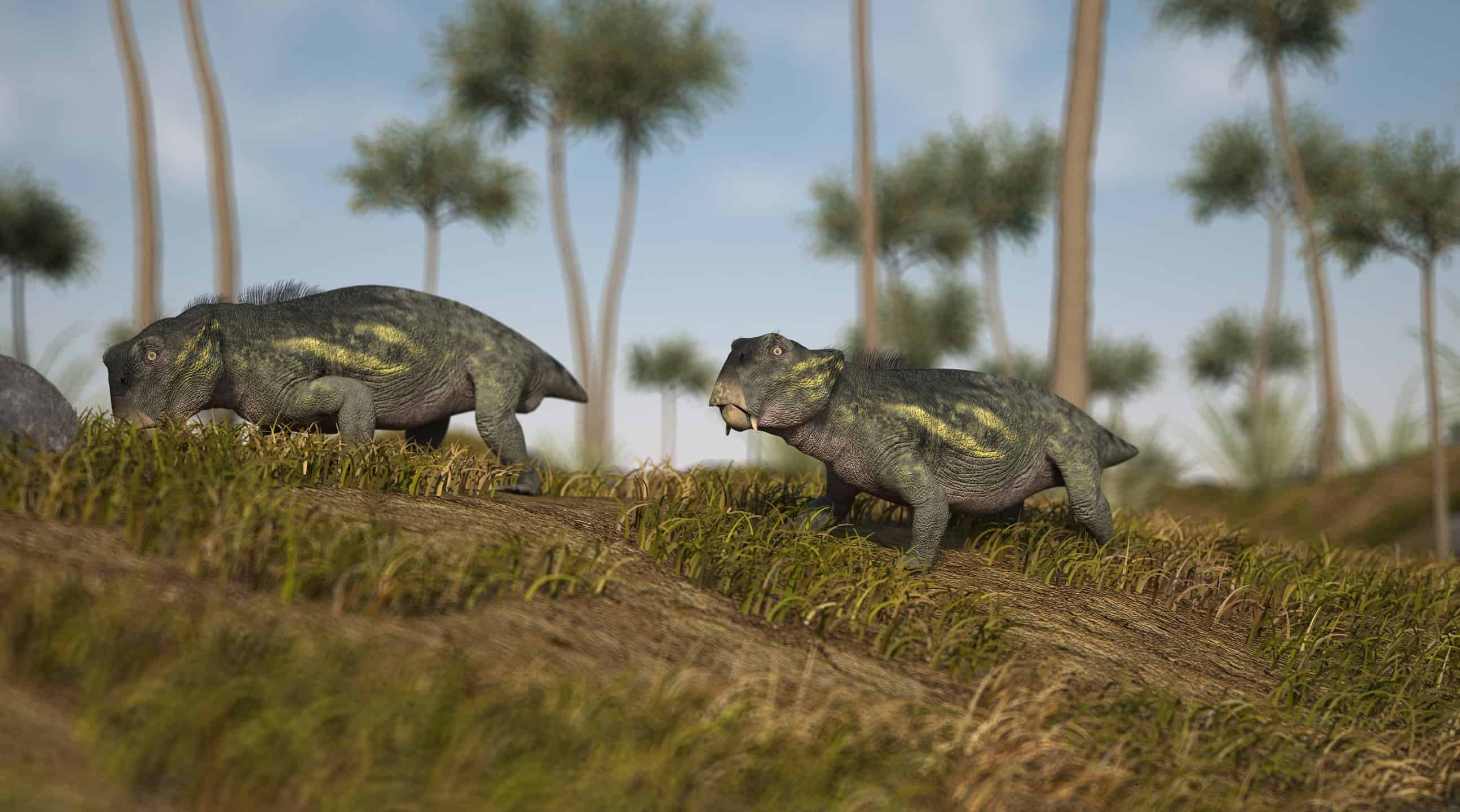
Lystrosaurus had a turtle-like mouth, tusks, and a pig-like body, combining features from multiple modern-day animals.
©Jaroslaw Piwowarski/Shutterstock.com
Researchers also believe that Lystrosaurus‘ soft-shelled eggs aided in its survival. Unlike the hard-shelled eggs of birds or the semi-soft shells of reptiles, these eggs were easier to break. This allowed hatchlings to breathe more easily, as more oxygen could permeate the shell. The egg itself appears leathery, with a weathered texture from age. Scientists surmise that this texture is due to the deterioration of its protective exterior over time. Although there are no clues as to what initially killed the hatchling, the team confirms that it died within its shell.
It’s also believed that hard shells didn’t evolve for another 50 million years. That makes Lystrosaurus‘ soft-shelled egg one of the first of its kind. This makes the discovery even more remarkable. Since such eggs are so easily broken, it is extraordinary that this fossilized egg survived for millions of years until it was discovered.