
Quick Take
- Being see-through provides camouflage for the frog, and it is actually one of nature's cleverest survival strategies. See the transparent adaptation →
- Scientists tested translucent frogs against opaque ones in the wild, and the results were surprising.
- Their skin isn't the only reason glass frogs are nearly impossible to find. There's a second layer to their disappearing act. Discover their camouflage secrets →
- With 150 species hiding across tropical forests, these tiny frogs face a threat that's quietly erasing them from existence. Learn about the 150 species →
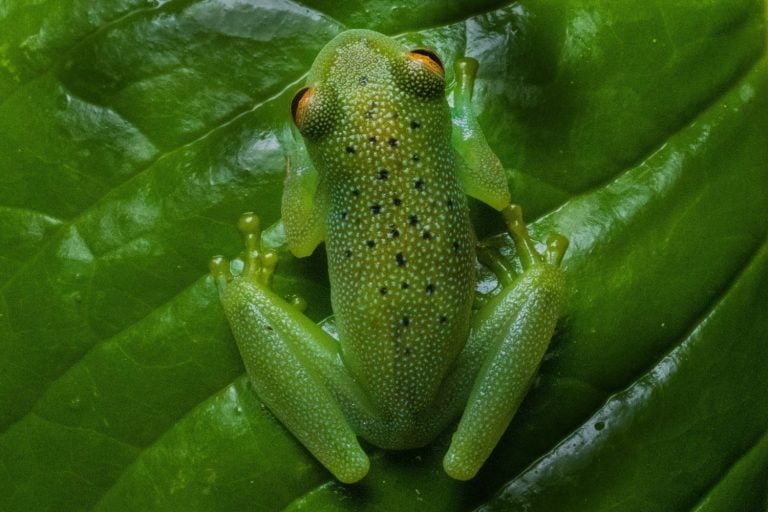
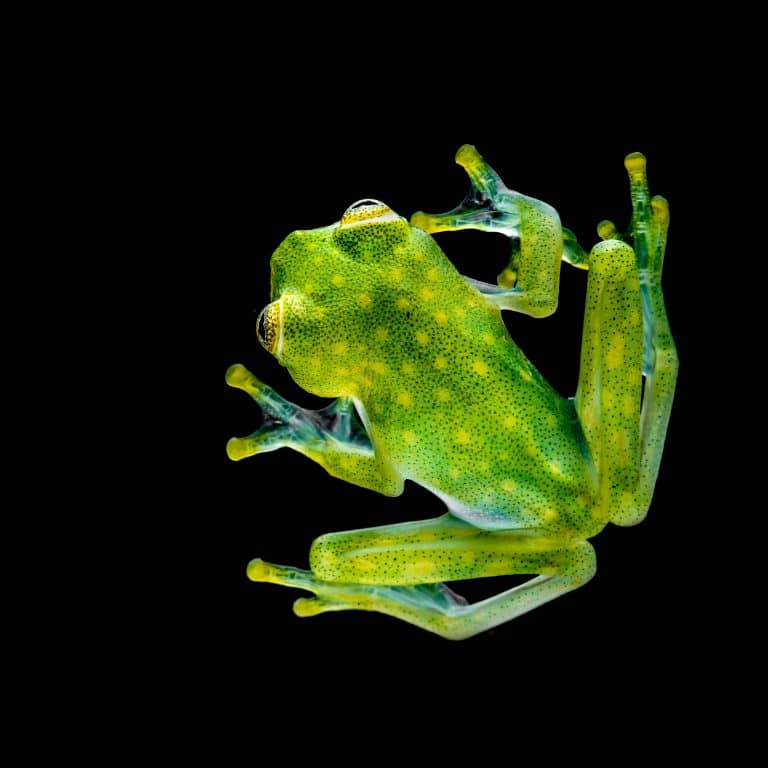
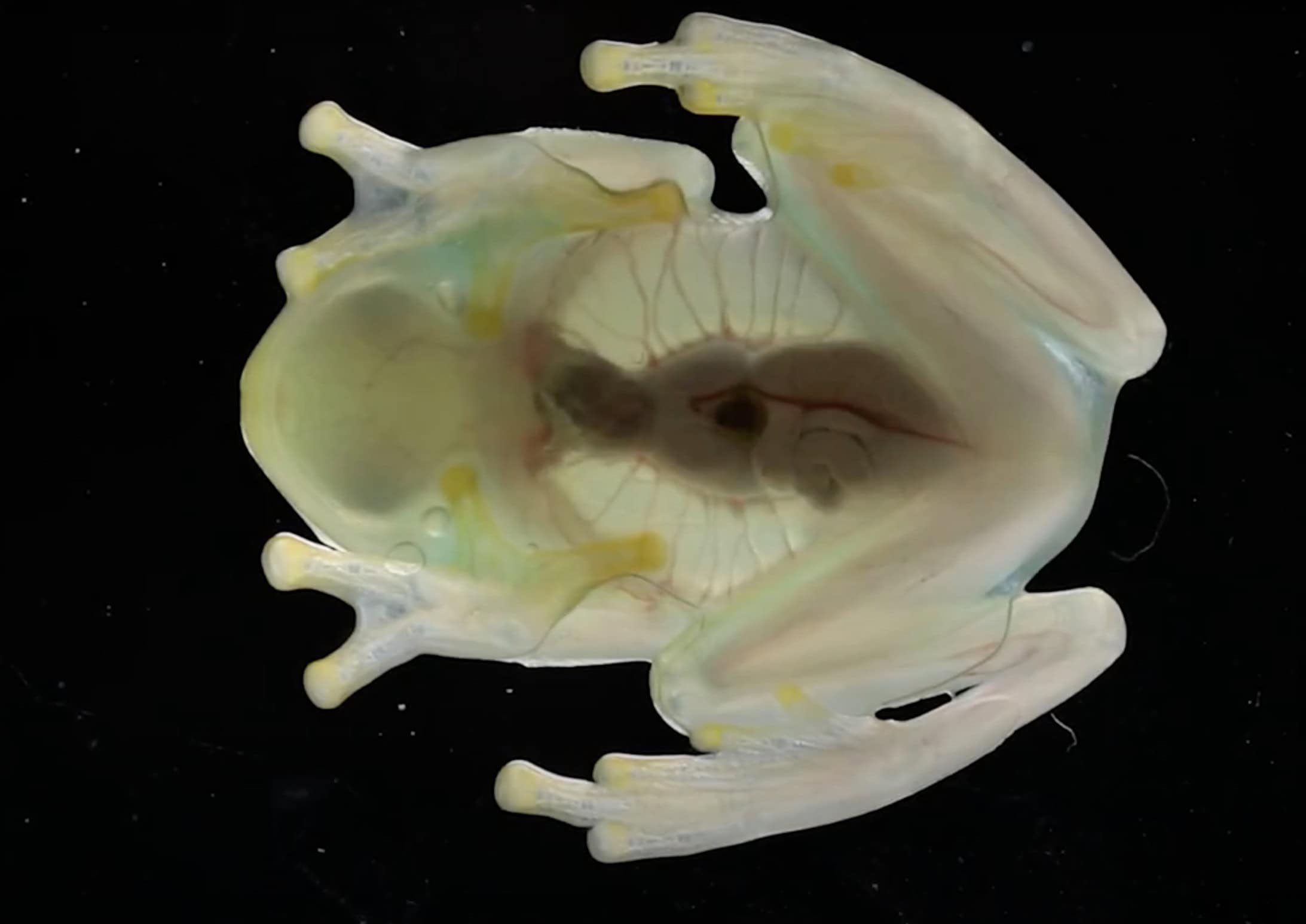
Nature is full of strange and unique traits, some of which seem almost like make-believe. One example is the glass frog, an amphibian named for its transparent underside. These frogs have skin so clear that you can see their inner organs! This Instagram post by @davidattenboroughfansclub shows an amazing view of this unusual trait. Read on to learn more.
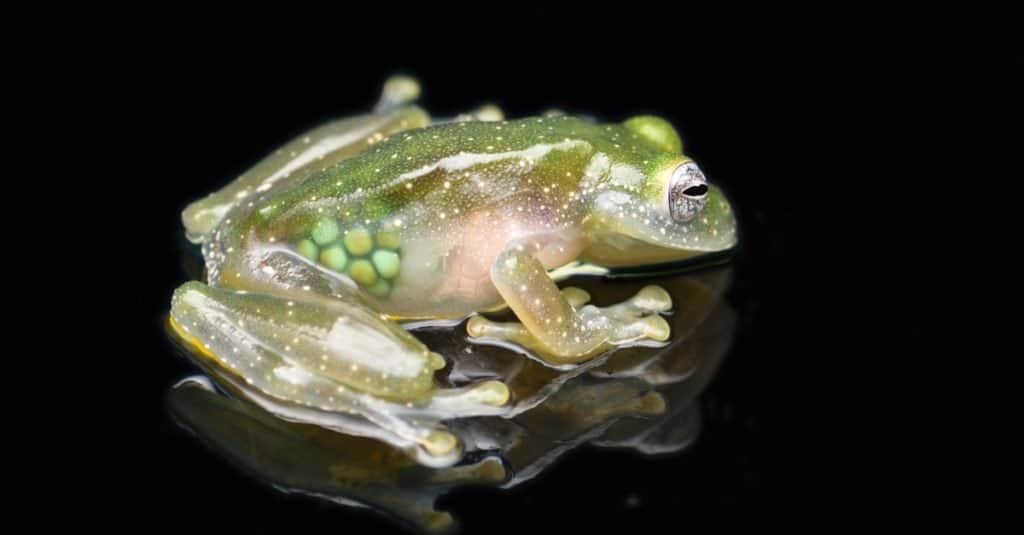
Glass frogs have transparent skin that allows you to see their beating hearts.
©petrdd/Shutterstock.com
About the Glass Frog
Glass frogs have one of the coolest adaptations in the animal kingdom. This family of frogs is famous for their transparent skin and muscles through which their internal organs are visible. By looking through their undersides, you can see their beating hearts, liver, digestive tracts, and more. Most species in this family have an opaque, green upper side, similar to other frogs. Transparency in land vertebrates is relatively rare, leaving biologists confused about why these frogs are see-through. The main theory is that the translucent skin provides a type of camouflage that helps to soften their outline when resting on leaves, making it harder for predators to spot them.
This amazing camouflage is highly effective. Studies have shown that translucent frogs are detected and attacked less than opaque ones, highlighting just how useful this amazing adaptation is. Glass frogs are native to tropical forests throughout Central and South America. This includes countries like Costa Rica, Panama, Colombia, Ecuador, Peru, Venezuela, Bolivia, and parts of Mexico. Their transparency isn’t the only thing that makes them hard to spot, as their tiny size also helps them remain hidden. An adult measures anywhere between 0.8 and 3 inches, with most species being on the smaller side of that scale. The glass frog family contains 150 different species, with some more common than others. Species are threatened by deforestation and climate change, causing population counts to vary.