
Quick Take
- Chipmunk cheeks aren't just stretchy skin. They're a specialized structure with a surprising anatomical secret that makes them far more capable than they look. Explore the anatomy →
- You'd expect cheeks full of food to be a soggy mess, but what actually happens inside is counterintuitive and critical to the chipmunk's survival. See what stays dry →
- Stuffing its face isn't gluttony. There's a calculated survival strategy behind every cheekful that connects to one of the chipmunk's most extreme biological behaviors. Uncover the survival strategy →
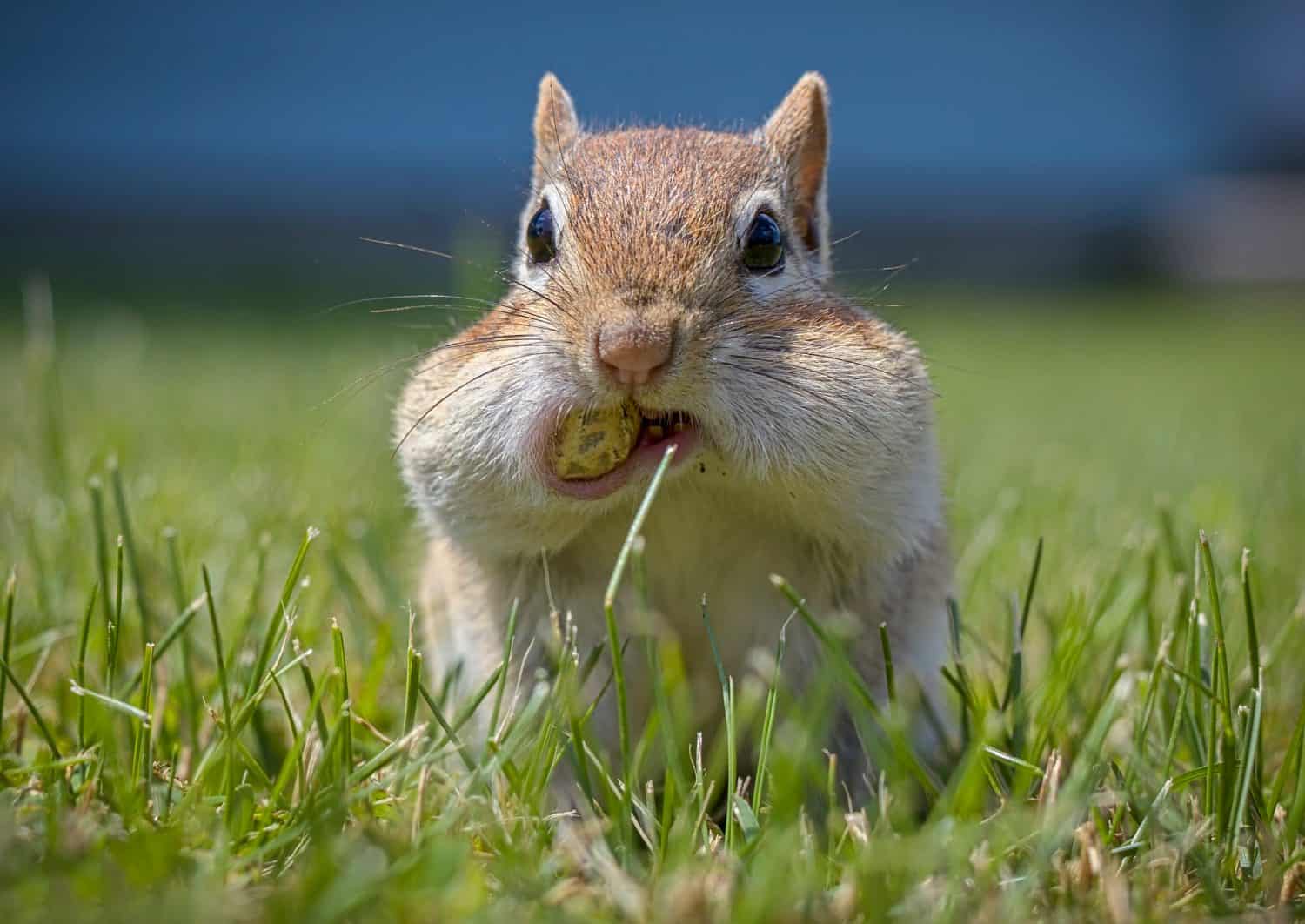
You’ve probably seen a scene like the one in the YouTube video above at some point. A chipmunk comes near your park bench or explores your backyard only to find a nut or piece of food that looks far too large to fit in its mouth. But, to your amazement, the animal’s face expands dramatically as you watch the chipmunk stuff the large item into its cheeks and go on its way.
Then, questions start flooding your mind: How can such a small creature carry so much food? Where does it all go? And perhaps most importantly, how do those cheeks not burst? Let’s look deeper into this awesome phenomenon.
What’s Up With Those Cheeks?
When you see a chipmunk stuff food into its mouth, you’re seeing more than just an animal with standard cheeks. Instead, chipmunks have specialized cheek pouches that function almost like built-in grocery bags. These are pouches inside the mouth that extend backward toward the shoulders. When their mouths are empty, the cheeks are barely visible. However, when full, they can stretch to astounding sizes.
The cheeks are lined with skin that is thinner and more durable than the rest of the chipmunk’s body. The tissue contains elastic fibers and is designed to stretch so that the animal can carry large loads of food back to its home. It’s not uncommon to see a chipmunk stuff dozens of seeds, nuts, kernels of corn, or other food items into its cheeks at one time.
When completely full, the animal’s head and neck can appear almost twice their normal size. Yet despite this extreme stretching, the tissue is durable and designed to snap back afterward. Don’t worry—chipmunks typically aren’t hurt by carrying so much food in their cheeks. Chipmunks know their limits and understand that overstuffing can cause physical damage or make movement difficult. In the end, this is just another marvel of Mother Nature.
Do the Seeds Get Soggy?
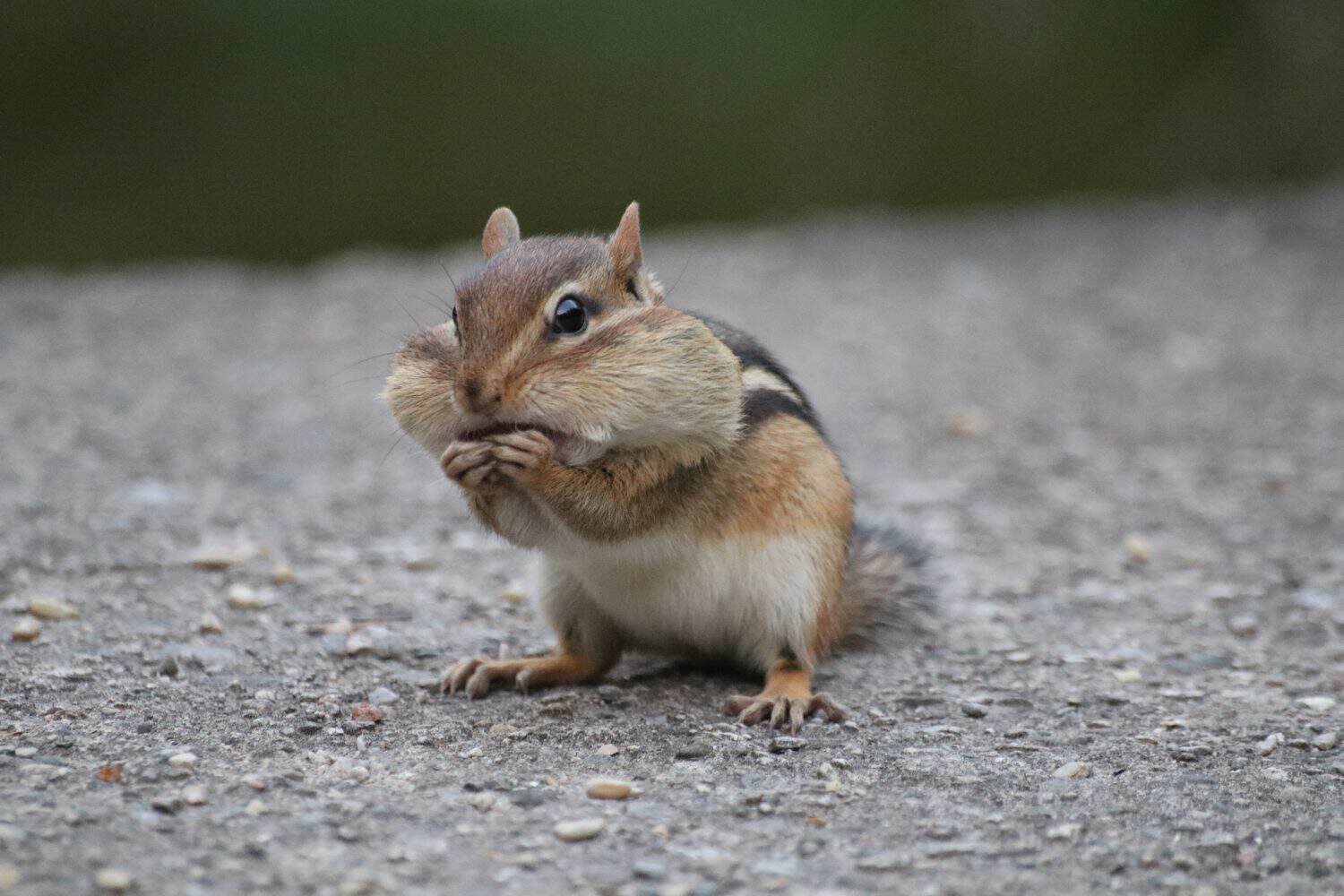
The food that chipmunks store in their cheeks stays relatively dry, so it can be consumed later.
©elena_4ever/Shutterstock.com
Surprisingly, when a chipmunk spits out the food from its cheeks, it’s not as soggy as you might think. Chipmunk cheeks are relatively dry compared to the inside of other animals’ mouths. This dryness is necessary so that the seeds and nuts the chipmunk gathers stay in good condition until they’re ready to be eaten.
If the food stored in the cheeks becomes overly wet or mushy, it could spoil more quickly or be harder to store. Since chipmunks rely heavily on food storage for survival, keeping their collected food relatively dry is extremely important.
Why Chipmunks Carry So Much Food
When you see a chipmunk stuffing its cheeks full of food, it’s not just for fun. Chipmunks are famous hoarders. They spend most of their active months gathering food and hiding it in underground storage chambers and other hiding spots. Unlike many other animals that eat the food they gather immediately, chipmunks plan ahead. Essentially, their entire lifestyle revolves around collecting and storing enough food to survive periods of scarcity.
Later, when winter arrives, chipmunks enter periods of torpor, during which their body temperature drops to help them withstand the cold. This behavior, along with their vast food storage, makes surviving the winter much easier.
The ability to store so much food in their cheeks also allows chipmunks to avoid predators. When they can store more at a time, chipmunks spend less time out in the open. Chipmunks have many predators, including hawks, snakes, coyotes, and domestic cats, and there are plenty of these predators around. Needless to say, the faster chipmunks can gather food and retreat to safety, the better their chances of survival.
Tiny Animals That Are Built to Last
If you’re like us, you’ve probably watched this video a few times already. It’s amazing how these tiny creatures operate with such efficiency and preparation. The next time you watch a chipmunk stuff its cheeks, remember that you’re witnessing one of nature’s miracles.