
Quick Take
- Pavement ants evolved to thrive in scorching city heat, yet that adaptation came with a hidden vulnerability. See pavement ant adaptations →
- Rising temperatures shrink most urban insects, but a few species actually respond in the opposite way. Discover the size reversal →
- The surge in city insect populations isn't hitting all neighborhoods the same way, and the gap is wider than most people realize. See neighborhood inequality data →
On a hot summer day, strolling down a city street with concrete in every direction can feel like walking into an oven. It will soon have you dreaming of a leisurely walk through a lush forest far from the city’s heat.
But those hot conditions in busy cities cause more than just discomfort. All that heat is rewriting the biology of some of people’s least favorite insects, giving these bugs a distinct advantage.
The Truth About Urban Heat Islands
Crowded and dense cityscapes, filled with asphalt, concrete, and little vegetation, trap and radiate heat. That’s obvious anytime you walk down a city street in the middle of summer. While these urban heat islands (UHIs) push temperatures noticeably higher in warmer months, it’s a phenomenon that exists year-round. Even in the winter, temperatures within a city are at least a few degrees warmer than surrounding rural areas.
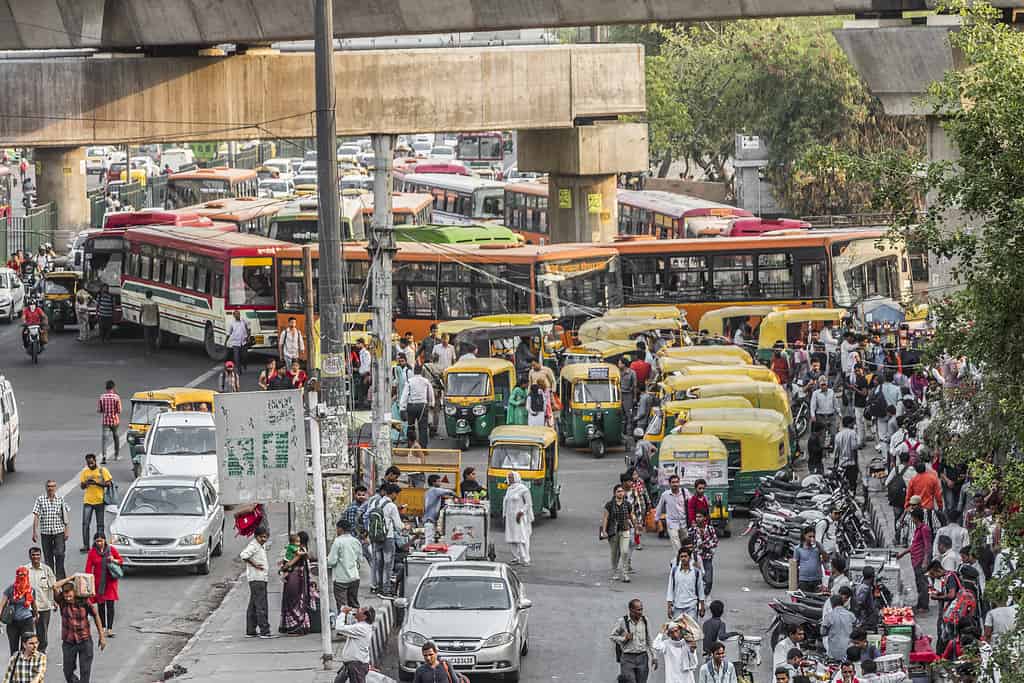
Urban heat islands (UHIs) exist in every large city in the world.
©Arkadij Schell/iStock via Getty Images
All that heat doesn’t just affect people. Small ectotherms–such as insects that rely on the surrounding temperature to regulate their body heat–also react. To survive, they are forced to evolve.
What Is Rapid Evolution?
Normally, species evolve gradually over many generations. However, when exposed to extreme conditions like those found in UHIs, species accelerate their natural evolutionary process. It’s a process called “rapid evolution.” Changes that might have taken millennia in the past have been condensed into decades or even a few years.
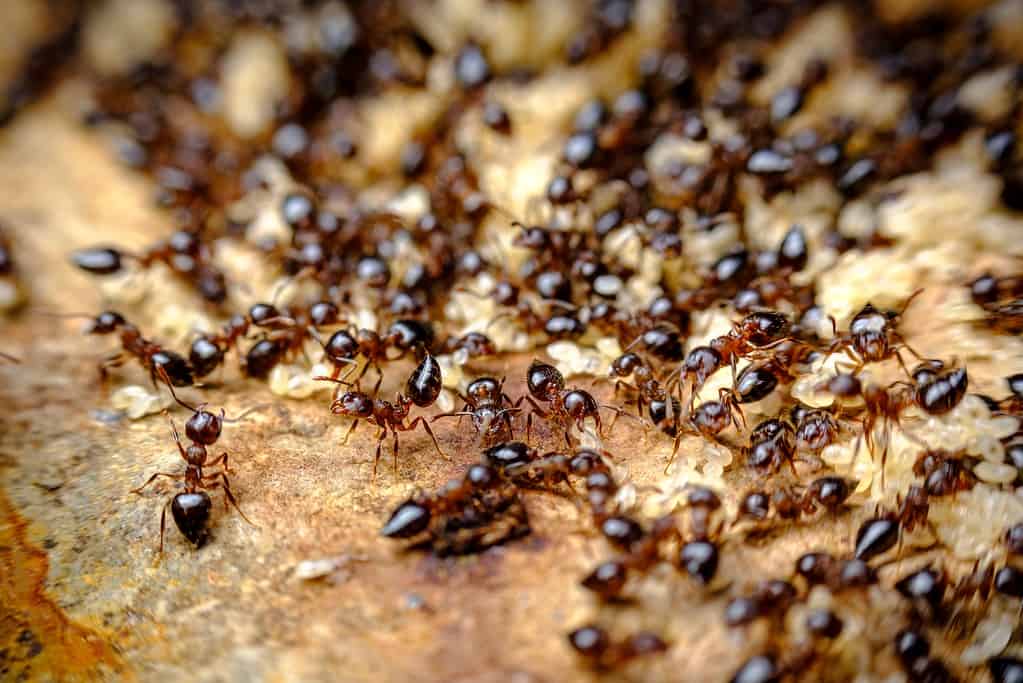
The reproductive cycle of many insect species, including pavement ants, is speeding up in UHIs.
©Ezume Images/Shutterstock.com
Modern cities have roots stretching back thousands of years, but many defining features—such as paved streets, tall buildings, and the removal of most natural vegetation—expanded significantly during the 20th century. These cities serve as natural laboratories for researchers to study rapid evolution and to understand how some species are adapting to increasingly hot environments.
As a result, urban evolutionary biology has grown from a niche topic into a recognized scientific field. Researchers treat cities as natural laboratories, which present similar conditions whether they are in Spain, Singapore, or South Africa.
The Species Adapting the Most
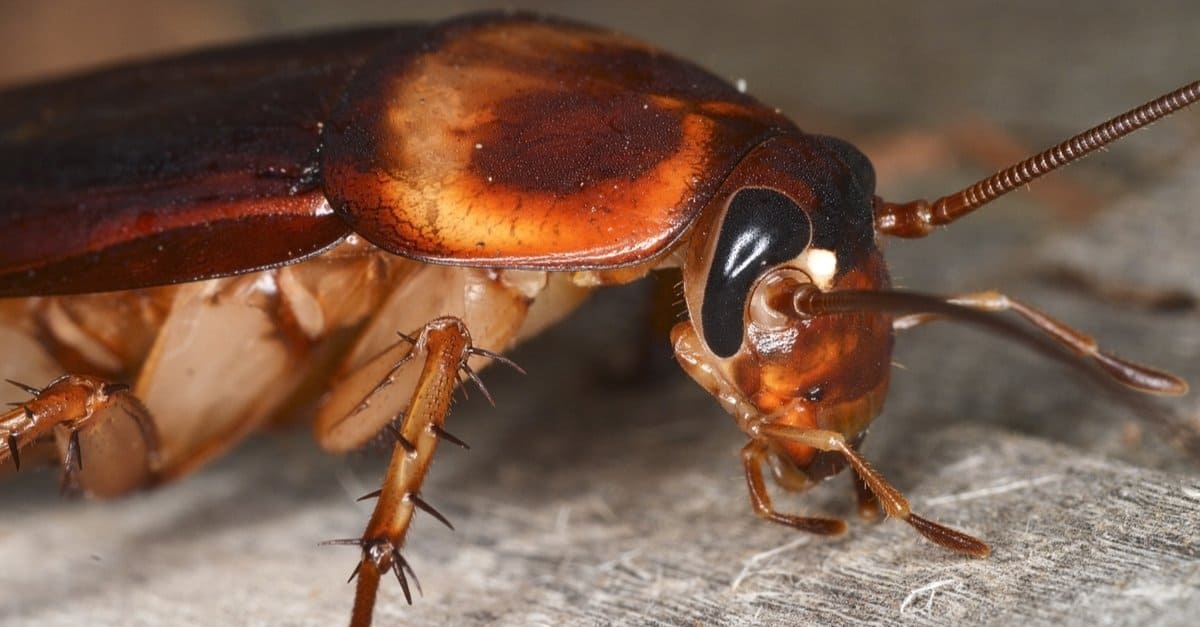
Several species in particular are adapting well to the inhospitable conditions—pavement ants and German cockroaches. The roaches are no surprise, really. They’ve been champions at survival and have been co-evolving with humans for at least 2,100 years. They’ve also successfully thwarted all attempts at eradication. Fun cockroach fact: they can hold their breath for up to 40 minutes!
For roaches, the additional heat found in UHIs is actually a benefit. It not only speeds up how quickly they grow, but it also boosts reproduction numbers. Since they’ve already mastered resistance to sprays, powders, and liquids designed to eradicate them, this means there are even more cockroaches to contend with in warm, urban environments.
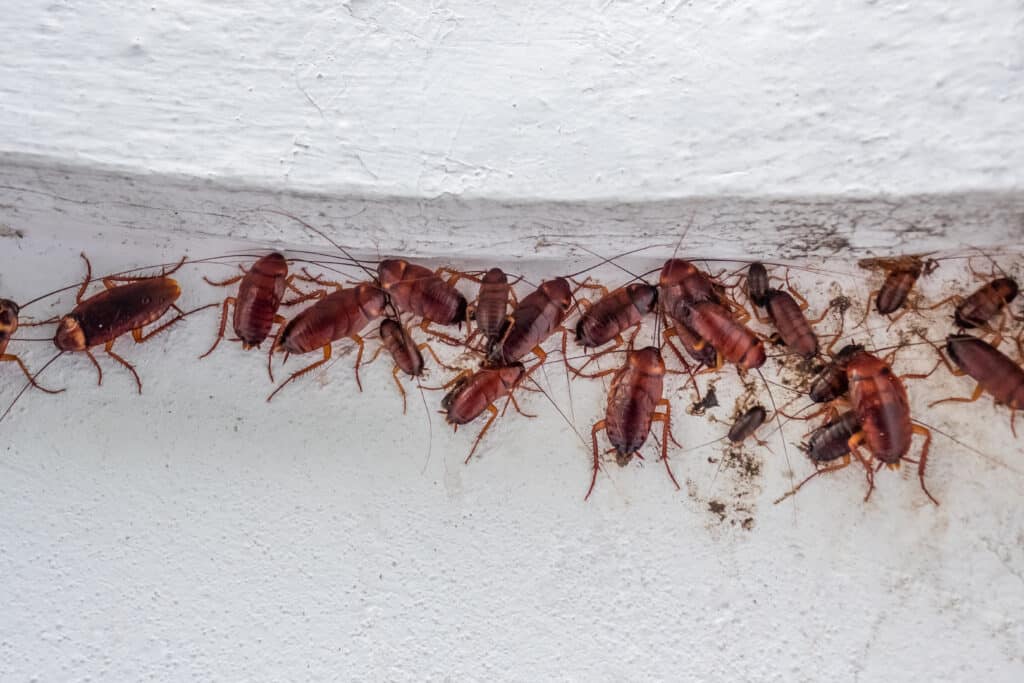
Cockroaches are masters of survival.
©Naamtoey/Shutterstock.com
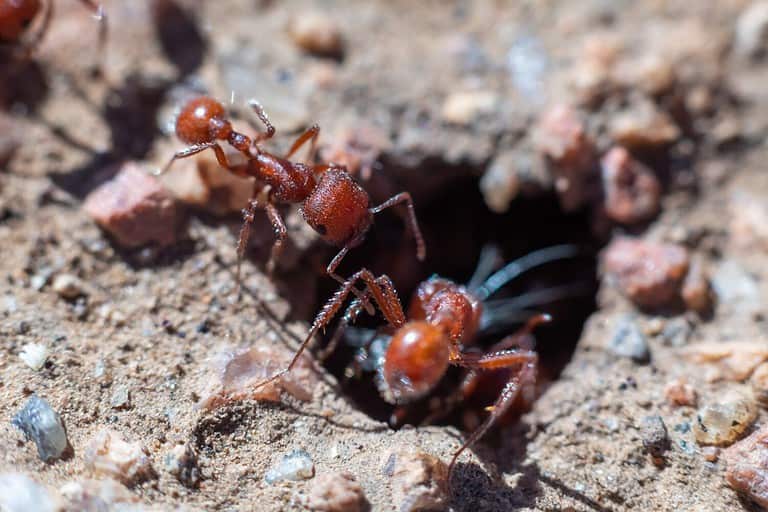
Pavement ants are another species adapting to urban heat. They are so ubiquitous in urban environments that they were named after their favorite living spaces—sidewalk cracks and the edges of asphalted surfaces. Pavement ants in many cities have evolved to easily tolerate hotter temperatures, but that evolution came at a price: they are less able to deal with cold temperatures.
Acorn ants, a species also found in urban environments, are another example of insects that have evolved to deal with conditions in UHIs. As temperatures rise, these ants have higher resting metabolic rates and can move faster, too. When temperatures drop, the reverse is true.
What About Insect Size?
Species adaptation to UHIs varies considerably. As temperatures rise, researchers note that many species shrink in size. But not all species follow this trend. Some research shows that urban bumblebees and moths get larger to deal with the heat.
What This Means to Humans
As temperatures in UHIs continue to rise, the implications are unsettling. Insect populations increase at faster and faster rates with each generation.
For some species, like roaches, effective eradication is extremely challenging due to their resistance to many pesticides and rapid reproduction, making long-term control difficult.
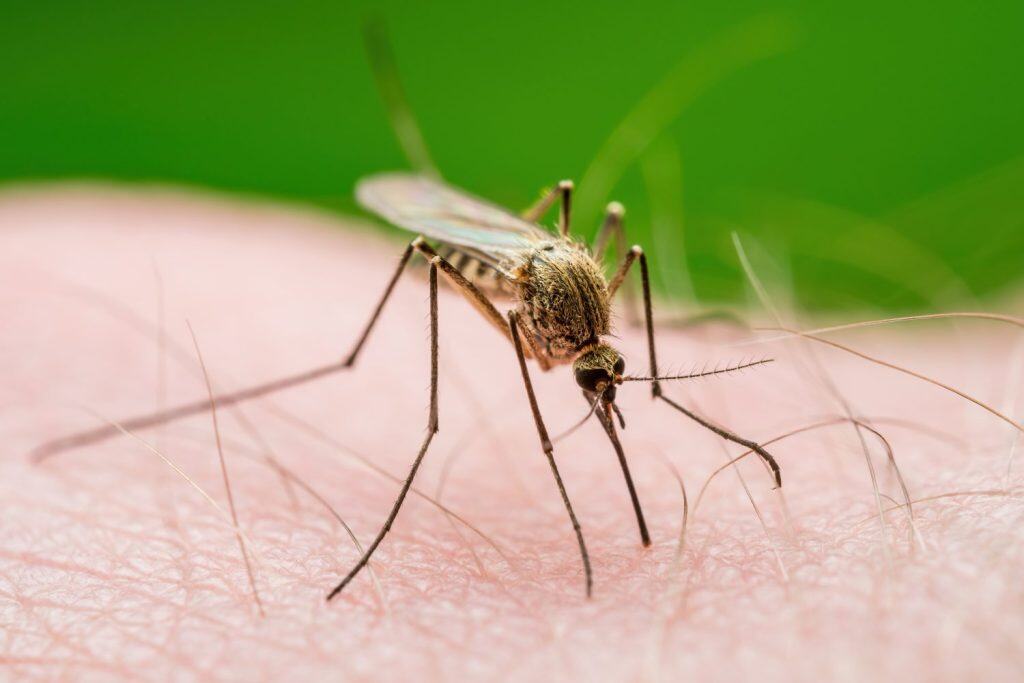
As temperatures in UHIs rise, mosquitoes have longer breeding and biting seasons.
©nechaevkon/Shutterstock.com
Then there are health concerns to consider. For some species, like mosquitoes, the extra heat gives them longer breeding seasons, meaning the risk of being bitten by a disease-carrying female mosquito increases. German cockroaches are documented disease carriers, transmitting pathogens from the food they consume onto kitchen surfaces, hospital environments, and food storage. They’re also a big factor in the development of childhood asthma.
There’s also a socioeconomic aspect to consider. As insect populations surge in cities, not all neighborhoods are affected equally. Studies show that lower-income neighborhoods bear a disproportionately greater burden of infestations and disease than areas of the city with higher average incomes.