Quick Take
- Snakes usually shed their skin in one complete piece, while lizards and amphibians shed in messy, irregular patches.
- Many species practice dermatophagy, eating their old skin to recover vital nutrients and hide their scent from predators.
- Low humidity causes stuck sheds, which can constrict blood flow and lead to the loss of toes or tails.
Wellness retreats are all the rage in the 21st century, but what if all the health benefits could be had by just eating a part of yourself? It may sound strange or even disgusting, but that is exactly what some reptiles and amphibians do to maintain good health. Most reptiles shed their skin, but the process varies by species. Snakes, for example, often produce clean, enchanting-looking, full-body skin unwraps. Lizards and frogs, however, shed in much messier ways.
The process by which creatures shed their skins is called ecdysis, and it provides a look into the world of primal biology and species survival. Unlike the skin of mammals, which grows with them as they age, lizard skin does not have that ability. Their skin, or rather, scales, consist of keratin, which forms a rigid outer layer that stays the same size even as the animal grows. Once this outer covering becomes too tight, reptiles must shed it and grow a new one. Some reptiles even eat their old skin for nutrients. When it comes to reptiles and skin shedding, it’s a strange world of body suits, transformation, and cannibalism. Let’s peel back the layers on these strange and often mesmerizing processes.
Sophisticated Snakes
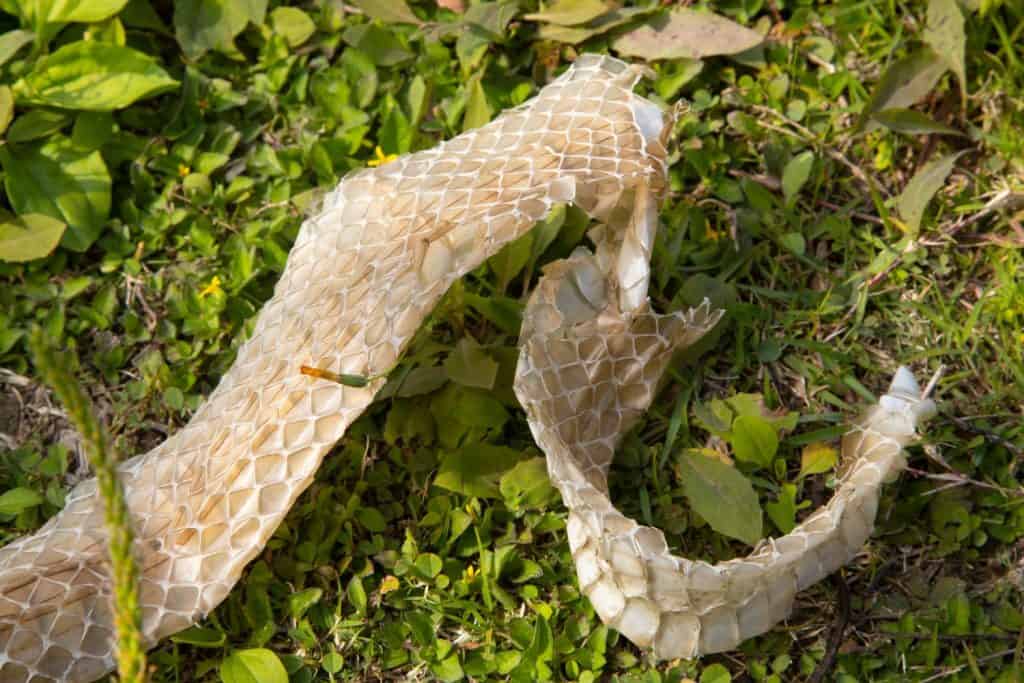
Snakes rub their old skins on rough surfaces, causing a clean, full shed of their old skin.
©off5173/Shutterstock.com
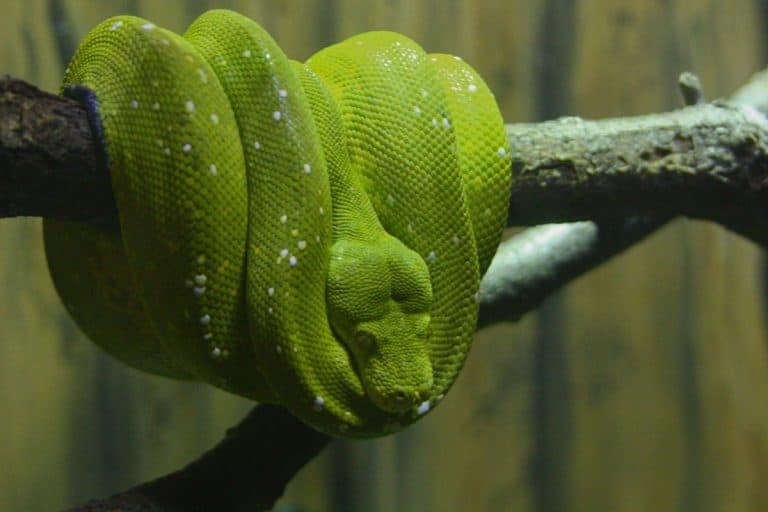
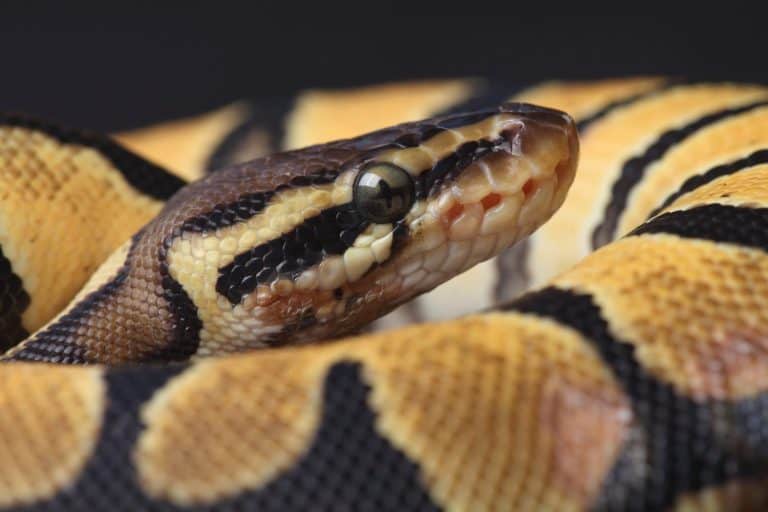
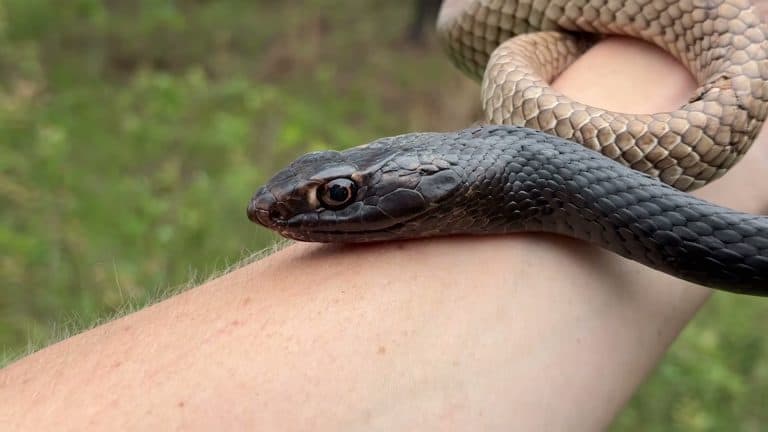
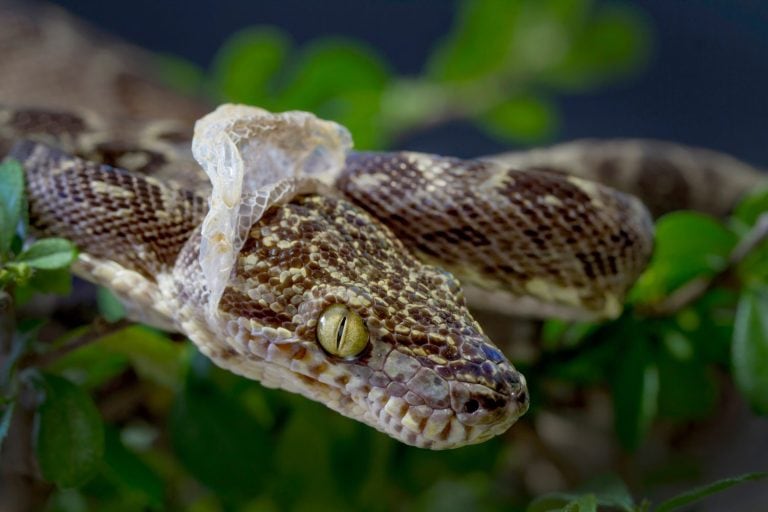
As pet snake owners will tell you, there aren’t many moments that top the shedding process. The transformation begins with the snakes’ eyes, which turn a cloudy, bluish-gray color. This is the result of a special fluid that builds up between new and old scales, separating them for the inevitable shed. Snakes then grow restless, searching out jagged surfaces like rocks or pieces of wood to rub against. So begins the careful, painstaking process of shedding, with snakes rubbing their noses and jawlines against these rough surfaces.
By starting with their noses, snakes produce an initial tear in their old scales. They use rough terrain on either side of their bodies to ensure the process is completed. With steady muscle control and timing, snakes slither slowly forward. This actually inverts their old skin from front to back. If done properly and in the right humidity conditions, a snake’s old skin will peel off like an old, sweaty sock. A brand-new snake emerges, leaving behind an almost perfect casing—complete with translucent “glasses” where their eyes used to be.
Unkempt Operations
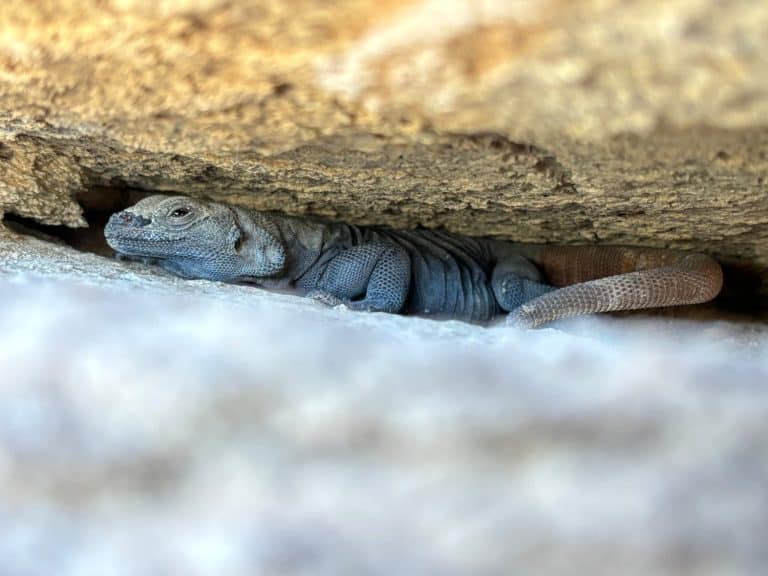
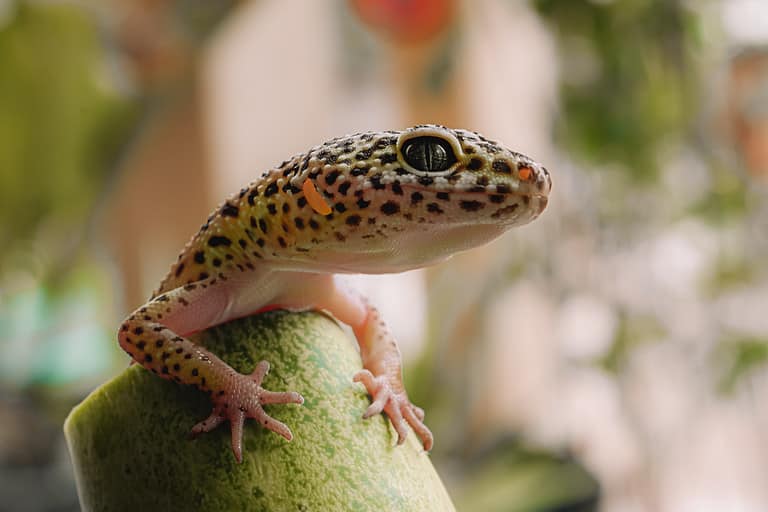
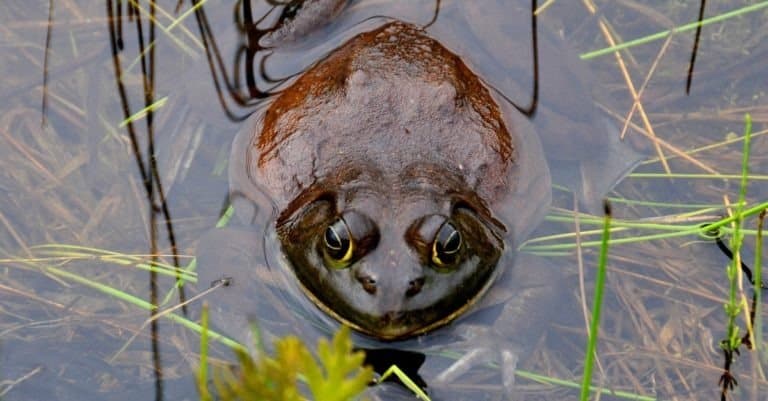
Lizards and frogs are decidedly less elegant when it comes to shedding old skin. Looking more like the healing process for a horrible sunburn than a fluid dance, lizard and frog shedding messily heralds the new. Over several days, their skin starts to flake and peel in random patches all over their bodies. Some bits come off more complete than others. To speed up the process, lizards and frogs pull at tougher bits with their mouths. Whereas lizards get rid of their old skin and keep moving, amphibians like frogs bid farewell to their old selves in a more unsettling way: by eating it.
Indeed, frogs and geckos often eat their old, peeling skin suits. This may seem gross to human sensibilities, but it is a very practical survival strategy. Growing an entire layer of skin requires serious energy expenditure and nutrients. Although technically dead, old skin is still full of nutrients such as protein. Eating their old skin allows these animals to recoup some of the energy lost during the transformation process. While rather unseemly in polite company, eating old skin is a real testament to biological self-sufficiency.
Another reason these animals eat their shed skin is to camouflage themselves. Small geckos and frogs must remain constantly alert to potential predators. A literal shadow of their bodies left out in the open is like leaving a trail of breadcrumbs to their location. Eating their skin destroys evidence of their presence. It also removes their scent profile. This makes it harder for predators like birds, snakes, or other lizards to find smaller amphibious reptiles.
Transformation Troubleshooting
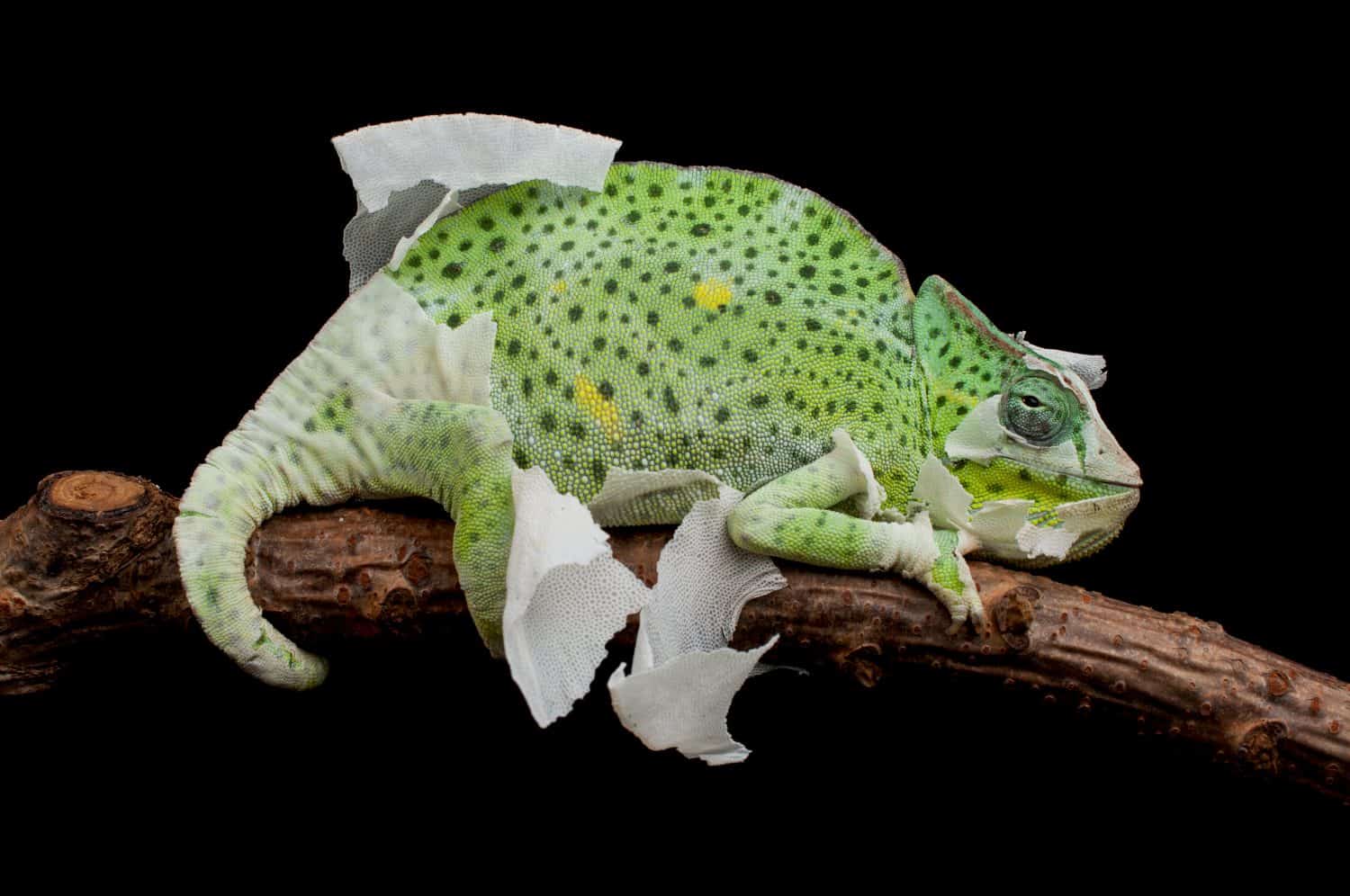
If a reptile gets stuck during the process of shedding, it can lose a limb or even die.
©Ferdy Timmerman/Shutterstock.com
The process of shedding an entire old skin to replace it with a new one is not without problems. Indeed, ecdysis is a process that goes wrong plenty of times. In the wild, reptiles do what they can to ensure a proper shed. In captivity, such safeguards are up to pet reptile owners.
One of the biggest deciding factors when it comes to successful ecdysis is humidity. All reptiles and amphibians require a fair amount of environmental moisture to ensure old skin softens, separates, and detaches completely. Without adequate moisture in the air, old skin dries out. This creates a stuck shed, which is a legitimate emergency. Stuck sheds can lead to a loss of circulation, which in turn leads to necrosis or auto-amputation. Stuck sheds can also lead to eye injury and blindness, especially in snakes when they fail to pull their old skin spectacles off their eyes. If left unresolved, stuck sheds can be fatal.
Preventing a stuck shed requires a careful balance of climate and conditions. Pet owners can provide their lizards or geckos with a “humid hide,” which is a closed container with a small entrance and filled with damp material to provide moisture. Pet owners should also use a digital hygrometer to monitor humidity in enclosures. An automatic mister or fogger can do the trick. Finally, providing rough surfaces like rocks or other textured decor provides the right conditions for reptiles to facilitate pulling pesky old skin off successfully.
Shedding old skin for new growth is an ancient and effective survival strategy. It can also be a nutrient-dense meal in a pinch. Suffice it to say that reptile skin shedding illustrates the intersection between beauty, function, and freedom.