
Quick Take
- A disease declared eradicated in the U.S. over 70 years ago has quietly made its comeback, and it is spreading through local mosquitoes rather than through travel. See which disease returned →
- One of these six illnesses kills nearly one in three people who develop a serious case, and half of survivors do not walk away unscathed. Check illness severity rates →
- The moment a fever breaks from one of these infections is actually when you need to rush to the ER rather than relax. Know the warning signs →
- Mosquitoes are showing up in U.S. states where they've never survived before, a trend that climate science suggests is accelerating for troubling reasons. See where mosquitoes spread →
Mosquito-borne illnesses aren’t just something to worry about if you’re venturing into tropical jungles or onto Caribbean beaches. On May 19, 2026, Texas health officials confirmed a serious case of West Nile virus, transmitted through a mosquito bite, in a Harris County resident.
Since then, six other Texas counties have tested and found West Nile present in mosquitoes. No confirmed human cases of the infection have been reported yet in those counties, including Bexar, Brazoria, Dallas, Fort Bend, Montgomery, and Tarrant.
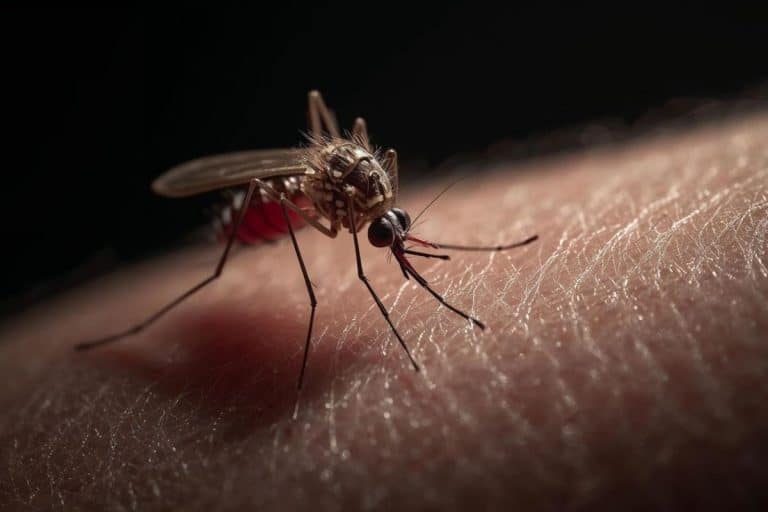
The findings are a stark reminder that mosquitoes are more than just an annoyance. Their bites carry far more risk than just an itchy, red bump.
Mosquitoes Are On the Move
There was a time when illness-bearing mosquitoes were usually confined to locations with warmer year-round weather. After all, mosquitoes don’t like the cold. But as winters get warmer across North America and the world, these tiny insects live longer and travel farther than ever before.
One recent review of 178 studies found that 118 unique mosquito species have expanded into new territory. Global warming was named as a cause in more than one-third of the studies. This is already playing out in the U.S. Northeast. According to researchers, populations of Asian tiger mosquitoes, the kind that spreads several different diseases, are expected to double by the end of the century.
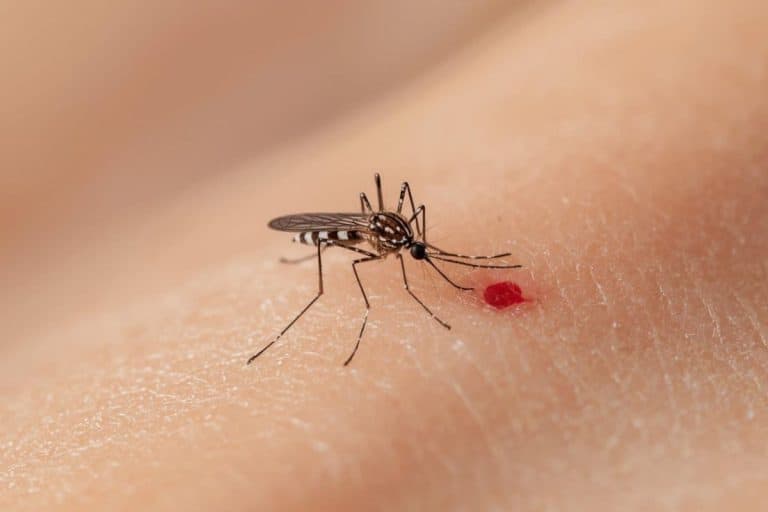
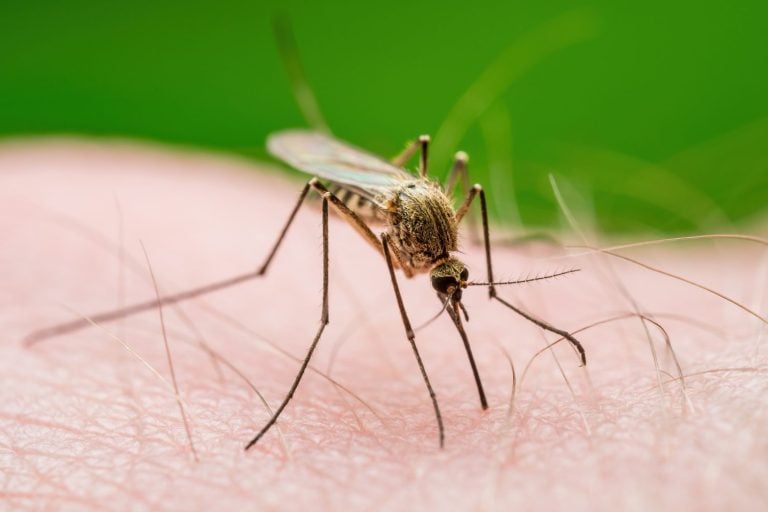
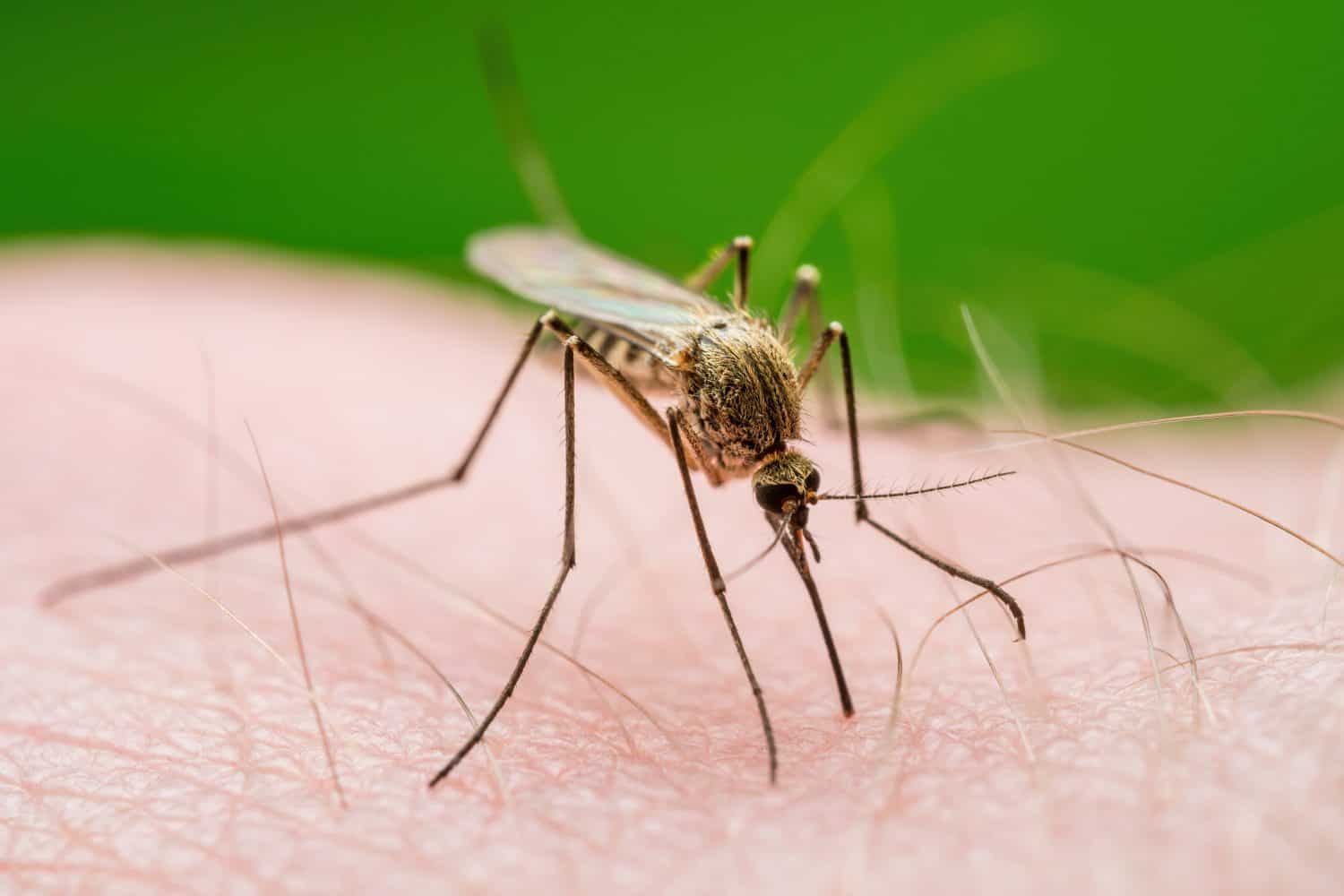
Mosquitos are moving north thanks to milder winters and warmer temperatures.
©Anest/Shutterstock.com
The problem isn’t limited to the United States. Researchers at Stanford University found that climate change has added tens of millions of dengue cases around the world. Dengue is a mosquito-borne illness that can cause symptoms ranging from minor to severe, and even death. It has always been prevalent in tropical locations.
Now, that range is expanding. The Aedes aegypti mosquito—the primary carrier of dengue—first appeared in California in 2013 and is now established across many urban areas of the state. Researchers attribute the spread of that mosquito species to milder winters and overall warmer temperatures, allowing invasive mosquito species time to travel and reproduce.
Different Diseases, Different Locations, Different Symptoms
In most cases, mosquito-borne illnesses are not a one-size-fits-all proposition. Different diseases show up in different parts of the country. Risk for a specific illness depends a lot on geography. Here’s a breakdown of what’s most likely and where, as well as the symptoms to watch for.
West Nile Virus
This is the top illness spread by mosquitoes in the United States. According to the Centers for Disease Control (CDC), West Nile is present in every U.S. state except Alaska and Hawaii.
Most people infected with West Nile show no symptoms at all. Two in ten get a fever, headache, body aches, or rash. Fewer than one in 100 get the severe brain form of the infection.
Eastern Equine Encephalitis (EEE)
Much rarer, EEE is found in 20 states, most of those near swamps along the Gulf Coast, Great Lakes, and Atlantic Coast. It shows up in the form of fever, headache, altered mental status, and seizures.
EEE can be a very serious infection. Nearly one in three serious cases results in death. Most of those who survive suffer from lasting brain damage.
Dengue Fever
Dengue is fairly common in tropical environments, like those found in U.S. Territories of Puerto Rico, American Samoa, the U.S. Virgin Islands, and Guam. However, according to the CDC, small pockets of Dengue are now appearing in Florida, Texas, Arizona, and California.
Symptoms include rash, joint pain, fever, and body aches. Most people recover after a few days of mild symptoms. However, one in 20 people who get infected become seriously ill and may die without immediate treatment.
Malaria
This disease was believed to be eradicated in the U.S. since the 1950s. However, in 2023, malaria reappeared, infecting 10 people across Florida, Texas, Arkansas, and Maryland. All were believed to be bitten by local mosquitoes.
An infected person may have fever, chills, and flu-like symptoms. Without treatment, the disease can be deadly. However, if caught early, it responds well to anti-malarial medicines.
Chikungunya & Zika
These diseases are prevalent in tropical environments, and infections in U.S. patients were believed to be brought back after travel to regions with active outbreaks.
Both illnesses present with symptoms similar to Dengue: fever, rash, and headaches. However, if a pregnant woman is infected, it can lead to permanent brain and eye injuries in her unborn baby.
When a Bite Needs a Doctor Visit
While a mosquito bite becomes noticeable almost immediately, symptoms of infection can take between two and 14 days to appear. Children under 15 and adults over 65 are the most at risk for serious forms of infection.
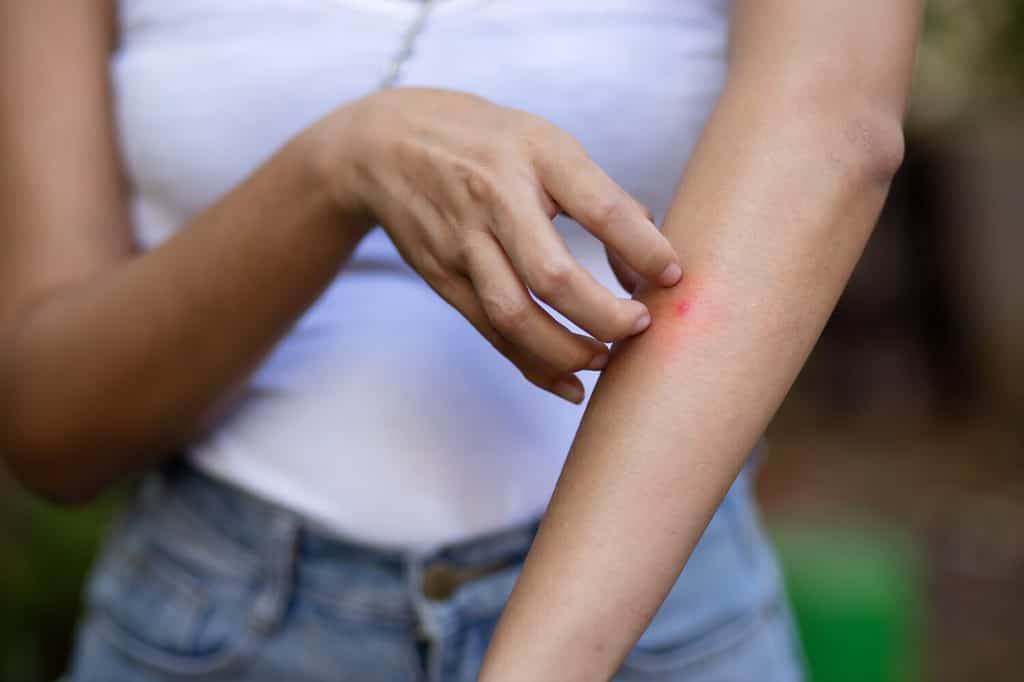
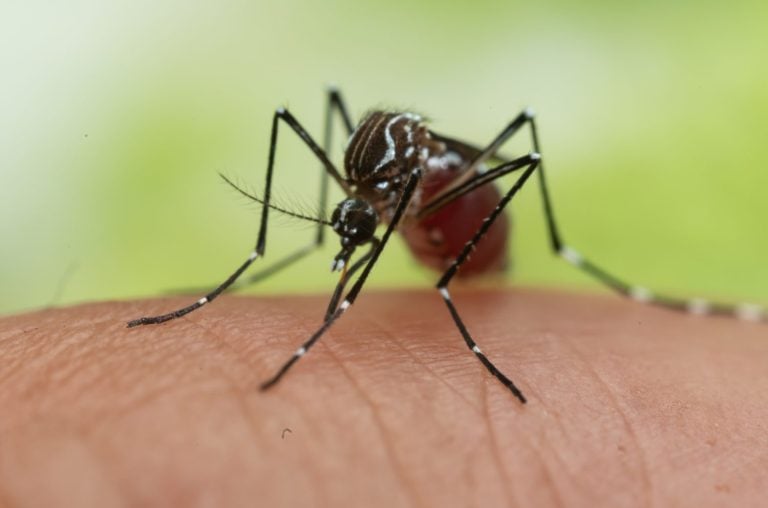
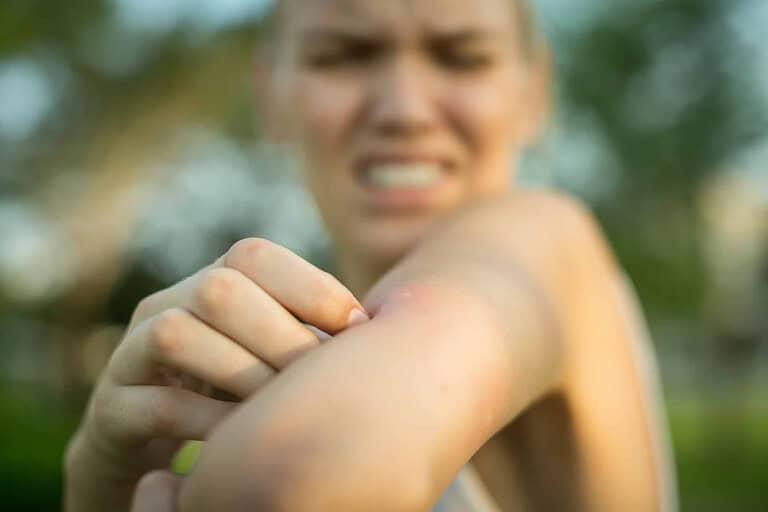
Mosquito bites are puffy white or red bumps that itch.
©9nong/Shutterstock.com
If any of the following symptoms appear after a mosquito bite, seek medical attention immediately.
Call your doctor or visit an urgent care clinic if someone who has been bitten shows signs of high fever, neck stiffness, muscle weakness, or tremors. These can be signs of a serious West Nile infection. If a fever is accompanied by a severe headache, vomiting, or lethargy, also get in touch with your doctor, as these are signs of possible brain swelling caused by EEE and other mosquito-borne viruses.
Other symptoms may require emergency medical care. For a patient infected with Dengue, any of the following symptoms require immediate medical attention, especially if they occur right after the initial fever breaks: stomach pain, repeated vomiting, bleeding from the nose or gums, blood in vomit or stool, or extreme lethargy.
How to Minimize the Risk of Mosquito Bites
While no method is foolproof, there are some simple steps you can take to minimize the risk of being bitten by an infected mosquito.
Remove standing water around your home. Stagnant water is a prime source for mosquito breeding. Make sure you don’t have empty flower pots, old tires, buckets, or clogged gutters, as all are places where water can accumulate.
When you’re outside, be sure to apply mosquito repellent, especially those containing DEET or picaridin. At dawn and dusk, prime time for mosquito activity, wear long sleeves and long pants to minimize areas for them to bite.