
Quick Take
- Cilantica devamatha (formally Haploclastus devamatha) joined the extinction watch list status only 12 years after its initial 2014 discovery.
- The spider’s striking colors have made it a prime target for the illegal pet trade.
- Habitat loss and poaching have pushed the species toward critical endangerment.
- Conservation efforts focus on research, habitat protection, and local community engagement.
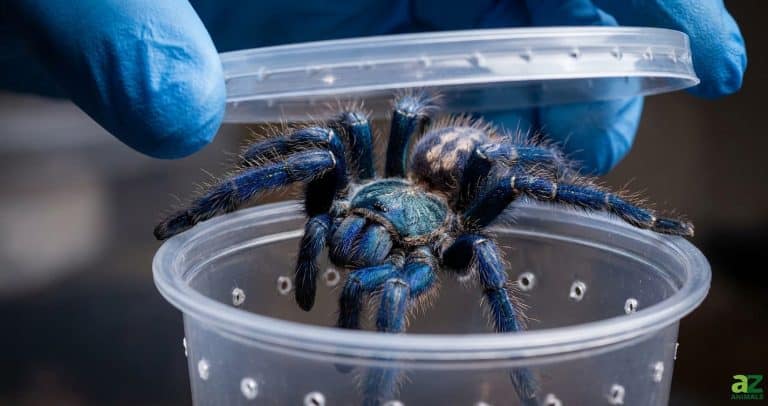
Deep in the humid rainforests of India’s Western Ghats lives a creature that looks more like a colorful digital glitch than an actual living animal. Formally known as Cilantica devamatha (previously Haploclastus devamatha), this spider is commonly called the “psychedelic earth tiger” or the “Indian rainbow tarantula.” Like a living kaleidoscope, its body shimmers with metallic, holographic colors — a beauty that has captivated the world but has quickly become its curse.
In 2026, this species was added to a global watch list for animals facing immediate extinction. Its striking appearance has fueled an international demand in the illegal pet trade, a trend that is driving the spider toward extinction. Conservation teams are racing to protect the spider’s shrinking habitat, but time may be running out.
A Living, Breathing Jewel
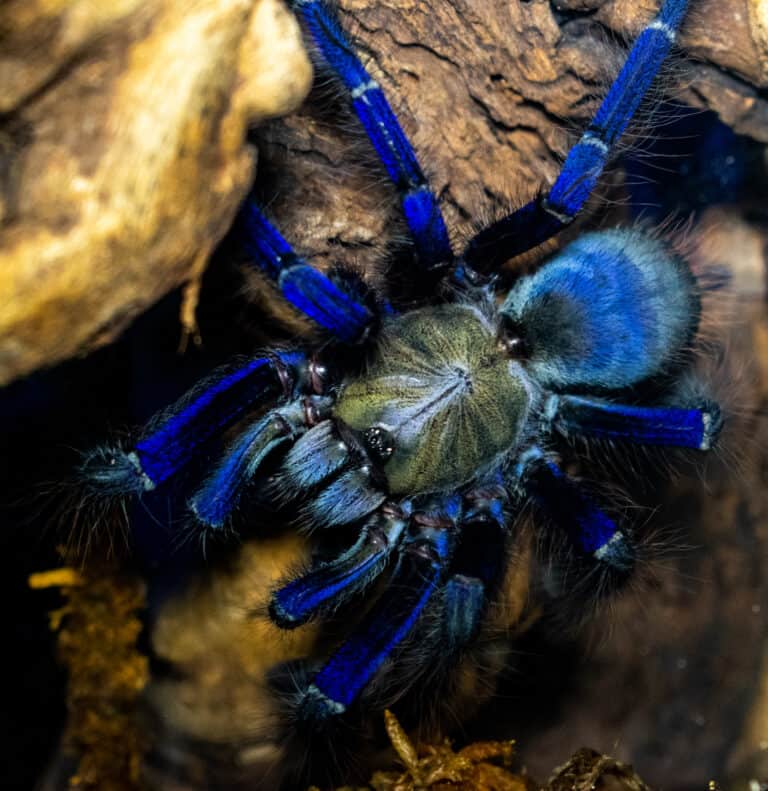
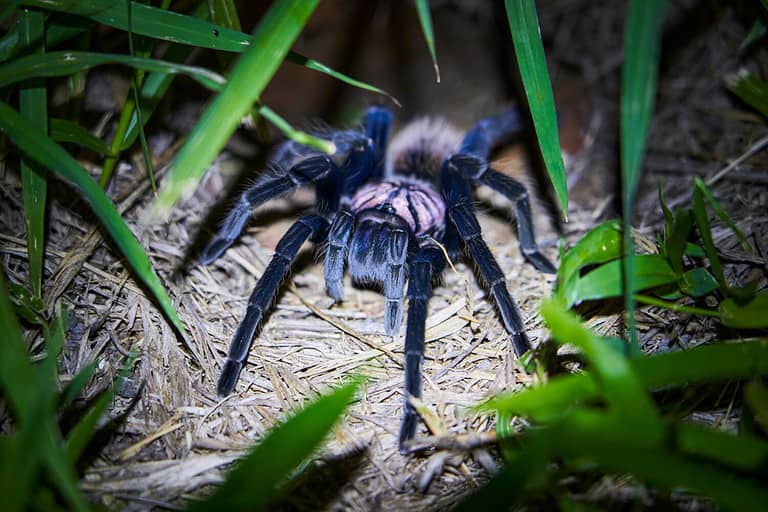
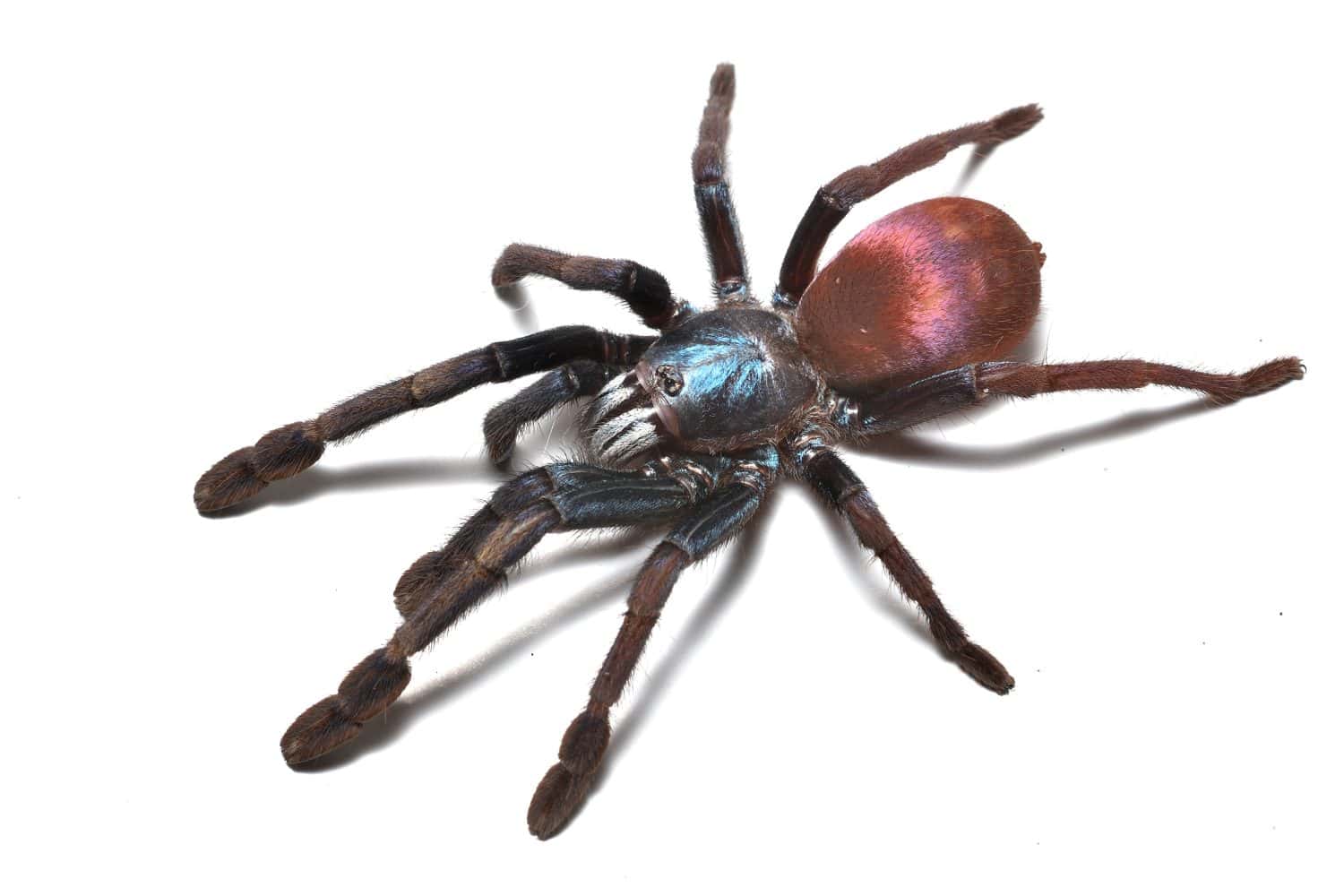
If you saw a flash photograph of a psychedelic earth tiger, you might assume the colors were edited — but they’re not. This tarantula’s “rainbow” effect comes from structural coloration, not pigment. Microscopic structures on its hairs bend and reflect light. This creates an iridescent shimmer that shifts between deep violet, electric blue, and neon green depending on the angle.
The name “earth tiger” refers to both the spider’s appearance and its ecological role. A patient, energy-efficient predator, it waits motionless at the entrance of its burrow until unsuspecting prey wanders too close.
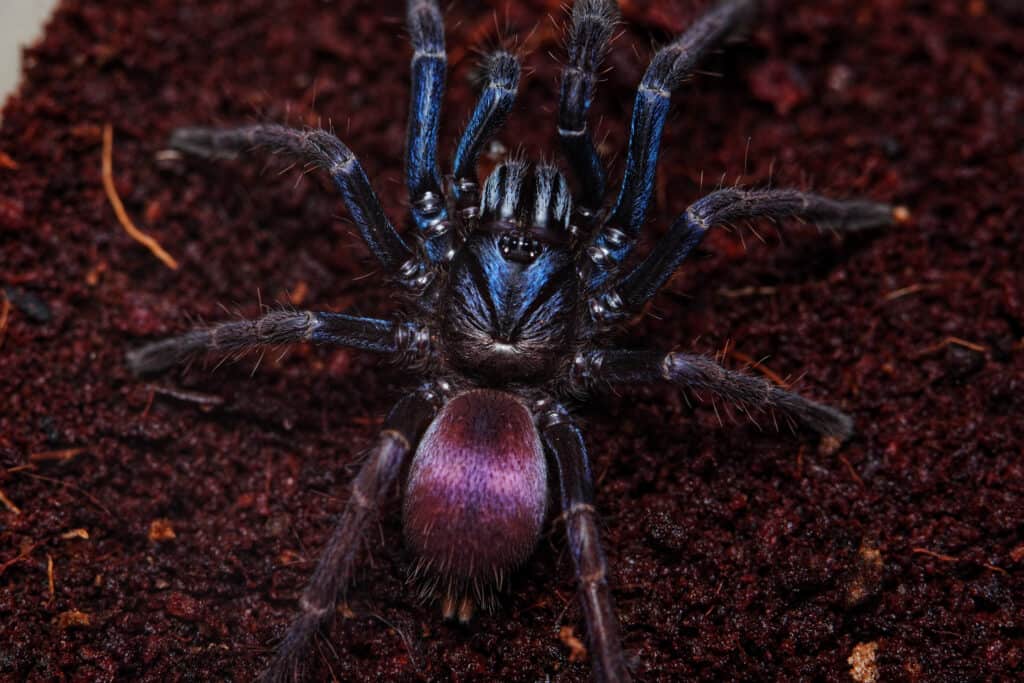
Many call this spider the “LSD tarantula.”
©Lemonade Serenade/Shutterstock.com
The spider is also an impressive engineer. As a fossorial species, it lives in deep, silk-lined tunnels that function as climate-controlled bunkers, maintaining the precise temperature and humidity needed to survive the tropical heat. Remarkably, scientists only described this species in 2014. In barely a decade, it has moved from “newly discovered” to “critically endangered,” a tragic example of how quickly modern biodiversity can vanish.
The Dark Side of Fabulous
In today’s social media-driven world, beauty can be dangerous. The spider’s iridescent coloring has made it a high-value target for the illegal international pet trade. Tragically, collectors prize it as a display specimen rather than a vital part of a fragile ecosystem.
The spider’s decline was swift and alarming. Specimens appeared for sale on underground forums just eight months after the species was officially named. Because tarantulas lack bones, they are difficult to detect with standard airport X-ray machines, making them easy to smuggle. Traffickers often pack them into tiny containers with very little oxygen, and many spiders do not survive.
The damage caused by poaching starts long before a spider reaches a buyer. Removing a wild tarantula destroys its complex, deep-seated burrow, which may have taken years to build. This disruption affects the surrounding microhabitat and weakens the local ecosystem.
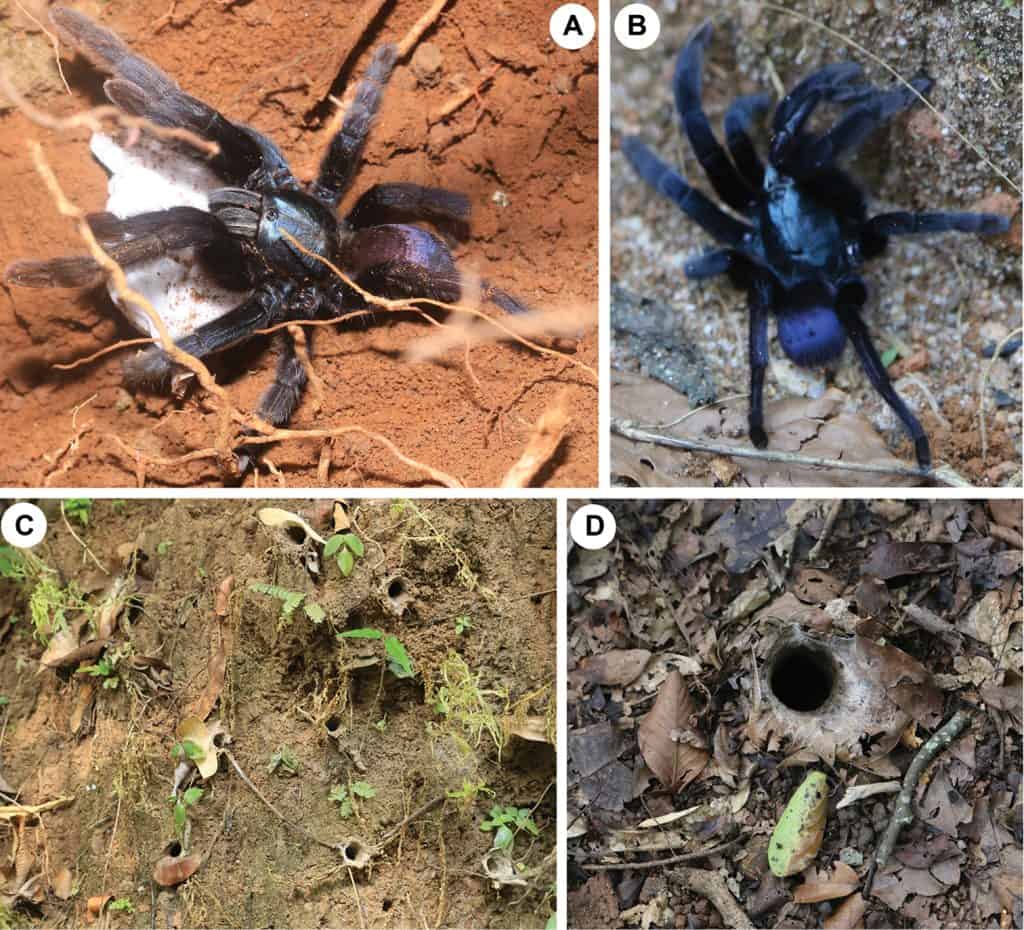
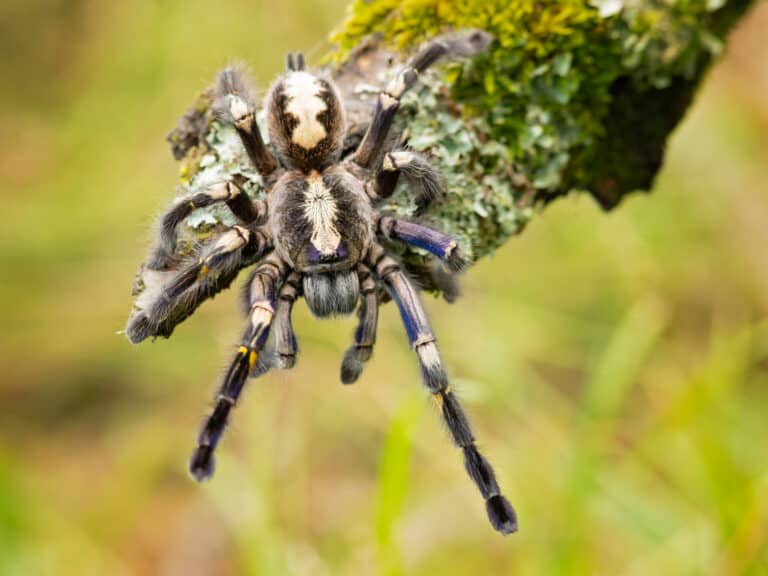
Psychedelic earth tigers are skilled engineers and construct complex underground tunnels.
©(Photo: Jimmy Paul) Sankaran PM, Sebastian PA (2018) A new synonym in the subfamily Thrigmopoeinae Pocock, 1900 (Araneae, Theraphosidae). ZooKeys 749: 81-86. https://doi.org/10.3897/zookeys.749.23414 / CC BY 4.0 / Wikimedia Commons – Original / License
Despite the high demand for this spider, even experienced keepers approach the species with caution. It is not a traditional pet in any sense. As a burrowing tarantula, it is highly defensive and prefers to be left undisturbed. Known for their startling speed, these spiders can move from the bottom of a burrow to the surface in a fraction of a second. Though not lethal to healthy adults, their venom can cause intense pain, muscle cramping, and swelling that lasts several days. Ironically, the collectors driving demand are often the least prepared for the reality of keeping such a volatile animal.
A Species on the Brink
The conservation crisis has reached a critical point. In 2026, international organizations like Fauna & Flora and Animal Survival International added the psychedelic earth tiger to their “10 Species to Watch” list. This designation places the spider alongside high-profile threatened animals like the clouded leopard and the saker falcon.
The spider’s greatest vulnerability is its limited range. It exists exclusively in the southern Western Ghats of Kerala; there are no backup populations. Each felled tree, new road, or poached female spider represents a permanent loss to the global population.
Female-Led Conservation
Backed by the Conservation Leadership Programme (CLP), Aswathy Sankar Singh and her research team are working to prevent the spider’s disappearance. Their data-driven efforts recently earned them the CLP Future Conservationist Award.
Effective conservation begins with understanding habitat needs. Singh’s team is documenting the exact environmental soil pH, temperature, humidity, and burrow structure to build a detailed ecological blueprint. Their work also includes studying Cilantica kayi, a rare relative, to ensure broad ecosystem protection.
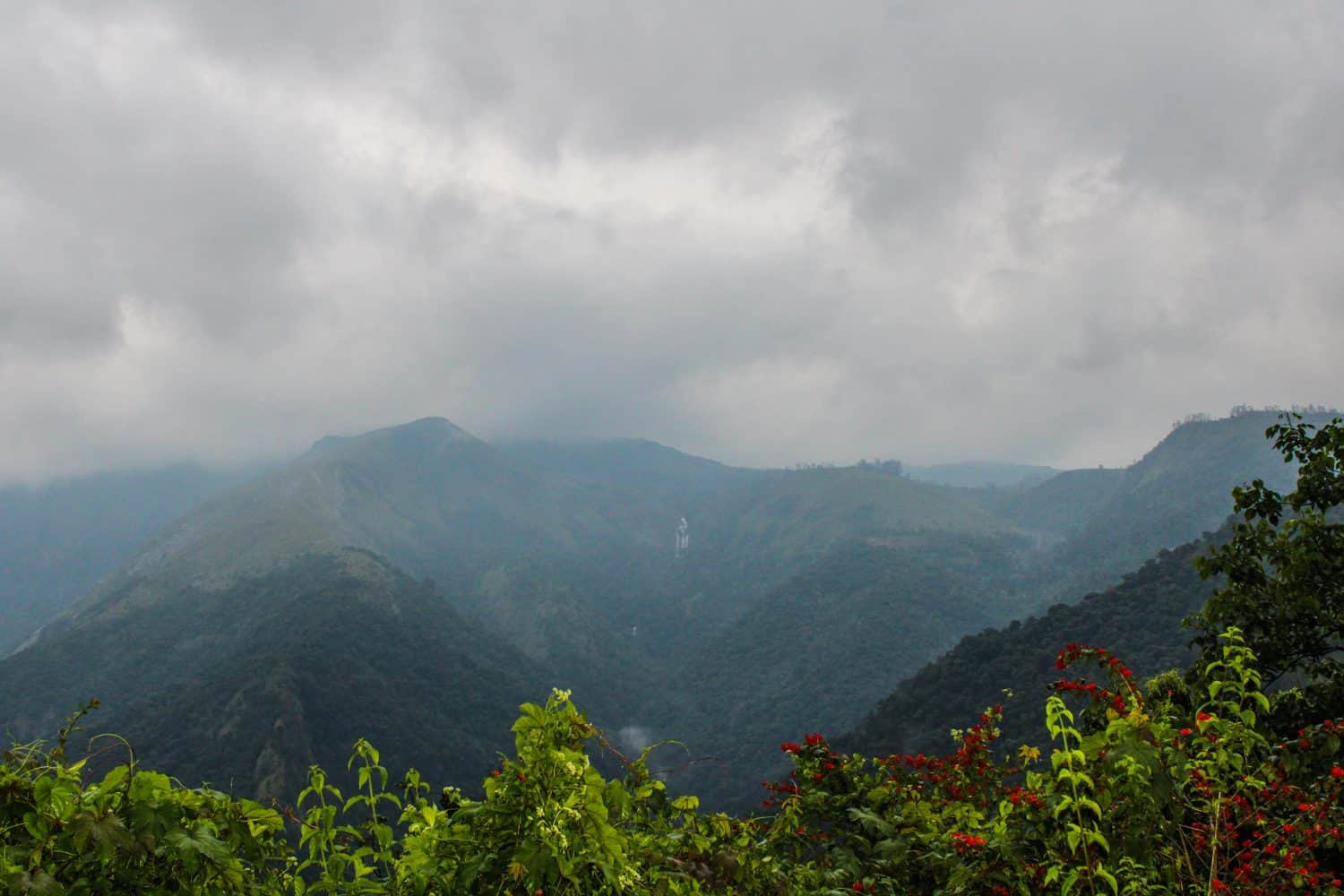
The psychedelic earth tiger is endemic to the southern Western Ghats.
©thomas joy23/Shutterstock.com
A key goal for the team is closing major knowledge gaps. Because these spiders are well-hidden and spread out, they have not yet received an official status on the IUCN Red List. By documenting population decline and habitat loss, the team is providing the scientific evidence necessary to secure international protections and stricter anti-poaching enforcement.
The project prioritizes community engagement. The team is working directly with local communities in Kerala through education and burrow monitoring programs. These efforts are reframing the psychedelic earth tiger from a collector’s item to a conservation symbol and a proud example of India’s incredible biodiversity.