
Quick Take
- The waters around the Antarctic are extremely cold, and very few sharks can survive here.
- A southern sleeper shark has been captured on camera in Antarctic waters for the first time.
- This species has a slow metabolism, and its tissues contain trimethylamine N-oxide, which helps it survive the cold.
- Climate change may be causing the shark to extend its range southward.
A marine researcher has captured the first-ever video footage of a shark swimming in Antarctica’s near-freezing waters. The incredible footage, which you can see for yourself in this Instagram post, shows the shark slowly gliding into view, eyeing the camera before flicking its tail and swimming out of sight. So, how did this creature end up in these waters, and why is it here?
Which Shark Has Been Spotted in Antarctica?
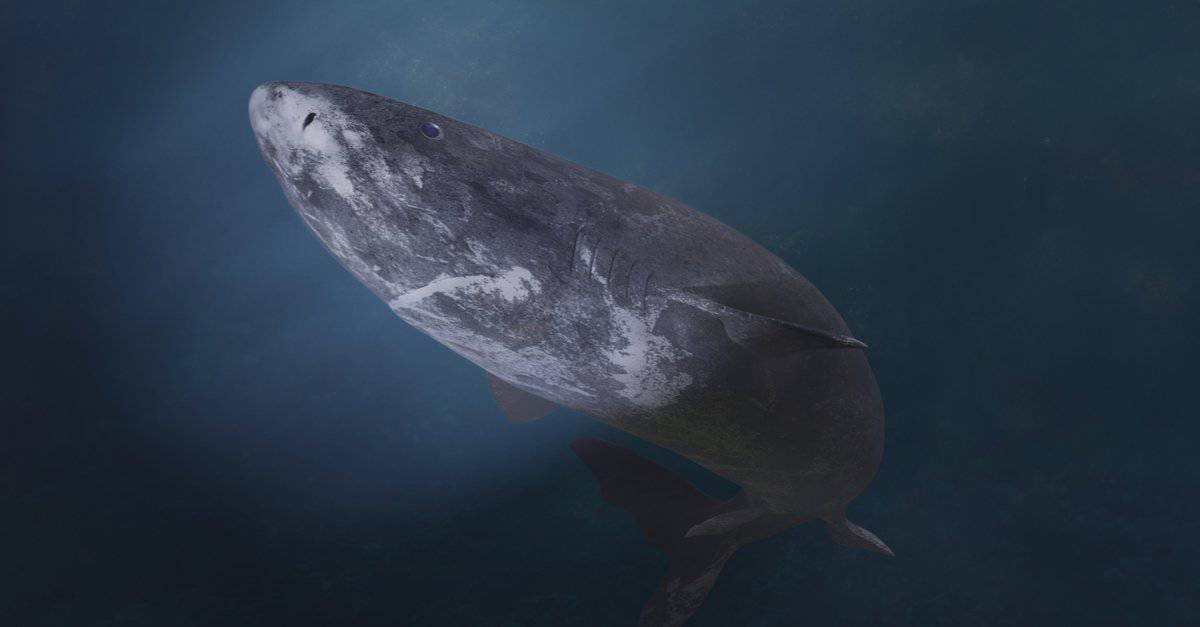
The shark in the footage is a southern sleeper shark (Somniosus antarcticus), also sometimes called Whitley’s sleeper shark. They are members of the Somniosidae family and grow to around 14 feet in length. This is a deep-water benthopelagic shark, meaning it lives and feeds both near the bottom of the ocean and at other depths.
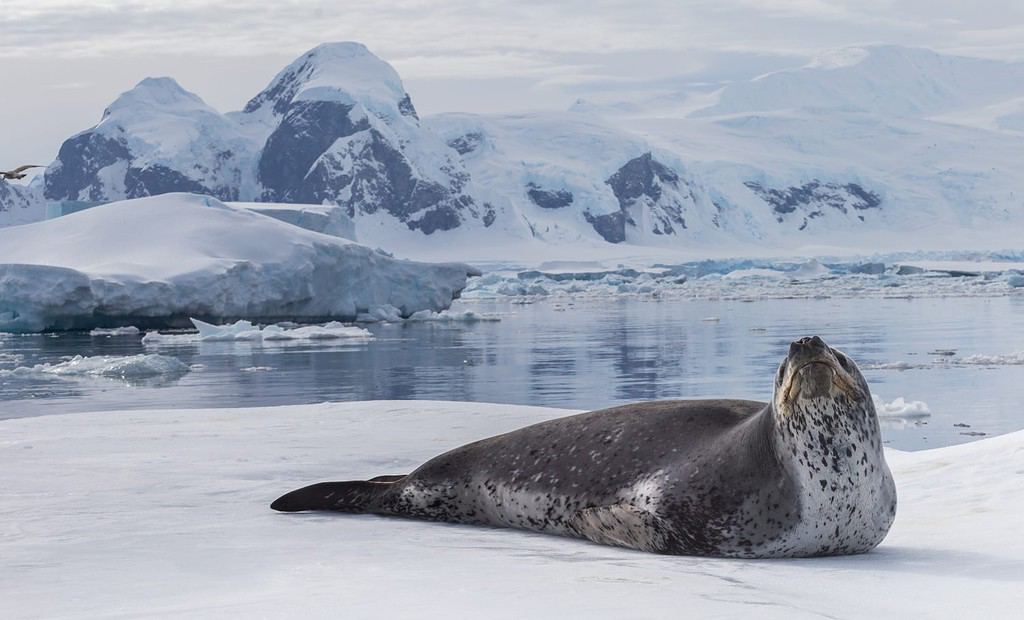
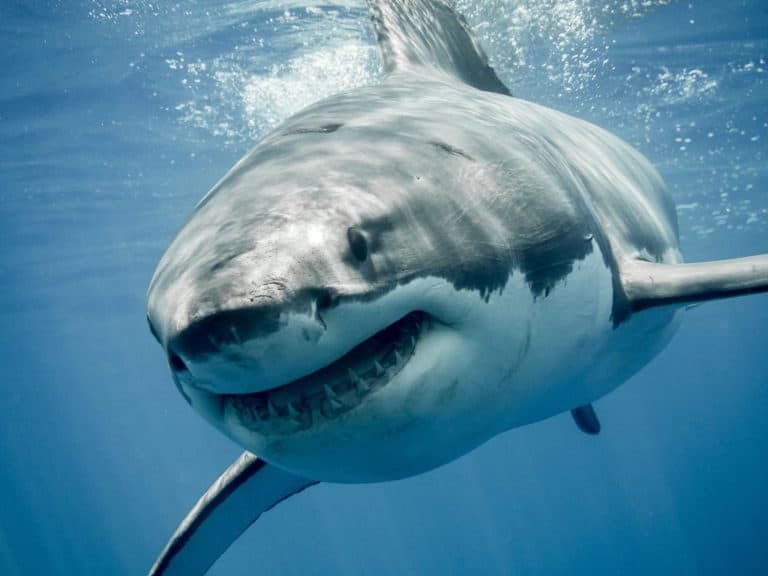
Antarctic waters are icy cold.
©ViktoriaIvanets/Shutterstock.com
Southern sleeper sharks mainly feed on cephalopods, so their diet is largely made up of squid. They mainly target giant and colossal squids, but also eat fish. Occasionally, they will eat marine mammals and seabirds, and may even scavenge on whale carcasses.
It is generally believed that sharks are not found in Antarctic waters. These sharks are usually found in the Southern Ocean from central Chile, Patagonia, Argentina, Namibia, South Africa, Australia, New Zealand, and the sub-Antarctic Islands. In Australia, they are found in the seamounts south of Tasmania.
Why Was the Sleeper Shark This Far South?
The sleeper shark in this clip is around 10 to 13 feet long and was swimming at a depth of 1,640 feet. It was captured by a research camera in January 2025, but the footage was not released by scientists with the Minderoo-UWA Deep-Sea Research Centre until February 2026.
It is unusual to find sharks in waters as cold as 34 degrees Fahrenheit. However, sleeper sharks have very slow metabolisms. This allows them to conserve energy and use some of it to keep warm in such freezing conditions. Also, their tissues contain urea and trimethylamine N-oxide (TMAO), which allows them to function at near-freezing temperatures.
Additionally, the camera that captured this shark happened to be placed in an area of warmer water. Corridors of warmer water may allow them to swim further south than they normally would.
Finally, climate change and warming sea waters may also be allowing these sharks to extend their range further south. Alternatively, these sharks may have always inhabited the area, but have simply gone unnoticed until now.