
Quick Take
- Gloger’s Rule, first proposed in 1833, suggests animals in warm and humid environments often develop darker pigmentation.
- Darker feathers and fur contain melanin, which can strengthen structures and help resist bacteria and environmental damage.
- Studies on species such as song sparrows, owls, and mammals show climate-linked color patterns that support the rule.
While you may not frequently visit humid environments, such as rainforests, the animal life in damp locations may look a bit different than you expect. There’s a reason certain animals that thrive in humidity adopt a different appearance from their drier-climate cousins, a reason rooted in science and biology.
This reason has a name: Gloger’s Rule. First proposed in the 19th century, it’s defined as a recurring observation that warm, humid environments tend to favor darker pigmentation in birds and mammals. Today, we’re talking about Gloger’s Rule in detail, giving you a clear overview of the idea, its history, and why the mechanisms are still debated despite the idea existing for so long.
How Gloger’s Rule Was Discovered
Gloger’s Rule originated from a 19th-century naturalist who noticed a recurring pattern of darker hues among animals living in humid environments, based on observations from museum specimens and regional field notes. In 1833, German zoologist and naturalist Constantin Wilhelm Lambert Gloger published a book on the influence of climate on animals, noting one key recurring trend: animals from warmer, more humid regions often showed darker pigmentation than closely related animals from cooler or drier places.
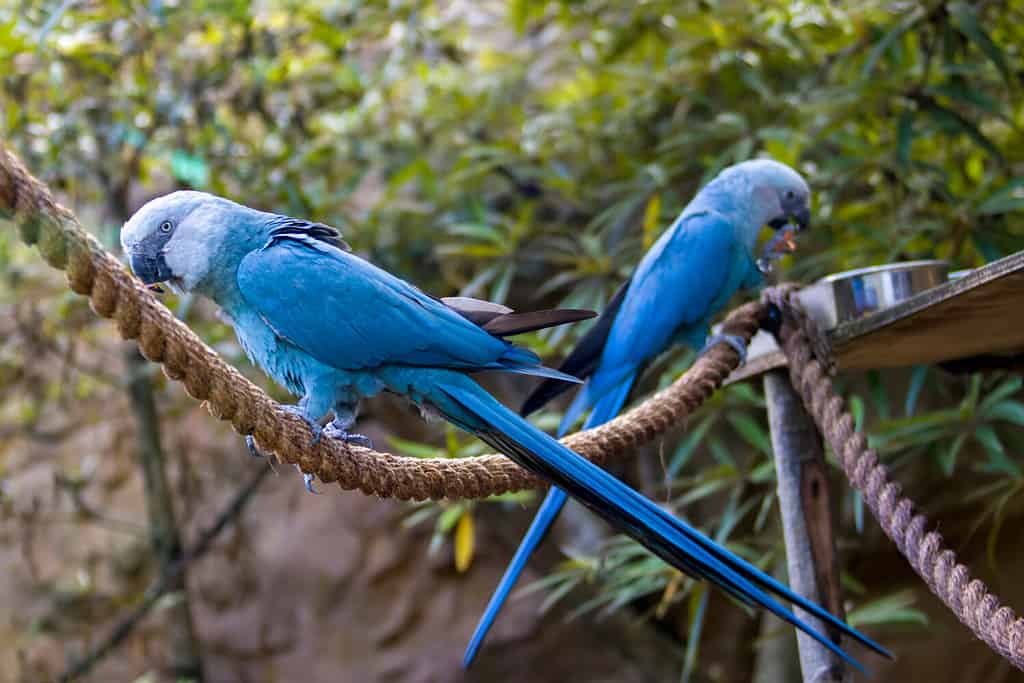
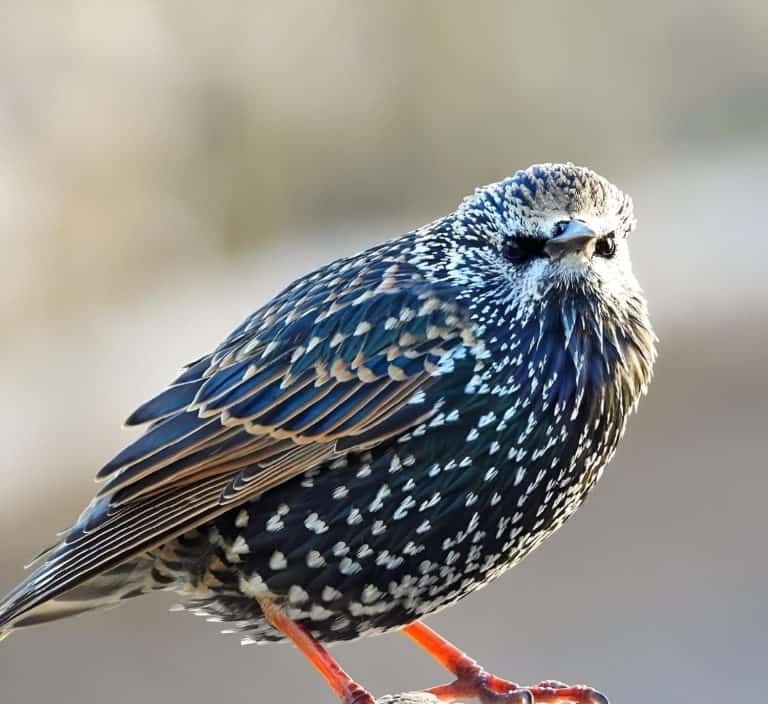
In humid environments, darker pigmentation in feathers can actually be a protective layer, according to Gloger’s Rule.
©Danny Ye/Shutterstock.com
That observation later became known as Gloger’s Rule, with his climate-color observation at the center of the concept. This rule eventually evolved into a testable hypothesis in later research, as it’s easy to recognize but hard to attribute to a single cause. While the original 19th-century rule focused on humidity and warmth, modern studies interpret it as a relationship between melanin and environmental factors, with multiple pressures potentially working together.
What Does Gloger’s Rule Predict?
At its most rudimentary, Gloger’s Rule predicts that warm-blooded animals tend to be darker in warm, humid places compared to animals found in drier regions. This can manifest as any of the following appearances:
- Darker average coloration across populations that live in wetter zones
- More frequent dark morphs in humid regions for species that have light and dark forms
- Deeper browns and blacks in rainforest birds and mammals compared with their desert relatives
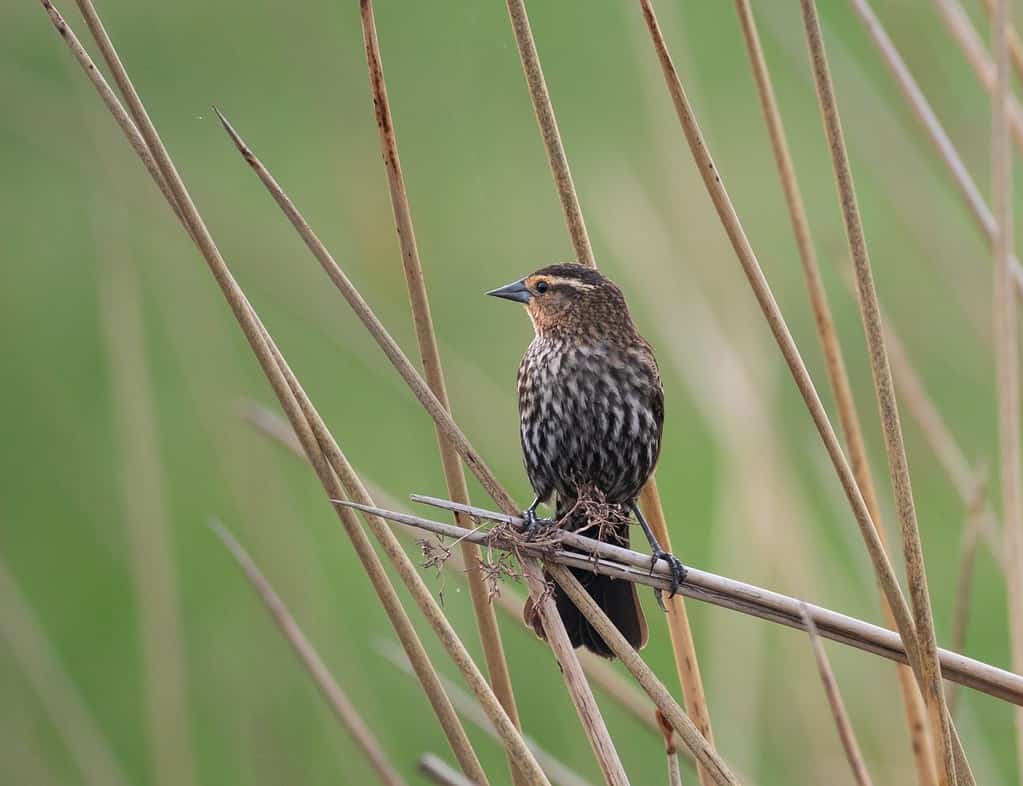
Birds are the primary examples of Gloger’s Rule, but certain mammals also fall under its guidelines.
©Teresa Otto/Shutterstock.com
There are many reasons for this to happen, according to studies. What exactly is the environment doing to animals that makes darker pigmentation pay off? Humidity can influence species in ways that are not immediately obvious.
Why Humidity Makes Animals Darker
There are multiple reasons why humidity alters the way animals look. Consistently damp environments can harm animals ill-equipped for it, especially when we consider birds. Here are some of the primary reasons why humidity changes animal appearance, the reasons at the heart of Gloger’s Rule.
Dampness Increases Feather-Eating Bacteria
One of the strongest explanations of Gloger’s Rule is that microbes can degrade feathers; humid conditions make that potential degradation much worse.
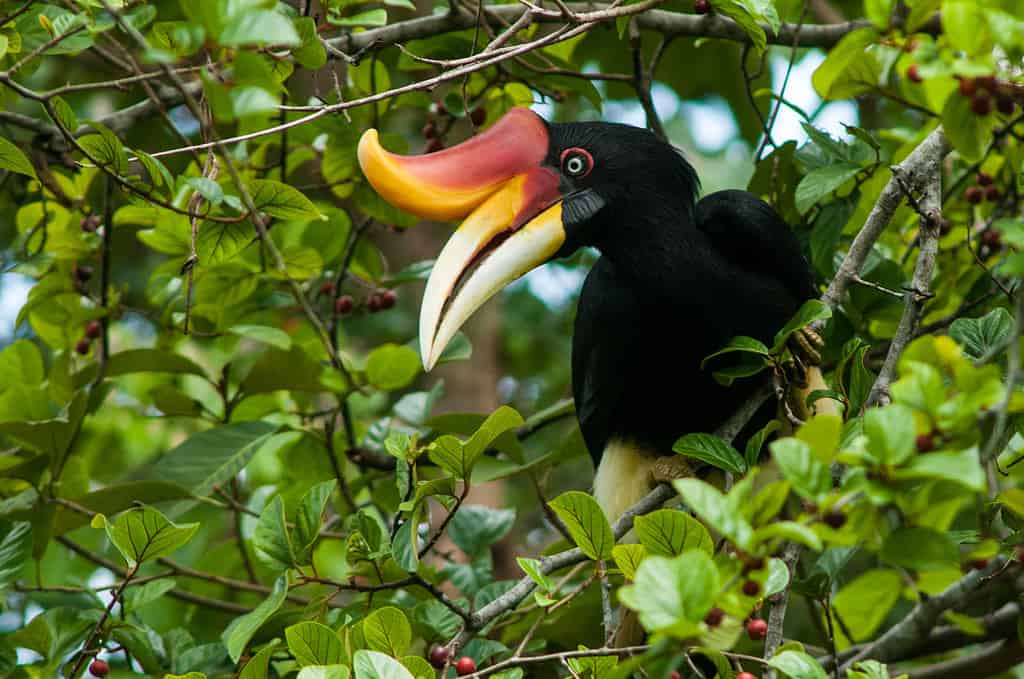
Rainforest animals often rely on darker pigments, both for cover and protection from damp conditions.
©Pierre Rigou/iStock via Getty Images
Ornithologists Edward H. Burtt Jr. and Jann Ichida tested this idea in a study linking Gloger’s Rule to feather-degrading bacteria, showing that bacteria associated with humid environments can break down feathers more aggressively, and that melanin-rich or darker feathers can be more resistant. If a humid climate can affect feathers, darker, more melanized feathers make it harder for bacteria to break them down.
Melanin Reinforces Feather Structure
Melanin is actually part of the feather’s physical makeup, with multiple studies testing melanin’s role in resisting wear and degradation, including experimental work summarized in avian biology literature such as Gunderson and colleagues’ findings on melanized feather resistance.
UV Exposure and Environmental Wear Build Up
Warm, humid regions often overlap with higher UV loads, and melanin can reduce UV damage. It’s important to remember that ‘humidity’ rarely acts as the sole factor influencing pigmentation. Delhey’s Biological Reviews synthesis walks through why multiple pressures—microbes, UV, abrasion, and camouflage—can all favor darker coloration depending on the lineage and habitat.
Mammals Follow the Same Trends

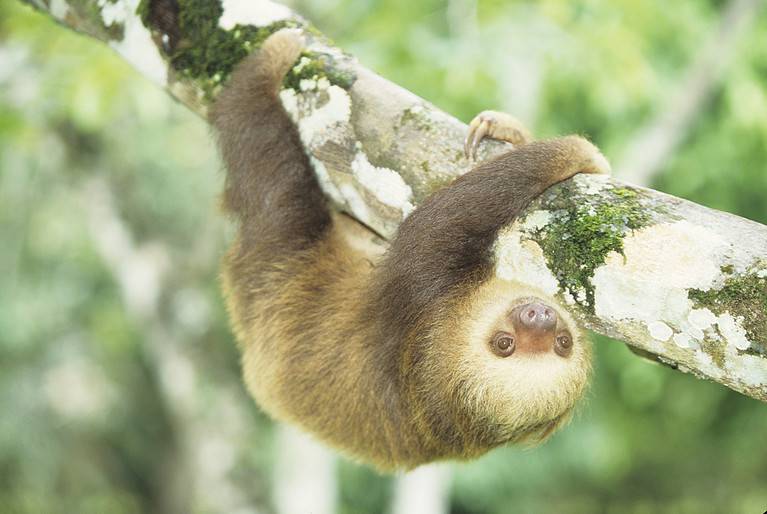
Darker coats in mammals can help with UV rays and many other protections.
©Mircea Costina/Shutterstock.com
Mammals don’t have feathers, but Gloger’s Rule still exists amongst certain species. For example, darker coats can relate to UV, abrasion, camouflage in shaded forests, or parasite protection. Broad-scale tests in mammals also find support for climate-linked pigmentation patterns, even when their specific mechanisms differ from how birds adapt to humidity.
Species Examples of Gloger’s Rule
Here are some of the strongest and most surprising real-world examples of Gloger’s Rule, featuring birds and mammals—including unique color morph species—where humidity influences overall appearance.
Song Sparrow
Spanning foggy coasts, wet conifer forests, marshes, and arid interior scrub, the coloration of song sparrows may differ across all of these locales. The aforementioned study on feather-degrading bacteria notes that song sparrows are darker in the humid Northwest and paler in drier regions, with darker birds most associated with the wetter side of that divide. Their feathers spend much more time damp in these areas, locations where microbes thrive and potentially threaten their survival.
Tawny Owl
Many tawny owls fall into a grey morph or a brown morph, and those morphs can be counted across different landscapes. A large-scale survey in a paper on tawny owl morphs across Europe uses decades of records to ask if darker owls show up more often in warmer, more humid conditions. Humidity and temperature appeared to push morph frequencies in one direction or the other over time.
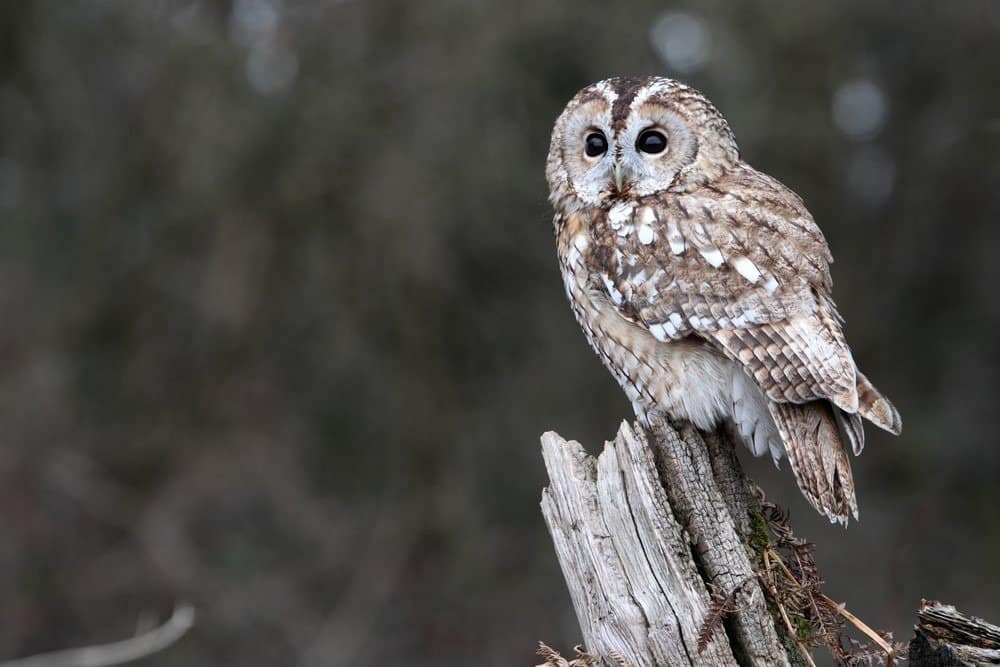
There are red and brown morphs of tawny owls, sorting themselves along climate types throughout Europe.
©Erni/Shutterstock.com
Tawny owls make for a fascinating study of Gloger’s Rule, given that they use a broad range of woodlands and mixed forests, with their morphs appearing to sort themselves along climatic gradients rather than being randomly scattered.
Parrots
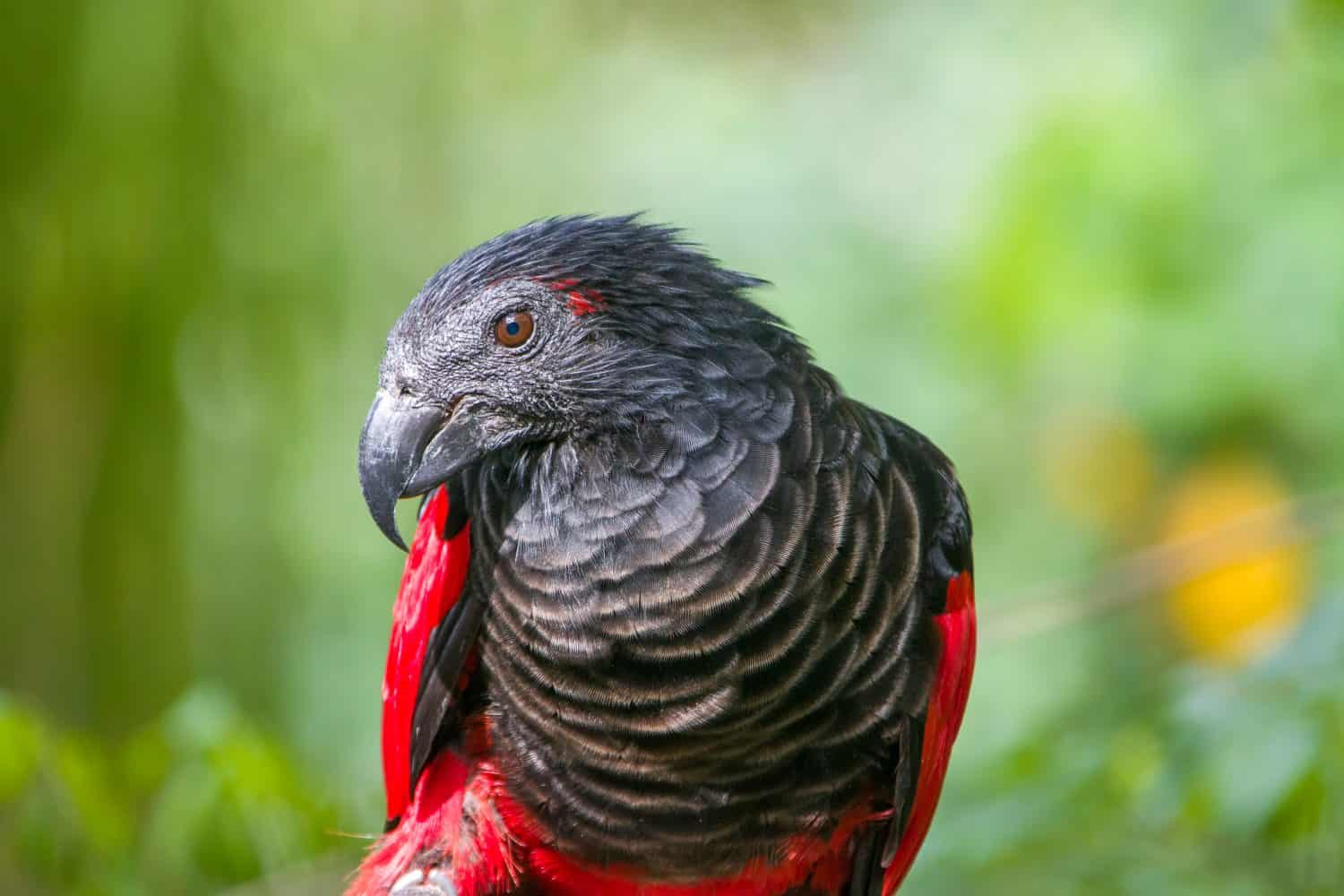
In an open paper titled “Colourful parrot feathers resist bacterial degradation,” Burtt and colleagues exposed parrot feathers of different colors to a feather-degrading bacterium, ultimately comparing how quickly they broke down. The results suggested that white feathers or those lacking pigment degraded faster, while pigmented feathers held up far better.
While this parrot study doesn’t claim that parrots follow Gloger’s Rule completely, it provides evidence that pigment can function as protection, which helps explain why darker or more melanized plumage might be favored in places where feathers experience more microbial wear.
House Mice
Mammals don’t have feathers, but coat color can still track climate and habitat in a way that resembles the core findings of Gloger’s Rule. A study on Asian house mice demonstrates a clear habitat-linked pattern: darker coats were observed more often in more humid, closed habitats, while paler coats were more common in drier, more open habitats. Concealment was determined to be the primary reason for this unique phenomenon, and the study notes that thermoregulation or resistance to degradation could also contribute.
Red-Tailed Hawk
Red-tailed hawks show how dramatic color variations in birds can be even when climate isn’t the only, or even the main, driver. Cornell’s red-tailed Hawk ID guide lays out the basics of the species, including light morphs, dark morphs, and even intermediate forms in some regions. These shifts in coloration are especially associated with certain western subspecies, and that there’s an apparent kaleidoscope of intermediate forms rather than a simple light or dark split.
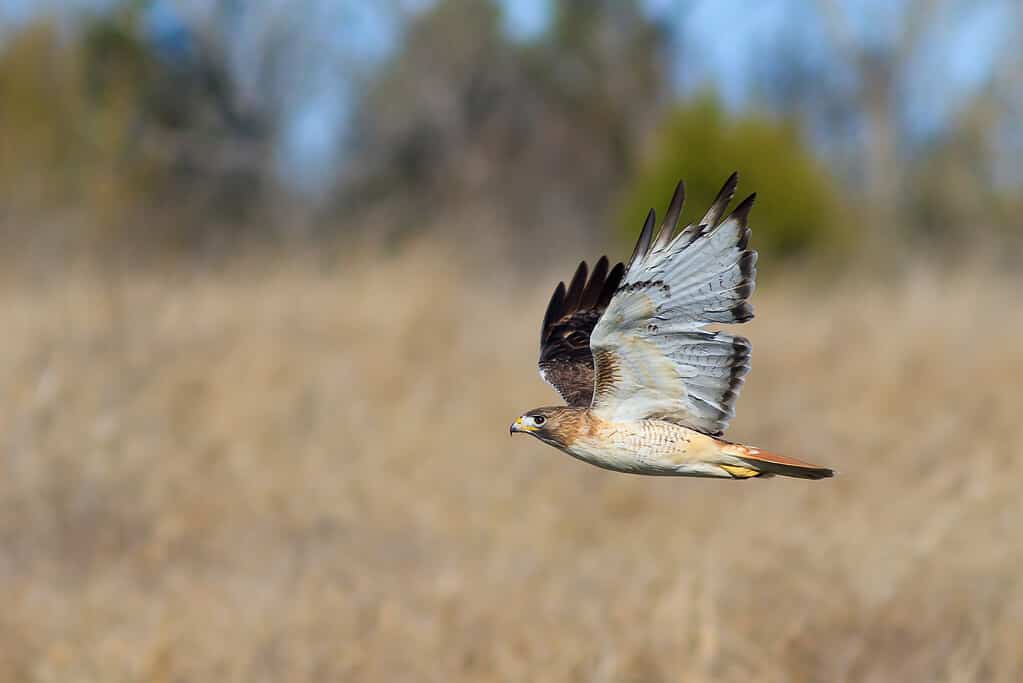
Variations in red-tailed hawks are prevalent, with many subspecies existing because of their adaptations to certain climates.
©iStock.com/cmcneill17
These color variations occur across a range of habitats, including deserts, grasslands, forests, and boreal zones, indicating that humidity is not always the primary factor involved. One striking example is Harlan’s Hawk, a very dark red-tailed hawk subspecies that breeds from central Alaska through Yukon and northern British Columbia, and winters primarily in the south-central United States, especially the southern Great Plains. Its colors are distinctive enough that it was once considered a separate species, proving that history and subspecies boundaries can also change plumage.
Jaguars and Oncillas
In parts of the Neotropics, melanistic jaguars and oncillas show up more often in wetter, more humid forest regions compared to drier habitats, which can be considered a moisture-linked pattern connected to Gloger’s Rule. A Costa Rica–focused analysis in Tropical Conservation Science looks at melanism frequencies alongside climate variables, such as rainfall and humidity, to frame why darker coats might be favored in certain environments, especially in dense forest settings.
Jaguarundis
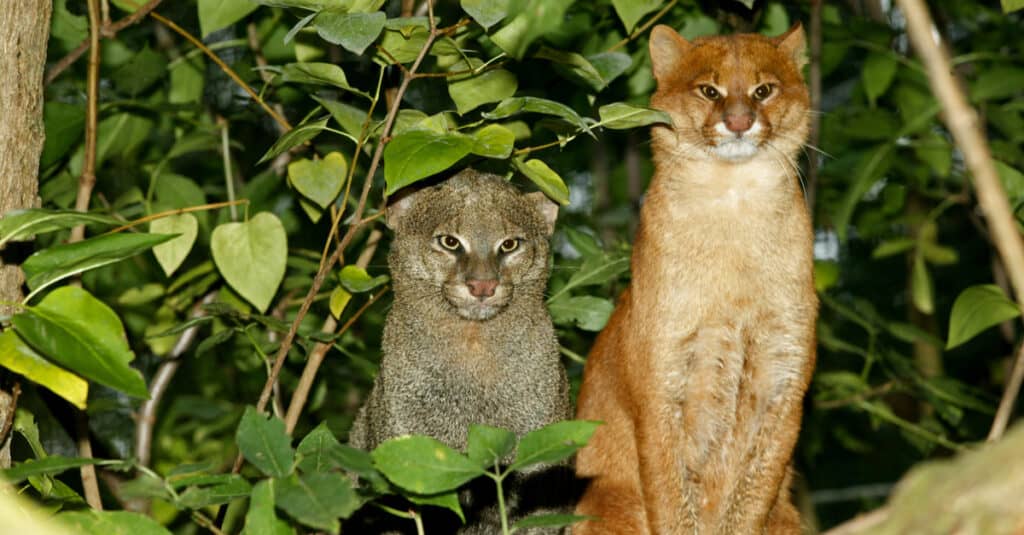
The differences in jaguarundi colorations are in need of further study.
©slowmotiongli/Shutterstock.com
Similar to jaguars, jaguarundis come in notably different color phenotypes: a darker gray form and a reddish form. This unique cat is extremely useful for asking whether climate correlates with whatever phenotype happens to dominate locally.
Primates
Across many primate species, darker colorations tend to be more common in warm, wet, and shady, forested settings compared to drier or more open habitats, making primates an ideal, mammalian example of Gloger-like patterns. While mechanisms like background matching and other environmental pressures are obviously at play, studying the evolution of primates in these environments may further support Gloger’s Rule beyond birds.
Squirrels
One of the strongest mammal test cases of Gloger’s Rule has to be the humble squirrel, as the scientific group spans everywhere from rainforests to dry habitats. Coat darkness varies widely among species, with precipitation and related climate factors at the heart of any studies happening with squirrels and their colors.
Rabbits and Hares
Climate-linked trends are potentially happening in rabbits and hares as well, especially when you take a look across species rather than focusing on one population. A Journal of Biogeography study on lagomorph coloration notes fur darkness as something to test, with certain species falling neatly into moisture-driven morphs, and others largely ignoring this phenomenon.
Why Gloger’s Rule Is Worth Studying
Gloger’s Rule suggests that animals in humid climates often benefit from darker pigmentation, which may help feathers and fur resist environmental wear. This phenomenon goes beyond simple camouflage, though that is also a potential factor, especially among mammals. Gloger’s Rule states that darker pigmentation helps animals survive in warm, humid habitats.
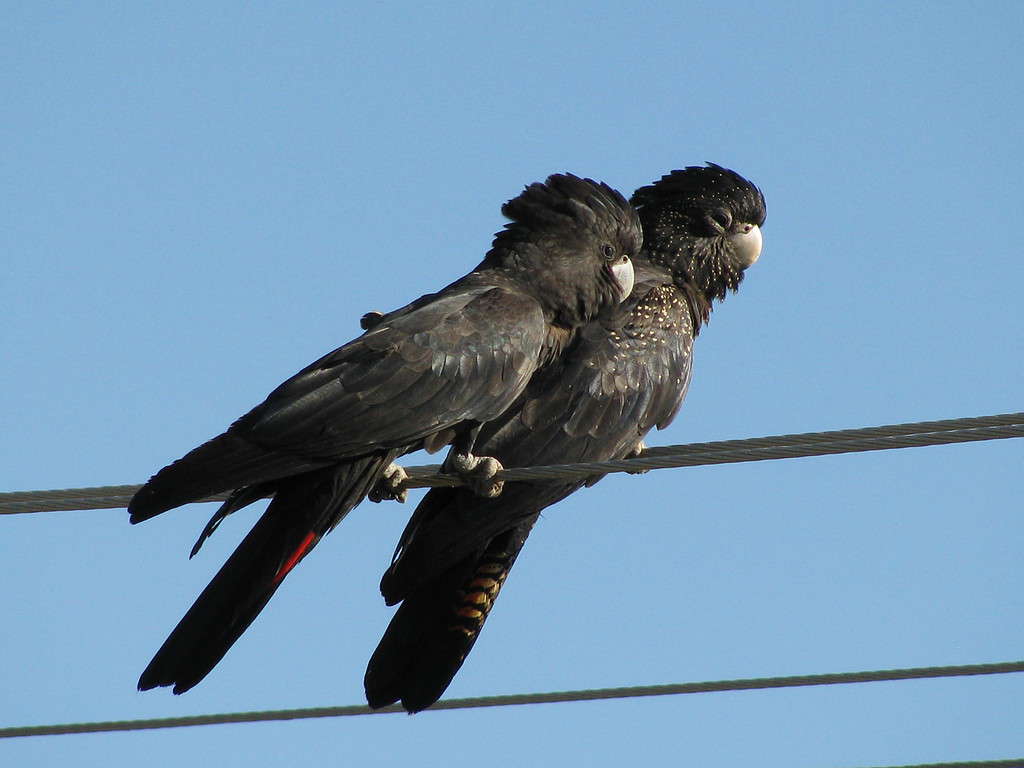
Pigmentation in animals is a fascinating phenomenon, especially when it comes to how species continue to evolve.
If you’ve ever wondered why a rainforest bird might look darkly lacquered compared to a desert cousin, Gloger’s Rule is one of the best starting explanations we have: in wet climates, darker colors tend to last longer, and lasting longer is the kind of advantage evolution is built upon.