
Quick Take
- Two sloth species have lived side by side in Amazonia for millennia, and genetics now reveals that one of them may not be what we think it is. See the taxonomy details →
- Some sloth populations currently labeled 'Least Concern' may belong to a hidden lineage far more vulnerable than anyone realized. Explore the conservation risk →
- Ancient climate shifts and a rising mountain range quietly split sloth populations apart, and the genetic fingerprints of that divide have only just surfaced. See the genetic findings →
- Classifying sloths by physical appearance alone has been hiding a problem that could undermine conservation efforts across Amazonia. Understand the classification problem →
There is still so much that the richly diverse species of the Amazon rainforest have not revealed to us. That includes the sloths, which are among the few mammalian lineages to have originated in South America and diversified across the Americas (the Xenarthra). A new genetic study has revealed that we don’t know as much about the genetic heritage of two-toed sloths as we previously thought. There is significant cryptic diversity among these animals, which means there are deeply diverged lineages within a single species. It also means that we may need to rethink sloth taxonomy and how best to protect them.
What We Know About Two-Toed Sloths
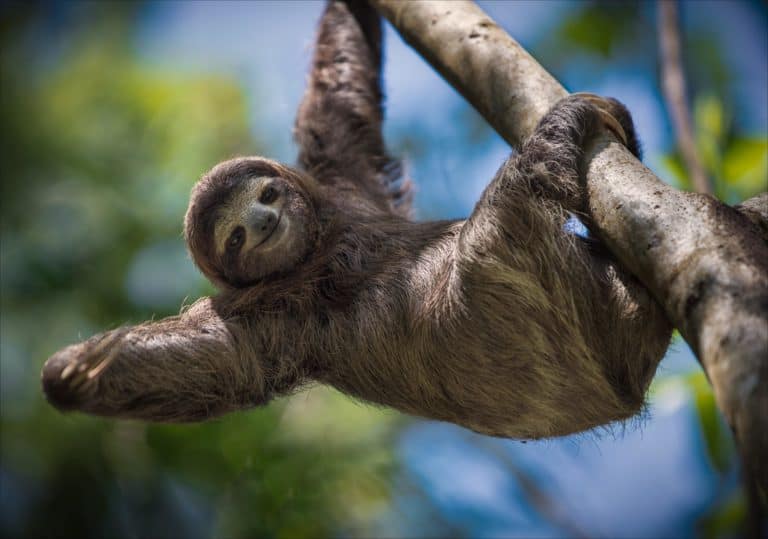
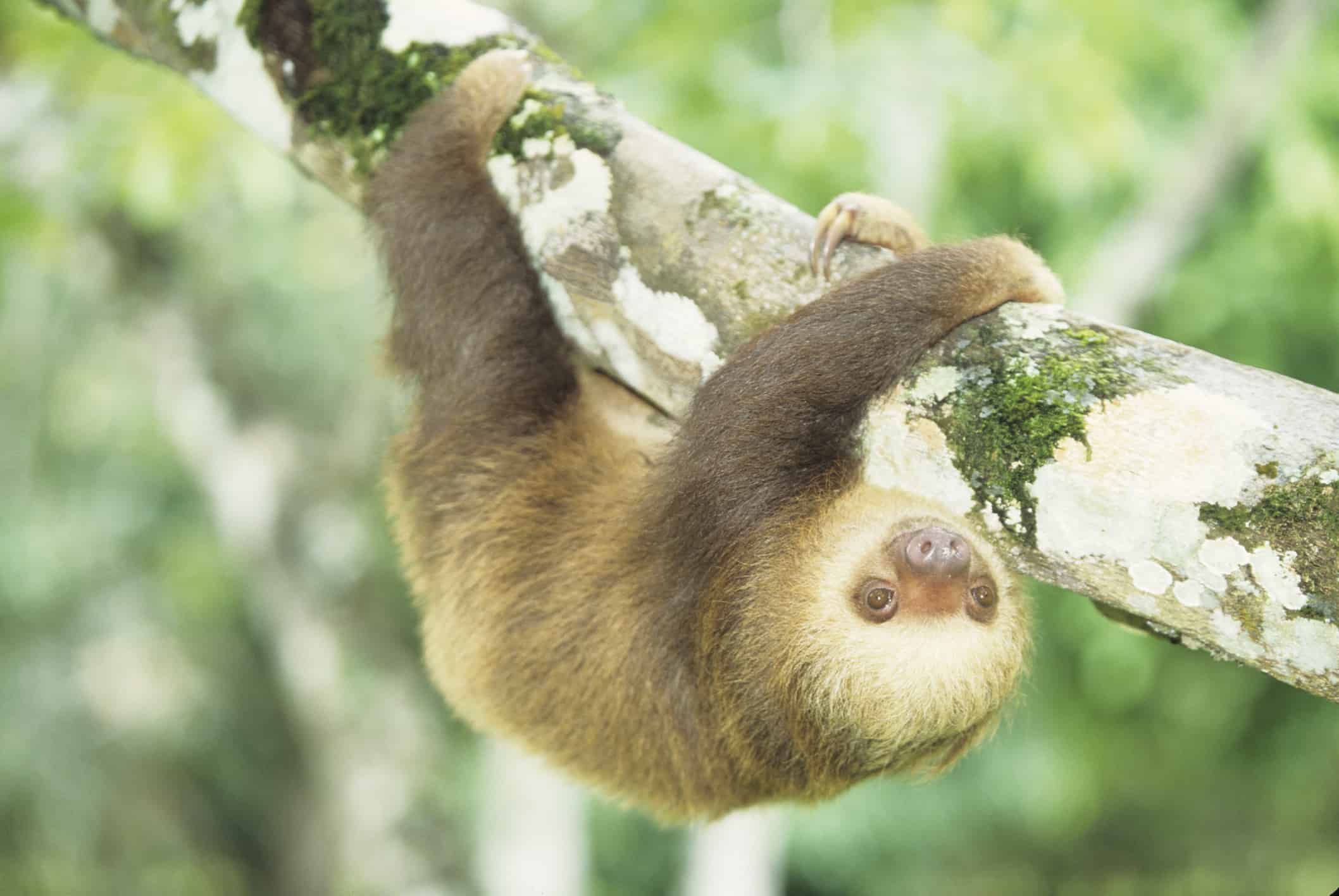
Two-toed sloths are slow-moving, nocturnal creatures that spend most of their time hanging in high branches of trees in the tropical and cloud forests of Central and South America. They get their name from the two toes with claws on their front feet. They feed on leaves, stems, buds, and some fruit, all of which can take up to a month to digest.
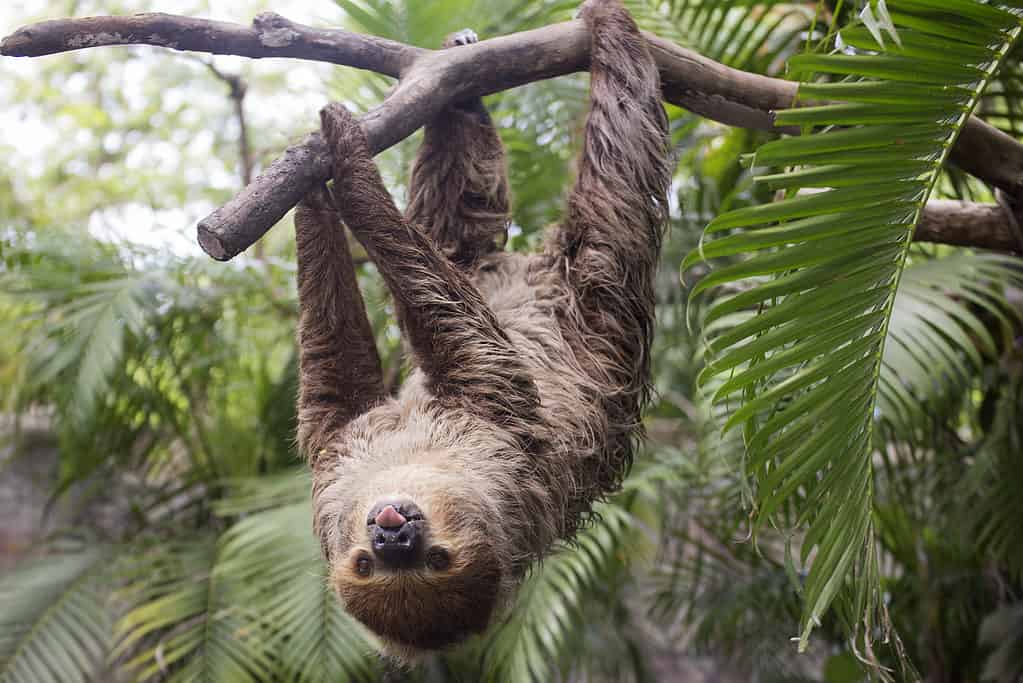
Two-toed sloths spend most of their time hanging in trees.
©iStock.com/Kung_Mangkorn
Sloths rely on a continuous rainforest canopy for survival as they are physically unable to traverse big gaps between trees. The forests that they inhabit are undergoing significant and human-driven changes. Deforestation, power line electrocutions, urban development, road traffic accidents, tourism, and illegal trade all pose threats to these amazing animals.
Two-Toed Sloth Taxonomy
Taxonomy is the study and classification of living and extinct organisms, which are divided into groups known as taxa. Currently, two-toed sloths are classified into two species. These are Choloepus hoffmanni (Hoffmann’s two-toed sloth) and Choloepus didactylus (Linnaeus’s two-toed sloth). Linnaeus’s two-toed sloth is monotypic, meaning it is a single species, and is widely distributed throughout Amazonia. Hoffmann’s two-toed sloth, however, has five recognized subspecies that can be found both west and east of the Andes.
More recently, both genetic research and morphological studies (studies of an animal’s physical form) have suggested that there may, in fact, be different subspecies of Linnaeus’s two-toed sloth. The latest research, however, has revealed something just as significant.
New Genetic Studies of Sloth Species
A new study of sloth genetics was led by scientists from the Leibniz Institute for Zoo and Wildlife Research (Leibniz-IZW), in collaboration with other experts. They compiled all publicly available mitochondrial data for sloths sampled in three distant regions in Amazonia. The study also generated new genomic data.
Factors such as genomic diversity, demographic history, and population structure were assessed. The evolutionary history of sloths was examined in the context of Amazonian biogeography.
What Has New Sloth Genetic Research Revealed?
This study demonstrated that Hoffmann’s two-toed sloth is paraphyletic. This means that some sloth populations east of the Andes currently classified as C. hoffmanni are genetically closer to Choloepus didactylus.
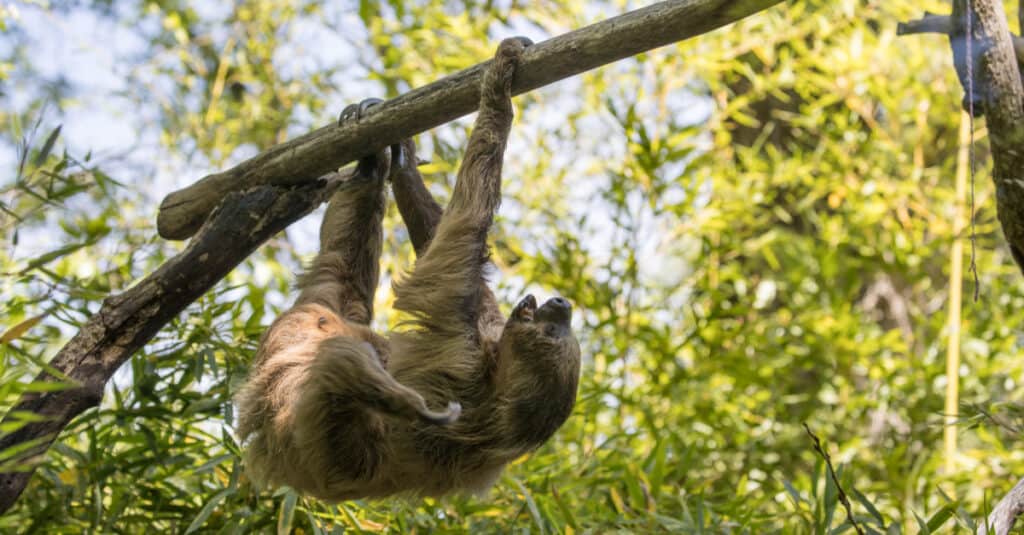
Sloth taxonomy may need a rethink.
©Saad315/Shutterstock.com
It suggests that there is a previously unrecognized lineage in the Choloepus genus. There may actually be three, or potentially more, species of Choloepus sloths. Additionally, the investigation showed that the lineages diverged during the Pleistocene climatic changes and the final phase of Andean uplift. These major changes created geographic barriers to sloth movement and isolated their populations.
Amazonian regions responded differently to these climatic changes. The western regions likely maintained a more stable forest cover, whereas East Amazonia had drier conditions periodically. This climatically unstable environment could have resulted in a smaller population with lower genetic diversity. Importantly, these sloth lineages inhabiting the East Amazonian upland humid forests are younger and more vulnerable to demographic changes than their western and northern counterparts are. The evidence suggests that this area was colonized or recolonized more recently by older lineages from the wetter western and northern regions of Amazonia.
Why Are These Findings Important for Conservation?
First, these findings challenge the currently described taxonomy of C. hoffmanni. Some populations currently classified as C. hoffmanni (found east of the Andes) are actually more closely related to Linnaeus’s two-toed sloth!
There is no doubt that the biodiversity of Amazonian species needs protection. To do that effectively, conservationists need accurate information on ecology, population dynamics, and structure. Before this study, there was hardly any ecological or demographic data for the Choloepus lineages investigated.
Both Choloepus species are currently listed as “Least Concern” in the IUCN Red List. However, they face threats from habitat degradation and fragmentation, frequently linked to wildfires, forest clearing, and dam construction. This new information raises the concern that some unique and previously unrecognized lineages may actually be in serious trouble. There may be an argument for assessing these lineages as “Near Threatened” or “Vulnerable.” Further studies of sloth biodiversity in Amazonia are urgently needed to plan conservation strategies that benefit all lineages.