
Quick Take
- Genetic diversity is lost when habitats are fragmented, leading to the eventual extinction of species.
- Over 75% of biodiversity is lost within fragmented habitats.
- A new study points to warning signs that occur before a species living in a fragmented habitat reaches its tipping point.
- Understanding warning signs can help save endangered species living in fragmented habitats before it is too late.
Habitat fragmentation can decrease biodiversity by up to 75% within an ecosystem. As species are forced to live in a fraction of the land they traditionally inhabited, genetic diversity wanes. Over time, wildlife becomes less robust, unable to withstand environmental stressors or disease. Eventually, a population collapse occurs.
There may be hope for wildlife living in fragmented habitats. Scientists have discovered early warning signs of genetic collapse in wildlife populations. If these warning signs are heeded, it may be possible to prevent the collapse. In the process, species may also be saved from extinction.
Habitat Fragmentation Leads to the Genetic Collapse of Wildlife Populations
Habitat fragmentation occurs when large pieces of land are divided into smaller pieces. Fragmentation can result from both human activities and natural causes. The smaller pieces of land become isolated from one another, creating habitat islands. The fragmentation eventually leads to the genetic collapse of wildlife populations. This, in turn, can lead to the extinction of entire populations.
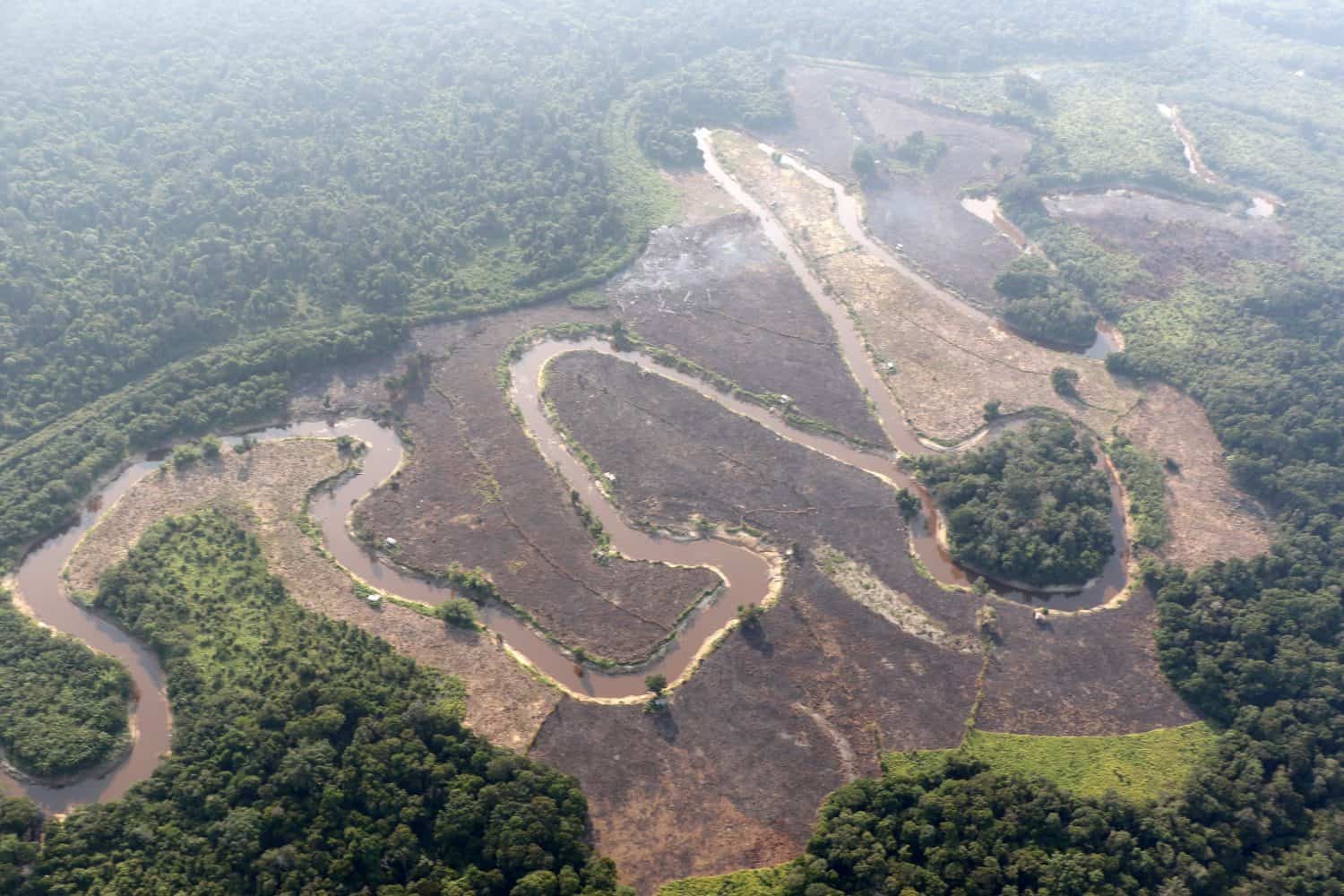
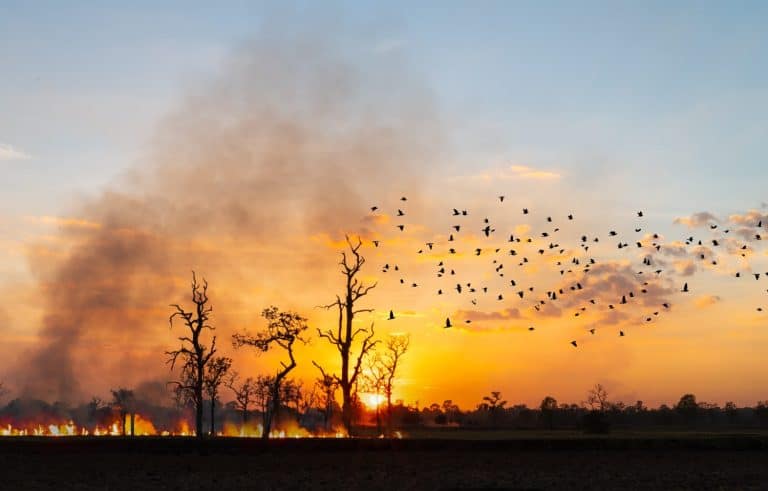
As habitats are fragmented by human activity or natural disasters, wildlife is reaching its genetic tipping points, and populations are declining.
©Agus_Tri1975/Shutterstock.com
A new study published in the Proceedings of the National Academy of Sciences has found that wildlife living in fragmented habitats can experience sudden “tipping points.” Species that appeared stable or even thriving can suddenly experience massive population declines due to a lack of genetic diversity.
In the past, there was no way to monitor whether a species was approaching its tipping point within a fragmented habitat. But thanks to scientists combining network theory with population genetics, they believe identifiable signs are present that point to a population collapse well before it happens. By identifying these signs, it may be possible to save wildlife before extinction becomes inevitable.
Why Is Genetic Diversity Necessary for Long-Term Species Survival?
As more species worldwide live in fragmented habitats, the long-term survival of these animals is questionable. This is because as the range animals have to roam decreases, genetic diversity also decreases. Without genetic diversity, a species has little chance of surviving as the environment around it changes.
Genetically diverse species are better equipped for natural selection, where the most dominant and physically fit individuals survive, while those with genetic deficiencies do not. Strong genes are passed down through generations, allowing the species to survive.
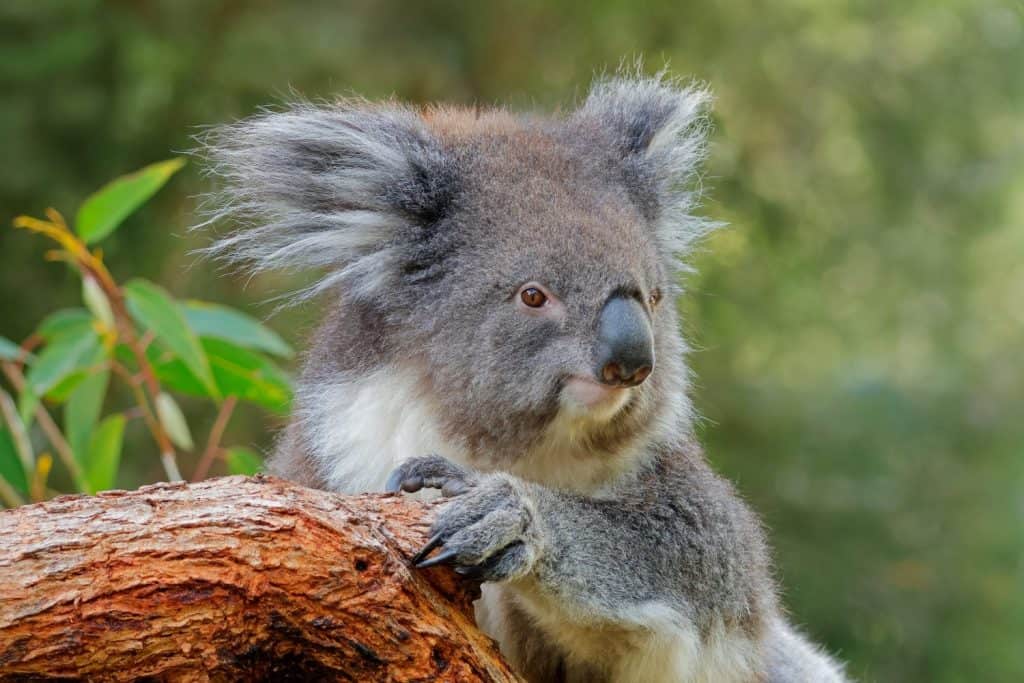
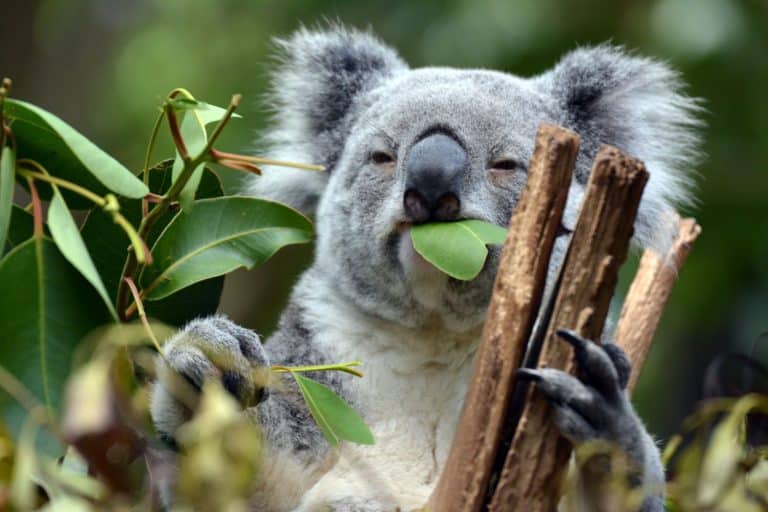
Koalas have lost much of their genetic diversity due to habitat fragmentation over the years.
©EcoPrint/Shutterstock.com
As factors such as climate change, shifts in food availability, and even predators arise, species with genetic diversity are able to adapt and overcome these changes and challenges. Those without genetic diversity lack the genetic variation needed to survive. Consequently, the population dramatically decreases, or the species goes extinct.
This is typically what happens to species living in fragmented habitats. As species reproduce from a limited gene pool, the less desirable traits and abnormalities appear more frequently. This reduces a species’ ability to fight disease and, over time, even to reproduce. Eventually, any strong genes that were once dominant disappear. In time, the species as a whole does as well.
How Can Scientists Recognize Signs of Genetic Decline Before Species Reach Their Tipping Point?
Scientists involved in the study recognized that species’ genetic health does not necessarily decline at a steady rate as habitat fragmentation occurs. After simulating eight scenarios that led to habitat fragmentation, it was clear that wildlife experienced two stages as their habitats dramatically decreased. Those stages included:
- The Deceptive Calm
- The Sudden Transition
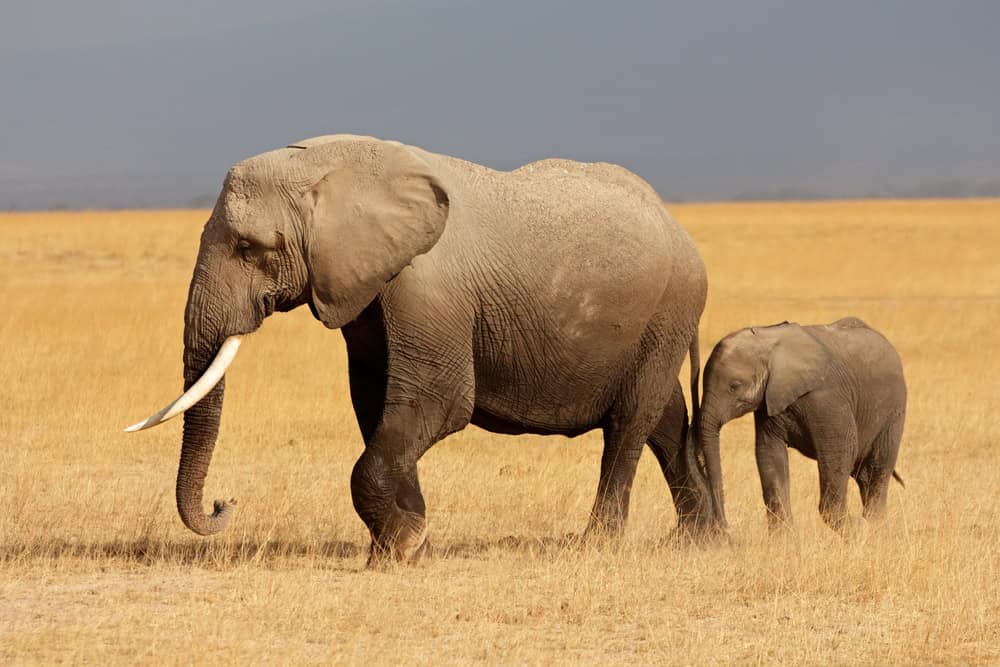
The African elephant population is listed as stable, but habitat fragmentation may be slowly leading to The Sudden Transition.
©EcoPrint/Shutterstock.com
The Deceptive Calm is where habitat is being lost, but genetic changes to wildlife are not yet visible. The Sudden Transition occurs when “genetic diversity plummets” after the habitat has reached its fragmentation threshold.
To prevent habitat collapse, scientists discovered that it was necessary to look at a variety of species using network theory and mathematical population genetics. When flora and fauna were observed in a fragmented habitat, it was not just one species that suffered. Before The Sudden Transition, there are signs of “genetic health shifting.” By recognizing the signs, the authors of the study believe that making changes before a collapse can prevent it. This information may prove useful for animals currently on the brink of extinction due to habitat fragmentation.
Animals Most Impacted by Habitat Fragmentation
Animals around the world are dealing with the effects of habitat fragmentation. As infrastructure continues to divide large swaths of land that animals use for homes, grazing, or migration, the genetic diversity of species suffers.
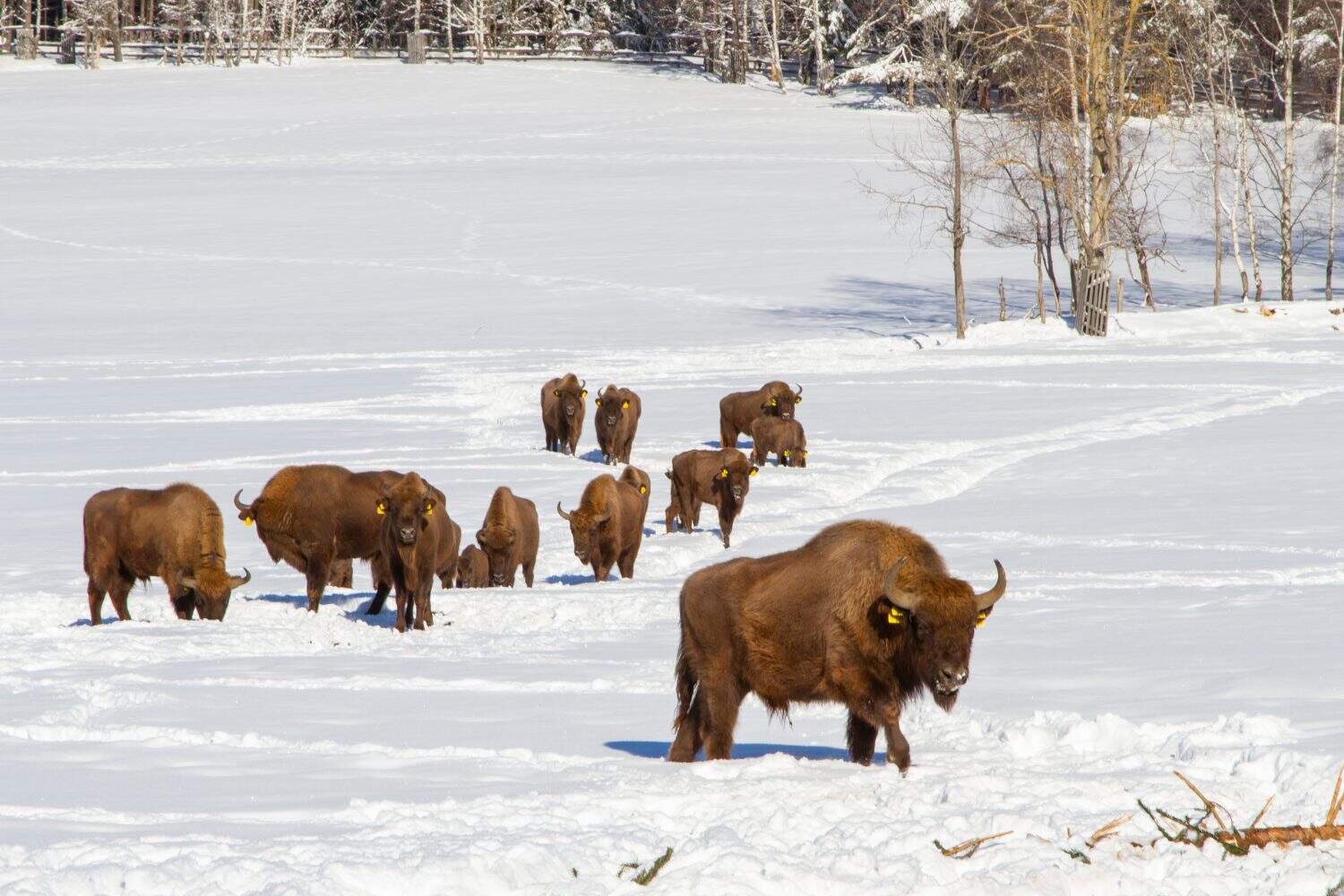
Bison are a species directly impacted by habitat fragmentation.
©laissue/Shutterstock.com
Some species have had an easier time adapting to smaller habitats than others. Those animals that require space to roam have fared the worst with habitat fragmentation. Some of those species include:
- African savannah elephants
- Asian elephants
- African wild dogs
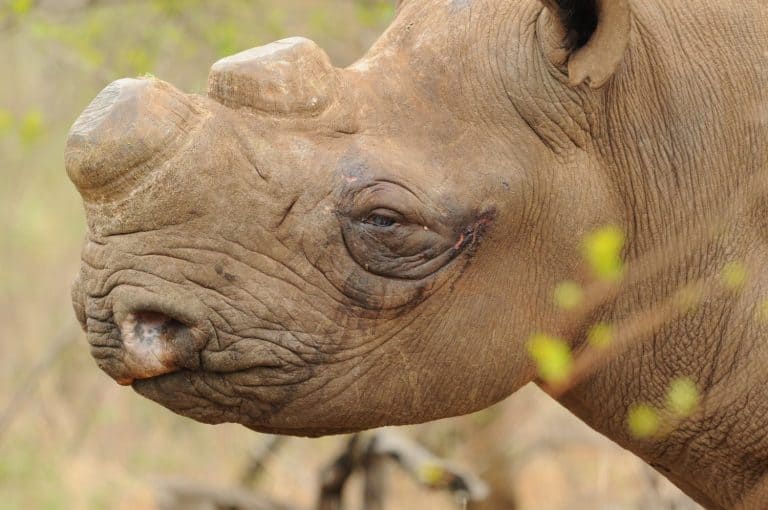
- Black rhinos
- Indian rhinos
- Koalas
- Bison
- Caribou
Pollinators are smaller species that are often overlooked in discussions about habitat fragmentation. As habitats are fragmented, the plant life that once existed dramatically decreases or disappears altogether. This directly impacts insects and birds by decreasing populations, some to the point of extinction.
While efforts are underway to restore habitats and migratory routes, the truth is that it may be too late for some of these animals. After years of habitat fragmentation, the gene pools have become significantly less diverse. Abnormalities in these species appear more frequently. As these abnormalities become more common, the ability to resist disease and illness decreases. Consequently, species that once thrived struggle and, ultimately, may not have the genetic strength to survive as ecosystems fragment and crumble.
Conservation Strategies for Maintaining Healthy Gene Pools
Signs of habitat fragmentation affecting animals have been apparent since the 1950s. However, it was not until the late 20th century that the world was forced to acknowledge how serious a problem habitat fragmentation had become. As a direct result of habitat fragmentation, 73% of the world’s wildlife has declined over the past 50 years.
To prevent wildlife populations from declining further, rules and regulations have been put in place in recent years to stop the fragmentation of critical habitats. Additionally, habitat preservation in already fragmented areas has become paramount to help those living on individual ecological islands survive.
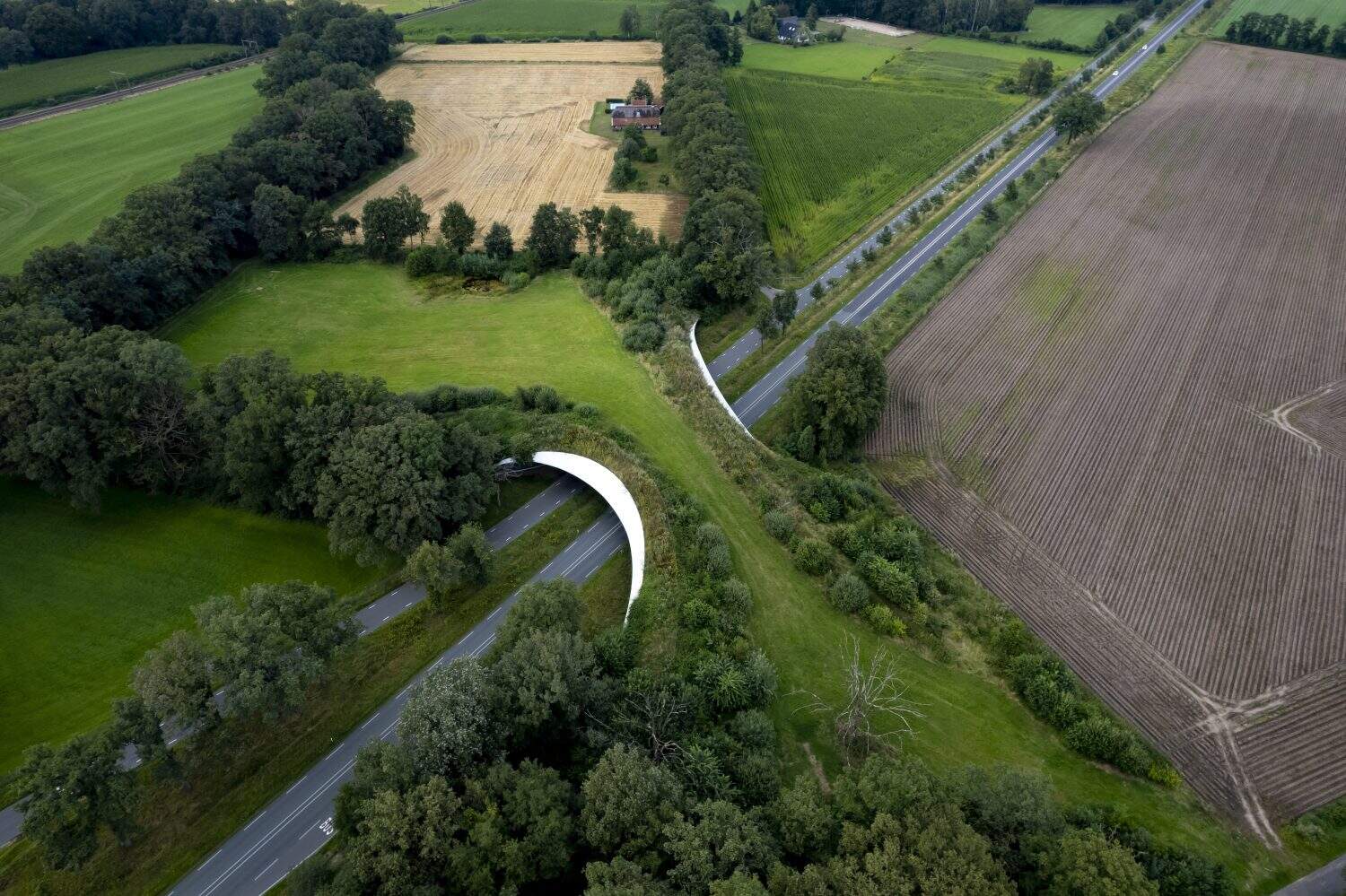
Wildlife corridors and crossings have allowed species to move between areas, increasing genetic diversity.
©Wirestock Collection/Shutterstock.com
In regions where roadways have caused habitat fragmentation, wildlife crossings and corridors have been created. This has led to fewer wildlife deaths and increased the chances of maintaining healthy gene pools by allowing wildlife to freely move between what was once fragmented habitat.
There are ways individuals can help reduce the impact of habitat fragmentation on local wildlife. Some of the conservation efforts include:
- Planting native trees
- Planting native flowers
- Creating water sources for wildlife
- Helping with the restoration of habitats in local communities
- Financially contribute to organizations working to conserve and reconnect fragmented habitats
Despite habitat fragmentation being a direct contributor to the loss of genetic diversity in wildlife, land continues to be taken from wild animals. Some call this progress. Others see it as yet another way the planet and all that lives on it are being destroyed. The bottom line is that if habitat fragmentation is not halted, many animal species will go extinct. With some of these animals being keystone species, entire ecosystems will collapse. This will affect not only the animal kingdom but also humans. Therefore, conservation is needed now, before it is too late to reverse the devastation that habitat fragmentation has caused.