
Quick Take
- Adult females successfully deposit up to 20,000 individual eggs within a single reproductive cycle.
- Maintaining the amplexus posture creates a technical hurdle during the critical external fertilization event.
- Producing gelatinous strings instead of clumps represents a shift in aquatic developmental strategy.
- Executing the vegetation wrapping stage is vital to preventing the current from compromising the entire batch.
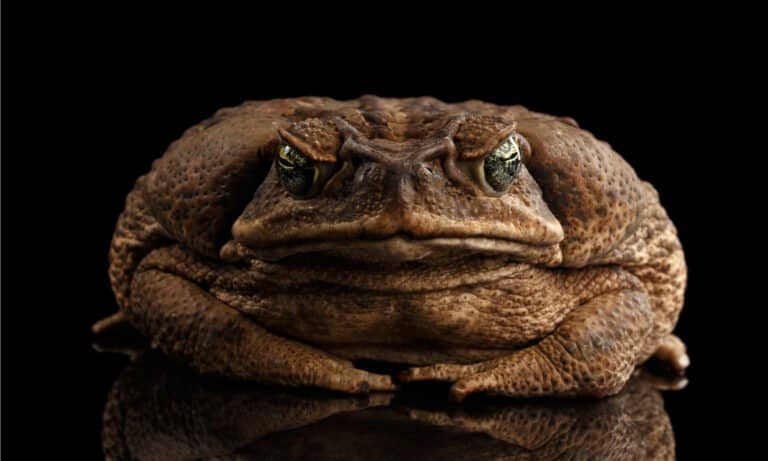
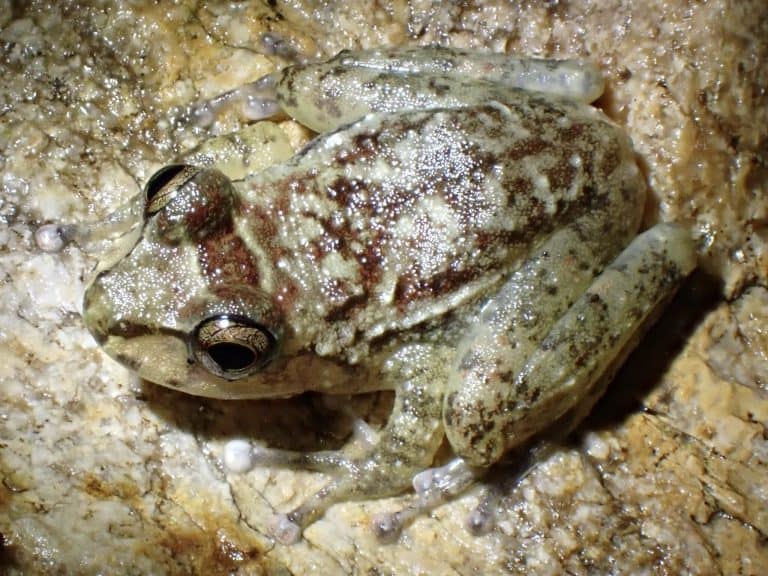
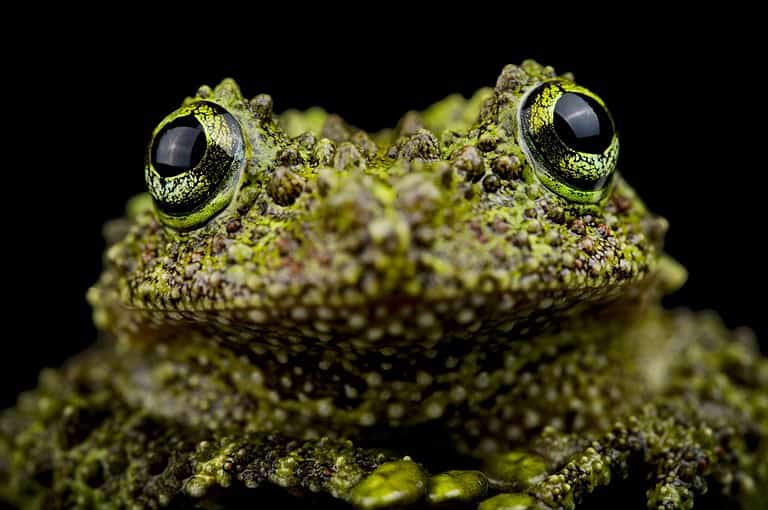
Toads are fascinating creatures for several different reasons, but their reproduction process is easily one of the most interesting. Rather than simply laying eggs, they lay meter-long strings of eggs that are fertilized externally. This method is uncommon in nature, making it a particularly unusual and unique process. This YouTube Short by @limpopfieldguidingacademy7850 shows one of these strings being laid, which is much longer than you might imagine. Read on to learn more about how toads lay their eggs.

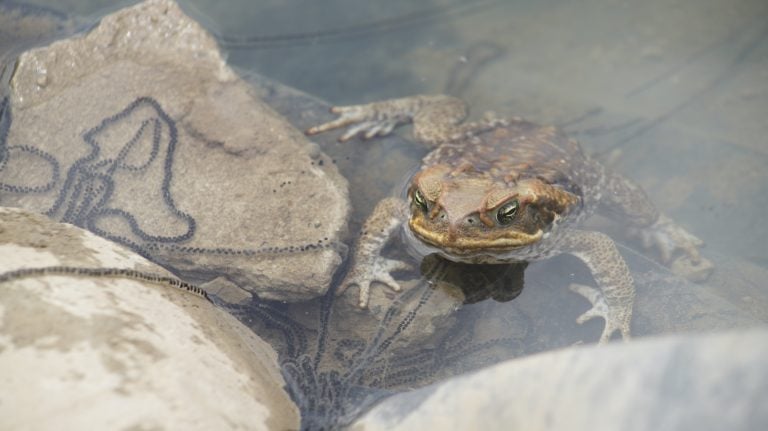
Toads lay their eggs in a long, gelatinous string.
©Gannet77/ via Getty Images
How Do Toads Lay Eggs?
Toads lay eggs in a way that is among the most unique in the animal kingdom. They reproduce through external fertilization. To mate, the male grasps the female in a position known as amplexus, which is the typical mating posture for toads, as shown in the video. As the female releases her eggs into the water, the male releases his sperm over them to fertilize them. Toads do this in shallow ponds or streams, which allows the eggs to develop safely. But why do toads lay their eggs in gelatinous strings instead of clumps like frogs? There are a few reasons for this. One is for anchoring. By connecting the eggs in a strand, the eggs are less likely to drift away with the current. The strings often wrap around vegetation as well, further anchoring them in place.
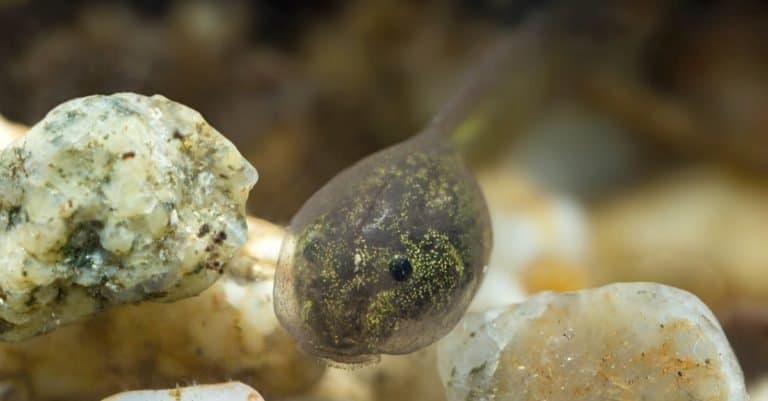
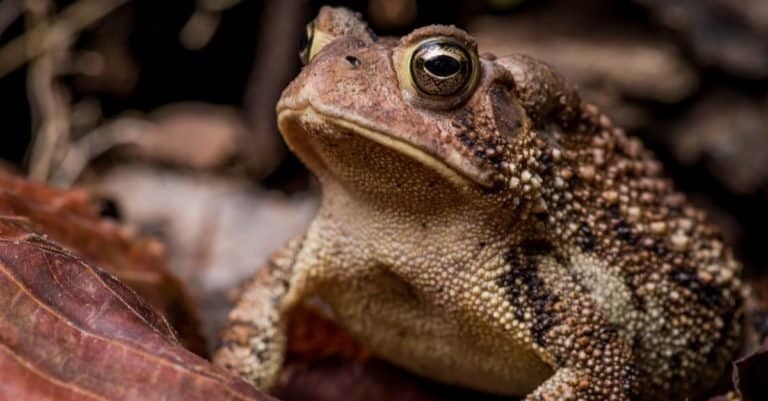
Other reasons include improved access to oxygen and better spacing. Spreading the eggs out, rather than clumping them together, allows each egg to receive more oxygen, which supports the embryo’s development. The spacing also improves fertilization rates, increasing the chances that more eggs will develop into toads. Females lay thousands of eggs at once, but the exact number differs by species. For example, the American toad alone can lay anywhere between 2,000 and 20,000 eggs at a time. After about two weeks, the eggs hatch into tadpoles, which will later metamorphose into toads. Unfortunately, most toad eggs and tadpoles have a high mortality rate. Due to predation by fish, birds, insects, or even other toads, they often die before reaching adulthood. This form of reproduction is certainly fascinating.