
Quick Take
- Achieving body hijacking is the primary requirement for the parasite to survive.
- Leucochloridium paradoxum creates 1 specific lethal trap that compromises host survival.
- Hosts abandon dark cover for treetops, creating a break in molluscan instinct.
- The pulsing stage is necessary to ensure predator consumption during the final life cycle phase.
Nature is full of dangerous parasites and bacteria that can harm their hosts. But did you know that there are some parasites that turn their hosts into zombies? While not actual zombies, of course, these parasites can use the host’s body to survive—a sort of body hijacking. This sounds like the plot of a movie; it actually occurs in snails due to the parasite Leucochloridium paradoxum. This YouTube Short by @NatureSimplified discusses this parasite. Keep reading here to learn more.
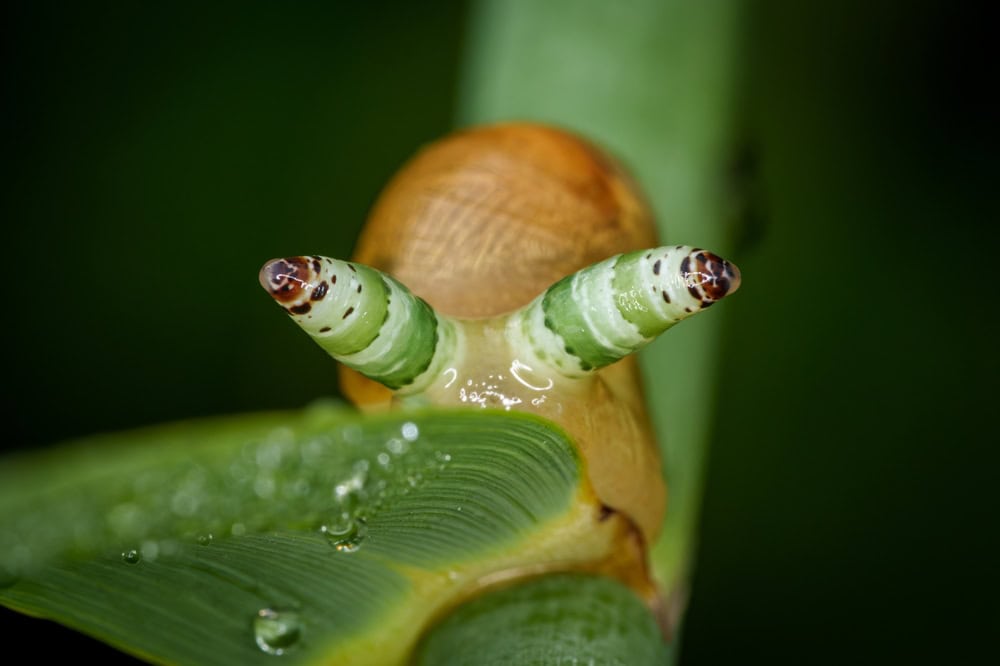
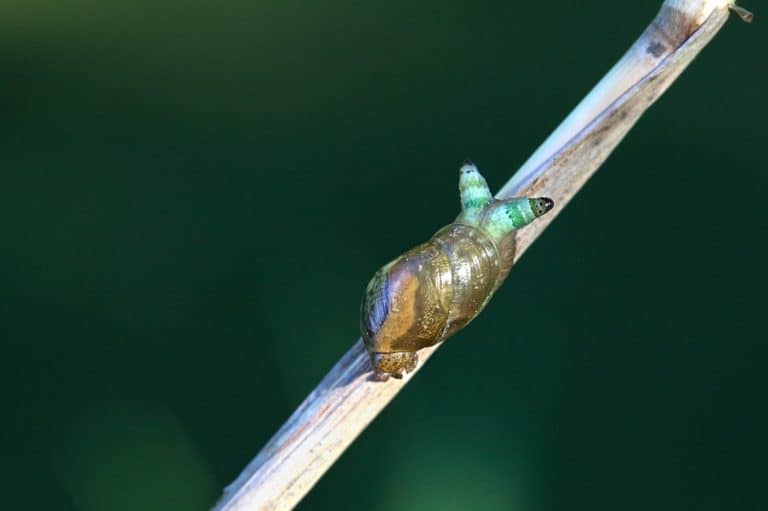
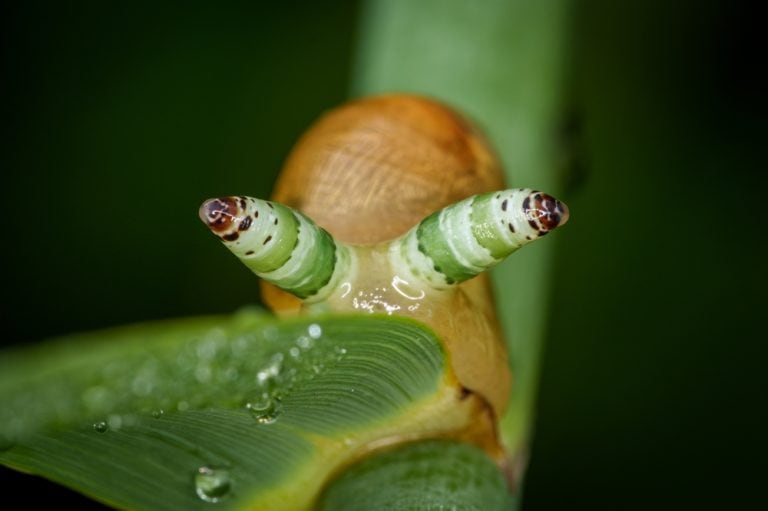
Snails infected with Leucochloridium paradoxum have swollen, pulsating eye stalks.
©JoostP/Shutterstock.com
Zombie Snails
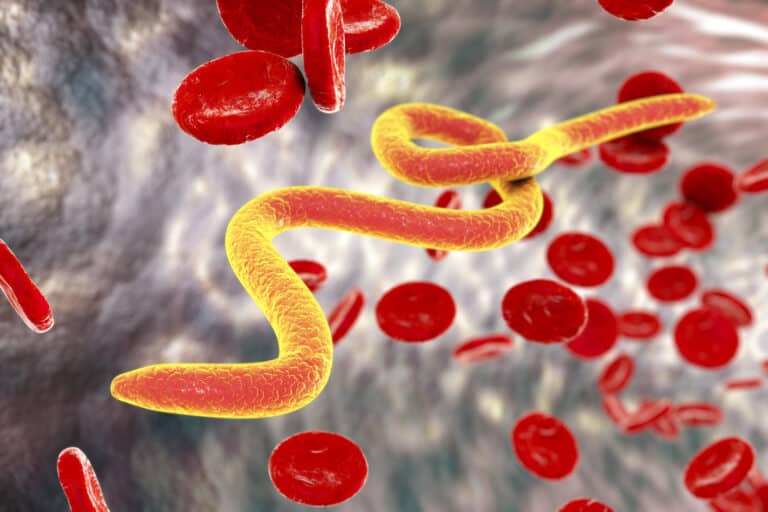
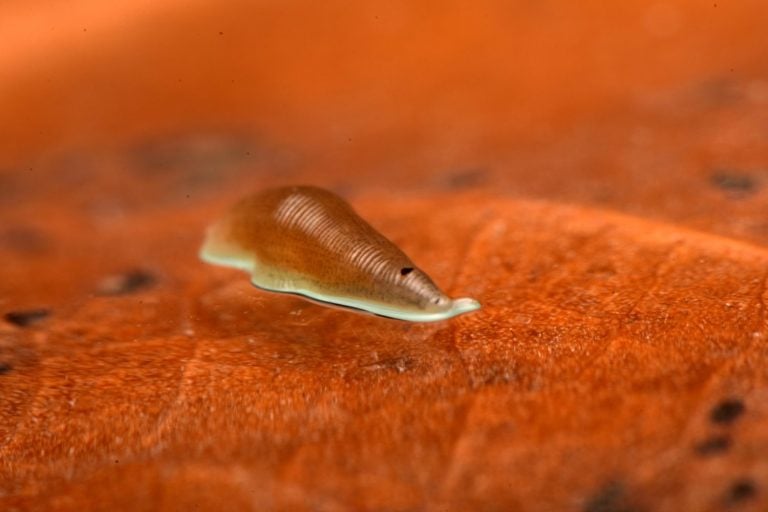
The video linked above shows a very strange snail. The eyes move rapidly, and their colors change as well. This is all due to the parasitic flatworm Leucochloridium paradoxum. This parasite uses snails as a step in its life cycle. The parasite’s end goal is to be eaten by a bird, and snails are one of the best ways to achieve this. Snails become infected with the parasite when they eat its eggs, which are found in bird feces.
After consuming the eggs, the parasite enters the snail’s eye stalks. Once the eye stalks start pulsing, as shown in the video, the snail’s behavior changes as well. Acting against its instincts, the parasite forces the snail into the sunlight or high up into a tree to become more visible. Once a bird eats the snail, the parasite lays eggs in the bird’s gut, which are later excreted in the bird’s droppings. This creepy life cycle is a manipulative way the parasite survives.
Snails infected with the parasite do not die immediately, but they won’t have comfortable lives. Because the parasite controls them, the snails face the grim fate of being eaten by birds. So, regardless of how long they live, their demise is pretty certain. Recent research has identified potential treatments, such as the drug emodepside, that may be effective against Leucochloridium infections in snails, but practical application in wild populations remains challenging. In laboratory or aquarium settings, maintaining good sanitation and preventing exposure to contaminated water are the primary methods recommended to control the spread of the Leucochloridium parasite. Overall, this creepy parasite leads its hosts to a sad end, all for its own survival.