
Quick Take
- Wood frogs can freeze up to 65% of the water in their bodies during brumation and still survive.
- Brumation can last between four and seven months, depending on the temperatures.
- Wood frogs are the first to emerge from brumation to lay their eggs before other amphibians.
- As soon as wood frog eggs are laid, they are in a race against the clock to mature before the vernal pool evaporates.
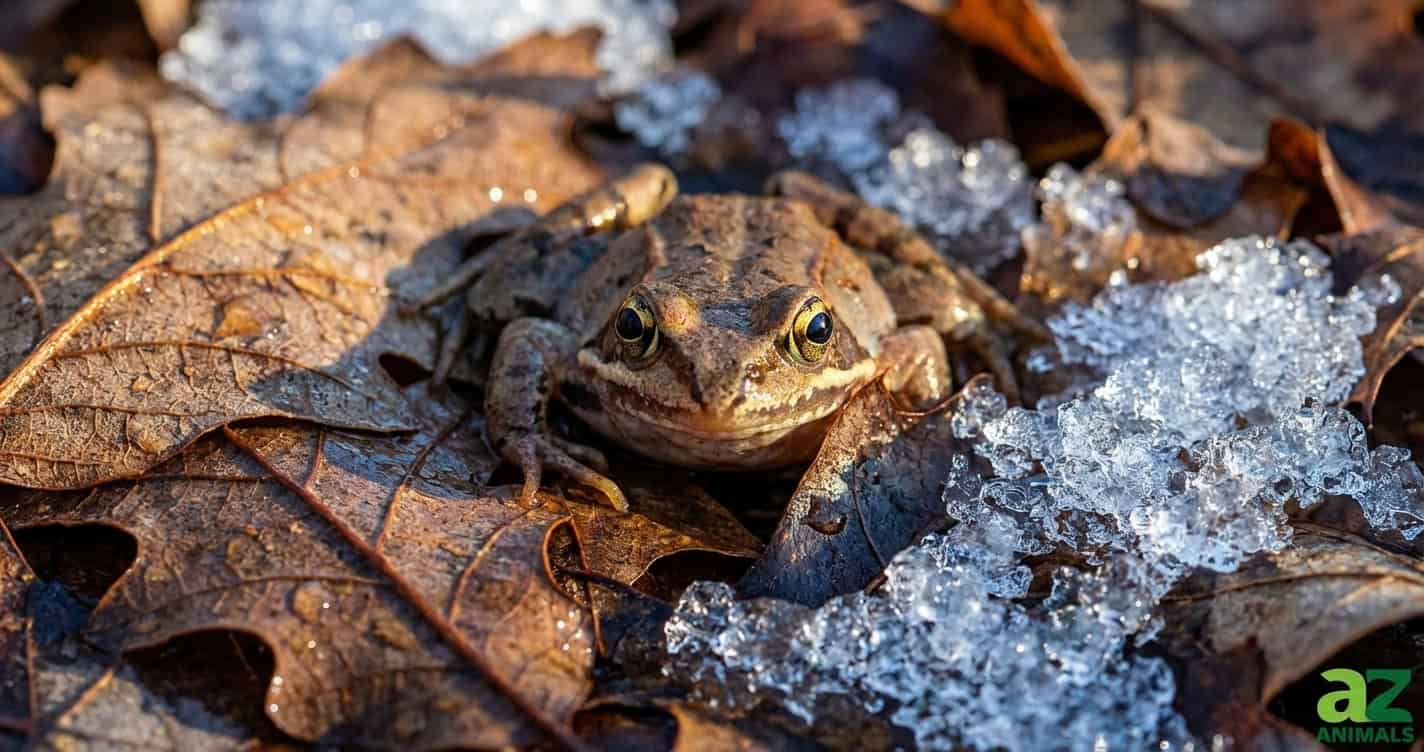
Wood frogs are highly dependent on environmental conditions to determine whether they are active. After fattening up during the summer, wood frogs enter brumation in the fall as temperatures cool. These frogs will literally freeze in the winter, only to wake in the spring unscathed.
Once the frogs wake, it is something of a “frozen miracle” as the wood frogs beat the calendar to the breeding pond. While other amphibians continue their retreat from the cold, wood frogs are primed and ready to go when the first rains create vernal pools. They become the first to lay their eggs each season, beating all others to the best water holes, in hopes of offspring surviving before summer comes.
Wood Frogs Enter Brumation and Stop Their Hearts During the Winter
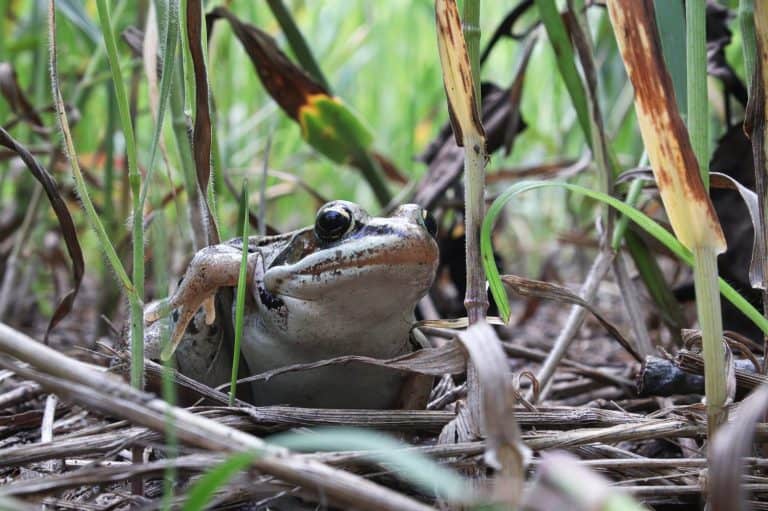
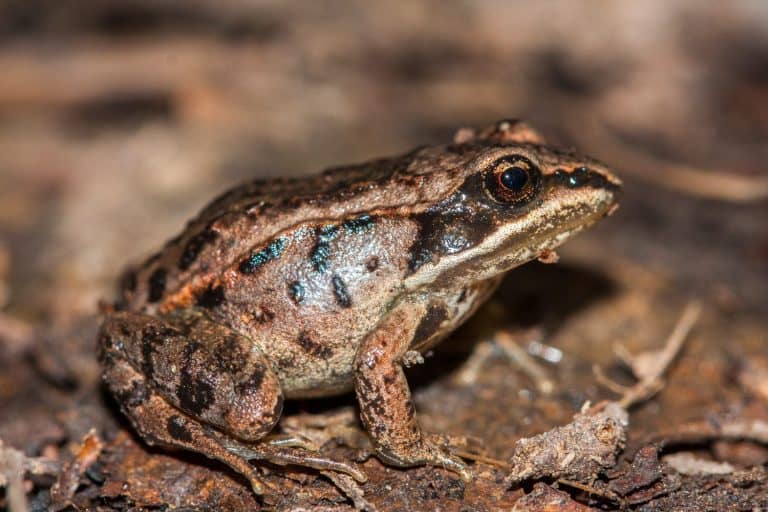
Wood frogs are a unique amphibian species. Unlike toads or other frog species, wood frogs have a special adaptation that allows them to live near the surface of the ground, rather than in holes beneath the surface or even in shallow pools of water. Wood frogs’ cells can freeze without killing the frogs, making a pile of leaves the perfect place to bury themselves during the winter.
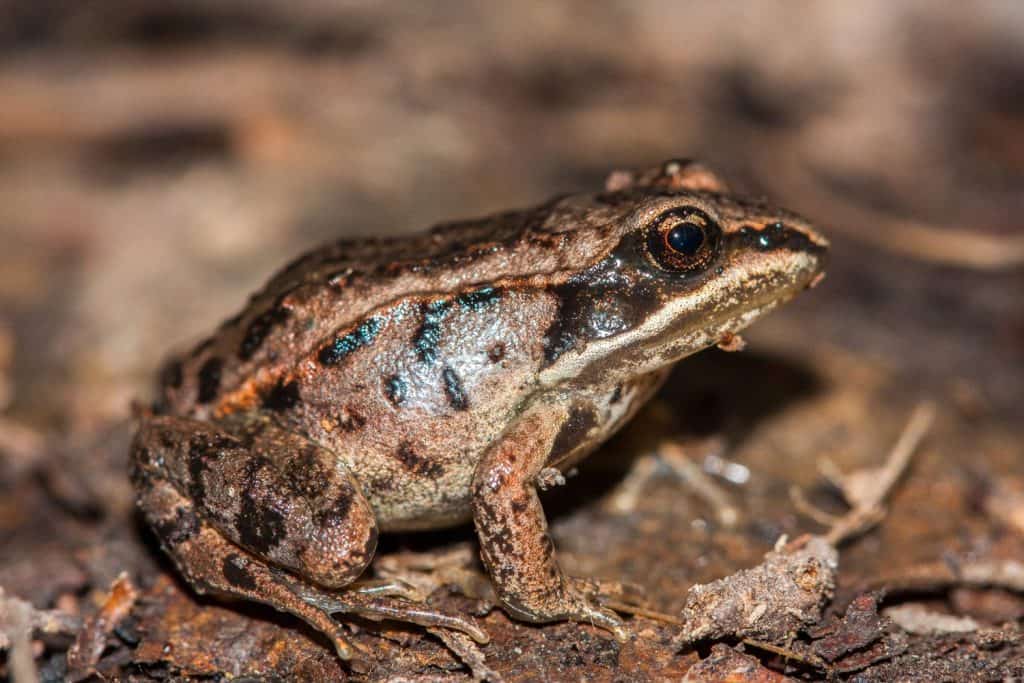
Wood frogs enter a state of brumation, in which up to 65% of their bodies can freeze during the winter, yet they still survive.
©Viktor Loki/Shutterstock.com
As wood frogs enter brumation, their bodies adapt to the cold. When temperatures are freezing, the cells in the body will begin to freeze as well. Thanks to an “antifreeze” of sorts in the cells and in organs of the wood frogs’ bodies, the frogs do not freeze to death.
Instead, using stored glucose, the high concentration of glucose in the cells prevents ice crystals from forming inside the cells, while ice does form in the spaces between cells. This allows the heart to temporarily stop beating and the metabolism to drop dramatically until the frog thaws in spring. Consequently, wood frogs can enter brumation for four to seven months at a time.
It should be noted that 100% of the water in wood frogs’ bodies cannot be frozen. Were this to happen, the wood frog would not survive. Instead, if 65% or less of the water in the frog’s body is frozen, no damage will come to the cells. The frogs will be filled with energy when they wake in the spring, and just as healthy as they were when they entered brumation in the fall.
When Wood Frogs Wake, They Are Ready to Mate
Once the weather warms, wood frogs begin thawing. When brumation takes place, the frogs freeze from the outside in. However, the exact opposite is the case as they prepare to wake from their multi-month sleep.
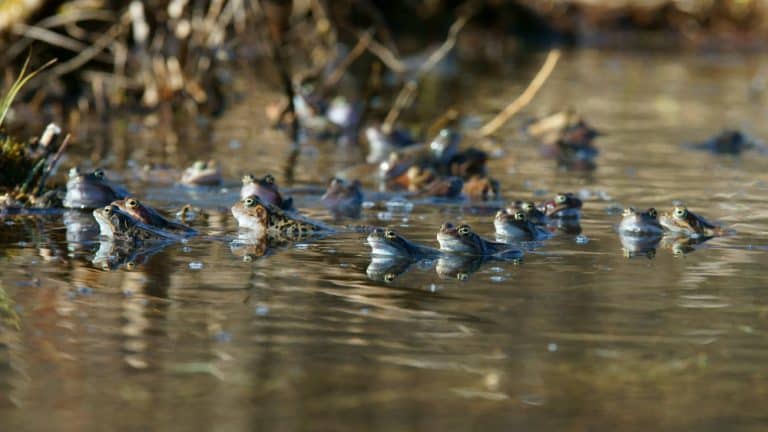
As the cells unfreeze and the body functions start to work again, wood frogs have one thing on their minds. The only thing they want to do is mate. The males first make their way to the vernal pools and begin calling to the female wood frogs. According to a March 2022 study published in Ecology Letters, female wood frogs tend to favor males that have deeper calls.
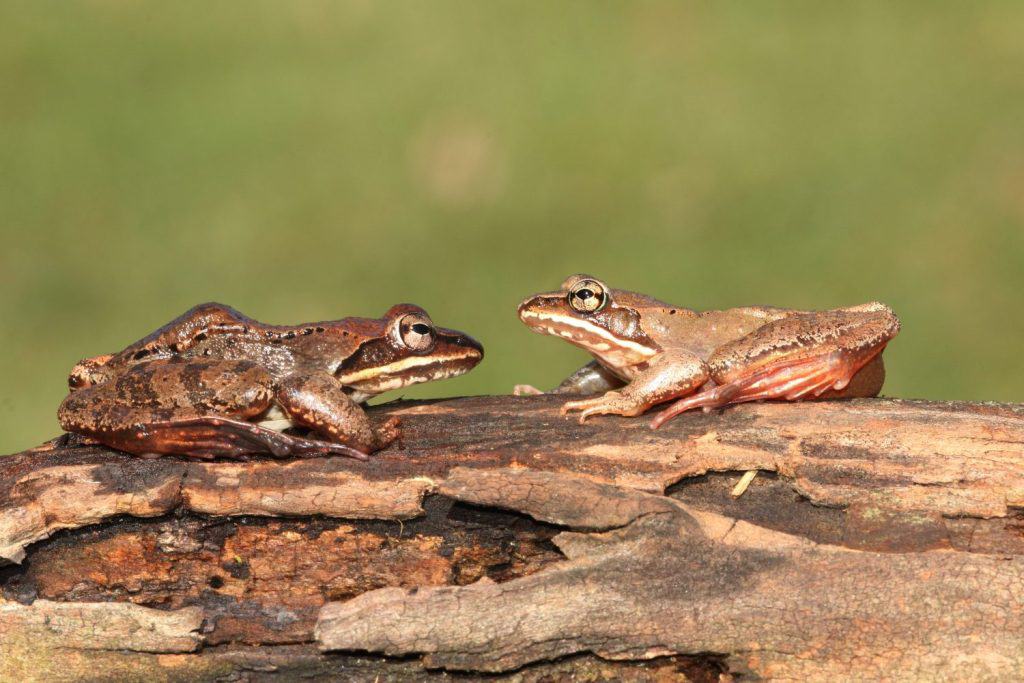
Male wood frogs will call out to females at a vernal pool to mate.
©Steve Byland/Shutterstock.com
Interestingly, females do not tend to differentiate between a single male. Instead, they are drawn to a group that has a pleasing sound. From there, the males will battle it out to determine who gets to mate with the female so that eggs can be fertilized and laid.
The process can last between five and eight days as the frogs emerge from brumation. Multiple gelatinous sacs of eggs can be laid in the same vernal pool, where the eggs will begin to mature. It is not uncommon for hundreds, if not thousands, of eggs to be in a vernal pool, depending on its size. This speaks to how few wood frogs reach the froglet stage, when they begin living life outside the vernal pools.
Wood Frog Juveniles Are in a Race Against the Clock to Hatch and Mature
Wood frogs choose vernal pools to lay their eggs in to keep their eggs from being consumed by would-be aquatic predators. But there is a trade-off to being protected earlier in life, and it creates a race against the clock for the offspring to hatch and mature before conditions make survival impossible.
While vernal pools lack aquatic predators, they also lack a constant water source. The pools are formed by rainfall or snowmelt. This means that as temperatures rise in late spring and summer, water begins to evaporate.
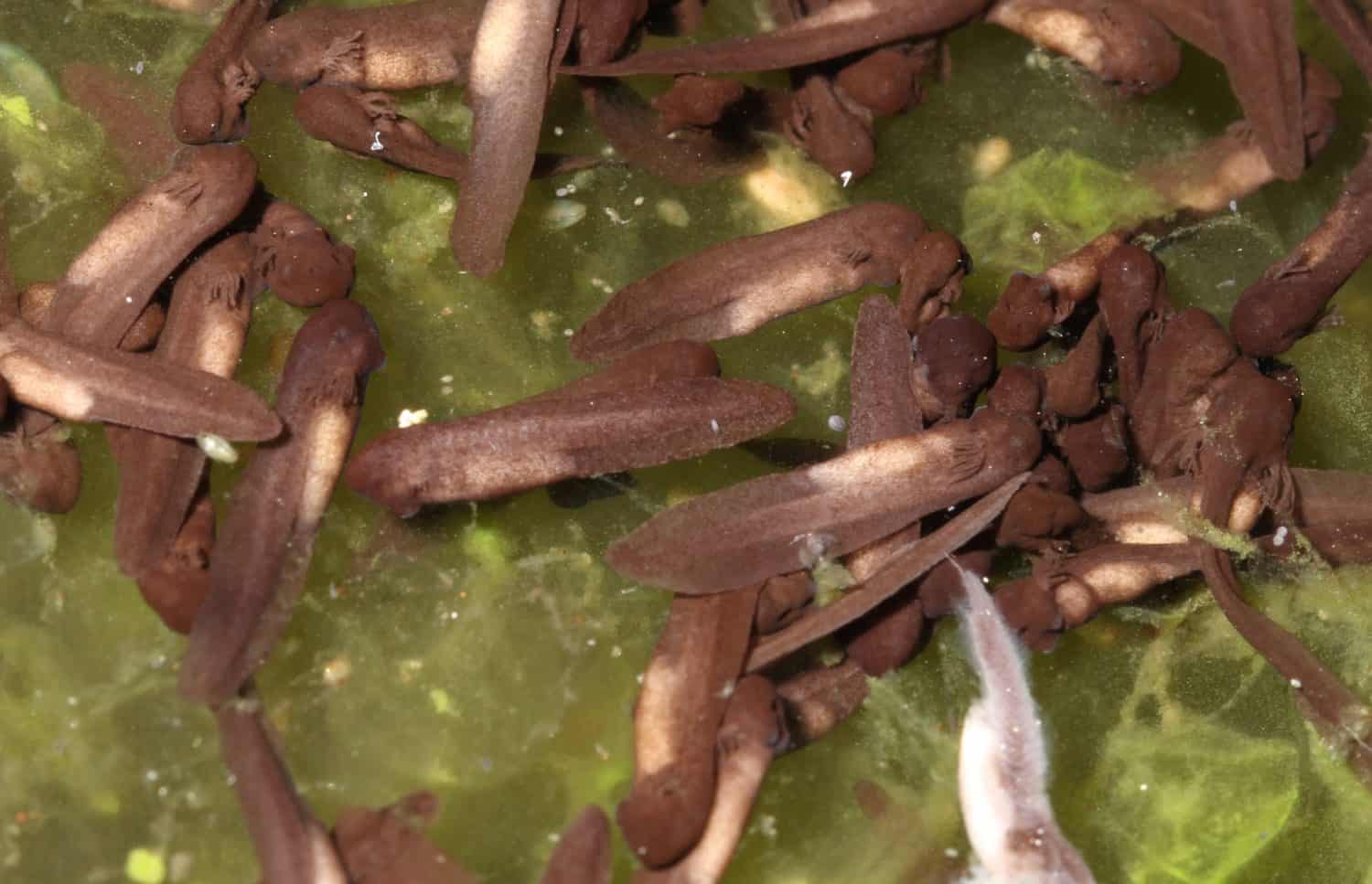
Wood frog tadpoles race the clock to mature in their vernal pool before it evaporates.
©Michael Benard/Shutterstock.com
The typical amount of time the wood frogs need to spend in the water before they are mature enough to leave their aquatic environment is as follows:
- Egg to tadpole: one to three weeks (temperature dependent)
- Tadpole to froglet: one to three months
The quicker that the eggs can be laid, the better the chances the wood frogs have at making it to the froglet stage. This is the stage when a watery home is no longer a requirement for survival, and the tiny frogs can make their way into the wetland environment for a few years before they are ready to lay or fertilize eggs of their own.
Why Do Wood Frogs Wake Before Other Frogs?
Wood frogs are opportunistic creatures. This applies not only to what they consume but also to when and where they breed. This is why wood frogs are the first to wake in the spring, so they get the choice of the best water holes to lay their eggs.
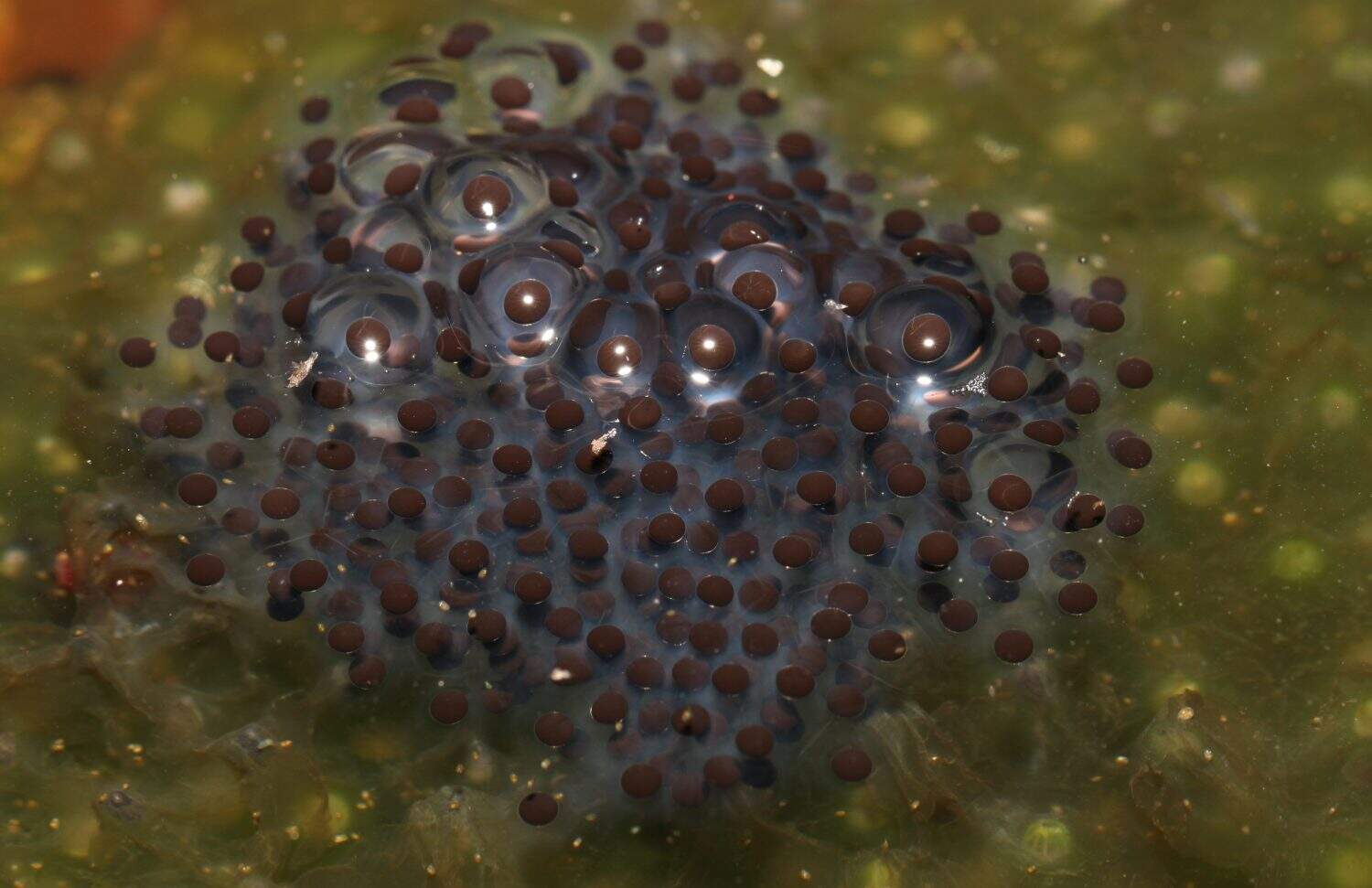
Wood frogs wake before other amphibians so they can lay their eggs first in the best vernal pools.
©Michael Benard/Shutterstock.com
Wood frogs make the conscious choice not to lay their eggs in bodies of water that have fish. Instead, wood frogs prefer to deposit their eggs in vernal pools. This ensures that predator numbers will be significantly lower, increasing the likelihood of survival for eggs, tadpoles, and juvenile frogs before they are ready to leave the water for life in the wetlands.
The vernal pools that wood frogs use for breeding are also used by toads, such as American toads, later in the season. While wood frogs often breed earlier and their eggs may already be present, toads may still use the same pools for their own breeding.
This is why the first thing that is on wood frogs’ minds when they wake from hibernation is mating. The sooner they can fertilize and deposit eggs, the sooner they can move on after a long winter’s nap.
What Happens to Wood Frogs After They Mate?
After the wood frogs come together in their mass spawning event, the frogs then carry on as if nothing happened.
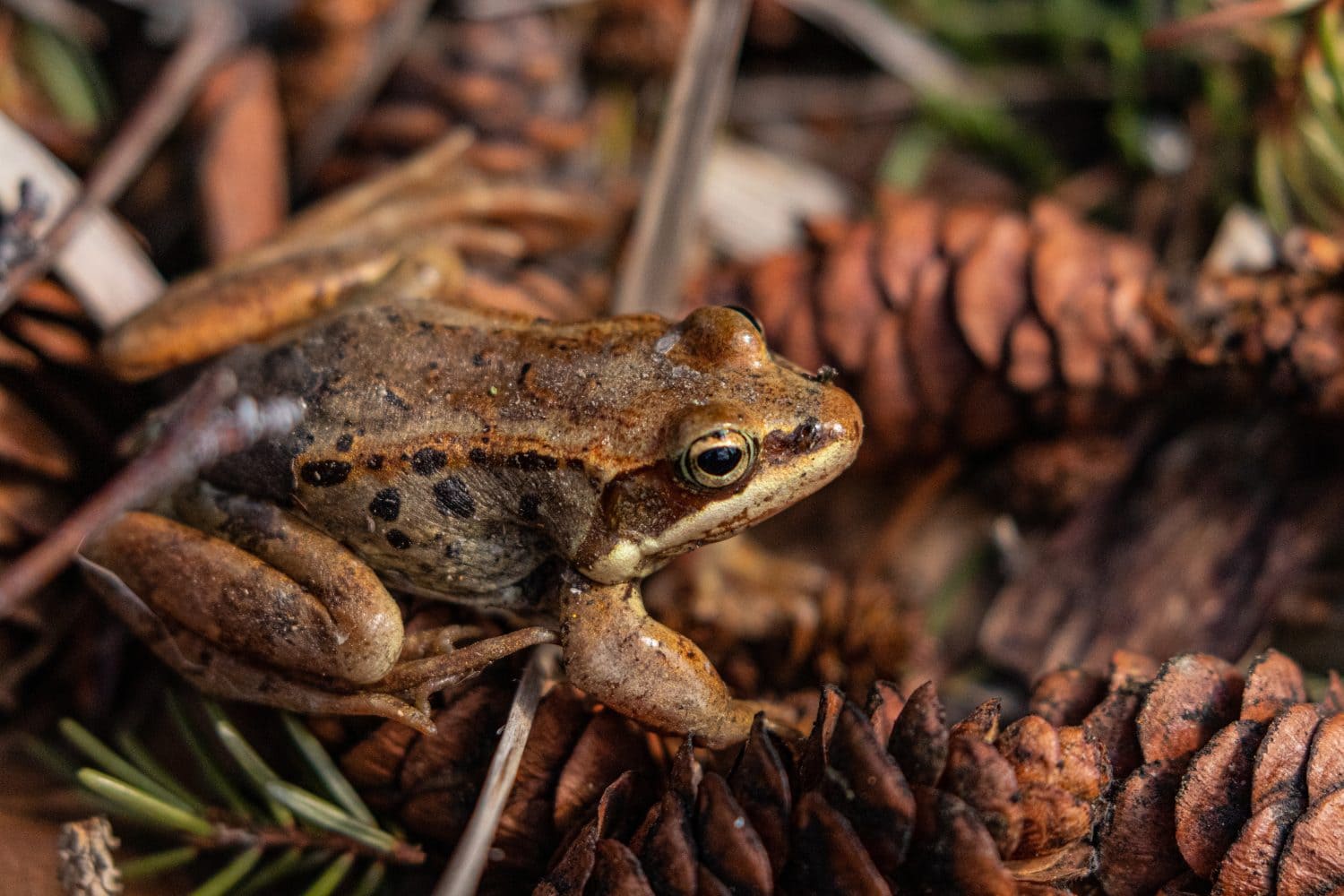
After mating, wood frogs head to the wetlands to find prey.
©Bruce R. Allen/Shutterstock.com
Once eggs have been fertilized and laid, wood frogs are hungry. After all, they did just go dormant for four to seven months. Because of this, the wood frogs go in search of whatever is available while the weather is cold. Some of the most common prey for wood frogs include:
- Beetles
- Spiders
- Flies
- Ants
- Water fleas
- Mosquito larvae
While wood frogs do not care for their eggs once they are laid, they do not stray far from the wetlands. Though they do not need to live in the water as adults, the wood frogs typically do not stray far, especially if there is ample food to sustain them.
Do Wood Frogs Return to the Same Location to Mate Each Year?
When wood frogs are ready for hibernation, they bury themselves under a thick blanket of leaves. Though this does not prevent the frogs from freezing from the outside in, the leaves keep them warmer than if they were exposed to the elements. This minimal protection, combined with freezing most of their cells, allows wood frogs to endure cold temperatures.
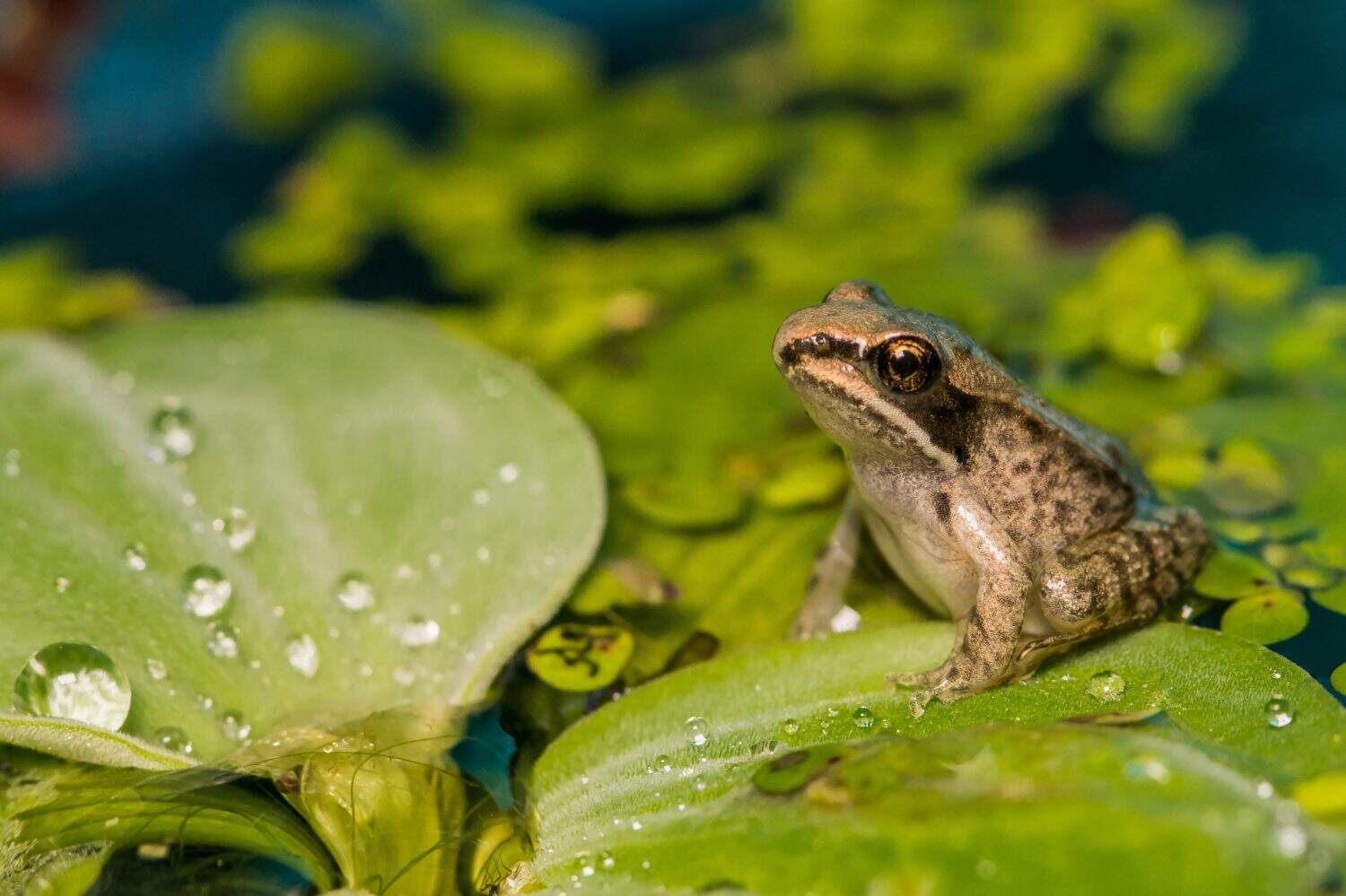
Wood frogs will return to their natal vernal pools to lay eggs if the water hole is available.
©Jay Ondreicka/Shutterstock.com
The location where the frogs bury themselves is typically not far from where they were born. Consequently, it is not unheard of for a long lineage of one family of wood frogs to both live and continue to give birth in the same location.
The place where the wood frog lays eggs has much to do with where vernal pools are located. If none are available in the area where brumation occurred, or if conditions have changed and the natal vernal pool is dry by breeding time, wood frogs will travel. In many instances, this still brings siblings back together who may have gotten separated since their time in the vernal pool for a reunion of sorts in late February to early March, when all wood frogs participate in a massive breeding event, unlike much else seen in nature.