
Quick Take
- Building a bridge for wildlife sounds simple, but that assumption fades quickly once you learn what it actually takes to convince a mountain lion to use it. See the animal-centered design →
- The highway splitting these two wild habitats didn't just block animal movement. It quietly triggered a genetic crisis decades in the making. Explore the genetic crisis →
- This crossing could do far more than reconnect two California hillsides. Officials have a much bigger ambition for what comes next. See the national ambition →
- Eight lanes of constant traffic separate two ecosystems that haven't fully connected in decades, and the opening date is closer than you'd expect. Check the construction timeline →
The plan for the world’s largest wildlife overpass is transforming the landscape in Southern California. A key stretch of highway, where the Santa Monica Mountains separate from the Simi Hills, has long been a barrier for bobcats, mountain lions, and countless other native animals. Soon, that barrier will be breached.
Officials have now set an official opening date for the Wallis Annenberg Wildlife Crossing, marking the first true reconnection of these two wild habitats in decades. The moment stands to change not just local traffic, but the region’s entire ecosystem.
Work Accelerates on a Landmark Structure
Designers and engineers leading the overpass construction say the project is entering its most visible phase. Robert Rock of Rock Design Associates highlighted what drivers can expect to see: by this fall, huge volumes of soil will be moved on-site, reshaping both the skyline and the view from the 101 freeway.
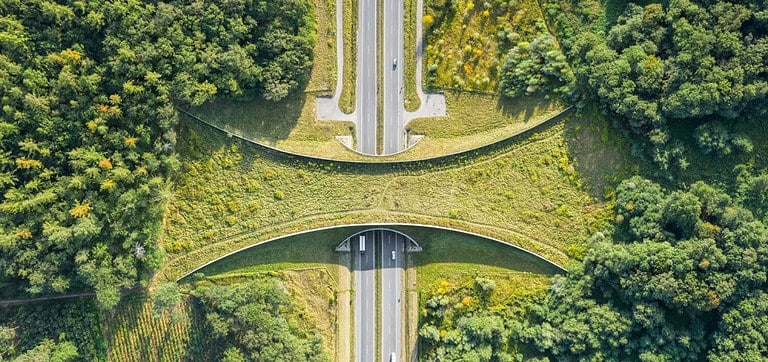
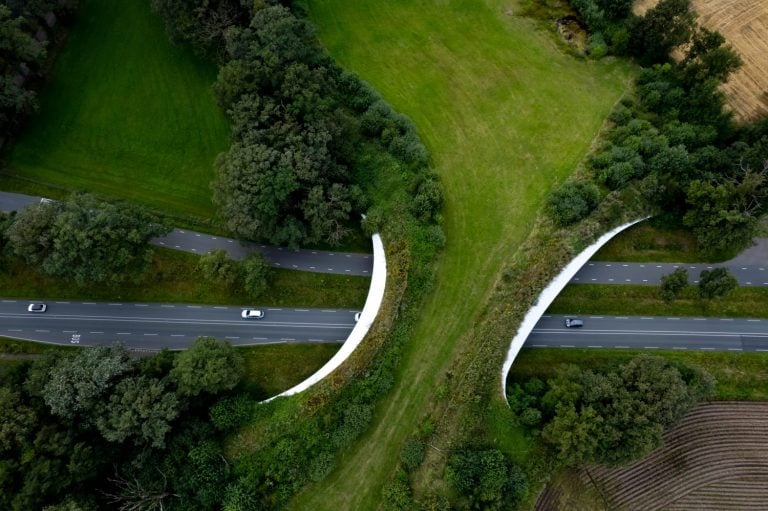
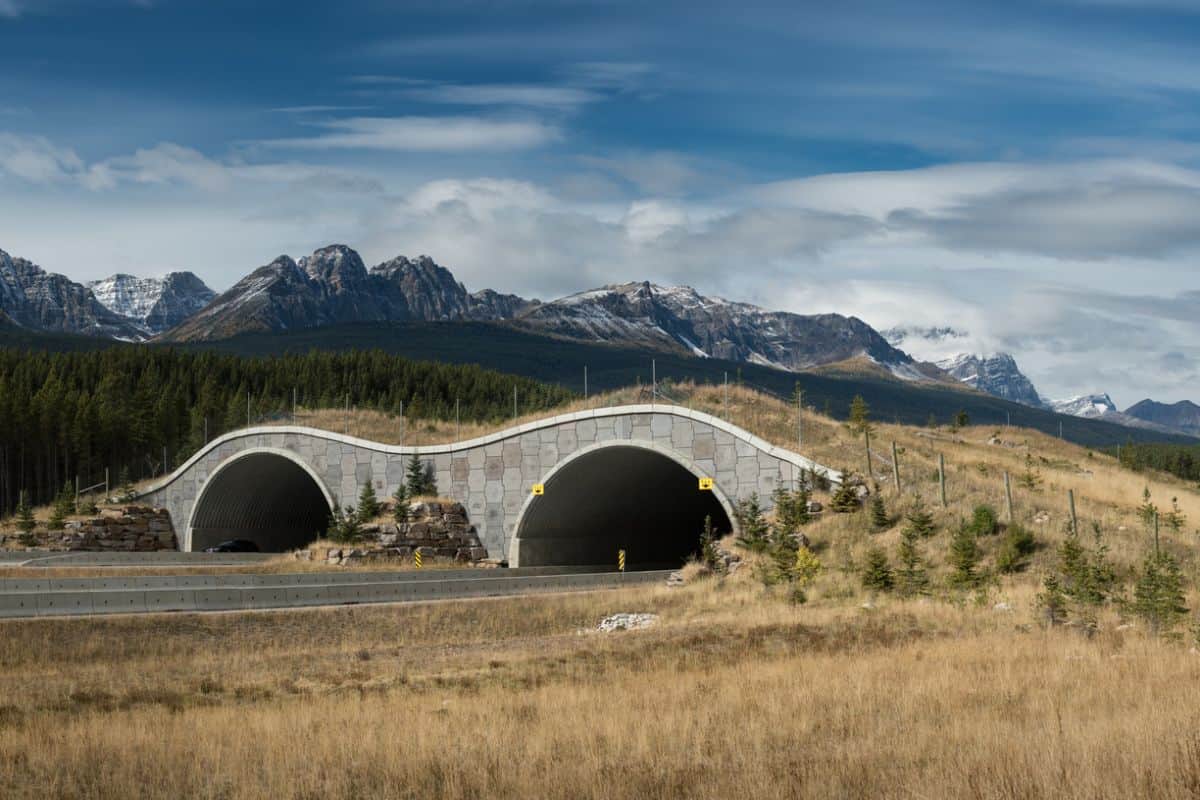
The crossing will arch over eight lanes of constant traffic. The goal is for wildlife, slowed by habitat loss and road hazards for generations, to finally cross safely. The structure itself draws its shape and scale from years of collaboration between ecologists, biologists, and infrastructure experts. As crews build, both the scale and the intent are clear from either side of the highway.
Engineering Meets Ecology to Restore a Fragmented Wilderness
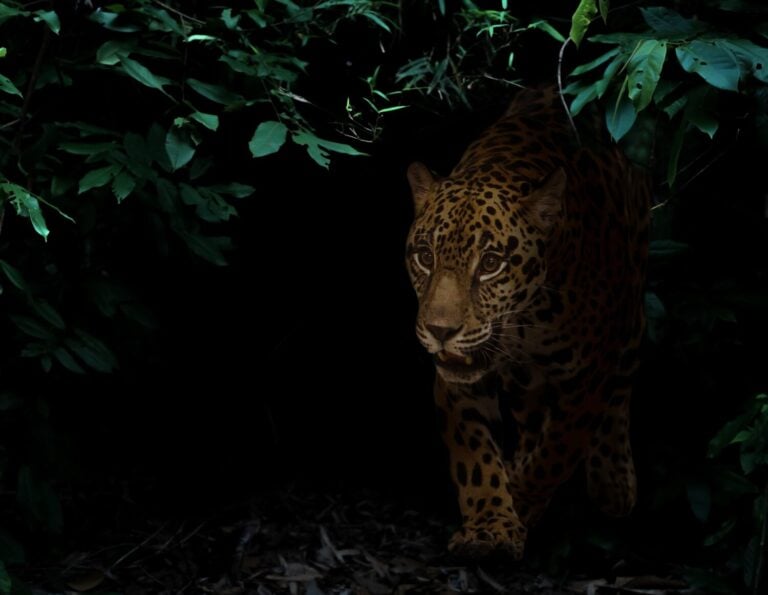
The teams behind this project aren’t just designing another bridge. Supported by updates from Caltrans and the official construction releases, it’s evident that every detail, from vegetation to sound barriers, is tailored specifically for animal safety and comfort. The crossing must feel natural to wary mountain lions or deer, encouraging hesitant wildlife to make the daring trip.
By reconnecting the Santa Monica Mountains and Simi Hills, experts hope to revive genetic diversity lost to isolated habitats. For threatened species like the local cougar population, a passage like this could be a lifeline, preventing inbreeding and opening new hunting grounds.
A Model with Lasting Impact
The coming months promise more than a new sight on the freeway. As soil is moved and construction ramps up, the Wallis Annenberg Wildlife Crossing could become a national template for wildlife infrastructure. Advocates believe that blending engineering with ecological insight can rewrite the future for animals living close to city borders, and for humans seeking a balance between progress and preservation.
As the road transforms, so too will nature’s possibilities. In the shadow of Southern California’s busiest corridors, the chance for animals to reclaim ancient pathways now rests on concrete, steel, and the ambition to bridge the wild and the urban once more.