
Quick Take
- I-25 Greenland Wildlife Overpass is North America’s largest wildlife crossing, spanning 6 lanes, 200 ft wide, 209 ft long, and 41,800 sq ft.
- Located on I-25 in Douglas County near Larkspur, between Castle Rock and Monument, around mile 165.
- $15 million construction cost, Kraemer North America leads, with FHWA, CDPW, Douglas County, and the Wildlife Crossings Pilot Program backing.
- Read on to discover how the project closes the 3.7-mile gap within the 18-mile wildlife-mitigation system.
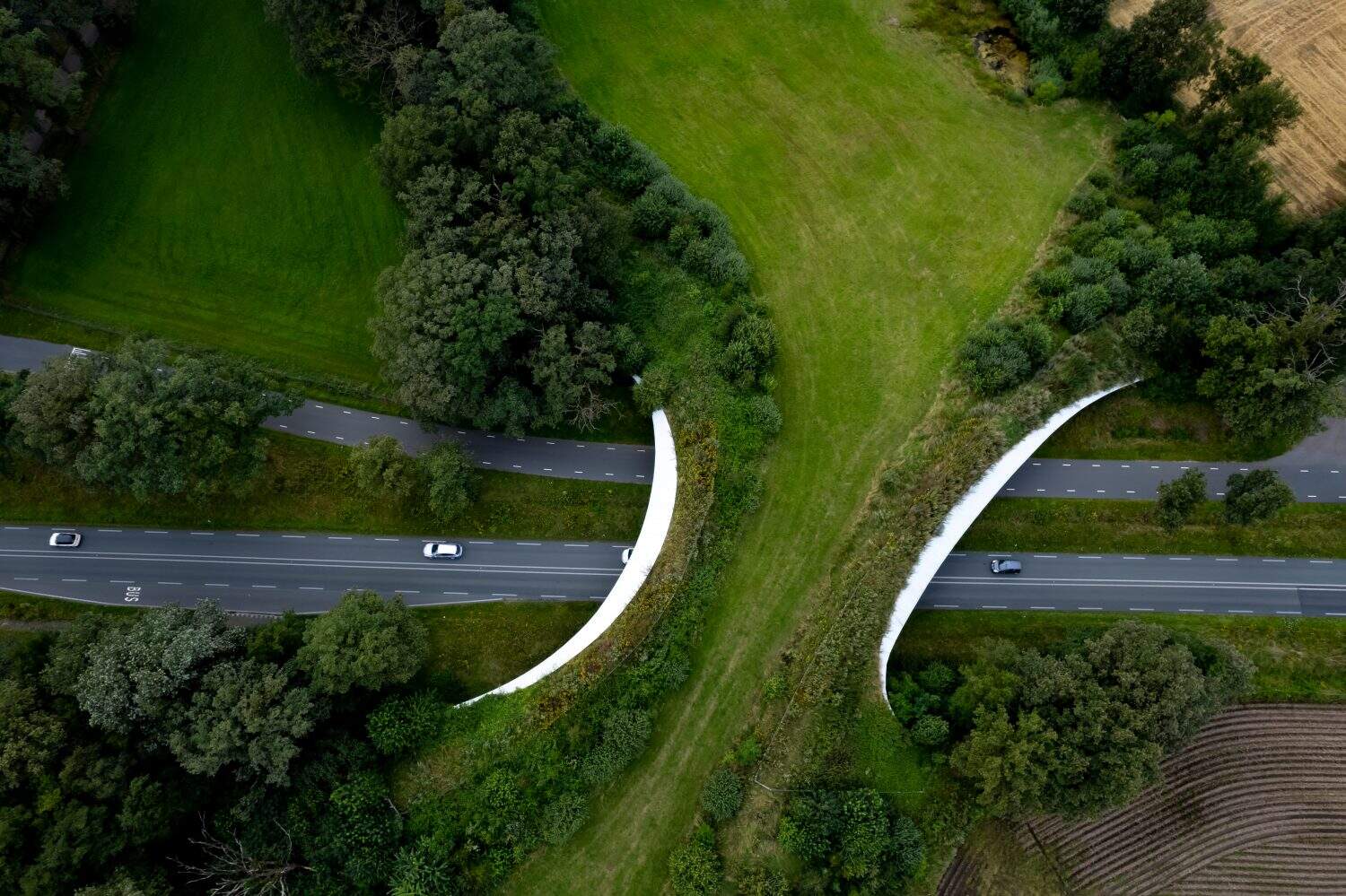
Colorado’s newest wildlife crossing is an overpass, one built so animals can walk over one of the state’s busiest highways like it isn’t even there. This particular stretch between Denver and Colorado Springs has been an issue for migrating and roaming wildlife, and it has also been a repeat offender for crashes, endangering animals and humans alike.
Known as the I-25 Greenland Wildlife Overpass, state officials say this major project is now open for wildlife use as of December 2025. Crews are completing the final steps, such as covering the surface of the structure with soil and vegetation to make it more comfortable and safe for animals. In a corridor where frequent accidents influenced the entire design of this overpass, how important is it, and what could it change for Colorado’s wildlife?

Here’s everything you need to know about Colorado’s new wildlife crossing, including where it is and how this crossing came to be in the first place.
Where Is the Wildlife Crossing Located?
Colorado’s new wildlife overpass sits on I-25 in Douglas County near Larkspur, a stretch that runs between Castle Rock and Monument. It is roughly around mile point 165, and the crossing was ultimately built to handle one of the more dangerous portions of this highway.
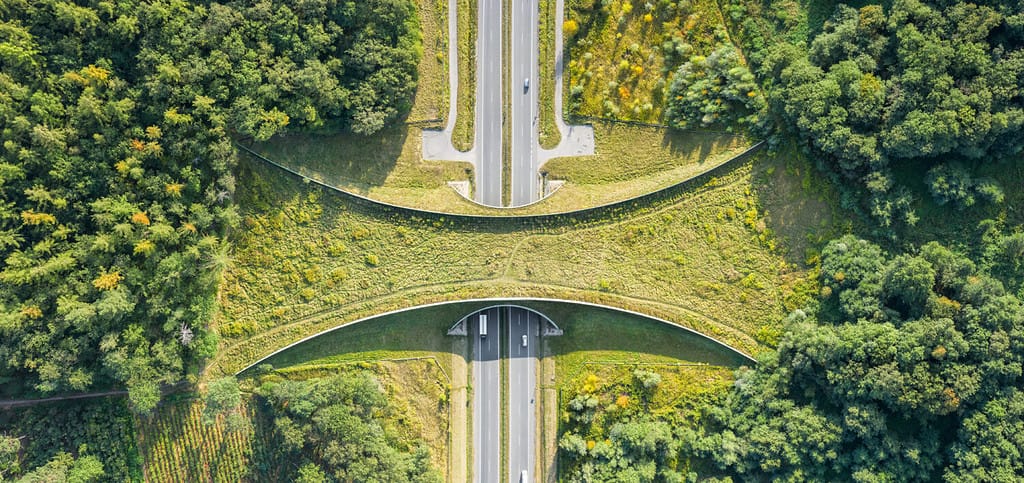
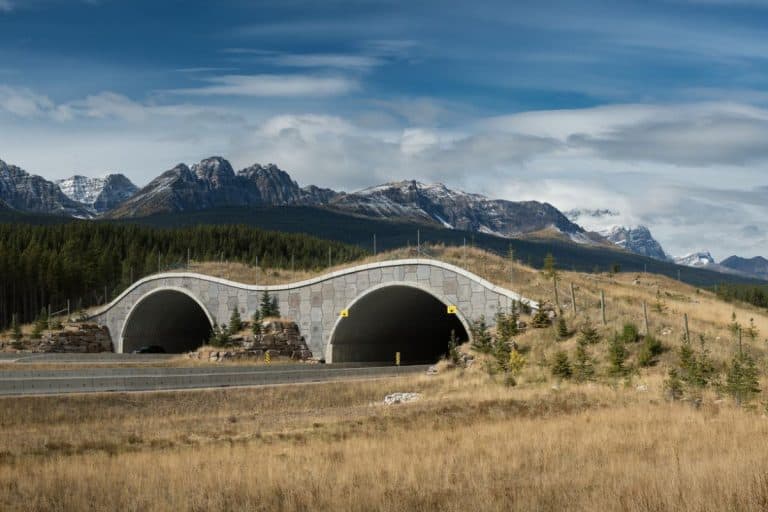
Animal bridges or wildlife crossings allow creatures to safely pass over or under roadways.
©Sergey Dzyuba/Shutterstock.com
Colorado Parks and Wildlife notes that this segment of I-25 is one of the state’s higher-risk areas for wildlife accidents, which helps explain why this specific location kept rising to the top of the state’s priority list. The overpass was built after this location was identified as a valuable area to protect.
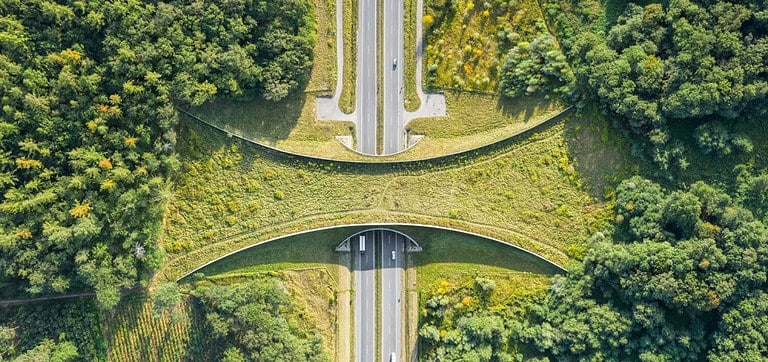
CDOT calls their newly constructed overpass North America’s largest wildlife crossing, and the numbers prove this. The bridge itself spans six lanes of interstate, measuring 200 feet wide and 209 feet long. This is about 41,800 square feet, which is nearly an acre.
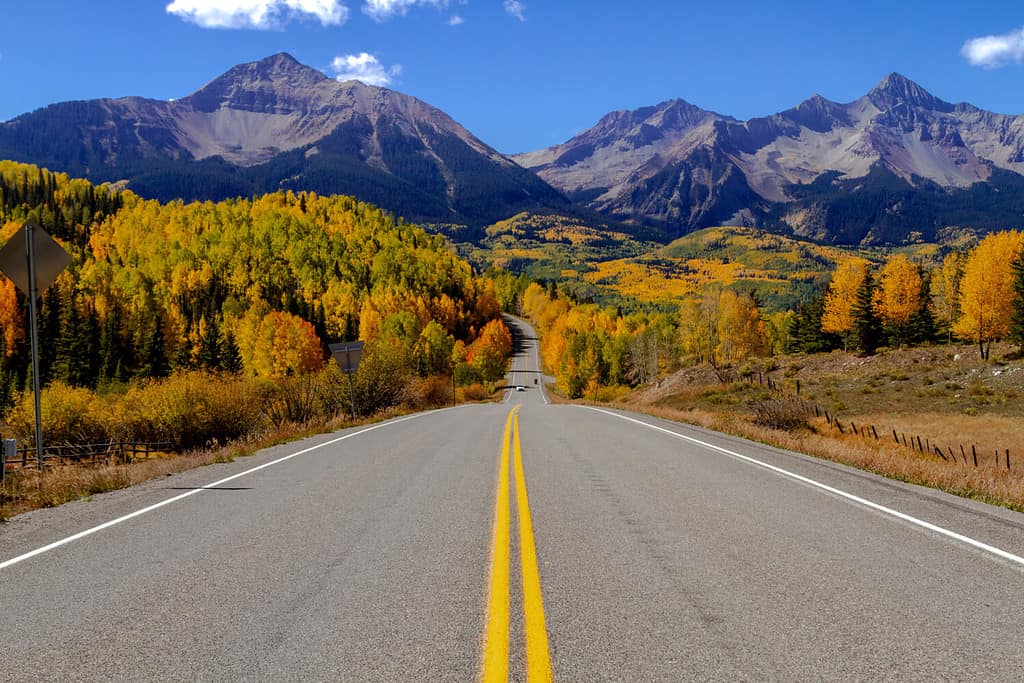
Colorado’s many scenic highways and regions are full of wildlife, which can make driving incredibly dangerous.
©Teri Virbickis/Shutterstock.com
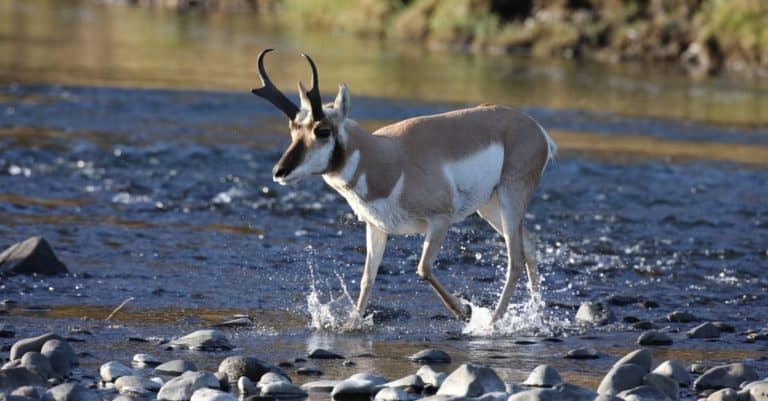
There’s a reason the crossing is so big, as the overall design choice matters. CDOT notes that the overpass was specifically built for animals like elk and pronghorn, which tend to prefer wide, open crossings instead of narrow tunnels. There are multiple species that need to utilize this crossing, so state wildlife officials did their best to accommodate all sizes.
Why Did This Stretch of I-25 Need a Wildlife Crossing Area?
Wildlife crossings typically only get built when human vehicular crash data and the movement patterns of species overlap. Given the prevalence of wildlife accidents along this stretch of Colorado highway, it became a must. And the crash data proves it.
CDOT reported that, before the South Gap wildlife system was built, the corridor averaged about one wildlife-vehicle crash per day during peak spring and fall movement seasons. Another CDOT release about the South Gap mitigation system put the problem into a statewide context: about 3,300 animal-vehicle crashes are reported annually in Colorado, with recent estimates putting the annual cost at over $300 million.
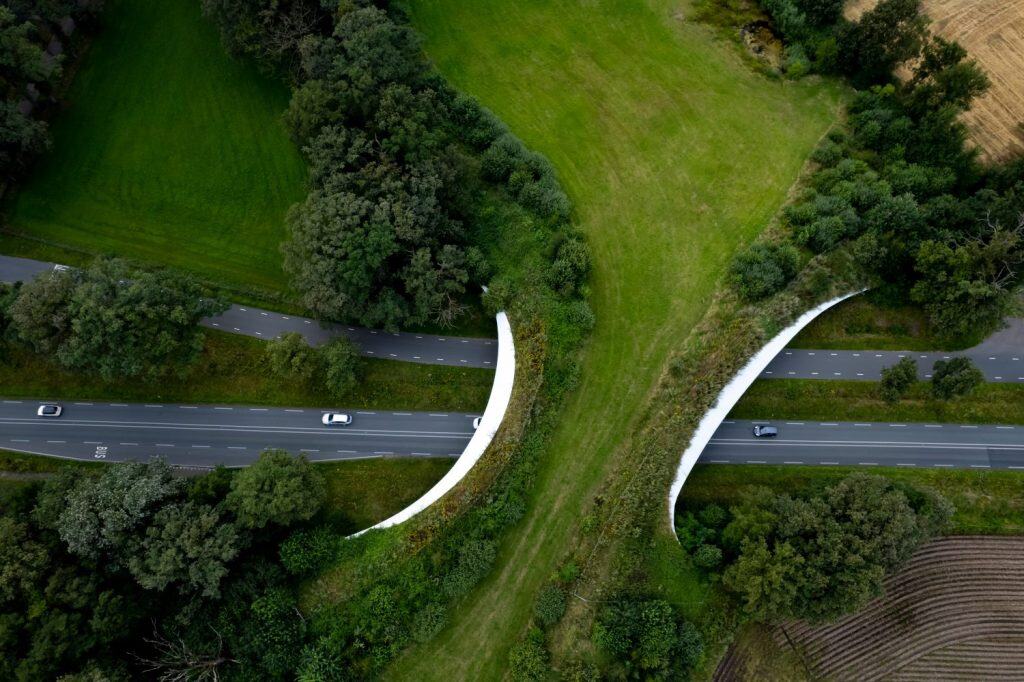
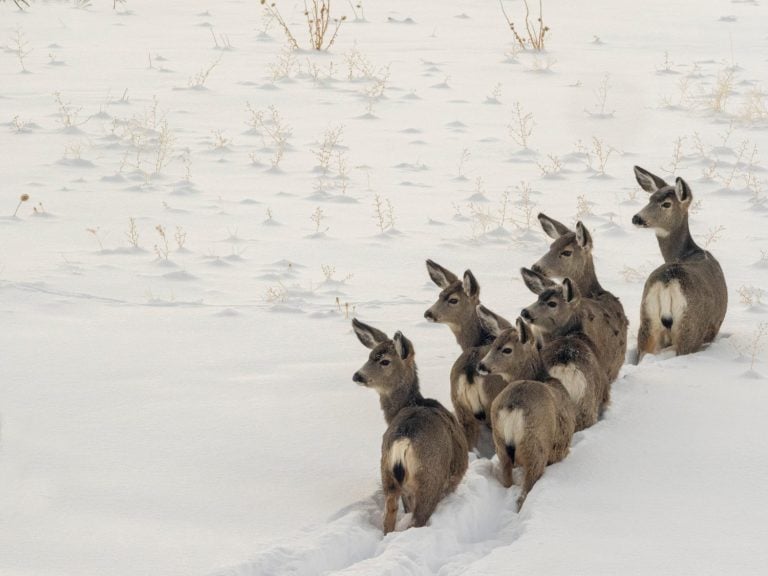
Wildlife crossings help save lives, both the lives of animals and humans.
©Maarten Zeehandelaar/Shutterstock.com
It’s clear that wildlife collisions in Colorado aren’t rare or unexpected. CDOT’s data has averaged about 3,300 reported wildlife hits per year over the last decade, and that’s only the reported number. It is unclear just how many animals are involved in unreported collisions, especially during peak times of the year.
Ultimately, a wildlife crossing became necessary because a high-speed interstate running through big-game country creates a steady stream of dangerous encounters. This particular corridor was dangerous enough to become a statewide priority and was integrated into multiple wildlife systems in Colorado.
How Was the Crossing Created?
The overpass is part of a longer, more complicated wildlife-mitigation system tied to the South Gap transportation project. This is an overview of that system.
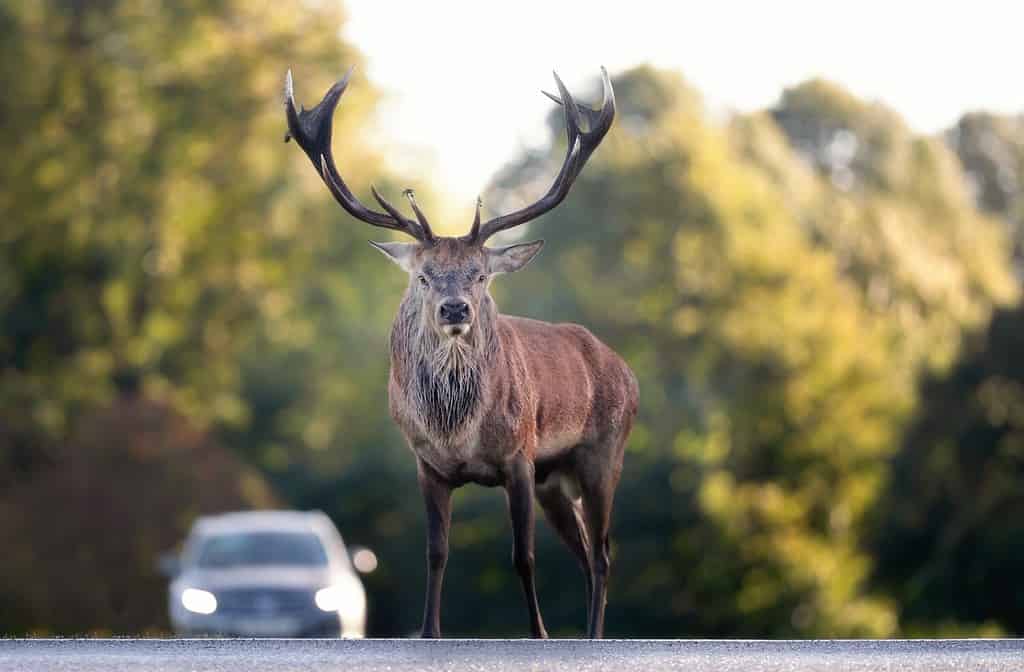
Deer fencing is key to wildlife crossings working, as they helps guide animals safely along an unfamiliar path.
©Giedriius/Shutterstock.com
The overpass essentially fills a 3.7-mile gap between existing wildlife crossings, completing an 18-mile system of underpasses and fencing that runs from Castle Rock to Monument. Earlier phases of this project included four new and one refurbished wildlife underpasses, plus 28 miles of deer fencing. Additional features like deer guards and jump-outs were later added, promoting more security.
Fencing is a crucial part of why wildlife crossings work. Animals do not instinctively use most wildlife crossings, so fencing helps guide them toward safe crossing points instead of allowing them to wander onto the road at random.
Once the bridge structure was finished, crews covered the top with dirt and vegetation so it would function more like a natural habitat. A naturalized surface helps animals treat it as a normal route, and over time, it will become similar to other overpasses in the region.
How Much Did the Crossing Cost?
The construction cost of the wildlife crossing was roughly $15 million, and names Kraemer North America as the primary contractor. It was also a multi-agency effort involving the Federal Highway Administration, Colorado Parks and Wildlife, Douglas County, and local land and conservation partners, with funding support coming through the federal Wildlife Crossings Pilot Program.
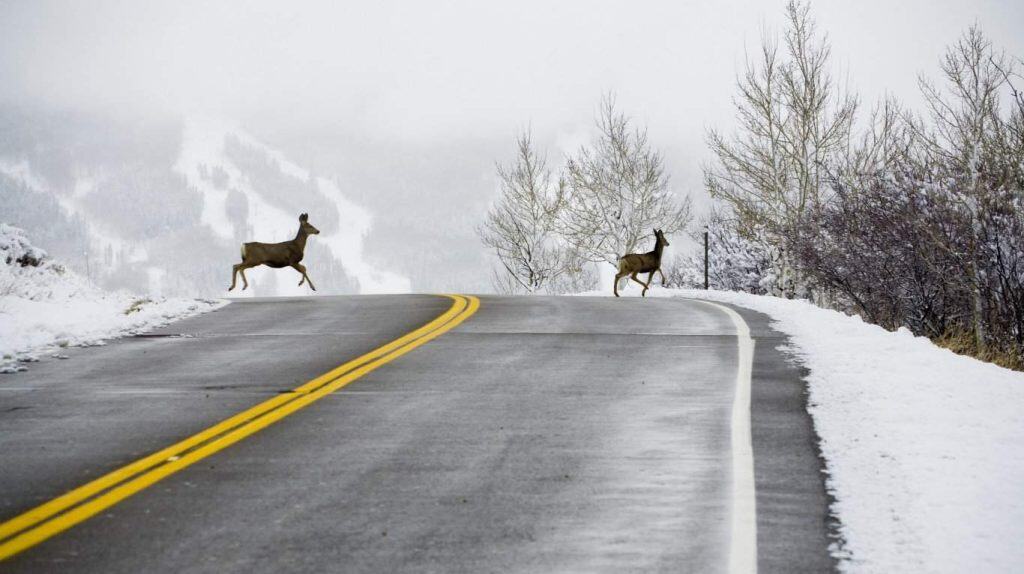
Building a wildlife overpass crossing takes a number of agencies, including transportation and land partners.
©bobtphoto / Getty Images
All wildlife crossings require cooperation between transportation agencies that build and maintain roads, wildlife managers who understand movement corridors and species behavior, and local land partners who help protect habitat on both sides to ensure the crossing works long-term.
The most direct promise attached to the project is safety, and for good reason. The system is expected to reduce wildlife-vehicle crashes by 90% in this area, as the deer fencing installed in other areas is already proving to be a useful crash-reduction tool.

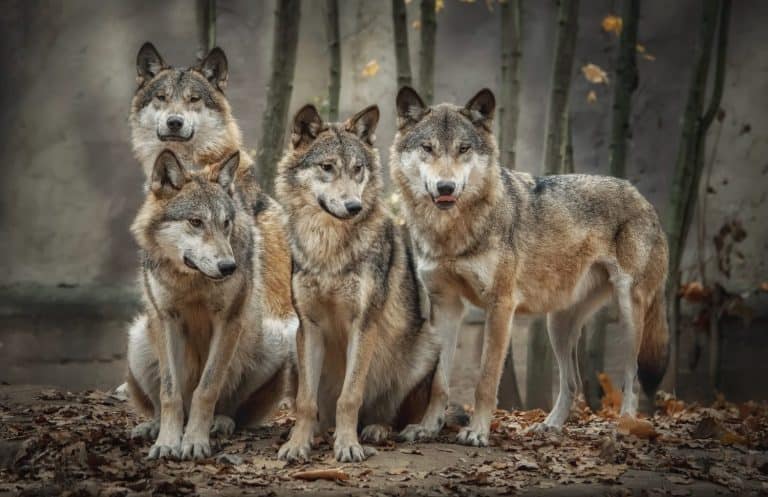
Colorado’s I-25 is a popular wildlife area, making the overpass crossing even more vital.
©Carol Hamilton/Shutterstock.com
The overpass is also reopening a movement route that used to be blocked by I-25, a major area of vital species crossings. Wildlife can now safely cross the road without risking their own lives or the lives of people in vehicles.
What Does This Mean for Colorado Drivers?
If you drive Colorado’s I-25 through this corridor during peak movement seasons, you are traveling through an area where wildlife collisions have been common enough to justify building a large overpass. Thankfully, this crossing removes many of the issues drivers in this area have dealt with for years.
However, even with crossings, drivers still need to assume animals might appear, especially around dusk and dawn. These timing risks, especially during seasonal migrations, require extra caution. Wildlife crossings are helping significantly, but accidents can still occur.
Drivers and animals are safer along this stretch of Colorado road thanks to the wildlife overpass.
©supergenijalac/Shutterstock.com
Ultimately, one of Colorado’s busiest wildlife corridors is safer than ever. As data becomes available from this crossing, we will see the true impact of these efforts and why constructing wildlife overpasses in other locations may be worthwhile in the long run.