
Quick Take
- A quarter-mile strip of asphalt is quietly pushing a predator toward extinction, and simple fencing is not the fix.
- One species made this $92 million crossing non-negotiable, and it is not the animal most people would guess. Meet the species behind it →
- Highways don't just kill animals outright. They trigger a slower biological crisis that's far harder to reverse. See the biological stakes →
- Out of miles of viable highway, only one specific site could actually link two critical ecosystems. Here is why location made or broke this project. Explore the site selection →
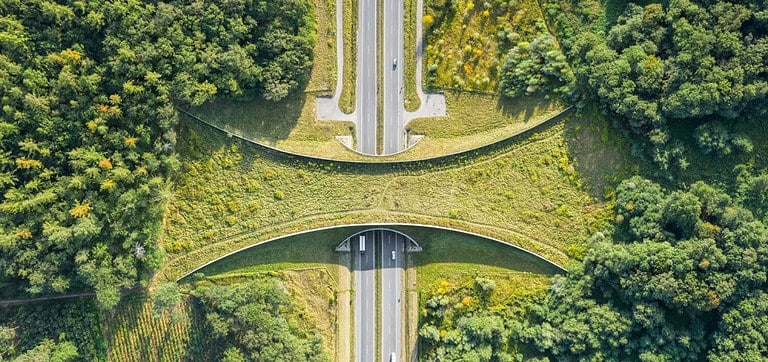
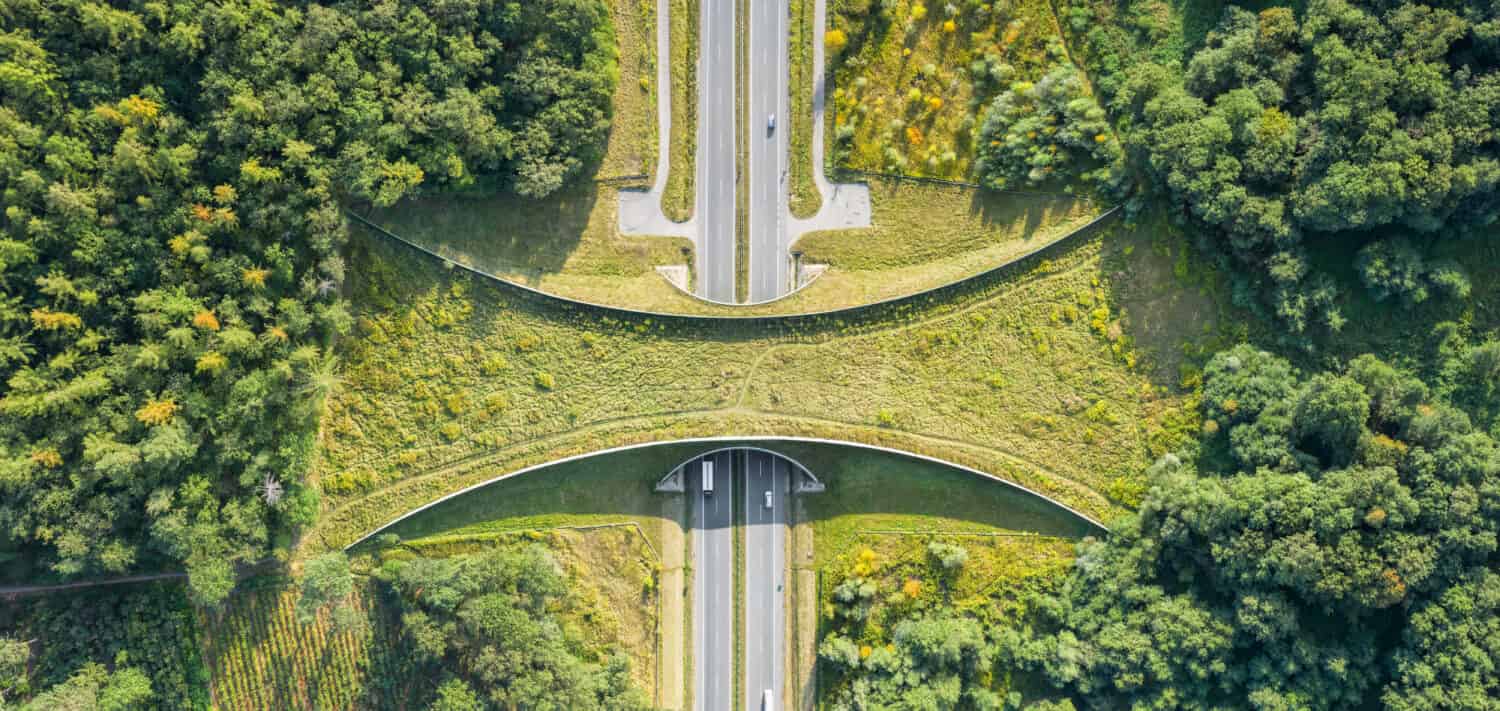
Wildlife infrastructure is an important part of development, especially when we encroach on nature. One example of beneficial infrastructure is wildlife crossings. Designed to allow animals to pass over highways and interstates safely, these bridges are crucial to animal health and survival. This news story from ABC7 discusses a new wildlife crossing being developed in California. Read on to learn more.
Continue reading
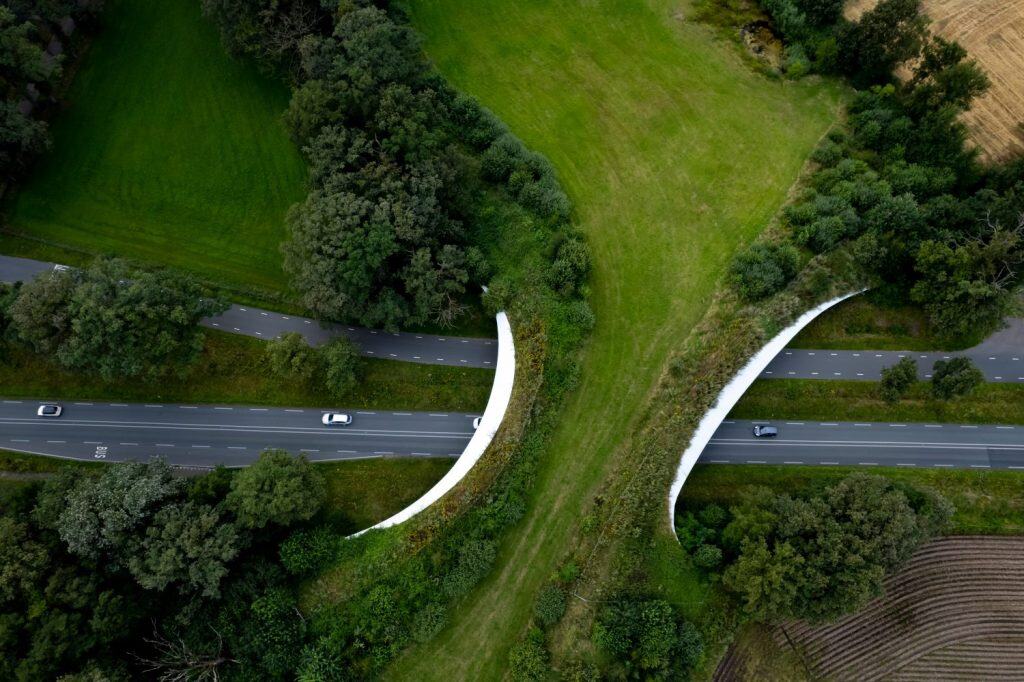
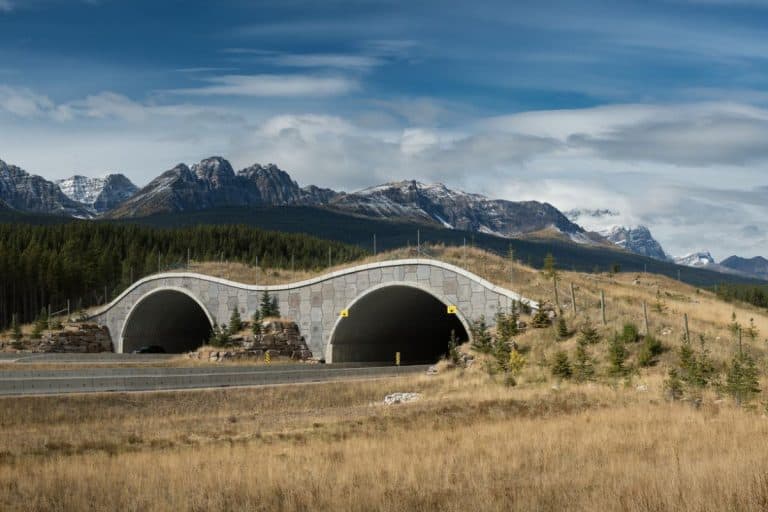
Wildlife crossings not only keep animals safe, but also encourage genetic diversity.
©Maarten Zeehandelaar/Shutterstock.com
Importance of Wildlife Crossings
Wildlife crossings are extremely important for ecosystems. As highways and roads divide ecosystems, these bridges can turn them from isolated islands into flowing environments for animals to traverse. One of the most important reasons for these crossings is to prevent animals from being killed by cars. Highways are a major source of wildlife deaths. Deer are a common example; as they try to cross between different sides of the highway, they are often hit. This is dangerous to the animal and to humans as well. While safety is an extremely important reason, there are many other benefits to building these bridges.
Another benefit of wildlife crossings is that they prevent genetic isolation. Highways and roads divide a single ecosystem, creating island-like environments. This can cause potential inbreeding due to the lower diversity of animals, creating disease and reproductive problems. These crossings can reduce this problem. They also generally help the animals. With more areas to explore, animals have greater access to water, food, mates, and space to raise young or escape predators. Thanks to all of this, ecosystems become more resilient, with both wild animals and humans benefiting.
About the Wallis Annenberg Wildlife Crossing
The Wallis Annenberg Wildlife Crossing is nearing completion and is set to open on December 2, 2026. Located in Agoura Hills, California, it is planned to be built over 10 lanes of U.S. Highway 101. This highway has acted as a barrier, separating two viable ecosystems. With roughly 300,000 vehicles passing through every day, it’s almost impossible for the animals on either side of the highway to explore for more territory or food. This crossing isn’t meant to be a simple bridge; it will actually be the largest crossing in the world. Two separate structures will be connected: those over the 101 and over Agoura Road. The crossing will be about 210 feet long and about 170 feet wide, helping to connect the divided ecosystem.
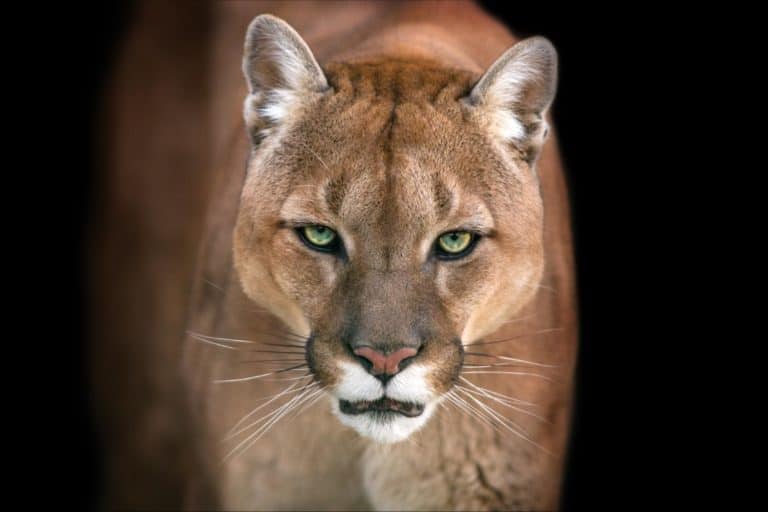
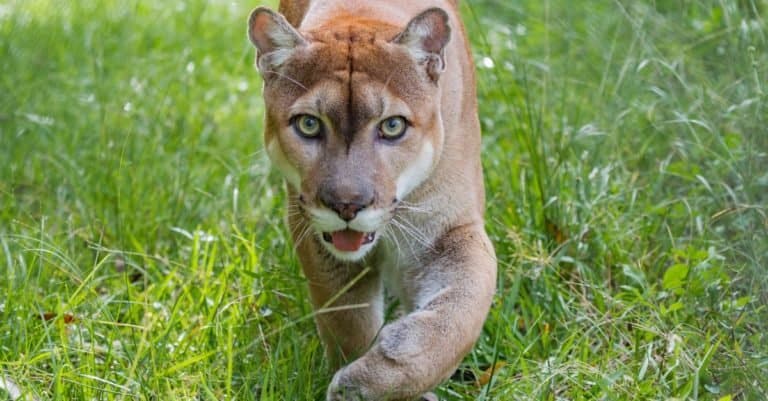
There are many different animals that will benefit from this crossing. The project is expected to improve safety for wildlife and motorists. Some of the wild animals expected to benefit from the project include mountain lions, bobcats, foxes, coyotes, deer, and many others. The bridge will be particularly beneficial for mountain lions in the area. The Santa Monica Mountains that the bridge will help connect contain a small population of mountain lions. Since these animals require large territories, the bridge will help by providing them with additional space. It will also prevent the population from inbreeding and encourage genetic diversity. This project is a remarkable initiative that supports both wildlife and the broader environment.