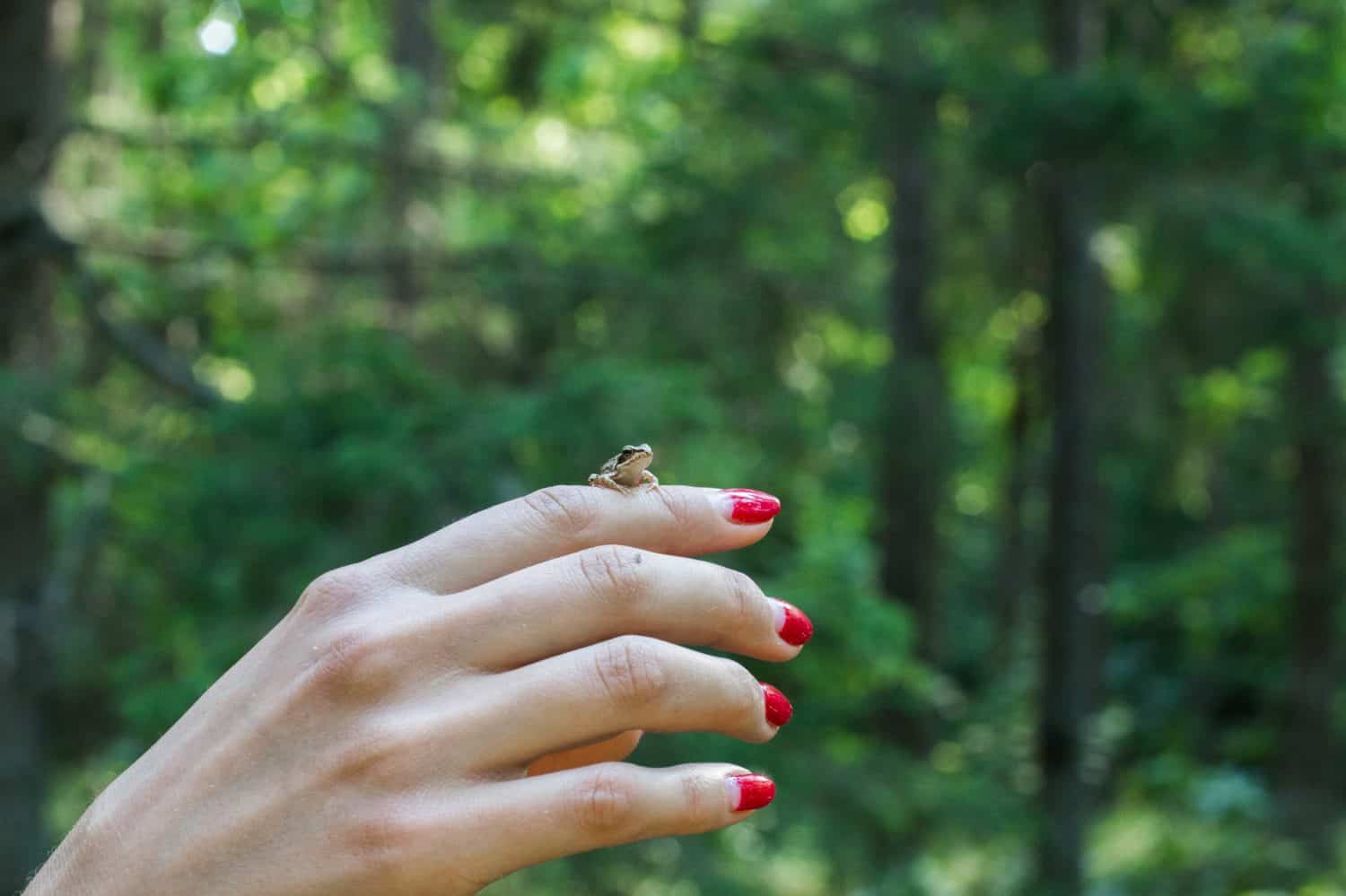

What do you think of when you think of deadly predators? You might imagine a lion stalking its prey at the watering hole or perhaps a gray wolf chasing down an elk. However, the world’s tiniest predators are just as dangerous, albeit to smaller creatures. For example, there is a microscopic insect that lays its eggs inside a larger host egg, which then becomes the larva’s meal. There is also the Etruscan pygmy shrew, with its voracious appetite for insects. We’ve rounded up some of the littlest predators on the planet, and they vary from fish to arachnids to tiny mammals. Read on for 10 of the world’s smallest predators.
10. Etruscan Pygmy Shrew (Suncus etruscus)
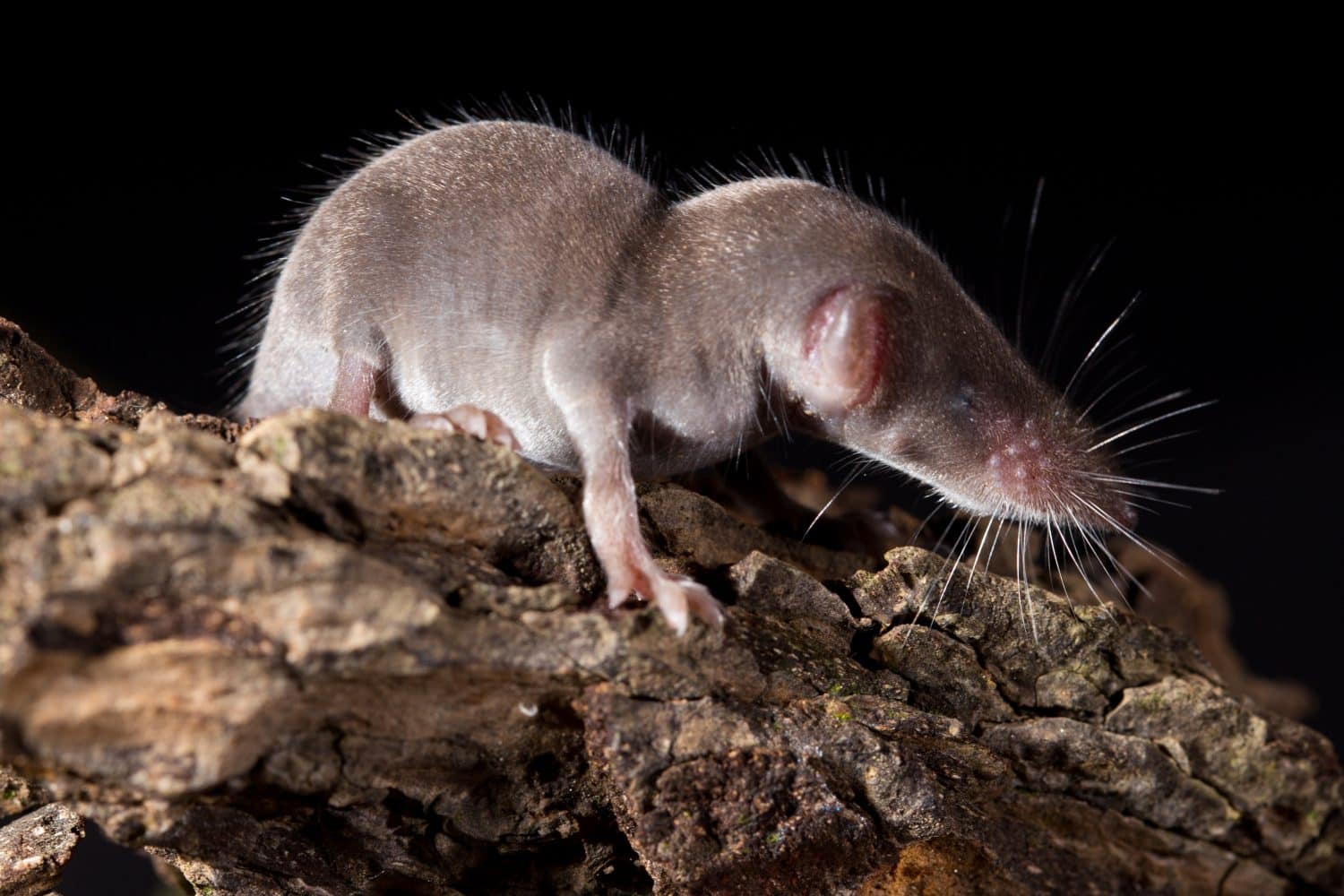
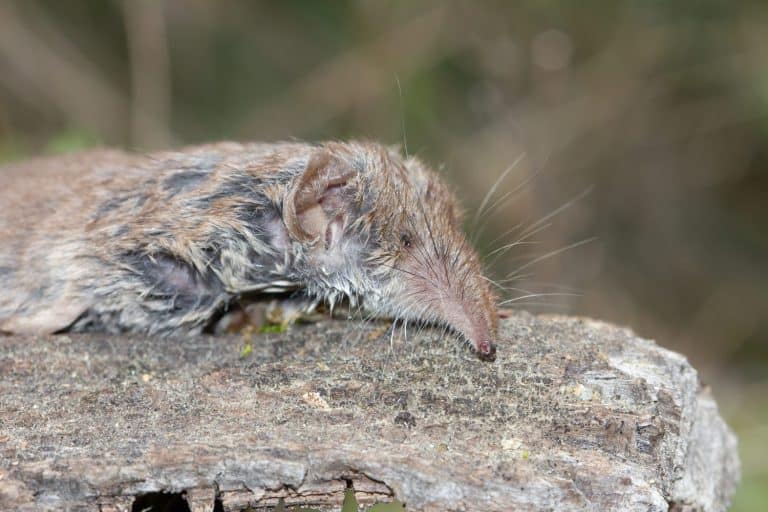
Etruscan pygmy shrews must eat six times their body weight in insects each day.
©Antonio Petrone/Shutterstock.com
The Etruscan pgymy shrew (Suncus etruscus) is not only one of the smallest predators in the world, but it is also the smallest living land mammal by mass. Adult Etruscan shrews weigh 0.06 to 0.11 ounces and are about 35 to 48 mm long (1.4 to 1.9 inches). Also known as the white-toothed pygmy shrew, this tiny predator eats a diet of small insects. Because they have such high energy needs, they can’t survive more than a few hours without eating. Etruscan shrews eat about six times their body weight each day in insects. They can be found living in forests and grasslands in Africa, Europe, and Southeast Asia.
9. Kitti’s Hog-Nosed Bat (Craseonycteris thonglongyai)
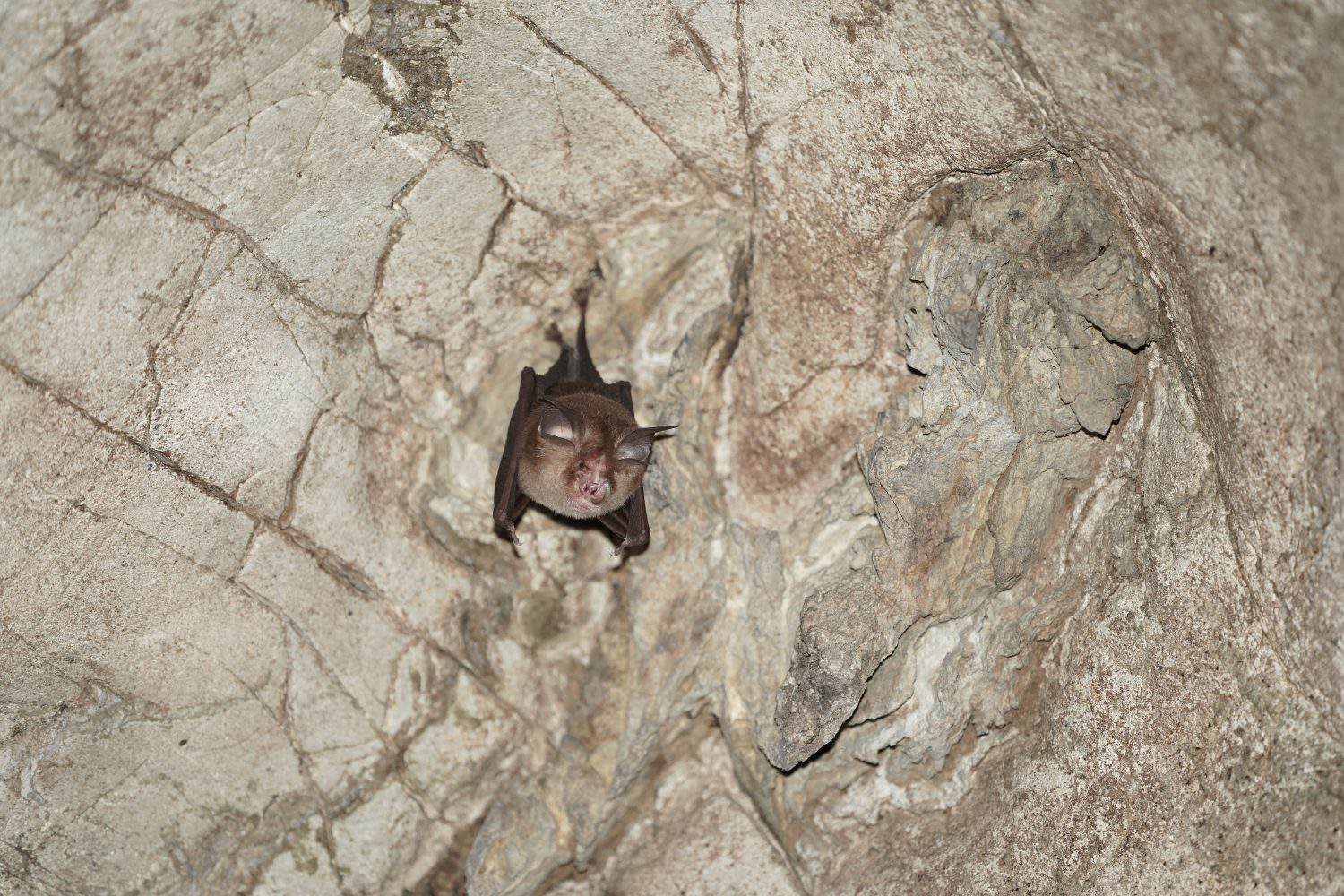
The bumblebee bat is a small predator that eats flying insects such as mosquitoes and flies.
©Amarisa M/Shutterstock.com
Kitti’s hog-nosed bat (Craseonycteris thonglongyai), or the bumblebee bat, is the smallest species of bat. At 29 to 33 mm (1.14 to 1.3 inches), it’s also one of the world’s tiniest predators. This “Near Threatened” species only lives in limestone caves along the border of Thailand and Myanmar. It’s smaller in body size than the Etruscan shrew, although the shrew weighs slightly less on average. Kitti’s hog-nosed bats live in colonies of around 100 individuals. These small bats play an important role in the ecosystem by keeping insect populations in check. They eat a variety of small flying insects, such as flies, moths, mosquitoes, and beetles. Like many bat species, they use echolocation to navigate and hunt for food.
8. Nano Chameleon (Brookesia nana)
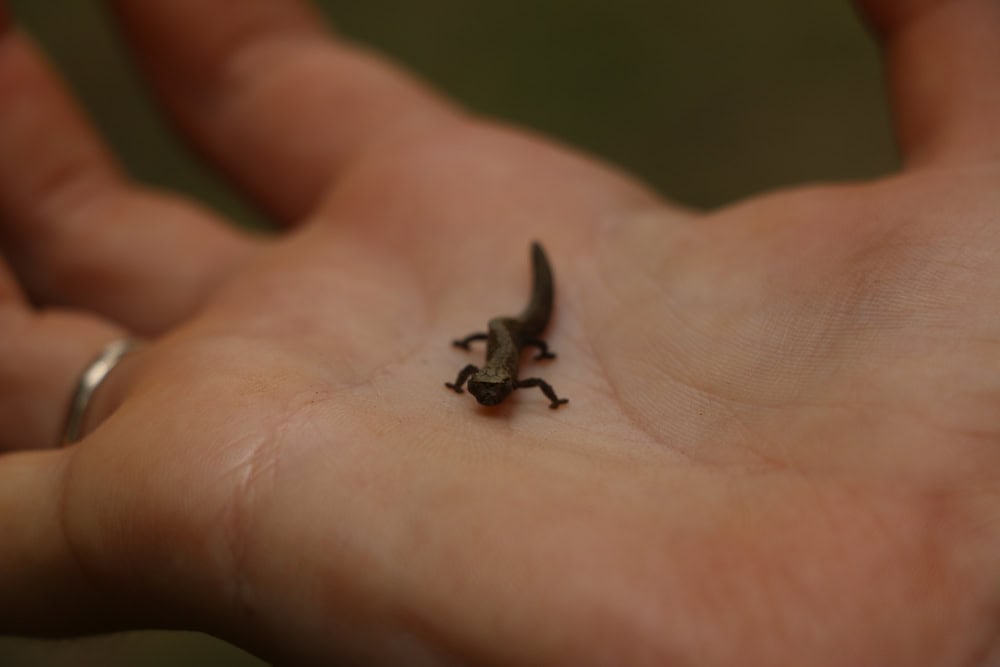
The nano chameleon is one of the world’s smallest predators and lives on a diet of springtails and mites.
©chriscasey/Shutterstock.com
At 21.6 mm (.85 inches), this tiny predator is about the size of a sunflower seed. The nano chameleon (Brookesia nana) was discovered in 2012 in a rainforest in northern Madagascar, and it may be the smallest living reptile on the planet. This little chameleon hunts its prey on the ground among the grass and leaf litter, nabbing tiny insects with its very small, projectile tongue. There is a lot still to learn about these little reptiles since scientists have only observed two nano chameleons. Researchers believe the chameleons eat a diet of mites and springtails. They come out during the day to hunt for their food, and then hide in the grasses at night.
7. Antlion Larva (Myrmeleontidae family)
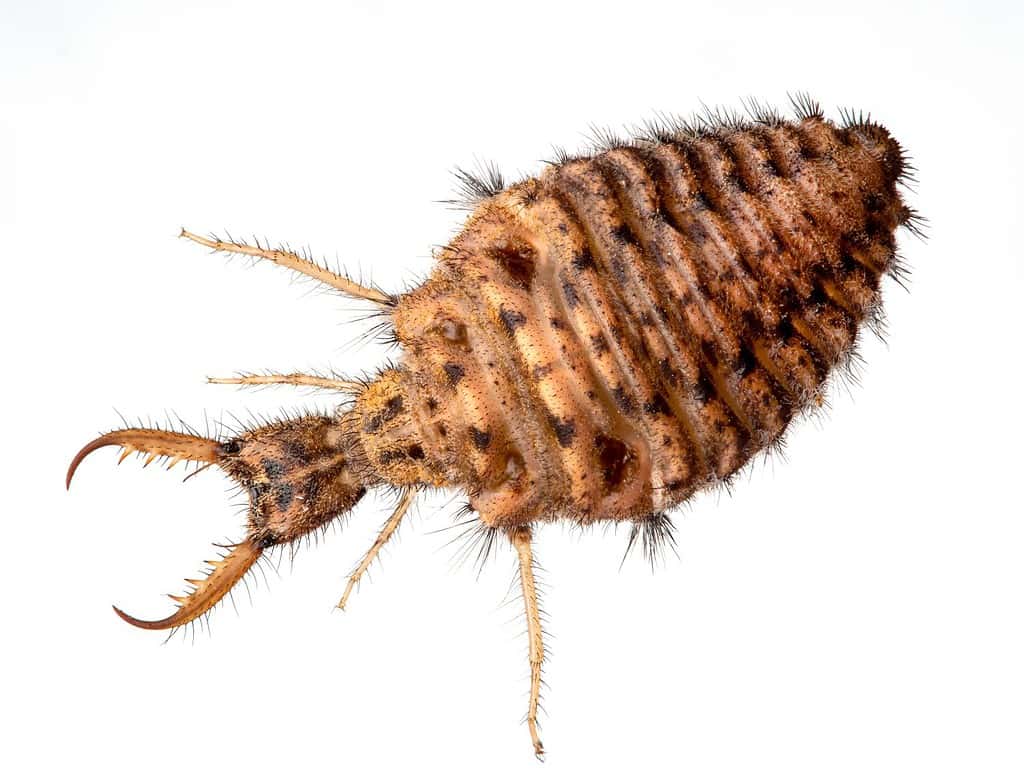
As larvae, antilions are dangerous predators to small insects that accidentally fall into pits they dig in the ground.
©Ernie Cooper/Shutterstock.com
As adults, antlions of the Myrmeleontidae family are not predators, but instead eat mostly nectar and pollen. Antlions can be found throughout the world. The adults resemble dragonflies and grow to around 1 and 1/2 to 3 inches long. It’s antilions in the larval stage that are voracious predators, despite their small size. The larvae are only about 12.7 mm (1/2 inch) long.
The antlion larva hunts by digging a small pit in the soil. There, it waits at the bottom for an unsuspecting small insect to fall in. Once the insect, usually an ant, beetle larva, or fly, drops down the hole, the antlion injects its venom. The venom immobilizes the prey, liquifying its insides, for easy eating. The larvae, also known as doodle bugs, will stay in this stage for one or more years. After they pupate, they are much more delicate in their adult version and only live another one to two months. This gives them just enough time to mate and lay eggs for the next cycle to begin.
6. Common Ground Mantis (Bolbe pygmaea)
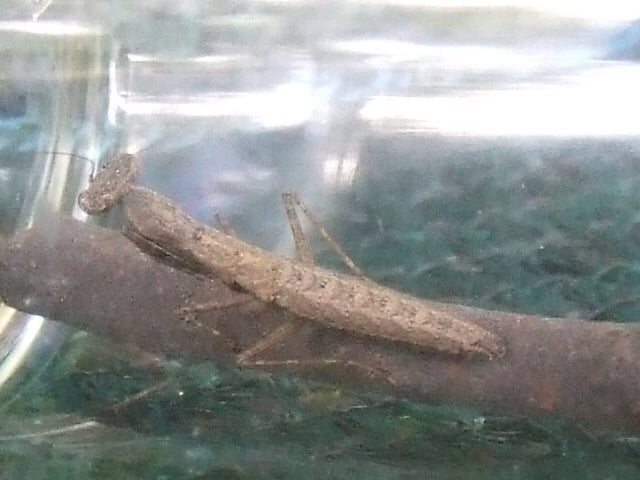
Bolbe pygmaea are the smallest praying mantises in the world.
Praying mantises are fierce predators in the insect world, known for their habit of silently ambushing their prey. There are over 2,400 species, and some of those species can grow as large as 6 to 7 inches. However, there is one tiny species (Bolbe pygmaea) that grows only as big as 10 mm (0.39 inches). The Bolbe pygmaea is native to Australia. These tiny predators use camouflage to blend into their environment and strike when an insect is nearby. They use their powerful legs to hold onto their prey and eat with strong jaws. Due to their small size, Bolbe pygmaea, also known as common ground mantises, prey on small insects such as aphids or grubs.
5. Tiny Carp Fish (Paedocypris progenetica)
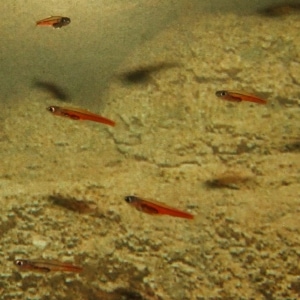
The tiny carp fish is one of the smallest fish species in the world.
©Aquaristikhaus / CC BY-SA 3.0, via Wikimedia Commons – Original / License
Tiny carp fish, also known as the Indonesian Superdwarf Fish (Paedocypris progenetica), is one of the smallest fish in the world. These little fish grow to around 7.9 mm (0.3 inches), and can only be found swimming in highly acidic peat swamps and blackwater streams in Southeast Asia. A relative of the carp fish, Paedocypris progenetica, is a predator of the tiny plankton that also live in the acidic waters. Paedocypris progenetica, and the many other unique species that make acidic peat swamps their home, are vulnerable to losing their habitats to urbanization and clearing for agricultural use.
4. Brazilian Flea Toad (Brachycephalus pulex)
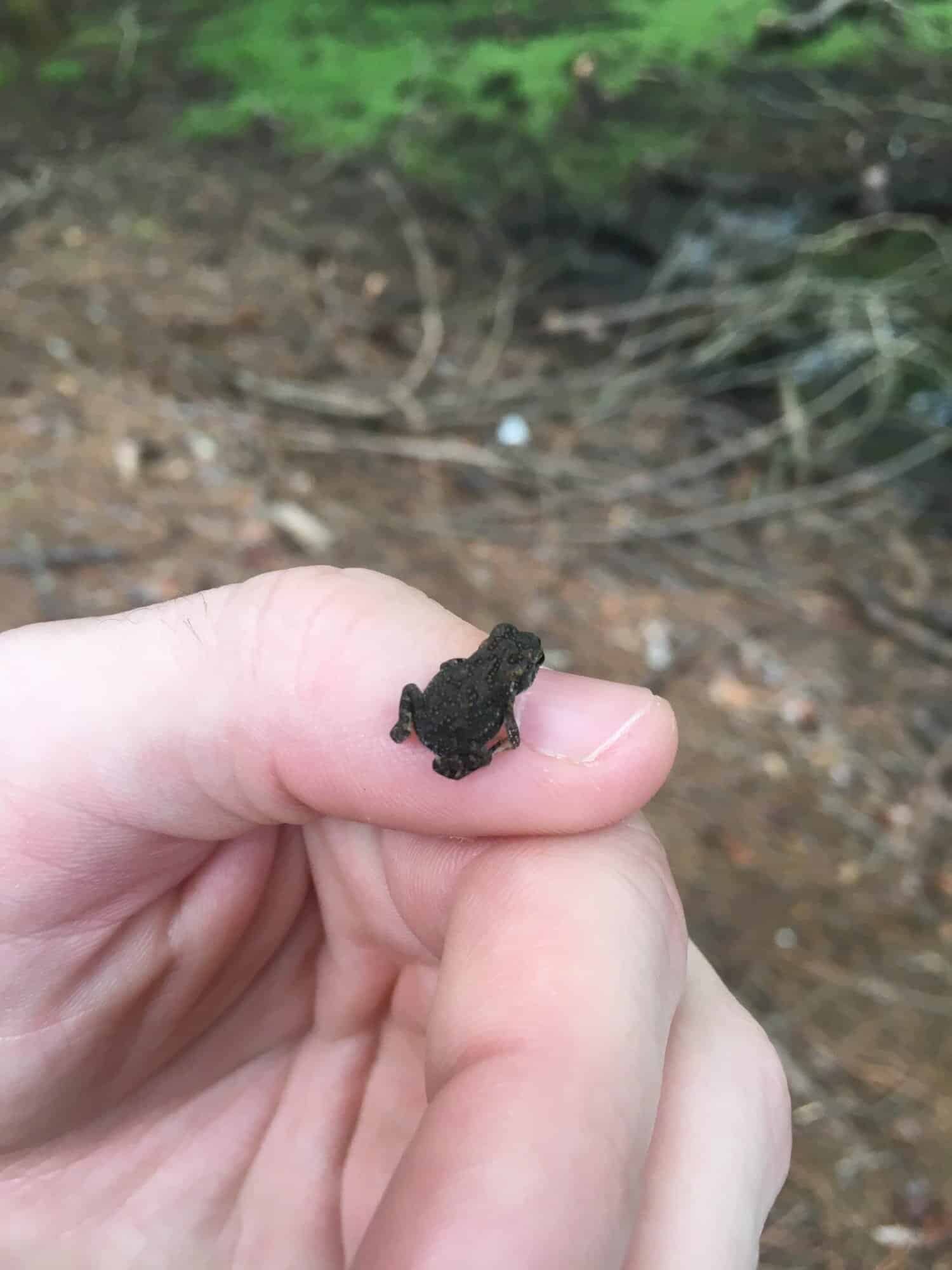
Brazilian frogs in the family Brachycephalidae are some of the smallest predators in the world.
©MshakeO_O/Shutterstock.com
Despite its name, a Brazilian flea toad (Brachycephalus pulex) is neither a flea nor a toad. It’s actually a frog, and it happens to be the tiniest vertebrate in the world. The smallest male of the species was measured at 6.45 mm (1/4 inch). This little frog is native to Brazil and preys on very small insects that live among the leaf litter of the forest floor. Unfortunately, being a frog the size of a pea means that Brazilian flea toads are not very good jumpers. Because their vestibular system is so small, they tend to have poor balance and don’t land on their feet.
3. Jumping Spider (Salticidae family)
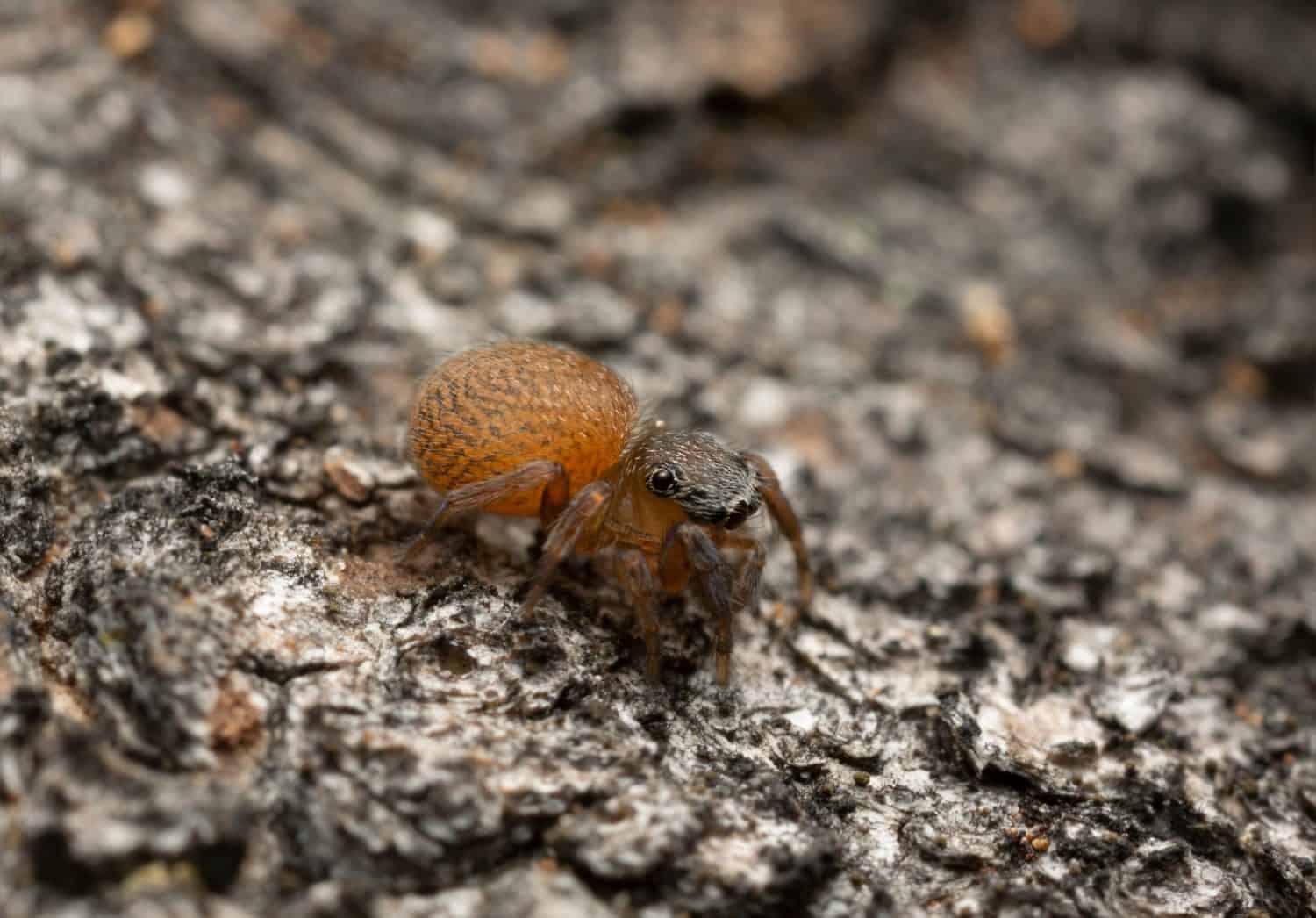
There are over 6,200 species of jumping spiders in the world.
©Henrik Larsson/Shutterstock.com
Jumping spiders in the Salticidae family are some of the smallest predators in the world. The largest of the species (Hyllus giganteus) can grow to 25 mm (.98 inches). But the smallest of the species (Neon nelli) is a mere 1.8 to 3 mm (0.07 to 0.12 inches) in body length. Jumping spiders may be little, but they are excellent predators. They can hunt and catch insects that are larger than themselves and eat a varied diet of insects such as flies, mosquitoes, moths, and crickets. They live in many different habitats and on every continent except for Antarctica.
2. Predatory Mite (Phytoseiulus persimilis)
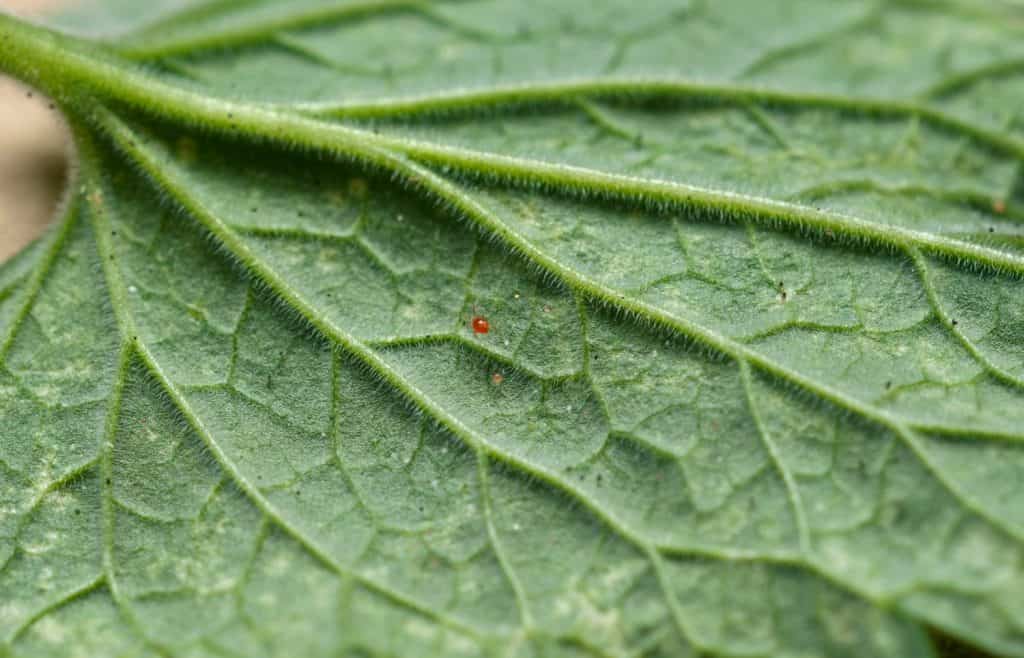
Predatory mites are often used by farmers and gardeners as a natural alternative to insecticides.
©Catherine Eckert/Shutterstock.com
We’re making our way to some of the smallest predators on the planet. Predatory mites (Phytoseiulus persimilis) are such voracious predators of twospotted spider mites that they are often used by gardeners and farmers to control spider mite populations. They only grow to about 0.5 mm (0.02 inches). Two-spotted spider mites can cause severe damage and death to plants. The tiny Phytoseiulus persimilis is often brought into areas of infestation to end the infestation of plant-eating mites. They are native to Chile, but have been distributed around the world for pest control.
1. Fairy Wasp (Dicopomorpha echmepterygis)
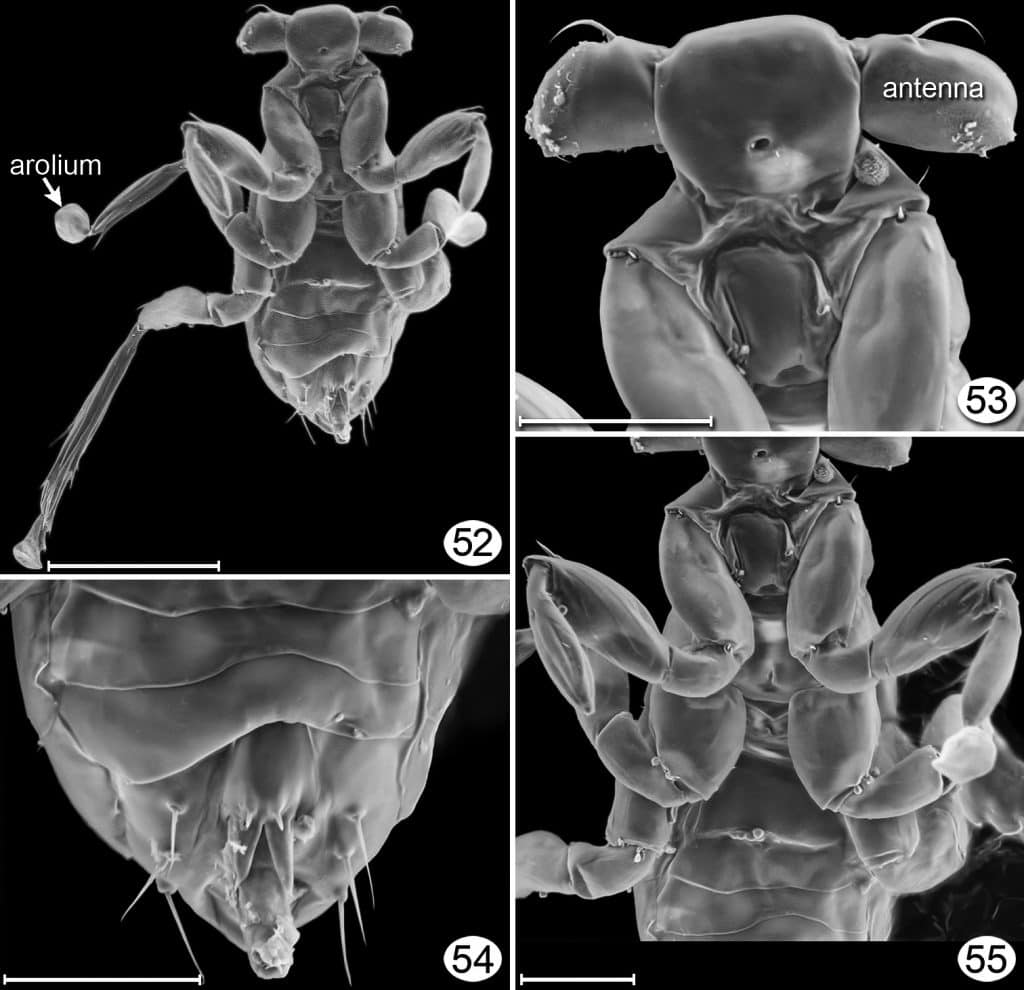
Fairy wasps are tiny parasitoid wasps that lay their eggs inside other insect eggs, stopping the host larvae from growing.
© John T. Huber, John S. Noyes, J. Read, CC BY 3.0, via Wikimedia Commons – Original / License
Finally, we come to the smallest predator on our list, the fairy wasp (Dicopomorpha echmepterygis) or fairy fly wasp. The fairy wasp is a parasitoid wasp of the family Mymaridae and only grows to about 0.139 mm (0.005 inches). In other words, its entire body length is close in size to the width of a human hair. The fairy wasp is thought to be the smallest insect in the world and lives on every continent except for Antarctica. They are considered predators because they lay their eggs inside another insect’s eggs. Because their eggs are nutrient-poor, their larva consume the host’s nutrients, and the host eggs die. Like predatory mites, farmers and gardeners bring in fairy wasps to help control pest populations.