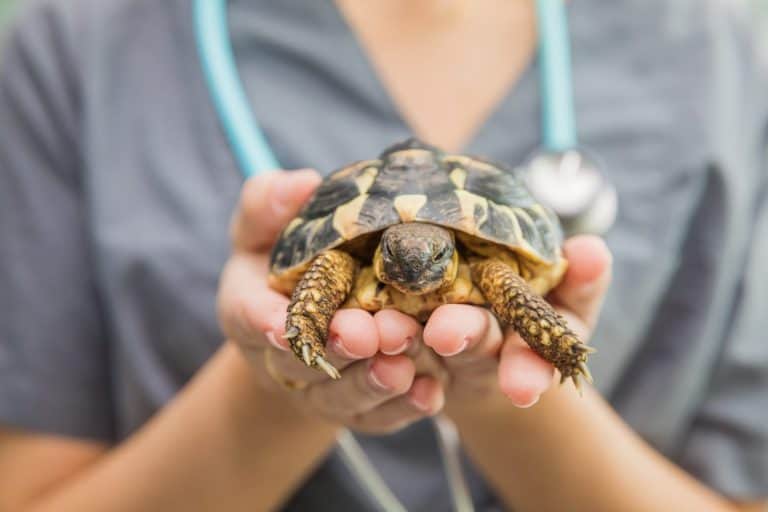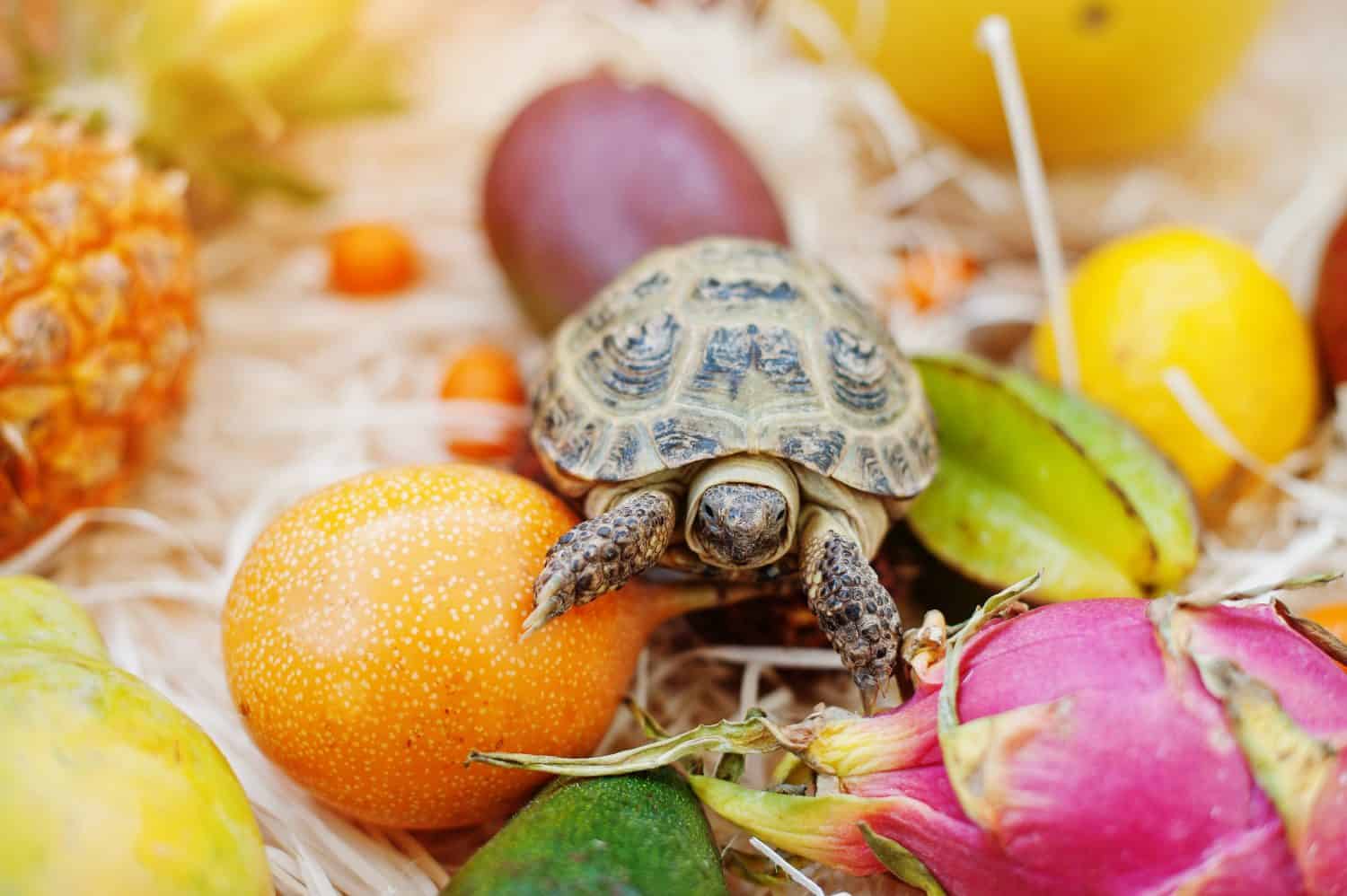

Believe it or not, turtles can be pretty picky eaters. Whether it’s for good reasons, like sensing poison or toxicity, digestive problems incurred, or just a matter of taste, some foods just don’t jibe well with our hard-shelled reptile friends. According to more than one turtle pet ownership forum, a surefire way to get a pet turtle to eat something is to put it in tuna or shrimp water.
There may be 360 species of turtles, both living and extinct, and just as many foods that they refuse to eat. As mentioned above, this culinary carefulness is often for good reason: foods like tomatoes, for example, are members of the nightshade family. While the leaves and stems are toxic, the ripe fruit can be fed to turtles in moderation, though it is not particularly nutritious for them. Food refusal depends on the individual turtle. This list will focus more on foods that turtles shouldn’t eat, along with some pet care anecdotes. Let’s learn about 10 foods that turtles refuse to eat (and perhaps should).
Bread
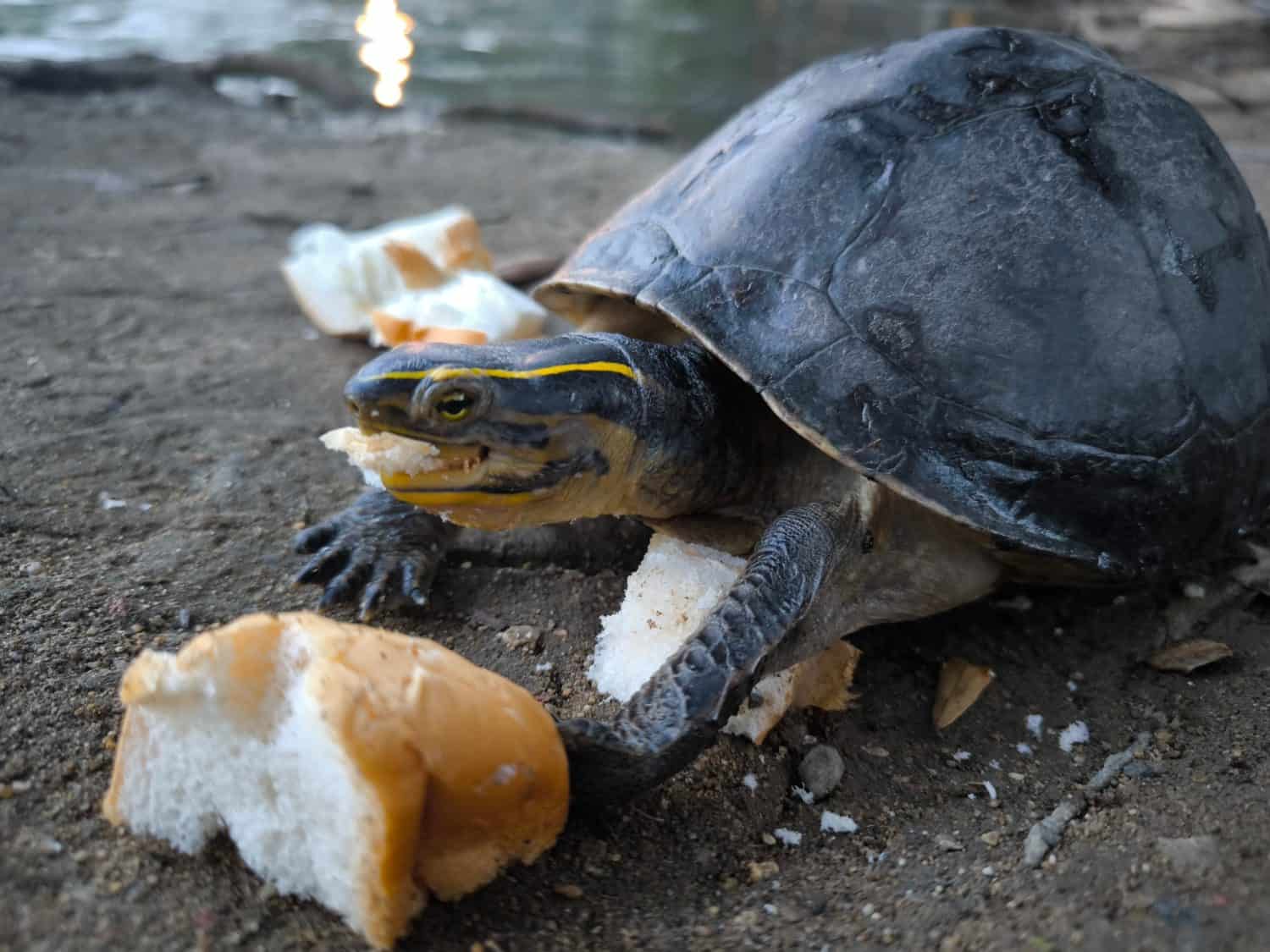
It may seem like a simple, easy snack to give turtles, but bread contains no nutritional benefit for them and isn’t easily broken down in their stomachs.
©ChotikaSam/Shutterstock.com
Bread may seem like a safe snack for your pet turtle, but it’s really not good for them. While it isn’t necessarily dangerous, bread is a starchy carbohydrate that contains almost no nutritional benefit for turtles. Putting aside the preservatives in store-bought bread, bread in general can be hard for them to digest. They lack the stomach enzymes necessary to break down bread. Your turtle may like this type of food, but it should be avoided.
Lemons
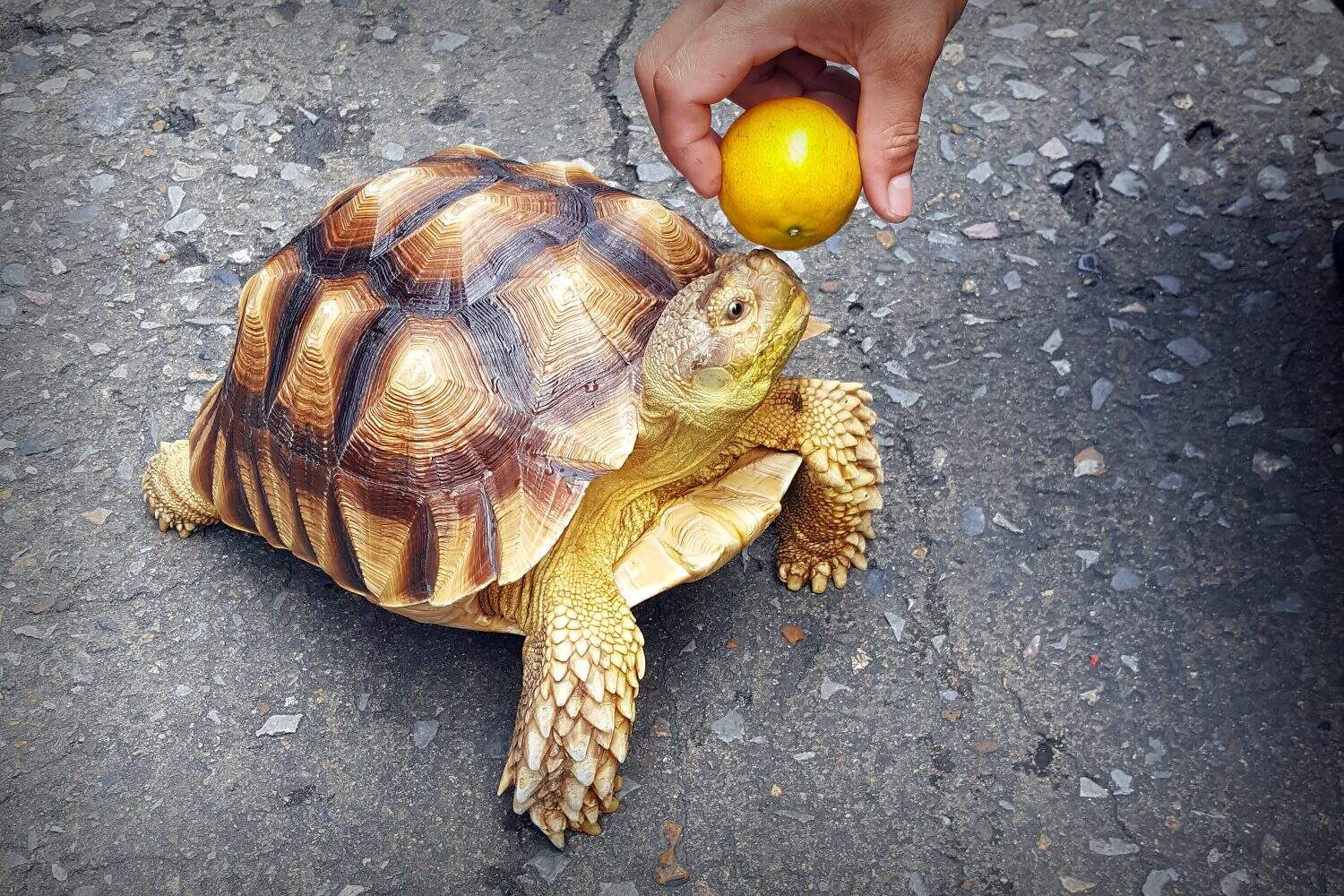
Don’t tempt your turtle with lemons because they can affect its digestive system.
©icosha/Shutterstock.com
When life gives you lemons, make lemonade instead of giving them to your pet turtle. These treats are far too tart for most humans to handle on their own, so don’t expect turtles to enjoy them as food offerings either. Lemons, being a citrus fruit, are high in Vitamin C, but turtles require far more Vitamin A and calcium. To make matters worse, too much lemon juice will actually change the pH of a turtle’s digestive tract. Luckily, turtles in the wild rarely eat fruit, so they will probably refuse lemons if offered.
If you’re looking to give your turtle a nice treat, opt for flowers like geraniums, carnations, or dandelions instead. You might even be able to get old ones from a floral shop for a reduced price. Just make sure they aren’t treated with any chemicals that could make your turtle sick.
Avocado
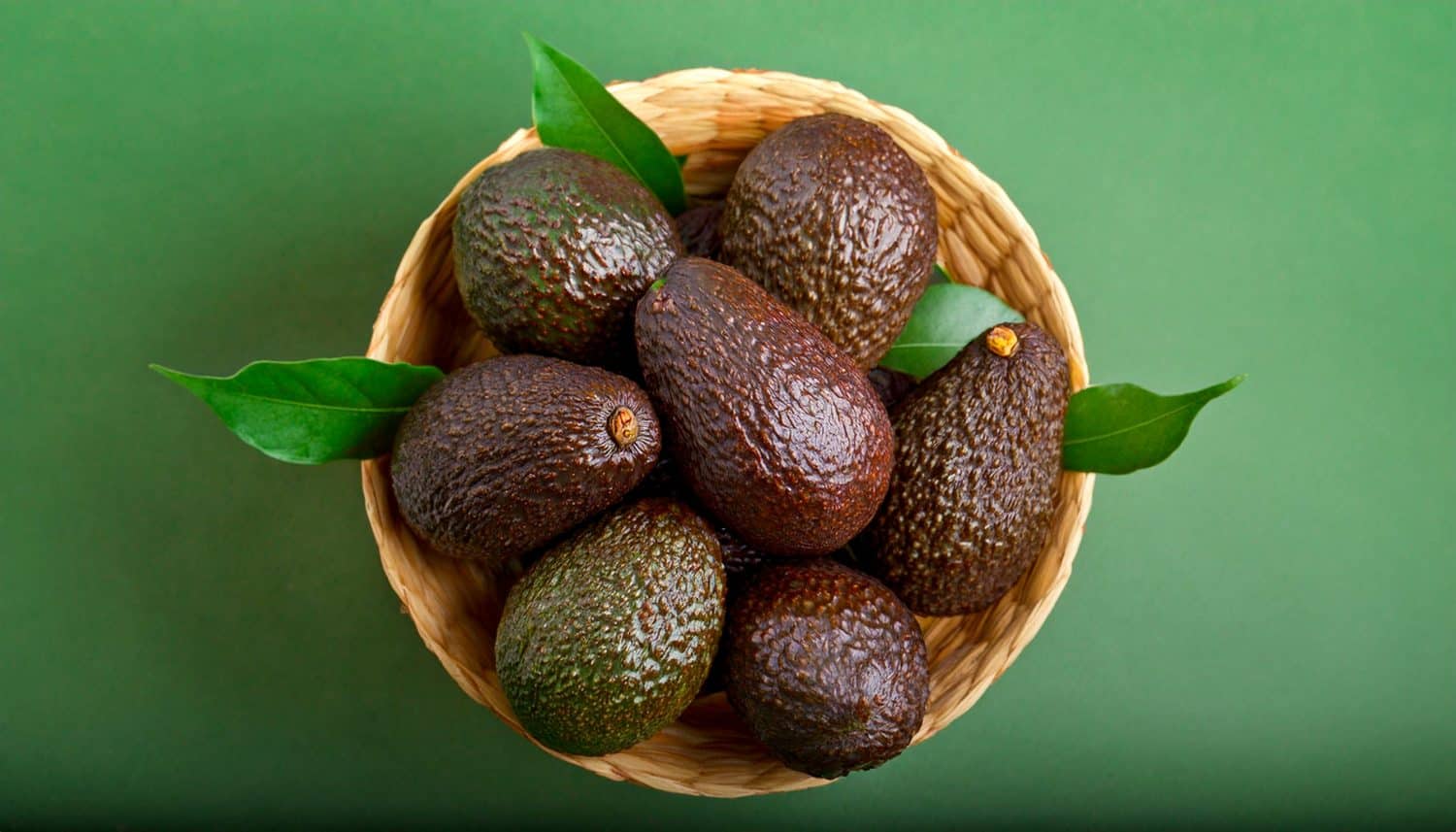
Every part of an avocado is toxic to turtles due to the presence of persin, so avocados should never be offered to them.
©fifthplanett/Shutterstock.com
Avocados are a great source of healthy, filling fat for people, but they are a food turtles should refuse to eat. That’s because avocados contain a colorless oil called persin that’s toxic to practically every animal except humans. Every part of the avocado—leaves, fruit, flower, or peel—is quite toxic to tortoises. Eating it will give them a severely upset stomach.
Oranges
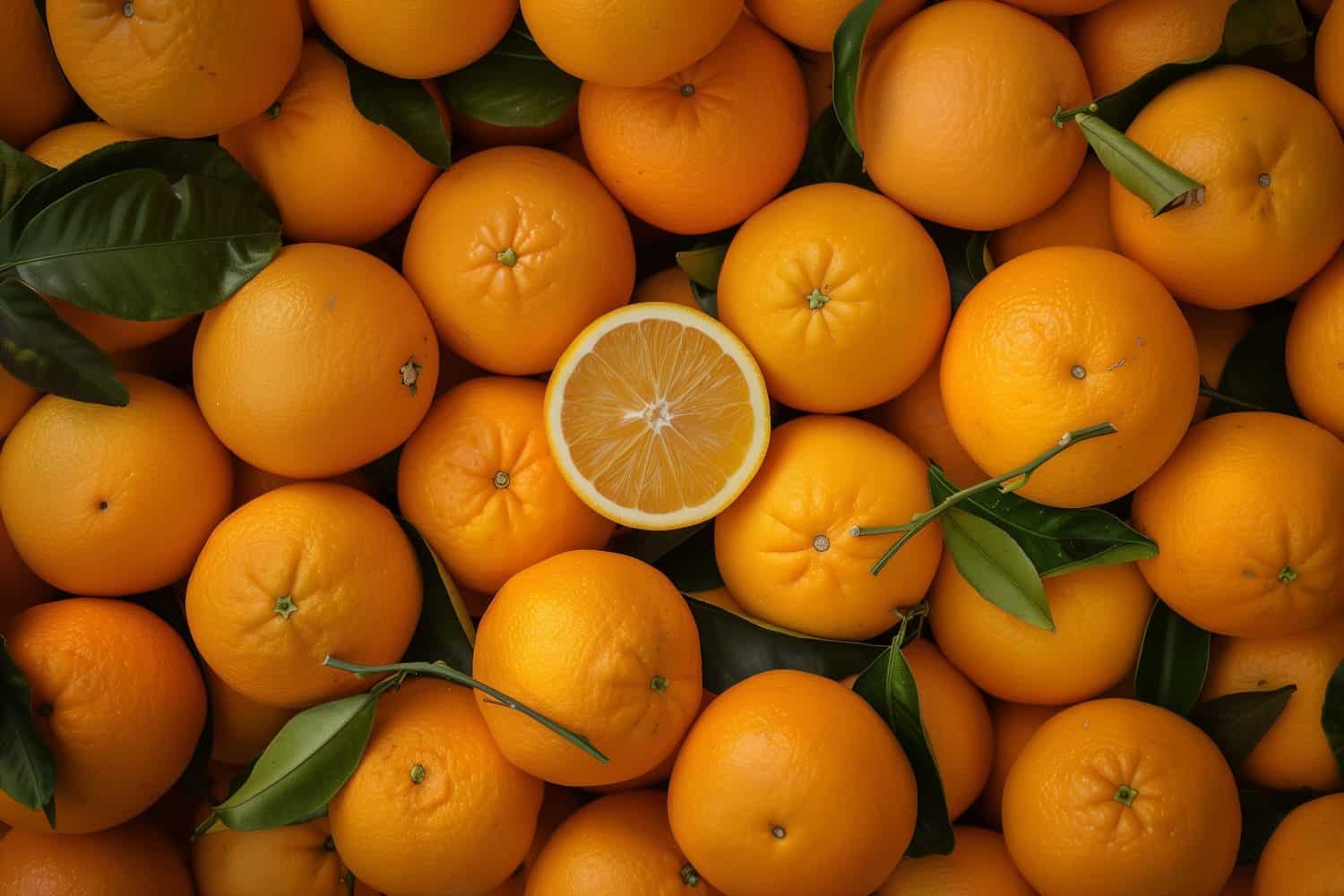
Citrus fruits can change the pH of a turtle’s digestive tract, potentially leading to health problems.
©Luis Yunis/Shutterstock.com
Much like lemons, oranges are not good for turtles. Plus, turtles from tropical areas rarely eat fruits in their natural habitats. As mentioned above regarding lemons, another citrus fruit, too much orange will literally change the pH of a turtle’s digestive tract.
This might destroy the good gut bacteria, release toxins that can cross the gut lining. Turtles might not refuse an orange, but these tart treats should be avoided. As you’ll find with a lot of foods on this list, it’s not so much the foods themselves but the quality. With oranges or other citrus fruits, for example, most turtles hardly ever come across them in the wild.
For turtles that mainly subsist on, say, grasses, too much fruit will be overwhelming on their digestive systems. Fruit, if supplemented to a turtle’s diet, should account for less than 10% of their daily food intake. Even so, not all fruits are equal. Figs and apricots, for example, are far better for turtles than high-sugar content fruits like kiwis or mangos. That’s because figs contain a substantial amount of calcium.
Processed Meats
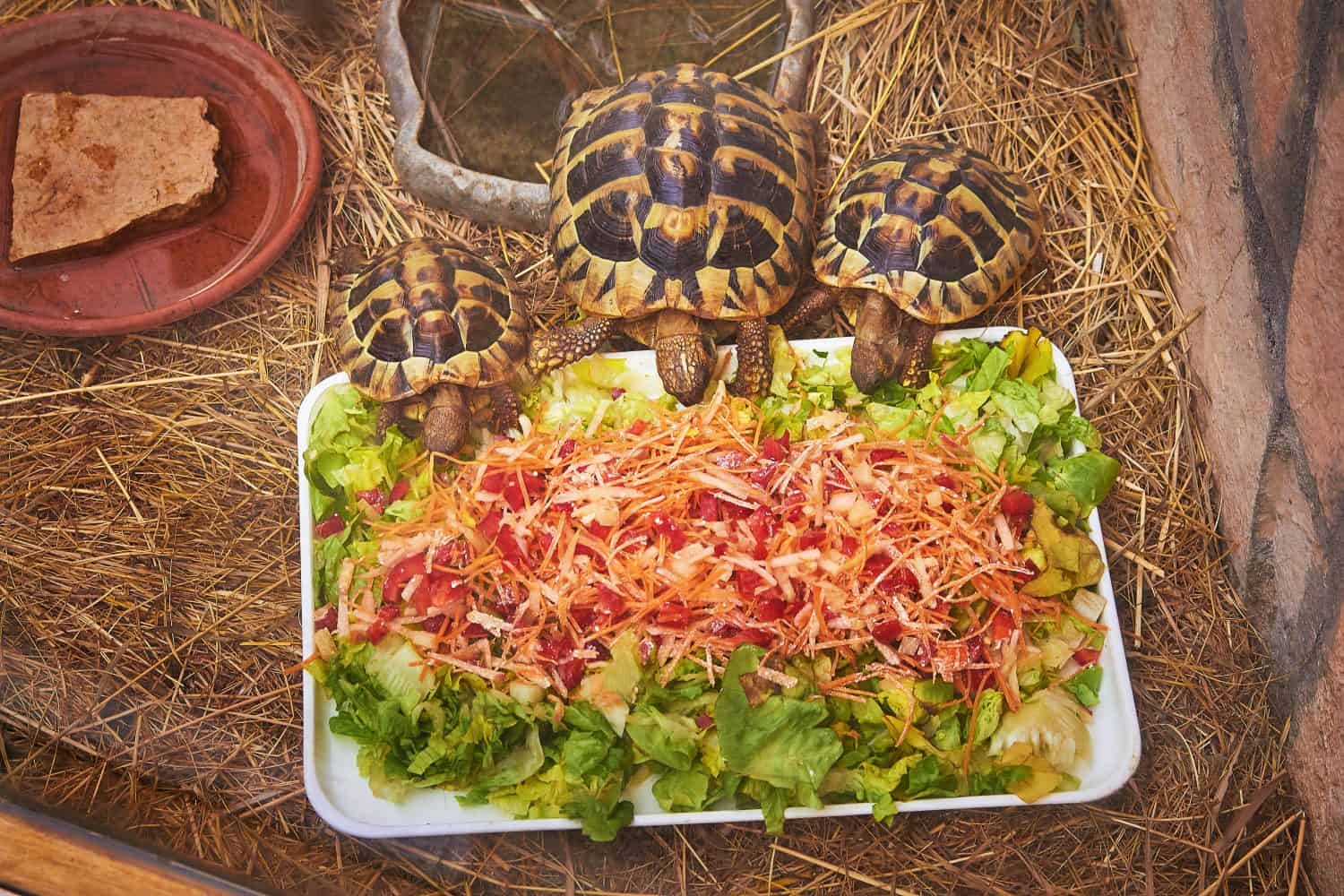
While many turtles eat meat, processed meats contain too many unnatural chemicals to be healthy.
©PrysMichael/Shutterstock.com
You may think turtles chow down exclusively on leafy greens, but some are actually omnivores. Others, like alligator snapping turtles, are carnivores. As many a turtle forum will tell you, these reptiles often prefer food supplemented with meat. Some even outright refuse leafy greens without some meat juice included. That said, processed meats are one type of food you should refuse for your turtle’s sake. While they aren’t inherently dangerous, processed meats contain nitrates and other chemicals that aren’t good for a turtle’s digestive system.
Iceberg Lettuce
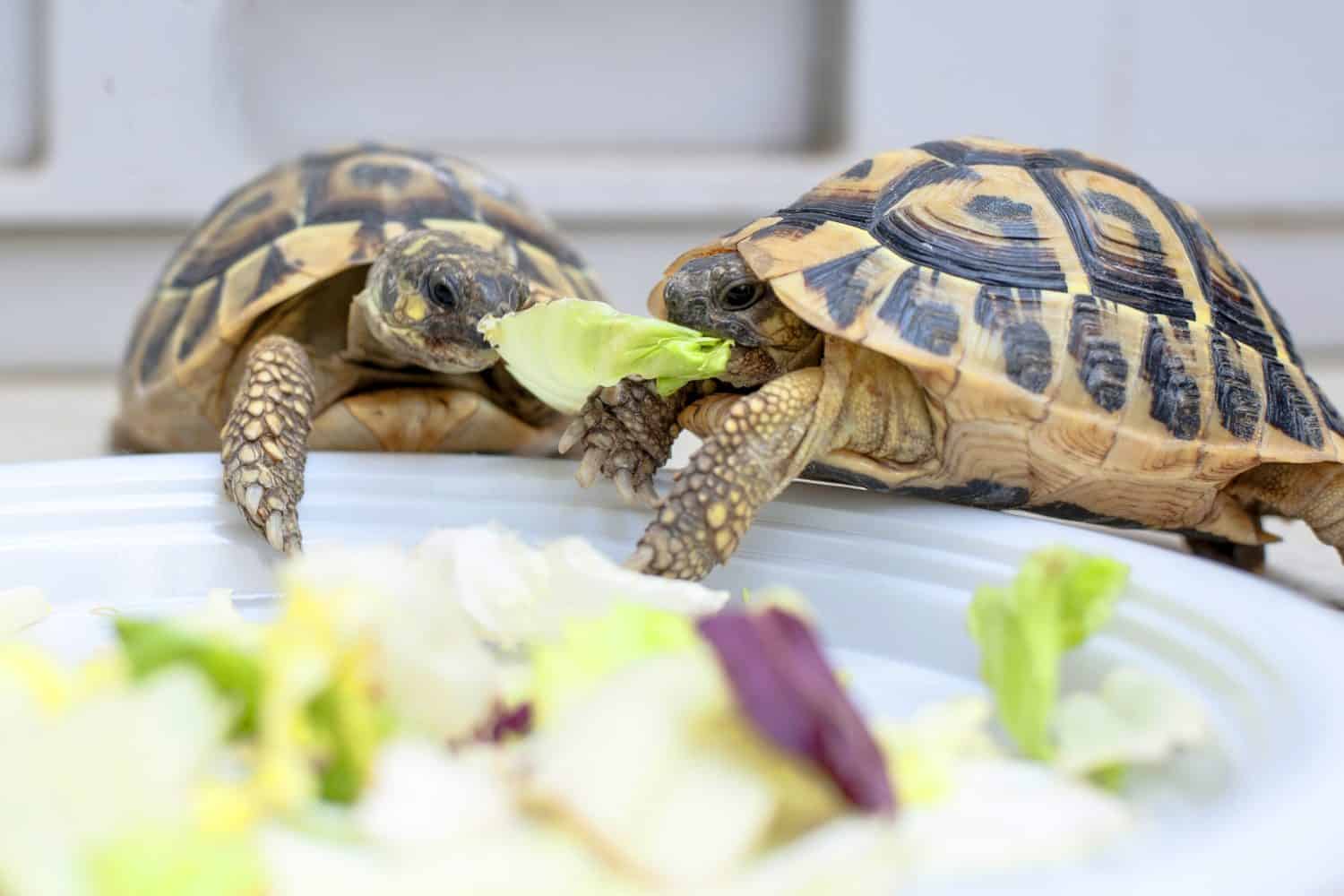
Many types of lettuce are safe for turtles to eat, but iceberg lettuce has the least nutritional content of any lettuce.
©talitha_it/Shutterstock.com
Lettuce is commonly associated with turtles, but the type of lettuce matters. Leafy greens like watercress or romaine lettuce are good for certain types of turtles. Iceberg lettuce, however, might be refused by a turtle because it doesn’t have much nutritional value. If turtles resort to eating iceberg lettuce, it’s likely because they are seeking more water rather than nutrition. While there are trace amounts of Vitamin A in iceberg lettuce, it’s not enough to justify feeding it to turtles.
Broccoli
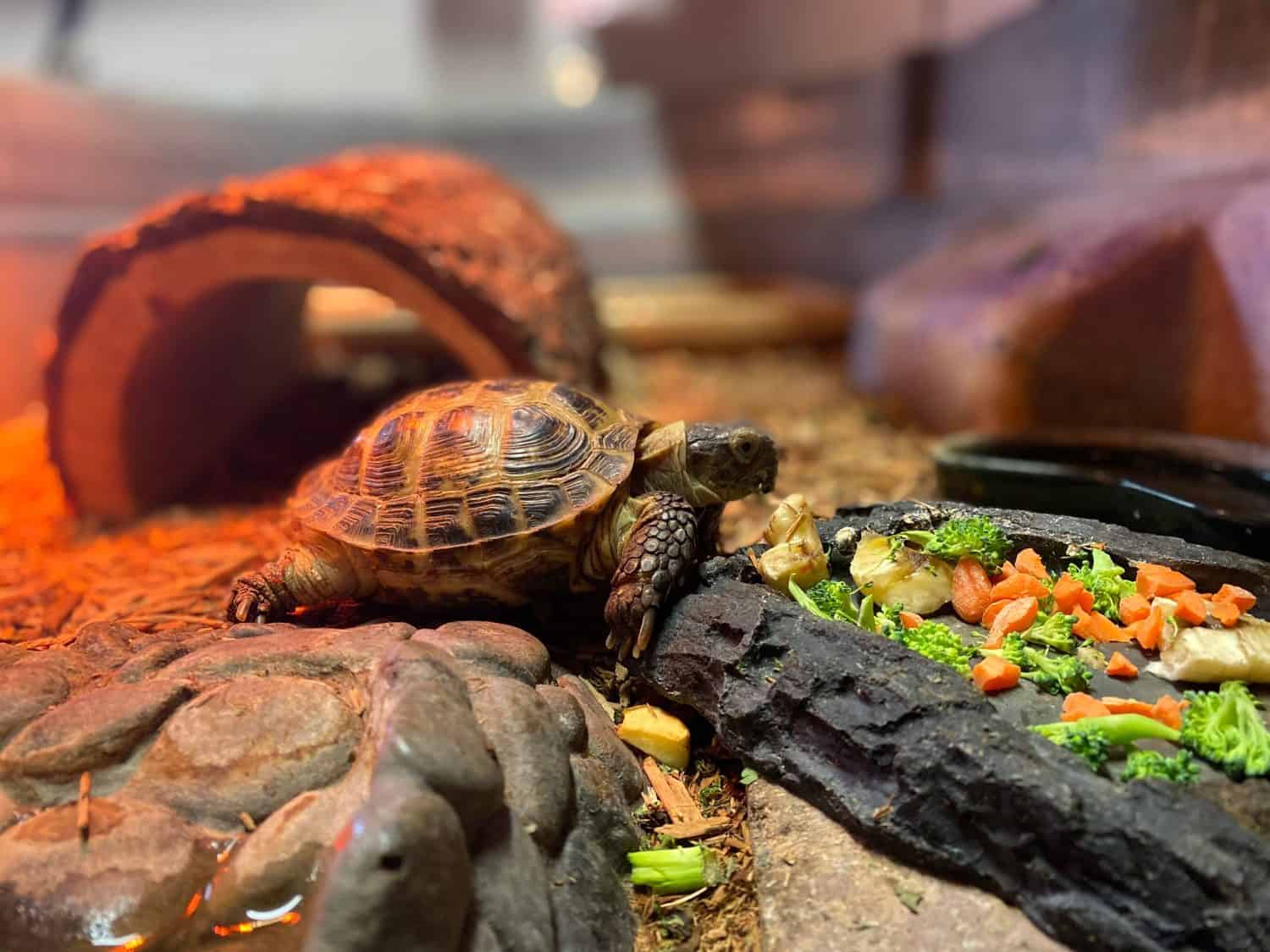
Many turtles love green vegetables, but broccoli should be avoided.
©Wirestock Creators/Shutterstock.com
Broccoli seems like another food that’s perfect for turtles, but it’s best if turtles refuse this dense green vegetable. That’s because broccoli contains goitrogens. This chemical, in excess, can interfere with thyroid function and may contribute to hypothyroidism in turtles. Turtles aren’t fools. Even they get tired of the same old leafy greens day after day. One Reddit user said that their turtle would bang its claws on its food bowl to express displeasure over constant vegetables instead of some yummy meat or protein.
Rhubarb
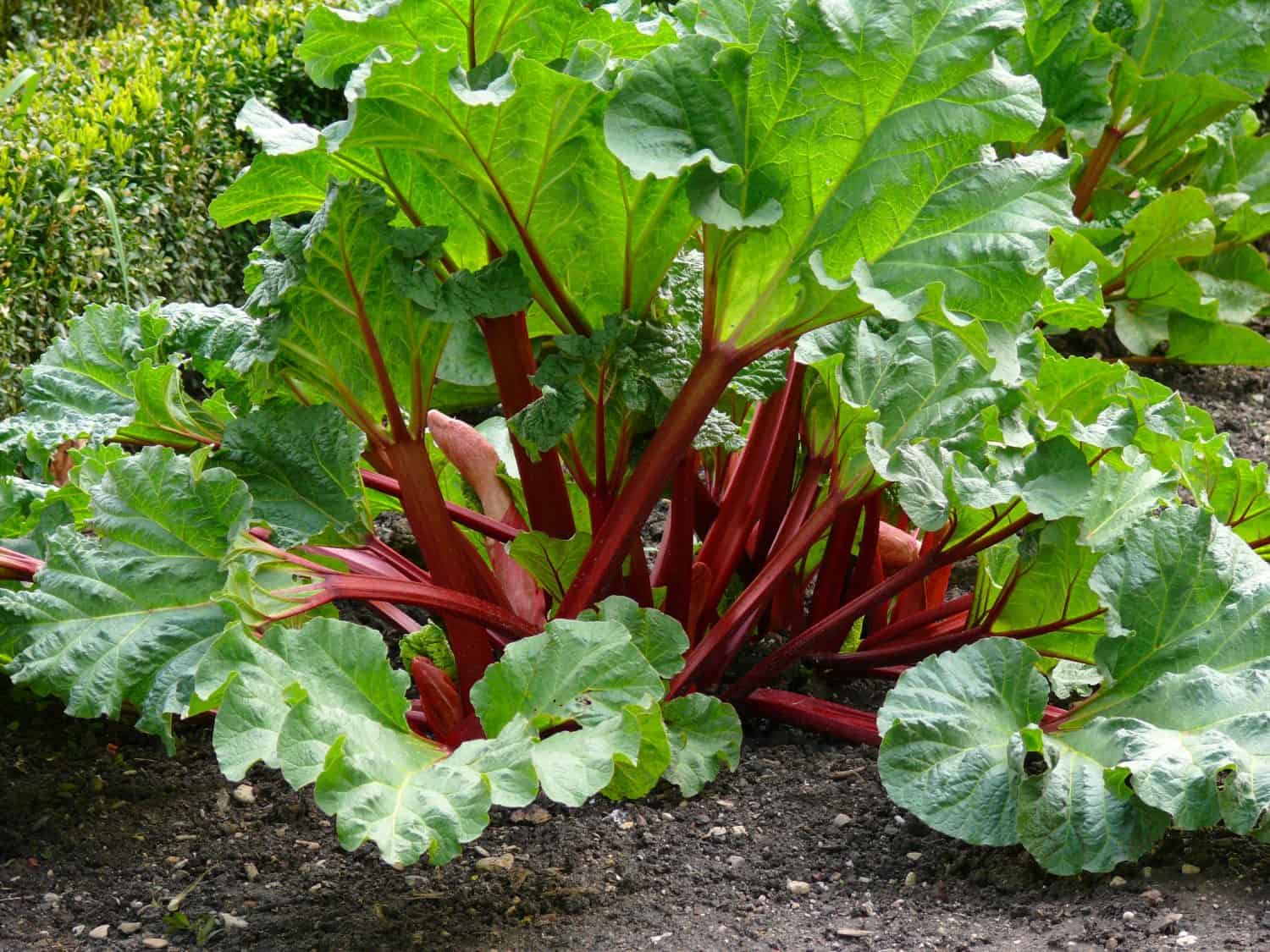
These red and green vegetables can damage a turtle’s organs.
©imageBROKER.com/Shutterstock.com
Rhubarb may look like any other vegetable a turtle eats, but these hard-shelled reptiles should avoid it at all costs. That’s because rhubarb contains oxalic acid, which prevents calcium from being absorbed. Furthermore, this vegetable also contains glycosides, which are damaging to a turtle’s heart, kidneys, and liver.
Tomatoes
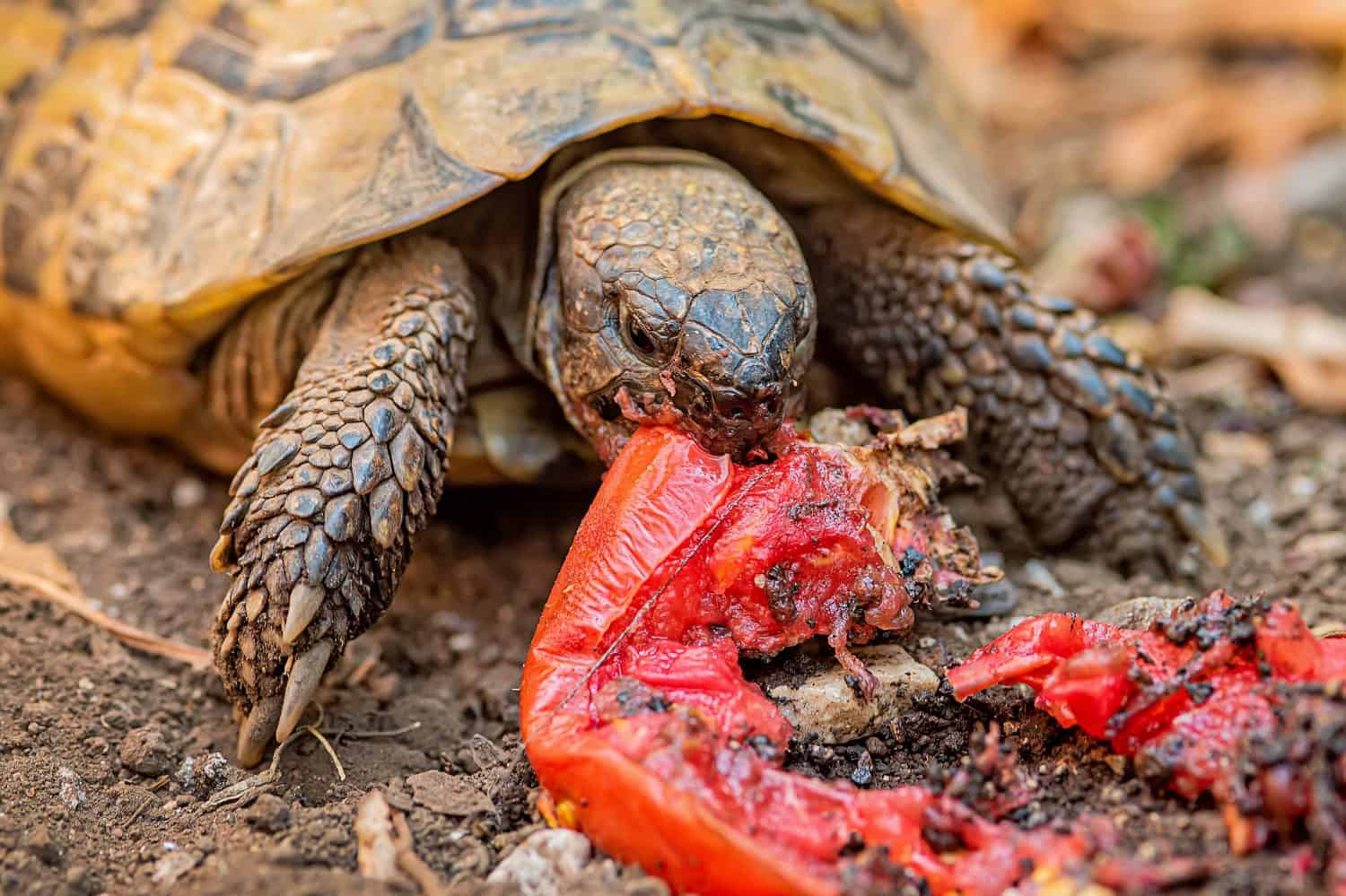
Tomatoes are red, a color turtles like, but they are not particularly nutritious for turtles and should only be fed in moderation due to their low calcium content and the potential for digestive upset.
©Nenad Nedomacki/Shutterstock.com
As mentioned in the introduction, a turtle is wise to refuse tomatoes even if they are attracted to the color red. Tomatoes, as members of the nightshade family, have toxic alkaloids in their leaves, stems, and unripe fruit. Even when ripened, tomatoes contain a lot of sugar and phosphorus but almost no calcium or fiber. They are an unhealthy snack for turtles, no matter how you slice them. Technically, the fruit can be eaten by turtles in moderate quantities, but the stems and leaves are incredibly poisonous to them.
Dairy Products

Turtles lack the digestive capabilities to handle dairy products.
©Juice Verve/Shutterstock.com
It doesn’t matter what the dairy product is; turtles should not consume it. Foods containing dairy—such as cheese, milk, or yogurt—are not good for turtles. They never come across dairy in the wild, so they do not have digestive mechanisms in place to handle consuming lactose. That means they will probably refuse dairy-containing food, but it’s best not to risk it.
If you’re worried that your omnivorous pet turtle needs more protein, then find some healthy meat alternatives that are good for reptiles. These include feeder fish, mealworms, earthworms, shrimp, and other crustaceans, or even commercially manufactured turtle pellets. The latter can work in a pinch, supplement heavy vegetable diets, and provide the proper amount of protein needed for turtles.