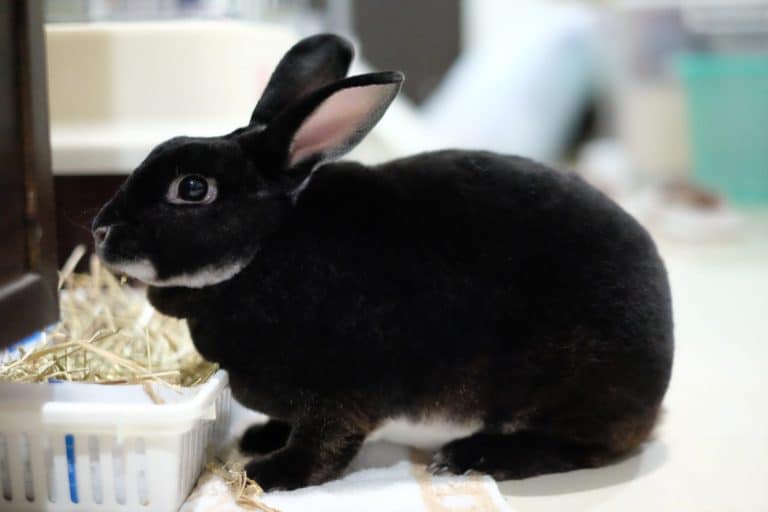

Rabbits are frequently in the conversation when it comes to the most adorable backyard animals. That’s why so many people have them as pets. Rabbits are majestic creatures that can melt your heart with one glance or a quick hop. That’s why it’s so important that we do our part to ensure that rabbits are kept safe, regardless of whether they’re in your backyard or an enclosure in your home. To get you on the right path with these furry friends, we have composed this list of foods rabbits should never eat. These are foods that are either toxic to rabbits or provide no nutritional value. Keep this list handy so you can help provide a safe environment for the bunny in your life.
Chocolate

While chocolate bunnies are popular at Easter, the irony is that chocolate is one of the most toxic foods for rabbits.
©And-One/Shutterstock.com
As is the case with many other animals, chocolate is a food that rabbits should never eat. There are a couple of elements in chocolate that are toxic to animals: caffeine and theobromine. Caffeine is dangerous for rabbits because they are unable to metabolize it effectively, and as a result, it can have negative effects on their cardiovascular, respiratory, and nervous systems. Some of the symptoms of caffeine in rabbits are similar to those in humans, such as hyperactivity, restlessness, and an increase in blood pressure and heart rate. However, too much caffeine can also lead to vomiting, diarrhea, seizures, and lethargy.
The other toxin in chocolate, theobromine, is also difficult to digest and can cause many of the issues caused by caffeine. Theobromine doesn’t affect humans because we have a more robust digestive system than a small animal. The effects of high levels of theobromine can also include cardiac failure and can cause death. Chocolate also contains high levels of sugar and fat, which can cause an imbalance in the rabbit’s digestive tract and lead to liver disease and loss of appetite over time.
Granted, not all chocolate contains the same level of these two chemicals, but if you see your rabbit eating chocolate, it may be best to bring it to the vet. Eating even a little of the wrong chocolate can potentially be fatal.
Avocado
Avocados are another food that many animals should not eat. The culprit in avocados is the compound called persin. Symptoms of digesting too much persin can include respiratory problems and behavioral abnormalities. In extreme cases, persin can cause fluid to form around the heart, which can lead to congestive heart failure and potentially death. Rabbits should never eat any part of an avocado because the leaves, pit, flesh, and skin all contain the dangerous compound. If you have a pet rabbit and you see that it has eaten or is near avocados, bring it to the veterinarian for a health check.
Iceberg Lettuce
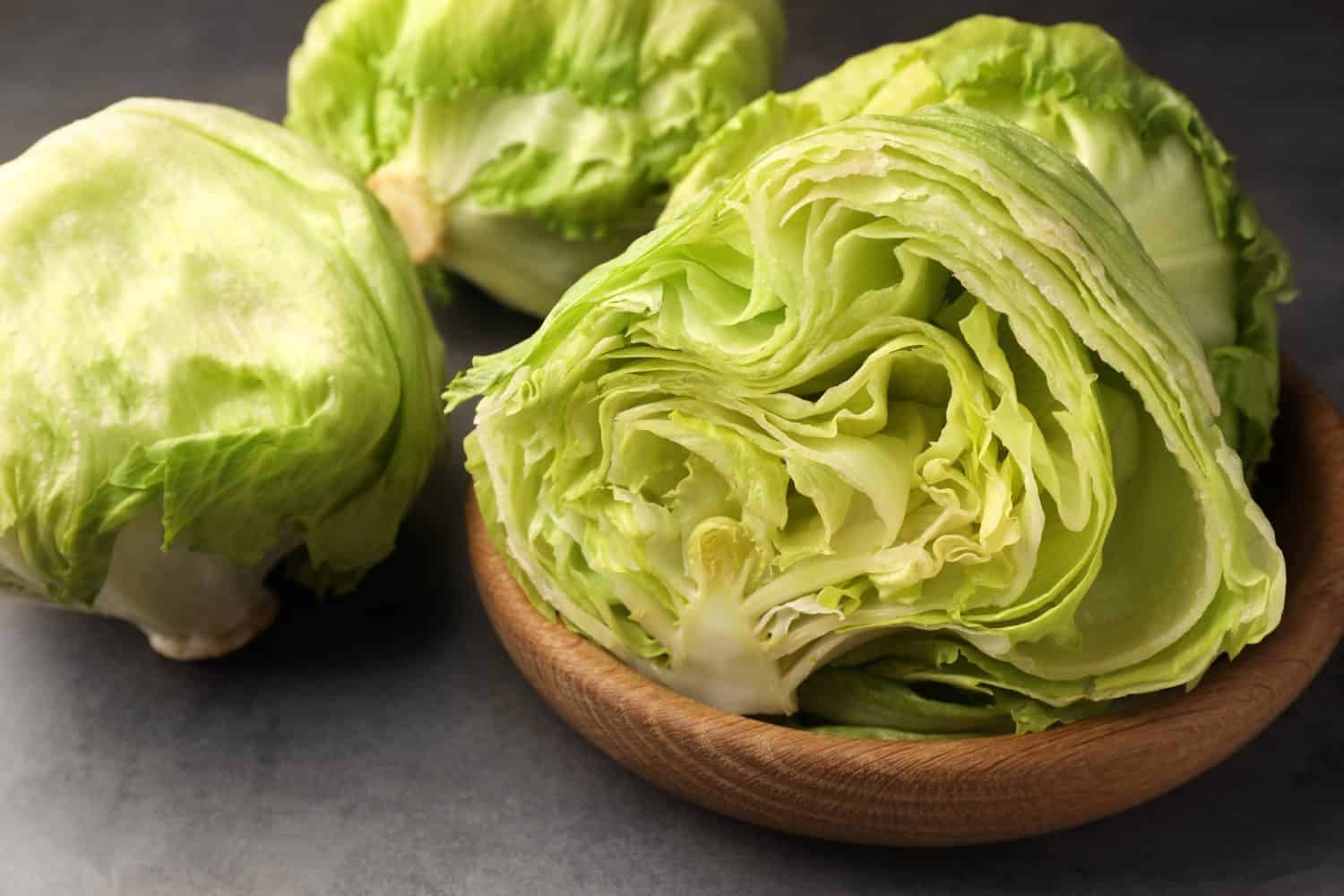
Iceberg lettuce lacks the nutritional value of darker types of lettuce for humans and rabbits alike.
©New Africa/Shutterstock.com
Read this entry carefully because not all lettuce is created equally. Many varieties of lettuce are a great addition to a rabbit’s diet. When you’re feeding your pet, go for the darker, leafier lettuce, such as green leaf and romaine. However, there are numerous issues with iceberg lettuce in particular. One is that, even if it wasn’t dangerous, iceberg lettuce does not contain many nutrients that will benefit a rabbit or even a human, for that matter.
The other issue is that iceberg lettuce, and potentially other light-colored lettuces, contain the chemical lactucarium. When ingested in large quantities, lactucarium can cause lethargy, diarrhea, and potentially other harmful side effects. When it comes to feeding your rabbit lettuce, there are other healthy routines to consider. One is to always wash the lettuce before feeding time to wash off chemicals and pesticides. Also, avoid all spoiled, moldy, and wilted lettuce. Finally, if your vet has informed you that your rabbit may have urinary tract issues, then avoid feeding them too many greens, or they could cause additional harm.
Another lettuce-like vegetable that can produce harmful side effects is silverbeet. Often referred to as chard, this vegetable is known to cause a variety of issues, from bloating to colic. It’s not fatal, but you should be careful. If your rabbit craves leafy vegetables, try leafy greens such as romaine lettuce, cilantro, and parsley.
Potatoes
Potatoes are another vegetable that you don’t want to feed your rabbit. Some people will say that potatoes are okay if they’re cooked, but the truth is that, cooked or raw, they should be avoided. The reason is that they are very high in starch, which is difficult for rabbits to digest. Trying to digest the starch could lead to diarrhea and gastrointestinal upset.
The other issue with raw potatoes in particular is that they contain solanine, which is a chemical that can cause multiple symptoms, including loss of appetite, lethargy, and abdominal pain. Even the potato plant itself, from the leaves to the vines, is also toxic to rabbits, so keep that in mind if you grow potatoes in your garden. Potatoes won’t likely result in death, but they should be avoided all the same.
Mushrooms
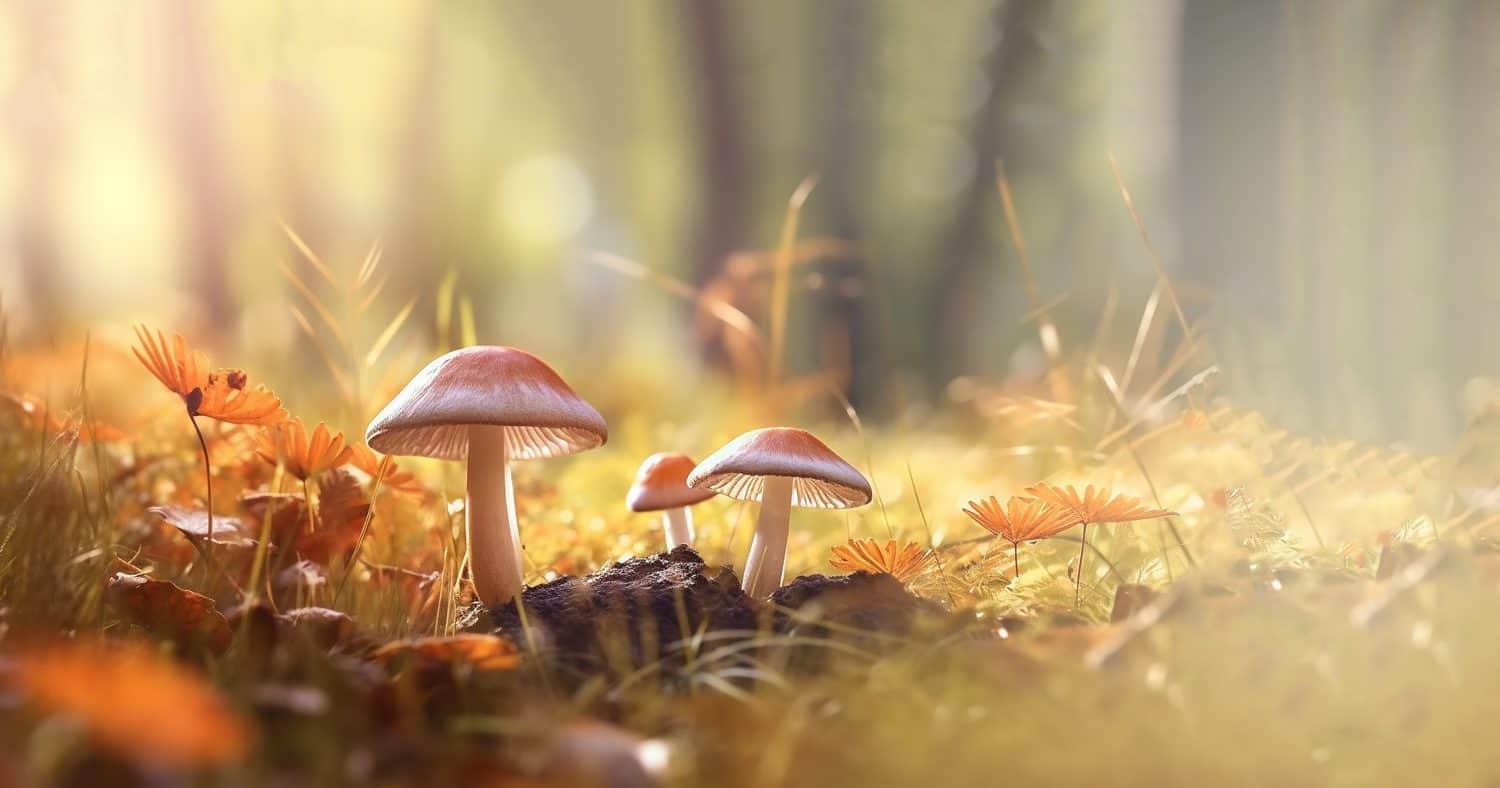
Whether purchased in the store or found in a forest, just about every type of mushroom is harmful to rabbits.
©A-photographyy/Shutterstock.com
Even if a wild rabbit sees mushrooms in the forest, they’re likely to avoid them. That’s because just about every type of mushroom is rich in mycotoxins, to one degree or another. Some mushrooms are less toxic than others, but if you see your rabbit eating any mushrooms, then bring them to the vet for help. When ingested, the mycotoxins can cause multiple harmful symptoms, including organ damage, severe illness, and potentially death. Don’t feed your rabbits mushrooms from nature or from the grocery store. Even if a mushroom had a mild amount of mycotoxins, they can cause nausea and stomach issues.
Many mushrooms also contain a complex carbohydrate called chitin. Rabbits lack the enzymes necessary to digest it, and the result can be digestive blockages and other issues. Even if they were not toxic, mushrooms do not have any nutritional value that would benefit rabbits. You can protect wild rabbits in your yard by inspecting the property for places where mushrooms can grow, such as places with decaying wood and grassy areas after rainfall.
Beans
Most beans should be avoided when you have a pet rabbit, especially broad beans (fava beans) and kidney beans. Just as in humans, beans can activate the digestive tract, but in rabbits, they can cause extreme sickness. Rabbits have trouble digesting the high carbohydrate content in beans. As a result, they may experience diarrhea, soft stools, bloating, abdominal discomfort, and disruption of the gastrointestinal tract. On top of that, many beans also contain calcium and phosphorus, which are quite acidic and can also cause physical unrest. Both raw and cooked beans can cause problems.
Meat
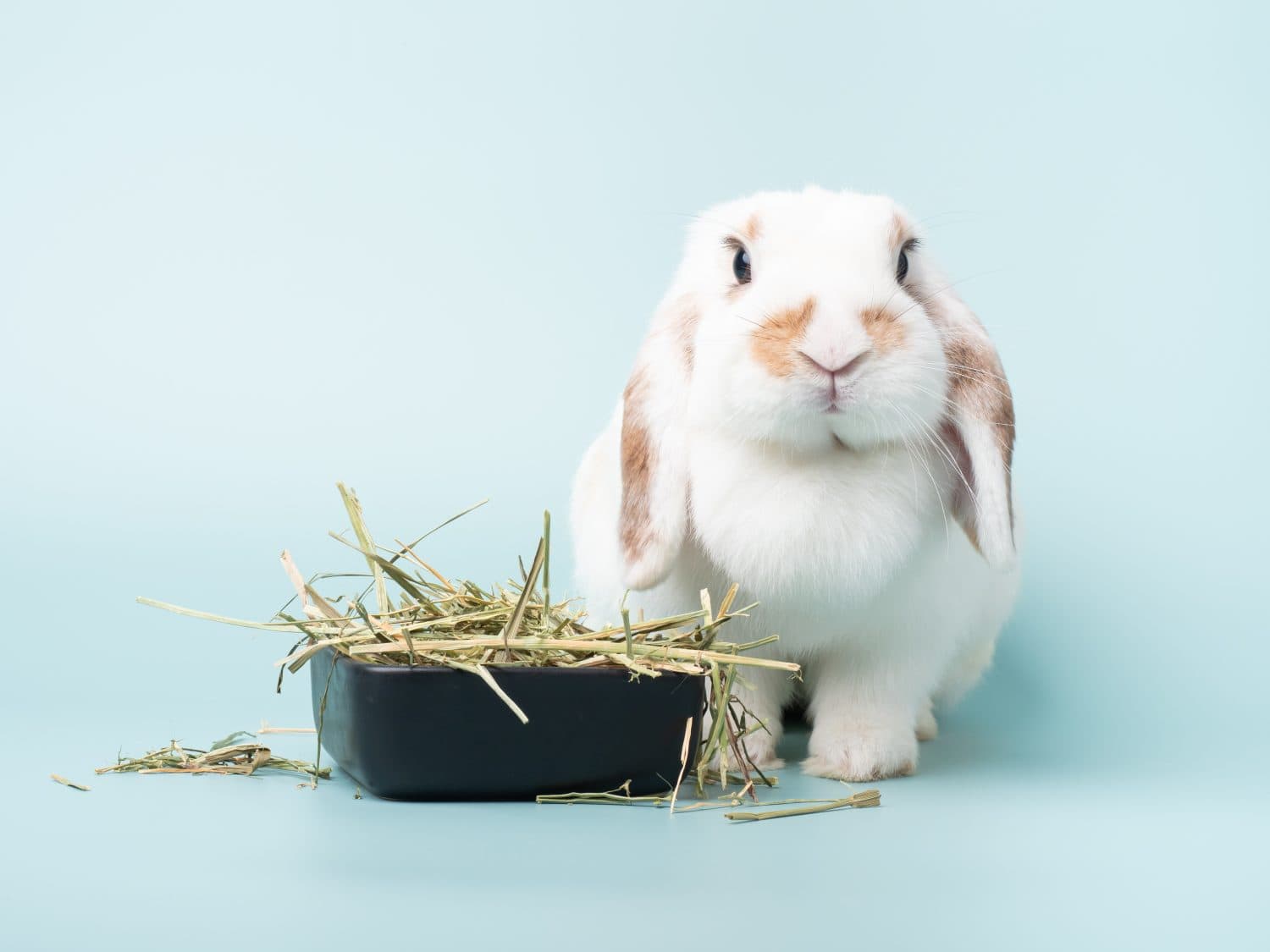
Food Diet Tip 101: Rabbits are herbivores that don’t eat meat.
©Arlee.P/Shutterstock.com
Rabbits should never eat meat. It may be obvious to some people, but if you’ve never owned a rabbit as a pet or you’re new to the world of rabbits, it needs to be pointed out that rabbits are herbivores. That means that both wild and domesticated rabbits will only eat plants.
Even if you put it in their cage, they’d be unlikely to eat it.If a rabbit were to eat meat, whether by accident or otherwise, it could cause serious digestive issues, including gut stasis and diarrhea. A rabbit’s digestive system is strictly adapted for a plant-based, high-fiber diet.
Along these lines, rabbits should never eat eggs or dairy either. Still, many pet owners ask if they can feed their rabbit yogurt drops as a treat. Avoid doing so. Yogurt drops and similar treats contain dairy, which can cause gastrointestinal upset, obesity, and dysbiosis (an imbalance in the gut microbiome).
Rhubarb
Rhubarb presents another example of how, even though your rabbit is a herbivore, they can’t and shouldn’t eat every vegetable and plant they come across. Though rhubarb is not found everywhere, it’s important to ensure your bunny does not consume this plant. Rhubarb is extra dangerous due to a concentrated compound it contains called oxalic acid.
Though not extremely dangerous when consumed in small quantities, if a rabbit eats too much or you mistakenly feed your pet large amounts, it can interfere with calcium absorption and cause toxic effects such as bloating, decreased appetite, mouth pain, lethargy, discomfort, and diarrhea. Since it can cause a lot of discomfort, try not to incorporate rhubarb into your pet’s diet at all.
Fruit Pits and Seeds
Rabbits are allowed to eat fruit, but you must be careful when preparing it for your pet. You must be sure to remove any pits or seeds. Either of those solid elements in fruit may contain the chemical cyanide. The chemical is most prevalent in apples, pears, peaches, apricots, mangos, cherries, and plums. While humans can generally tolerate the small amounts of cyanogenic compounds in fruit pits and seeds, ingesting large quantities can be harmful to both humans and rabbits. However, rabbits are much more sensitive to these toxins.
Granted, there are only trace amounts of cyanide in the pits, but it can still be dangerous. Prolonged exposure can cause major health issues, including organ damage and potentially death. It can also cause histotoxic hypoxia, which is a condition where cells cannot properly utilize oxygen.
Raw Allium Vegetables
Another category of foods rabbits should never eat is raw allium vegetables, such as garlic, leeks, shallots, and onions. They all contain a dangerous oxidant called n-propyl disulfide. When consumed, n-propyl disulfide attaches itself to the rabbit’s red blood cells.
This condition is dangerous for many animals, but rabbits are often more susceptible to harm because they are more at risk of oxidative damage. The rabbit’s internal systems will attempt to remove the oxidant from the blood, but in the process, red blood cells are destroyed, and this can cause sickness. If you notice symptoms such as weakness, stumbling, lethargy, or a sudden disinterest in food and water, consider what your rabbit ate last, and you may need to rush your pet to the vet.
What Should Rabbits Eat?
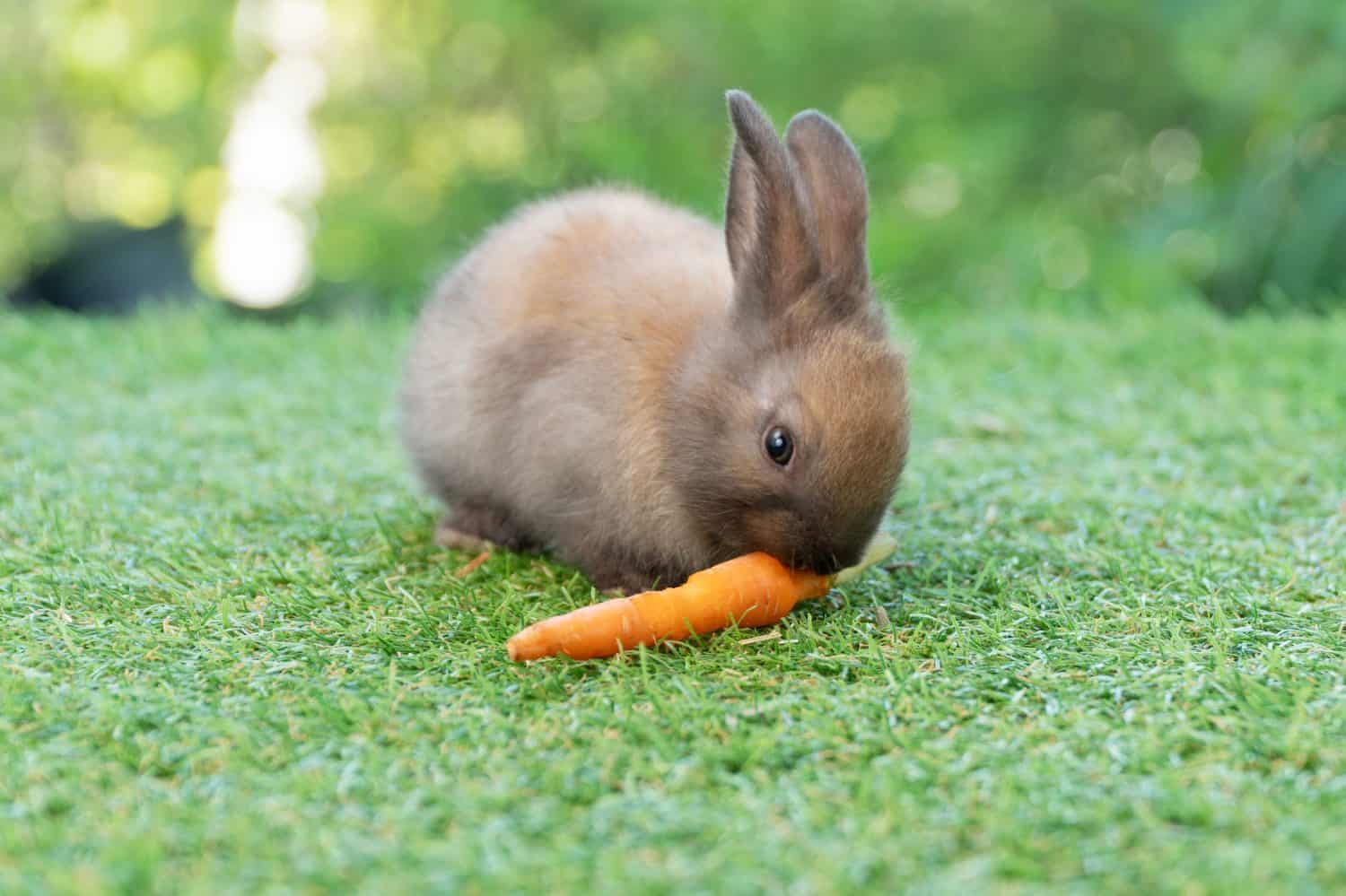
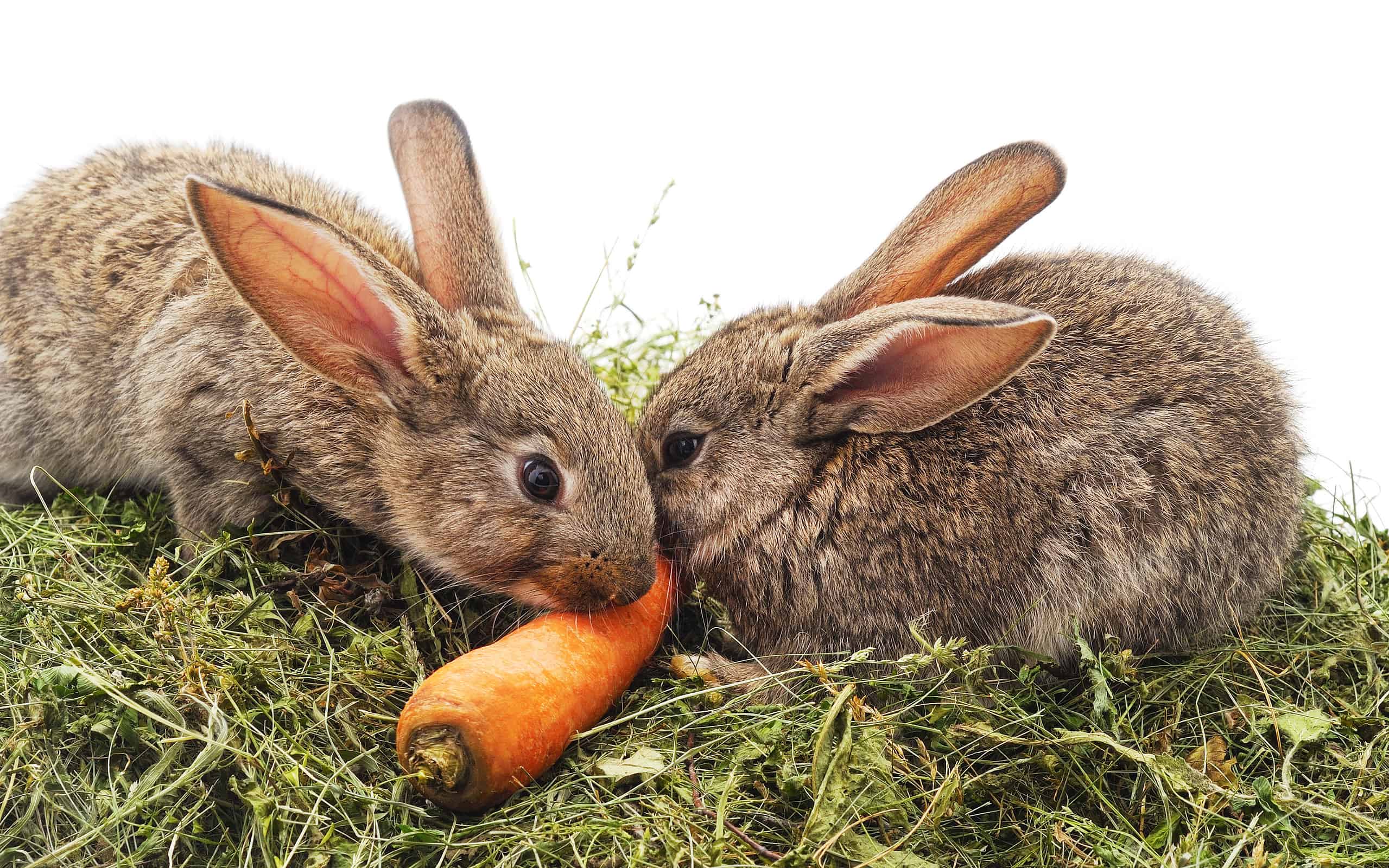
The cartoons have it right. Carrots are one of the foods that rabbits like most.
©Kaewmanee jiangsihui/Shutterstock.com
There are a surprising number of foods that your rabbit should avoid. So, what should you feed your pet instead?
One of the most common meals rabbits enjoy is oat or timothy hay. It’s nutritious, good for their digestive system, and helps keep their teeth at the proper length and size. You can also feed your rabbit most other vegetables not listed here. Rabbits particularly enjoy broccoli, carrots, parsley, collard greens, and mustard greens. Ideally, your rabbit’s diet should contain a mix of 75% hay and grass, 10% leafy vegetables and herbs, and 5% pellets.
You can purchase pellets at the pet store that contain most of the nutrients your rabbit needs. Don’t rely only on pellets, as they are high in calories and can cause rabbits to become overweight. Always keep an eye on your pet’s weight and monitor how much they eat and drink. If you become concerned, speak to the veterinarian. Finally, provide endless streams of fresh water so your pet can have adequate hydration. For a happy and healthy rabbit, follow the guidelines on this list and always be watchful of what your pet is nibbling on when out of sight.