
Cows are among the most commonly seen creatures in America and many parts of the world, especially if you live in or are driving through rural areas. You’ll see cows grazing and milling around in open fields along the roadway, and it’s always a bit of a thrill. However, although we see cows frequently, most people don’t really understand which foods cows are allowed to eat. More importantly, most people don’t know which foods and plants cows shouldn’t eat.
In this guide, we’ll tell you about eight different foods that cows shouldn’t eat, mostly due to their toxicity and the health issues they can cause. If you’re thinking about getting into ranching or farming, or you just love the beauty and peacefulness of cattle, this list is for you.
Soybeans
Though not fatal, it’s generally understood that cows shouldn’t eat soybeans. Cows are typically unable to successfully graze during the winter because the grass isn’t growing. So, to supplement the cow’s diet, many farmers will feed the cows hay mixed with other protein sources, including soybeans, but caution is necessary, as a few concerns have been raised.
One concern is associated with unharvested soybeans. It’s been found that raw and unharvested soybeans can contain enzymes that can lead to ammonia toxicity. Eating too many soybeans can shock a cow’s system, and excess ammonia can spill into the blood system, potentially causing death.
There’s another issue, and it’s that raw soybeans contain more crude protein and fat. As a result, if you don’t limit the cow’s soybean intake, it can lead to an offset in the nutrient levels and result in diarrhea. Finally, damaged soybeans that aren’t inspected can potentially have mold that can cause weakness, anorexia, and potentially even death.
All this doesn’t mean that cows can’t eat soybeans at all. Some sources say that cows can eat small portions of soybeans every day, but the feeding must be monitored.
Chocolate
It’s not common to hear about cows eating chocolate, but it’s not completely unheard of either. Many farmers and ranchers are known to give their cows occasional treats, including Skittles and other candies, primarily to provide the bovines with energy and sugar. This often occurs when corn prices are high or typical food becomes more scarce.
However, while not completely life-threatening, it’s wise to avoid feeding cows chocolate. It’s important to avoid feeding chocolate to almost any animal. It’s mostly because chocolate contains harmful elements: caffeine and the chemical theobromine. Dogs, ferrets, and other animals can experience harmful effects when eating chocolate, from vomiting to muscle tremors.
Some ranchers do give their cows chocolate, but they dilute it with water, so it’s not as harmful as it would be for other animals. However, there have been reports of some negative effects of chocolate in different cows. It’s possible that dairy cows could have a reduction in milk yield due to the theobromine in chocolate. Also, studies have shown that some young calves experienced negative effects, including sweating and increased heart rates. Bottom line: Be careful with cows and chocolate.
Onions
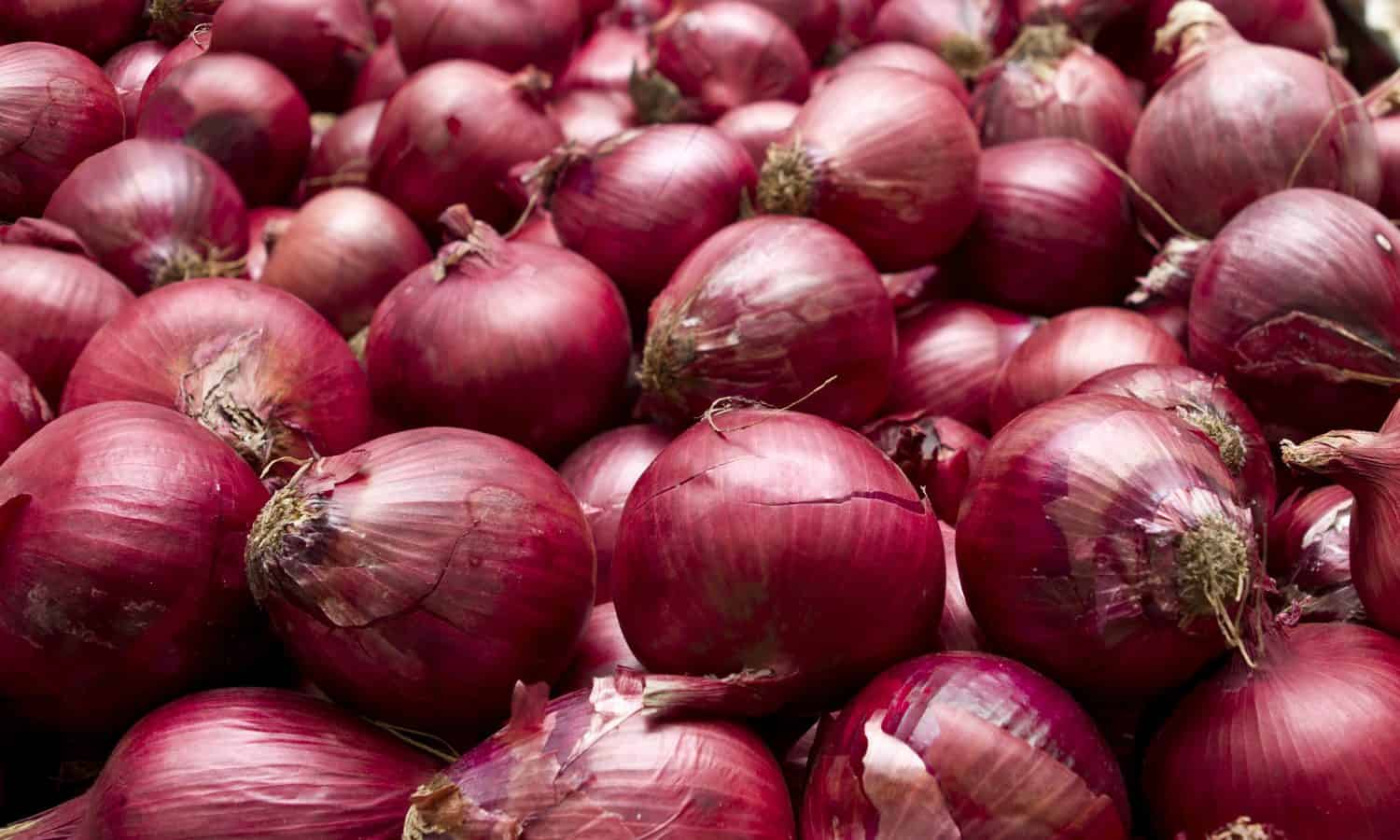
Cows can eat onions but they must the meal must be closely monitored or there’s a risk of onion poisoning.
©Krishnadas/Shutterstock.com
Onions are another food on this list that cows can technically eat. However, strong caution is necessary. This is especially when it comes to eating cull onions, which are leftover onions that are deemed not to be suitable for human consumption. Farmers often face issues because they are left with hundreds or thousands of cull onions, and they’re unsure how to get rid of them, which can take up valuable storage space. Many farmers will use a portion of those onions and turn them into cattle feed, especially during the colder seasons when cows don’t have enough grass to eat.
The problem is that farmers must control the amount of onions that cows eat. If cull onions are available, cows will eat a lot of them. As a result, they may start to experience onion poisoning. Also known as beef toxicosis, onion poisoning is an acute condition that can cause haemolytic anemia and has been known to lead to death. The symptoms of hemolytic anemia can include staggering, loss of appetite, an increased heart rate, and yellow-colored eyes.
Onions are also harmful to many other animals, including rabbits and ferrets, because they contain compounds such as n-propyldisulfide and rare amino acids, which can damage red blood cells. In the end, while cows can eat onions, don’t let it get out of hand.
Elderberries
You’ll find elderberries during your hikes and forest walks if you live in the United States and Europe. They are found on large shrubs and bushes, and they’re bluish-black in color. Humans can eat elderberries as long as they are cooked before consuming them. That’s to prevent the potential of cyanide poisoning.
Cows must also be cautious around elderberries. Ranchers should always be aware of elderberry bushes on their property, as the berries are quite resilient, even thriving in poor soil. Although cows won’t go out of their way to eat the plant, they may eat it mistakenly. Elderberries are a food that cows shouldn’t eat because of the toxicity of the cyanogenic glycosides and toxic alkaloids in the plant. As a result of consuming elderberries, cows could experience vomiting, nausea, organ failure, and potentially death. Basically, cows cannot get rid of the cyanide contained in the plant.
Excess Salt
Though it’s not as deadly as some of the other foods that cows shouldn’t eat, it’s possible that excess salt could hurt cows and livestock. Though cattle typically have a higher tolerance for salt, too much salt can be dangerous. Health issues involving salt can occur for many reasons:
- Cows have been deprived of salt for a long time, and they suddenly have it and may consume too much, causing a shock to the system.
- Cows have too much salt but an inadequate water supply.
- The only source of water available contains a high concentration of salt.
- Cows are living in places with hot weather and limited access to drinking water.
- The weather is too cold, and cows have salt, but the water is frozen.
Signs of salt toxicity in cows can include increased thirst, salivation, diarrhea, and abdominal pain. In severe cases, the issue can cause seizures, blindness, and partial paralysis. Sadly, there is no current treatment for salt toxicity, so it’s essential to prevent it from occurring in the first place. Cows should not have too much salt at a time. They also should not drink too much water at a time. Instead, giving cows smaller amounts of water on a frequent basis is better. The cow will stay hydrated, and the chances of salt overload will be reduced.
Cherries and Wild Cherry Leaves
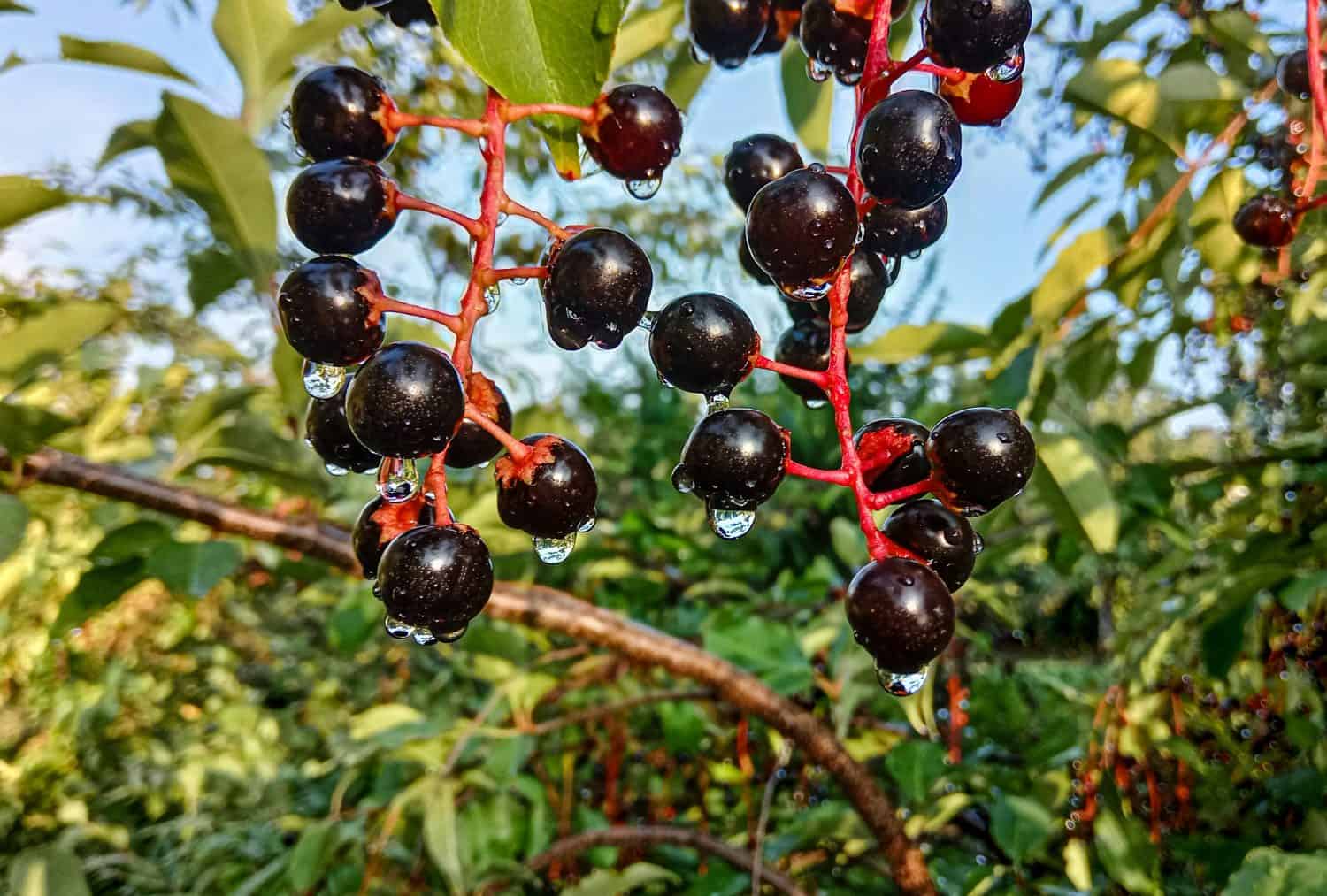
When wild cherry leaves are damaged, a chemical reaction occurs that can be harmful to cows.
©Kgkarolina/Shutterstock.com
Cows will often chew on any greenery that’s within reach, often while not realizing that a plant is toxic to them. That’s why ranchers must be aware of whether they have wild cherry trees in the area. Eating the cherries, and more importantly, the cherry leaves on these trees, can cause health issues, especially after storms. If the cows eat the leaves, they face the risk of cyanide poisoning.
This is due to a very unique phenomenon called cyanogenesis. This occurs when the cherry plant is damaged, either by a storm, by wilting, or by any other means. When that happens, the cyanogenic components can be converted to hydrogen cyanide. The plants become extra potent, and even a small amount can quickly cause many symptoms, including seizures, labored breathing, kicking, and paddling of the legs.
Cherry tree leaves that are impacted in this way are one of the most dangerous foods for cows. In addition to the symptoms mentioned, quick death is also possible. Prevention is key when it comes to saving cows from cyanide poisoning. Trees that are downed during a storm must be removed from the reach of cows. Then, the cattle should be completely removed from the area until the wet leaves are completely dry, which is when they’ll be less toxic.
Avocados
Many animals can face harmful consequences from eating avocados, and cows are no exception. The primary culprit in avocados is the chemical persin. The entirety of the avocado plant, from the fruits themselves to the seeds, stems, and leaves, is toxic to many animals. That makes them particularly dangerous for cows that may be trying to find any food they can on nearby trees, not realizing that the food is bad for them.
The primary threat of persin is that it causes the death of the tissues found within the mammary glands of milking animals. As a result, the cows could start to experience weakness, reduced milk production, difficulty breathing, and even potentially sudden death. The primary concern with avocados is the compound persin, which is toxic to cattle and can cause severe health issues. Ranchers who live in areas where avocados may grow should be certain that the plants are not within reachable distance of grazing areas.
Water Hemlock
Something that cows should never eat is water hemlock. In fact, it’s one of the most dangerous food sources for cattle on this list. It’s also toxic to humans. Water hemlock is considered to be the most toxic plant that exists in North America. It’s identified by its long stems and umbrella-like clusters of small white flowers.
The substance that makes water hemlock toxic is called cicutoxin, which is a poisonous unsaturated alcohol that is present in the leaves, stems, and tubers. The plant mostly grows in marshes, meadows, and pastures, which could put it directly in the path of cows. Worse, it begins growing in the spring when cows are out grazing.
Once a cow eats water hemlock, the symptoms can begin to occur in as little as 15 minutes. The effects in cows can include excessive salivation, muscle twitching, rapid breathing, tremors, and violent convulsions. Very soon after, the cow could fall into a coma, but will likely die. The typical cause of death would be the cardiovascular collapse that occurs when the animal is experiencing convulsions.
It is possible to cure and save a cow from death, but protective measures must be taken immediately, and even then, it is not guaranteed. The treatment would include using tranquilizers or barbiturates to prevent seizures. The existence of water hemlock means it’s essential for ranchers to inspect their fields and spray any stems and leaves of water hemlock with herbicide. Caution is necessary to protect the life of your cattle.
What Cows Can Eat
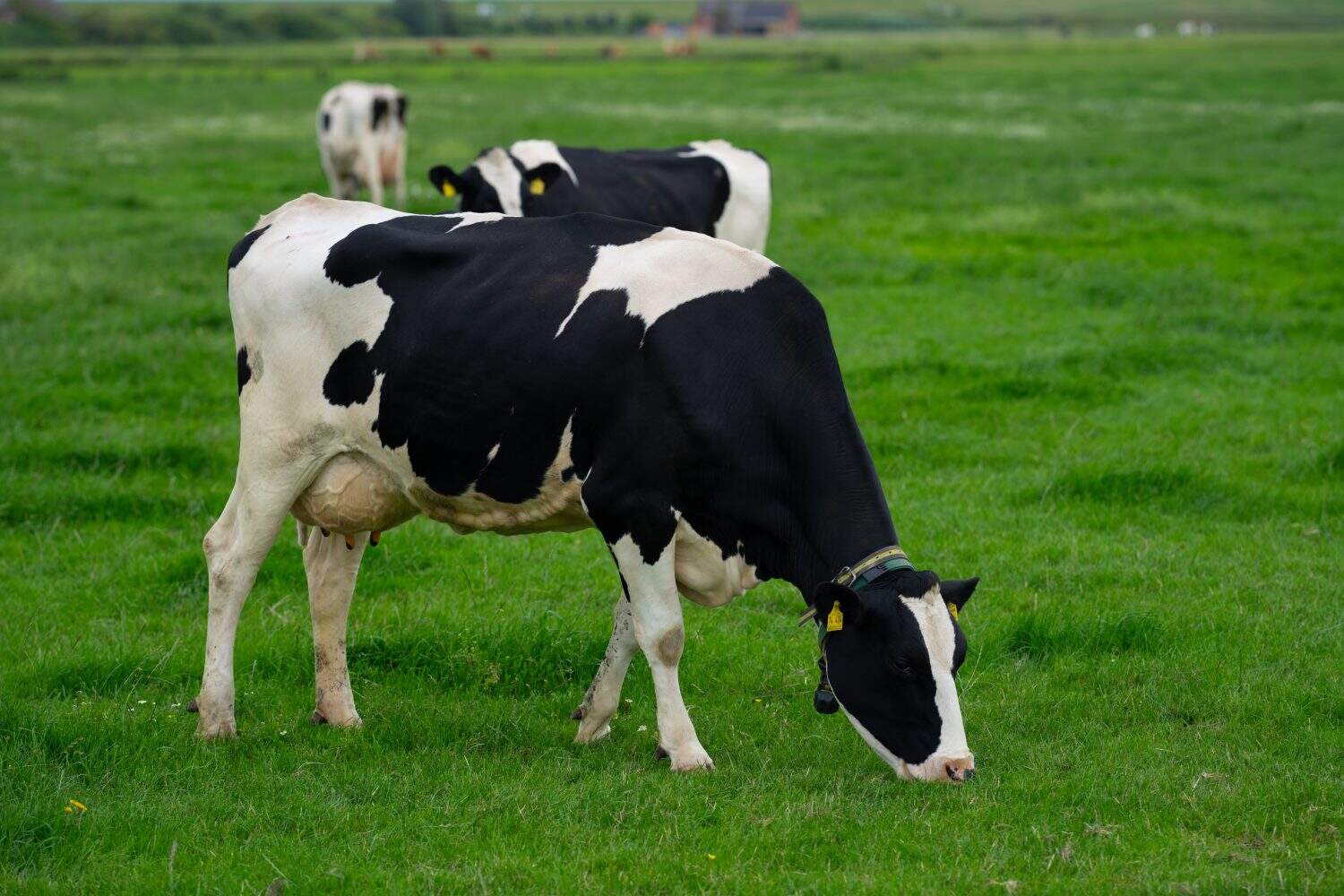
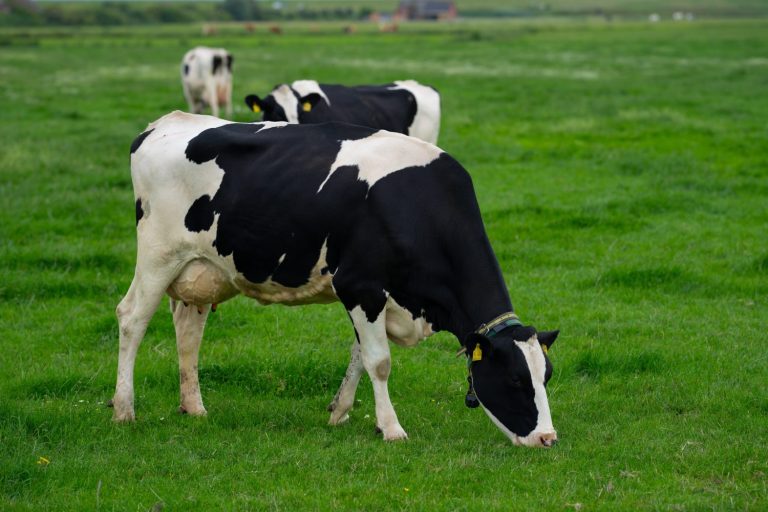
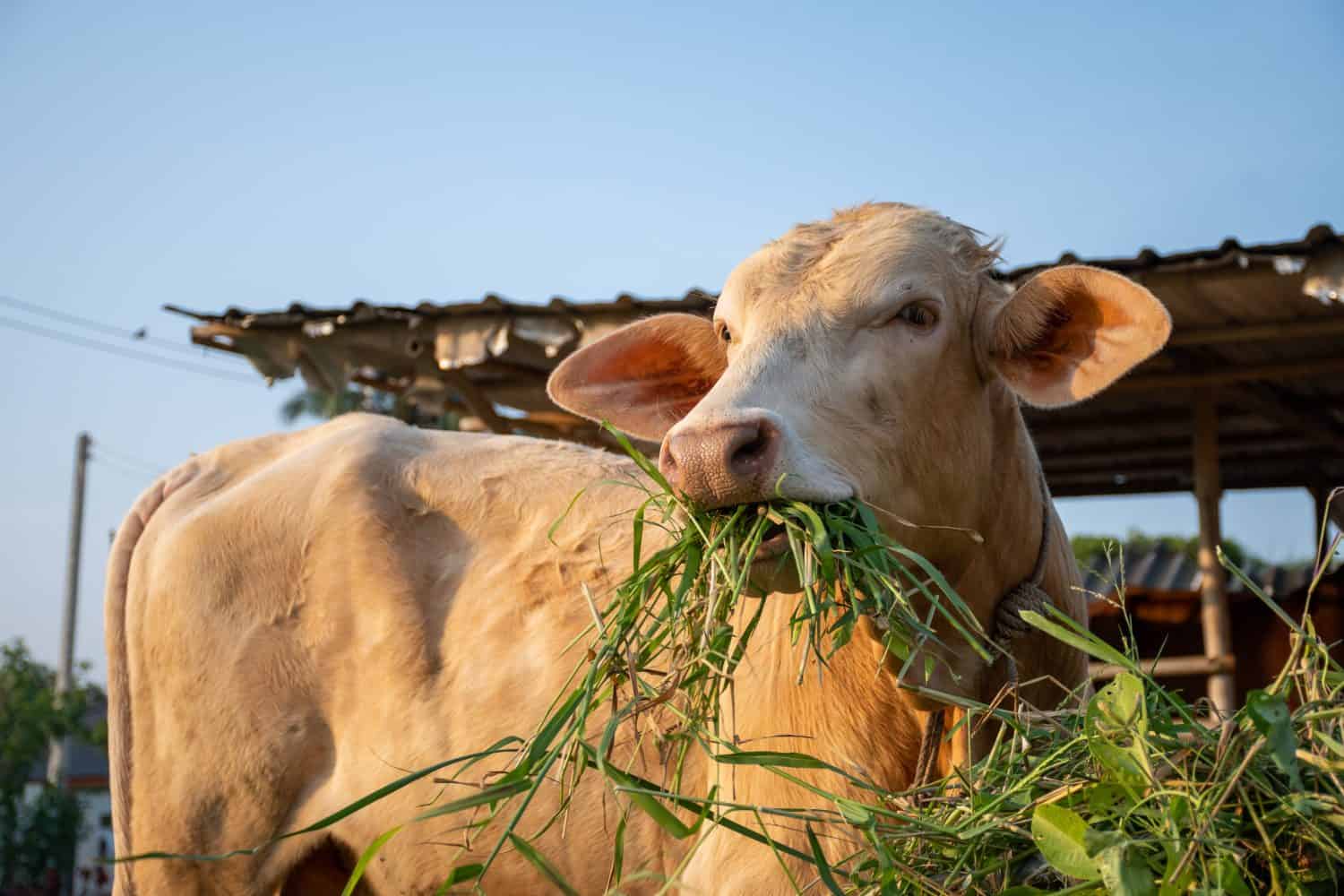
Cows usually eat grass when it is available, and rely on hay during seasons when grass is not plentiful.
©K-Shoot Background/Shutterstock.com
Finally, let’s talk about the food that cows can and should eat. Cows are herbivores, meaning that they do not eat meat. Instead, they consume natural sources. When you see them grazing in a field, they’re typically eating grass, shrubs, plants, flowers, and herbs. They’ll also eat leaves, twigs, and the bark of trees. As the name suggests, grass-fed cattle must eat a lot of grass, and they spend most of their time doing so.
Cows also eat hay on a regular basis because it fills the gaps in their diet that grass cannot supply. They’ll consume timothy hay, Bermuda grass hay, alfalfa hay, and more. Hay is particularly important during droughts, colder months when grass is sparse, and any other time when grazing is impossible. Similarly, cows also consume a lot of grains, which include barley and corn, to give the cows energy.
Another part of a cow’s diet is silage. That’s the name for various fermented grasses and crops that are kept in silos. They are airtight environments that preserve the food for longer. Finally, cows eat a variety of vegetables from apples to blueberries and bananas to get the nutrients they need. These tasty fruits are sweet and often serve as special treats to provide variety and enjoyment in their diet.