
Quick Take
- Bread triggers a physical deformity in ducks, and most birds never recover from it. See the deformity explained →
- The bread ducks don't eat may actually be more dangerous than what they swallow. See how leftover bread harms water →
- Switching to 'healthier' food for ducks sounds like the obvious fix, though it comes with its own catch. Explore the safer alternatives →
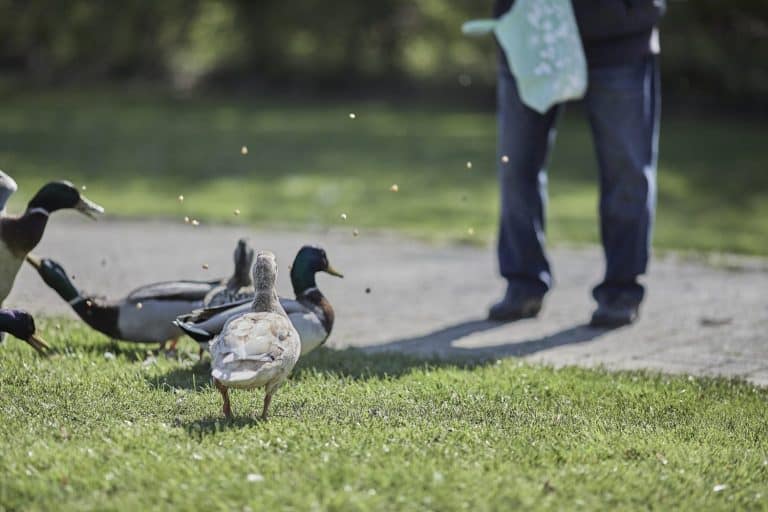
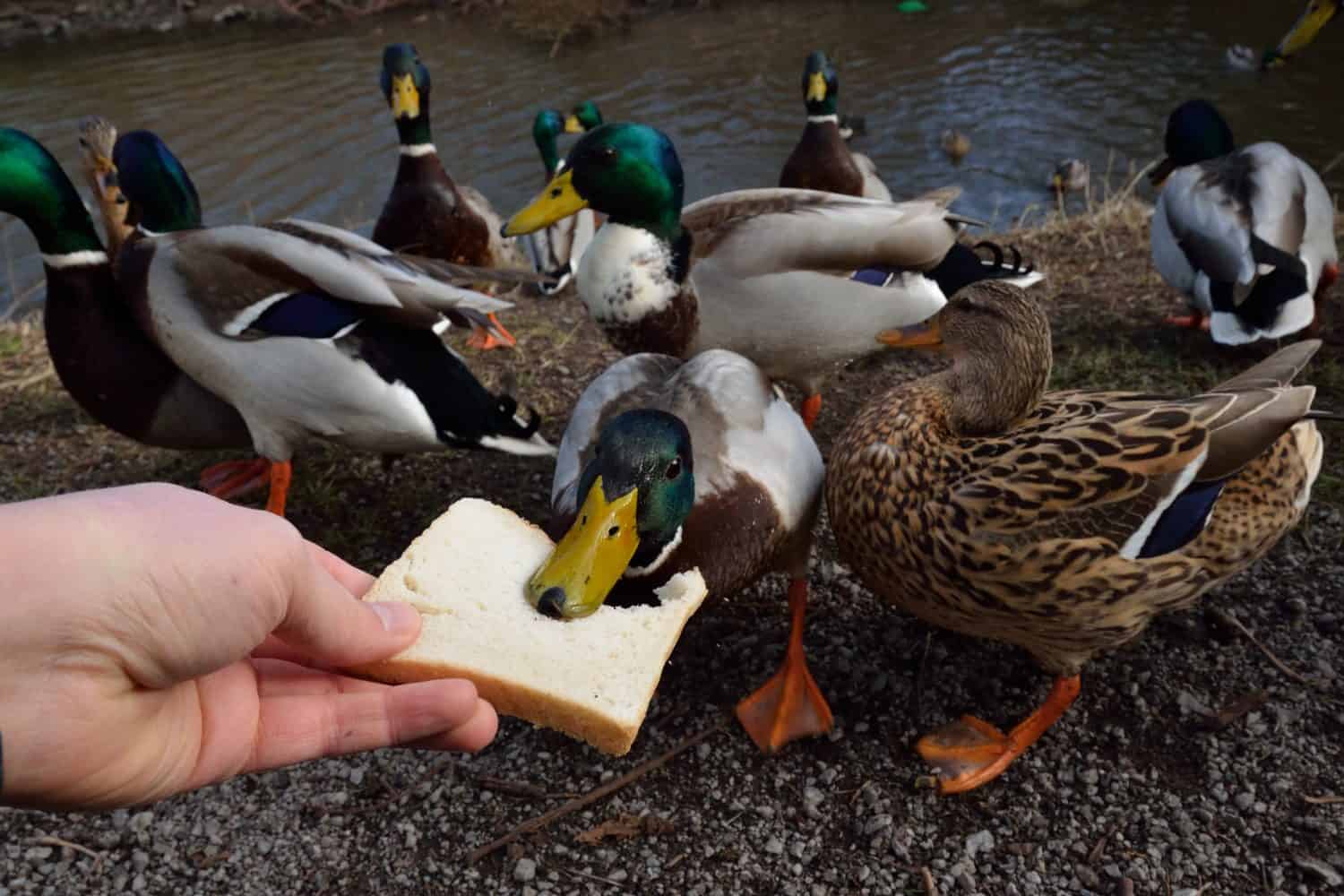
It seems innocent enough to toss a duck your spare bread crust, but this lakeside pastime may actually be killing thousands of ducks each year. With little nutritional value and a high calorie count, it’s essentially junk food for wildlife. And the more frequently ducks consume our table scraps, the more likely they are to develop deformities and nutrient deficiencies.
Further evidence suggests that those carb-loading snacks may even disrupt the balance of lakes and waterways. This act leaves a trail of breadcrumbs that, if not stopped, could lead to serious consequences for ducks and their ecosystems.
Bread Causes “Angel Wing” Deformities
We’re not talking about the wings ducks earn when they cross the rainbow bridge. This “angel wing” results from eating high-calorie, low-nutrient foods, such as bread, crackers, and pastries. Too many simple carbohydrates and not enough protein and fiber stunt a duck’s digestion and growth rate. Their bodies are unable to break down these foods as ours do, leading to joint deformities.
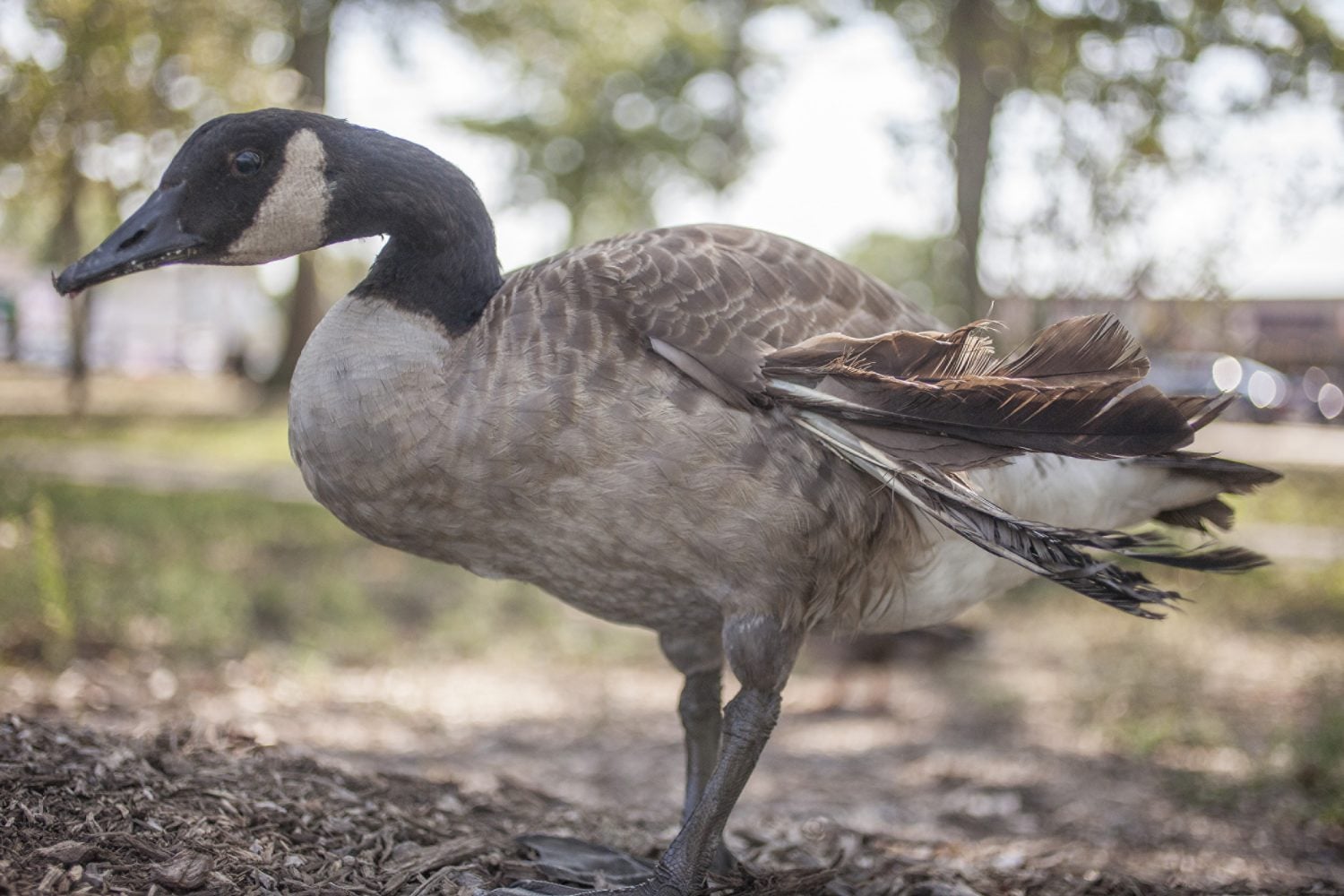
Once ducks reach full maturity, the damage done from angel wing can’t be reversed, and they’re left with crooked wings.
©Frank Reiser/Shutterstock.com
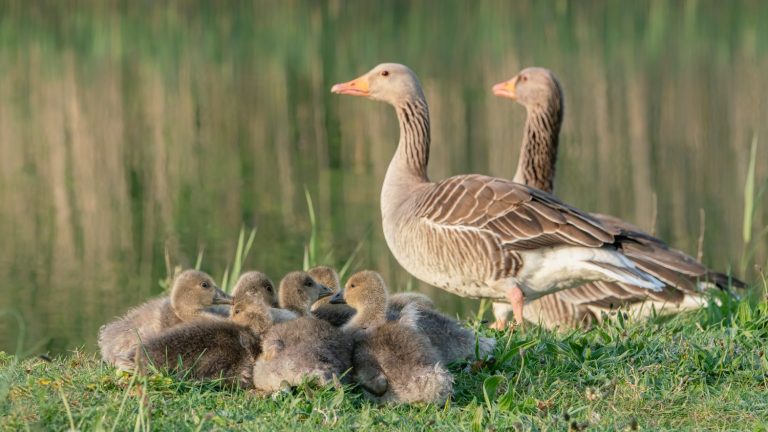
This condition, also known as an airplane wing, crooked wing, or slipped wing, doesn’t affect only ducks. It can also happen to geese and swans, especially where bread is an easy meal to find. When hatchlings gorge themselves on high-carbohydrate foods, their feathers grow faster than their bones. As a result, their wings become twisted outward as the joints bend under the weight of their plumage.
Angel wing can affect one or both wings but primarily affects the left wings of ducks. The deformity can only be corrected at a young age; once a bird has entered into adulthood, its disability becomes permanent. Sadly, too many ducks, geese, and swans don’t get the help they need before their crooked wings are fully grown. Ducks only have 7 to 9 weeks before their bones harden, which is not much time for rescues to save all those affected.
Carb-Loaded Lakes Become Toxic
The bread that isn’t eaten by ducks becomes a toxic wasteland for those living in lakes and ponds. As bread sits in water, it slowly decomposes due to increased moisture. This is the perfect recipe for an algae bloom, which feeds on the phosphates and nitrates bread leaves behind as it breaks down and sinks. When algae are left to grow, they absorb oxygen from the surrounding water. This deprives marine life — such as fish, snails, mussels, and eels — of vital oxygen levels.
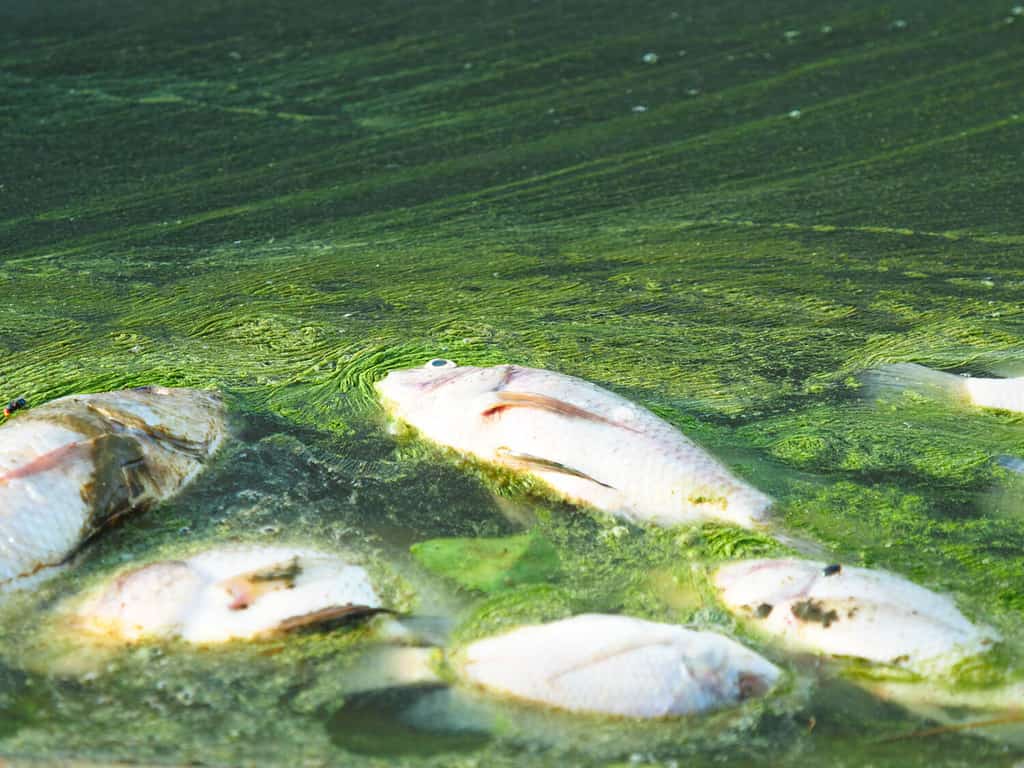
Algal blooms are toxic and restrict sunlight while lowering water oxygen levels.
©O partime photo/Shutterstock.com
Depending on the lake or pond size, an algae bloom can also block out sunlight. As more green or blue blooms spread on the surface of a pond, sunlight is unable to penetrate its thick layer. This can quickly kill aquatic plants, which serve as food and shelter for marine life. Between the release of carbon dioxide and the algae bloom, large pieces of bread can also breed bacteria. Avian botulism and mold are byproducts of this and can be fatal to ducks, geese, and swans.
In rare instances, leftover bread can also attract pests or unwanted predators. Rats have an extremely good sense of smell and can track bread to nearby ponds or lakes. They can prey on bird eggs, chicks, and small animals near water, posing a threat to local wildlife. It can also attract other birds and additional ducks, which can spread bacteria from rotting bread.
Can You Still Feed the Ducks?
Some foods to avoid include citrus fruits, which are high in acid and can cause digestive issues. Avocados should also never be fed to birds, as they can induce heart failure in ducks.
While bread does nothing but fill a duck’s stomach, there are other, safer alternatives. High-nutrient foods that are low in carbohydrates include:
- Sweet corn
- Peas
- Shredded lettuce, kale, and romaine
- Oats
- Cut fruit and berries
- Birdseed
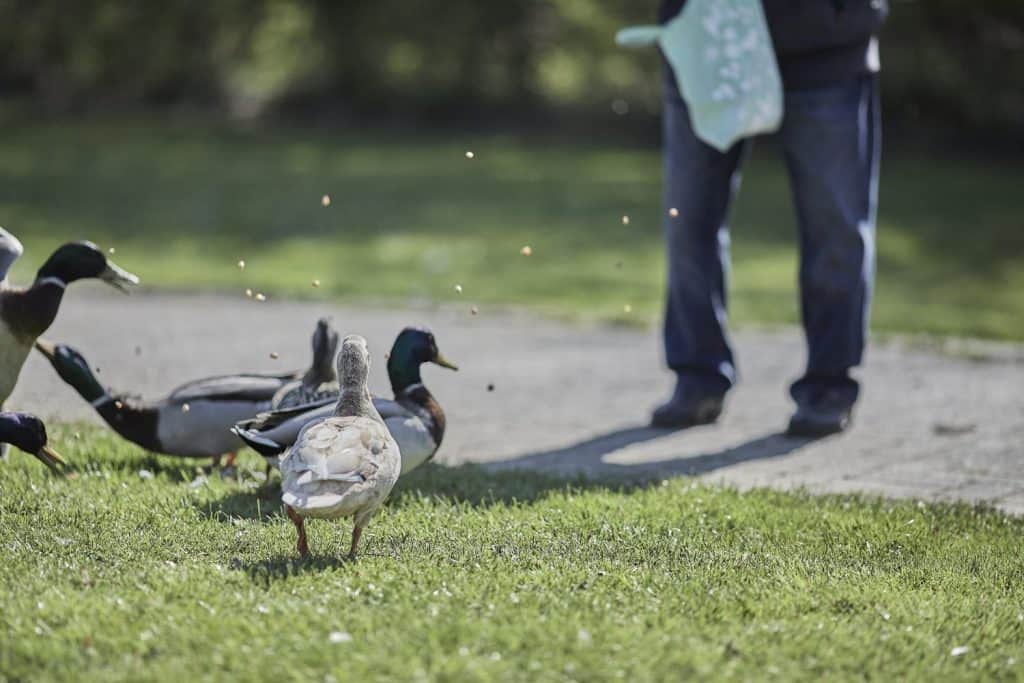
Feeding ducks isn’t necessarily recommended, but there are healthier alternatives than bread.
©Wirestock Creators/Shutterstock.com
Although these foods are healthier, they can still harm freshwater ecosystems. Feeding ducks, geese, or swans too much results in food waste. If this leftover food falls into the water, it can still rot or mold, causing issues similar to those with bread.
Feeding wildlife should also be done infrequently. Birds and other nearby animals can quickly become used to getting fed all the time. If this happens, it can disrupt their natural feeding or hunting cycles. Animals that depend on humans become fearless and may soon forget how to survive on their own.