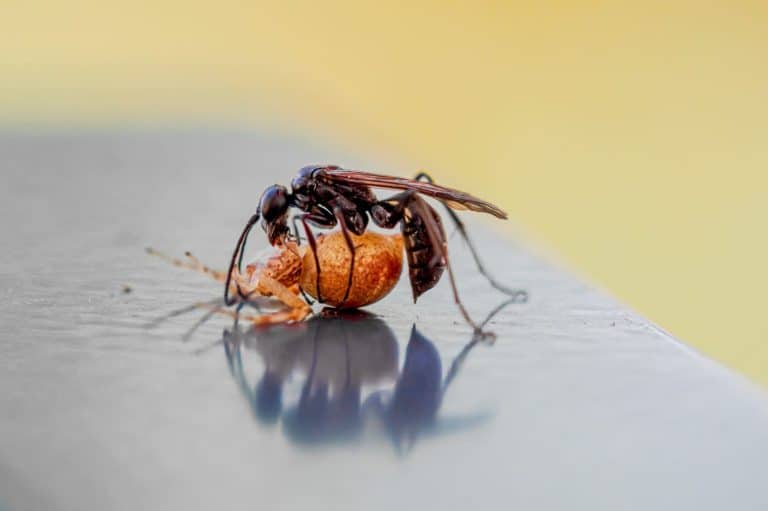

There is a fascinating battle going on in this YouTube clip. It shows a daddy long-legs (also known as a cellar spider) in a confrontation with a wasp. Surprisingly, it is the daddy long-legs that has the upper hand, and the wasp looks defeated. Will it be the spider’s next meal? How did this spider manage to overcome a creature as ferocious as a wasp? Read on to find out.
Cellar Spider’s Hunting Capabilities
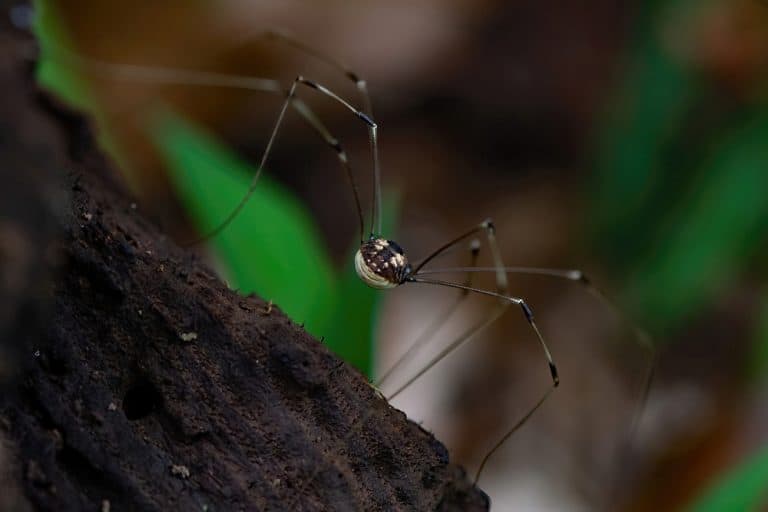
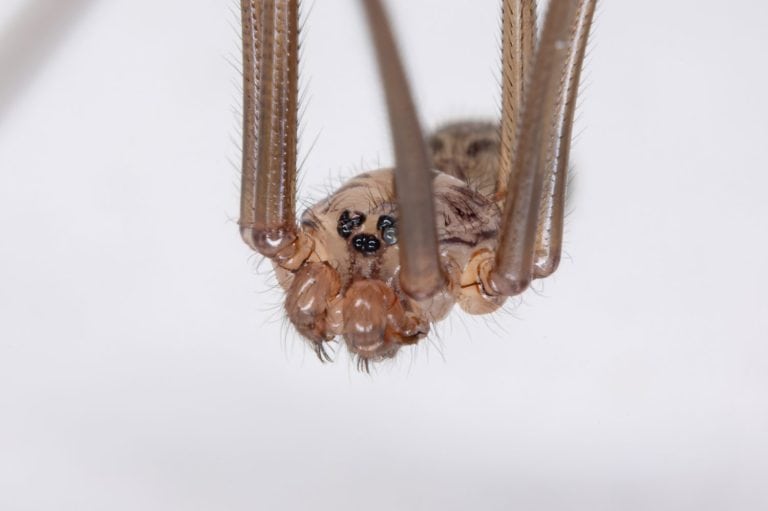
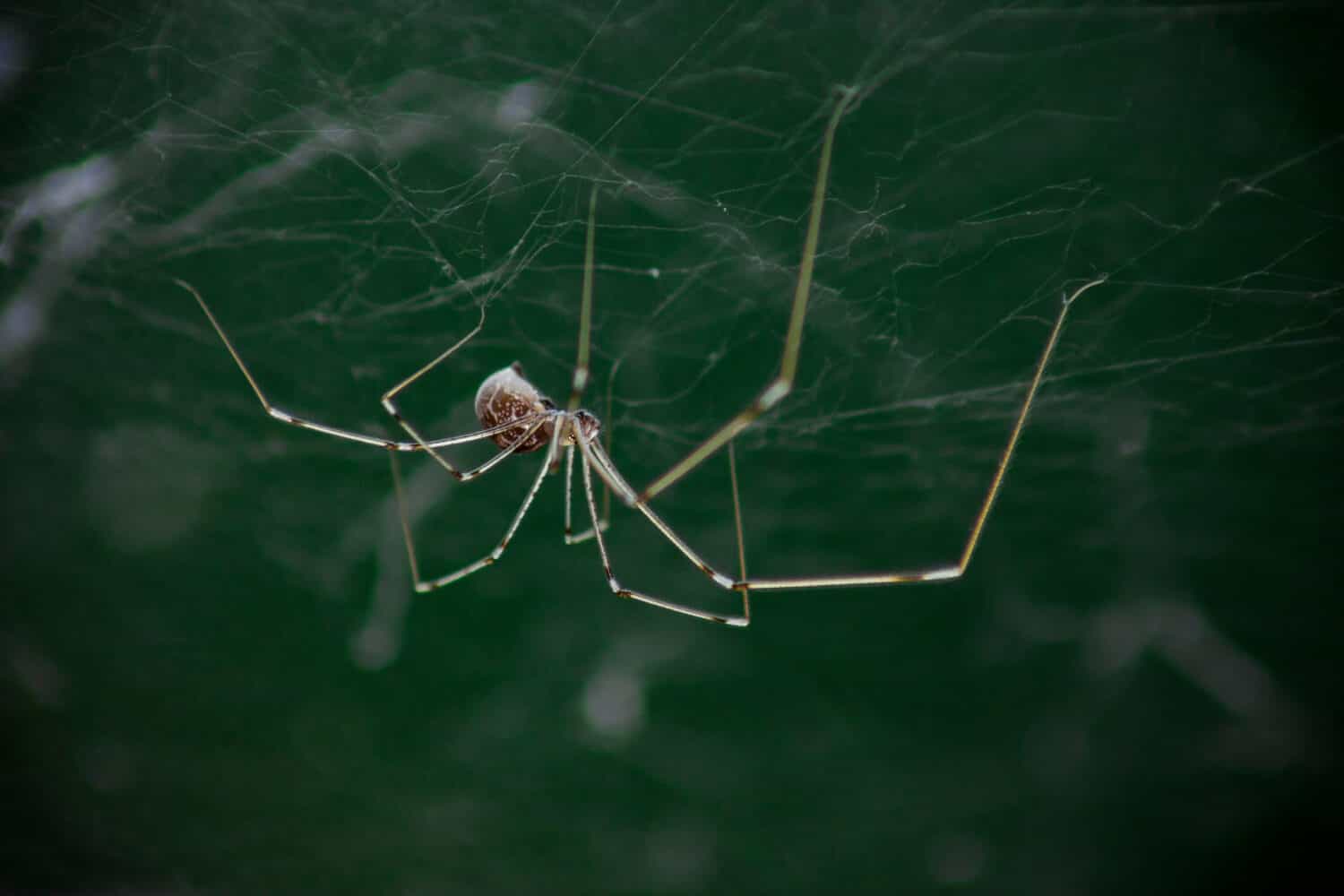
The common cellar spider (Pholcus phalangioides) is found throughout the world except in Antarctica. As you would expect from their name, they like low-light conditions, so they are found not only in basements but also under stones, ledges, and in caves.
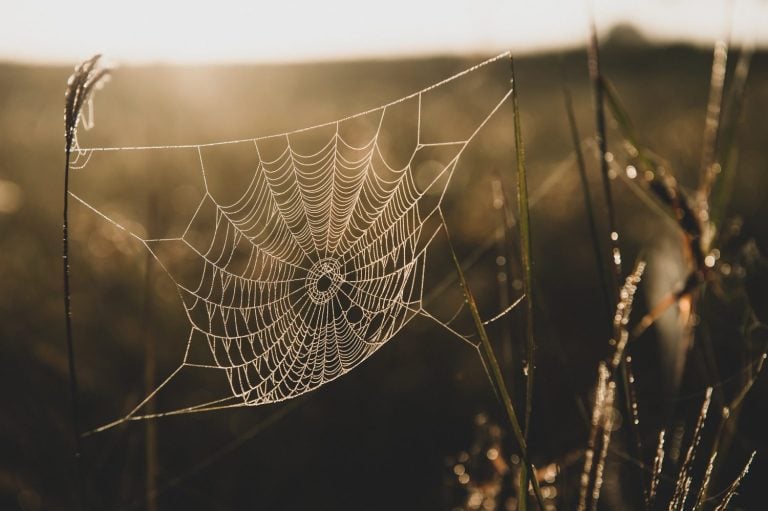
Their webs are quite messy—large, loose, flat, irregularly shaped, and oriented horizontally. Despite their spindly and rather delicate appearance, cellar spiders are deadly hunters! This is because they use their long legs to great effect. It means that they can wrap up the wasp in their silk while their body is safely out of reach. Their first move is often to throw silk at the ensnared prey before biting it. Cellar spiders possess both fangs and venom glands. However, they typically immobilize their prey with silk rather than with venom.
Wasp in Trouble
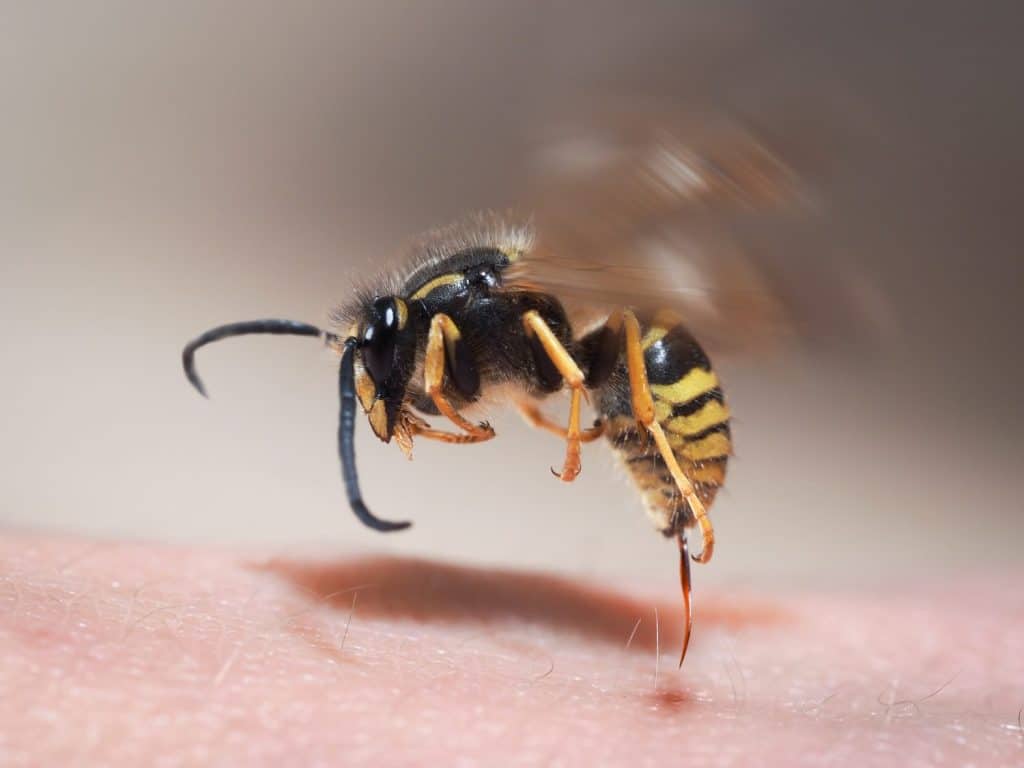
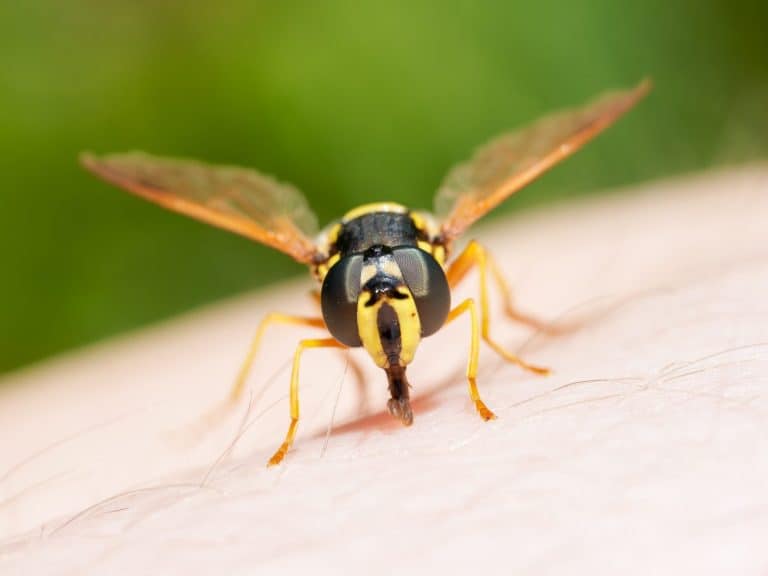
Wasps can sting multiple times.
©Irina Kozorog/Shutterstock.com
The wasp in this clip is clearly in trouble and will likely end up as the cellar spider’s next meal. Wasps are narrow-waisted insects and represent a highly diverse group. There are over 100,000 described species throughout the world, with many more likely yet to be discovered.
Sadly, they are not the most popular animal on the planet despite the fact that they play a vital role in many ecosystems. They can be very bothersome, especially in late summer. This is because, as the colony’s larvae mature and pupate in late summer, worker wasps lose their main source of sugary secretions and begin to seek out alternative food sources, making them more noticeable and aggressive.
Wasps have earned a reputation for being aggressive, but not all wasps sting. The solitary wasp species rarely stings at all. When wasps sting, however, they can sting multiple times. This is because their stingers are smooth and do not detach from their bodies after stinging (as happens with a bee). This wasp would certainly have tried to sting the spider to defend itself. However, the cellar spider was able to keep the stinger away from its body by using its long legs, so the fate of this wasp is probably sealed.