
Quick Take
- The breeds topping 2026 bite reports aren't Pit Bulls or Rottweilers, and the real list will catch most dog owners off guard. See the surprising breeds →
- A dog's popularity turns out to be a more powerful predictor of bite incidents than its temperament, and the math explains why. See how popularity skews data →
- The factor most owners overlook has nothing to do with breed, and yet it is what experts say actually drives bite risk. Discover the real risk factor →
- Even the friendliest-looking family dog carries a risk that most owners don't think to watch for until it's too late. Understand your dog's signals →
Beyond the Stereotypes: Which Dogs Top the Bite Reports?
Dog bites rarely escape discussion on social media or in casual conversations. For years, a set of expected culprits have dominated the public imagination. Images of powerful, stocky guard dogs, often linked to aggression, are passed around, fueled by sensational headlines and viral stories. But recent 2026 data is turning that narrative upside down.
The numbers don’t paint the picture many expect. In France, the Labrador Retriever, German Shepherd, and Jack Russell Terrier lead bite incident counts. Unlike their intimidating reputation, these breeds are more commonly associated with family life: Labs are favorites in homes, German Shepherds often serve as both protectors and companions, and Jack Russells bring energy to city apartments and country houses alike. None are widely considered naturally aggressive.
The Numbers Behind the Surprise
So why do these familiar faces top the list? The explanation is statistical, almost mathematical, rather than behavioral. Popularity puts dogs in more homes, increasing opportunities for incidents simply by force of numbers. When a breed is seen everywhere from neighborhood parks to suburban backyards, it’s almost inevitable it will appear frequently in bite reports, regardless of temperament.
This pattern reveals something critical: context matters a great deal. Factors like socialization, upbringing, home environment, and whether young children are present all weigh more heavily than any supposed innate aggressiveness tied to breed. A poorly socialized dog, regardless of its background, may react out of fear, pain, or frustration.
Paradoxically, a breed’s popularity plays a central role in its appearance in bite statistics, drawing a clear line between what’s truly risky and what’s merely common.
What the Data Really Tells Us
These new figures challenge more than old stereotypes. They push us to look differently at dog bites, shifting the focus away from breed-specific blame. Dedicated experts and educators stress the importance of early socialization, attentive training, and reading a dog’s signals before trouble starts.
Watching for signs of discomfort, investing in positive education, and fostering safe spaces for dogs and humans alike matter more than labeling certain breeds as dangerous. The numbers are not an indictment of Labs, Shepherds, or Jack Russells, they’re a reminder that context, education, and careful supervision are what really reduce risks.
A Different Perspective on Man’s Best Friend
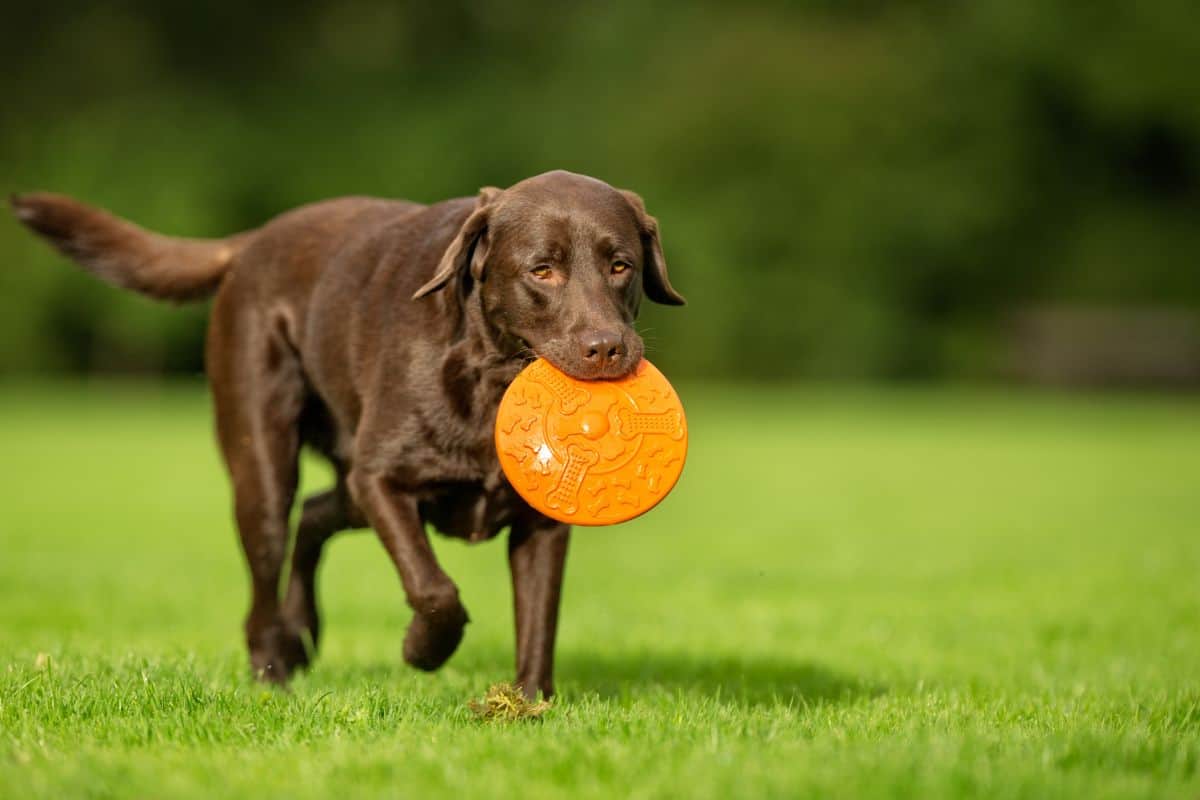
When a happy Labrador runs up for a pat in the park, it may be worth remembering what these statistics actually show: no breed is inherently fated to bite, and no family is immune simply because their dog looks friendly. The lesson is to pay attention to what our dogs are telling us, sometimes long before trouble starts.
With each new data set, the story becomes less about breed and more about the complex relationship between dogs, their caregivers, and the world they share. It’s not about which dog bites, but what we can do to understand and support all our companions better.