
Quick Take
- Selective breeding was supposed to make meat production more efficient, yet what it actually does to the animals involved is far more disturbing than most consumers realize. See the full reality →
- The farm animals you eat may be smarter than your pet, and what science now says about their inner lives makes the ethics of factory farming impossible to ignore. Explore the science →
- A Holocaust survivor drew a parallel between history's darkest chapter and the factory farming industry, and his reasoning sparked a movement that is still growing today. Discover the origins →
- Strict veganism hasn't grown much in decades, yet the plant-based food market tells a wildly different story about how American eating habits are quietly shifting. See the shifting trends →
For most people, the ethics of eating farm-raised meat are seldom considered. After all, nearly every package of store-bought chicken or beef comes from factory farms. It’s affordable, accessible, and convenient. Yet, a stark reality underpins much of our modern meat consumption. Every day, thousands of animals are killed across the world for our food. Even before slaughter, they spend their lives in relative agony. They are routinely deprived of sunlight, space, fresh air, and any sense of agency. It can be easy to ignore the lives of factory-farm-raised animals when you are far removed from them. It’s harder to stomach the circumstances that bring meat to your table when you realize the suffering, torment, and lack of dignity involved.
In 2026, several organizations have joined forces to dedicate the third week of September to National Farm Animals Awareness Week. They ask us to consider the conditions many farm-raised animals experience before being slaughtered. To do so, we must look at animals’ complex emotional lives and evolving animal-welfare standards in agriculture. This awareness week also hints at a growing plant-based revolution. This movement may play a bigger part in food consumption in the coming years. In honor of National Farm Animals Awareness Week, let’s explore the history of the movement, the complex inner lives of animals, and how our dietary choices affect the fates of millions of animals in factory farms.
The Harsh, Brief Lives of Factory Farm Animals

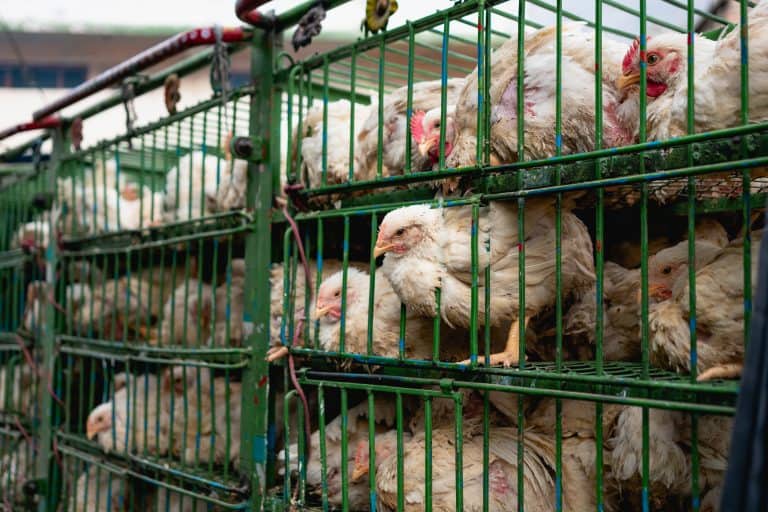
Factory farms often rely on cruel methods to ensure high volumes of meat production.
©Humane World for Animals
Every year, more than 80 billion land animals are raised and killed for our food. It can be hard to wrap your head around such a large number, but sites like Animal Clock paint a dynamic picture. Watching the animal kill clock for just a few seconds shows just how many hundreds of animals are killed each minute, all so we can shop and eat with convenience. The scale of this slaughter has only evolved in the past few decades, and it relies on grim, torturous conditions.
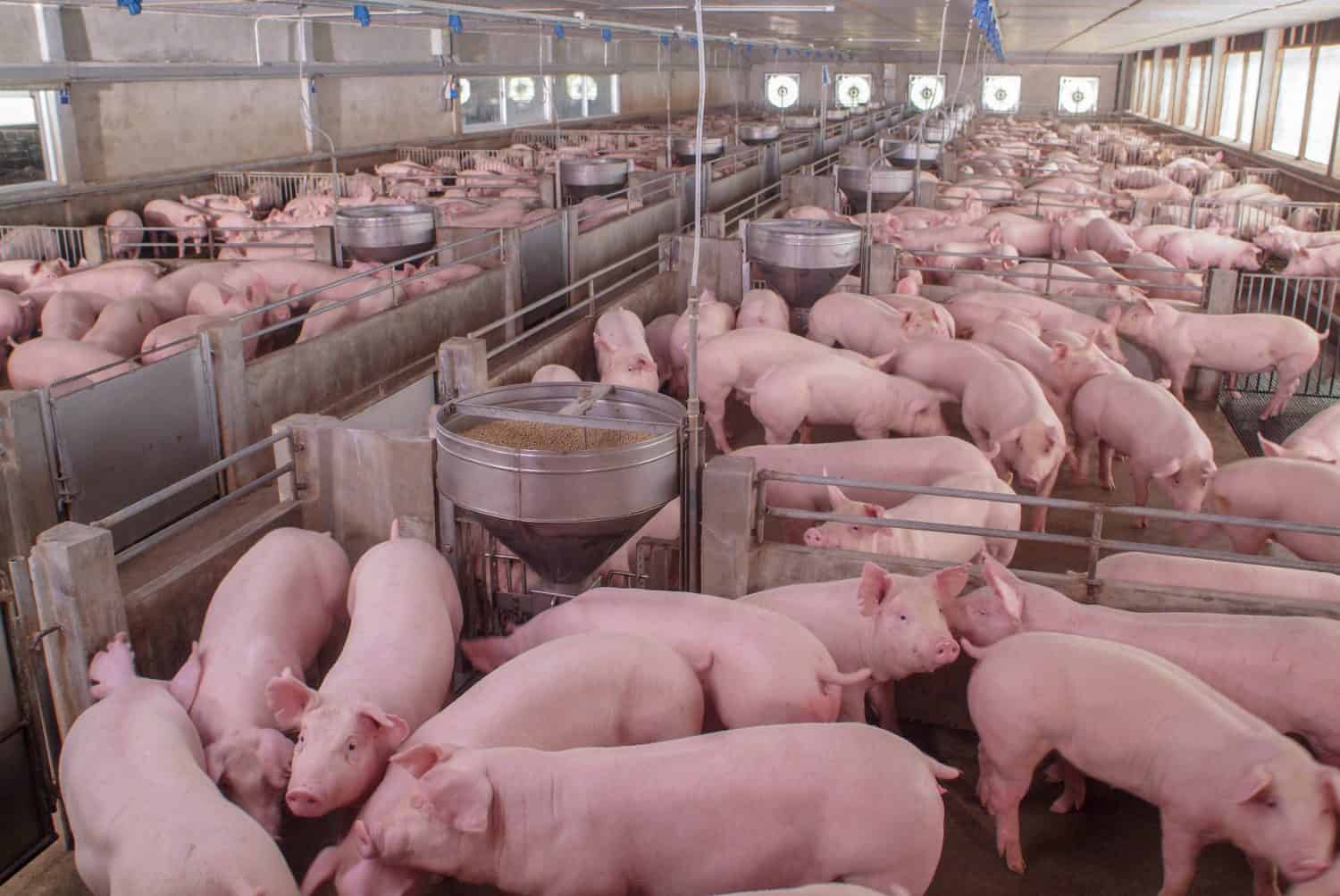
Think of an animal you ate in the last week. It’s almost guaranteed that it made its way to your dinner table after a lifetime of pain. Laying hens are kept in massive wire cage labyrinths, confined to less floor area than a piece of paper each, while broiler chickens are often housed in densely populated indoor barns. They can’t spread their wings, perch, bathe, or build nests. Breeding sows are kept in metal cages barely larger than their own bodies, unable to turn around or do much of anything. Other animals like turkeys or even cows are kept on hard floors soaked in manure, deprived of sunlight or any free movement.
A prioritization of profit and efficiency over compassion and care has caused many factory farm companies to focus on increased volume. This produces extreme breeding and production practices for harvesting more meat in a shorter time span. Selective breeding in broiler chickens causes muscle to develop at unnatural rates. This makes more meat, but it also causes chickens to suffer deformities, chronic pain, immobility, and even heart failure. Dairy cows bred for maximum milk yields have likewise been associated with welfare problems, including greater risks of lameness and udder disease.
Mind over Meat
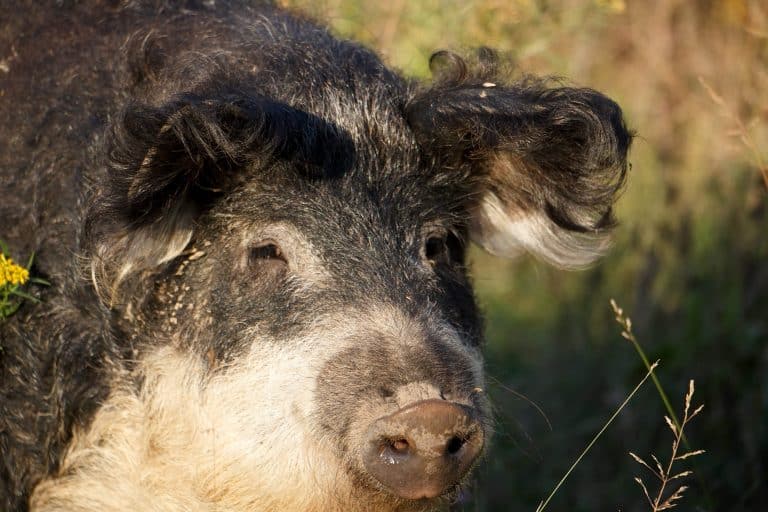
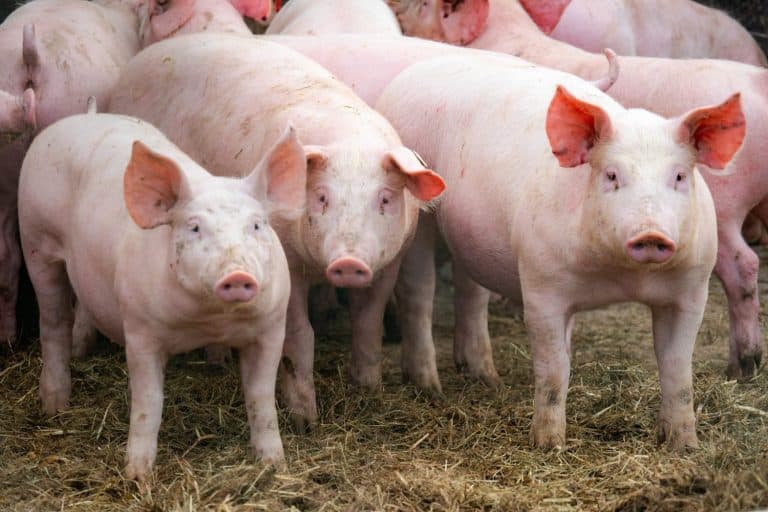
Perhaps these tortuous methods for meat consumption can be overlooked if we assume animals lack sentience. A growing body of scientific literature, however, suggests the opposite: animals have individual personalities, complex cognition, and vibrant emotional lives. Pigs are perhaps the clearest example; they have strong spatial memories, problem-solving skills, and complex social dynamics akin to dogs or even primates. They are empathetic and keen creatures.
Cows, too, have strong emotional depth, with social lives and lasting bonds. Even chickens, once considered lacking, have been shown to have complex communication dynamics. They can even anticipate future events and exercise self-control. Suffice it to say that eating factory farm-raised meat becomes a little harder when you hear these things. Animals in these conditions are capable of experiencing pain, fear, social attachment, and a range of emotional states. Thinking of these creatures as individual beings with rich lives is the first step in combating the horrors of the factory farm industry.
The History of National Farm Animals Awareness Week
For the past few decades, various organizations have joined forces to highlight the cruel conditions factory farm animals endure. In 1983, Holocaust survivor and co-founder of the Farm Animal Rights Movement, Alex Hershaft, created the World Day for Farmed Animals. It’s an annual observance, coinciding with Mahatma Gandhi’s birthday, that raises public awareness of animals and supports sustainable food cultivation methods.
A decade later, the Humane Society of the United States launched National Farm Animals Awareness Week in 1993 as an educational campaign focused on animals raised for food and the often-cruel methods used to scale production. In recent years, these organizations have partnered with ethical food brands like Whole Foods Market and Ben & Jerry’s to encourage more sustainable meat sourcing practices.
The Future of Food Consumption

Retail sales of plant-based foods have more than doubled in recent years.
©AYO Production/Shutterstock.com
The factory farming industry seems to keep growing. However, the demand for more sustainable, welfare-focused farming practices has grown alongside it. Third-party certifications denote stricter sourcing standards like “Certified Humane” or “Animal Welfare Approved.”
There is also a growing movement of plant-based consumption. Thanks to scientific innovations, meat alternatives are more available than ever and increasingly tasty, too. Rates of strict vegetarianism and veganism have remained steady for decades. However, the number of “flexitarians” who practice reduced meat consumption has only grown. The plant-based food market makes this clear. Between 2017 and 2022, U.S. retail sales of plant-based foods more than doubled from $3.9 billion to $8 billion.
Federal lawmakers have also proposed broader reforms. The Farm System Reform Act was introduced in 2023. It would place a moratorium on new and expanding large, concentrated animal feeding operations (or CAFOs), while creating incentives for farmers to transition toward other production models. Unfortunately, the legislation did not become law, but animal-welfare advocates continue to promote similar reforms.
Initiatives like National Farm Animals Awareness Week show growing interest in a food system that prioritizes animal welfare, sustainable agriculture, and alternatives to factory farming.