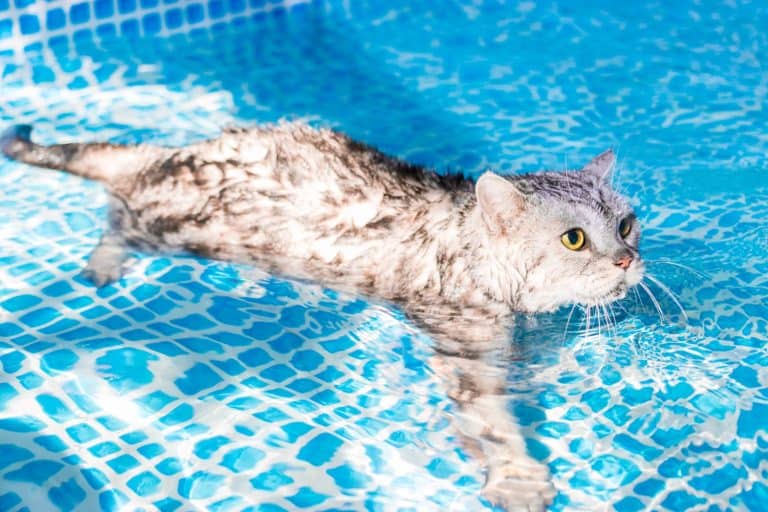

Anyone with a pool knows how easily animals can become stuck swimming in circles. It’s not uncommon to find insects, mice, and even frogs floating around the deep end. Bats are less commonly found in pools, but there was a recent incident in Australia where one became trapped. Animal rescue was able to help the tiny bat in this video, which likely fell into a rooftop pool while looking for food. However, the most surprising part of this ordeal wasn’t finding a bat in a pool. Instead, it was realizing that bats know how to swim and do it reasonably well.
Bats Are Multi-Talented
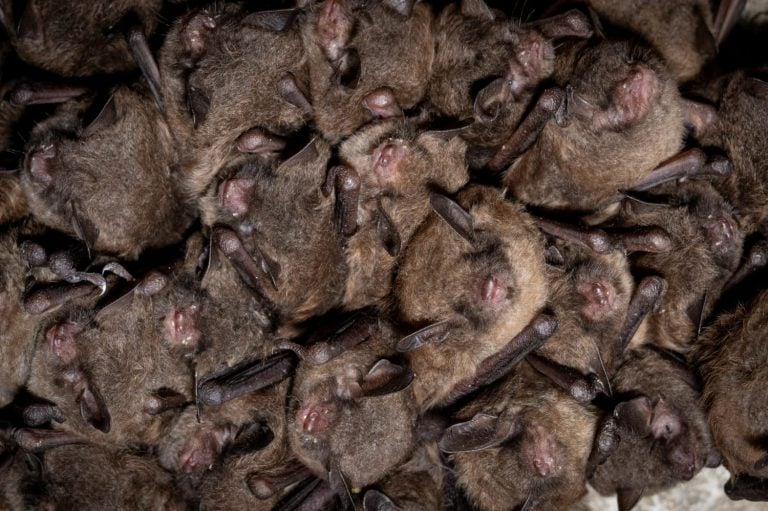
The adaptations that make bats good at flying also help them swim when necessary. It’s not a natural behavior for them, but it does kick in as a life-saving instinct. Bats are the only mammals capable of naturally sustained flight. Like many mammals, they can also swim as a survival skill when necessary. Their unique wings repel water, making it easier for them to stay afloat. They avoid flying in the rain because of increased air resistance, not because they are unable to get wet.

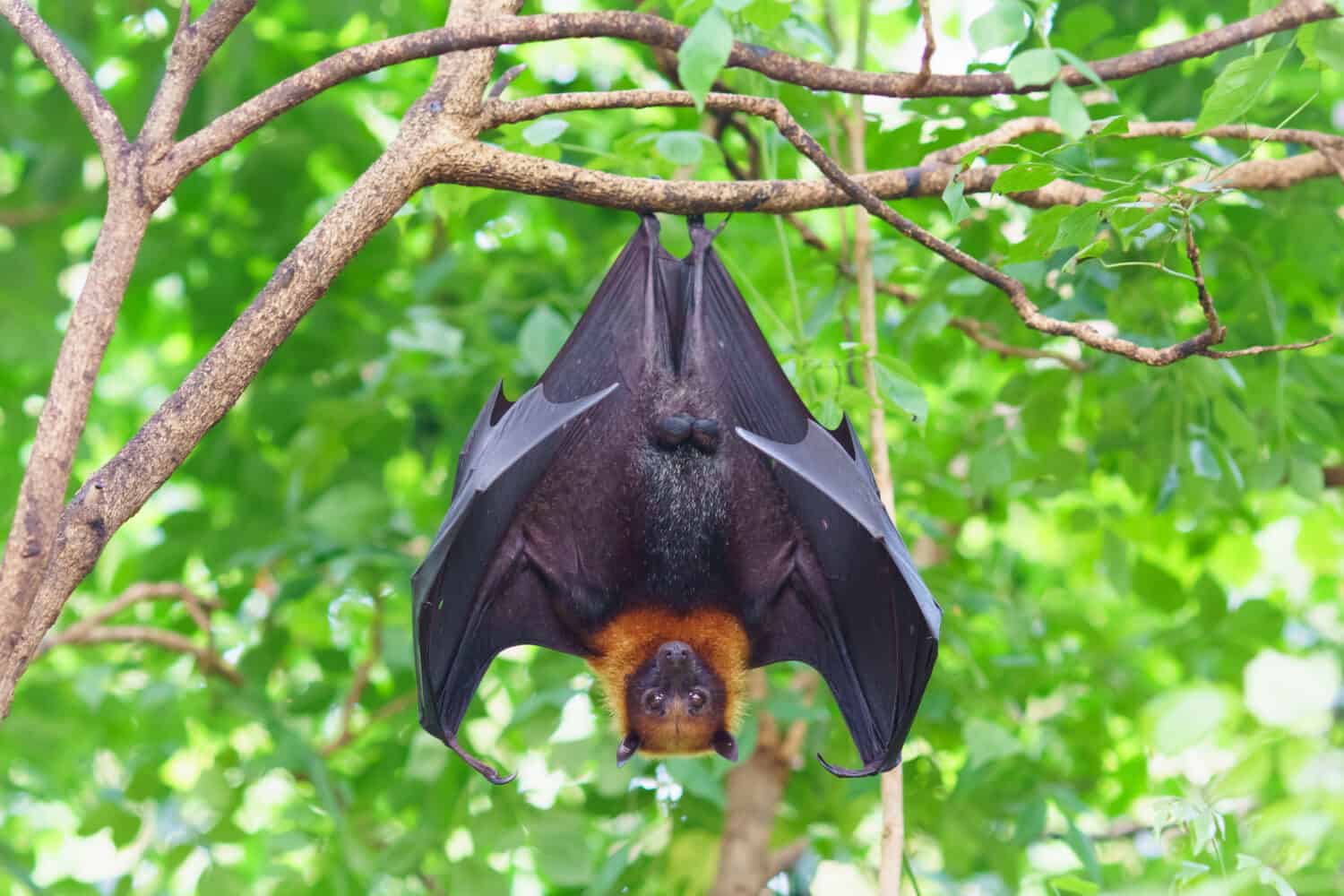
Bats have many talents.
©Daniel Istvanko/Shutterstock.com
This leads to the misconception that bats are incapable of swimming. The only thing that hinders them in water is their fur. This can cause waterlogging and weigh the bat down, forcing it to expend energy to stay afloat. Even so, a bat’s wings are exceptionally powerful and still function as two broad oars. By using their wings in tandem, bats can propel themselves toward dry land. The bat in the video above demonstrates how its wings can push through the water, allowing it to move surprisingly fast for an animal known primarily for flying.
How This Fruit Bat Found Buoyancy
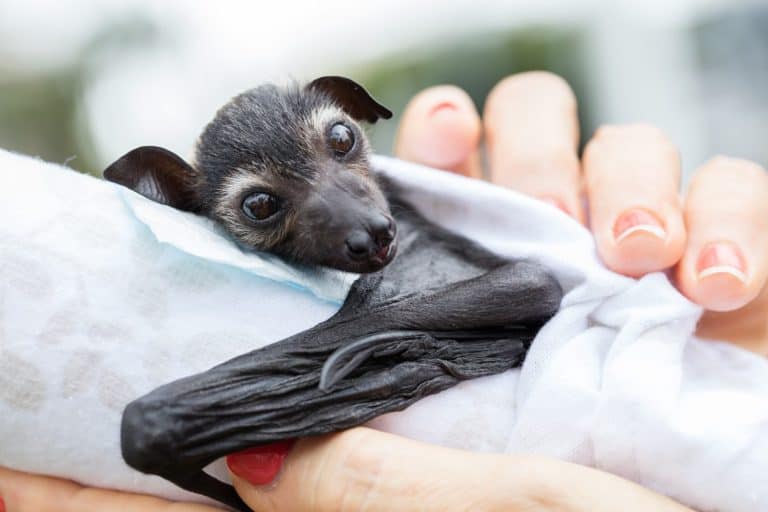
This fruit bat is native to Queensland, where it emerges at dusk to forage for fruit. Fruit bats are known to dip down into water for a drink and sometimes misjudge the depth, leading to accidental falls. This bat may have mistaken the pool for a freshwater source and gotten more than it bargained for. Most of the time, bats can exit lakes, rivers, and streams on their own. However, the ledges around this lap pool made it difficult for this fruit bat to climb out. While this bat was able to swim, it likely would not have survived long without the help of a local rescue.
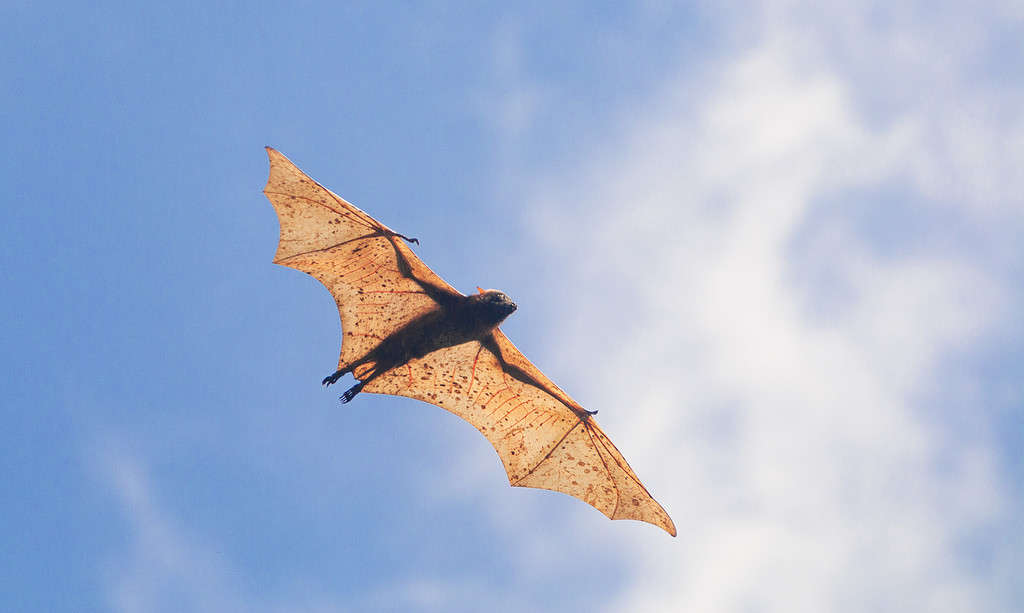
Bats are mammals that can fly.
Using its wings as arms, this fruit bat was able to continue swimming until help arrived. Its wings cut through the water to move it forward, helping its body remain buoyant. In the rescue video, the bat manages a swimming motion similar to a breaststroke and quickly swims toward its rescuer. Despite the pool ladder being within reach, bats like this don’t have the joints needed to grasp onto smooth rungs. The claws on its wings help propel it forward in the water, but are not effective for gripping smooth pool edges.
Judging by the sounds this bat made when its rescuer arrived, it was tired of swimming in circles. Although bats are fully capable of swimming, it’s not something they do by choice. The thin membrane of their wings can become waterlogged the longer they stay in water. While their wings are powerful for swimming, bats would much prefer to be flying than floating.
Animals and Pools
Another unseen danger of this situation could have been chemical exposure. When wildlife end up in pools like this, they do not realize they are swimming in chemically treated water. Chlorine and other pool chemicals can be toxic to animals if they are exposed for an extended period. Frogs and toads, for example, can go into shock if they’re left in a pool. If they exhibit signs of distress, like lethargy or paralysis, it means they’ve been exposed to chlorine for a significant amount of time. Chlorine can also affect rodents, such as mice, leading to irritation and other health issues. Even brief exposure without rescue can be harmful to certain species.

A pool floatie may be a good investment for your critter.
©https://froglog.us/collections/products/products/the-original-froglog – Original
Studies are still ongoing regarding the effects of swimming pools and bats. Many fruit bats, like the one in this story, may be attracted to the insects that gather around pools. Bodies of water like this often attract mosquitoes and other insects that form part of a bat’s diet. Bats may get caught in pools while diving to catch insects. They may also mistake swimming pools for natural bodies of water and become trapped while trying to drink. If you have a pool and live in an area with many bats, there are steps you can take to prevent incidents like this. The first step is to check the pool regularly for signs of animal activity, especially early in the morning. This could be a life-saving measure for nocturnal species like bats. The second is to invest in a critter ladder, such as the FrogLog. This inflatable step helps animals escape from the pool, reducing the need for emergency rescues or animal control intervention.