
Quick Take
- 11 states in the US allow trapping of mountain lions, exposing a high-stakes, non-target risk at the heart of nuisance wildlife policy.
- Indiscriminate traps threaten non-target wildlife, putting mountain lions at risk and fueling human-wildlife conflict.
- Counter-intuitively, a swift, precise use of a noose lets the trapper free the mountain lion without escalating harm.
- Read on to discover the deeper question this incident raises: Should trapping of mountain lions have ever happened in the first place?
People who use traps are called trappers. Essentially, they are known for hunting and trapping wild animals, especially in areas where those animals have become a nuisance to the environment. Trapping allows trappers to use mechanical devices to capture different animal species without them actually being present.

Although effective for its intended purpose, trapping is indiscriminate. This means that any animal, including those not sought after by the trapper, may get stuck when their feet touch the ground where the mechanical device is set up.
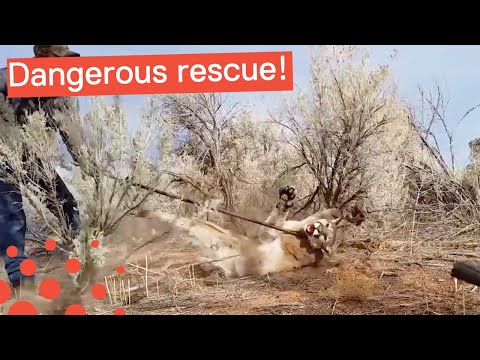
In this clip, you can see that the trapper has caught something that he did not expect. He had set out the trap for bobcats and coyotes, but a mountain lion got caught in the trap.
The camera is set up on the ground with the mountain lion in the center of the frame. It is very visibly upset, with its left paw caught in the trap, causing it a lot of pain. The trapper, realizing that he must set the mountain lion free, approaches it with a noose. Understandably, the mountain lion perceives the man as a threat. Despite this, the man continues approaching the mountain lion and expertly manages to get the noose around its neck. It takes him only one try.
The mountain lion responds as any cat would. It hisses, flashing its sharp teeth, and writhes about on the floor, attempting to free itself—even with its left paw still stuck in the trap.
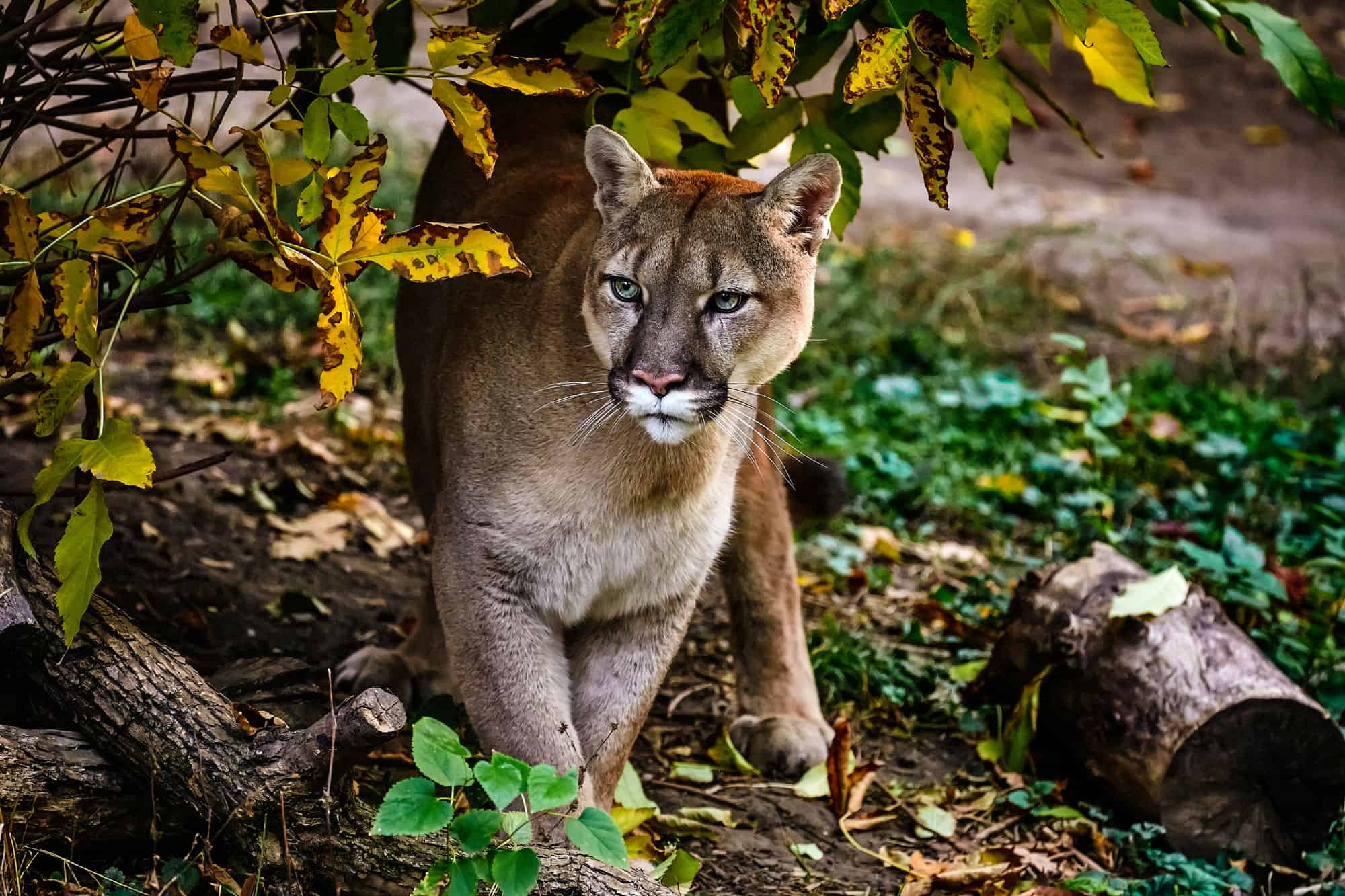
Wildlife agencies resort to trapping as a means to protect certain game populations. Eleven states currently allow the trapping of wild lions.
©Evgeniyqw/Shutterstock.com
It’s a dry environment with some brush strewn about, and the mountain lion kicks up quite a bit of dust. The man tightens the noose enough to nearly immobilize the lion, allowing him to get close enough to release the trap from the big cat’s paw.
The man moves quickly, holding the noose against the mountain lion’s neck, and releases its paw with one swift motion. The mountain lion, still visibly upset and confused, is released by the man. Text on the screen questions whether this mountain lion should ever have been caught in the first place. The mountain lion runs away, not interested in engaging with the human who trapped it and hurt its paw.
Trapping remains a controversial practice, but this trapper did a good thing by trying to rectify his mistake.
Is This Behavior Normal?
Witnessing this unfortunate event caught on camera, how could anyone question the behavior of the trapped, frightened mountain lion? Wild animals are very dangerous, whether free or trapped. This mountain lion displaying aggressive behavior is normal, given the circumstances. While this person appears to have had a good strategy for freeing this animal, the question arises–why were those traps set in the first place?
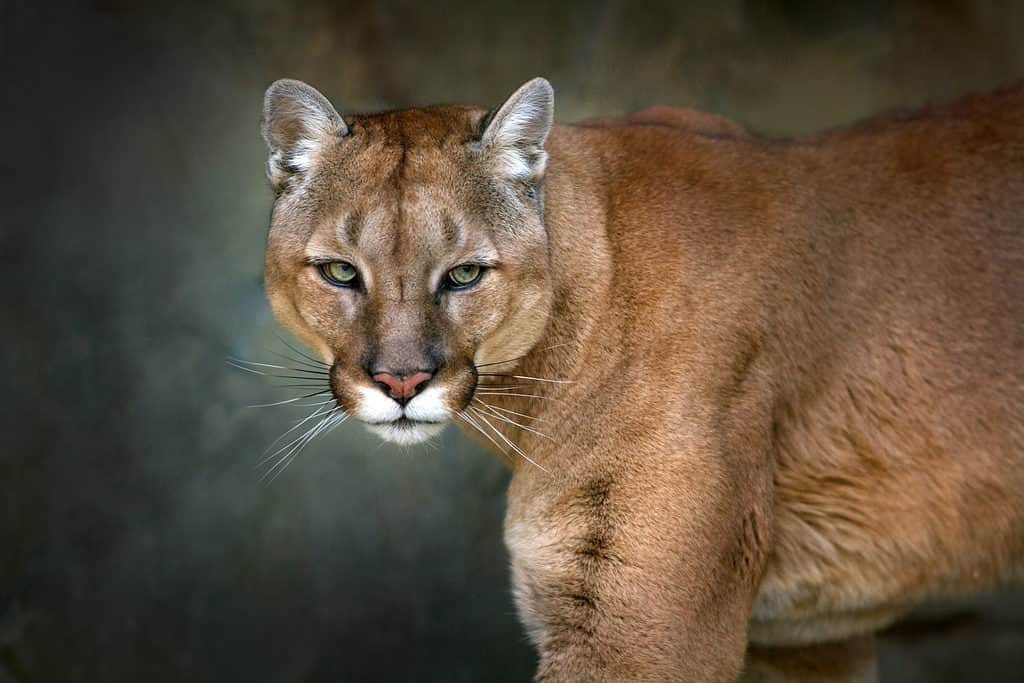
Mountain lions are obligate carnivores, meaning they must eat meat to survive.
©Kwadrat/Shutterstock.com
In general, wildlife agencies do resort to trapping as a means to protect certain game populations. Currently, 11 states in the US allow the trapping of mountain lions by federal Wildlife Services, wildlife agency workers, or private contractors. While mountain lion attacks on humans are rare, they are on the rise due to several factors, such as habitat loss and encounters with humans, such as hikers. These factors likely lead to the need for trapping to protect humans or their livestock from mountain lions.